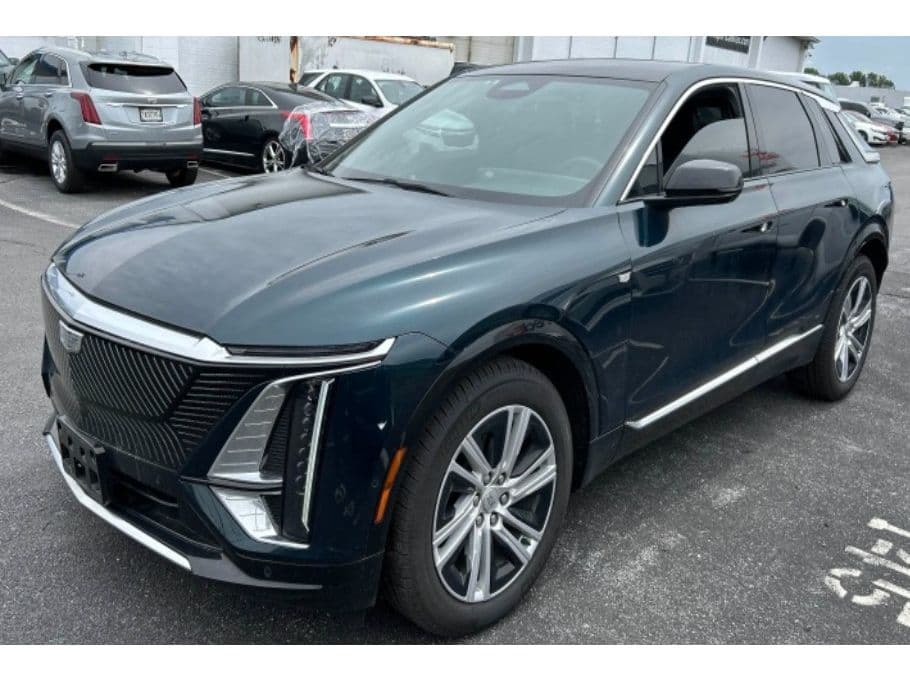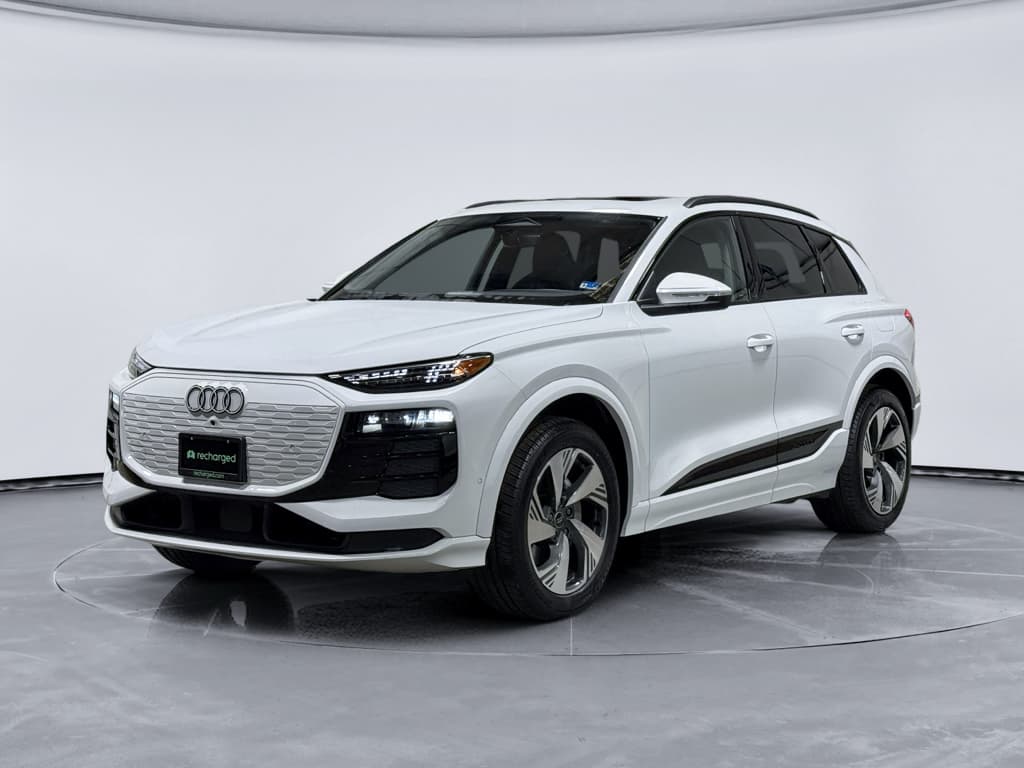
If you’re shopping a **used luxury electric SUV**, the **Cadillac Lyriq vs Audi Q4 e-tron** matchup is probably near the top of your list. Both offer upscale cabins, familiar badges, and real everyday usability, but they don’t play the same role in your life. One is a large, long‑range cruiser; the other is a compact, city‑friendly runabout. Choosing well comes down to how you actually drive, not just the badge on the grille.
Used-focused comparison
Overview: Used Cadillac Lyriq vs Audi Q4 e-tron
Cadillac Lyriq: Bigger, bolder, more range
- Size: Mid-size luxury SUV – closer to BMW X5 / Mercedes GLE in footprint.
- Battery: ~102 kWh pack with EPA range typically in the low‑ to mid‑300‑mile range depending on trim.
- Focus: Long‑distance comfort, standout design, quiet cabin.
- Best for: Families, commuters with longer drives, and road‑trippers who value range and comfort.
Audi Q4 e-tron: Compact, tidy, easy to park
- Size: Compact luxury SUV, think Q5‑sized, closer to a BMW X3.
- Battery: ~77–82 kWh usable pack on U.S. models, with EPA ranges roughly in the mid‑200‑mile area depending on powertrain.
- Focus: Urban maneuverability, familiar Audi driving feel, polished tech.
- Best for: City and suburban drivers who prioritize manageable size and Audi’s infotainment.
Think about size first
Quick specs: Lyriq vs Q4 e-tron at a glance
Core specs comparison (typical U.S. trims)
Approximate factory specs for common 2023–2025 models you’re likely to see on the used market. Always confirm exact numbers for the VIN you’re considering.
| Spec | Used Cadillac Lyriq (RWD/AWD) | Used Audi Q4 e-tron (RWD/AWD) |
|---|---|---|
| EPA range (mi) | ~303–326 RWD, ~286–319 AWD | ~258–265 RWD, ~236–258 AWD |
| Battery capacity | ~102 kWh | ~77–82 kWh |
| Max DC fast charge | Up to ~190 kW | Up to ~150–175 kW |
| 0–60 mph (approx.) | ~5.7s RWD, ~4.6s AWD (V trims even quicker) | ~6–7s RWD, ~5s AWD |
| Drive layout | Single‑motor RWD or dual‑motor AWD | Single‑motor RWD or dual‑motor AWD (quattro) |
| Towing capacity | Up to ~3,500 lbs (AWD) | Up to ~2,650 lbs (AWD) |
| Size class | Mid-size luxury SUV | Compact luxury SUV |
Cadillac Lyriq vs Audi Q4 e-tron key specs
Specs vary by year and trim
Range and efficiency: Which goes farther in the real world?
Range is where the **used Cadillac Lyriq** really steps away from the **Audi Q4 e-tron**. Thanks to a larger ~102 kWh battery, many Lyriq trims post EPA ratings in the low‑ to mid‑300‑mile range, particularly the rear‑drive versions. By contrast, most Q4 e-tron variants you’ll find used land in the mid‑200‑mile band, with rear‑drive models typically around the high‑200s and AWD trims dipping closer to the mid‑200s.
Range strengths of each EV
How they behave in everyday driving, not just on the window sticker
Cadillac Lyriq range profile
- Highway cruising: That big battery and slippery shape make the Lyriq a strong highway car. Expect real‑world highway range that still comfortably clears 250 miles, even at typical U.S. freeway speeds.
- City/suburban use: Regenerative braking and efficient electronics help it shine in stop‑and‑go driving; many owners see efficiency that rivals or beats other luxury EVs of this size.
- Degradation so far: Early used examples haven’t shown alarming loss of range; software and thermal management appear to be doing their job, though long‑term data is still building.
Audi Q4 e-tron range profile
- Urban/all‑rounder: The Q4’s range is perfectly adequate for typical 20–60‑mile daily use. Even with some degradation, a full charge generally covers several days of commuting.
- Highway trips: Shorter range and slightly slower fast‑charging mean you’ll stop more often on long road trips versus a Lyriq.
- Cold‑weather impact: As with most compact EVs, range drops more noticeably in winter; pre‑conditioning and route planning become more important on road trips.
Range winner: Lyriq
Charging experience and networks
On paper, both SUVs charge quickly enough for most owners, but they go about it a little differently. The Lyriq is built on GM’s Ultium platform, with DC fast charging up to about 190 kW and strong Level 2 capability (11.5 kW standard, with an available 19.2 kW onboard charger on many trims). The Q4 e-tron uses a smaller pack and DC fast charging that typically tops out between 150 and 175 kW, depending on model year and software.
Charging capability snapshot
- **Home charging:** Lyriq owners with access to a 240‑volt circuit can take real advantage of its strong onboard charger, especially on models with the 19.2 kW option. The Q4 e-tron’s smaller pack still charges fully overnight at typical 32–40 amp Level 2 speeds.
- **Public DC fast charging:** Both use CCS ports on the used market today. The Lyriq’s higher peak and larger battery favor fewer, slightly longer stops on road trips; the Q4 will often need more frequent stops but fills its smaller pack fairly quickly.
- **Tesla Superchargers:** Newer Lyriq models can use Tesla Superchargers with a GM‑approved NACS adapter, and some sites with Magic Dock can support CCS directly. Over time, that broadens the Lyriq’s road‑trip options. Audi has announced NACS adoption going forward, but used Q4s on today’s market will generally still rely on CCS adapters and third‑party networks.
Match charging to your routine
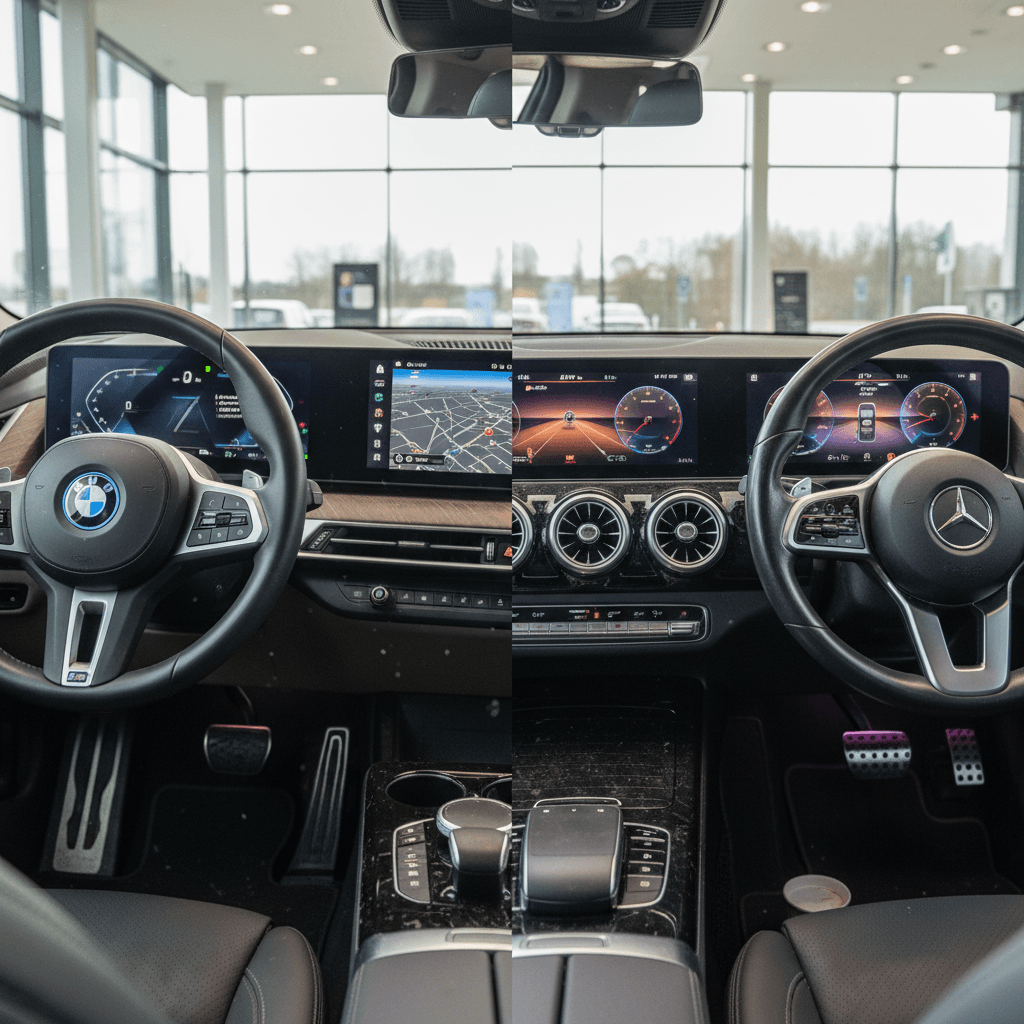
Space, comfort, and in-car tech
The Lyriq and Q4 e-tron are both luxurious, but they don’t feel the same once you slide behind the wheel. The Lyriq goes for a dramatic, lounge‑like experience with a sweeping 33‑inch display and a very quiet cabin. The Q4 e-tron feels more like a familiar Audi SUV that happens to be electric, clean, solid, and understated.
Interior and tech: where each EV shines
Cadillac Lyriq strengths
- Space: Noticeably more stretch‑out room in both rows and a larger cargo area; better suited to families, tall drivers, or frequent four‑adult trips.
- Cabin ambiance: Bold design, extensive ambient lighting, and a very quiet ride give it a true luxury‑EV feel.
- Display and audio: The wide 33‑inch curved display and available high‑end audio systems provide a “wow” factor you won’t find in all rivals.
- Driving aids: Many Lyriqs come with advanced driver‑assist suites; some are equipped with hands‑free highway systems like Super Cruise, valuable on long drives.
Audi Q4 e-tron strengths
- Ergonomics: Classic Audi layout with intuitive controls and an easy learning curve if you’ve owned a recent Audi.
- Compact footprint: Easier to park and thread through tight garages or downtown streets.
- Infotainment familiarity: Many Q4s support Apple CarPlay and Android Auto, which some buyers prefer over embedded systems.
- Materials: Fit and finish are solid and consistent with other compact Audi SUVs, even if the design is more conservative than the Lyriq’s.
Try both back-to-back
Driving dynamics and performance
From behind the wheel, the Lyriq and Q4 e-tron emphasize different personalities. The Lyriq leans toward relaxed, confident power with plenty of torque in reserve, especially in dual‑motor AWD and performance‑oriented trims. The Q4 is tuned more like a traditional Audi crossover, composed, easy to place, and confidence‑inspiring, but not as quick in a straight line.
Cadillac Lyriq driving character
- Power: Strong on both RWD and AWD versions, with AWD models capable of sub‑5‑second 0–60 sprints.
- Ride & handling: Comfortable and composed; it feels substantial on the highway and soaks up long distances with ease.
- Towing: Up to around 3,500 lbs when properly equipped, useful if you occasionally tow a small trailer or toys.
- Noise & refinement: One of the quieter cabins in its class, especially on smooth pavement.
Audi Q4 e-tron driving character
- Power: Adequate and smooth rather than thrilling; AWD versions are quick enough for confident passing but won’t pin you to the seat like the more powerful Lyriq trims.
- Ride & handling: Tidy and predictable, more agile in tight spaces than the Lyriq thanks to its smaller size.
- Towing: Typically rated around 2,650 lbs on AWD versions, fine for light trailers or bike racks.
- Noise & refinement: Quiet and refined by compact SUV standards, though not quite as hushed as the Lyriq at highway speeds.
Performance verdict
Ownership costs, incentives, and resale value
On the used market, pricing and incentives move quickly, but a few patterns are emerging. The Lyriq launched at higher MSRPs and feels more “flagship,” yet aggressive lease and purchase programs on new models have already nudged used pricing downward in some regions. The Q4 e-tron, as a compact, started lower and often competes more directly with other small luxury EVs, something that can also pressure used prices.
Key ownership cost factors to consider
Purchase price
- In many markets, **used Q4 e-trons** list for less than similarly‑equipped Lyriqs of the same year, reflecting their size and original window stickers.
- However, well‑optioned Lyriqs sometimes transact close to Q4s when dealers are eager to move inventory.
Running costs
- Electricity vs gas: Both dramatically undercut comparable gas SUVs on fuel cost, especially if you can charge at home on off‑peak rates.
- Maintenance: No oil changes, fewer moving parts. Still, budget for tires (heavy EVs wear them faster) and brake service over time.
Resale and demand
- Brand pull: Both Cadillac and Audi carry strong brand recognition, but the Lyriq’s standout styling and range may keep demand higher among EV‑curious luxury buyers.
- Battery health: EV resale value is tightly linked to battery condition, something Recharged helps make transparent with the **Recharged Score Report**.
Don’t ignore financing and EV‑specific perks
Buying used: What to look for on each model
Used Lyriq vs Q4 e-tron: inspection checklist
1. Battery health and fast‑charge history
Ask for battery health data, DC‑fast‑charge usage patterns, and any software updates. On Recharged, every vehicle comes with a **Recharged Score** and battery health diagnostics so you don’t have to guess.
2. Charging hardware and adapters included
Confirm that the **portable charge cord**, any wall‑box hardware, and included adapters (particularly relevant for future NACS/Tesla access) come with the vehicle. Replacing missing gear isn’t cheap.
3. Software, infotainment, and driver‑assist features
On Lyriq, verify which driver‑assist packages (including Super Cruise availability) are active and whether subscriptions are current. On Q4, confirm that Apple CarPlay/Android Auto and connected‑services subscriptions work as expected.
4. Tires, brakes, and suspension wear
Both SUVs are heavy EVs; they can wear tires and suspension components faster than you might expect. Inspect for uneven tire wear, vibration, and any thumps or clunks over bumps.
5. Body and underbody condition
Check for curb rash on large wheels, underbody scrapes, and corrosion in rust‑prone regions, especially important as these are still relatively new EVs that may have seen all‑weather use.
6. Charging test drive
If possible, **plug in during the test drive**, either at the seller’s home Level 2 charger or at a nearby public station, to confirm the vehicle charges at expected speeds and that the port and connectors work smoothly.
Avoid buying blind on battery health
Who should choose which EV SUV?
Choose a used Cadillac Lyriq if…
- You want maximum range and fewer charging stops on road trips.
- You prefer a larger, more spacious luxury SUV feel.
- Highway comfort, a quiet cabin, and advanced driver‑assist tech rank high on your list.
- You’re planning to keep the vehicle for several years and want something that still feels cutting‑edge.
- You have (or can install) a strong home Level 2 charging setup to take advantage of its robust onboard charger.
Choose a used Audi Q4 e-tron if…
- You live in the city or inner suburbs and want a compact footprint that’s easy to park and maneuver.
- Your daily driving is modest, well under 200 miles most days, and you rarely road‑trip by car.
- You prefer Audi’s design language and **straightforward, familiar** infotainment experience.
- You’re aiming for a lower purchase price and are comfortable with shorter range in exchange.
How Recharged can help
Ready to find your next EV?
Browse VehiclesFAQ: Used Cadillac Lyriq vs Audi Q4 e-tron
Frequently asked questions
When you line them up, the **used Cadillac Lyriq vs Audi Q4 e-tron** comparison isn’t about which EV is “better” in the abstract, it’s about which one fits your daily life. If you want a long‑legged, luxurious SUV with standout range and a big‑car feel, the Lyriq is the stronger all‑rounder. If you live where streets and parking spots are tight, drive modest daily miles, and like Audi’s familiar formula in a compact package, the Q4 e-tron can be a smart, value‑oriented choice. Either way, taking the time to verify battery health, charging performance, and equipment, ideally with a **Recharged Score Report** in hand, will pay dividends every mile you drive.