If you own or are shopping for a Polestar 2, it’s natural to wonder about the **Polestar 2 battery replacement cost**. EV traction batteries are the single most expensive component in the car, and the idea of a five‑figure repair bill can spook even confident buyers. The good news: catastrophic pack replacements are rare, and between Polestar’s battery warranty and the growing used‑pack market, you have more protection and options than you might think.
High‑voltage vs. 12‑volt battery
Polestar 2 battery basics: size, type and lifespan
Every Polestar 2 uses a **lithium‑ion high‑voltage battery** integrated into the floor. Early cars shipped with a pack around **78 kWh usable capacity**, while newer long‑range versions sit around **82 kWh**, and standard‑range single‑motor models are close to **69–70 kWh**. In all cases, Polestar designs the pack to be **maintenance‑free** and to last the life of the vehicle under normal use.
- Battery type: lithium‑ion, liquid‑cooled
- Location: underfloor, inside the chassis for crash protection
- Typical capacities: roughly 69 kWh (Standard Range) or ~78–82 kWh (Long Range variants)
- Designed to be serviced or replaced only by authorized high‑voltage technicians
Think in years, not months
Does anyone actually replace a Polestar 2 battery?
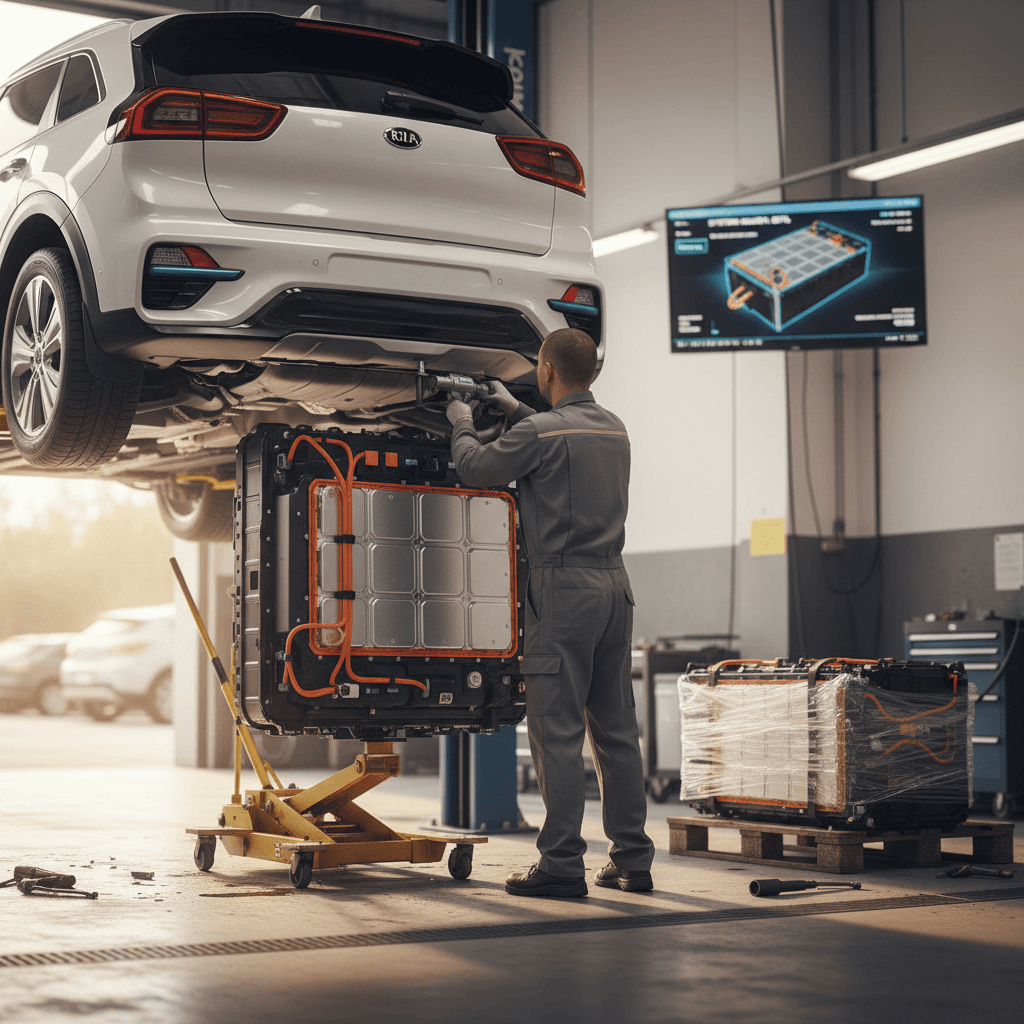
Polestar’s own owner documentation emphasizes that the high‑voltage battery is **not a consumable item** in the same way tires or brake pads are. It’s expected to last the life of the vehicle, and only **authorized workshops** are allowed to replace it. In practice, full pack swaps on a relatively new model like the Polestar 2 usually happen only after **severe damage** (for example, crash damage or flood exposure) or a **rare manufacturing defect** that’s handled under warranty.
Don’t assume a full pack swap
What typically happens before a full pack replacement
Real-world Polestar 2 battery replacement cost
Because whole‑pack failures are rare and pricing is usually quoted case‑by‑case, Polestar doesn’t publish a simple menu price for a new high‑voltage battery. But used‑parts marketplaces and salvage listings give us a realistic sense of **what the hardware itself costs**, before labor and programming.
Polestar 2 battery pack pricing snapshots (used/OEM assemblies)
Examples from U.S. salvage and parts sellers as of late 2024–early 2025. These are **used** or remanufactured packs, not brand‑new dealer units. Prices are approximate and can change quickly based on supply and demand.
| Source type | Pack description | Approx. price (USD) | Notes |
|---|---|---|---|
| Auto recycler (used) | 2023 Polestar 2, 78 kWh high‑voltage battery | $1,700–$2,000 | Low‑mileage used pack from a dismantled vehicle, price excludes freight and installation. |
| Specialty parts retailer (used OEM) | Complete 78 kWh Li‑ion pack, 396 V, 197 Ah | $4,900–$5,200 | Tested OEM pack covering 2021–2024 Polestar 2, freight shipping only. |
| Online marketplace (used) | 78 kWh high‑voltage battery assembly | $3,000–$3,500 | Typical e‑commerce listing, pricing moves with availability. |
Real‑world parts pricing helps frame what a full Polestar 2 pack is worth on the open market.
Those numbers are for the **pack alone**, purchased as a part. If you walk into a Polestar service center out of warranty and request a full pack replacement, expect your **total invoice** to look very different once you add **labor, diagnostics, and software work**.
Dealer‑installed, out of warranty
- New or factory‑reman pack: commonly estimated in the mid‑five‑figure range if priced like other premium EVs. Automakers rarely publish these prices, and they can change.
- Labor & programming: 8–20+ hours of workshop time, lift use, high‑voltage safety procedures, and software work.
- Likely ballpark: a full, out‑of‑pocket pack swap could approach or exceed the resale value of an older Polestar 2.
Because of this, owners almost always rely on **warranty coverage** or **insurance** when major battery work is required.
Independent shop + used pack
- Used OEM pack: roughly $2,000–$5,000 based on recent listings, plus freight.
- Labor: an experienced EV shop could charge several thousand dollars for the swap and integration work.
- Considerations: pack history, remaining life, and software compatibility all add risk. Not every independent shop is willing to take this on.
This path can be significantly cheaper, but it’s more common after **collision damage** than normal degradation, and it may affect future warranty and resale value.
Why you rarely see a cash battery quote
5 factors that change your battery replacement bill
What really drives Polestar 2 battery replacement cost
Beyond the sticker price of the pack itself, these variables matter just as much.
1. Model year & pack size
Early 78 kWh packs and later 82 kWh packs may differ in hardware and compatibility. Newer, larger packs tend to command higher prices on the parts market.
2. Where the work is done
Polestar service centers charge premium labor rates and follow strict procedures. An independent EV specialist might be cheaper, but options are limited and warranties may be affected.
3. Why the pack is being replaced
Crash or flood damage is usually an insurance claim. Gradual capacity loss might be covered under Polestar’s high‑voltage battery warranty, depending on mileage and years in service.
4. Full pack vs. partial repair
Sometimes Polestar or a specialist can replace **individual modules** or other high‑voltage components instead of the full pack, cutting cost significantly.
5. Shipping & logistics
A Polestar 2 pack weighs hundreds of kilograms and ships as hazardous freight. Long‑distance shipping easily adds hundreds of dollars to the total.
6. Software and calibration
Even after the physical swap, technicians need to handle software pairing, diagnostics and safety checks. That time shows up on your invoice.
Polestar 2 battery warranty: what’s covered
In the U.S., a new Polestar 2 comes with multiple overlapping warranties that touch the high‑voltage battery. The key one for this topic is the **high‑voltage battery warranty**, which is designed to shield you from early, abnormal degradation or factory defects.
- High‑voltage battery warranty: typically **8 years/100,000 miles** against defects, with protection if capacity falls below a defined threshold within that window.
- Additional coverage: certain U.S. states (like California and other CARB states) layer on **extended emissions‑related battery coverage** – often up to **10 years/150,000 miles** for qualifying vehicles.
- Coverage focus: manufacturing defects, abnormal capacity loss, and failures of key high‑voltage components – not damage from collisions, flooding, or unauthorized modifications.
Warranty follows the car, not the first owner
Read the fine print for state coverage
How to avoid paying for a battery replacement
The best Polestar 2 battery is the one you **never have to replace**. While you can’t stop every potential failure, you can extend the pack’s useful life and keep degradation slow enough that a replacement simply never makes financial sense.
Daily habits that protect your Polestar 2 battery
1. Stay in the middle of the charge range
Use the car’s recommended charge limit for day‑to‑day driving (often around 70–80%) and avoid living at 100% or near 0% unless you truly need the range.
2. Plug in when parked in extreme weather
In very hot or cold conditions, leaving the car plugged in lets the thermal management system protect the battery without draining it.
3. Treat DC fast charging as a tool, not a lifestyle
Road trips and occasional fast‑charge sessions are fine, but constant high‑power DC fast charging puts extra stress on the pack over the long term.
4. Keep software up to date
Battery management strategies can improve over time. Make sure you’re installing Polestar’s over‑the‑air updates or having them applied at service visits.
5. Address warning lights quickly
If you see a battery or powertrain warning, don’t ignore it. Early diagnosis can prevent a minor issue from escalating into a major repair.
Used Polestar 2 battery health checklist
If you’re shopping the used market, battery health is where a Polestar 2 can either look like a bargain or a gamble. You can’t see degradation on a window sticker, so you need to be deliberate about how you evaluate it.
What to check before buying a used Polestar 2
1. Ask for a recent battery health report
A proper diagnostic scan or battery‑health report gives you a snapshot of usable capacity, not just the dashboard range guess. At <strong>Recharged</strong>, every EV comes with a <strong>Recharged Score battery report</strong> so you don’t have to guess.
2. Compare range to original specs
Look at the EPA‑rated range for that trim when new and compare it to what the car delivers at 100% charge in moderate weather. A modest gap is normal; a huge one deserves more investigation.
3. Review fast‑charging history if available
Heavy DC fast‑charging use isn’t automatically a red flag, but in combination with high mileage and aggressive use, it can explain faster‑than‑average degradation.
4. Check warranty start date and mileage
Verify the in‑service date and odometer reading so you know exactly how much **high‑voltage battery warranty** remains.
5. Inspect for flood or collision history
A clean battery‑health report won’t matter if the car has unseen structural or corrosion damage from flooding or a major accident. Always pull a history report and inspect the underbody.
Leverage expert help
When a Polestar 2 battery replacement might make sense
There are a few scenarios where replacing a Polestar 2’s battery – or buying a car that recently had one replaced – can actually be a **smart economic move**, especially as the used‑EV market matures.
Scenarios where a replacement pack can be a win
These aren’t common, but they do happen – and they can be opportunities if you know what you’re looking at.
Insurance‑funded replacement after damage
If the pack is damaged in a crash or flood but the car isn’t totaled, insurance may authorize a **new or remanufactured pack**. The owner ends up with a car whose battery is effectively far newer than the chassis.
For a second or third owner, that can be a hidden gem – lower degradation risk for years.
Salvage pack in an older, high‑mileage car
As Polestar 2s age, some owners or shops may swap in a **low‑mileage pack from a wrecked car** to extend the life of a chassis they like. If done properly, this can be cheaper than buying a newer EV outright.
You’ll want detailed documentation on who did the work, what parts were used, and how integration was handled.
From a pure dollars‑and‑cents perspective, though, if you’re facing an out‑of‑warranty quote for a new pack that rivals the market value of the car, it’s often **smarter to sell or total the vehicle** than to write a huge check. That’s why understanding **battery condition and warranty status up front** is so important when you buy.
FAQ: Polestar 2 battery replacement cost & battery life
Frequently asked questions about Polestar 2 batteries
Key takeaways for Polestar 2 owners and shoppers
A Polestar 2 battery replacement is expensive enough that you don’t want to stumble into it by surprise – but it’s also **far less likely** than many shoppers fear. Between Polestar’s **8‑year/100,000‑mile high‑voltage warranty**, strong pack engineering, and the emergence of a **used‑pack and used‑EV marketplace**, most owners will never pay out of pocket for a full battery swap.
If you already own a Polestar 2, focus on **battery‑friendly charging habits**, keeping software updated, and addressing any warning messages early. If you’re shopping used, prioritize cars with a **clear battery‑health report**, solid remaining warranty, and transparent history. That’s exactly the lens Recharged applies: every used EV we sell – Polestar 2 included – comes with a Recharged Score battery report, fair‑market pricing, and EV‑specialist support so you understand your long‑term costs before you buy.
When you’re ready to compare Polestar 2s against other used EVs, you can shop fully online, get an **instant offer or trade‑in quote**, line up **EV‑friendly financing**, and even arrange **nationwide delivery** through Recharged. That way, the only surprise in your ownership experience is how straightforward living with a used EV can be.