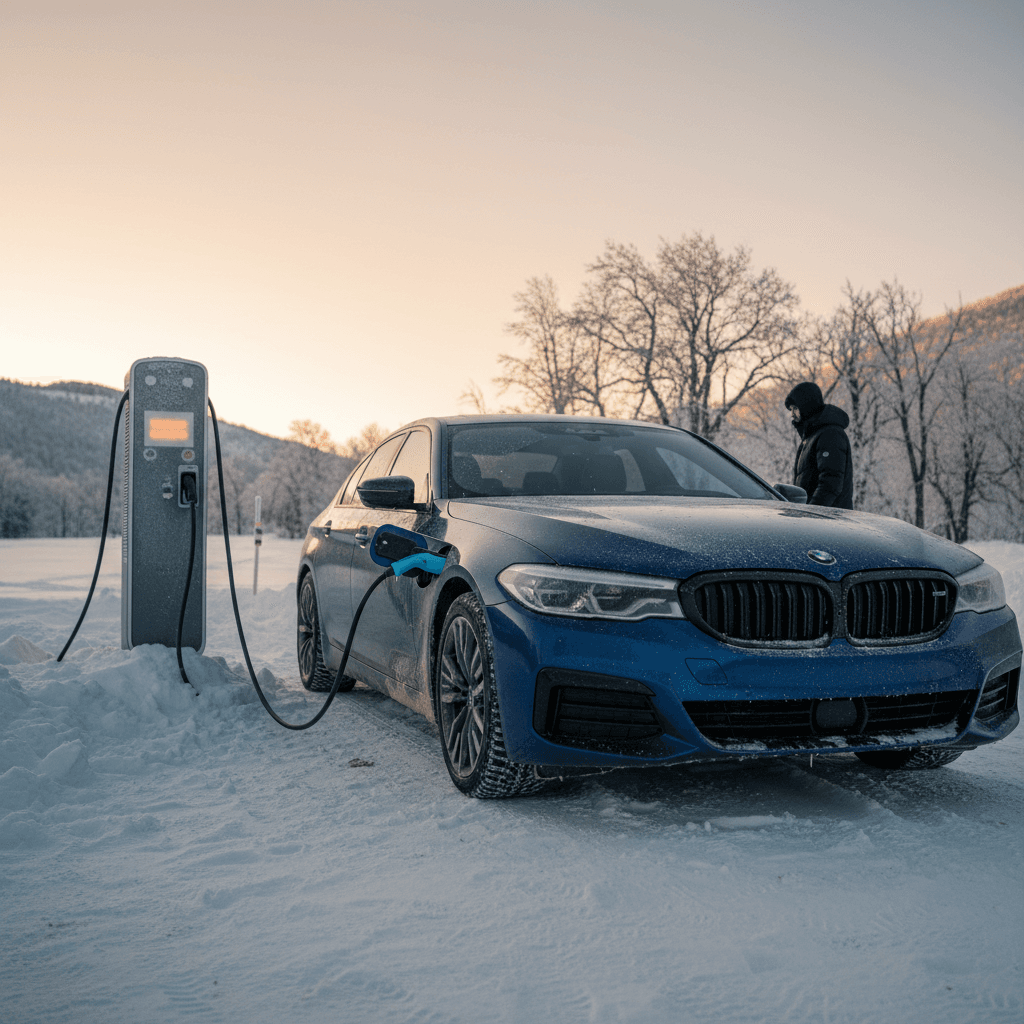
If you’re cross‑shopping a used BMW i5 vs Mercedes EQE, you’re exactly where the luxury EV market is headed: practical range, fast charging, and high‑end comfort without six‑figure price tags. On the used market, though, the story shifts from glossy brochures to real‑world range, depreciation, reliability, and battery health. This guide breaks that down so you can buy with confidence.
Two families, several body styles
Overview: Used BMW i5 vs Mercedes EQE
Key numbers at a glance (new EPA figures)
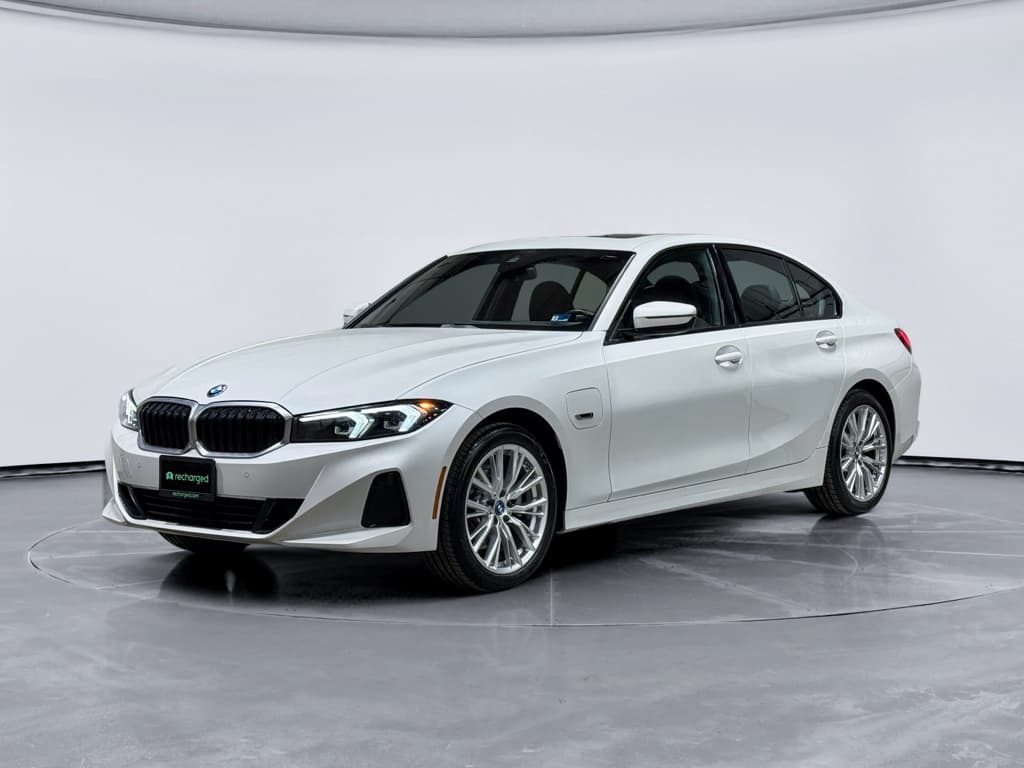
On paper, the BMW i5 and Mercedes EQE are closely matched: mid‑size luxury EVs with similar battery sizes, similar DC fast‑charging speeds, and five‑seat cabins. In practice, they feel very different. The i5 skews sport‑saloon with sharper handling and a more conventional dash layout, while the EQE feels like a mini‑EQS, prioritizing cushy ride and dramatic screens.
Quick take: which used EV fits you?
Used BMW i5 vs Mercedes EQE: who should buy which?
If you only read one section, make it this one.
Pick a used BMW i5 if…
- You want a sporty driving feel with precise steering and BMW’s classic 5‑Series dynamics.
- You care about driver‑focused controls and a slightly more traditional cockpit vs huge wall‑to‑wall screens.
- You prioritize range efficiency: i5 eDrive40 can match or exceed comparable EQE trims in usable range per kWh.
- You like strong DC charging and highway performance for frequent road trips.
Pick a used Mercedes EQE if…
- You want a plush, quiet ride and more of a cocooned, S‑Class‑lite experience.
- You’re drawn to MBUX, Hyperscreen and the overall wow factor of the interior.
- You’re okay trading a bit of efficiency for comfort and style.
- You’d like the option of an EQE SUV for easier ingress and more cargo space.
Used‑market reality check
Powertrain, battery size and real-world range
BMW i5 vs Mercedes EQE: core EV specs (new)
Exact numbers vary slightly by wheels and options, but this shows where each family sits from the factory. Used examples will have the same underlying hardware, just with some degradation over time.
| Model | Typical trim on used market | Battery (usable) | Drivetrain | EPA range (approx.) | Horsepower |
|---|---|---|---|---|---|
| BMW i5 eDrive40 | RWD luxury sedan | ~84 kWh | RWD | Up to ~295 mi | 335 hp |
| BMW i5 xDrive40 | AWD sedan | ~84 kWh | AWD | Mid‑260s mi | ~389 hp |
| BMW i5 M60 | Performance AWD | ~84 kWh | AWD | Mid‑250s mi | 593 hp |
| Mercedes EQE 350+ sedan | RWD sedan | ~90 kWh usable | RWD | High‑200s mi | 288 hp |
| Mercedes EQE 350 4MATIC sedan | AWD sedan | ~90 kWh usable | AWD | Mid‑200s mi | 288 hp |
| Mercedes EQE 350+ SUV | RWD SUV | 90.6 kWh usable | RWD | 279 mi EPA | ~292 hp |
| Mercedes EQE 350 4MATIC SUV | AWD SUV | 90.6 kWh usable | AWD | 253 mi EPA | ~292 hp |
Compare the mainstream trims you’re most likely to see used in the U.S.
In simple terms, the BMW i5 uses a slightly smaller pack than most EQE variants but comes very close on range. The i5 eDrive40 is the sweet spot: around 84 kWh and up to roughly 295 miles of EPA range when new, depending on wheels and options. The EQE sedan and EQE SUV use a roughly 90 kWh usable battery, with EPA ratings from the mid‑250s to high‑270s miles depending on body style and drivetrain.
What about degradation on a used car?
Charging speeds and road‑trip usability
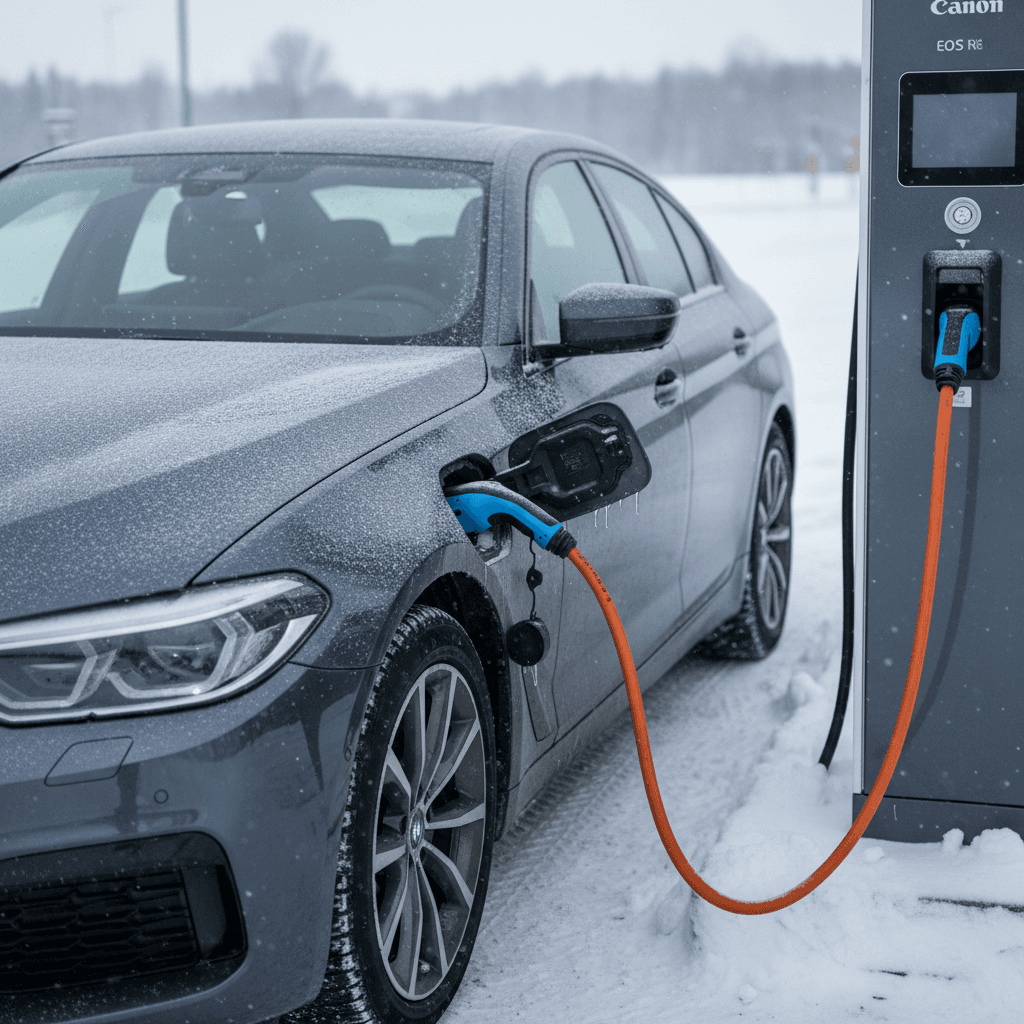
On road trips, both families are solid, but they go about fast charging in slightly different ways. BMW tunes the i5 for consistently strong DC fast‑charging, while Mercedes leans on intelligent route planning and pre‑conditioning to hit its claimed 170 kW peak in the EQE.
BMW i5 charging experience
- DC fast charging peak is roughly in the 180–190 kW class, depending on version and software.
- Expect 10–80% in the ballpark of 30–31 minutes when the battery is warm and you’re on a capable charger.
- AC charging at home through an 11 kW onboard charger: a full 0–100% overnight on a 48‑amp Level 2 is straightforward.
- As of 2025, BMW has begun adopting the NACS (Tesla) connector. Early i5s use CCS but can access Tesla Superchargers via adapters and roaming agreements, depending on model year and region.
Mercedes EQE (sedan & SUV) charging experience
- EQE models typically peak at up to 170 kW on DC fast charge, with a 10–80% window around 30–32 minutes when conditions are ideal.
- Onboard AC charging is 9.6–11 kW, so at home you’re also looking at an overnight fill for a near‑empty pack.
- Mercedes’ Navigation with Electric Intelligence can precondition the battery before a DC stop to hit peak speeds more often.
- U.S. EQE models use CCS for DC but increasingly ship with or support a NACS adapter, giving access to more Tesla locations over time.
Real‑world road‑trip tip
Interior comfort, tech and driving feel
How they feel from behind the wheel
Both are comfortable; the personalities are very different.
BMW i5: modern 5‑Series with electrons
- Driving character is firm but controlled, especially with M Sport or adaptive dampers.
- Steering is quick and accurate; it feels like a proper 5‑Series, just heavier.
- Interior design is clean and relatively conservative, with BMW’s curved display and iDrive.
- Seats tend to be more supportive for enthusiastic driving, with good thigh support.
Mercedes EQE: electric lounge on wheels
- Ride quality emphasizes softness and isolation, especially with AIRMATIC air suspension.
- Cabin design is dramatic, especially with the optional Hyperscreen layout.
- Seats are plush and supportive, with extensive massage and comfort options in higher trims.
- Steering and chassis tuning skew toward relaxed, effortless cruising rather than sharp back‑road driving.
Check ergonomics, not just screens
Reliability, warranties and battery health
Neither the i5 nor the EQE has been on the market long enough to build a decade‑long reliability record, but we can still pull in early data and brand‑level trends. BMW’s latest‑generation EVs have scored well in early owner surveys, while Mercedes’ EQ line has seen more mixed feedback, especially around software and minor quality issues.
- BMW typically scores higher than Mercedes in independent dependability rankings, and early comparisons have rated the i5 notably better than the EQE sedan for predicted reliability.
- Both brands offer 8‑year / around 100,000‑mile battery warranties in the U.S., which transfer to subsequent owners, subject to terms.
- On a 2–4‑year‑old example, the biggest unknown isn’t the motor or gearbox, they’re usually robust, it’s battery health, past fast‑charging behavior, and software history.
Where Recharged helps on the used side
Ready to find your next EV?
Browse VehiclesDepreciation, pricing and total ownership cost
The used‑EV market has matured quickly, and luxury EVs have taken some of the biggest early hits. That’s bad news for first owners, and good news for you if you’re buying used.
New‑price context
- 2025 BMW i5 eDrive40 stickers in the high‑$60,000s when new, with the M60 climbing into the mid‑$80,000s.
- Mercedes EQE sedan and SUV launched around the mid‑ to high‑$70,000s, but Mercedes has aggressively cut prices and offered incentives as demand softened.
That means many EQE models have dropped farther from MSRP in their first years than comparable BMWs, especially in markets where EQ inventory built up on dealer lots.
Used‑market patterns (2026)
- Lightly used i5 eDrive40s are often listed in the mid‑$50,000s to low‑$60,000s, depending on miles and options.
- Comparable EQE sedans or SUVs can dip into a similar or slightly lower band, with some high‑mileage or earlier builds undercutting the i5 by several thousand dollars.
- Higher‑performance trims (i5 M60, EQE 500 or AMG variants) still carry a premium but depreciate faster in absolute dollars.
Insurance, tire costs (especially 20–21" wheels), and potential out‑of‑warranty repairs will be higher than for mainstream EVs. Budget accordingly.
Watch the tax‑credit and inventory story
Sedan vs SUV: used BMW i5 or Mercedes EQE SUV?
The BMW i5 is a sedan only. Mercedes plays both sides: the EQE sedan and the EQE SUV. On the used market, you’ll likely see more EQE SUVs in some regions because that body style better matches U.S. tastes and lease‑heavy luxury markets.
EQE SUV vs BMW i5: when the SUV makes sense
You’re really choosing between sport sedan vs family crossover.
Family and cargo needs
- EQE SUV has a higher seating position and easier ingress, great if you have kids or mobility concerns.
- Rear headroom and cargo flexibility beat a traditional sedan trunk.
- i5 still works fine as a family car if you don’t need maximum cargo height.
Climate and road conditions
- EQE SUV rides higher; with 4MATIC and proper tires it’s more confidence‑inspiring in snow, steep driveways or rough roads.
- i5 xDrive versions offer excellent traction too, but you’ll still be lower to the ground.
Efficiency and highway manners
- The sleeker i5 sedan will generally be more efficient at highway speeds than the boxier EQE SUV.
- EQE SUV counters with a more upright driving position and often a softer suspension tune.
How to shop smart for a used i5 or EQE
Used BMW i5 vs Mercedes EQE: buyer checklist
1. Start with your use case, not the badge
List how you actually drive: daily miles, parking situation, road‑trip frequency, passengers. If you do frequent long highway runs and care about dynamics, an i5 eDrive40 or xDrive40 is compelling. If you mostly cruise in comfort with family, an EQE SUV 350+ or 350 4MATIC may suit you better.
2. Verify battery health with real data
Don’t rely on a generic “battery OK” message. Look for a seller that can provide <strong>scan‑tool or diagnostic‑based battery health data</strong>. Recharged’s Score Report, for example, goes beyond the dash guess and looks at pack‑level data where available.
3. Check charging history and patterns
Ask how often the car was DC fast‑charged vs home‑charged, and at what state of charge it was typically parked. Very heavy DC use or constant 100% storage isn’t a deal‑breaker by itself, but it can affect long‑term degradation.
4. Inspect for software and recall updates
Both BMW and Mercedes have rolled out over‑the‑air and dealer‑performed updates to improve charging, driver‑assist behavior and bug fixes. Have a dealer or EV‑savvy shop confirm the car is <strong>current on campaigns and recalls</strong>.
5. Look closely at tires, brakes and suspension
Big‑wheel luxury EVs burn through tires faster. Check for uneven wear and confirm you’re not about to buy a car that needs four expensive performance tires plus brakes and an alignment right away.
6. Compare total cost, not just sticker
Factor in insurance quotes, predicted energy costs, home‑charging install (if needed), and any extended warranty you’re considering. Sometimes a slightly more expensive i5 with better predicted reliability ends up cheaper over four years than a cheaper‑to‑buy EQE.
Avoid these common used‑luxury‑EV mistakes
FAQ: used BMW i5 vs Mercedes EQE
Frequently asked questions
Bottom line: which used luxury EV should you buy?
If you want a driver’s luxury EV with strong range, confident charging and a familiar 5‑Series feel, a used BMW i5, especially the eDrive40 or xDrive40, is the safer all‑rounder. If you want a rolling tech lounge, love the idea of an SUV body style, and you’re happy to trade some efficiency for comfort and wow factor, a used Mercedes EQE sedan or SUV can deliver a lot of car for the money, especially after its steep first‑owner depreciation.
Whichever way you lean on the used BMW i5 vs Mercedes EQE decision, anchor your search around verified battery health, transparent history, and total cost of ownership, not just features and styling. That’s exactly what Recharged is built for: every EV we sell comes with a Recharged Score Report, expert EV guidance, and nationwide delivery so you can get the right luxury EV, without second‑guessing what’s under the skin.