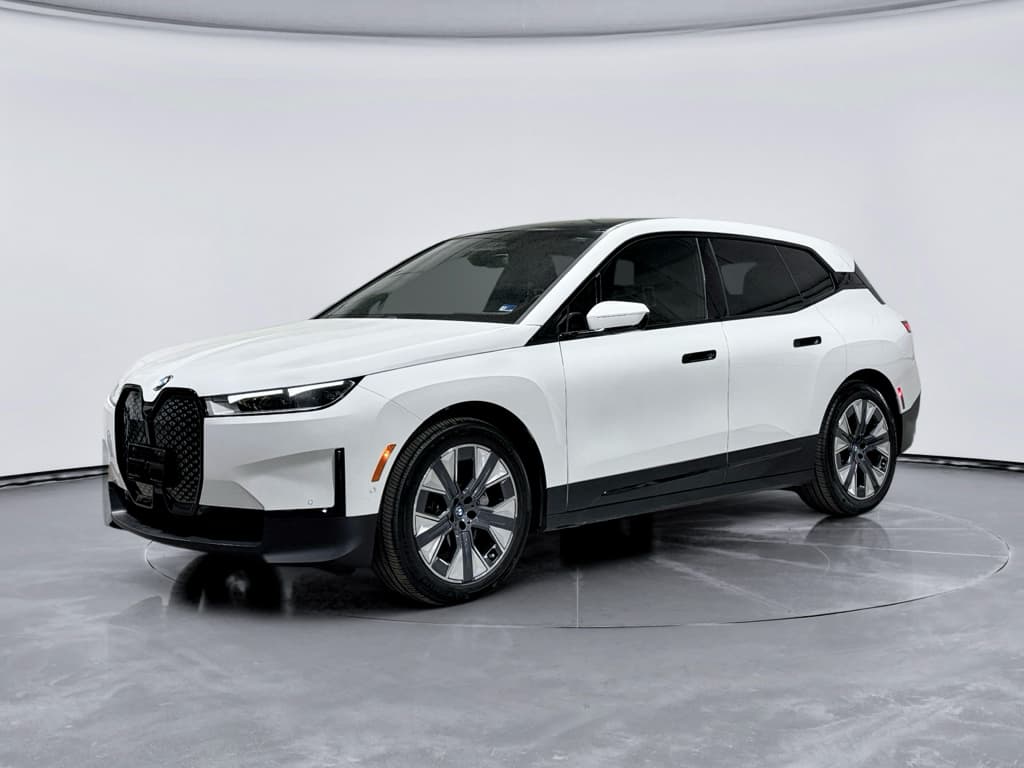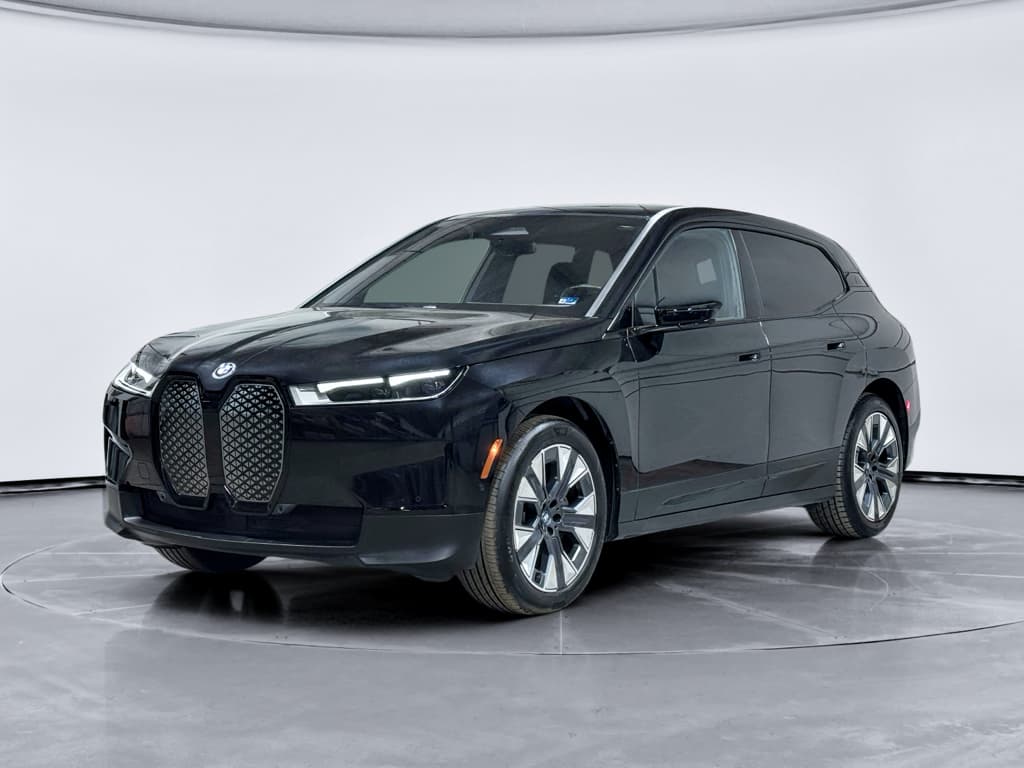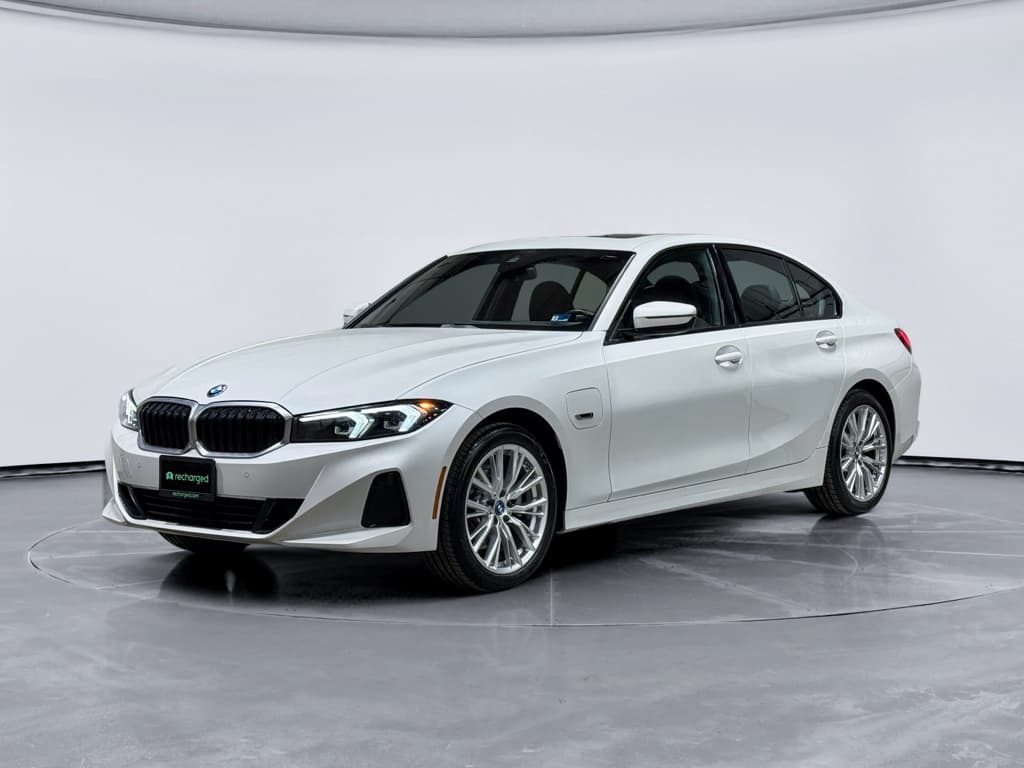
If you’re shopping for a used BMW i4 in 2026, you’re in a sweet spot. The i4 has a few model years under its belt, early teething issues are better understood, and depreciation has done some of the heavy lifting on price, without undercutting the car’s core strengths: a quiet, quick, genuinely premium EV that still feels like a BMW.
Quick take
Why the BMW i4 is a smart used EV in 2026
BMW i4 at a glance (used market context)
The i4 takes the familiar BMW 4 Series Gran Coupe silhouette and swaps in a fully electric powertrain. That gives you a low, comfortable driving position, decent rear-seat space for adults, and a usable hatchback cargo area. Unlike some early EV experiments, the i4 feels like a complete car first and an EV second, exactly what many used buyers want.
Who a used BMW i4 suits best
Model years and trims to know
By 2026, most of the used BMW i4 inventory in the U.S. will come from the 2022–2025 model years. The basic formula doesn’t change, same platform, same general battery packs, but the trims matter a lot for range and performance.
Used BMW i4 trims cheat sheet (U.S. market)
Approximate U.S. trims you’ll see on the used market in 2026. Exact EPA numbers vary by wheel size and options, but this gets you oriented.
| Trim | Drivetrain | Battery size (approx) | EPA range when new* | Character |
|---|---|---|---|---|
| eDrive35 | RWD | ~70 kWh gross | ~250 mi | Entry model, lighter, adequate range for many commuters. |
| eDrive40 | RWD | ~83–84 kWh gross | ~280–300+ mi | Balanced long‑range spec, smooth and efficient. |
| xDrive40 | AWD | ~83–84 kWh gross | ~280–295 mi | All‑wheel drive confidence, slightly less efficient than RWD. |
| M50 | AWD | ~83–84 kWh gross | ~240–270 mi | Performance flagship; very quick, sacrifices some efficiency. |
Use this table as a starting point, then verify the exact specs for the VIN you’re considering.
Trim naming can shift slightly by year
Which trim should you target?
- Value & comfort: eDrive40 is the sweet spot for most buyers, strong range, smooth RWD manners, and lower running costs than the M50.
- Snow-belt drivers: xDrive40 or M50 give you all‑wheel drive traction. Range dips slightly versus RWD, but winter confidence goes up.
- Enthusiasts: The M50 delivers serious thrust while still feeling like a BMW sport sedan. Just accept that you’ll visit chargers more often if you drive it hard.
Early vs. later model years
- 2022–2023: First years on the road. Look carefully at software update history and recall work, but many examples are now attractively priced.
- 2024–2025: Benefit from software refinements and owner feedback. Often a bit more money but can be worth it for a car that feels more "sorted" from the factory.
- 2026 shopper tip: If your budget allows, a lightly used 2024 or 2025 with low miles and a clean charging/maintenance history is the current sweet spot.
Range, battery, and charging: what to expect used
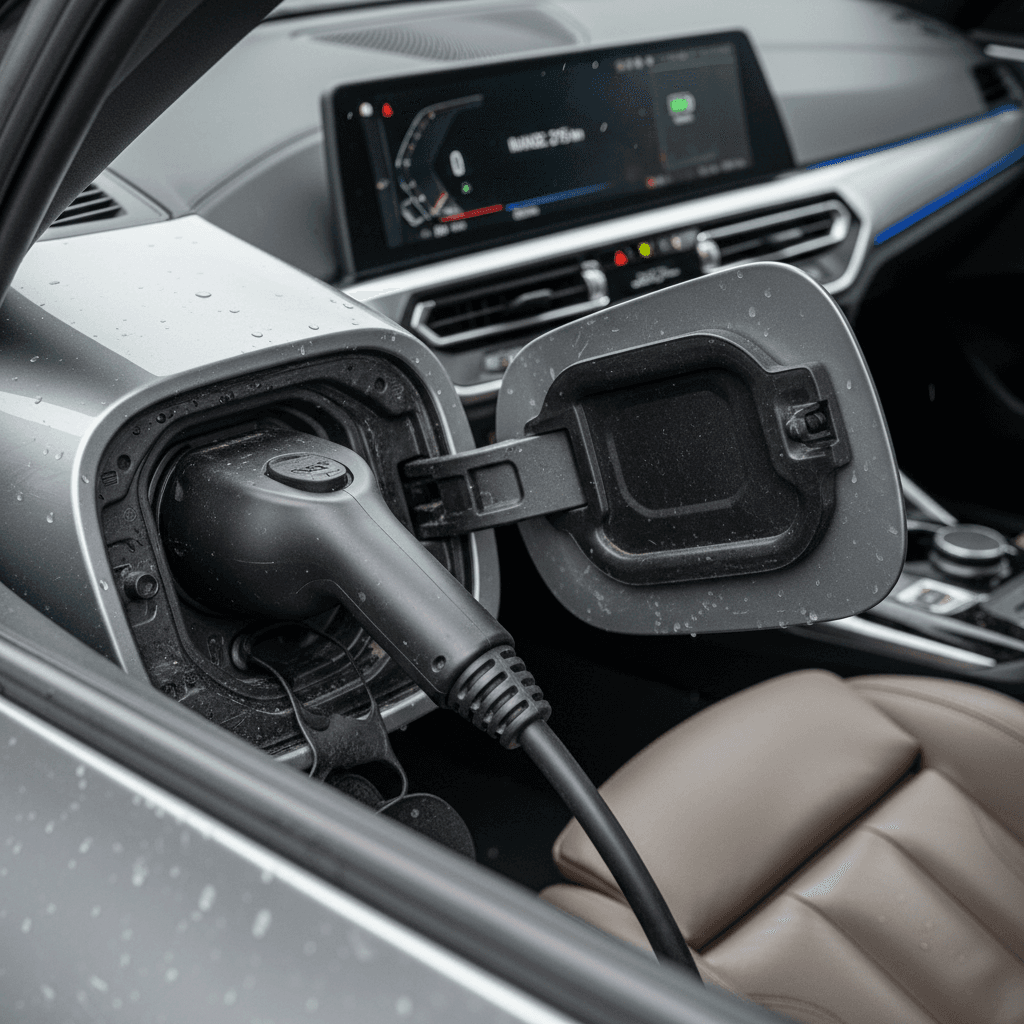
Range anxiety doesn’t care whether a car is new or used. The good news is that the i4’s battery and thermal management are modern and well‑tuned. All trims support 11 kW Level 2 AC charging and roughly 200 kW peak DC fast charging on the larger pack, so you’re not giving up much capability by buying used. The questions are: how much range is left, and how has the previous owner treated the pack?
Real‑world range expectations by trim (healthy battery)
These are ballpark ranges in mixed driving for a well‑cared‑for car in mild weather. Expect less in winter, more at city speeds.
Smaller pack: eDrive35
Real‑world: roughly 180–220 miles on a full charge for most drivers.
Best if you mostly commute, have reliable home charging, and don’t mind plugging in more often on road trips.
Larger pack: eDrive40, xDrive40, M50
Real‑world: roughly 220–280 miles, depending on speed, weather, and wheel/tire choice.
The eDrive40 is the range champ; the M50 will sit at the lower end if you enjoy the power.
Level 2 vs. DC fast: what matters most used
Battery health checklist for a used BMW i4
1. Ask for a recent battery health report
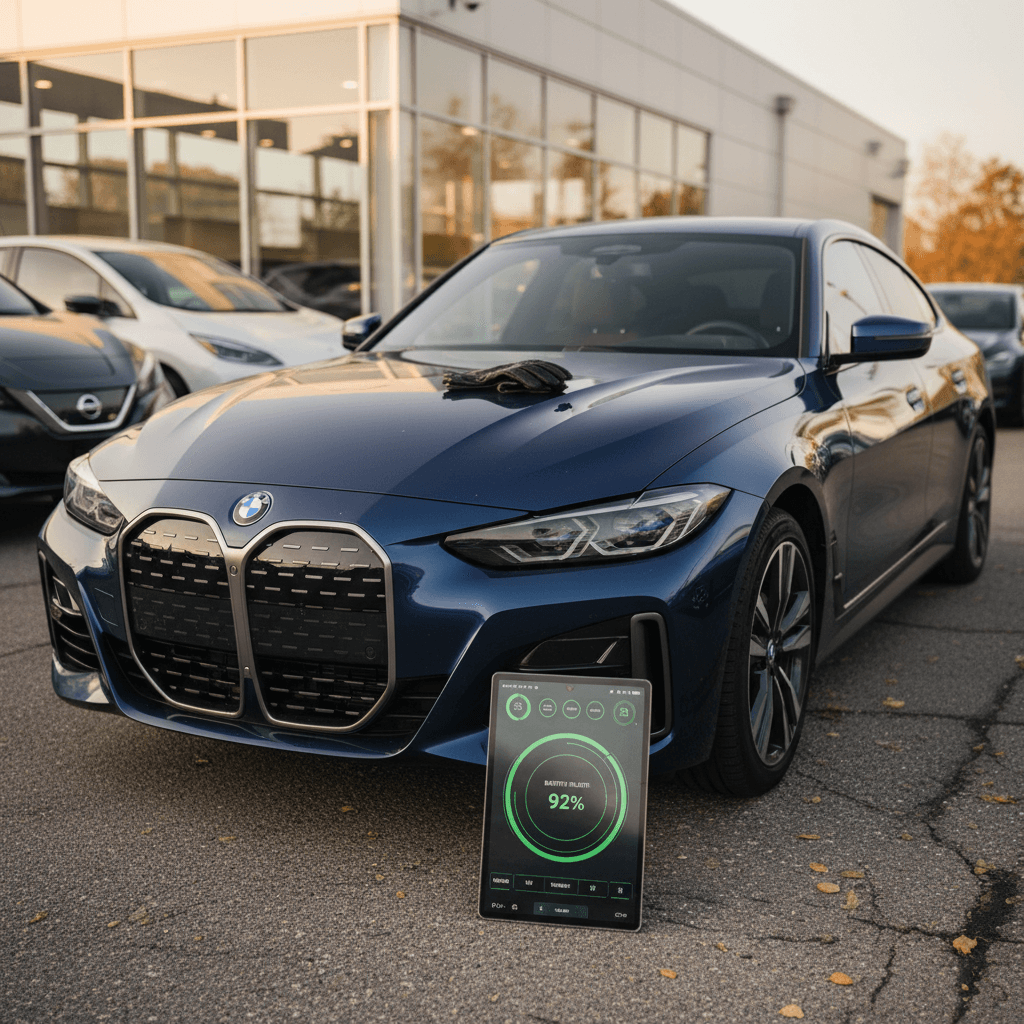
A proper test looks beyond dash‑display range and estimates usable capacity. With Recharged, every vehicle gets a <strong>Recharged Score battery health diagnostic</strong> so you’re not guessing.
2. Review the charging history
Frequent DC fast charging, regular 100% charges, or long periods sitting at full or nearly empty aren’t dealbreakers, but a car with mostly gentle Level 2 charging and moderate state‑of‑charge habits is ideal.
3. Compare indicated range to EPA numbers
On a full (or nearly full) charge, the estimated range should be in the same ballpark as the trim’s original EPA rating, adjusted for wheel size and conditions. Big gaps can indicate battery wear, or simply cold weather and aggressive driving.
4. Check for DC fast charging quirks
During a test, watch how the car ramps up and then tapers charging power. A car that struggles to go above low double‑digit kW on a healthy charger might need diagnosis.
5. Confirm software is up to date
BMW has issued software updates that affect charging behavior, predicted range, and infotainment. A car that’s been updated regularly often feels smoother and charges more consistently.
6. Inspect for physical damage
Look underneath for signs of impact to the battery pack area: crushed underbody panels, scraped high‑voltage cables, or poorly repaired shields. If anything looks suspect, walk away or demand a professional inspection.
Reliability, common issues, and recalls
Early owner data and independent ratings have been kind to the BMW i4. The simplified EV drivetrain helps, and many owners report a quieter, less troublesome experience than prior gasoline BMWs. Still, it’s a modern luxury car loaded with software and sensors, so you’ll want to go in with eyes open.
BMW i4 reliability snapshot (used buyers)
What owners and testers are actually seeing on the road.
Drivetrain
The electric motors and single‑speed gearbox have been robust so far. No widespread failures reported for 2022–2025 cars.
Software & infotainment
Most complaints center on iDrive glitches, phone pairing, and occasional resets. Updates often fix the worst behavior, but test every function yourself.
Fit, finish & hardware
Interior quality is very good. Expect typical BMW wear: seat bolsters, steering‑wheel leather, door seals. Listen for creaks over rough roads in early cars.
Don’t skip the recall check
- Cycle through every drive mode and creep/coast setting to confirm smooth behavior.
- Test adaptive cruise, lane‑keeping, and parking aids in a safe, controlled environment.
- Look for moisture, fogging, or dead pixels in the big curved display, replacements are expensive.
- On a long test drive, watch for clunks or vibrations from the suspension, especially on larger wheels.
Depreciation and used pricing for 2026
One of the biggest advantages of buying a used BMW i4 in 2026 is that the original buyer has already eaten the steepest part of the depreciation curve. Like most luxury EVs, the i4 drops value quickly in the first three years, then settles into a slower decline.
Where used BMW i4 prices typically land by 2026
These are directional ranges based on U.S. market data and typical mileage. Local supply, condition, and options can push prices higher or lower.
| Model year & trim | Typical mileage in 2026 | Rough price band (USD) | Notes |
|---|---|---|---|
| 2022–2023 eDrive35 | 25k–45k miles | Low–mid $30,000s | Entry trim; good value if range fits your life. |
| 2022–2023 eDrive40 | 25k–45k miles | Mid–high $30,000s | Great balance of range and price; lots of inventory. |
| 2022–2023 M50 | 25k–45k miles | Low–mid $40,000s | Performance draw keeps prices stronger but still well below new. |
| 2024 eDrive40 / xDrive40 | 10k–30k miles | High $30,000s–low $40,000s | Later build, improved software; pay a bit more for a fresher car. |
| 2024 M50 | 10k–30k miles | Low–mid $40,000s | Low miles, strong performance; shop carefully for tire/brake wear. |
Always verify current market pricing, tools like Recharged’s fair market pricing analysis help you sanity‑check any listing.
How to know if an asking price is fair
How to inspect a used BMW i4
A proper used‑EV inspection goes beyond kicking tires and sniffing for old French fries. With a BMW i4, you’re balancing traditional used‑car checks with EV‑specific homework on the battery, charging gear, and software.
Used BMW i4 inspection checklist
1. Start with the basics: history & title
Pull a full history report, confirm the title is clean, and check for accident or flood damage. Multiple owners in a short span aren’t always bad, but they’re a reason to ask questions.
2. Inspect wheels, tires, and brakes
Big wheels and heavy EVs can be hard on consumables. Check for curb rash, uneven tire wear, and brake rotor lips. Budget replacements into your offer if they’re close to done.
3. Test all charging scenarios you can
At minimum, plug into a Level 2 charger and confirm stable charging. If possible, also try a DC fast charger near 10–40% state of charge and watch how quickly the car ramps and then tapers.
4. Live with the tech for 20 minutes
Pair your phone, run navigation, stream audio, test CarPlay/Android Auto, explore iDrive menus. Infotainment issues won’t strand you, but they can drive you crazy on a long commute.
5. Check every door, hatch, and seal
Water leaks are a nightmare in any modern car. Inspect weatherstripping, look for water marks in the hatch area, and run the car through a wash if the seller allows it.
6. Ask for service and update records
Look for documentation of software updates, cabin filter changes, brake fluid service, and any warranty repairs. A BMW service printout or detailed digital record is a big plus.
When to walk away
BMW i4 vs. other used luxury EVs
You’re not shopping in a vacuum. In 2026, a used BMW i4 will share your shortlist with cars like the Tesla Model 3, Polestar 2, Mercedes‑Benz EQE, and maybe a Kia EV6 or Hyundai Ioniq 5 if you’re cross‑shopping beyond legacy luxury brands. Each has its own personality.
How a used BMW i4 stacks up
High‑level comparison vs. common alternatives on the 2026 used market.
| Model | Driving feel | Charging strengths | Interior & tech | Typical value used (2026) |
|---|---|---|---|---|
| BMW i4 | Sporty, planted, BMW‑like | Solid but not class‑leading DC fast; strong Level 2 | High‑quality cabin, big curved screen, some software quirks | Often cheaper than a similar‑age Tesla once options are factored in. |
| Tesla Model 3 | Very quick, light, efficient | Excellent Supercharger access and speed | Minimalist, software‑centric, frequent updates | Holds value well; can cost more for similar spec. |
| Polestar 2 | Scandinavian, firm, tidy | Decent DC speeds, improving network access | Clean design, Android Automotive OS | Can be a value play, but smaller dealer network. |
| Kia EV6 / Hyundai Ioniq 5 | Relaxed, roomy, family‑friendly | Some of the fastest DC charging in the segment | Good tech, practical packaging | Strong value; may lack the BMW badge pull. |
Think about how you actually drive, those habits matter more than tiny differences in spec sheets.
The BMW i4’s real edge
Financing, warranty, and total cost of ownership
A used BMW i4 doesn’t just change how you fuel; it also reshapes your monthly budget. You’ll trade gas stations for electricity, oil changes for tire rotations, and you may be eyeing an extended warranty for peace of mind.
Warranty landscape
- High‑voltage battery: BMW typically backs the battery and EV components for 8 years/100,000 miles from the original in‑service date. Check exact coverage for the VIN you’re considering.
- Bumper‑to‑bumper: The basic new‑car warranty is shorter, so many 2022 cars will be outside full coverage by 2026, while later 2024–2025 builds may still have time left.
- Extended coverage: If you’re buying near the end of warranty, an extended plan can make sense, especially if you want predictable costs on tech‑heavy components.
Running costs
- Energy: Electricity is usually cheaper per mile than premium gas, especially if you can charge at home on off‑peak rates.
- Maintenance: No oil changes, fewer moving parts, but don’t ignore tires, brakes, alignment, and cabin filters. Heavy EVs chew through soft performance tires quickly.
- Financing: Some lenders now offer EV‑specific financing or rate discounts. At Recharged, you can finance your used i4 directly through a digital process that understands EV resale and residual value.
Budget for charging setup
How Recharged helps you buy a used BMW i4
Buying any used EV is part detective work, part gut feel. Recharged exists to take as much of the guesswork, and the gut‑clenching, out of that process, especially for cars like the BMW i4 where battery health, software history, and equipment lists really matter.
What you get with a used BMW i4 from Recharged
Less mystery, more confidence, from first search to driveway delivery.
Recharged Score battery health report
Every i4 on Recharged comes with a Recharged Score that includes verified battery diagnostics, range expectations, and charging performance, not just a guess based on mileage.
Fair market pricing
Recharged benchmarks each car against the wider market, taking options, mileage, condition, and battery health into account so you can see whether a price is truly fair.
End‑to‑end EV‑focused experience
From trade‑in and financing to nationwide delivery, you can handle the entire purchase digitally. If you’re near Richmond, VA, you can also visit the Recharged Experience Center and talk through your options with EV specialists.
Ready to find your next EV?
Browse VehiclesTalk to an EV specialist, not just a salesperson
Used BMW i4 FAQ (2026)
Frequently asked questions about buying a used BMW i4 in 2026
The used BMW i4 market in 2026 is finally mature enough that you can be choosy: pick your trim, insist on strong battery health, and walk away from cars with murky histories. Do that, and you’ll end up with an EV that feels like a proper BMW, quiet, quick, and composed, without paying new‑car money to get it. And if you’d like help decoding all those trims, options, and charging charts, Recharged is built to make that journey as simple and transparent as it ought to be.