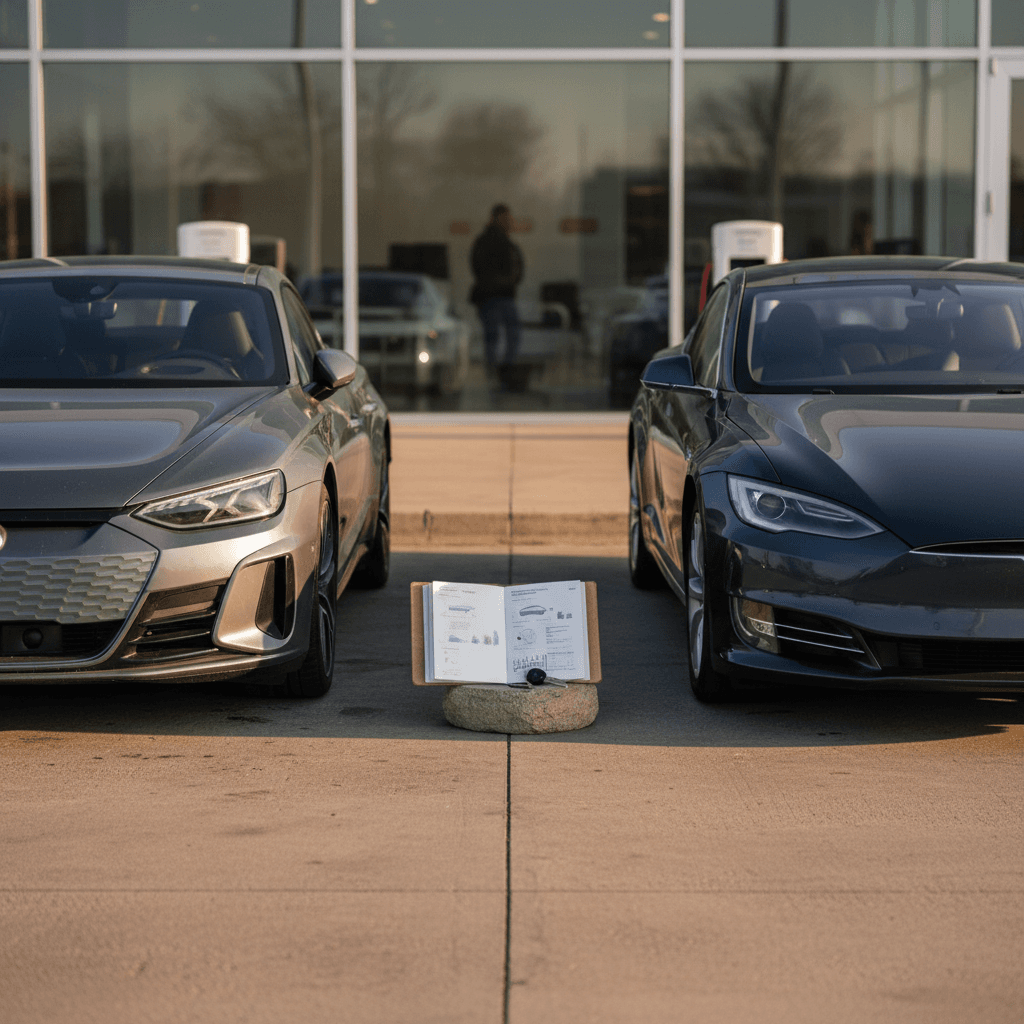
You’re standing at the fork in the electric Autobahn: a used Audi e-tron GT on one side, a used Tesla Model S on the other. In 2026, both are quick, quiet, and deeply capable long‑range EVs, but they solve the luxury‑EV puzzle in very different ways. This 2026‑focused comparison looks specifically at the used market so you can decide which one actually makes sense for your driveway and your budget.
Scope of this 2026 comparison
Why this used Audi e-tron GT vs Tesla Model S comparison matters in 2026
Back when both cars were new, the decision was easy to caricature: Tesla for tech and range, Audi for feel and finish. In the used market, the story is more nuanced. You’re no longer paying full freight for bleeding‑edge software or that first‑owner prestige. You’re hunting for the car that has aged more gracefully: slower depreciation, reliable battery health, and a charging ecosystem that still feels future‑proof.
On top of that, 2026 is a hinge year. The North American Charging Standard (NACS) is rolling out beyond Tesla, CCS public networks are getting better but still patchy, and many first‑wave luxury EVs are now hitting their second or third owners. The question isn’t just “which is better?” but “which used Audi e-tron GT or Tesla Model S will be easier and cheaper to live with for the next 5–7 years?”
Model overview: what you’ll actually find used in 2026
Audi e-tron GT (2021–2025)
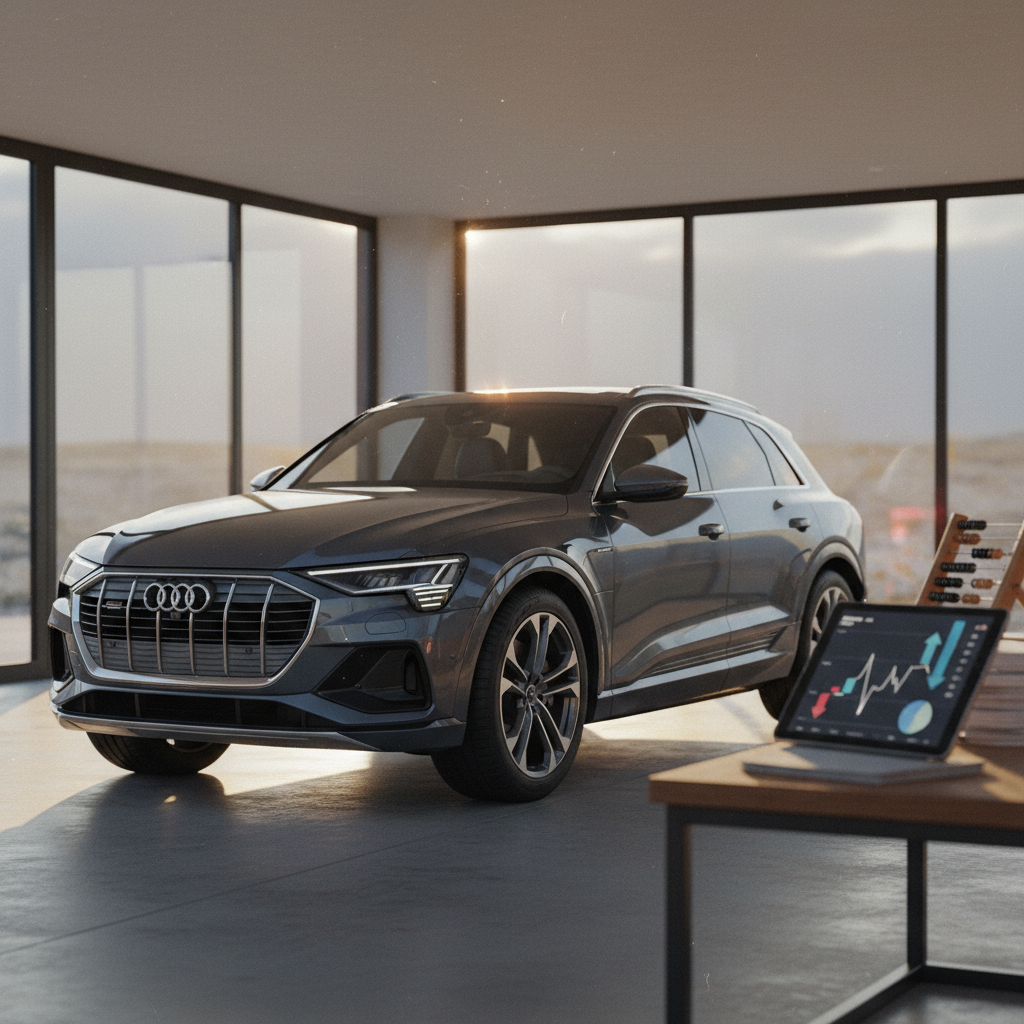
The e-tron GT is Audi’s low, wide, four‑door electric grand tourer, closely related to the Porsche Taycan. In the 2021–2025 window you’ll mostly see:
- e-tron GT quattro – Dual‑motor AWD, ~93 kWh gross battery, brisk performance.
- RS e-tron GT – Hotter motors, more power, shorter 0–60 times, bigger brakes, stiffer ride.
- Occasional appearance of updated "S e-tron GT" badging on later cars, but hardware fundamentals stay similar.
Trim lines and option packages matter a lot, especially wheel size, which impacts range and ride quality.
Tesla Model S (2021–2024 refresh cars)
Most used Model S sedans you’ll see in 2026 will be from the post‑refresh era (2021 onward), recognizable by the yoke or revised steering wheel and updated interior:
- Model S Dual Motor (Long Range) – Big‑battery, long‑range highway cruiser.
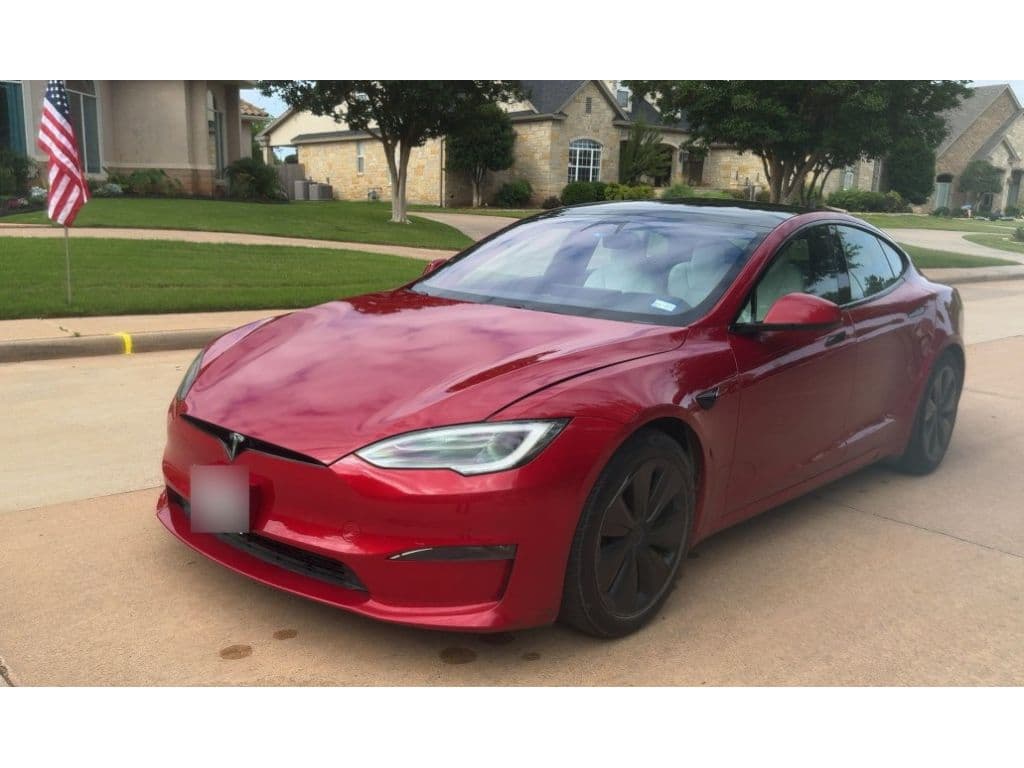
- Model S Plaid – Tri‑motor, hypercar‑quick, still surprisingly usable as a daily driver.
- Earlier 2016–2020 cars exist at lower prices but have older battery and charging hardware.
For this comparison, assume a 2022–2024 Model S Long Range or Plaid against a 2022–2024 e-tron GT or RS e-tron GT.
Specs at a glance: Audi e-tron GT vs Tesla Model S
Core specs: what you’re working with
Approximate U.S.‑spec figures for 2022–2024 model‑year cars, the heart of the 2026 used market.
| Audi e-tron GT quattro | Audi RS e-tron GT | Tesla Model S Long Range | Tesla Model S Plaid | |
|---|---|---|---|---|
| 0–60 mph (approx.) | ~3.9 sec | ~3.1 sec | ~3.1 sec | ~2.0 sec |
| Battery (gross / usable) | 93.4 / ~84 kWh | 93.4 / ~84 kWh | ~100 kWh / high‑80s usable | ~100 kWh / high‑80s usable |
| EPA range (best‑case trims) | ~238–249 mi | ~232–239 mi | ~390+ mi | ~350+ mi |
| Peak DC fast charge | Up to ~270 kW (800V) | Up to ~270 kW (800V) | Up to 250 kW on V3/V4 Supercharger | Up to 250 kW on V3/V4 Supercharger |
| Drive layout | Dual‑motor AWD | Dual‑motor AWD | Dual‑motor AWD | Tri‑motor AWD |
| Platform character | Grand‑tourer, low & wide | Track‑leaning GT | Efficient long‑range sedan | Supercar‑quick sedan |
Specs vary slightly by wheel/tire choice and software; always verify for a specific VIN.
Specs are the teaser, not the whole movie
Price, depreciation, and value for money
Typical 2026 used pricing (U.S., ballpark)
In 2026, a used Audi e-tron GT generally costs more than a like‑mileage, like‑year Model S Long Range. You’re paying for the Audi badge, the interior craftsmanship, and the Taycan‑adjacent chassis. Most U.S. e-tron GTs are still in their first 5 years of life, so they’re trading from the mid‑$40,000s for higher‑mileage base cars up into the $80,000s for fresher, well‑optioned RS examples.
The Model S has been around longer and has seen more pricing swings. That creates more spread in the used market: earlier refresh Long Range cars in the $40,000s and low‑mile Plaids still commanding serious money. Tesla’s direct‑to‑consumer price cuts on new Model S have also tugged used values down faster than many German rivals, which is good news if you’re the second owner, and bad news if you’re trading one in.
Where Recharged fits in
Range, battery, and real‑world efficiency
Range reality check: how far will you actually go?
EPA stickers are optimistic; here’s how these cars behave when they’re a few years old.
Audi e-tron GT: stout battery, thirsty appetite
The e-tron GT’s 93.4 kWh gross pack is robust and built on an 800‑volt architecture, which is great for repeat fast charging. But the car’s weight, tire choices, and aero mean real‑world highway range often undercuts the EPA label, especially on 21‑inch wheels.
- Think roughly 180–220 miles at 75 mph in many real‑world conditions.
- Cold weather, big wheels, and high speeds bite harder than you’d expect.
The silver lining: degradation has generally been modest when the pack is cared for, but you still want a battery health report.
Tesla Model S: range king, still
The Model S remains the long‑range benchmark. A healthy Long Range car can still deliver 250–300 miles of real highway range if you’re not driving like an escaped test pilot.
- EPA ratings near or above 390 miles when new for Long Range trims.
- Tesla’s efficiency advantage shows up most clearly in winter and at speed.
Degradation varies, but many owners report modest capacity loss if the car wasn’t DC‑fast‑charged to death every day.
Cold‑weather buyers, pay attention
Battery health is the silent main character in this story. Two outwardly identical used cars, same year, same miles, can differ by 10–15% in usable capacity depending on how the previous owner treated fast charging, state‑of‑charge windows, and storage. This is where Recharged leans on its Recharged Score diagnostics: you see measured pack health, not just an optimistic range estimate on a digital gauge.
Charging experience: Superchargers vs CCS
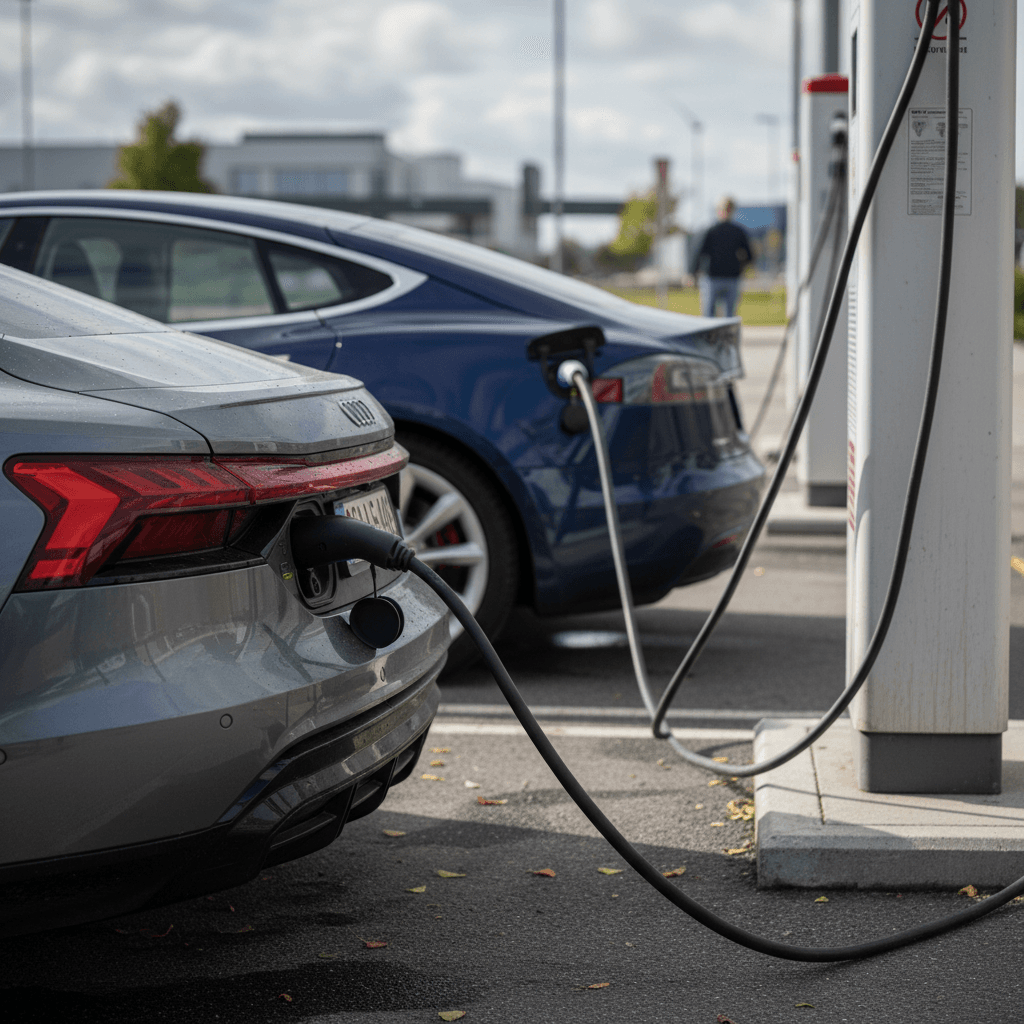
Owning the car is one thing; feeding it electrons is another. Here the Tesla plays home‑field advantage. The Model S lives on the Supercharger network, which in 2026 still offers the most widespread, polished, and reliably working fast‑charging experience in the U.S. Even though V3 and early V4 posts max the Model S at around 250 kW peak, the charging curves are well‑tuned and the stations are easy to use and easy to find.
The Audi lives in CCS‑land. On paper, the e-tron GT can accept very high peak rates, around the mid‑200‑kW range, thanks to its 800‑volt architecture. In practice, public CCS networks in the U.S. are a patchwork. When everything works, the e-tron GT can be devastatingly quick from 10–60%. When it doesn’t, you’re the person standing in the rain rebooting a charger with an app while a line of plug‑curious crossovers stacks up behind you.
Tesla Model S charging pros
- Supercharger ubiquity along major U.S. interstates.
- Station reliability and uptime are still the class benchmark.
- Simple plug‑and‑charge experience; billing just happens.
- Car’s nav plans routes around charging with realistic timing.
Even as other brands gain NACS access, the Model S enjoys the network as a native speaker, not a tourist with an adapter.
Audi e-tron GT charging pros
- 800‑volt system allows very fast sessions on compatible DC hardware.
- Broad CCS compatibility gives you multiple network options.
- Future NACS support via adapters may improve access in coming years.
If you mostly charge at home and only fast‑charge a few times a year, the CCS patchwork is tolerable. If you road‑trip constantly, it’s the tax you pay for not owning a Tesla.
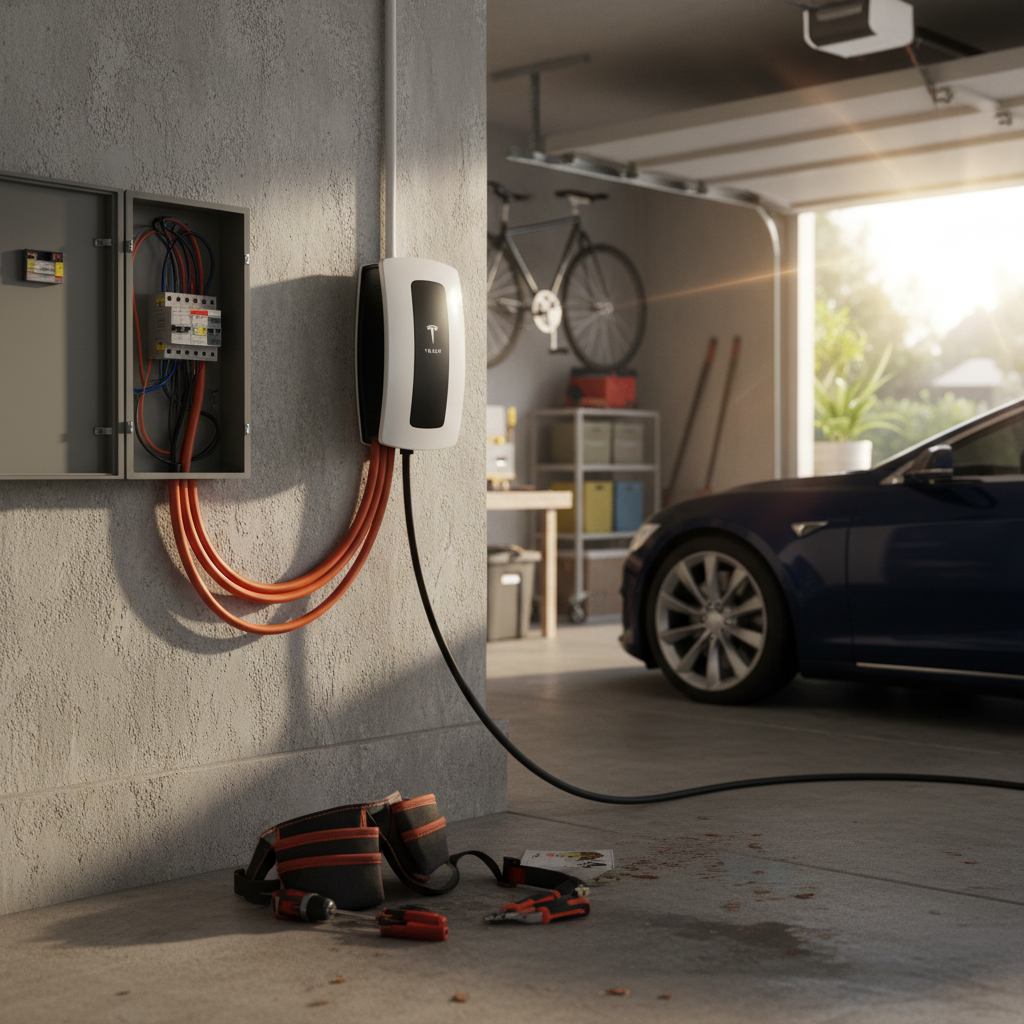
Home charging levels the field
Performance and driving character
On numbers, this is easy: the Plaid is faster than everything; the Long Range Model S is roughly as quick as an RS e-tron GT to 60; the base e-tron GT trails but is still properly rapid. From behind the wheel, the story is different.
How they actually feel to drive
Straight‑line speed is just the trailer; chassis and steering are the feature film.
Audi e-tron GT: the driver’s luxury EV
The e-tron GT feels like Audi’s engineers started with a Porsche Taycan and layered in just a touch more compliance. Steering is well‑weighted and precise, the car hunkers down in corners, and the whole thing shrinks around you on a back road.
If you care about how a car feels mid‑corner more than how it drags the quarter‑mile, the Audi is your car.
Tesla Model S Plaid: nuclear option
The Plaid is absurd, in the literal sense. Launch one hard and your inner ear files a formal complaint. Underneath the party trick it’s still a big, heavy sedan; the steering is lighter and less communicative than the Audi, but straight‑line pace is in another league.
You don’t need Plaid. You may, however, desperately want Plaid.
Model S Long Range: quietly quick
The Long Range Model S is the stealth bomber of the group. No flare, no drama, just strong, seamless acceleration and a chassis tuned for competence rather than giggles.
As a highway weapon, it’s nearly perfect; as a weekend toy, it feels more remote than the Audi.
The Audi drives with a kind of expensive honesty, what the chassis is doing, you feel. The Tesla feels more like a very fast appliance, astonishing but a bit emotionally remote.
Tech, interior, and everyday usability
Audi e-tron GT: classic luxury with screens
Open the door and the Audi smells and feels like a traditional German luxury car that happens to be electric. You get:
- Excellent materials: leather, stitching, metal switchgear.
- Conventional gauges and controls blended with modern screens.
- Better noise isolation and ride polish on the right wheels.
- Lower seating and more cocooned cockpit, great for drivers, a bit tighter for rear passengers.
The tech stack, Audi’s infotainment, driver‑assist suite, is solid if not bleeding‑edge. Over‑the‑air (OTA) updates exist but aren’t as transformative as Tesla’s.
Tesla Model S: software first, furniture second
Inside a Model S, the central touchscreen is the car. Most controls, updates, and new features arrive via software. You get:
- Big central screen and minimalist dash.
- Rapid OTA updates that genuinely alter the car over time.
- Driver‑assist and Autopilot features that many owners lean on heavily.
- More rear headroom and cargo flexibility than the Audi.
Fit and finish have improved on later cars but still won’t impress someone cross‑shopping German luxury sedans. If you’re tactile, you’ll notice; if you’re tech‑obsessed, you won’t care.
Living with the software
Ownership costs and reliability outlook
Both cars spare you the oil changes and complex transmissions of their ICE ancestors, but they are still six‑figure luxury machines at heart. That means big wheels, performance tires, and complicated suspensions that don’t care what your monthly budget looks like.
Where your money actually goes after you buy
Energy is the cheap part; everything else is still luxury‑car money.
Audi e-tron GT ownership notes
- Service network: Any Audi dealer can see you; EV‑specific expertise varies.
- Suspension/brake components on RS trims can be eye‑watering out of warranty.
- Battery thermal management is robust; degradation so far has been modest when cars are maintained properly.
- Insurance generally treats it like any high‑end Audi, expect higher premiums than a mainstream EV.
Tesla Model S ownership notes
- Tesla mobile service covers a lot without dealer visits.
- Parts availability can vary by region; bodywork at Tesla‑approved shops is not cheap.
- Battery and drive units have generally proven durable, but older cars have documented issues you should check for individually.
- Insurance is region‑dependent; some carriers rate Teslas higher because of repair costs.
Do not skip a pre‑purchase inspection
How to choose: used e-tron GT vs Model S
Choose the Audi e-tron GT if…
- You care more about steering feel, chassis balance, and interior ambience than outright range.
- Your typical driving is under 150 miles a day with predictable charging at home or work.
- You want a car that feels special every time you walk up to it in a parking lot.
- You’re willing to trade some road‑trip convenience for a richer day‑to‑day experience.
Choose the Tesla Model S if…
- You routinely do long highway trips and want the easiest fast‑charging experience.
- You prize range and efficiency above all else.
- You love the idea of a car that keeps getting software updates and new tricks.
- Interior materials matter less to you than having the best charging map on the dash.
Where Recharged can help you decide
Ready to find your next EV?
Browse VehiclesUsed e-tron GT vs Model S buying checklist
Key steps before you sign for either car
1. Verify battery health, not just indicated range
Ask for a formal battery health report (capacity estimate, DC fast‑charge history, thermal events). A healthy pack is the single biggest predictor of whether a used Audi e-tron GT or Tesla Model S will feel new or tired in five years.
2. Look at how the car was charged
Heavy DC fast‑charging, frequent 100% charges, or long periods sitting at very low state of charge all stress an EV battery. Ask the seller for charging habits; use logs and on‑board data where possible.
3. Road‑test for noises, rattles, and suspension wear
Big wheels and heavy curb weights mean bushings, control arms, and adaptive dampers work hard. On the test drive, listen for knocks over bumps, wandering on the highway, or uneven tire wear that can signal costly suspension work ahead.
4. Inspect tires and brakes carefully
Performance EVs eat consumables. Check tread depth, age, and whether tires are a proper EV‑rated spec. On RS e-tron GTs and Plaids, brake jobs can be shockingly expensive if you’re out of warranty.
5. Confirm software, recalls, and service history
For the Model S, ensure the car is on current software and that recalls have been addressed. For the e-tron GT, confirm dealer service visits and any updated control modules or campaigns have been completed.
6. Map your real daily range needs
Before you fall in love with a particular car, write down your real‑world driving: commute, kid shuttles, weekend trips. If your regular days push an e-tron GT to its limits, the Model S’s extra buffer may be the better lifetime companion.
FAQ: used Audi e-tron GT vs Tesla Model S
Frequently asked questions
Bottom line: which used EV should you buy?
If your life is measured in interstate exits and hotel lobby coffee, the used Tesla Model S Long Range is the obvious answer. It goes farther on a charge, plugs into the friendliest fast‑charging network, and still feels modern thanks to constant software updates. It’s the rational pick in a segment not always known for rationality.
If, on the other hand, you care deeply about how a car feels, the weight of the steering, the way the body moves over a crest, the sense of occasion when you slip behind the wheel, the Audi e-tron GT makes a stronger emotional case. It asks you to accept shorter legs and a trickier public‑charging ecosystem in exchange for a more tactile, more special daily experience.
Either way, the real decider in 2026 isn’t the brochure spec; it’s the specific used car in front of you: its battery health, software history, and how gently or brutally it’s been treated. That’s where Recharged’s Recharged Score, EV‑specialist support, and nationwide, fully digital buying experience can tilt the odds sharply in your favor, whether you end up team Audi or team Tesla.