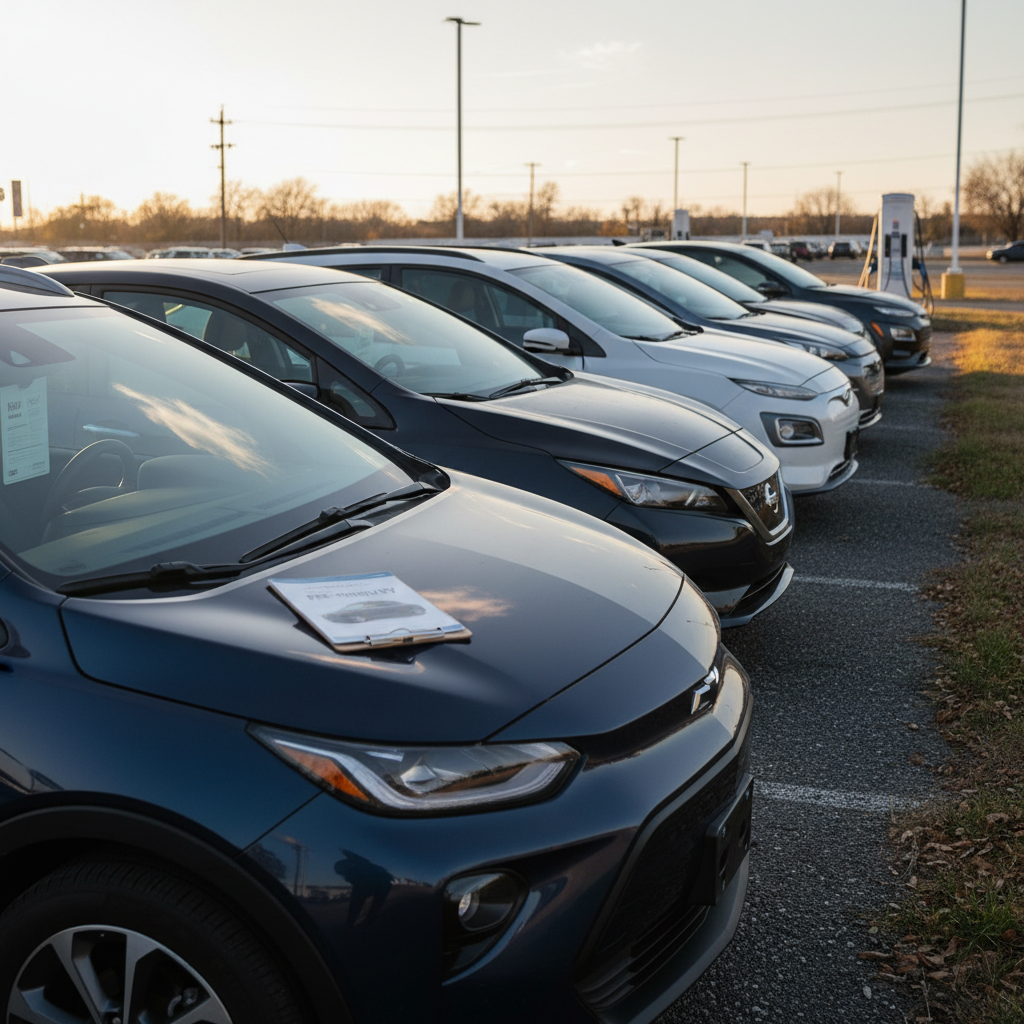
You keep hearing about an impending wave of upcoming cheap EVs under $25,000. Car companies promise them on earnings calls, analysts swoon, headlines blare. Yet when you walk into a dealer in 2026, the “cheap” electric cars on the lot are still pushing $30,000–$40,000 before fees. Let’s untangle the reality from the wishful thinking and figure out where the true bargains are hiding.
Context: EVs Are Still Pricey Overall
Why “EVs Under $25,000” Matters More Than Ever
EV Prices vs Reality for Budget Shoppers
Until recently, federal tax credits were the magic trick that pulled some new EVs effectively under that $25,000 mark. But as of September 30, 2025, the federal clean‑vehicle tax credit ended for new purchases. That shifted the ground under every “$25K EV” promise almost overnight, especially for entry‑level models that depended on incentives to look affordable on paper.
Tax Credits Are Gone for New EVs
Can You Really Get a New EV Under $25,000 Anymore?
Short answer: not easily, and not without compromises. In early 2026, the true sub‑$25K new‑EV field in the U.S. is vanishingly small. The few cars near that price floor either sacrifice range and refinement, or they live in press releases and investor decks rather than on your local lot.
What’s Actually Close Today
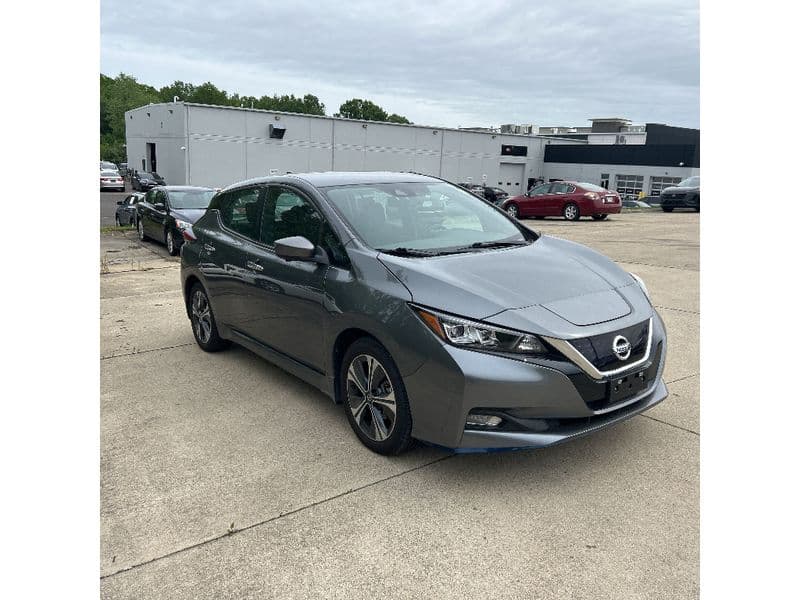
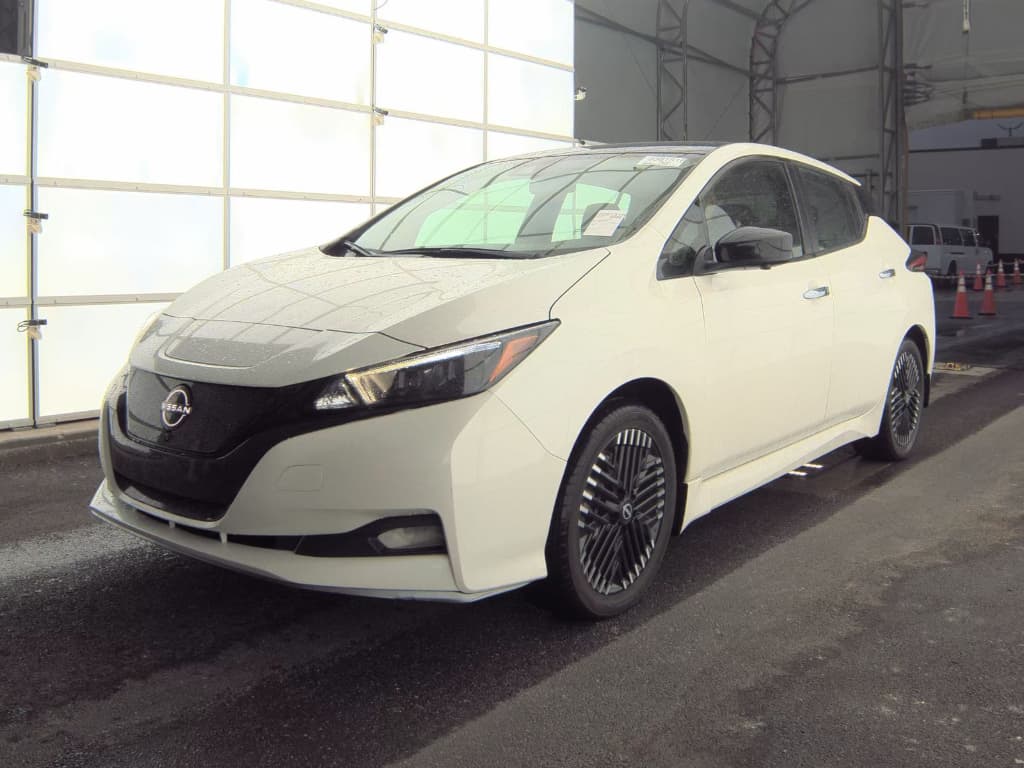
- Legacy bargains: Models like the outgoing Nissan Leaf and Chevy Bolt have historically been the rare new EVs priced under $30,000 before incentives, with base trims occasionally dipping near $25K after discounts.
- Price‑cut compacts: A handful of small imports and city EVs overseas advertise prices equivalent to under $25K, but U.S. availability remains spotty or nonexistent.
- Dealer discounts: In a sluggish EV market, some brands quietly knock thousands off slow‑moving inventory, which can drag transaction prices toward that magic number.
Why It’s So Hard To Hit $25K
- Battery costs: Even with cheaper LFP chemistry, packs are still the single biggest cost in an EV.
- Safety and tech: Modern crash standards, airbags, and mandated driver assists all add fixed cost, regardless of vehicle size.
- Lost incentives: Without the federal tax credit, the sticker price itself has to do all the heavy lifting.
The result is that most truly sub‑$25K EVs are either used, very basic, or still on the horizon.
Upcoming New EVs That Could Slip Under $25K
Automakers love talking about future affordable EVs. The question is whether those cars will still be affordable by the time they escape PowerPoint and roll onto roads, especially in a post‑tax‑credit America. Here are the most credible upcoming cheap EVs under $25,000 or close to it, and how they might actually pencil out for you.
Key Upcoming Affordable EVs (2026–2028)
These are the headline-grabbing “cheap” EVs either confirmed or strongly signaled for the U.S. market. Prices and dates are manufacturer targets and could shift.
| Model | Target Launch | Target Base Price (Est.) | Realistic Under-$25K Path |
|---|---|---|---|
| 2027 Chevy Bolt (next-gen) | 2027 | $28,995 | Aggressive discounts on base trims or future incentives could push entry models near $25K. |
| Small Ford EV (sub‑Escape size) | 2027–2028 (est.) | “Around $25K” (goal) | If Ford hits its internal target, this could be the rare new EV that truly starts under $25K. |
| Entry BYD subcompact (if federalized) | TBD | Low $20Ks in other markets | U.S. crash and trade realities may lift pricing above $25K unless volumes get huge. |
| Slate Truck (bare‑bones pickup) | 2026 | Under $28K | Marketed as under $20K after old incentives; without credits, think high‑$20Ks at best. |
Note: Actual transaction prices may differ widely once dealer markups, equipment levels, and financing enter the chat.
How To Read These Promises
The next‑generation Chevy Bolt, due around 2027, is a good example. Early guidance pegs the starting price at just under $29,000. That makes it one of the cheapest new EVs in the pipeline, and a likely discount candidate if EV inventories stay high. But it’s still not a guaranteed sub‑$25K new car in the real world, it’s a high‑20s EV that might get there with rebates, dealer cash, or sharp negotiation.
Why Used EVs Are the Real “Cheap EVs Under $25,000”
If you’re serious about staying under $25,000, you’ll find more reality and less vaporware in the used aisle. Over the last couple of years, used EV prices have dropped roughly four times faster than used gas cars, with some popular EVs seeing average price cuts around 25%. That’s brutal for first owners, and fantastic for you, the budget‑minded second owner.
Why the Smart Money Is on Used EVs
For buyers chasing real‑world affordability rather than concept‑car press releases.
Battery Degradation Is Measurable Now
Steep First‑Owner Depreciation
More Range for Less Money
Where Recharged Fits In
Best Used EVs Under $25,000 to Target
Let’s talk metal. Here are the used EVs most likely to give you a civilized driving experience, solid range, and reasonable charging speeds while keeping your out‑the‑door price under $25,000 in 2026. Exact prices will vary by mileage, condition, and region, but these models routinely show up in the low‑ to mid‑$20Ks, and often lower.
- Chevrolet Bolt EV / Bolt EUV (2019–2023): The patron saint of cheap electric commuting. Look for post‑battery‑recall examples with the updated pack. Later model years add nicer interiors and better driver‑assist tech. DC fast charging on the older cars is slow, but for home‑charging commuters, the math is extremely friendly.
- Tesla Model 3 (2018–2021, RWD/Standard Range): Thanks to big price cuts and high volumes, early Model 3s routinely land around the mid‑$20Ks and sometimes dip below. You’re buying into the Supercharger network, strong efficiency, and over‑the‑air updates. Focus on cars with clean histories and verified battery health rather than chasing the absolute lowest price.
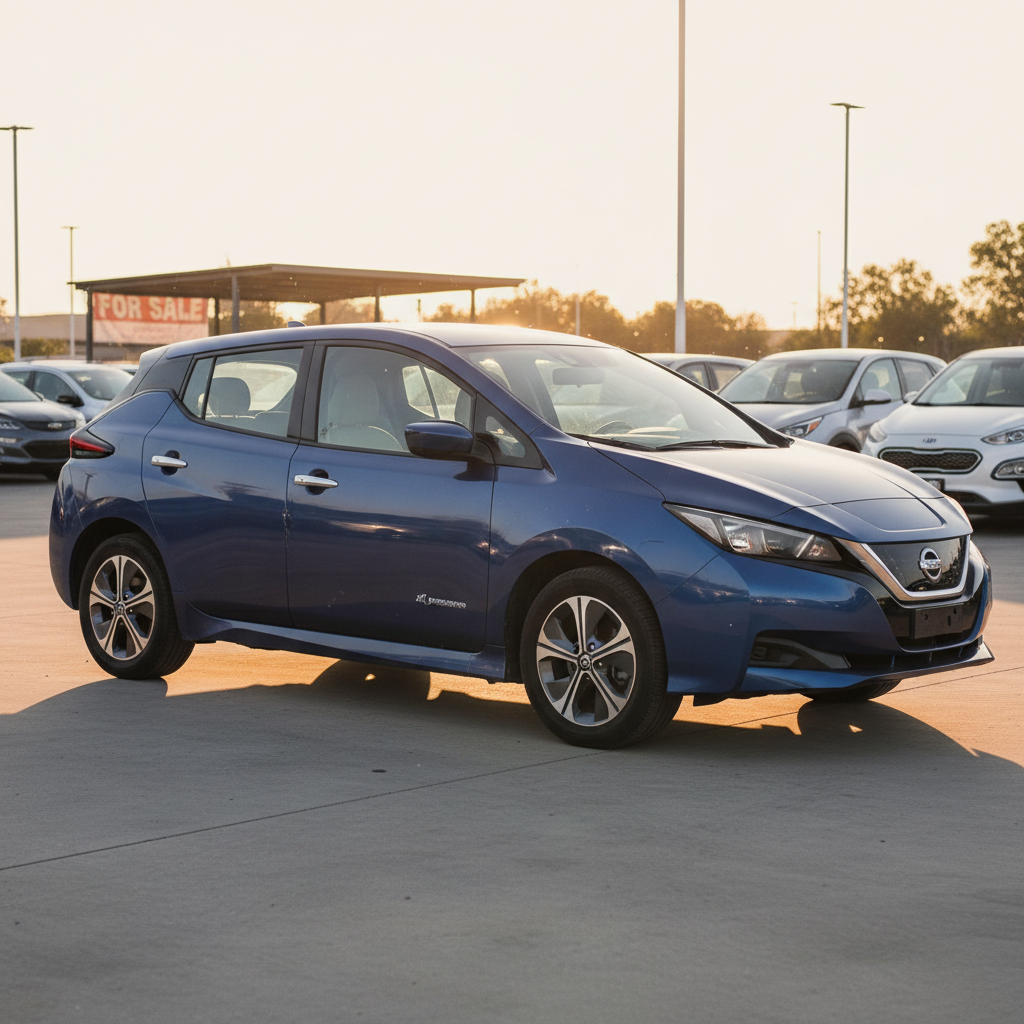
- Nissan Leaf (2018–2022, 40 kWh and 62 kWh): The Leaf is not glamorous and early cars use air‑cooled batteries that don’t love desert climates, but as a short‑range commuter, they’re unbeatable value. 150‑mile 40 kWh cars can be shockingly cheap; the 62 kWh Plus models give you more comfortable highway range while still staying under $25K used.
- Hyundai Kona Electric & Kia Niro EV (2019–2022): Compact crossovers with real‑world range around 230–250 miles, strong warranties, and a surprisingly refined ride. They’ve taken hefty depreciation hits, which puts well‑equipped examples firmly in budget territory.
- VW ID.4 & Hyundai Ioniq 5 (early model years): These are the stylish, family‑friendly crossovers you see in aspirational ads. The earliest examples are now drifting toward the high‑$20Ks and occasionally into the mid‑$20Ks with miles. You probably won’t get the fanciest trim, but you may get more space and comfort than you expected.
Mileage vs. Battery Health
The Tradeoffs That Come With Sub‑$25K EVs
To sell an EV cheaply, somebody has to give something up. Either the automaker builds it with less of everything, or the first owner and the used‑car market eat a big depreciation sandwich so you don’t have to. Whichever path you choose, it pays to understand the compromises baked into the price tag.
Typical Compromises in Cheap EVs
Know what you’re sacrificing before you fall in love with the monthly payment.
Range and Highway Comfort
Charging Speed
Tech & Cabin Refinement
Warranty Coverage Window
Watch Out for These Red Flags
How to Shop Smart for a Cheap EV (Without Getting Burned)
Checklist for Finding a Great EV Under $25K
1. Define your real range needs
Be brutally honest. If you drive 40–60 miles a day and take one long road trip a year, you can live with a 200‑mile EV and rent something for that annual vacation. Don’t overbuy range you’ll never use.
2. Decide: new badge or used value
If the logo and that new‑car smell matter most, you’ll be shopping at the high end of this budget, if at all. If your goal is maximum value per dollar, focus on <strong>2–5‑year‑old EVs</strong> with strong remaining warranties.
3. Demand a real battery health report
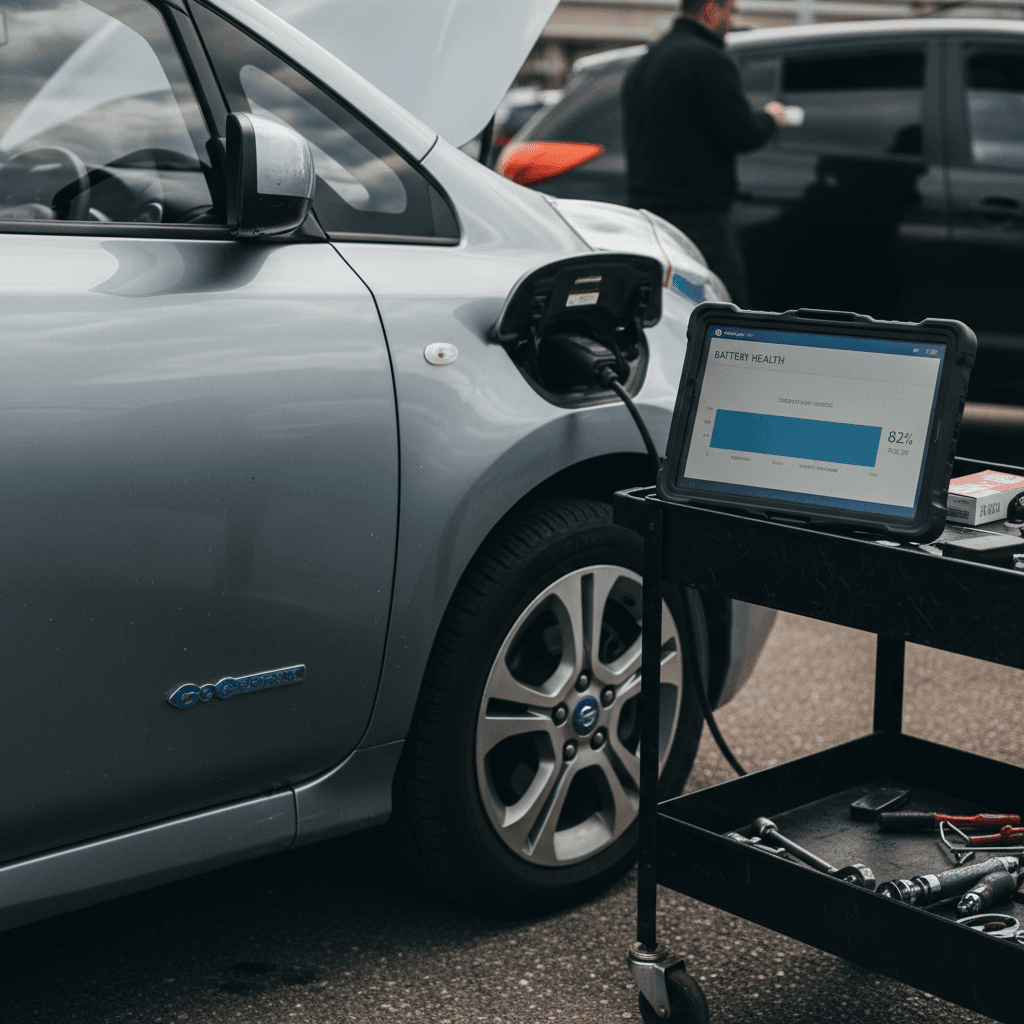
Treat the battery like the engine and transmission rolled into one. Ask for quantitative battery‑health data, not just a dashboard gauge. Recharged’s Score report, for example, spells out remaining capacity and expected range clearly.
4. Check charging compatibility
Make sure the car’s charging port (CCS, NACS, or CHAdeMO) matches the networks you’ll actually use. With more brands adopting Tesla’s NACS standard, newer EVs may offer better access to reliable fast charging.
5. Look past the screen size
Don’t let a giant touchscreen distract you from basics: seat comfort, visibility, noise levels, and how the car rides on rough pavement. You’ll notice those every day; you’ll stop caring about the animated menus in a week.
6. Run a 5‑year cost‑of‑ownership check
Factor in home‑charging installation, insurance, maintenance, and expected electricity costs. An EV that’s $2,000 more today can still win if it saves you more than that in fuel and service over five years.
How Recharged Helps Budget EV Buyers
Shopping the bottom end of the EV market can feel like walking a tightrope: one step to the left is a screaming deal, one step to the right is a money pit with a dead battery pack. This is exactly the corner of the market where a curated, data‑heavy approach helps the most.
What You Get When You Buy a Used EV Through Recharged
Budget-friendly doesn’t have to mean high-risk.
Recharged Score Battery Report
Fair-Market Pricing
EV-Specialist Support
Ready to find your next EV?
Browse VehiclesIf you already own a gas car, Recharged can also evaluate it for an instant offer or consignment sale, apply the value toward your EV, and arrange nationwide delivery. That means you can trade into an efficient, sub‑$25K EV without spending weekend after weekend wandering dealer lots.
FAQs About Upcoming Cheap EVs Under $25,000
Frequently Asked Questions
The phrase “upcoming cheap EVs under $25,000” sounds like a revolution waiting just over the horizon. In practice, it’s more of a mirage: a few earnest engineering programs, a lot of marketing, and a market that keeps pushing real cars in the opposite direction. The good news is that affordable electric driving already exists, it just mostly lives in the used market, where depreciation has done the dirty work for you. If you’re willing to let someone else eat the first‑owner premium, and you insist on verified battery health, a thoughtfully chosen used EV can deliver all the quiet torque, low fueling bills, and low maintenance you wanted from the $25K dream car, without waiting on promises. And if you’d like a guide on that path, Recharged is built precisely for that journey.