If you’re hunting for the best used electric SUV under $10,000, you’ve probably discovered how thin the market really is. The good news: EV prices and depreciation have made used electric crossovers more affordable than ever. The bad news: in 2026, an honest sub‑$10K electric SUV in the U.S. is still the exception, not the rule. This guide walks you through what’s realistic, which models come closest, and how to stretch your budget without stepping on a landmine.
Reality check up front
Can you really get an electric SUV under $10,000?
Short answer: sometimes, but you’ll be shopping at the very edge of the EV market. Most electric SUVs and crossovers sold in the U.S. (Kia Niro EV, Hyundai Kona Electric, Chevy Bolt EUV, VW ID.4, Hyundai Ioniq 5, Mustang Mach‑E and others) were new within the last decade and carried MSRPs from the mid‑$30,000s into luxury territory. Even with steep EV depreciation, often 60%+ in the first three years, typical asking prices for these models in 2026 still sit in the mid‑teens to mid‑$20,000s.
Where you do start to see numbers flirting with $10K is at the intersection of age, mileage, and compromises. Think first‑generation small crossovers that are more "tall hatchback" than SUV, higher‑mileage fleet vehicles, or cars with cosmetic blemishes that scare off retail buyers. At that point, the question shifts from "Can I find one?" to "Should I?", and that’s where smart inspection and pricing discipline matter.
Be wary of "too good to be true" listings
Best used electric SUVs that come closest to $10K
Because a true under‑$10K electric SUV is rare, it’s more helpful to look at the models that depreciate fastest and routinely slot into the $12K–$18K range. These are the vehicles most likely to drop near your budget with the right age, mileage, and negotiating leverage.
Core contenders for "cheapest used electric SUV"
These small crossovers and hatchback-adjacent EVs often represent the best value for budget shoppers. Prices are generalized U.S. retail asking ranges in early 2026 and will vary by market, mileage, and condition.
| Model | Body style | Typical 2026 used price range* | Realistic lowest range for a solid example | EPA range when new | Notes |
|---|---|---|---|---|---|
| Chevy Bolt EUV | Subcompact crossover | $14,000–$20,000 | $12,000–$13,000 | 247 miles | SUV-ish version of the Bolt EV; excellent value, but true $10K examples will be rare and probably high‑mileage. |
| Hyundai Kona Electric | Subcompact SUV | $15,000–$22,000 | ~$13,000–$14,000 | ~258 miles (long‑range) | Frequently cited as a used‑EV bargain; expect $10K only on older, higher‑mileage fleet or base trims. |
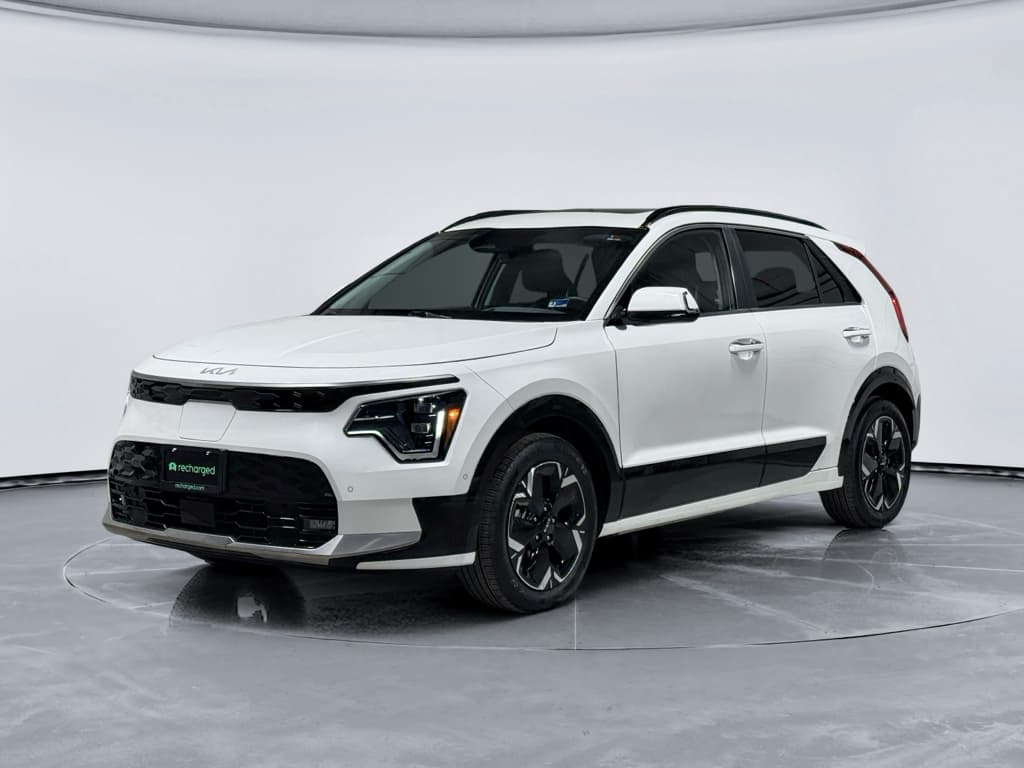
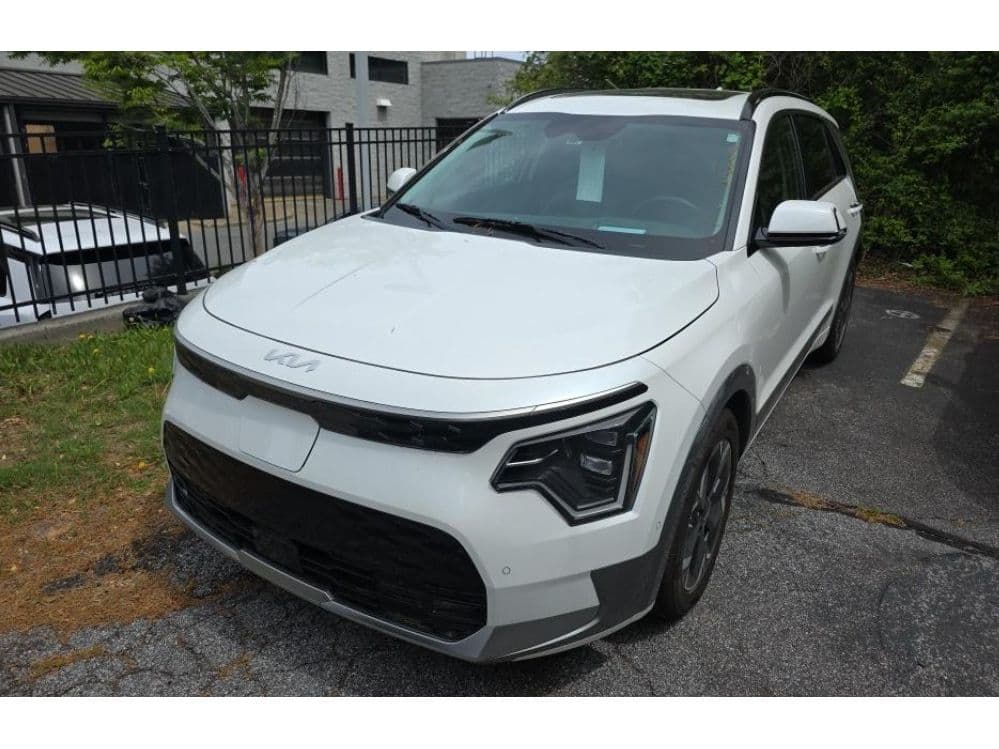
| Kia Niro EV (1st gen) | Compact crossover | $16,000–$24,000 | ~$14,000 | ~239–253 miles | Comfortable, efficient and practical; strong choice if you can stretch beyond $10K. |
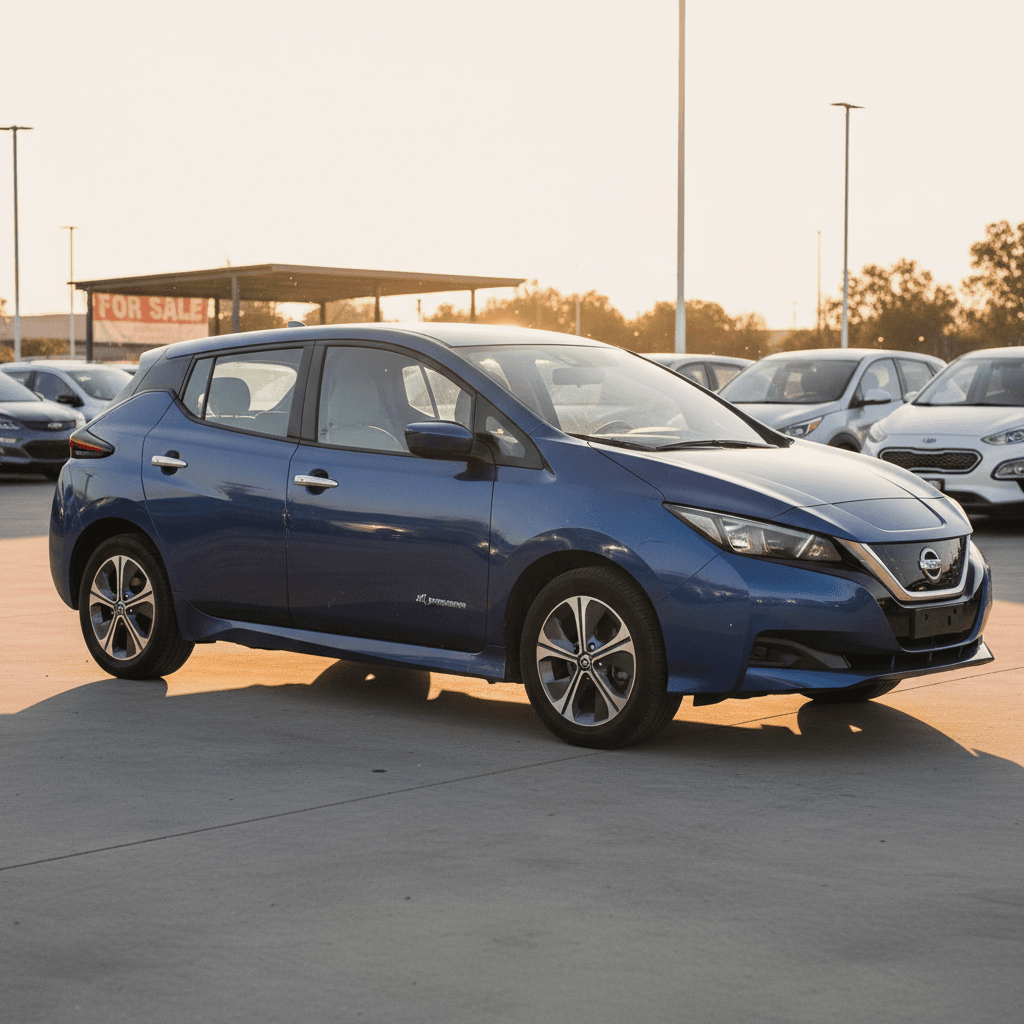
| Nissan Leaf (2nd gen, SV/SL Plus) | Hatchback ("quasi‑crossover") | $8,000–$15,000 | $8,000–$10,000 | up to 226 miles | Not a true SUV, but ride height and hatch practicality make it a popular budget stand‑in. |
| Early luxury crossovers (Audi e‑tron, Jaguar I‑PACE) | Midsize luxury SUV | $18,000–$28,000 | $15,000–$18,000 | ~200–240 miles | Huge depreciation; true sub‑$10K units will be very high mileage or compromised. |
Use this table as a directional guide, not a price guarantee.
Why you see more Leafs than SUVs under $10K
Best realistic bets if you’re flexible above $10K
If you can stretch closer to $15K, your options (and safety margin) improve dramatically.
Chevy Bolt EUV
Why it’s compelling: Compact crossover packaging, strong range for the money, and a track record as one of the best value EVs.
- Good pick for city + light highway commuting
- Interior space feels more SUV‑like than a hatchback
- Plenty of supply because of fleet and lease volume
Hyundai Kona Electric
Why it’s compelling: Frequently highlighted on budget‑EV lists thanks to long range, Hyundai’s strong warranty, and solid reliability.
- True small SUV stance
- Comfortable on longer drives
- Earlier model years now deeply depreciated
Kia Niro EV
Why it’s compelling: One of the most well‑rounded small electric crossovers, good efficiency, space, and feature content.
- Practical family hauler in a compact footprint
- Often cheaper than comparable ID.4s or Ioniq 5s
- Ideal target in the mid‑teens rather than strict $10K
How far will $10,000 actually go in 2026?
What $10K usually buys in the EV world today
From a used‑market standpoint, $10,000 behaves more like a down payment on an electric SUV than a full purchase price in 2026. The mass‑market crossovers many shoppers want only started hitting dealer lots in volume around 2019–2021. Those vehicles are just now aging into serious depreciation territory, and most are changing hands above $15,000 as of early 2026.
That doesn’t mean you should give up. It does mean you’ll get a better outcome if you approach $10K as a flexible number, either as cash down on a higher‑quality SUV financed through a lender, or as the ceiling for a non‑SUV EV that still meets your needs (for example, a later‑model Nissan Leaf hatchback or Chevy Bolt EV).
Leverage depreciation, not desperation
Battery health and warranty: non‑negotiables at this price
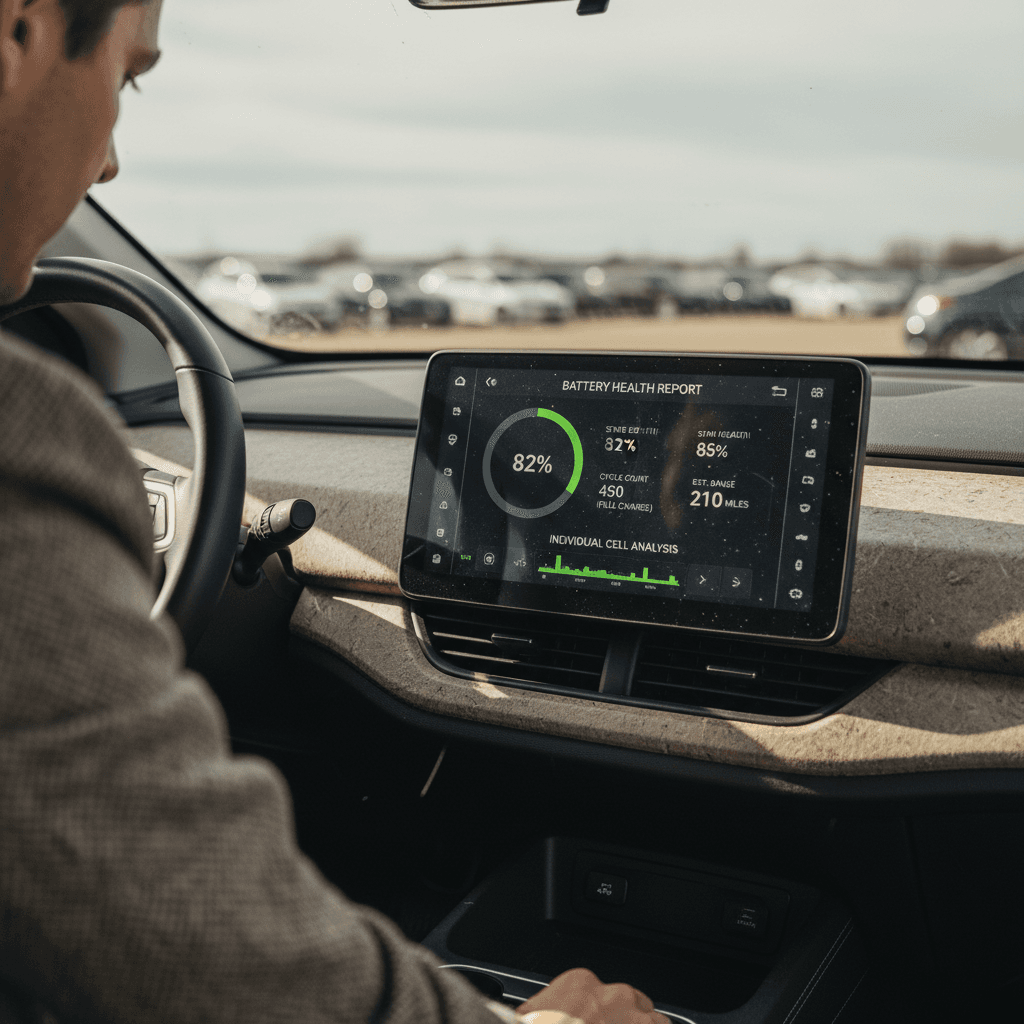
On a budget EV, battery health is the ballgame. Replacing a high‑voltage pack can easily wipe out any savings you scored by buying cheap. When you’re stretching every dollar, you need clear answers to three questions: How healthy is the pack today? How quickly has it been degrading? And how much warranty coverage is left, if any?
What "good" battery health looks like
- Capacity above ~80–85% of original is generally acceptable for a budget commuter SUV.
- Range estimates that match or reasonably track the original EPA figure in mild weather.
- No history of high‑voltage battery repairs, pack swaps, or repeated DC fast‑charging fault codes.
Red flags you can’t ignore
- Displayed range dramatically lower than period reviews or EPA estimates, even in mild temperatures.
- Pack replaced with used or salvage components, without paperwork or warranties to back it up.
- Warning lights, reduced‑power modes, or fast‑charge speeds far below what the model should support.
How Recharged reduces battery guesswork
Ready to find your next EV?
Browse VehiclesWhere to find the cheapest used electric SUVs
Best hunting grounds for budget EV SUVs
Cast a wide net, then narrow it down with data and inspections.
Specialized EV marketplaces
Platforms like Recharged focus specifically on used EVs.
- Battery health reporting built in
- EV‑savvy advisors instead of generalist salespeople
- Nationwide delivery and trade‑in options
Franchise dealers & off‑lease returns
Many franchised dealers are just starting to see off‑lease EV SUVs hit their used lots.
- Better access to service records
- Possibility of certified or limited warranties
- More predictable reconditioning standards
Online classifieds & auctions
Places like local marketplaces and online auctions are where true sub‑$10K finds sometimes live.
- Largest variety, but also the widest quality swings
- Great for deal‑hunters comfortable with risk
- Always budget for an independent inspection
Watch for regional price swings
Financing strategies when $10K is your cap
If $10,000 is what you can comfortably spend in cash, you may get a stronger overall value by treating that money as your down payment rather than your entire budget. That opens the door to newer SUVs with healthier batteries, longer remaining warranties, and modern safety tech that’s worth paying for over time.
Smart ways to stretch $10K without overextending
1. Get pre‑qualified before you shop
Pre‑qualification, like what Recharged offers, lets you see your estimated rate and payment with no impact to your credit score. That way, you know exactly how far beyond $10K you can safely stretch <em>before</em> falling for a specific SUV.
2. Compare EV‑specific loan terms
Some lenders now treat EVs differently, especially older ones, with shorter maximum terms or higher minimum down payments. Shop around and don’t assume your gas‑car bank will offer the best EV terms.
3. Keep total payment in a "comfort zone"
A slightly higher purchase price with a low payment you barely notice is better than a rock‑bottom SUV that needs a $7,000 battery repair. Use a payment calculator and be honest about your monthly comfort level.
4. Reserve cash for charging & setup
If you’re moving into your first EV, you may need to install a Level 2 charger or upgrade an electrical panel. Don’t spend your entire $10K on the vehicle and leave nothing for home‑charging infrastructure.
Inspection checklist for budget used electric SUVs
Whether you’re walking a dealer lot or scrolling through Recharged listings, you should approach a sub‑$10K electric SUV with a structured plan. Use the checklist below as a minimum standard; if a seller won’t help you answer these questions, move on.
Pre‑purchase checklist for cheap electric SUVs
1. Verify battery health and range
Ask for a recent battery report or, at minimum, clear photos of the state of charge and estimated range. Compare that number to what the model delivered when new. On Recharged, the Recharged Score makes this step straightforward.
2. Confirm DC fast‑charging capability
Early or base‑trim EVs sometimes lack DC fast‑charging hardware. For an SUV used on road trips, that’s a big limitation. Verify the port type (CCS, CHAdeMO, NACS) and make sure fast charging is actually enabled on the car.
3. Scan for warning lights and software issues
During a test drive, make sure no EV‑specific warning lamps stay illuminated and watch for odd behaviors: power loss, charging faults, or repeated rebooting of the infotainment system.
4. Look underneath for corrosion or impact damage
Electric SUVs keep their battery packs low in the chassis. Have a shop or trusted inspector check for underbody scrapes, rust, or signs of bottoming out that could impact battery integrity.
5. Review service and recall history
Ask for records showing software updates, recall work, and any high‑voltage system repairs. Vehicles with consistent dealer or specialist EV service histories are safer bets, even if they cost a little more.
6. Test real‑world charging
If possible, plug into a Level 2 or DC fast‑charger before you buy. Confirm the car accepts a reasonable charge rate for its age and doesn’t immediately throw errors or throttle down to a crawl.
Common pitfalls in the sub‑$10K EV market
- Chasing the lowest price and ignoring battery data or warranty status.
- Assuming every EV SUV supports fast charging or the connector you need on your usual routes.
- Underestimating how cold weather, hills, and highway speeds cut into nominal range, especially on older packs.
- Buying sight‑unseen from auctions or classifieds without any independent inspection.
- Forgetting to budget for tires: EV SUVs can be hard on rubber, and a full set can eat $800–$1,200 of your $10K very quickly.
Avoid salvage and experimental conversions
Is an electric SUV under $10,000 worth it?
For the right buyer, a heavily depreciated electric SUV can be a smart move: low running costs, no oil changes, and a lot of technology for the money. But when you set a hard cap at $10K, your trade‑offs sharpen. You’re accepting older hardware, reduced range, less forgiving warranty coverage, and a much higher need for due diligence.
When a sub‑$10K EV SUV makes sense
- You have a short, predictable commute and can charge at home most nights.
- You’re comfortable driving a smaller SUV or "tall hatch" like a Bolt EUV or Leaf.
- You prioritize low operating costs over the latest styling or tech.
- You’re buying from a source that provides solid battery data and history.
When you should probably stretch your budget
- You need true SUV cargo and passenger space for family road trips.
- Your regular driving includes lots of highway miles or harsh winters.
- You’re uncomfortable with the risk of a big repair bill.
- You’d rather pay a bit more now for newer safety features and remaining factory warranty.
If you’re dead‑set on the best used electric SUV under $10,000, you’ll need patience, flexibility on body style, and a hard line on battery health and history. For many shoppers, the smarter play is to put that $10K to work as a strong down payment on a $14K–$20K electric SUV that’s still well within the steep part of the EV depreciation curve, but far outside the danger zone. Either way, leaning on EV‑focused platforms like Recharged for transparent battery reports, fair‑market pricing, financing options, and expert guidance can turn an intimidating search into a predictable, data‑driven decision.