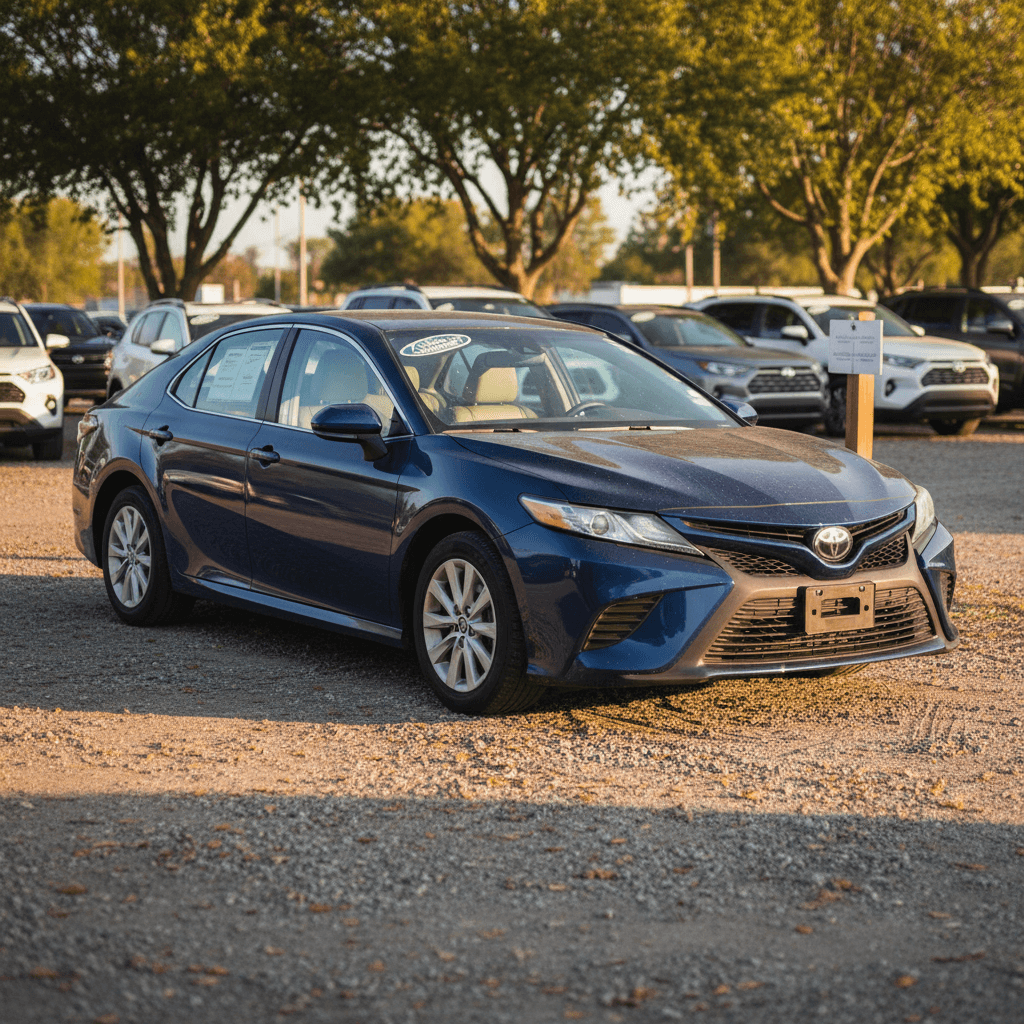
Searches for “Toyota used cars for sale by owner” are booming for a reason: Toyota has a hard-earned reputation for durability, and private sellers often list cars a bit cheaper than dealerships. Combine those two, and it can look like the cheapest path to reliable wheels. But there’s a world of difference between a well-loved Corolla in someone’s driveway and a neglected Camry with hidden issues.
The bottom line up front
Why shop Toyota used cars for sale by owner?
The real pros and cons of private‑party Toyotas
Understand the tradeoffs before you fall for that driveway deal
Lower asking prices
Private sellers don’t have to cover a showroom, sales staff, or big advertising budget. That usually means lower prices or more car for the money compared with the same Toyota at a franchise dealer.
Fewer add-on fees
Dealer documentation fees, add-ons, and extended warranties can pile on thousands. A by-owner sale has simpler pricing, what you negotiate is usually what you pay, plus tax and registration.
More risk, less recourse
There’s almost never a warranty, and if problems pop up later, you’re on your own. That’s why inspection and paperwork discipline matter much more in a private sale.
If you’re shopping older Corollas, Camrys, RAV4s, Tacomas, or hybrids, you’re chasing one of the best reliability reputations in the business. But that reputation can also hide abuse: some owners skip maintenance because “it’s a Toyota; it’ll run forever.” Your job is to separate the genuinely well-kept cars from the ones running on luck.
Where to find Toyota used cars for sale by owner
- Major classifieds and search sites: Filter by “for sale by owner” on large car search portals and classifieds. You’ll see everything from 2002 4Runners around $6,800 to 2020–2024 Corollas with private-party listings competitively priced against dealers.
- Local marketplace apps: Facebook Marketplace, OfferUp, Nextdoor, and Craigslist are still prime territory for private‑party Toyota listings in your zip code.
- Enthusiast and model‑specific forums: Sites for Tacoma, 4Runner, or Prius fans often have for‑sale sections where owners list well‑maintained vehicles with detailed histories.
- Community boards and word‑of‑mouth: Church, work, neighborhood apps, and local bulletin boards are still how many lower‑mileage, one‑owner cars change hands.
Search smarter, not just closer
Best Toyota models to buy used from private sellers
Toyotas are not all created equal, but several models shine as private‑party purchases because parts are common, repair information is everywhere, and independent shops know them by heart.
Toyota standouts for private‑party deals
Start your search with these usual suspects
Corolla & Corolla Hybrid
The Corolla is the poster child for practical, reliable transportation. A well‑maintained 2014–2022 Corolla or Corolla Hybrid with thorough records is an excellent private‑party buy. Look for:
- Routine oil changes every 5,000–6,000 miles
- Brake and tire history
- Clean title and no major collision repairs
Camry & Camry Hybrid
The Camry offers more space and power, especially with the 2.5L four‑cylinder and the hybrid. A thoughtfully‑owned Camry can easily run 200,000+ miles. Just pay close attention to engine oil consumption on certain years (we’ll cover that shortly).
RAV4 and RAV4 Hybrid
Small SUVs like the RAV4 and RAV4 Hybrid are hot on the used market. They’re great private‑party buys if you confirm regular maintenance, especially on AWD components and hybrid cooling systems.
Tacoma and 4Runner
Tacomas and 4Runners are royalty on the used market, and owners know it, expect strong prices even in private sales. Focus on frame condition, rust, and evidence of heavy off‑road use.
Don’t overlook Toyota hybrids
Toyota years and issues to approach carefully
No brand is perfect, and certain Toyota engines and years deserve a slower, more skeptical walk‑around, especially when there’s no warranty safety net.
Common trouble spots in older used Toyotas
These issues don’t make a car a bad buy by default, but they do mean you should dig deeper, especially with a private seller.
| Model | Years to research closely | Typical concern | What to ask the seller |
|---|---|---|---|
| Camry 4‑cyl (2AZ‑FE) | 2002–2004 | Head bolts / head gasket failures | “Any history of overheating, head gasket repair, or coolant loss?” |
| Camry 4‑cyl | 2007–2009 | Oil consumption from piston ring design | “How much oil does it use between changes? How often are you adding oil?” |
| Camry 4‑cyl (2AR‑FE) | 2009–2014 | Potential oil consumption if oil‑change intervals stretched | “Can I see proof of 5k–6k mile oil changes, not 10k+?” |
| Older Corolla, Matrix, RAV4 | Early 2000s | Takata airbag recalls and other age‑related items | “Have all open recalls been done? May I see the dealer paperwork?” |
| Late‑model Toyota hybrids | 2022–2025 | Occasional software or display recalls | “Any recall letters or dealer visits for cluster or software issues?” |
Always confirm recalls are completed and ask directly about oil consumption or transmission issues on these years.
Always run the VIN yourself
How to inspect a used Toyota from a private seller
Toyotas are good at hiding their age. That’s great when you own one, and dangerous when you’re buying one from a stranger’s driveway. Here’s a street‑level inspection routine you can use whether you’re looking at a 2005 Corolla or a 2021 RAV4 Hybrid.
Private‑party Toyota inspection checklist
1. Start with the paperwork
Ask for the title, registration, and maintenance records before you even pop the hood. Walk away if the name on the title doesn’t match the person selling, or if they only have vague stories instead of receipts.
2. Scan for rust and crash repairs
Look along the rocker panels, wheel arches, and frame (especially on trucks and SUVs). Overspray, mismatched paint, and wavy reflections along the doors can reveal accident repairs.
3. Check fluids and leaks
Engine oil should be near the full mark and not black‑sludge thick. Coolant should be clean and at the correct level. Any active leaking under a supposedly “problem‑free” Toyota is a red flag.
4. Focus on oil consumption models
On Camrys and other models known for potential oil consumption, pull the dipstick before and after the test drive. Low oil, burnt smell in the exhaust, or blue smoke on startup are bad signs.
5. Drive it like you own it
On your test drive, find a hill or highway on‑ramp. Listen for clunks over bumps, transmission shudder, or whining noises. The steering should be straight and stable; the brakes should feel firm and consistent.
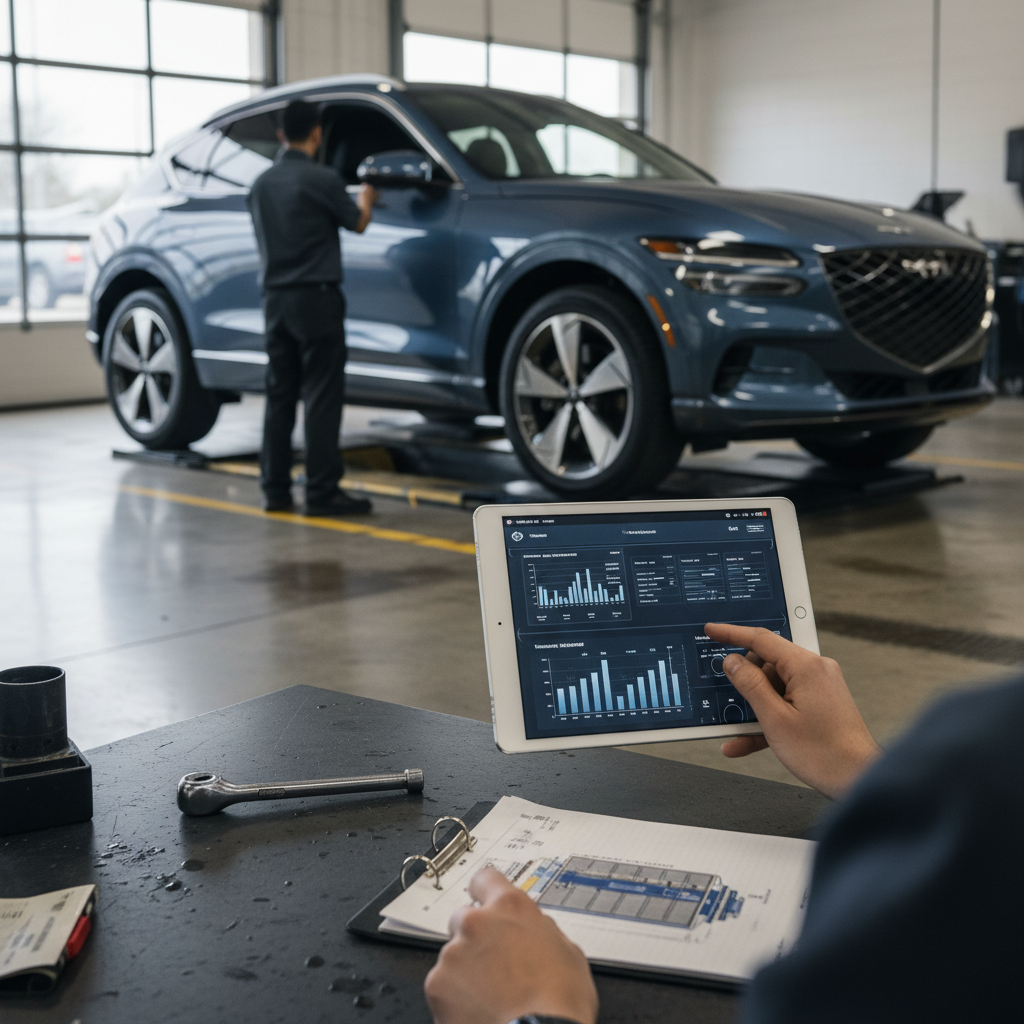
6. Pay a pro for a pre‑purchase inspection
A $150–$250 inspection by an independent mechanic who knows Toyotas is cheap insurance. If the seller refuses to let you do this, even at your expense, treat that as an answer and move on.
Skip the driveway diagnostics
Pricing strategy for Toyota used cars by owner
When you shop Toyota used cars for sale by owner, you’re stepping into a market where some sellers have researched values carefully, and others simply picked a number because “it’s a Toyota; it’s worth it.” Your job is to know which is which before you ever make an offer.
What private‑party Toyota pricing really looks like
Do your homework before you show up
Use pricing tools (Kelley Blue Book, Edmunds, iSeeCars, etc.) to get a private‑party value for the exact year, trim, mileage, and zip code. Print or screenshot this so you’re not negotiating from a blank page.
Negotiate the car, not the monthly payment
Private sellers love cash because it’s simple. Whether you’re paying cash or using a credit union, negotiate the out‑the‑door price, not how much per month you can afford. And be willing to walk away politely.
How to make a clean offer
Paperwork, title transfer, and staying safe with payments
The mechanical side of a by‑owner Toyota sale can be straightforward. The part that bites buyers most often is paperwork and money, especially when you’re eager and the seller is in a hurry.
Closing the deal safely on a private‑party Toyota
Meet in a safe, public location
Preferably at a bank branch or DMV parking lot during business hours. Many police departments also offer safe‑exchange zones with cameras.
Confirm the seller’s identity
Make sure the name on the title matches their ID. If it doesn’t, ask why. “Selling for a friend” should set off alarms.
Verify the VIN everywhere
The VIN on the dashboard, door jamb, title, and bill of sale should all match. Walk away from any Toyota with VIN irregularities or excuses.
Use secure payment methods
A cashier’s check drawn at the seller’s bank, or a wire transfer handled at the bank, is safer than carrying cash. Avoid peer‑to‑peer apps for big sums.
Complete a bill of sale
Include VIN, price, date, mileage, and both parties’ info. Many states have a standard form online, worth printing before you meet.
Handle plates and insurance correctly
Know your state’s rules about driving on existing plates or temp tags. Call your insurer before you drive away so you’re covered from the first mile.
Private seller vs dealer vs online marketplace
If you’re searching for “Toyota used cars for sale by owner,” you’re probably trying to beat dealer pricing and avoid high‑pressure sales. That’s sensible, but it’s worth being clear about what you give up, and what new risks you take on, when you skip more structured options.
How different ways to buy a used Toyota stack up
There’s no one right way to buy a used Toyota. It depends on your priorities: price, convenience, risk tolerance, and how comfortable you are doing your own homework.
| Option | Pros | Cons | Best for |
|---|---|---|---|
| Private seller (by owner) | Lowest prices, direct history from owner, no dealer fees | No warranty, risk of hidden issues, you manage all paperwork and inspection | Hands‑on shoppers who enjoy doing homework and inspections |
| Traditional dealer | Possible warranties, certified programs, financing and paperwork in one place | Higher prices, fees, pressure to buy add‑ons | Buyers who prioritize convenience and are okay paying more |
| Online marketplace / EV specialist (like Recharged for EVs) | Transparent pricing, online shopping, inspections and condition reports, help with delivery and paperwork | Not every brand or model available, slightly higher pricing than the cheapest private sale | Shoppers who want lower risk and a mostly digital experience |
Use this comparison to decide how far down the DIY path you really want to go.
Where Recharged fits in
When a platform like Recharged makes more sense
There are moments when chasing the absolute lowest private‑party price on a Toyota stops making sense, especially if you’re already nervous about inspections, or you’re leaning toward an electrified model that lives and dies by battery health.
Signs you should skip the by‑owner route this time
It’s okay to decide you want more backup than a handshake can give you
You’re not comfortable judging condition
If every engine bay looks the same to you and the idea of bargaining in a stranger’s driveway makes you queasy, the stress may outweigh any savings.
You’re shopping hybrids or EVs
Battery health matters more than anything on a hybrid or full EV. Platforms like Recharged provide battery diagnostics and transparent reports that a private seller usually can’t.
You need financing and delivery
If you need help lining up financing, handling a trade‑in, or getting the car delivered across the country, a modern marketplace or dealer is better suited than a one‑off private seller.
FAQ: Toyota used cars for sale by owner
Frequently asked questions
Key takeaways before you go test drive
Toyota used cars for sale by owner can absolutely be the sweet spot: less money than a dealer, more car than a bargain‑basement beater, and often a clearer sense of how the car has really been used. But that only works in your favor if you slow down long enough to check the right years and engines, do a thorough inspection, bring in a mechanic when needed, and treat paperwork and payment with the same seriousness you give the test drive.
If, along the way, you realize you’d rather trade a bit of savings for more peace of mind, you’ve got options, from traditional dealers to digital‑first marketplaces. And if your search leads you toward used EVs or electrified Toyotas, exploring vehicles with a Recharged Score, verified battery health, and expert EV support can make your next daily driver feel a lot less like a gamble and a lot more like a plan.