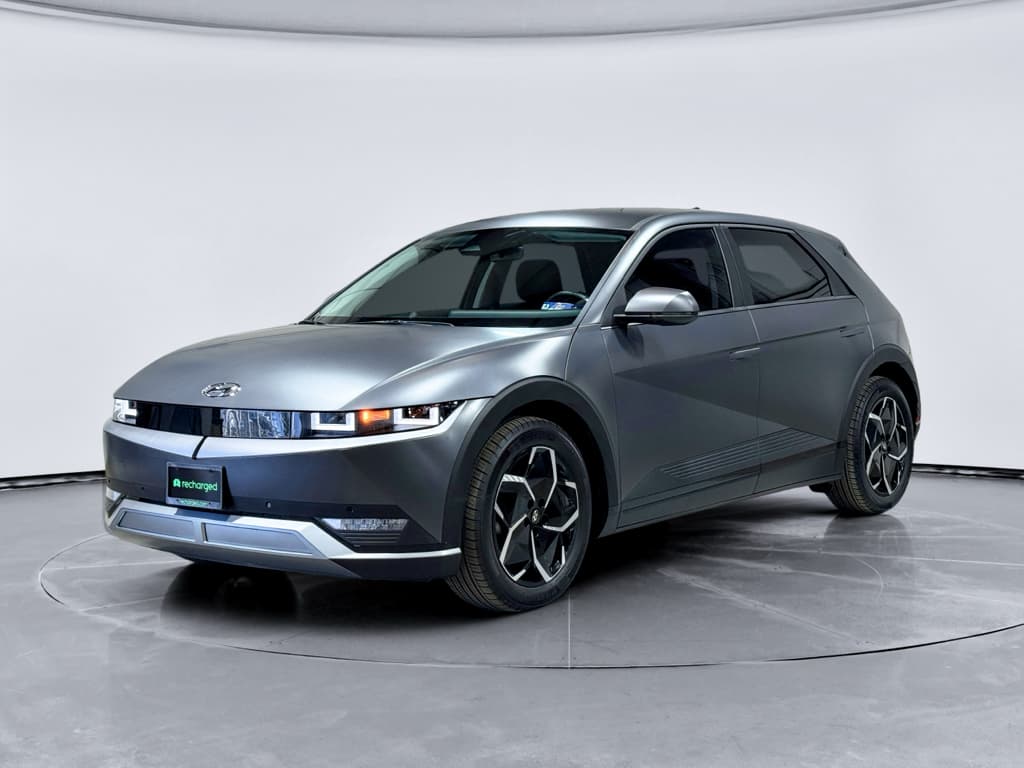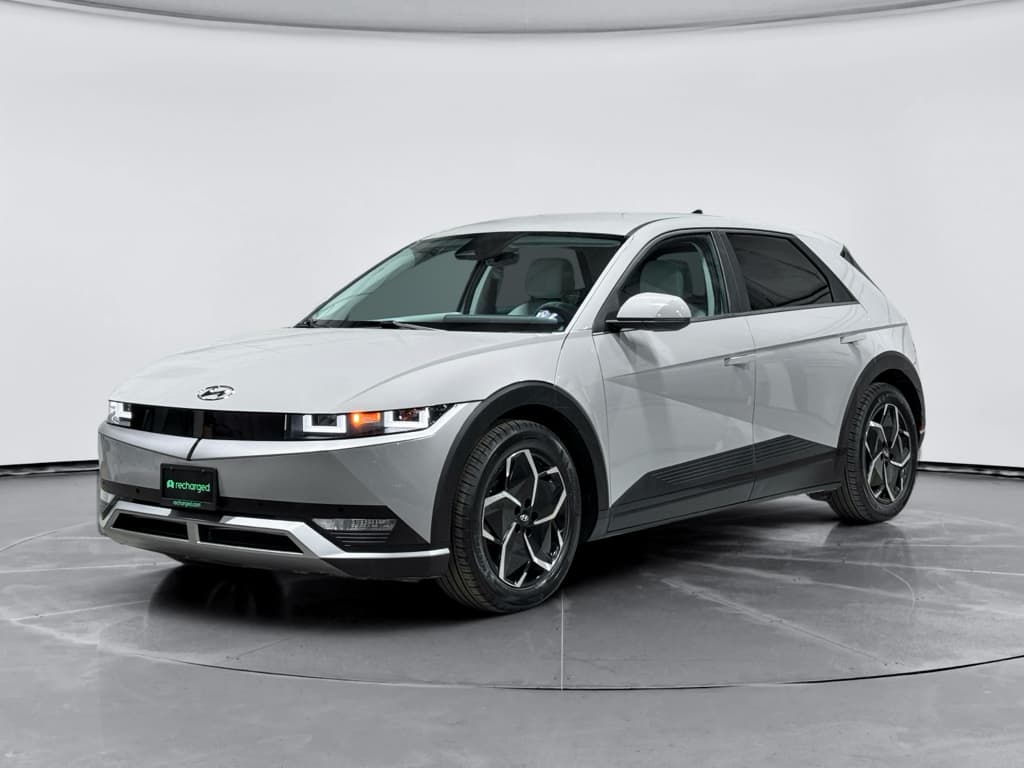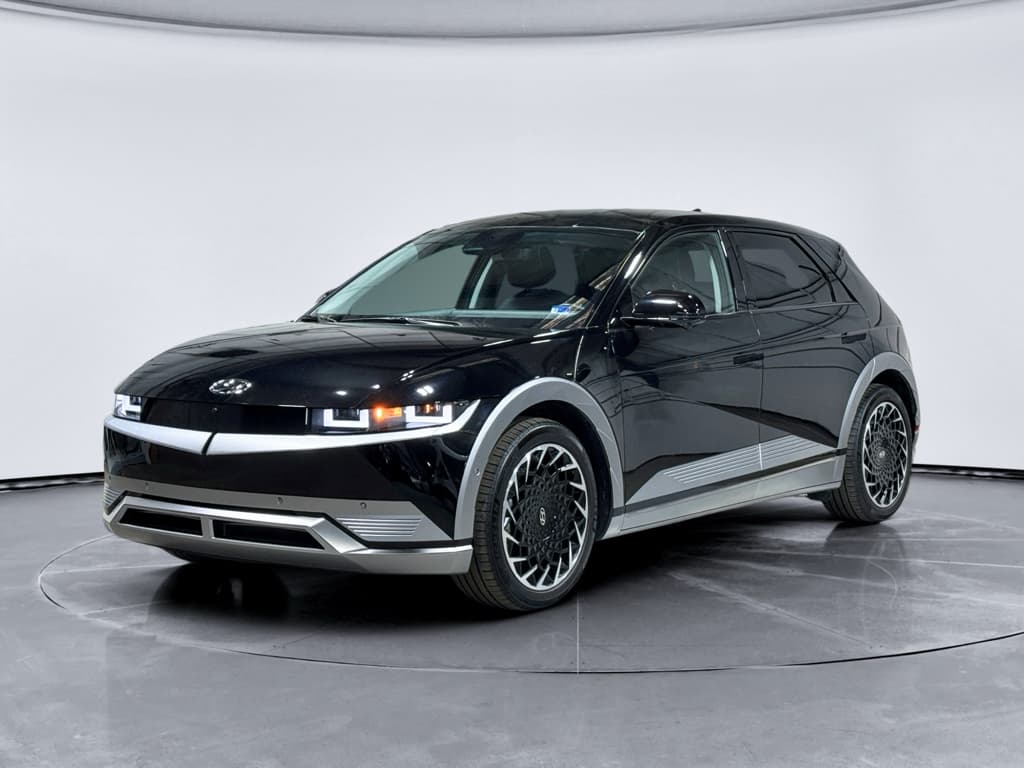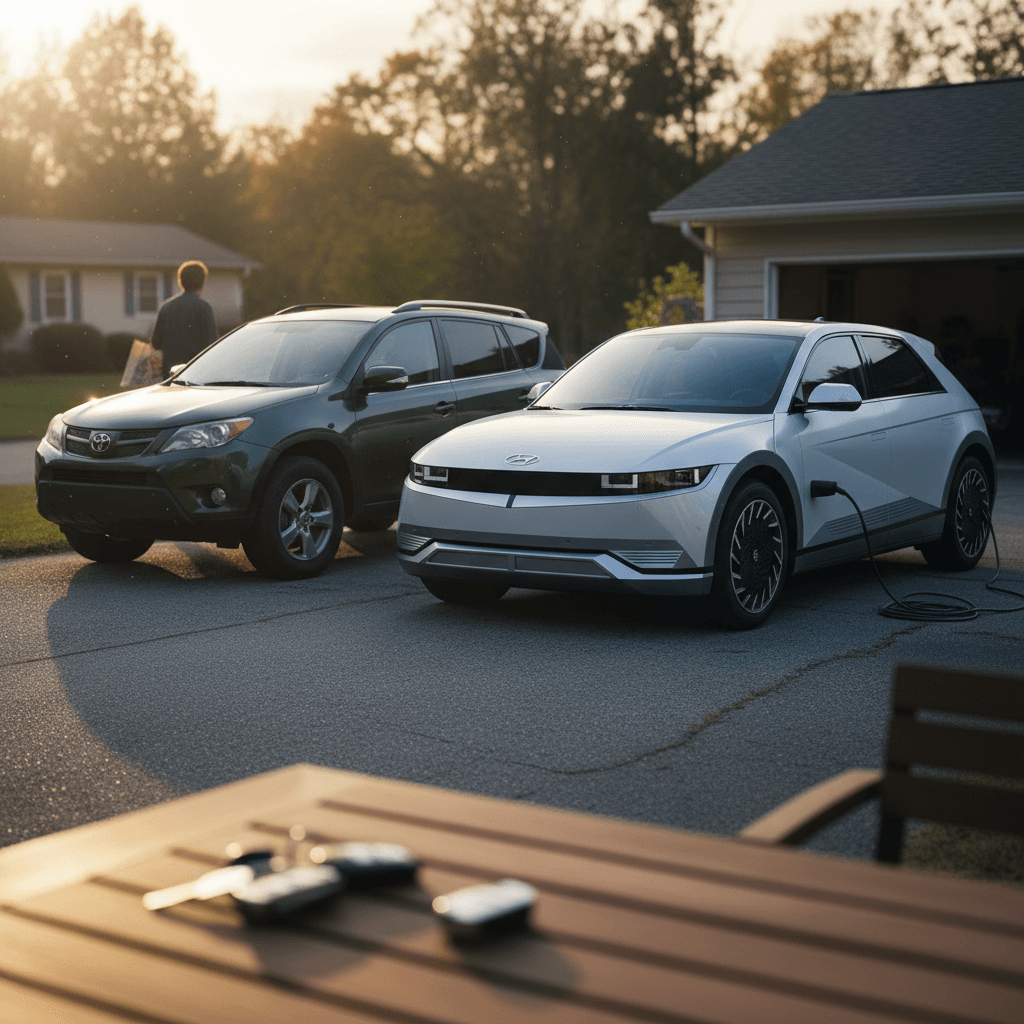
If you’ve spent years in a dependable Toyota RAV4 and you’re now eyeing a Hyundai Ioniq 5, you’re not alone. A lot of shoppers are asking some version of “Toyota RAV4 owner switch to Hyundai Ioniq 5 review” because they want to know how this sharp‑edged EV actually compares to one of the most trusted crossovers on the road.
RAV4 vs Ioniq 5 in one sentence
RAV4 to Ioniq 5: Who this guide is for
- Current RAV4 gas owners wondering if their next car should finally be electric.
- RAV4 Hybrid drivers who love the efficiency but want smoother EV power and less maintenance.
- RAV4 Prime shoppers cross‑shopping full EVs like the Ioniq 5.
- Anyone looking at a used Ioniq 5 and trying to sanity‑check it against Toyota’s legendary durability.
We’ll walk through the switch from a RAV4 owner’s perspective: how the Ioniq 5 drives, how much space you really get, what changes with charging, what you gain (and give up) on costs and reliability, and how to shop smarter if you’re considering a used Ioniq 5 from a marketplace like Recharged.
Quick take: Toyota RAV4 owner switch to Hyundai Ioniq 5 review
RAV4 → Ioniq 5: 10‑second verdict
Where you’ll feel the upgrade – and where Toyota still wins
Big upgrades
- Instant torque: much quicker than a gas RAV4 and feels smoother than the Hybrid.
- Quieter, calmer cabin: less engine noise and vibration, especially in traffic.
- Upscale interior: flat floor, sliding console, lounge‑like rear seat, big dual screens.
- Lower running costs if you can charge at home and drive mostly locally.
Trade‑offs vs RAV4
- Less cargo space than a RAV4 with the seats up or folded.
- Lower ground clearance, not as trail‑friendly as Adventure/TRD RAV4 trims.
- Hyundai reliability and dealer experience are spottier than Toyota’s.
- Fast‑charging and winter range require more planning than a gas fill‑up.
Best for these owners
- Suburban drivers with home charging and commutes under ~60 miles/day.
- Households where the Ioniq 5 is the primary family car but not the only long‑range road‑trip vehicle.
- RAV4 owners tired of gas stops and ready to lean into EV tech and comfort.
How to use this guide
Driving experience: quiet torque vs familiar comfort
From RAV4 powertrains to EV torque
If you’re in a gas RAV4, the Ioniq 5 will feel dramatically quicker and smoother. Even a base rear‑wheel‑drive Ioniq 5 makes strong, instant torque, and the dual‑motor all‑wheel‑drive versions feel closer to a hot hatch than a family crossover when you mat the accelerator.
Coming from a RAV4 Hybrid or Prime, the jump is subtler but still noticeable. You lose the occasional engine flare and CVT drone, replaced with seamless, single‑gear acceleration. There’s no waiting for the engine to join the party, what your right foot asks for is what you get.
Ride, noise and handling feel
The Ioniq 5 rides on a long 118‑inch wheelbase and carries its battery under the floor. That gives it a planted, almost luxury‑car feel over bad pavement compared with the more upright, bouncy RAV4.
- Quieter at city speeds and on the highway (no engine, better aero).
- More composed in corners thanks to the low center of gravity.
- Steering feel is light and accurate, if not sporty in a traditional sense.
If you like the RAV4’s slightly rugged, upright SUV vibe, the Ioniq 5 will feel more like a big, high‑roofed hatchback, less trucky, more refined.
Test one‑pedal driving first
Space and practicality: Hyundai Ioniq 5 vs Toyota RAV4
On paper, the RAV4 and Ioniq 5 are both compact/midsize crossovers. In practice, they package space very differently. As a RAV4 owner, you’re probably asking a simple question: do I lose usable space?
Ioniq 5 vs RAV4: key space numbers
Approximate U.S. spec figures; exact numbers vary by year and trim, but the relationships stay the same.
| Metric | Hyundai Ioniq 5 | Toyota RAV4 (gas/Hybrid) | What you’ll feel |
|---|---|---|---|
| Overall length | ≈183 in | ≈181 in | Similar footprint in your garage. |
| Ground clearance | ≈6.4 in | ≈8.4 in | RAV4 is better for rough driveways and light trails. |
| Passenger volume | Very roomy, flat floor | Roomy but with central tunnel | Ioniq 5 feels more open, especially in the rear. |
| Cargo behind 2nd row | ≈26 cu ft | ≈37 cu ft | RAV4 holds more boxes, strollers, tall items. |
| Cargo with seats folded | ≈58 cu ft | ≈70 cu ft | RAV4 still wins if you often haul big loads. |
The RAV4 still wins on cargo volume; the Ioniq 5 wins on rear legroom and flat‑floor flexibility.

The Ioniq 5’s rear seat and flat floor are where ex‑RAV4 owners notice the biggest upgrade. Adults can cross their legs, slide the bench, and recline; kids have more toe room under the front seats. But if you’re used to stuffing a RAV4 with camping gear, bikes, or big dogs, you will see the difference in cargo volume, especially with the seats folded.
Practical test for RAV4 owners
Charging vs fueling: what really changes day to day
Moving from a RAV4 to an Ioniq 5 isn’t just a drivetrain change, it’s a new fueling routine. The good news is that most owners quickly decide they’d rather “refuel” at home while they sleep. The catch is that long trips and apartment living require more planning than a five‑minute gas stop.
How your routine changes: RAV4 gas station vs Ioniq 5 charging
Think in terms of daily life, not just road trips.
Daily driving with home charging
- Install (or use existing) a Level 2 charger on a 240V circuit.
- Plug in at night, wake up with a "full tank" almost every morning.
- Electric "fuel" costs per mile are typically lower than gas, especially off‑peak.
- No more detours for gas, this is where most ex‑RAV4 owners fall in love with EVs.
Road trips and public charging
- Ioniq 5 can fast‑charge very quickly on a high‑power DC charger, but speeds vary by station and conditions.
- You’ll use apps like PlugShare, ChargePoint, or the car’s nav instead of just watching for gas signs.
- Plan charging stops every 2–3 hours of highway driving; expect 20–35 minute breaks rather than 5‑minute gas stops.
- In cold weather, expect shorter range and slower charges, trip planning matters more than it did in your RAV4.
RAV4 owner checklist: are you ready for Ioniq 5 charging?
1. Do you have convenient home parking?
If you park in a private driveway or garage, an Ioniq 5 is easy to live with. If you street‑park most of the time, you’ll rely much more on public charging, which is doable but a bigger lifestyle change.
2. Can you install a Level 2 charger?
A 240V outlet or wallbox turns the Ioniq 5 into a set‑and‑forget appliance. If you rent, ask your landlord; if you own, get a quote from an electrician. <a href="/articles/home-ev-charging-explained">Our home charging guide</a> can help you plan.
3. How often do you road trip?
If you do a few long trips a year, the Ioniq 5 can handle them with planning. If you drive 500+ miles every other weekend, you might want to keep something gas or hybrid in the household for now.
4. What’s your local public charging like?
Open PlugShare or Google Maps around your usual routes. A healthy mix of DC fast chargers and Level 2 stations makes EV life much easier if you can’t always charge at home.
Apartment dwellers: do extra homework
Ownership costs & resale: from RAV4 stronghold to EV wildcard
Cost picture: RAV4 vs Ioniq 5
Where the RAV4 still has a clear edge is resale and predictability. Toyota’s compact SUV is a known quantity: rock‑solid demand, well‑understood long‑term maintenance, plentiful independent mechanics. The Ioniq 5, by contrast, is a newer EV on a relatively fresh platform, so resale and long‑term repair patterns are still evolving.
Where the Ioniq 5 can save you money
- No gas: If you drive 10,000–15,000 miles a year and charge mostly at home, you’re shifting hundreds or thousands of dollars a year from fuel to (cheaper) electricity.
- Less routine maintenance: No timing belt, plugs, oil, or exhaust. You’re mainly doing tires, cabin filters, and brake fluid.
- Regenerative braking: Pads and rotors can last longer because the motor does a lot of the slowing.
Where the RAV4’s economics are still safer
- Resale value: Late‑model RAV4s, especially Hybrid and Prime, have consistently strong resale, even as the market cools.
- Out‑of‑warranty risk: Independent shops understand Toyotas. EV‑specific repairs on a Hyundai are more likely to send you back to the dealer.
- Fuel price flexibility: If local electricity prices spike or public charging is expensive, the EV savings picture gets murkier, while a hybrid RAV4 just pays whatever gas costs that week.
Used Ioniq 5 sweet spot
Reliability & service: what former Toyota owners should know
This is where most RAV4 owners get nervous, and for good reason. Toyota’s reliability reputation is earned over decades. Hyundai has improved dramatically, but the Ioniq 5 doesn’t have the same bulletproof track record yet, and some early owners have reported issues with components like charging electronics and 12V systems.
- Hyundai backs the Ioniq 5 with a long EV component warranty (often 8 years/100,000 miles for the high‑voltage battery in the U.S.), which helps cushion big‑ticket risks while you’re in coverage.
- Real‑world owner reports paint a mixed but improving picture: many people have trouble‑free experiences, while a minority have dealt with charging or electronics gremlins and slow dealer fixes.
- Toyota dealers are everywhere, and many owners already have service relationships. Hyundai coverage is good in metro areas, but rural support can be thinner, worth checking against where you live and travel.
Mind the dealer experience gap
Is a used Ioniq 5 a smart upgrade from your RAV4?
From an analyst’s perspective, the used market is where the RAV4 → Ioniq 5 move becomes especially compelling. New EVs take sharper early depreciation than mainstream gas SUVs; the RAV4 is near the top of the retention chart, while the Ioniq 5 sits in the middle. That means a carefully chosen used Ioniq 5 can deliver a lot of EV for the money, if you buy with your eyes open.
RAV4 owner checklist for buying a used Hyundai Ioniq 5
1. Start with battery health, not just miles
Your RAV4’s engine could be judged by mileage and maintenance history. With an EV, <strong>battery state of health</strong> is just as important. Look for sellers who provide third‑party battery diagnostics, Recharged includes a <strong>Recharged Score</strong> on every Ioniq 5 with verified pack data.
2. Verify fast‑charging behavior
Ask for recent fast‑charge logs or have the car DC‑fast‑charged during an inspection. You’re looking for <strong>consistent, healthy charge speeds</strong>, not a car that crawls up from low power because of thermal or hardware issues.
3. Check software and recall history
Many early EV issues are addressed with software updates. Confirm that all recalls and recommended software campaigns have been completed, and that the car is on the latest stable firmware.
4. Inspect tires and alignment carefully
The Ioniq 5’s instant torque and weight can be harder on tires than a RAV4. Uneven wear can hint at alignment or suspension issues, things you want addressed before you buy.
5. Look at charging port and cable wear
Frequent DC fast charging isn’t a deal‑breaker, but heavy wear on the charge port or included cable can indicate rough treatment. Pair this with battery‑health data to understand how the car was used.
6. Cross‑shop range with your real use
Be honest about your daily and weekly driving. If your RAV4 regularly does 250‑300 mile days without stopping, choose an Ioniq 5 trim and battery that keeps your <strong>real‑world</strong> highway range (including winter) within your comfort zone.
How Recharged derisks used Ioniq 5s
How Recharged helps RAV4 owners move into an Ioniq 5
If your RAV4 has been the family workhorse, moving into an Ioniq 5 isn’t just a spec‑sheet decision, it’s a trust question. Recharged was built specifically to make that leap into a used EV as transparent as possible.
From RAV4 to Ioniq 5 with Recharged
What changes when you buy your EV from an EV‑focused marketplace
Recharged Score battery report
Trade‑in and instant offers
EV‑specialist guidance
Ready to find your next EV?
Browse VehiclesNationwide delivery + Experience Center
FAQ: RAV4 owner switching to Hyundai Ioniq 5
Frequently asked questions from RAV4 owners
If you’re a Toyota RAV4 owner thinking about a Hyundai Ioniq 5, you’re trading some of the segment’s safest, most conservative virtues for a package that’s more refined, more future‑proofed, and frankly more enjoyable to drive day in and day out, especially if you can charge at home. The key is to respect where the RAV4 still wins (cargo, ground clearance, long‑term predictability) and use tools like the Recharged Score and EV‑savvy support to derisk your move into a used Ioniq 5. Get those pieces right, and the switch doesn’t just make sense on paper; it makes your everyday driving feel a generation newer.