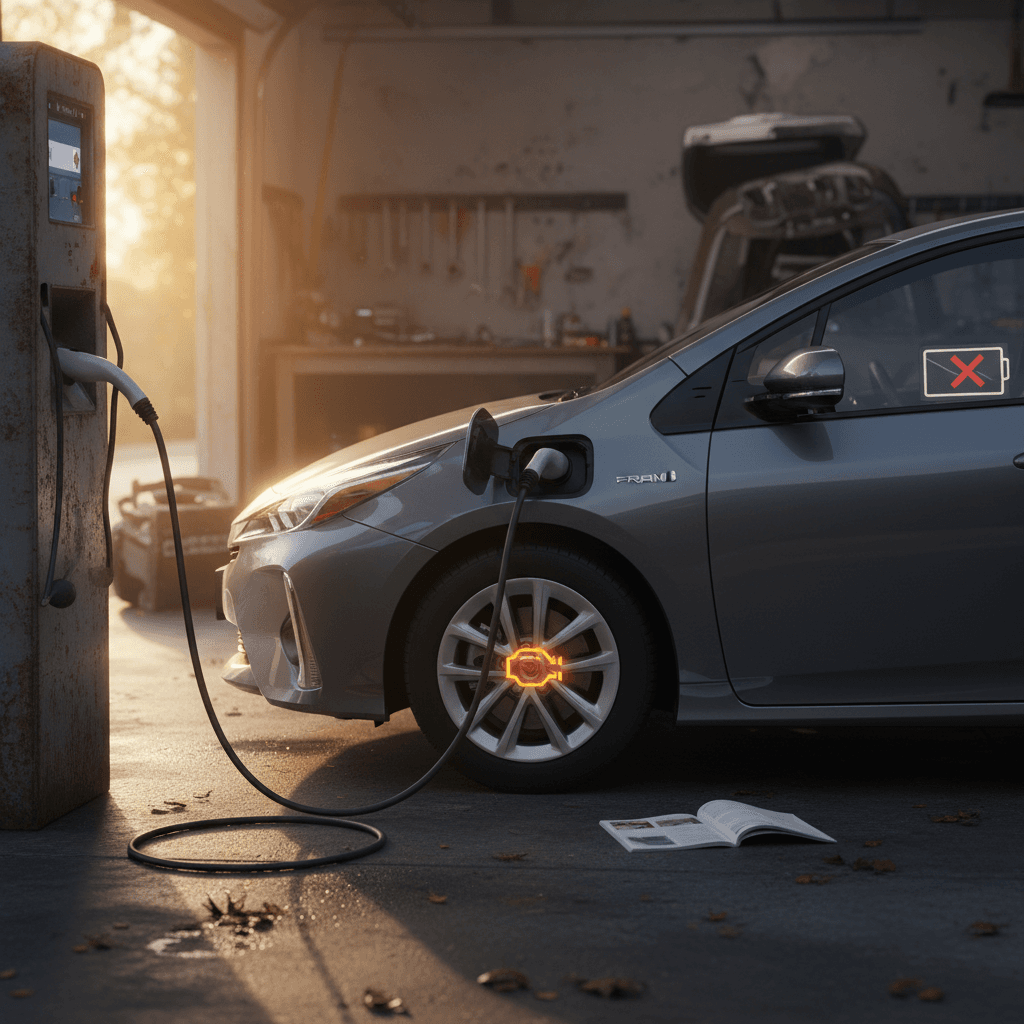
If you’re considering a Toyota Prius Prime, or already own one, you’re probably wondering what real‑world issues show up once the miles add up. The Prius Prime has a strong reputation for efficiency and generally good reliability, but like any plug‑in hybrid, it has a few common problems and recalls worth understanding, especially if you’re shopping used.
Quick take
Overview: How Reliable Is the Toyota Prius Prime?
The Prius Prime builds on the standard Prius hybrid’s reputation, adding a larger plug‑in battery and the ability to drive on electricity alone for part of your day. Overall reliability is above average for a plug‑in hybrid, but ratings from owner surveys tend to be slightly lower than the non‑plug‑in Prius, largely because there are more systems that can act up, charging hardware, larger traction battery, and more complex software.
Prius Prime reliability snapshot
From a used‑EV standpoint, that combination, solid powertrain, plus a few predictable weak spots, is actually good news. If you know what to look for, you can avoid problem cars and focus on well‑maintained examples that should deliver many more years of low‑cost commuting.
Prius Prime generations & model years at a glance
Prius Prime generations and key model years
Knowing which generation you’re shopping helps you understand which problems and recalls apply.
| Generation | Model years (U.S.) | Key traits | Where most problems show up |
|---|---|---|---|
| Gen 1 plug‑in Prius (not branded "Prime") | 2012–2015* | Early plug‑in Prius, limited EV range, older tech | Out of scope for this guide; focus on Prime-badged cars |
| Gen 2 Prius Prime | 2017–2022 | Liftback body, 8.8 kWh battery, conservative styling | Infotainment glitches, windshield cracking, occasional charge/12V quirks |
| Gen 3 Prius Prime | 2023–present (2026 as of today) | All‑new sporty design, bigger battery and power | Multiple recalls (doors, backup camera), 12V battery drain concerns, software updates |
Generations of the Toyota Prius Prime sold in the U.S. and their typical traits.
Model year tip
Most common Toyota Prius Prime problems
Top real‑world Prius Prime complaints
Issues that show up most often in owner reports and technical bulletins
1. 12‑volt battery draining or early failure
2. Infotainment glitches (2017–2022)
3. Windshield cracking or chips (2017 era)
4. Door‑latch and rear‑door issues (2023–2026)
5. Backup camera / display failures
6. HVAC & heat‑exchanger quirks
Don’t confuse minor issues with major failures
Common problems by Prius Prime generation
2017–2022 Prius Prime: First-generation "Prime" issues
For the 2017 model year, Toyota took the existing Prius hybrid and gave it a larger 8.8 kWh plug‑in battery, revised styling, and the "Prime" nameplate. Mechanically, it’s conservative, and that’s part of why it’s held up well. Still, a few trouble patterns stand out:
- Infotainment problems: Owners of 2017–2018 cars with the large vertical touchscreen report freezes, reboots, and touch response issues. Toyota has issued service bulletins and, in some cases, replaced head units.
- Windshield chips and cracks: Early 2017 Prius Prime models drew complaints that the front glass seemed unusually prone to cracking from minor debris impacts.
- Charging and 12V quirks: Some owners see the 12‑volt battery drain if the car is left plugged in for days or not driven frequently. In a few cases, software updates or 12V replacement have helped.
- HVAC / heat-exchanger concerns: Isolated reports of poor cabin heat or fogging, often traced to the heat exchanger or related components.
- Normal plug‑in battery wear: After 5–8 years, some owners see a modest reduction in EV range (often in the 10–15% ballpark), which is expected aging rather than a defect.
The good news on 2017–2022 cars
2023–present Prius Prime: More power, more tech, more recalls
The 2023 redesign transformed the Prius Prime from a frugal commuter into a genuinely quick plug‑in hybrid, with much more power, a bigger battery, and far more tech. That leap forward also brought teething problems and several safety recalls that shoppers should understand.
- 12‑volt battery drain when parked or plugged in: A large number of 2023–2025 owners report the 12V battery dying after the car sits for several days, or after long plug‑in sessions. Toyota has released software updates for the plug‑in charge control ECU on some VIN ranges, and dealers often replace weak 12V batteries under warranty.
- Rear‑door latch recall (2023–2026): Certain 2023–2026 Prius and Prius Prime vehicles may allow water into the electronic rear‑door switches, which can trigger the latch and potentially cause a rear door to open while driving. Toyota’s recall campaign updates components and is performed free of charge.
- Backup camera / parking‑assist recall (2023–2024): On some 2023–2024 Prius and Prius Prime models, the rear‑view camera image may fail to display when reversing. A software update to the parking‑assist ECU corrects this.
- Additional software campaigns: Owners report various software tweaks for instrument panels, driver‑assist systems, and plug‑in charging behavior as Toyota refines the new platform.
- Ongoing 12V reliability chatter: Forum traffic suggests Toyota is still tuning how parasitic loads and connectivity features interact with the small 12V battery, particularly on plug‑in models and related crossovers.
Recall work is not optional
Battery health, degradation & warranties
Every plug‑in hybrid shopper worries about one thing: "Will the big battery still be healthy in 5–10 years?" With the Prius Prime, early data is encouraging. Many 2017–2019 cars still deliver most of their original electric range, and Toyota’s conservative battery management helps slow wear.
- Typical degradation: Owner reports over 5–7 years often show modest range loss, think roughly 10% or so, rather than dramatic drops. That’s in line with what we see across many well‑engineered plug‑in hybrids.
- No dedicated degradation guarantee: On the Prime, Toyota’s hybrid battery warranty typically covers complete failure, not a specific percentage of capacity. In many U.S. states, newer models have a hybrid battery warranty of up to 10 years/150,000 miles, but always confirm for your VIN and state.
- 12‑volt vs. high‑voltage battery: Most of the “battery died” stories on forums are about the small 12‑volt battery, not the costly high‑voltage pack that drives the wheels.
- Good charging habits help: Avoid leaving the car sitting at 100% charge in extreme heat for long periods, and drive it regularly so both batteries see normal cycling.
How Recharged approaches Prius Prime battery health
Recalls affecting the Prius Prime
Because recalls evolve over time, you should always run the VIN through the NHTSA or Toyota recall lookup just before you buy. As of early 2026, several major campaigns have affected 2023–2026 Prius and Prius Prime models, along with various technical service bulletins (TSBs) for older years.
Selected recent recalls impacting the Prius Prime
This is not an exhaustive list, always check the VIN for current status.
| Approx. year announced | Model years affected | Issue | Typical fix |
|---|---|---|---|
| 2024–2026 | 2023–2026 Prius & Prius Prime | Rear doors may open while driving due to water entering electronic latch switches | Dealers replace or update rear‑door latch components and related seals. |
| 2024–2025 | 2023–2024 Prius & Prius Prime | Rear‑view camera image may not display when reversing, violating federal safety standards | Software update to parking‑assist / camera ECU. |
| Various service campaigns | 2017–2022 Prius Prime | Infotainment screen instability, connectivity bugs | Head‑unit software updates or, in some cases, hardware replacement. |
| Ongoing TSBs | 2023+ Prius Prime | 12‑volt battery drain while plugged in or parked | Software update to plug‑in charge control ECU; 12V battery replacement when warranted. |
Major safety and compliance recalls that Prius Prime shoppers should know about.
How to check recall status
What to check if you’re buying a used Prius Prime
Whether you’re eyeing a 2018 commuter car or a nearly new 2024 XSE Premium, a structured inspection will help you avoid problem children. Here’s a focused checklist tuned specifically to Prius Prime common problems.
Used Prius Prime inspection checklist
1. Verify all recalls and software updates
Ask for service records and run the VIN through NHTSA and Toyota’s recall lookup. Confirm that rear‑door and camera recall work (if applicable) has been completed and that any ECU software updates for charging or infotainment have been applied.
2. Test the 12‑volt battery health
Pay attention to slow cranking is not relevant here, the Prius Prime uses a hybrid system, but watch for warning lights, dim interior lighting, or issues unlocking after the car sits. A dealer or independent shop can load‑test the 12V battery; on 2023+ cars with a history of sitting, this is a must.
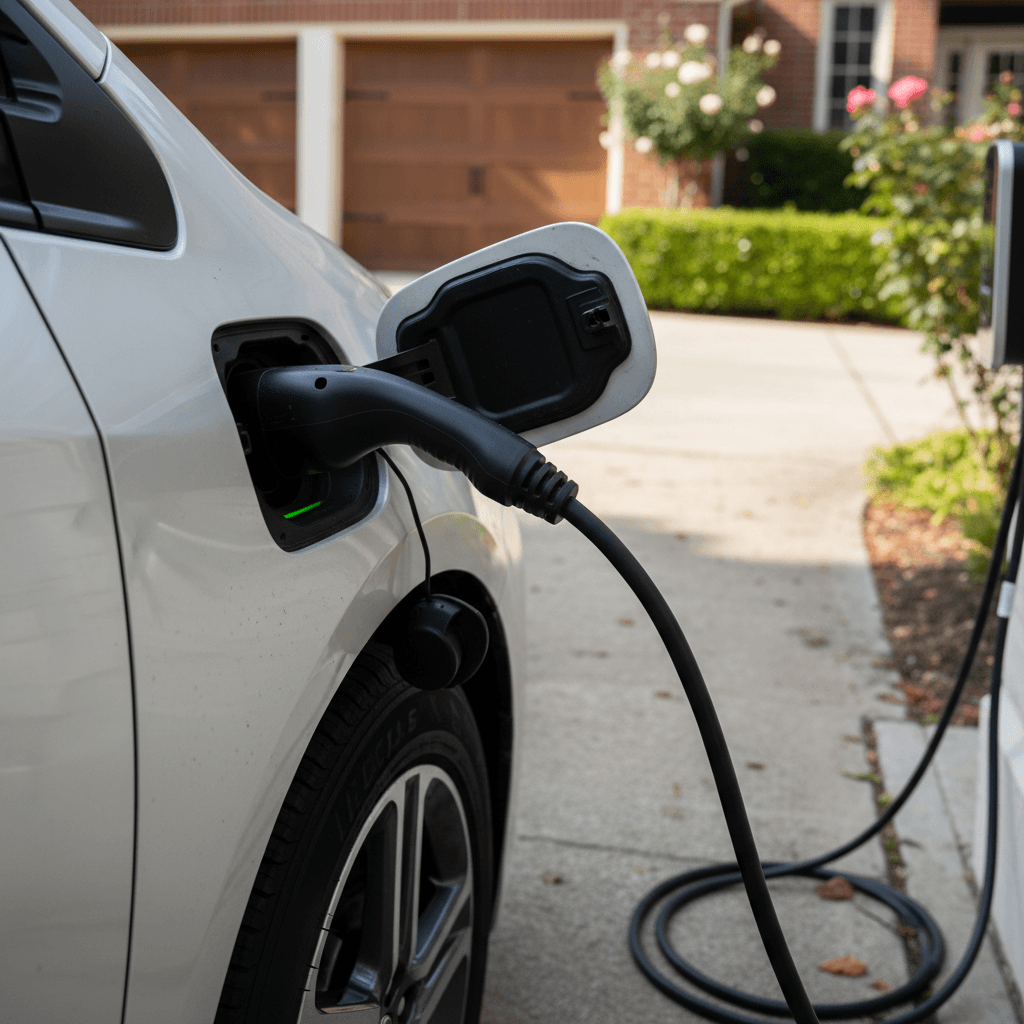
3. Evaluate plug‑in charging behavior
Plug into Level 1 and, if possible, Level 2 charging. The car should begin charging promptly, complete a full cycle without errors, and not trigger warning messages. Ask the seller how often and where they charged; chronic 12V drain issues sometimes correlate with unusual charging habits.
4. Inspect windshield and glass carefully
On 2017 cars especially, check the windshield for long cracks or bull’s‑eye chips. These may seem minor but can cost hundreds to replace, and repeated chipping might indicate lots of highway gravel exposure.
5. Check infotainment and cameras
Cycle through the center screen, Bluetooth, CarPlay/Android Auto (if equipped), and backup camera operation. Look for lag, freezing, or a blank screen when shifting into reverse, issues that can indicate pending recall work or head‑unit problems.
6. Scan for warning lights and DTCs
A quick OBD‑II scan, ideally with a hybrid‑aware tool, can reveal stored trouble codes even when the dash is clear. This is a smart move on any plug‑in hybrid, not just the Prius Prime.
7. Assess battery usage history
Ask how the previous owner used the car. Daily charging with mixed city/highway use is ideal. Extremely low mileage with long storage periods, or always sitting at 100% charge in hot climates, can be harder on batteries.
Buying from a private seller
- Insist on a thorough pre‑purchase inspection that includes hybrid and plug‑in systems.
- Plan extra time to schedule recall work after purchase if the seller hasn’t done it.
- Budget for a fresh 12‑volt battery if service history is thin.
Buying through Recharged
- Every Prius Prime we sell comes with a Recharged Score report that verifies battery health and checks for open recalls.
- Our EV‑specialist team can explain charging behavior, realistic range, and ownership costs.
- We can handle trade‑in, financing, and nationwide delivery so you’re not limited to local inventory.
What it costs to fix common Prius Prime issues
Repair costs vary by region and shop, but you can get a rough sense of financial exposure by looking at typical fixes Prius Prime owners face. Many issues on newer cars are covered under warranty or recall campaigns, but for out‑of‑warranty shoppers, it helps to know what’s at stake.
Approximate costs to address common Prius Prime problems
Ballpark U.S. retail repair prices; your actual quote may differ.
| Issue | Typical model years | Covered by warranty/recall? | Approximate out‑of‑pocket cost |
|---|---|---|---|
| 12‑volt battery replacement | All years (more common on 2023+) | Often under warranty on newer cars; wear item on older ones | $200–$400 installed, depending on brand and labor |
| Infotainment head‑unit software update | 2017–2022 | Usually free as part of TSB / dealer visit | $0–$150 if out of warranty and dealer bills diagnostic time |
| Infotainment head‑unit replacement | 2017–2018 with large vertical screen | Sometimes goodwill or partial coverage; otherwise out of pocket | $1,000–$2,000+ depending on part source |
| Windshield replacement | 2017+ | Not recall‑related; typically insurance claim | $500–$1,000+ depending on glass and sensors |
| Rear‑door latch recall work | 2023–2026 | Yes, safety recall | $0 (performed at Toyota dealer) |
| Backup camera / ECU update | 2023–2024 | Yes, recall / service campaign | $0 at dealer |
| High‑voltage traction battery replacement (rare) | All years | Usually covered under hybrid battery warranty if failure occurs within term | Well into the four‑figure range if ever paid fully out of pocket; many owners never face this. |
Use these numbers as a budgeting guide, not as exact quotes.
Remember your true risk profile
Toyota Prius Prime common problems: FAQ
Frequently asked questions about Prius Prime problems
Bottom line: Is the Prius Prime a good used buy?
If you want plug‑in capability without giving up the security of a gasoline backup, the Toyota Prius Prime remains one of the safest bets in the segment. Its common problems, 12‑volt batteries, infotainment gremlins on older cars, and a cluster of recalls on the newest generation, are real but manageable, especially if you confirm recall history and have the car inspected by someone who understands plug‑in hybrids.
For many shoppers, a well‑maintained 2019–2022 car offers a great balance of price, range, and maturity. If you’re drawn to the performance and styling of the 2023+ generation, just be extra diligent about software updates and recall completion. And if you’d rather not navigate that alone, buying through a specialist like Recharged, with verified battery health, transparent pricing, and EV‑savvy support, can take a lot of the risk and guesswork out of Prius Prime ownership.