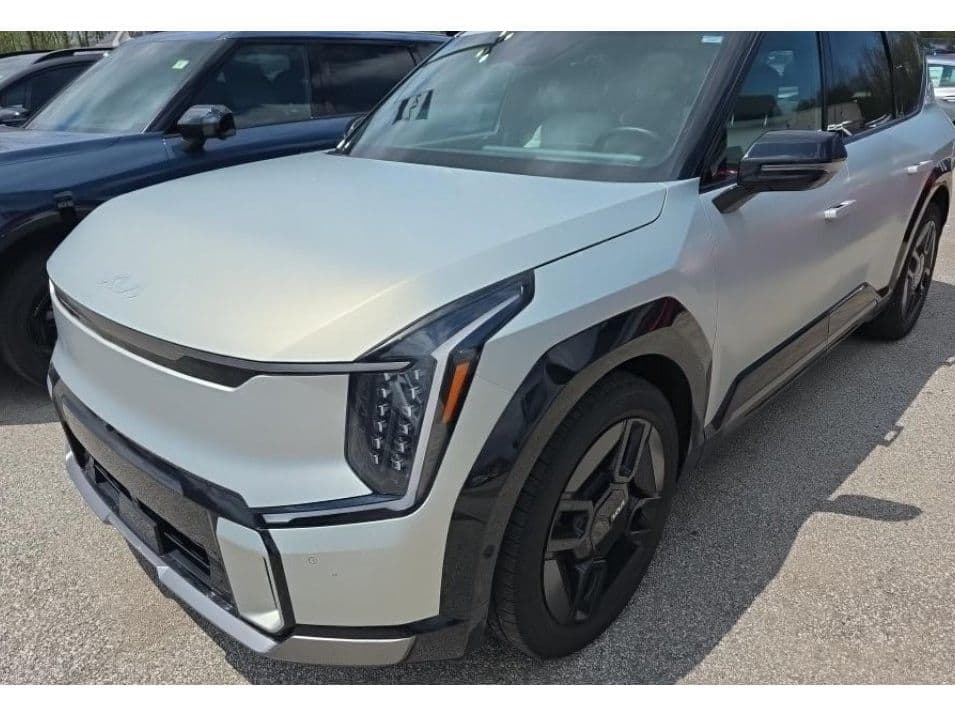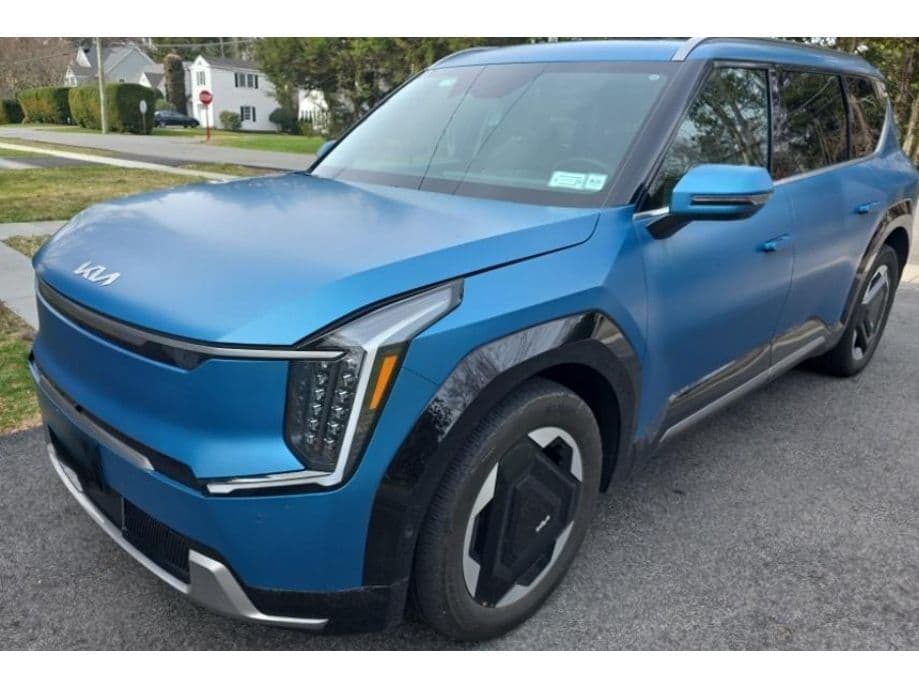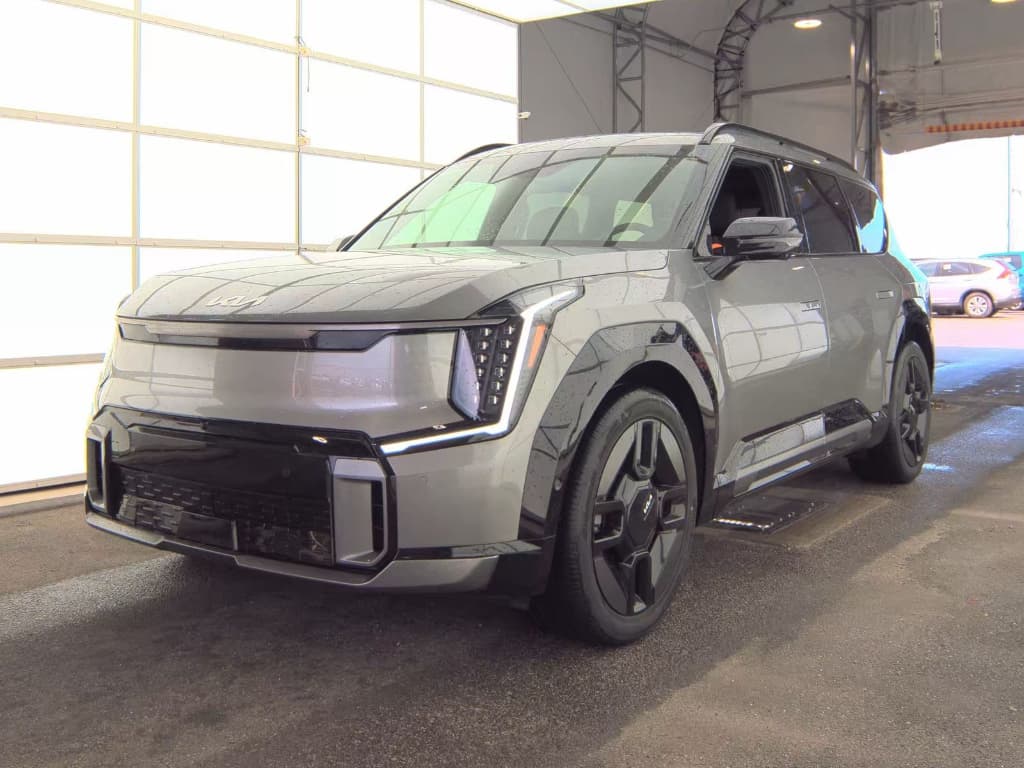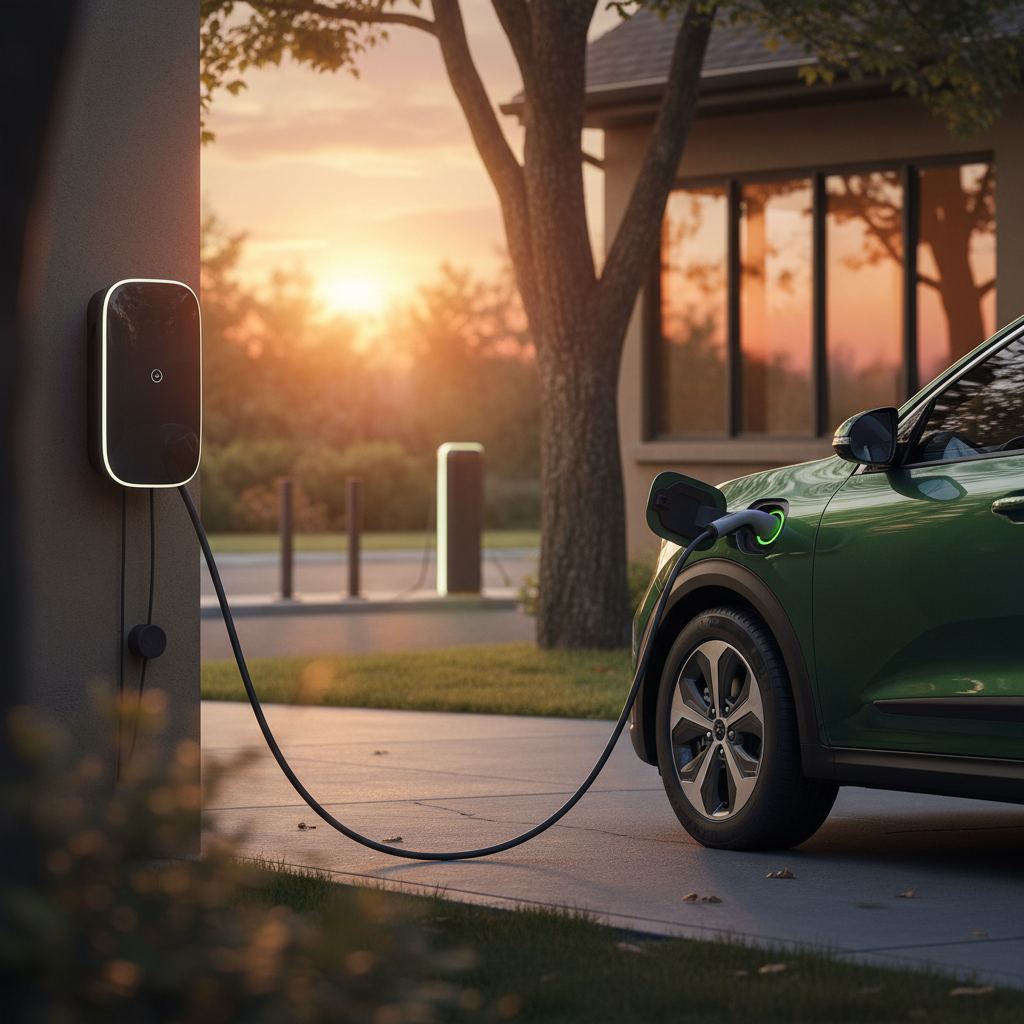
If you’re cross-shopping a **Toyota Highlander** against a **Kia EV9**, you’re not just comparing gas vs electric. You’re choosing between two very different ownership experiences. Looking at **total cost of ownership (TCO)**, fuel or electricity, maintenance, insurance, and resale value, often tells a different story than the window sticker. Let’s walk through how these two three-row family SUVs really stack up over five years.
Quick takeaway
Why this Toyota Highlander vs Kia EV9 comparison matters
The Highlander represents the **conventional gas 3‑row SUV**: widely available, familiar, and with a reputation for durability. The Kia EV9 is one of the first **mainstream three-row electric SUVs** that can genuinely replace a family hauler. If you’re trying to decide whether to stick with gas or go electric for your next family vehicle, understanding **total cost of ownership** is much more useful than just comparing MSRPs.
- Both seat up to seven or eight and can serve as a primary family vehicle.
- Both are sold in high volumes, so pricing, incentives, and used inventory are relatively robust.
- The Highlander is a benchmark for reliability and resale; the EV9 is a benchmark for family‑size EV practicality.
Think in monthly cost, not just sticker price
Key assumptions for a fair TCO comparison
To make a Toyota Highlander vs Kia EV9 total cost of ownership comparison useful, we’ll base it on **typical U.S. ownership patterns** rather than best‑case scenarios. You can adjust the numbers to match your situation, but here’s the baseline this article uses:
5-year ownership assumptions used in this article
Annual mileage: 12,000 miles
That’s close to the U.S. average. If you drive more, the EV9’s fuel savings grow; if you drive less, fuel becomes a smaller part of the equation.
Energy costs: $3.75/gal gas, $0.15/kWh electricity
Gas prices vary wildly by region. For electricity, $0.15/kWh is a reasonable all‑in residential average. Public fast charging will usually cost more per kWh than home charging.
Comparable trims, FWD/AWD mix
For the Highlander, think a mid‑trim gas model (not the hybrid). For the EV9, think a volume long‑range trim, not a base or loaded GT performance version.
5-year horizon with financing
We’ll look at five years of payments and costs, assuming standard financing and no big down-payment distortions. Leasing changes the picture but the running‑cost comparisons stay useful.
No major accidents or unusual repairs
We assume routine wear and tear, not engine replacements or crash damage. Those can swing costs dramatically for any vehicle.
Your local numbers will differ
Purchase price, incentives, and financing
First, let’s acknowledge the obvious: a **new Kia EV9 generally costs more up front** than a comparable new Toyota Highlander. The Highlander is a mainstream gas SUV; the EV9 is a large, high‑content EV with a 76–100 kWh battery pack and cutting‑edge tech.
Typical new pricing snapshot (U.S. market)
Exact pricing varies by trim, options, and incentives
Toyota Highlander (gas)
- MSRP ballpark: mid-$40,000s well equipped
- Transaction prices: often near or slightly below MSRP with dealer discounts
- Incentives: Occasional rebates/low APR from Toyota, but no federal EV credit
Kia EV9 (electric)
- MSRP ballpark: often $60,000–$75,000 depending on trim
- Transaction prices: still closer to MSRP on popular trims
- Incentives: May qualify for federal or state EV incentives or lease support, depending on configuration and how you buy
Where incentives narrow the gap
When you finance, what matters most to your cash flow is **payment difference vs. monthly savings on fuel and maintenance**. A $250–$300 higher monthly payment on the EV9 can be partly or entirely offset if you’re saving $150–$200 a month on gas and routine service.
Gas vs electricity: everyday energy costs
This is where EVs like the Kia EV9 usually claw back a lot of the upfront price premium. The Highlander has a strong reputation for efficiency among gas SUVs, but it’s still burning fuel on every commute and road trip. The EV9 uses electrons instead, and those are usually cheaper per mile, especially if you can charge at home.
Realistic fuel vs electricity usage
Using those assumptions, the Highlander burns about **500 gallons of fuel per year** at 24 mpg. At $3.75 per gallon, that’s roughly **$1,875 annually** on fuel. The EV9 needs about **4,615 kWh per year** at 2.6 miles per kWh, which works out to about **$692 annually** at $0.15 per kWh. That’s more than **$1,100 per year in potential savings**, and more if gas prices spike or you drive above-average miles.
Home charging is where the big savings live
Maintenance and repairs: where EVs quietly shine
Toyota has earned its reputation for low maintenance costs, and the Highlander is no exception. Still, it’s a **gasoline vehicle with many more moving parts** than an EV9: oil changes, transmission service, exhaust, and so on. The EV9’s electric powertrain eliminates some of those line items entirely.
Typical Highlander maintenance profile
- Regular oil and filter changes (2–3 per year for many drivers)
- Transmission fluid service over the long term
- Engine air filter, spark plugs, belts, coolant service
- Brakes and tires similar to other midsize SUVs
Various maintenance‑cost trackers peg average Highlander annual maintenance somewhere around the mid‑hundreds of dollars once the vehicle is a few years old.
Typical Kia EV9 maintenance profile
- No engine oil, spark plugs, or exhaust system at all
- Service intervals focused on tire rotations, cabin filters, and brake fluid
- Regenerative braking often extends brake pad life
- Large, heavy EV means tires can still be a big expense
Public data and early schedules suggest the EV9’s routine maintenance costs are generally lower than a comparable gas SUV over the first 5–7 years, with the main wildcard being tire wear.
EV advantage: simpler powertrain
Insurance, taxes, and fees
Insurance and state fees are the **quiet line items** in total cost of ownership. They don’t get the attention that fuel economy does, but over five years they add up quickly, and here the Highlander often has a small edge.
- **Insurance:** The EV9 is a newer, higher‑priced EV packed with sensors and high‑value battery components. Many insurers price it higher than a mass‑market Highlander. Depending on your profile, the EV9’s insurance could run hundreds of dollars more per year.
- **Registration and state fees:** Some states charge additional annual registration fees for EVs to make up for lost gas‑tax revenue. On the other hand, a Highlander’s higher emissions in some regions can attract slightly higher fees or inspection costs.
- **Local incentives:** A few states and utilities offer discounted rates, rebates, or perks (like HOV lane access) for EVs that don’t show up cleanly in TCO calculators but do affect your day‑to‑day experience.
Get quotes, don’t guess, on insurance
Depreciation and resale value
Depreciation is the single largest line item in total cost of ownership for most new vehicles. You don’t see it month to month, but when you sell or trade, it hits all at once. Here, the Highlander enjoys Toyota’s long‑standing advantage in **resale value**, while the EV9 rides the wave of strong demand for large EVs, but with more uncertainty.
How these SUVs tend to depreciate
What early data and market patterns suggest
Toyota Highlander depreciation
- Historically, Highlanders hold value extremely well among 3‑row gas SUVs.
- After five years, many Highlanders still retain a strong percentage of original MSRP.
- Toyota’s reliability reputation supports confident demand in the used market.
Kia EV9 depreciation
- As a newer model, long‑term data is still forming.
- Early indications suggest solid demand for used EV9s, especially long‑range trims.
- Battery health and range retention will play a big role in 5–8 year values.
Why battery health matters so much for EV9 resale
Five-year Toyota Highlander vs Kia EV9 cost table
To pull this together, here’s a simplified five‑year comparison using **reasonable, rounded estimates** based on public cost‑to‑own data and the assumptions we’ve outlined. These are not quotes; they’re a framework to help you think in the right categories.
Illustrative 5-year total cost of ownership
Approximate 5‑year costs based on 12,000 miles/year, $3.75/gal gas, $0.15/kWh electricity, and typical U.S. conditions. Your actual costs will vary.
| Cost category (5 years) | Toyota Highlander (gas) | Kia EV9 (electric) | What to know |
|---|---|---|---|
| Fuel or electricity | ≈$9,400 | ≈$3,500 | EV9 saves roughly $1,100+ per year if you mostly charge at home. |
| Routine maintenance | ≈$3,000 | ≈$2,000 | Highlander needs oil and engine service; EV9 focuses on tires, brakes, and fluids. |
| Insurance | Moderate | Higher | EV9 is newer and pricier; premiums often higher, but varies by driver and region. |
| Taxes & fees | Moderate | Slightly higher | Some states charge extra EV fees; others don’t. Highlander pays gas tax instead. |
| Depreciation | Strong resale | More variable | Highlander has a long track record; EV9’s long‑term resale will depend heavily on battery health and demand. |
| Estimated total running costs (excl. depreciation) | ≈$14,000–$16,000 | ≈$11,000–$13,500 | EV9 tends to cost less to "feed and service" over five years. |
| All‑in TCO including depreciation | High, but predictable | High, with more upside/downside | Both are expensive 3‑row vehicles; EV9 has more unknowns but bigger fuel‑savings upside. |
Highlander vs EV9 5-year ownership cost comparison (excluding major accidents or unusual repairs).

So which is cheaper to own?
For many U.S. families driving 12,000–15,000 miles a year, a Kia EV9 can **come surprisingly close to a Highlander’s 5‑year total cost of ownership**, especially if you can charge at home and you’re eligible for EV incentives. In some cases, the EV9 can be cheaper to own, even though its upfront price is significantly higher.
When the Highlander often wins on TCO
- You drive relatively few miles per year (under ~10,000).
- You can’t charge at home and must rely on expensive public fast charging.
- Your state adds hefty EV registration fees but offers little in the way of EV incentives.
- Your insurance quotes for the EV9 are dramatically higher.
When the EV9 often wins on TCO
- You drive **average or above‑average miles** (12,000–15,000+ per year).
- You have access to **cheap residential electricity** and mostly home‑charge.
- You qualify for meaningful **EV rebates or tax credits** (directly or via lease cash).
- You care about **smoother, quieter driving** and the long‑term upside of EV tech and HOV or emissions perks.
Non‑financial perks that matter
How buying used changes Highlander vs EV9 costs
Most real‑world shoppers don’t buy brand‑new, especially with prices where they are today. The used market can dramatically change the Toyota Highlander vs Kia EV9 total cost of ownership story, often in the EV9’s favor if you choose carefully.
Used Highlander vs used EV9: what shifts?
Depreciation becomes your friend, but risk management matters
Used Highlander
Buying a 2–4‑year‑old Highlander lets you avoid the steepest early‑year depreciation while still benefiting from Toyota reliability. TCO looks very friendly, but you’re still on the hook for fuel costs that never go away.
Used Kia EV9
A used EV9 that’s already taken its initial depreciation hit can be a TCO sweet spot, if the battery and high‑voltage components are healthy. Fuel savings are similar to a new EV9, but your capital cost is much lower.
What to verify on a used EV9
- Independent battery health diagnostics, not just dash range claims.
- Charging history (fast‑charging heavy use vs mostly home charging).
- Software and recall status.
- Remaining factory battery and drivetrain warranty.
Don’t buy a used EV9 blind
Using Recharged to shop smarter for an EV9 or other used EV
This is where a platform built specifically around used EVs can tilt the equation in your favor. Recharged exists to make **EV ownership simple and transparent**, especially when you’re comparing models like the EV9 against familiar gas options such as the Highlander.
- Every vehicle on Recharged comes with a **Recharged Score Report**, including verified battery health and a clear picture of remaining range and pack condition.
- You get **fair market pricing analysis**, so you can see how a used EV9 is priced relative to gas SUVs and other EVs.
- If you have a Highlander or other gas SUV to move out of, Recharged can help with **trade‑in, instant offer, or consignment** options.
- EV‑specialist advisors are available to walk you through **charging, home‑setup questions, and long‑term ownership costs**, not just the sale price.
- Nationwide delivery and a fully digital retail experience make it straightforward to buy the right used EV9 or alternative EV, even if your local inventory is thin.
Use EV TCO to negotiate confidently
FAQ: Toyota Highlander vs Kia EV9 total cost of ownership
Frequently asked questions
If you’re comparing a Toyota Highlander to a Kia EV9 strictly on purchase price, the Highlander looks like the budget‑friendly choice. But when you zoom out to **total cost of ownership**, the EV9’s savings on fuel and maintenance can narrow the gap dramatically, and in many real‑world scenarios, even tilt the scales in its favor. The right answer for you depends on your mileage, charging access, and risk tolerance for a newer EV platform. If you’re ready to put real numbers to your own situation and explore used EV9s or other electric alternatives with verified battery health, tools like Recharged’s **Recharged Score** and EV‑specialist guidance can help you make a decision with your eyes wide open.