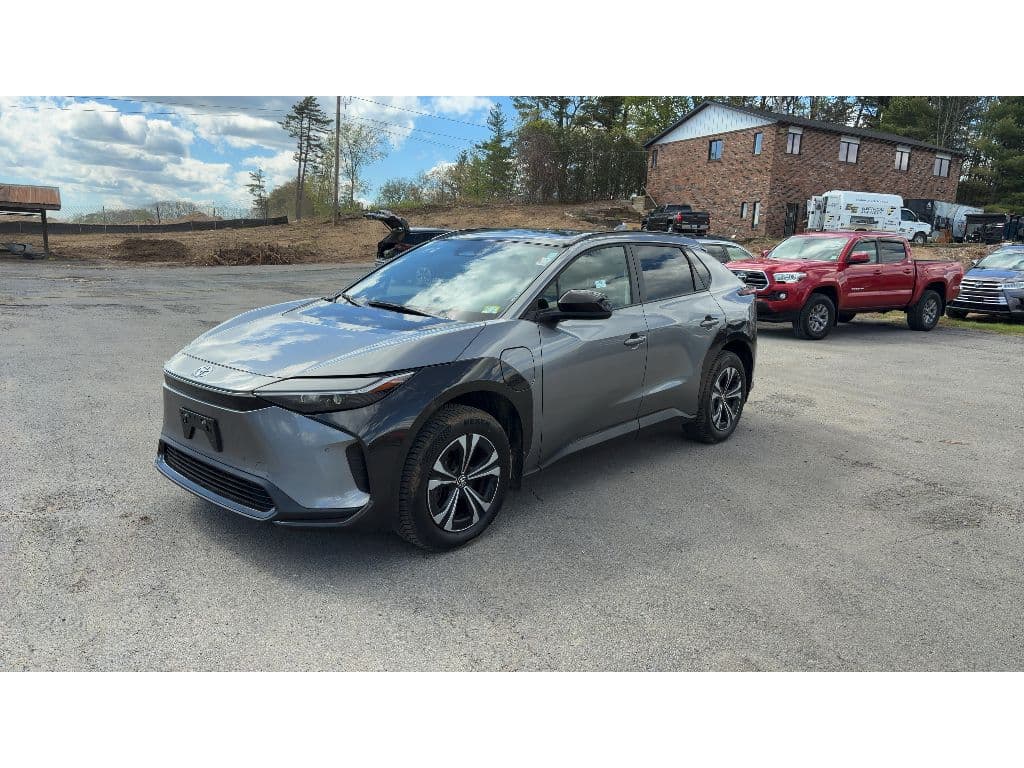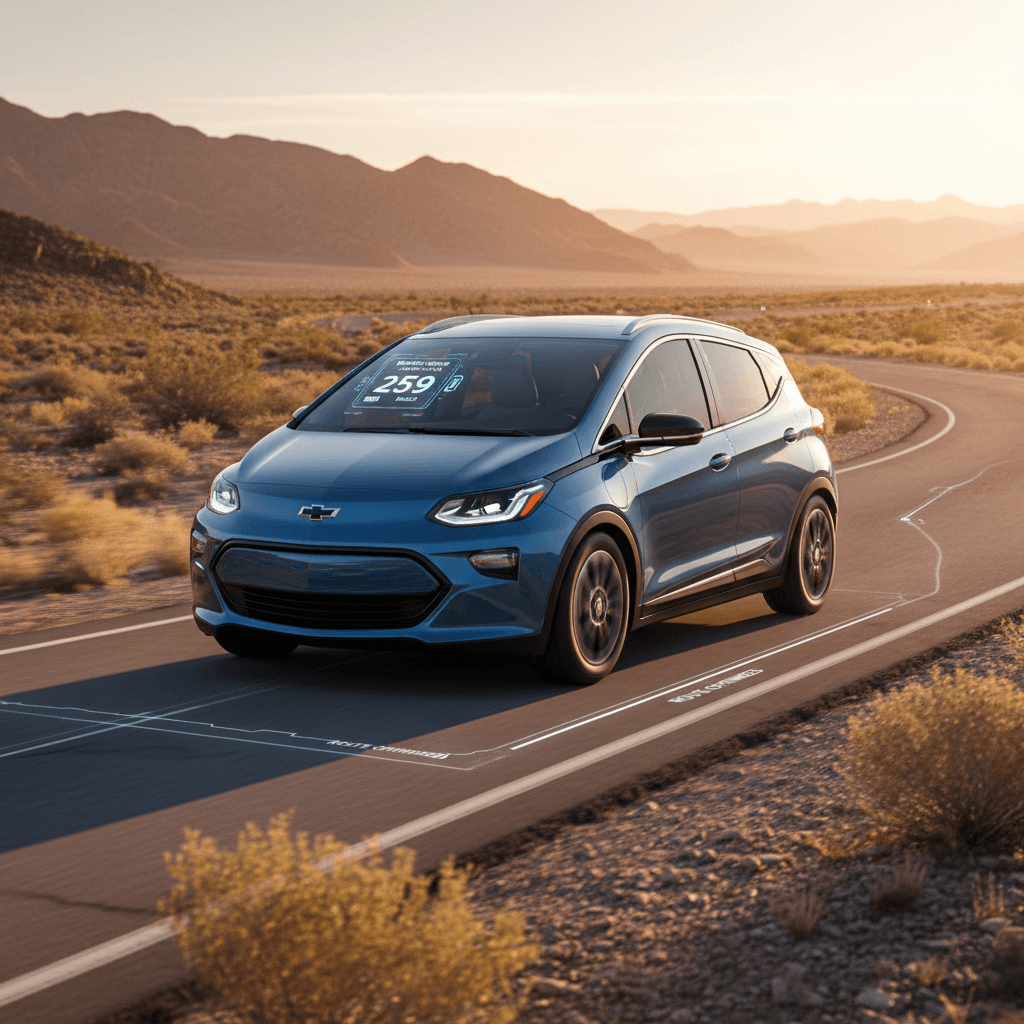
If you live where winter actually means snow, slush, and single‑digit mornings, you’ve probably heard that the Toyota bZ4X can lose a lot of range in the cold. The truth is that every EV takes a hit in freezing weather, but owners and testers have found the Toyota bZ4X winter range loss to be on the higher side of the pack. Let’s unpack what’s really going on, how many miles you can reasonably expect, and what you can do about it if you daily a bZ4X (or the updated Toyota bZ) in a cold‑climate state.
Quick context: model names are changing
Toyota bZ4X winter range loss at a glance
bZ4X range: paper vs. winter reality
Those numbers paint the broad strokes: in real life, especially in northern states and Canada, it’s normal to see your bZ4X drop from a theoretical 220–250 miles of range down into the 130‑to‑180‑mile band in winter, and even lower on long, fast highway runs in sub‑freezing temps. That sounds scary, but you can plan around it once you know the patterns.
EPA range vs. real-world cold-weather range
On paper, the Toyota bZ4X looks competitive. Depending on trim and drivetrain, the EPA‑estimated range for recent model years lands roughly here:
EPA-estimated range vs. configuration (recent bZ4X)
These are typical EPA range figures for U.S.‑spec bZ4X trims in mild conditions; exact numbers vary slightly by model year and wheel/tire package.
| Configuration | Drive | Battery (usable) | EPA-est. range* |
|---|---|---|---|
| XLE FWD | Single motor | ~63 kWh | Up to 252 mi |
| Limited FWD | Single motor | ~63 kWh | Around 236 mi |
| XLE AWD | Dual motor | ~65 kWh | Around 228 mi |
| Limited AWD | Dual motor | ~65 kWh | Around 222 mi |
EPA range is a warm‑weather lab number; winter will cut into it, especially for the AWD trims.
EPA range is not a winter promise
Third‑party testing has exposed a gap between those ratings and what bZ4X drivers often experience on the road:
- In independent U.S. highway testing, an all‑wheel‑drive bZ4X managed roughly 160 miles before needing a charge, one of the lowest highway results among modern EVs in its class.
- In Canadian cold‑weather testing, the bZ4X delivered about 158 miles versus an average posted estimate of around 252 miles, roughly a 37% shortfall in frigid conditions.
- European winter testing in Norway and Sweden has also found that the bZ4X’s displayed range drops steeply whenever you switch on the cabin heat, and real‑world results land well below its WLTP figures.
Translated into daily driving, if your commute is 30–40 miles round trip, you’re still fine. The trouble comes when you stack winter temps, higher speeds, and long distances, say a 140‑mile round‑trip weekend visit to family in February. That’s where planning (and charging stops) become critical.
Why the Toyota bZ4X loses range in winter
Every EV loses range in the cold, but the bZ4X has a few specific quirks that make its winter performance stand out. Underneath it all are the same physics that affect any lithium‑ion pack.
Four main culprits behind bZ4X winter range loss
Two are pure battery chemistry; two are Toyota’s specific choices.
1. Cold slows battery chemistry
Low temperatures increase internal resistance inside the battery. That means:
- Less usable energy before the voltage falls too low
- Lower peak power and slower fast‑charging when cold
The bZ4X’s pack is conservative by design, so it keeps a big buffer that you can’t use, which exaggerates the feeling of winter loss.
2. Cabin heat is a battery hog
Unlike a gas car, there’s no free waste heat from an engine. The HVAC system pulls power directly from the pack to:
- Heat the cabin and seats
- Defrost windshield and mirrors
- Warm the battery (when equipped with pre‑conditioning)
Crank everything to MAX on a cold start and you can watch projected range plummet.
3. Aerodynamics & rolling resistance
Cold, dense air increases drag, winter tires add rolling resistance, and slushy roads add friction. At 70–75 mph in January, that sleek crossover suddenly feels a lot less efficient.
4. Toyota’s conservative battery buffer
Independent testing has shown that the bZ4X keeps a relatively large buffer between total and usable battery capacity. That’s great for long‑term durability, but it means you’re drawing from a smaller usable tank in the first place, so any winter penalty feels larger in percentage terms.
Think of it like a gas tank that shrinks in the cold
How bad is bZ4X winter range loss compared with other EVs?
Cold‑weather comparison tests from Canadian and European organizations give us a helpful reality check. In one well‑publicized Canadian winter range test, the bZ4X landed near the bottom of the pack, losing roughly 37% of its rated range in freezing conditions. Many rivals in the same test lost closer to 20–30%.
Approximate winter range loss vs. rating (selected EVs)
Illustrative snapshot from independent cold‑weather testing; exact numbers vary by test, speed, and temperature.
| Model | Posted range (mi) | Cold test result (mi) | Approx. loss |
|---|---|---|---|
| Toyota bZ4X | ~252 | ~158 | −37% |
| Hyundai Ioniq 5 | ~255 | ~163 | −36% |
| Ford Mustang Mach‑E | ~300 | ~207 | −31% |
| Volkswagen ID.4 | ~291 | ~210 | −28% |
| Tesla Model 3 (LR) | ~363 | ~255 | −30% |
The bZ4X isn’t the only EV that struggles in the cold, but its percentage loss is on the higher side of the group.
The takeaway isn’t that the bZ4X is “bad” and everything else is perfect. It’s that Toyota’s first mass‑market EV plays things safe with its battery and doesn’t have the most aggressive thermal management or the slipperiest efficiency numbers at speed. You can absolutely daily one in Minnesota or Maine, you just need to use its strengths and work around its weaknesses.
City vs. highway: how winter hits bZ4X range differently
One of the most confusing things for new EV owners is that winter range loss isn’t uniform. Your bZ4X might feel fine around town, then seem to fall flat on its face on the interstate.
In the city or suburbs
- Lower speeds mean less aerodynamic drag.
- Frequent regen braking recaptures energy.
- Once the cabin is warm, climate draw drops.
Result: In 25–35°F mixed city driving, many owners report using roughly 30–40% more battery than in summer, not great, but manageable.
On the highway
- High speeds amplify aero drag and tire losses.
- Regen is limited because you’re not slowing often.
- Cabin heat must work constantly against cold glass and airflow.
Result: At 70–75 mph in freezing temps, it’s common to see 40–45% higher consumption than EPA assumptions, meaning your usable winter highway range can drop into the 130–160‑mile band on an AWD bZ4X.
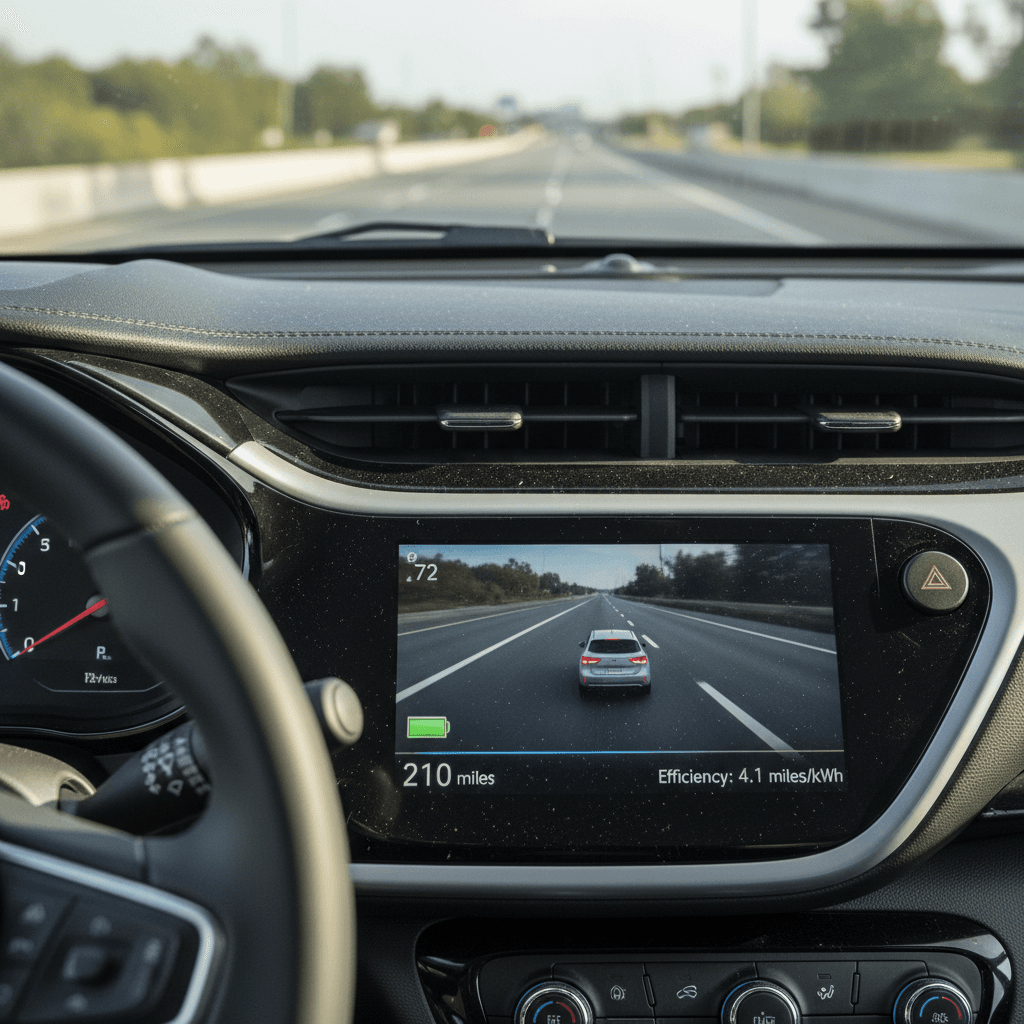
10 ways to cut Toyota bZ4X winter range loss
You can’t change physics, but you can stack the deck in your favor. These tweaks don’t turn a bZ4X into a 400‑mile winter road‑trip champ, yet together they can mean the difference between white‑knuckle range anxiety and a relaxed drive.
Practical winter tips for bZ4X owners
1. Precondition while plugged in
Use the Toyota app or in‑car settings to warm the cabin and (on newer models) the battery while you’re still connected to Level 2. That way, most of the energy for heating comes from the grid, not your pack.
2. Favor seat and wheel heaters
Seat and steering‑wheel heaters use far less energy than blasting hot air. Set the cabin a bit cooler and rely on heated surfaces to stay comfortable.
3. Dial back highway speed
Dropping from 75 mph to 65 mph in winter can save 10–15% energy in many EVs. In a bZ4X, that’s often the difference between making your destination comfortably and searching for a fast charger in the dark.
4. Plan shorter legs between fast charges
In deep winter, think in 80–120‑mile segments instead of stretching for 180+. Charging from 10% to 60% is usually quickest anyway, so more, shorter stops can actually help trip time.
5. Use Eco or range‑friendly drive modes
Eco modes soften throttle response and may trim climate output, which helps smooth out consumption when roads are slick and cold.
6. Keep tires properly inflated
Cold air shrinks tire pressure. Check and top off to the door‑jamb spec; under‑inflated winter tires can cost you another few percentage points of range and hurt traction.
7. Clear snow and ice from the body
Snow packed into wheel wells, underbody trays, and roof racks adds weight and drag. A quick sweep before you leave is more than just cosmetic.
8. Avoid sitting parked with heat blasting
Remote‑idling an EV for 30 minutes with full heat can chew through a surprising amount of battery. Pre‑heat on the cord when possible, then use lower fan settings once you’re rolling.
9. Use route planning with charging stops
Navigation apps that understand EV charging (including Toyota’s tools and third‑party apps) can help you plan conservative winter legs with backup options if a station is busy or offline.
10. Learn your own car’s patterns
Spend a few weeks noting how many miles you actually get per 10% of battery at different temps and speeds. That personal “calibration” is far more useful than obsessing over the EPA sticker.
Good news for later models
Protecting your bZ4X battery health in cold climates
Winter range loss isn’t the same as permanent battery degradation. In most cases, your bZ4X’s battery will bounce right back to its usual summer numbers when temperatures climb. That said, cold climates do change how you should treat the pack if you want it to age gracefully.
- Avoid frequent DC fast‑charging on a frozen pack. If you’ve been parked outside at 0°F all day, drive gently for a bit before jumping onto a 150‑kW charger, let the car warm the pack first.
- Don’t live at 100% or 0% state of charge. Storing any lithium‑ion pack full or completely empty for long periods isn’t ideal. Aiming for a 20–80% band in daily use is a healthy habit, especially if you have Level 2 at home.
- Use scheduled charging. If you can, time your home charging so it finishes shortly before you leave in the morning. The pack will be warm from charging as you head out into the cold.
- Garage parking helps more than you think. Even an unheated garage can keep the car 10–20°F warmer than the street, which makes a noticeable difference in initial consumption and charging behavior.
How Recharged checks winter readiness
Buying a used Toyota bZ4X or bZ for winter driving
If you’re eyeing a used bZ4X (or the updated bZ) because prices have come down, winter range should be part of your purchase checklist, especially in northern states. A clean Carfax and shiny paint don’t tell you anything about how the battery has aged or how it behaves in cold weather.
Winter-focused questions to ask before you buy
Don’t just ask “what’s the range?”, get specific.
Battery health documentation
Ask for:
- Any dealer battery reports
- DC fast‑charge history if available
- A third‑party or marketplace battery health report, like a Recharged Score
That tells you whether the pack is still near its original usable capacity.
Owner’s winter experience
Talk to the previous owner or dealer:
- How far did they comfortably drive on a full charge in January?
- Any winter charging issues?
- Did they use pre‑conditioning or just “hop in and go”?
Local charging landscape
Look at your daily life:
- Do you have home Level 2? Huge win.
- What fast‑chargers are along your usual winter routes?
- How reliable are the nearby stations according to recent reviews?
A marketplace like Recharged can take a lot of the guesswork out of this. Every EV listed comes with a Recharged Score report that spells out battery health, estimated usable range, and fair‑market pricing, so you’re not buying blind or relying on a single chilly test drive.
Toyota bZ4X winter range loss: FAQ
Frequently asked questions about bZ4X winter range loss
Bottom line: Is the Toyota bZ4X a good winter EV?
If your idea of winter is a few chilly mornings in Atlanta, the bZ4X’s cold‑weather quirks may never bother you. If you’re staring down lake‑effect snow and long highway slogs at 15°F, you do need to respect its limits. In real life, the Toyota bZ4X winter range loss is on the higher side, but it’s also predictable, and Toyota’s later updates under the simpler “bZ” badge are pushing things in the right direction.
The key is to shop with eyes open and tools in hand: understand that a 220‑ to 250‑mile rating may translate into 130–180 usable miles in January, learn how to pre‑condition and drive efficiently, and pick a car whose battery health has been verified, not guessed at. That’s exactly why Recharged bakes a detailed Recharged Score battery and range report into every used EV we sell, so you know how a given bZ4X or bZ is likely to behave before your first frosty commute, not after.