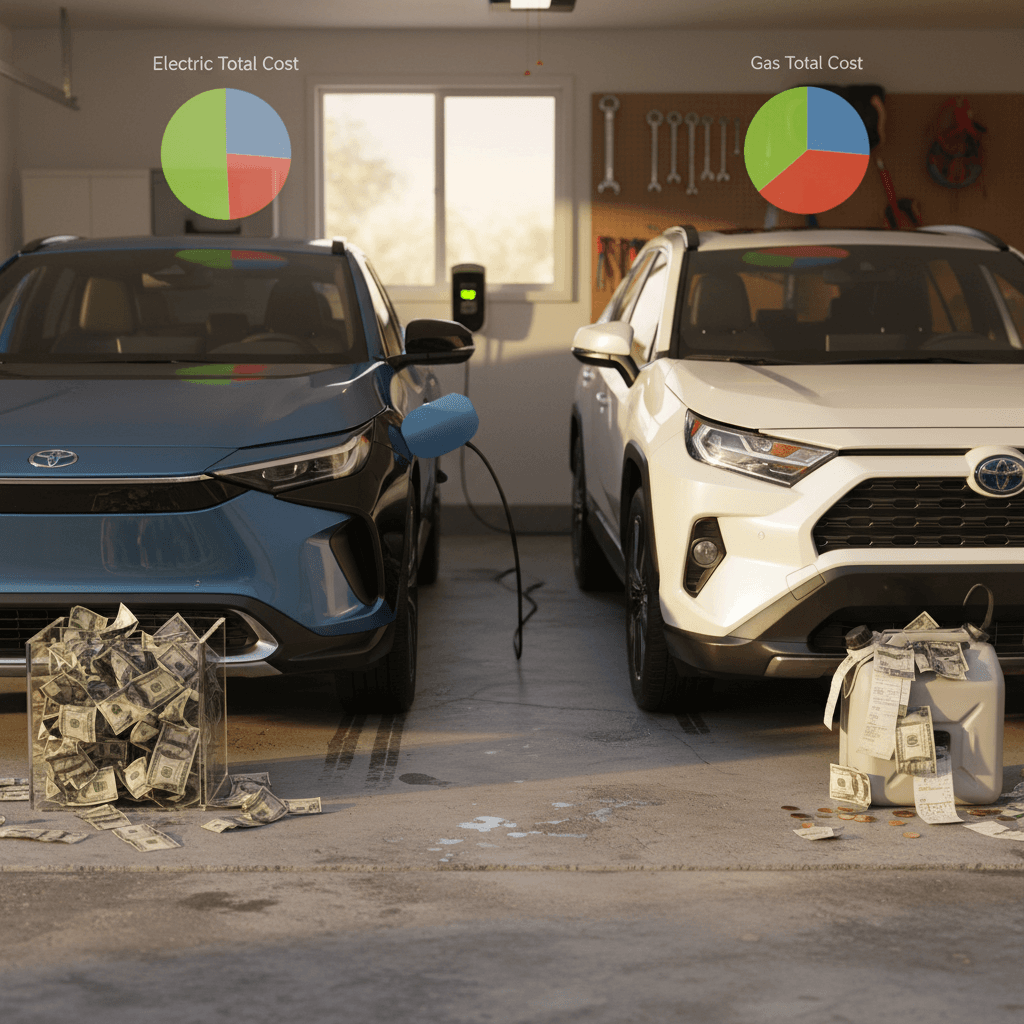
If you’re cross‑shopping a Toyota bZ4X against a gas crossover like the Toyota RAV4, you’re probably not just thinking about sticker price. You want to know the Toyota bZ4X total cost vs a gas car equivalent over real years, real miles, and real energy prices. Let’s walk through that, piece by piece, so you can see where an electric Toyota truly saves you money, and where it doesn’t.
What this guide covers
Why compare the Toyota bZ4X to a gas RAV4?
The Toyota bZ4X is Toyota’s compact all‑electric SUV, sized and positioned right alongside the Toyota RAV4. In the real world, many shoppers are deciding between these two: the familiarity and range of a gas RAV4 versus the low running costs and smooth drive of the bZ4X. From a cost standpoint, that makes the RAV4 the most natural “gas car equivalent” to compare against.
bZ4X: Toyota’s electric crossover
- Roughly similar footprint to a RAV4.
- EPA efficiency around 3.0–3.4 mi/kWh in mixed driving.
- Best suited to home charging, with DC fast charging for trips.
RAV4: The benchmark gas crossover
- Multiple trims; we’ll focus on a well‑equipped non‑hybrid model.
- Real‑world fuel economy around 30 mpg combined for many drivers.
- Massive fueling network and strong resale history.
Not a laboratory test
Quick takeaway: 5‑year cost summary
Toyota bZ4X vs gas RAV4: headline numbers (5 years, 12,000 miles/year)
5‑year Toyota bZ4X vs gas RAV4 cost snapshot (typical U.S. driver)
Assumes 12,000 miles per year, $0.18/kWh home electricity, $4.00/gal gas, and typical maintenance/insurance for a compact SUV. Purchase prices are ballpark for new, nicely equipped models.
| Category (5 yrs) | Toyota bZ4X (EV) | Toyota RAV4 (gas) | What tips the scale? |
|---|---|---|---|
| Purchase price (with destination, before incentives) | $45,000 | $37,000 | bZ4X starts higher, though EV discounts/rebates can narrow the gap. |
| Energy (electricity or gas) | ≈$4,000 | ≈$11,000 | Home charging makes the bZ4X dramatically cheaper to “fuel.” |
| Maintenance & repairs | ≈$2,000 | ≈$3,200 | No oil changes, fewer wear items for the bZ4X. |
| Insurance (will vary widely) | ≈$6,500 | ≈$6,000 | EVs can be slightly pricier to insure in some markets. |
| Taxes & fees (incl. EV road fee where applicable) | ≈$3,000 | ≈$2,700 | Some states add EV fees but also offer purchase incentives. |
| Depreciation (what you lose in value) | ≈$20,000 | ≈$16,000 | Gas RAV4s have very strong resale; EV values are still settling. |
| Estimated 5‑yr total (out‑the‑door to resale) | ≈$80,500 | ≈$75,900 | In many cases the bZ4X ends up in the same ballpark as RAV4, sometimes cheaper, sometimes a bit more. |
These are realistic but approximate numbers meant to show directionally how costs compare, not exact quotes from Toyota.
Quick verdict
Key assumptions: mileage, prices and models
To compare the Toyota bZ4X total cost vs a gas car equivalent in a way you can actually use, we have to put some stakes in the ground. Here’s what this analysis assumes. If your life looks different, you can adjust the numbers up or down.
- Annual mileage: 12,000 miles per year (about the U.S. average).
- Ownership period: 5 years, then you sell or trade the vehicle.
- Gasoline price: $4.00 per gallon as a rounded national average in early 2026, with some volatility baked in.
- Electricity price at home: $0.18 per kWh as a realistic blended residential rate from recent national data.
- bZ4X efficiency: 3.0–3.4 miles per kWh in mixed use; we’ll use 3.2 mi/kWh for math (≈31 kWh/100 miles).
- Gas RAV4 fuel economy: 30 mpg combined as a real‑world figure for a non‑hybrid, all‑wheel‑drive RAV4 driven normally.
- Charging mix: 85% home Level 2 charging, 15% public DC fast charging, which is pricier.
- Models compared: A mid‑trim bZ4X vs a similarly equipped gas RAV4 (not the hybrid or Prime).
Customize this to your life
Energy costs: electricity vs gasoline
This is the big swing factor. Energy is where EVs usually pull far ahead, and it’s where high gasoline prices or cheap residential electricity can quickly pay back a higher purchase price.
Cost per mile: Toyota bZ4X vs gas RAV4
Using our 3.2 mi/kWh and 30 mpg assumptions
bZ4X – home charging
Electricity rate: $0.18/kWh
Efficiency: 3.2 mi/kWh
Energy cost per mile:
$0.18 ÷ 3.2 ≈ $0.056/mile
That’s about 5.6 cents per mile if you mostly charge at home.
bZ4X – DC fast charging
Fast‑charge price: ~$0.40/kWh (varies by network)
Efficiency: 3.2 mi/kWh
Energy cost per mile:
$0.40 ÷ 3.2 ≈ $0.125/mile
Roughly double the home‑charging cost, still competitive with gas.
RAV4 – gasoline
Gas price: $4.00/gal
Fuel economy: 30 mpg
Fuel cost per mile:
$4.00 ÷ 30 ≈ $0.133/mile
About 13.3 cents per mile at today’s national average pump prices.
Blend those together, 85% of bZ4X miles on cheap home electrons, 15% on more expensive DC fast charging, and your average bZ4X energy cost lands around 6.8 cents per mile, versus 13.3 cents per mile for the gas RAV4. Over 12,000 miles a year, that’s about $816 for the bZ4X vs roughly $1,596 for the RAV4.
Annual and 5‑year energy costs
Assumes 12,000 miles per year and the energy prices above.
| Vehicle | Cost per mile (blended) | Annual energy cost | 5‑year energy cost |
|---|---|---|---|
| Toyota bZ4X (mostly home charging) | ≈$0.068 | ≈$816 | ≈$4,080 |
| Toyota RAV4 (gas, 30 mpg @ $4.00/gal) | ≈$0.133 | ≈$1,596 | ≈$7,980 |
| Energy savings with bZ4X vs RAV4 | , | ≈$780/yr | ≈$3,900 over 5 yrs |
Why some people see even bigger savings
When electricity can cost more than gas
Maintenance, repairs, and tires
EVs don’t need oil changes, transmission service, spark plugs, or exhaust work. But they’re not maintenance‑free. You’ll still buy tires, brake fluid, cabin air filters, and you’ll still repair wear items. The picture looks like this over five years:
Typical 5‑year maintenance & repair costs
Real‑world averages for mainstream compact SUVs; your local shop rates may be higher or lower.
| Category (5 yrs) | Toyota bZ4X | Toyota RAV4 (gas) | Notes |
|---|---|---|---|
| Oil changes & engine service | $0 | ≈$900 | Gas RAV4 needs regular oil changes, spark plugs later, etc. |
| Brake service | ≈$300 | ≈$500 | Regenerative braking on bZ4X stretches pad and rotor life. |
| Tires | ≈$1,000 | ≈$1,000 | EVs can wear tires a bit faster, but we’ll treat this as a wash. |
| Misc. maintenance & small repairs | ≈$700 | ≈$800 | Wipers, fluids, filters, bulbs, the usual odds‑and‑ends. |
| Total estimated 5‑year maintenance/repairs | ≈$2,000 | ≈$3,200 | The bZ4X keeps roughly $1,200 in your pocket over five years. |
Where EVs really shine
Insurance, taxes, and fees
Insurance is where the spreadsheet stops being neat. Premiums vary wildly by state, driver history, garaging location, and even credit score. On average, EVs can run a bit higher to insure thanks to costly electronics and body repairs, but the gap between a bZ4X and a RAV4 of similar value is not enormous.
Insurance: close, with a slight EV bump
- For many drivers, insuring a new bZ4X might run $50–$150 more per year than a comparable RAV4.
- Over five years we’ve budgeted $6,500 for the bZ4X vs $6,000 for the RAV4.
- Shopping quotes, choosing higher deductibles, or driving fewer miles can easily erase that difference.
Taxes and registration: EV fees vs incentives
- Some states add annual EV road‑use fees in place of gas taxes, often $100–$250 per year.
- Others still offer sales‑tax breaks or rebates on top of any federal incentives you might qualify for.
- Our 5‑year estimate of $3,000 for the bZ4X vs $2,700 for the RAV4 assumes modest EV fees offset by a bit of purchase‑time incentive.
Check your own state’s EV fees and incentives
Depreciation and resale value
Depreciation, the value your vehicle loses over time, is usually the single biggest cost of ownership, bigger than fuel or maintenance. And it’s where gas and EV values currently behave very differently.
Resale reality: bZ4X vs gas RAV4
Why the gas RAV4 still holds some cards
Gas RAV4: resale rock‑star
- Historically excellent resale; demand for small gas crossovers remains strong.
- After 5 years and 60,000 miles, it’s reasonable to retain around 55–60% of original value, depending on trim and market.
- On a $37,000 purchase, that’s roughly a $15,000–$17,000 resale value.
bZ4X: EV pricing still in flux
- The entire EV market has seen faster early depreciation as technology improves and new models flood in.
- After 5 years, a bZ4X might realistically retain 50% or less of its original price.
- On a $45,000 price, we’ve assumed a resale around $25,000, or $20,000 in depreciation.
Why this matters more if you buy new
Best‑ and worst‑case scenarios
The averages tell one story, but life happens at the edges. Let’s look at when a Toyota bZ4X is a financial slam‑dunk over a gas RAV4, and when it isn’t.
When the bZ4X clearly wins on total cost
1. You can charge cheaply at home
You have a garage or driveway and a reasonable electricity rate (around $0.18/kWh or less). That keeps your cost per mile well under a gas RAV4’s, even if gas prices dip.
2. You drive average or above‑average miles
At 12,000–15,000 miles per year, fuel savings pile up; at 8,000 miles a year or less, they’re still real but not as dramatic.
3. You keep cars 6+ years
The longer you keep a bZ4X, the more years you spend enjoying lower running costs after the higher upfront price is paid off.
4. You buy lightly used with verified battery health
A used bZ4X that’s already taken its steepest depreciation, paired with a strong <strong>battery health report</strong>, can be cheaper to own than a new gas RAV4 by a wide margin.
When a gas RAV4 may still be cheaper overall
Who comes out ahead: bZ4X or gas RAV4?
Typical suburban owner with home charging
If you’re the archetypal U.S. driver, suburban home, 12,000 miles a year, mixed commuting and errands, the bZ4X and gas RAV4 end up closer on total cost than you might expect. In our example, the gas RAV4 still undercuts the bZ4X by a few thousand dollars over five years, but:
- Small shifts in gas prices or electricity rates erase that gap fast.
- Any purchase incentives or dealer discounts on the bZ4X tilt the balance.
- A longer ownership period (7–10 years) gives the EV more time to “pay you back.”
Drivers who favor the bZ4X
- People in high‑gas‑price states who can lock in cheap overnight charging.
- High‑mileage commuters or rideshare drivers who rack up 15,000+ miles a year.
- Buyers willing to shop the used‑EV market with good battery diagnostics (more on that next).
- Drivers who value the quieter, smoother drive and are willing to break even financially instead of “winning big” on dollars alone.
How buying used changes the math
The most interesting twist in the Toyota bZ4X total cost vs gas car story appears when you stop thinking new‑car vs new‑car and start looking at the used market. Early EVs, including the bZ4X, have taken steeper depreciation than their gas counterparts, which is rough on first owners and a gift to smart second owners.

Used bZ4X vs used RAV4: where you can win
Same class of vehicle, very different used‑market dynamics
Lower EV purchase price vs new
A 2‑ to 3‑year‑old bZ4X can often be bought for far less than its original MSRP, yet still has modern tech and plenty of battery life left.
Battery health is the make‑or‑break
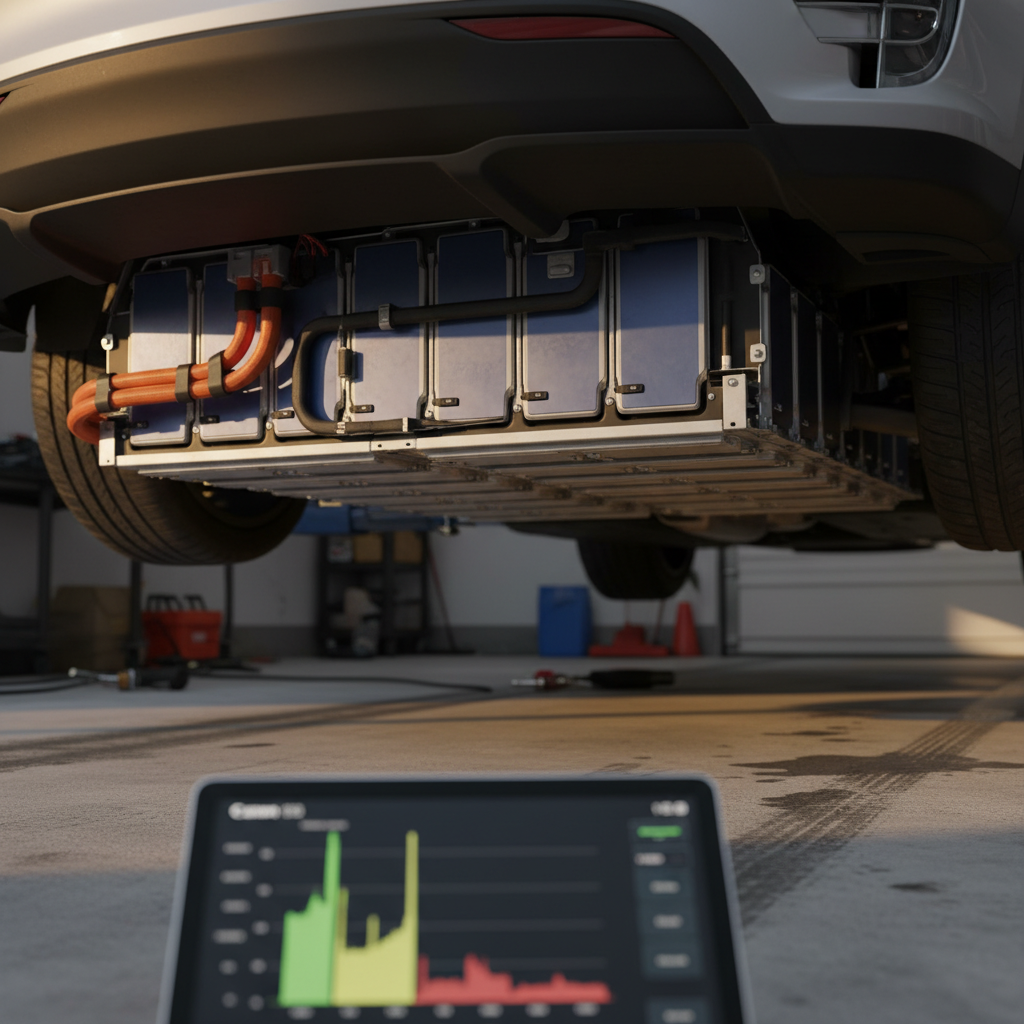
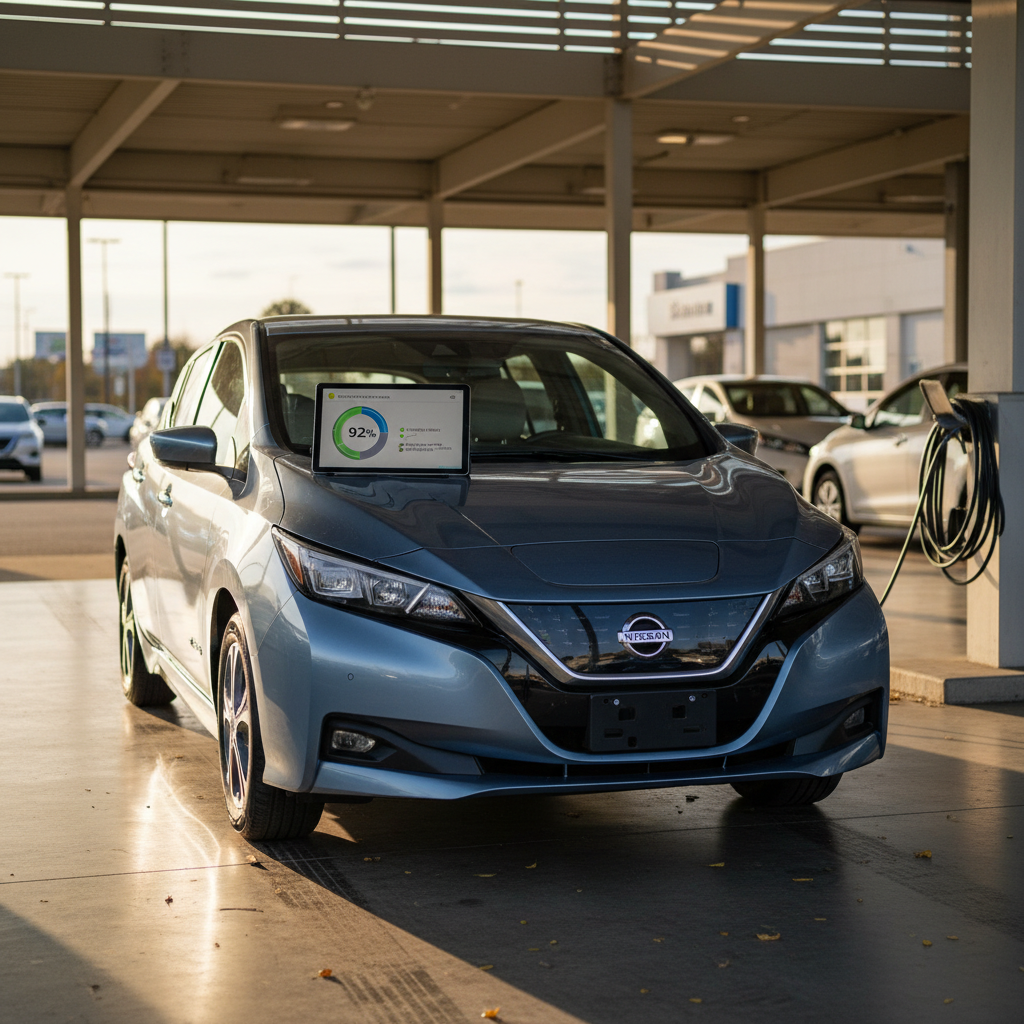
Unlike a gas engine, an EV’s value lives in its battery. A verified battery health report is critical to knowing you’re not inheriting someone else’s problem.
RAV4 still holds value well
Used RAV4 prices have been extremely strong. That’s great when you sell, but not as friendly when you’re buying into the market today.
How Recharged helps with used bZ4X shopping
In practice, a well‑priced used bZ4X with a strong battery report can undercut the 5‑year cost of a similarly equipped used gas RAV4 by a wide margin, because you’re combining a lower entry price with EV‑level running costs. That’s where the bZ4X really starts to look like a bargain hunter’s play.
FAQ: Toyota bZ4X vs gas car costs
Frequently asked questions about bZ4X vs gas RAV4 ownership costs
Bottom line: should you go electric with a bZ4X?
The Toyota bZ4X isn’t a magic money printer, and the gas RAV4 isn’t some antique money pit. In the real world, the total cost of ownership gap between a bZ4X and its gas twin is often narrower than the headlines suggest. For drivers with home charging, average or high annual mileage, and access to decent electricity rates, the bZ4X can more than hold its own, especially if you buy used and let someone else take the first‑owner depreciation hit.
If you’re in an area with expensive electricity and no reliable home charging, the math gets tougher, and a gas or hybrid RAV4 may make more sense today. But as fuel prices swing and EV resale values settle, the bZ4X’s low running costs will only look better. The smartest move is to run your own numbers, grounded in your local energy prices and driving pattern, and shop specific vehicles with eyes wide open to battery health and real‑world pricing.
Ready to put numbers to a real car?
Ready to find your next EV?
Browse Vehicles