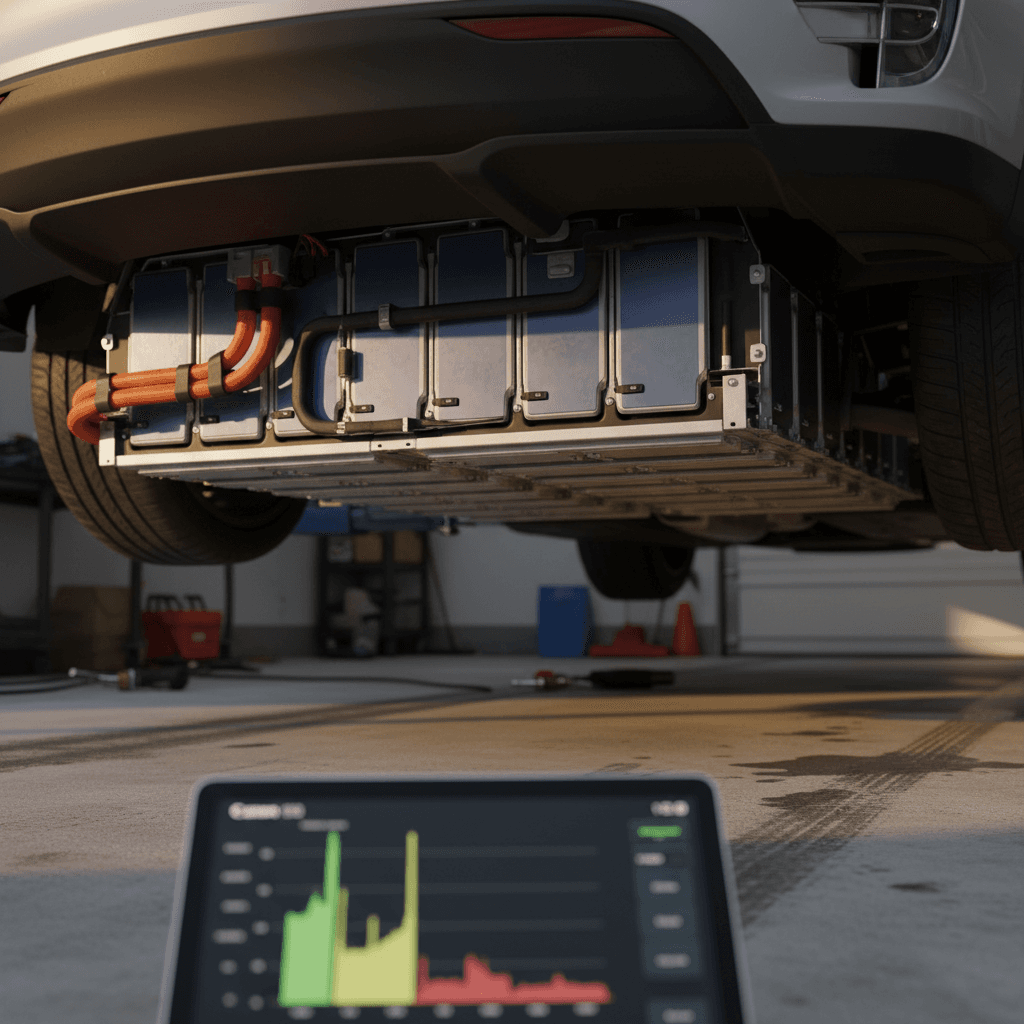
If you’re driving, or thinking about buying, a Tesla Model X, it’s natural to wonder how much battery degradation per year you should expect. The battery pack is the most expensive component in the car, so understanding what’s “normal” degradation, what’s a red flag, and how it affects real‑world range is critical, especially if you’re shopping used.
Quick takeaway
Overview: How Tesla Model X Batteries Degrade Over Time
Every Tesla Model X uses a large lithium‑ion battery pack made up of thousands of cells. Like any rechargeable battery, it slowly loses capacity over time. The key point is that EV batteries typically don’t fail suddenly, they lose usable capacity gradually, which you experience as reduced range and slightly longer charge times.
- Degradation is non‑linear: faster in the first few years, then slower.
- Calendar age and total miles both matter, not just one or the other.
- Heat, frequent fast charging, and high states of charge can all accelerate wear.
- Software updates and Tesla’s battery management system help protect the pack.
Tesla has continuously refined the Model X battery pack and thermal management over the years, but the big picture is consistent: you should expect some loss of range, yet well‑cared‑for Model X batteries generally age more gracefully than many shoppers fear.
Typical Tesla Model X Battery Degradation Pattern
Not all cars age the same
How Much Battery Degradation Per Year Is Normal on a Model X?
Across real‑world owner data and testing, a common pattern emerges for Tesla Model X battery degradation per year:
Rule-of-Thumb Tesla Model X Battery Degradation
Approximate, real‑world ranges for healthy Model X packs under typical use.
| Ownership stage | Approx. annual loss | What owners typically see |
|---|---|---|
| Years 0–2 | 2–3% per year | Early drop of 4–6% total, then stabilizes. |
| Years 3–7 | 1–2% per year | Most owners see slow, steady decline. |
| Years 8–10 | 1–1.5% per year | Pack often around 85–90% of original capacity. |
| After 10 years | Variable | Usage, mileage, and climate dominate results. |
These figures are averages. Individual vehicles can fall outside this band.
Putting that into concrete numbers, a Model X that started with an EPA‑rated 295 miles of range might realistically show around 250–265 miles at 100% charge after 8–10 years if it’s been reasonably well cared for. On a daily basis, that might mean charging to 80–90% and seeing a usable range of 200–230 miles instead of 230–250 when new.
How to sanity‑check a car’s displayed range
What Speeds Up Tesla Model X Battery Degradation?
If you want to understand whether a specific Model X has been “hard on its battery,” focus less on model year and more on how it was used. Several habits and conditions accelerate battery wear:
Key Drivers of Faster Model X Battery Degradation
These factors matter more than age alone.
High Heat & Extreme Cold
Battery cells are most comfortable in a moderate temperature band.
- Long periods parked in extreme heat (e.g., unshaded lots in hot climates) accelerate chemical aging.
- Severe cold doesn’t permanently damage the pack as much as heat, but it does stress the system and reduces usable range while cold.
Heavy DC Fast Charging Use
Frequent Supercharging or other DC fast charging generates more heat and stress.
- Occasional road‑trip use is fine.
- Relying on Supercharging for daily driving can increase annual degradation.
Staying Near 100% Charge
Regularly keeping the battery near 100% state of charge accelerates wear.
- Charging to 80–90% for daily use is usually healthier.
- Reserve 100% charges for long trips and drive soon after charging.
Aggressive Driving & Heavy Loads
High speeds, frequent full‑throttle acceleration, towing, and constant heavy loads draw more power.
- That extra heat and high current draw add stress over time.
- Normal spirited driving in moderation is rarely a problem by itself.
Red flags when reviewing a used Model X
Battery Degradation by Years of Ownership (Realistic Scenarios)
It’s one thing to talk percentages. It’s another to picture what happens to a Model X you might actually buy. Here are three realistic ownership scenarios to frame the discussion. These are illustrative, not guarantees, but they mirror what many owners see.
1. Low-Mileage City Driver
Profile: 2018 Model X, 40,000 miles, mostly city/suburban commuting, home Level 2 charging, mild climate.
- First 2 years: ~4–5% loss (battery “settling”).
- Next 5 years: ~1% per year.
- After 7 years: around 90–92% capacity, roughly 8–10% range loss.
This is a great degradation profile and typical of a well‑cared‑for car.
2. Heavy Road-Tripper
Profile: 2017 Model X, 120,000 miles, frequent long‑distance driving, heavy Supercharger use.
- First 2 years: ~5–6% loss.
- Years 3–8: 1.5–2% per year with regular DC fast charging.
- After 8 years: around 80–85% capacity, roughly 15–20% range loss.
Still usable but with noticeably shorter real‑world range.
3. Hot-Climate, High-Use Vehicle
Profile: 2016 Model X, 150,000+ miles in a very hot region, often parked outside, fast‑charge dependent.
- First 2 years: ~6–7% loss.
- Long term: 2%+ per year, possibly more under harsh conditions.
- After ~9 years: capacity might be closer to 75–80%.
This is where a professional battery health check and pricing adjustment become essential.
Why a slightly degraded battery isn’t a deal‑breaker
What Degradation Means for Range, Resale Value, and Warranty
Battery degradation isn’t just an abstract percentage. It affects how you use the Model X, what it’s worth, and whether Tesla will repair or replace the pack under warranty.
How Battery Degradation Shows Up in Daily Life
Range, value, and peace of mind.
Reduced Real-World Range
Each percent of lost capacity is roughly a percent of range you don’t have.
- 10% loss on a 295‑mile car ≈ 265 miles at 100% charge.
- You’ll notice it most on road trips and in cold weather.
Resale and Trade-In Value
Battery health directly influences used value.
- Cars with above‑average degradation deserve a pricing discount.
- Strong battery health is a selling point you can document for buyers.
Tesla Battery Warranty
Many Model X packs carry an 8‑year / mileage‑limited battery warranty, often with a minimum capacity clause.
- If the pack falls below the specified capacity before that, you may qualify for repair or replacement.
- Always check the exact terms for the model year and variant you’re considering.
Check the specific warranty on the VIN
How to Slow Down Tesla Model X Battery Degradation
Whether you already own a Model X or are buying one used, your habits from today forward still matter. You can’t undo past wear, but you can slow further degradation with a few practical adjustments.
Owner Habits That Protect Your Model X Battery
1. Use Moderate Daily Charge Limits
For daily driving, set your charge limit around 70–90% instead of 100%. Reserve full charges for road trips and begin driving soon after you reach 100% whenever possible.
2. Prefer Home or Level 2 Charging
Rely on Level 2 AC charging at home or work for most energy needs. Treat Superchargers and other DC fast chargers as road‑trip tools rather than everyday refueling.
3. Avoid Long Stays at Extremes
Try not to leave the car sitting for days at very low (<10%) or very high (>95%) state of charge. If you’re storing the vehicle, 40–60% is a comfortable long‑term window.
4. Park in the Shade or Indoors
Thermal management is your friend, but there’s no substitute for a cooler environment. Whenever practical, park in a garage or shaded area, especially in hot climates.
5. Keep Software Updated
Tesla continuously refines battery management and charging behavior through over‑the‑air updates. Staying current helps your car run the latest calibration and protection strategies.
6. Drive Smoothly When You Can
You don’t have to baby the car, but smoothing out hard launches and avoiding sustained high‑speed runs where possible helps keep battery temperatures and stress in check.
How to Check Tesla Model X Battery Health (Before You Buy Used)
If you’re buying a used Model X, don’t guess about battery health, verify it. You don’t need to be an engineer to do some meaningful checks, but structured testing and data help you avoid expensive surprises.
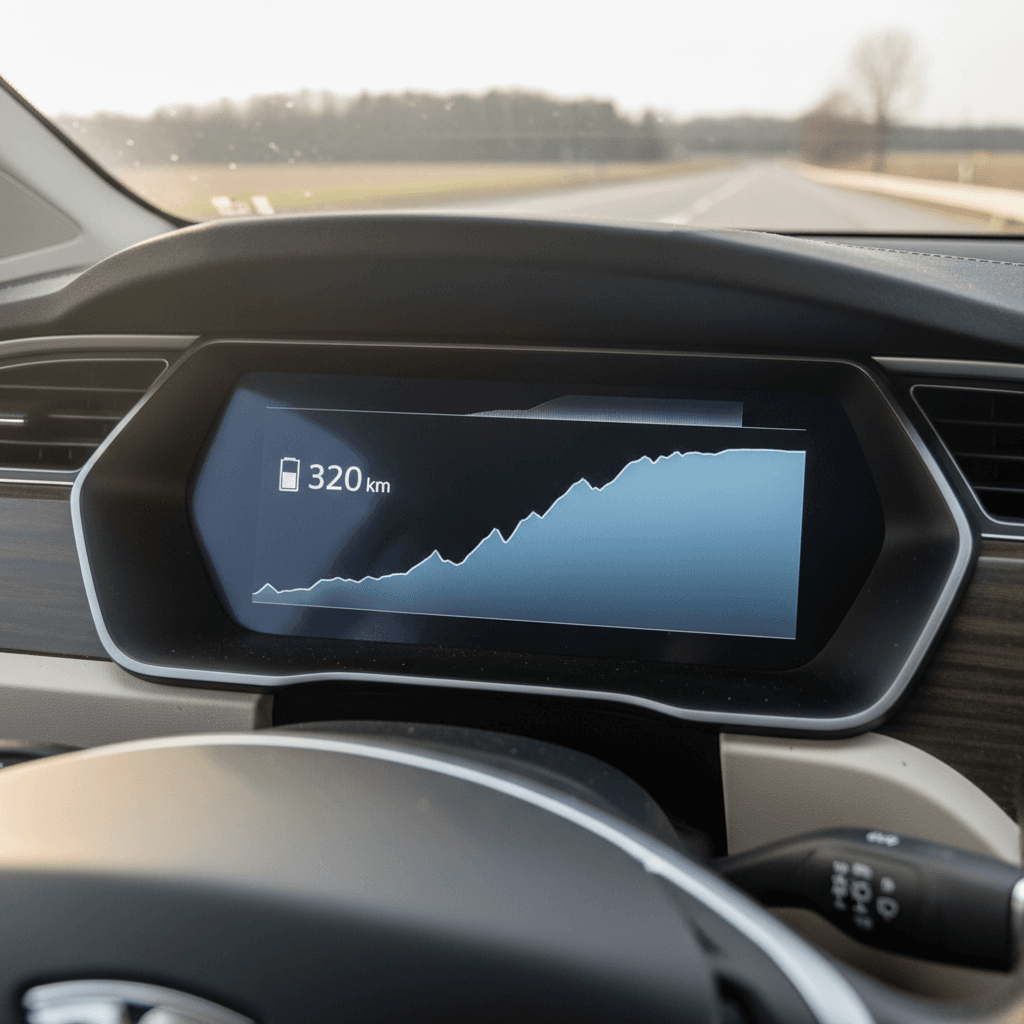
- Look at the 100% range estimate. Ask the seller, or a dealer, to charge the car close to 100% and share a photo of the display. Compare that to the original EPA rating for that trim to approximate capacity loss.
- Check mileage and usage pattern. A 6‑year‑old Model X with 35,000 miles and mostly home charging will usually look healthier than one with 120,000 miles that lived at Superchargers.
- Review charge history when possible. Service records, owner notes, and connected‑car data can sometimes tell you how often DC fast charging was used.
- Test drive and monitor consumption. On a highway test drive, reset one of the trip meters. Note energy use (Wh/mi) and how quickly projected range falls versus miles driven.
- Use third‑party tools with caution. Some apps can read battery data, but they vary in accuracy and may require log‑ins or cables. Treat them as one input, not the whole story.
Why a professional battery assessment matters
How Recharged Evaluates Tesla Battery Health for Used Buyers
Because the battery is so central to value, Recharged treats it as the starting point, not an afterthought, when listing a used Tesla Model X. Every vehicle we sell includes a Recharged Score Report with verified battery health, so you’re not left reading tea leaves from a single dashboard photo.
What the Recharged Score Tells You About a Tesla Battery
Turning complex data into clear guidance for buyers.
Objective Battery Health Diagnostics
We use battery health diagnostics specific to EVs rather than generic OBD scans.
- Estimates of remaining capacity versus original.
- Pack balance and charge behavior indicators.
- Flags for patterns consistent with hard use or abnormal wear.
Fair Market Pricing Based on Health
Two Model X SUVs with the same mileage but different battery health are not worth the same.
- Our pricing engine factors in real battery condition.
- You see how the battery health influences value, not just a final price.
Expert EV-Specialist Support
Recharged EV specialists walk you through the report in plain language.
- We connect battery health to expected range in your actual driving.
- You get guidance on whether a specific car is a good fit, or if you should keep looking.
Nationwide, Digital-First Buying Experience
Because the process is digital and transparent, you can shop for a used Model X beyond your local market.
- Review battery health and pricing online.
- Arrange financing, trade‑in, and delivery without leaving home.
Ready to find your next EV?
Browse VehiclesWhy this matters for you
Tesla Model X Battery Degradation FAQ
Frequently Asked Questions About Model X Battery Degradation
Bottom Line: Should You Worry About Model X Battery Degradation?
You should absolutely understand Tesla Model X battery degradation per year, but you don’t have to fear it. Most Model X batteries age gradually, not catastrophically, and a well‑maintained example can deliver years of useful range with only modest decline. The real risk isn’t that every battery is a ticking time bomb; it’s paying a premium price for a car whose battery health doesn’t justify it.
If you’re shopping used, focus on the individual SUV in front of you: its current 100% range, mileage, climate, and charging history. When you pair that with objective diagnostics, like the Recharged Score Report that comes with every vehicle on Recharged, you turn uncertainty into clear, data‑driven decisions. That’s how you get the space, speed, and tech of a Model X while keeping long‑term battery risk squarely under control.