If you follow EVs, you probably remember the headlines about the Toyota bZ4X recall for wheels that could fall off. Since then, more campaigns have been added, and it can be hard to keep track of which recalls apply to which bZ4X builds, especially if you’re trying to buy a used one with confidence. This guide walks through the complete Toyota bZ4X recalls list to date, explains what each fix does, and shows you how to verify that a specific car has been repaired.
Quick takeaway
Overview: What’s on the Toyota bZ4X recalls list?
Toyota’s first mass‑market EV SUV launched into a tough spotlight, and the bZ4X recall history reflects that learning curve. In the U.S., the big items fall into two buckets:
- A high‑profile wheel hub bolt recall (NHTSA campaign 22V444000) on 2023 bZ4X and Subaru Solterra twins, where loose hub bolts could allow a wheel to detach while driving.
- A later HVAC/defroster software recall for 2023–2025 bZ4X, Lexus RZ, and Subaru Solterra, where a compressor control fault could shut down heating and reduce windshield defrosting in cold weather.
Beyond those, there are technical service bulletins (TSBs) and owner‑reported issues, like humming from rear drive units, that don’t always rise to the level of a formal recall but are still worth understanding if you’re evaluating a specific used bZ4X.
Toyota bZ4X recall snapshot
Major Toyota bZ4X recalls by date
Here’s a simplified Toyota bZ4X recalls list in rough chronological order, focusing on U.S. campaigns that matter to safety and used‑EV shoppers:
Key Toyota bZ4X recalls at a glance
Summarized view of the major bZ4X recalls that affect safety‑critical systems.
| Date announced (U.S.) | NHTSA / Campaign | Issue | Main risk | Remedy summary |
|---|---|---|---|---|
| June 2022 | 22V444000 (Toyota/ Subaru) | Wheel hub bolts may loosen and allow wheels to detach after low‑mileage use. | Loss of control, crash risk if a wheel separates while driving. | Dealers replace hub bolts with new design plus washers and fit improved wheels; owners initially instructed not to drive until fixed. |
| 2024–2025 (owner letters in late 2025) | HVAC/Defroster software recall (U.S. & global campaigns) | HVAC ECU may enter failsafe after specific compressor fault, shutting down heat and reducing defrost performance in low temps. | Poor visibility due to ineffective windshield defrosting in cold weather, raising crash risk. | Dealers reprogram HVAC control ECU with updated software to maintain defrost function; performed free of charge. |
Always confirm a vehicle’s specific recall status by VIN using the NHTSA lookup tool or Toyota’s recall checker.
Region matters
The wheel hub bolt recall: Wheels could detach (22V444000)
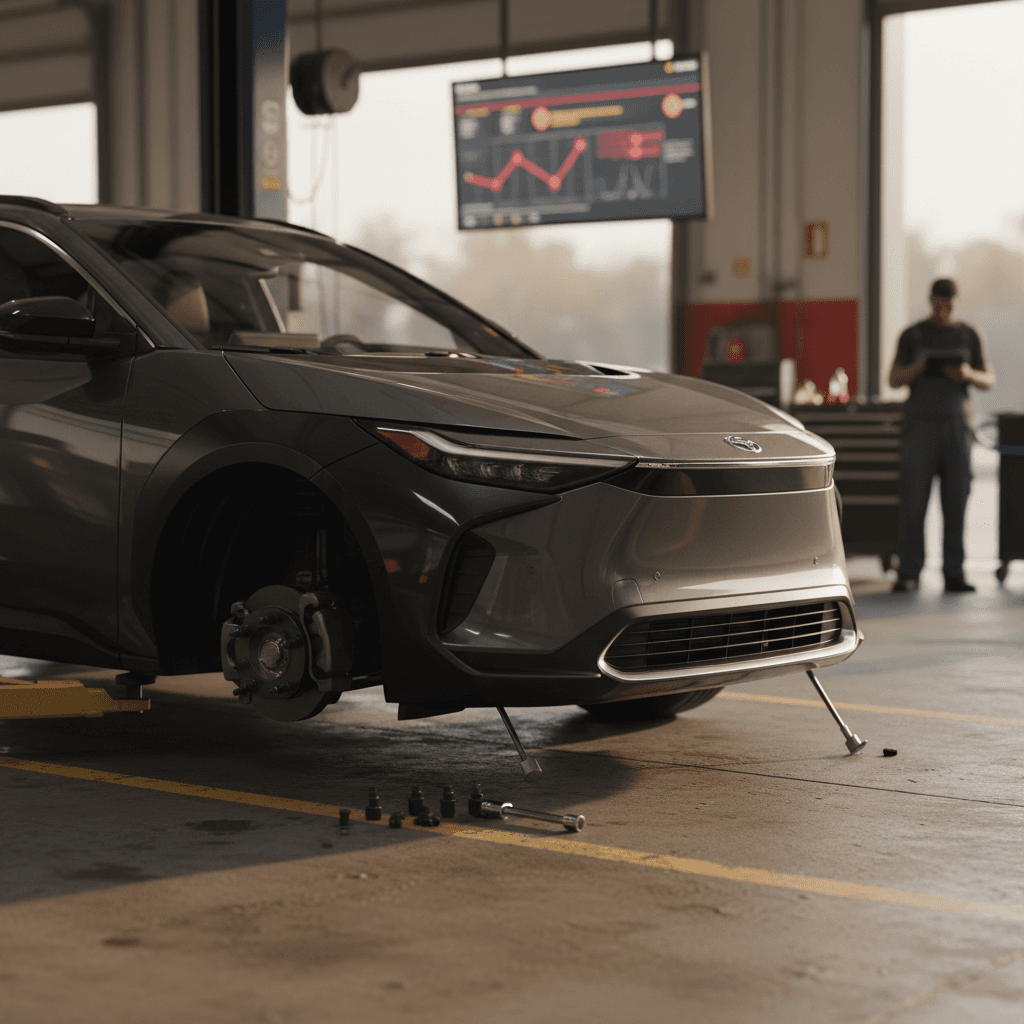
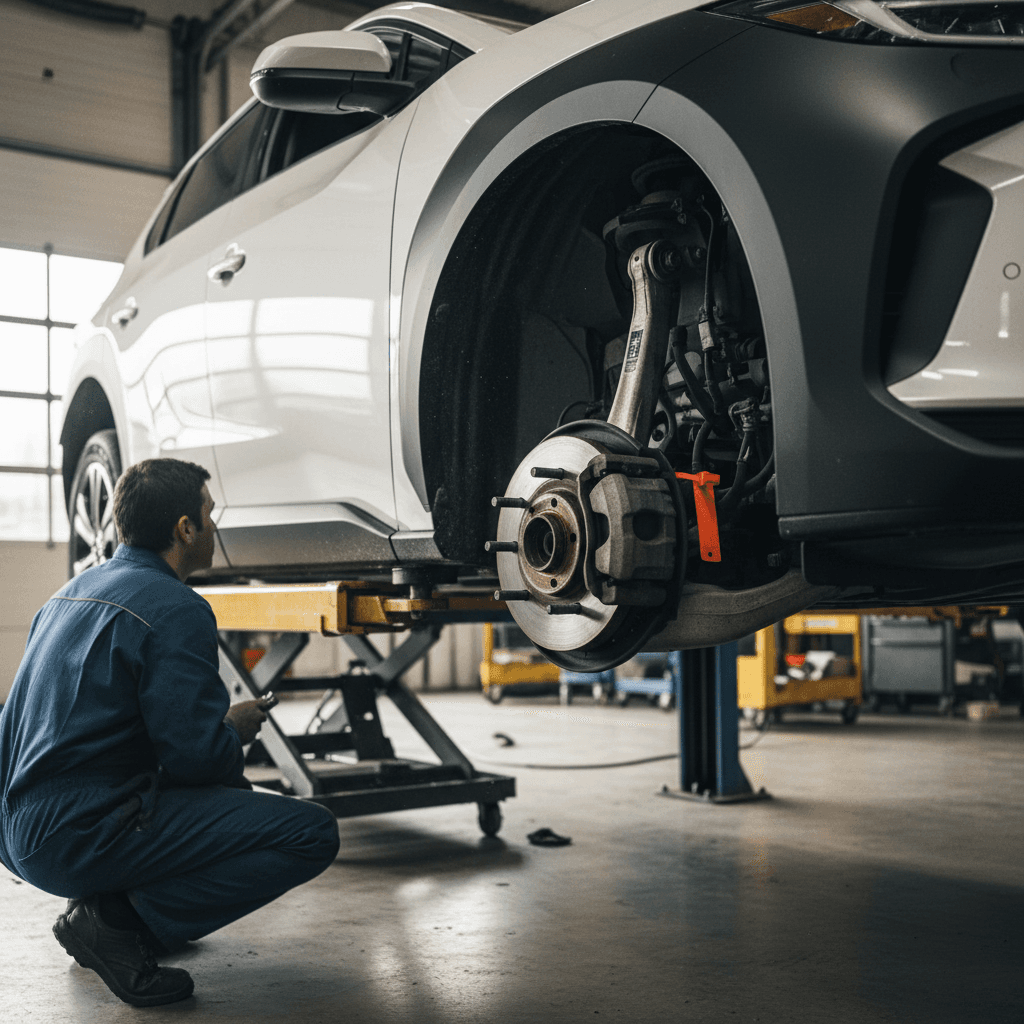
This is the recall that made the biggest splash and briefly halted bZ4X sales. In mid‑2022, Toyota and Subaru announced that on certain 2023 bZ4X and Solterra vehicles, the wheel hub bolts could loosen after relatively low mileage. In the worst case, a wheel could detach from the vehicle while in motion.
- Campaign: NHTSA 22V444000 in the U.S. (you’ll often see this number attached to both bZ4X and Solterra).
- Scope: Roughly 2,700 Toyota bZ4X and ~2,600 Subaru Solterra globally; about 260–660 bZ4X vehicles in the U.S. depending on how you count in‑transit inventory.
- Root cause: The design and clamping force of the original hub bolts weren’t robust enough, allowing them to loosen over time.
- Interim instruction: Toyota told owners not to drive affected vehicles until a fix was in place and offered generous buyback or loaner‑vehicle options.
Once the engineering fix was validated, Toyota restarted production and rolled out the remedy:
- Dealers replace all four wheel hub bolts with a redesigned bolt plus washer set.
- Dealers fit new, improved wheels designed to work with the updated hardware.
- Work is performed free of charge, and affected owners received warranty extensions and charging perks in many markets.
Good news for used buyers
HVAC / defroster software recall: Reduced visibility in cold weather
The second major item on the Toyota bZ4X recalls list is less dramatic than wheels falling off, but it matters in winter climates. On 2023–2025 bZ4X, Lexus RZ, and Subaru Solterra models, the HVAC control ECU can enter a failsafe mode after a particular kind of compressor fault. When this happens, heating is suspended and the windshield may not defrost properly in low temperatures.
- Affected systems: Electric HVAC compressor control and defroster logic.
- Risk: Poor windshield defrosting and fog/ice buildup, especially in cold, humid conditions, can reduce driver visibility and increase crash risk.
- Scope: Tens of thousands of vehicles globally across the bZ4X/RZ/Solterra family, including U.S. 2023–2025 bZ4X builds.
- Remedy: A software update to the HVAC ECU that changes how the system responds to compressor faults so defrost/defog performance is maintained.
If you live where it snows
Other issues and service bulletins bZ4X owners should know
Not every defect or annoyance becomes a formal recall. For the bZ4X, there are also technical service bulletins (TSBs) and emerging patterns in owner reports that are worth considering, especially on higher‑mileage 2023 builds:
Beyond recalls: Common bZ4X concerns
These aren’t all recalls, but they’re issues you should ask about.
Drive unit humming
Some AWD bZ4X and Subaru Solterra owners report a humming noise from the rear motor at certain speeds or temperatures. In some cases dealers have replaced rear drive units under warranty.
Not a formal recall as of early 2026, but something to listen for on a test drive.
Range & efficiency complaints
Like many first‑gen EV SUVs, real‑world range can fall short of window‑sticker numbers, especially in cold weather or at highway speeds.
Not a safety defect, but manage expectations and compare to similar EVs.
Software updates & quirks
Infotainment, charge‑scheduling, and driver‑assist features have seen running software updates. Some are optional, others come via TSBs when owners complain.
Ask a dealer to confirm the vehicle is on the latest calibrations.
Recall vs. TSB: What’s the difference?
How to check if a specific Toyota bZ4X has open recalls
Whether you already own a bZ4X or you’re evaluating a used one, you should always run a VIN‑specific recall check. That’s the only way to know exactly which campaigns apply and whether the repairs have been completed.
Step‑by‑step: Verify bZ4X recall status by VIN
1. Locate the VIN
Find the 17‑character VIN on the dashboard (viewed through the windshield), on the driver’s door jamb sticker, or on registration/insurance documents.
2. Check NHTSA’s recall tool
Go to the NHTSA recall lookup and enter the VIN. This will show all U.S. <strong>safety recalls</strong>, including 22V444000 and the HVAC/defroster campaign, plus whether they’re open or completed.
3. Check Toyota’s recall portal
Use Toyota’s own recall checker, which may show manufacturer campaigns or customer satisfaction programs not yet reflected elsewhere. This is especially helpful for software‑only actions.
4. Call a Toyota dealer’s service department
Ask a service advisor to pull the VIN. Confirm that the <strong>wheel hub bolt</strong> and <strong>HVAC/defroster</strong> recalls show as completed, and ask for the dates and mileage at which the work was done.
5. Request repair documentation
For used vehicles, ask for copies of recall repair invoices. These will list the campaign numbers and part numbers installed, which is useful if you’re comparing multiple cars.
6. Re‑check before you buy
If you’re shopping and it’s been weeks since you first checked the VIN, run it again just before signing. New campaigns can be added, and you want the latest status.
Don’t ignore open recalls
What these recalls mean if you’re shopping for a used bZ4X
From a used‑EV shopper’s perspective, a model’s recall history isn’t automatically a deal‑breaker. It’s about how serious the underlying defect is and whether the remedy is well‑understood and reliably implemented. The bZ4X checks both boxes:
The case for considering a used bZ4X
- Both major recalls have clear, widely implemented fixes (hardware replacement and software updates).
- Because of early bad press, bZ4X residual values have sometimes lagged rival EV SUVs, creating attractive pricing in the used market.
- The shared Subaru Solterra and Lexus RZ architecture means parts and know‑how are spreading quickly through dealer networks.
The reasons to be picky
- You’re relying on correct dealer execution for the hub‑bolt remedy; documentation matters.
- Cold‑climate drivers should care more about the HVAC/defroster fix and real‑world winter performance.
- First‑generation EVs tend to see more early‑run refinements. A late‑2024 or 2025 build may be a safer bet than a very early 2023 unit.
How Recharged helps here
Ready to find your next EV?
Browse VehiclesChecklist: Questions to ask about a used Toyota bZ4X
Use this list when you’re talking to a seller, whether that’s a franchise dealer, independent lot, or private party. It focuses on recalls and long‑term durability, not just cosmetics.
Used Toyota bZ4X recall & reliability checklist
Has the wheel hub bolt recall (22V444000) been completed?
Ask for written proof from a Toyota dealer showing the campaign number, date, and mileage. Confirm that all four wheels received new hub hardware and wheels, not just a retorque.
Has the HVAC / defroster software recall been done?
Ask the seller to confirm the HVAC ECU software version or provide a service invoice referencing the HVAC or defroster recall campaign.
Are there any open recalls or service campaigns today?
Run the VIN yourself and ask the seller to do the same in real time. If anything is open, clarify who will schedule and pay for the repair (recalls should be free at Toyota, but time is still a factor).
What’s the build date and in‑service date?
Earlier 2023 builds saw more of the wheel‑hub activity. A later‑built 2023–2025 car with a clean recall record is generally preferable, all else equal.
Any history of wheel, suspension, or motor noise repairs?
Ask specifically about wheel bearings, suspension components, and drive units. Humming or vibration complaints should have clear diagnoses and documented fixes.
Can I see a full service and charging history?
Look for regular maintenance, up‑to‑date software, and reasonable DC fast‑charging usage. A Recharged Score Report or similar documentation can make this easy to review.
Toyota bZ4X recalls FAQ
Frequently asked questions about Toyota bZ4X recalls
Bottom line: Is the Toyota bZ4X a safe used EV after these recalls?
The Toyota bZ4X’s early recall history is real, and you shouldn’t dismiss it. Wheels that can detach and HVAC systems that can’t keep a windshield clear are serious safety issues. But they’re also well‑understood, well‑documented problems with clear remedies. If you verify that recall work has been completed and the car drives cleanly on a thorough test drive, a used bZ4X can be a rational, good‑value way into an all‑electric SUV, especially if you’re willing to trade a bit of headline range for Toyota’s generally conservative engineering.
If you’d rather not be the one digging through NHTSA entries, dealer invoices, and software versions, consider letting a specialist do that homework. At Recharged, every used EV, including the bZ4X, comes with a transparent Recharged Score, expert guidance through the recall landscape, and options for financing, trade‑in, and nationwide delivery so that your next EV purchase is informed, not improvised.