The 2019 Chevy Bolt EV is the electric car equivalent of a great indie band dogged by a notorious backstage incident. On paper it’s fantastic: strong real‑world range, nimble handling, and a tidy hatchback body that makes every city feel smaller. But then there’s the high‑profile battery fire recall that has shadowed every early‑build Bolt, including 2019 models. If you’re shopping the used market, you need to understand both sides of this car, because when it’s right, it’s a steal.
Quick Take
2019 Chevy Bolt EV at a Glance
2019 Chevy Bolt EV Key Numbers
Under the skin, the 2019 Bolt EV is simple and honest. A single 200‑horsepower motor drives the front wheels. The 60 kWh battery pack (often listed as 60–65 kWh gross depending on source) delivers roughly 200–230 miles of real‑world mixed driving for many owners, assuming the pack is healthy. It rides on GM’s BEV2 platform, old now, but tuned cleverly enough that the car never feels like a science project.
2019 Bolt EV: Highlights and Headaches
Before you fall in love with the range, know the tradeoffs.
What the 2019 Bolt EV Does Well
- Excellent range for a small, affordable EV.
- Compact footprint, tall roof, and big windows make it a city scalpel.
- One‑pedal driving with strong regen is genuinely satisfying.
- Useful hatchback cargo space, think small crossover practicality.
- Strong safety ratings when equipped with Driver Confidence packages.
Where the 2019 Bolt EV Falls Short
- Slow DC fast‑charging capped around 55 kW.
- No active thermal preconditioning for rapid charging in cold weather.
- Seats are narrow and firm; some drivers find them uncomfortable.
- Interior materials feel economy‑car, not premium EV.
- Ongoing concern around battery fire recalls hurts resale and peace of mind.
Driving the 2019 Bolt EV: City Weapon, Highway Wallflower
In town, the 2019 Bolt EV feels like it was designed by people who hate wasting motion. The steering is light but accurate, the instant electric torque makes short work of gaps in traffic, and the short overall length (just over 164 inches) makes parallel parking a non‑event. Tap the "L" mode on the shifter and you get strong regenerative braking, true one‑pedal driving in most situations, which quickly becomes addictive.
In the City
- Instant torque: 200 hp and 266 lb‑ft mean quick launches to 35 mph.
- Tight turning radius: Easy U‑turns and quick lane changes.
- Great visibility: Tall seating and big glass help you spot cyclists and pedestrians.
- Regen on demand: One‑pedal driving and a steering‑wheel paddle for extra braking.
On the Highway
- Stable but light: It tracks straight, but crosswinds can tug at the tall body.
- Road and wind noise: Acceptable, but noticeably louder than newer EVs and compact crossovers.
- Range sensitivity: Sustained 75–80 mph driving can trim range noticeably.
- Driver aids: Lane‑keep and adaptive features were limited vs today’s standards.
Test‑Drive Tip
Range and Efficiency: Still Competitive Years Later
When it launched, the Bolt’s 238‑mile EPA range was a revelation in an affordable EV. Years later, that headline number is still compelling, especially in the used market, where many competing cars of the era (like the early Nissan Leaf) trail badly on range and battery durability.
- EPA combined range when new: 238 miles
- Battery capacity: roughly 60 kWh usable (65 kWh gross on later documentation)
- Typical mixed‑driving efficiency: about 3.5–4.0 mi/kWh in moderate weather
- Cold‑weather range losses of 20–30% are normal without preconditioning
Battery Health Matters More Than the Sticker Number
Charging Performance: The Bolt’s Biggest Weak Spot
Here’s where the 2019 Bolt EV shows its age. The car supports Level 1 and Level 2 AC charging via the standard J1772 connector and optional CCS DC fast‑charging. But the on‑board AC charger tops out around 7.2 kW, and DC fast‑charging peaks at roughly 55 kW, numbers that looked fine in 2017 but now feel decidedly economy‑class.
Typical 2019 Bolt EV Charging Times
Approximate times from low state of charge to near full under ideal conditions.
| Charging Type | Power | 0–80% | 0–100% | Miles Added Per Hour |
|---|---|---|---|---|
| DC Fast (CCS) | Up to 55 kW | ~45 min | ~75 min | Up to ~180 mi/hr (early in the session) |
| Level 2 (240V, 32A) | 7.2–7.7 kW | ~6 hours | ~8.5 hours | ~25–30 mi/hr |
| Level 2 (240V, 16A) | 3.3–3.8 kW | ~12 hours | ~17 hours | ~12–16 mi/hr |
| Level 1 (120V wall) | 1.2–1.4 kW | Overnight+ | ~40–50 hours | ~4–5 mi/hr |
Real‑world times will vary with temperature, state of charge, and battery condition.
The Fine Print on DC Fast‑Charging
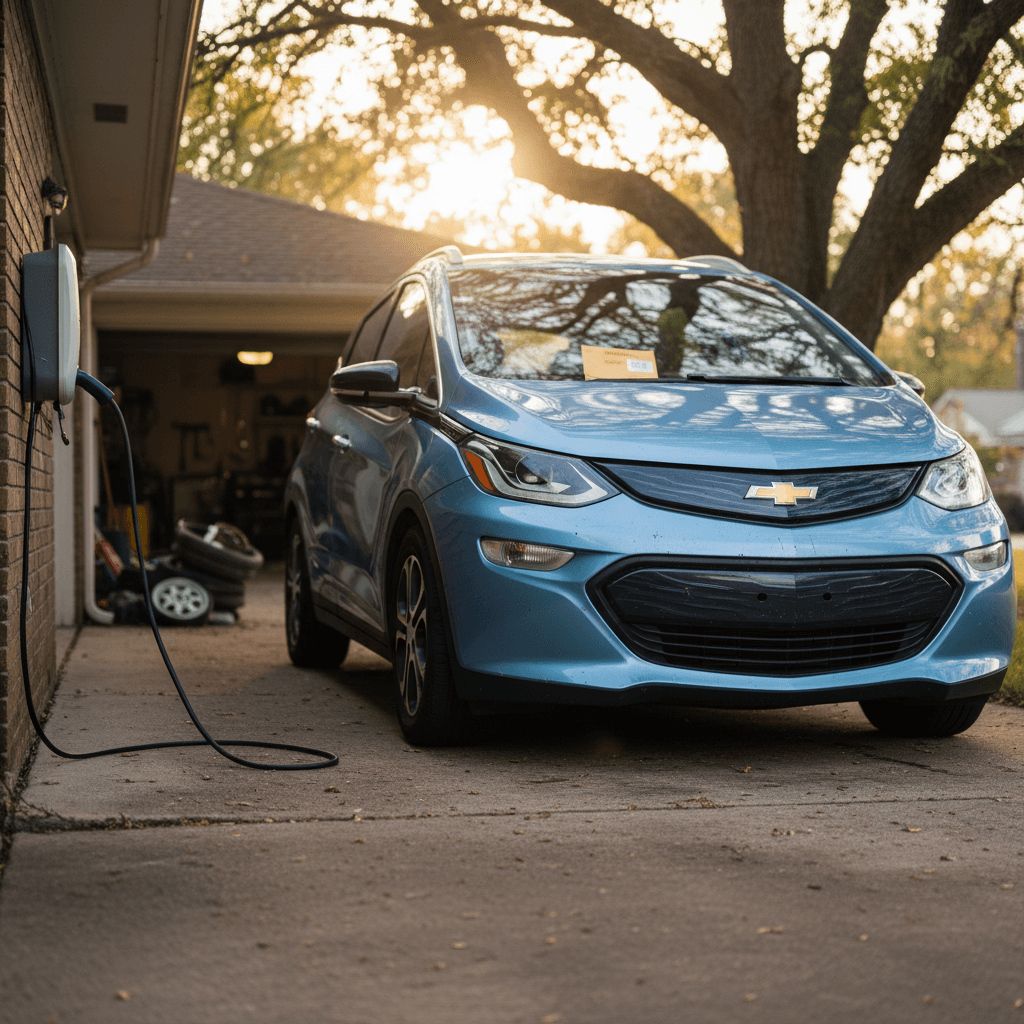
If most of your driving is local and you can install a 240V outlet or wall box, the Bolt’s charging limitations are far less painful. At home, plugging in each night and waking up to a full (or scheduled‑limit) charge is easy living. Where you feel the deficit is on long highway trips that require multiple DC fast‑charge stops in one day.
Battery Recall, Fire Risk, and Long‑Term Reliability
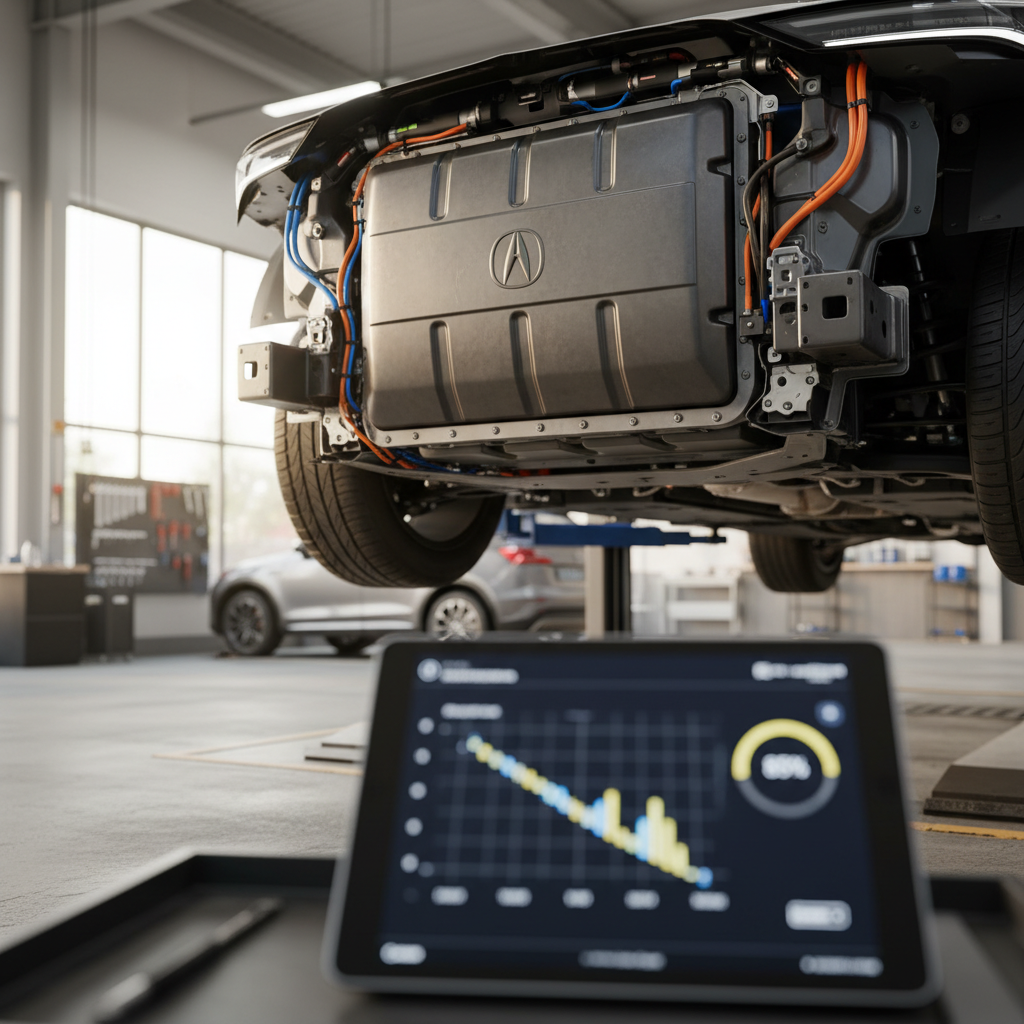
You can’t talk about a 2019 Bolt EV without talking about the battery fire recall. In 2020–2021, GM and the National Highway Traffic Safety Administration identified a defect in certain LG‑supplied battery modules used in 2017–2019 Bolts. A combination of manufacturing issues could cause a short inside the pack, leading to smoke and, in rare cases, fire. Owners were urged to park outside and avoid overnight charging until repairs were completed.
- 2017–2019 Bolts were subject to multiple recalls related to potential battery fires.
- Interim software updates limited maximum state of charge and imposed conservative charging rules (e.g., not charging above ~90%, avoiding deep discharges).
- The final fix, for most cars, involved battery module or full pack replacement plus updated monitoring software.
- Some owners report continued anxiety about fire risk despite completed recalls, which has weighed on used values.
Non‑Negotiable: Verify Recall Completion
Once the recall work is done properly and the battery tests healthy, the Bolt can be a stable long‑term commuter. The electric drivetrain itself is mechanically simple, and outside of the battery saga, the car doesn’t have a long rap sheet of catastrophic failures. You’ll still want a mechanic familiar with EVs to inspect the car, but the biggest wild card is the very thing that makes it an EV: the pack.
Safety Ratings and Driver Assistance Tech
The 2019 Bolt EV is small, but it’s not a tin can. The Insurance Institute for Highway Safety rated it a Top Safety Pick when equipped with optional front crash‑prevention technology, earning "Good" marks in most major crash tests and "Superior" for vehicle‑to‑vehicle crash avoidance with the right options. Headlights and child‑seat anchors scored slightly lower, but the structural fundamentals are solid.
2019 Bolt EV Safety Snapshot
What you’re getting, and what you’re not.
Crash Safety
- Strong scores in most IIHS crash tests.
- Solid roof strength and occupant protection.
- Standard 10‑airbag setup.
Active Safety
- Available forward collision alert with automatic braking.
- Optional lane departure warning and lane keep assist.
- Optional blind‑spot monitoring and rear cross‑traffic alert.
What’s Missing
- No modern hands‑free system like GM’s Super Cruise.
- No 360° camera or advanced highway assist.
- Basic adaptive tech compared with newer EVs.
Trim & Package Tip
Interior, Space, and Infotainment
Climb into the 2019 Bolt and you’re greeted by a cabin that feels more "smart economy" than premium EV. Hard plastics abound, but the design is airy, with a high roof and upright seating that make the car feel roomier than its footprint suggests. The rear seat comfortably fits two adults, three in a pinch. The hatchback cargo area, with a split‑folding rear seat and under‑floor storage, gives you genuine everyday practicality.

- Cargo space: roughly in line with many subcompact crossovers, with a low liftover height.
- Front seats: tall and narrow; some drivers love the commanding view, others complain about pressure points on long trips.
- Materials: practical and easy to clean, but not luxurious, this is still a Chevy economy car at heart.
- Infotainment: a responsive 10.2‑inch touchscreen with smartphone integration (Apple CarPlay and Android Auto), physical volume knob, and clear EV energy screens.
Tech Aging Gracefully
Used Market, Depreciation, and Value
The Bolt EV’s checkered recall history has been brutal for resale, but that’s exactly why it can be such a compelling used buy. You’re getting near‑modern range and everyday usability for the price of an ordinary gas compact. In the U.S., 2019 Bolts often trade thousands of dollars below newer long‑range EVs, even when they offer similar or better range.
Where the 2019 Bolt EV Shines on Value
- Long range for the money vs similar‑priced used EVs.
- Low running costs, no oil changes, fewer mechanical wear items.
- Good candidate for households with predictable daily commutes.
- Potential eligibility for local incentives or used‑EV rebates depending on your state.
What Keeps Prices Low
- Lingering stigma from the battery recall and fire headlines.
- Slow DC fast‑charging makes it less appealing as a road‑trip car.
- Competition from newer, more refined EVs with similar or better range.
- Uncertainty among private sellers and buyers about battery health and recall status.
How Recharged Helps You De‑Risk a Used Bolt
Ready to find your next EV?
Browse VehiclesWho the 2019 Chevy Bolt EV Is (and Isn’t) For
Is the 2019 Bolt EV Right for You?
Match your use case to the car’s strengths, not the brochure.
Great Fit If…
- You do most of your driving in the city or suburbs.
- You can install (or already have) a 240V home charger.
- You want maximum electric range per dollar, not the latest tech trinkets.
- You’re willing to read the recall paperwork and insist on proof of proper repairs.
- You value compact size and easy parking more than luxury trimmings.
Probably Not Your Car If…
- You road‑trip often on CCS fast‑charging networks and hate long stops.
- You’re extremely risk‑averse about any past safety recall, even when fixed.
- You need a plush ride and ultra‑quiet cabin like a premium sedan or SUV.
- You must have advanced driver assistance like hands‑free cruising.
Pre‑Purchase Checklist for a Used 2019 Bolt EV
2019 Bolt EV Buyer’s Checklist
1. Confirm All Battery Recalls Are Complete
Ask for a printed service history showing recall campaign numbers and whether the car received a full pack replacement or just module/software updates. Walk away if the seller can’t document this.
2. Get Objective Battery Health Data
Don’t rely on guesswork from the dash estimate alone. Look for a <strong>third‑party battery health report</strong>, like the Recharged Score, or have an EV specialist measure usable capacity and check for fault codes.
3. Inspect Charging Hardware
Verify that DC fast‑charging (if equipped) works at a CCS station. Check the J1772 port for damage or corrosion and make sure the portable Level 1 charger is present and functional.
4. Evaluate Tires and Brakes
EVs are heavy and can be hard on tires. Check for uneven wear that might indicate alignment issues. Brakes usually wear slowly thanks to regen, but rust from light use can be a problem in humid climates.
5. Test All Driver‑Assist and Safety Features
If the car has the Driver Confidence packages, verify that forward collision alert, lane‑keep, blind‑spot monitoring, and parking sensors behave as expected on your test drive.
6. Live With the Seats and Noise on a Long Drive
Spend at least 20–30 minutes on mixed roads during the test drive. Pay attention to seat comfort, driving position, and highway noise, these daily‑use details matter more than acceleration numbers.
2019 Chevy Bolt EV: FAQ
Frequently Asked Questions About the 2019 Bolt EV
Final Thoughts: Is the 2019 Bolt EV Worth It?
The 2019 Chevy Bolt EV is a car of sharp contrasts: brilliant where it counts for daily life, range, efficiency, packaging, and compromised where the modern EV conversation has moved on, charging speed, refinement, and that infamous battery recall history. If you treat it as a compact, electric runabout rather than a do‑everything road‑trip machine, it can still feel remarkably fresh in 2026.
The trick is buying with your eyes wide open. You want proof of completed battery recall work, third‑party confirmation of pack health, and a candid assessment of how its charging limitations fit your lifestyle. Do that homework, and the 2019 Bolt stops being a recall headline and starts being what it always should have been: an honest, efficient, surprisingly capable little EV that makes an enormous amount of sense at the right used‑car price. If you’d rather have an expert do that vetting for you, shopping a Bolt EV backed by a Recharged Score and EV‑specialist support is a smart place to start.