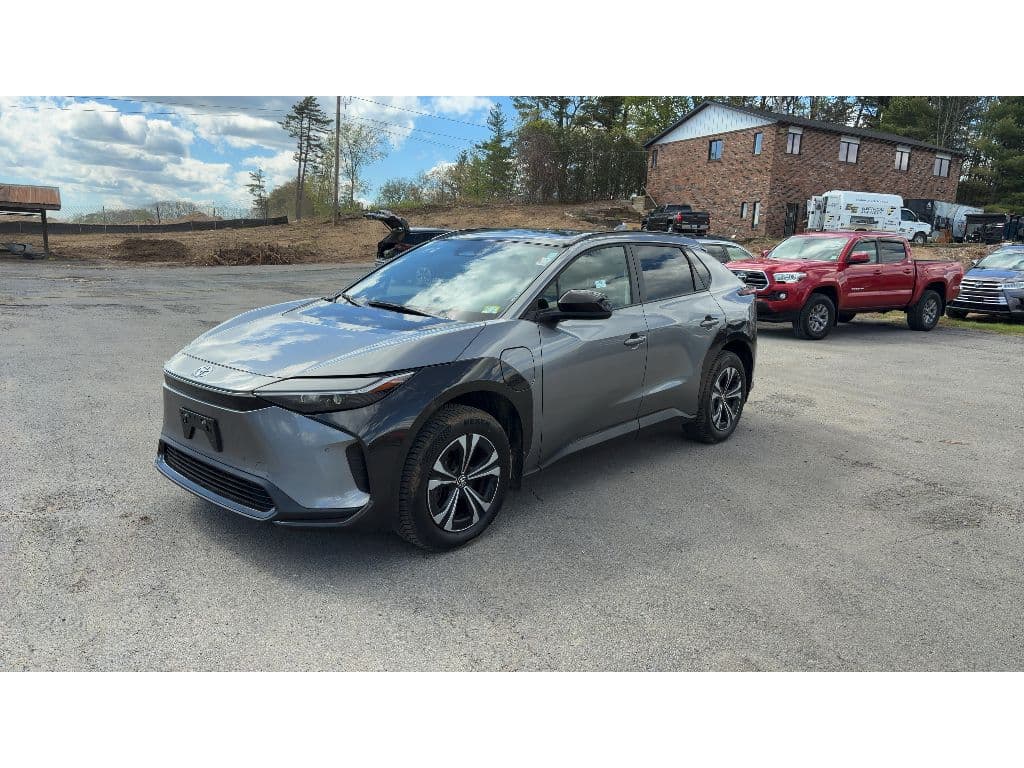
The Toyota bZ4X maintenance schedule looks a little strange if you’re coming from a gas RAV4 or Highlander. There’s no engine oil to change, no spark plugs, and no timing belt, but that doesn’t mean you can ignore maintenance altogether. Understanding what actually needs service (and when) is the key to low‑stress, low‑cost bZ4X ownership.
Big Picture
Overview: How Much Maintenance Does a Toyota bZ4X Need?
Toyota builds its EV maintenance schedules around time-based inspections every 6 months and relatively simple service items. For U.S. bZ4X owners, you can think of maintenance in three buckets:
- Regular 6‑month / 5,000‑mile visits mainly for inspections and tire rotation
- Periodic cabin air filter replacement and brake service
- Longer‑interval coolant and other fluid checks as the vehicle ages
Toyota’s own cost-of-ownership estimates suggest that bZ4X maintenance over five years runs in the low‑to‑mid $500-per-year range on average, which is significantly lower than a comparable gas SUV that needs oil changes and transmission service.
Owner Reality Check
Toyota bZ4X Factory Maintenance Schedule at a Glance
Toyota doesn’t publish a separate “EV‑lite” schedule for the bZ4X, its service rhythm mirrors other Toyotas: inspections and tire rotations every 6 months or 5,000 miles, whichever comes first. The big difference is what you don’t have to service: there’s no engine oil, transmission service, or exhaust system maintenance.
Toyota bZ4X Core Maintenance Intervals (U.S. – Typical Pattern)
Always confirm details in your specific model year’s Warranty & Maintenance Guide, but these are the common bZ4X service touchpoints owners will see.
| Interval | Time (approx.) | Key Services |
|---|---|---|
| Every 5,000 miles | 6 months | Multi‑point inspection, tire rotation, fluid and brake checks |
| 10,000–15,000 miles | 12–18 months | Repeat 5k service; may include additional inspections depending on use |
| 30,000 miles | 3 years | Cabin air filter replacement, brake system inspection/service as needed |
| 60,000 miles | 6 years | Brake fluid replacement, detailed brake service if needed, coolant inspection |
| 100,000–150,000 miles | 10+ years | Coolant replacement (inverter/e‑Axle as recommended), more thorough suspension & steering checks |
Mileage is approximate; follow whichever comes first between miles and months.
Don’t Copy Gas-Car Schedules
Toyota bZ4X Maintenance Schedule by Mileage and Time
Below is a more detailed, owner-friendly version of the Toyota bZ4X maintenance schedule. Exact items can vary slightly by model year and region, so always double‑check your Warranty & Maintenance Guide or Toyota Owners account.
0–25,000 Miles: Early Ownership Maintenance
Most of this period is covered by ToyotaCare for new bZ4X buyers.
Every 5,000 miles / 6 months
Expect a multi‑point inspection and tire rotation. Techs will:
- Check tire wear and pressures
- Inspect brakes, steering, and suspension
- Inspect coolant levels and look for leaks
- Top up washer fluid and check wipers/lights
12 months / 10,000–15,000 miles
Repeat the 5k‑mile inspection items. In harsher climates, you may see extra attention on:
- Underbody corrosion
- Brake components (road salt)
- Seals and boots around suspension parts
2 years / 25,000 miles
For new bZ4X owners, this often marks the end of ToyotaCare no‑cost maintenance (2 years or 25,000 miles). It’s a good moment to:
- Review tire condition
- Plan for future brake service
- Check if any recalls or software updates apply
25,000–75,000 Miles: Mid‑Life Maintenance
Where EV‑specific brake care starts to matter.
Around 30,000 miles / 3 years
Typical items include:
- Cabin air filter replacement (keeps HVAC efficient and clean)
- More detailed brake inspection; many shops recommend a proactive brake cleaning/service every ~30k miles, especially in rust‑prone regions
Every 5,000–10,000 miles
Continue routine inspections and tire rotations. The bZ4X’s weight and instant torque can be hard on tires, so regular rotations help them last.
60,000 miles / ~6 years
This is typically when Toyota recommends:
- Brake fluid replacement
- Detailed inspection of brake calipers and slide pins
- Coolant inspection for the battery/inverter/e‑Axle systems
75,000+ Miles: High‑Mileage and Long‑Term Items
Stretching the bZ4X into true long-haul EV territory.
100,000+ miles
Depending on model‑year guidance, you may see coolant replacement intervals for the inverter and e‑Axle. This is also a good time to inspect suspension bushings and joints more carefully.
Ongoing, every 6–12 months
Even at high mileage, the core pattern doesn’t change much: inspections, tire rotations, brake checks, and occasional filter and fluid services.
As‑needed items
Wheel alignments, tire replacement, brake pad/rotor replacement, and wiper blades are all wear‑and‑tear items you’ll handle as needed, not on a strict calendar.
Where to Find Your Exact Schedule
EV-Specific Maintenance Items on the bZ4X
Because the bZ4X is an EV, some components wear differently than on a gas vehicle. Here are the items you should pay special attention to, even if they’re not labeled as big-ticket services in the maintenance booklet.
Key EV-Specific Maintenance Priorities
1. Brake system cleaning and lubrication
Regenerative braking means you often use the friction brakes less, which can let the calipers and slide pins seize up, especially in wet or salty climates. A professional brake cleaning and lubrication roughly every 30,000 miles helps prevent stuck calipers and premature pad/rotor replacement.
2. Brake fluid replacement
Even if pads last a long time, brake fluid still absorbs moisture. Following Toyota’s brake‑fluid interval (often around 60,000 miles / 6 years) keeps pedal feel consistent and reduces corrosion risk inside the system.
3. Tire rotation and alignment
EVs are heavy and deliver instant torque, which can chew through front tires. Rotating tires every 5,000–6,000 miles and checking alignment after big pothole hits helps you get full life out of a set of tires.
4. Thermal management system checks
The bZ4X uses coolant loops to manage battery, inverter, and e‑Axle temperatures. Regular inspections and eventual coolant replacement at high mileage help protect these expensive components.
5. Cabin air filter and HVAC
A clogged cabin filter makes your heat pump and A/C work harder, which can affect comfort and range. Replacing it around 30,000 miles (or sooner in dusty areas) is cheap preventive maintenance.
Avoid "Lifetime" Myths
ToyotaCare, Warranty, and Free Maintenance Coverage
Every new U.S. Toyota bZ4X comes with an enhanced ToyotaCare plan tailored for electric models. For most buyers, that means:
- No‑cost factory‑scheduled maintenance for 2 years or 25,000 miles (whichever comes first)
- 24‑hour roadside assistance for 3 years and unlimited miles
- Toyota‑trained technicians using the correct EV service procedures
In practice, ToyotaCare usually covers your first several 6‑month / 5,000‑mile visits, so early tire rotations, inspections, and basic services cost you nothing beyond the purchase or lease.
Don’t Forget the EV Battery Warranty
If you’re buying a used bZ4X, ask for documented ToyotaCare visits or service records from previous owners. A clean, consistent maintenance history is a green flag that the car has been cared for properly.
Toyota bZ4X Maintenance Costs vs Gas SUVs
From a cost-of-ownership standpoint, maintenance is one of the places where the bZ4X quietly earns back some of its higher purchase price. Independent estimates put five‑year maintenance costs for a new bZ4X in the ballpark of $2,500–$3,000 total, or around $500–$600 per year on average, skewed a bit higher in later years as brakes and tires eventually need work.
Typical 5‑Year Maintenance Comparison (Approximate)
What You Don’t Pay For
- No engine oil or filter changes
- No spark plugs, timing belt, or exhaust repairs
- No traditional automatic transmission service
What You Do Pay For
- Tires (often a bit more frequently than on a lighter gas car)
- Brake maintenance and fluid changes
- Cabin filter, wipers, and other small wear items
Maintenance vs. Depreciation
Maintenance Checklist When Buying a Used Toyota bZ4X
If you’re looking at a used bZ4X, whether at a dealership, auction, or peer‑to‑peer, maintenance history and battery health should be at the top of your due‑diligence list. That’s exactly the gap Recharged is built to fill.
Used Toyota bZ4X Maintenance & Condition Checklist
1. Verify service records
Ask for a printout from Toyota’s service system or receipts showing 6‑month / 5,000‑mile visits, tire rotations, and any brake or coolant work. Sparse or missing records aren’t an automatic deal‑breaker, but they should influence price and how you plan first‑year maintenance.
2. Inspect tires and brakes
Uneven tire wear can signal alignment issues or inconsistent rotations. Thick pad material and smooth braking are good signs, but a pre‑purchase inspection can spot frozen calipers on EVs that mostly rely on regen.
3. Check for software updates and recalls
Ask a Toyota dealer or EV specialist to confirm that all open recalls and software updates, especially those relating to the battery, charging, or safety systems, have been completed.
4. Review battery health and range behavior
On a test drive, note displayed range at a given state of charge and whether it aligns with EPA expectations and your climate. Recharged’s <strong>Score Report</strong> includes third‑party battery health insights so you’re not guessing.
5. Look for coolant leaks and corrosion
Have an EV‑savvy shop look around coolant lines, the underbody, and suspension components, especially in rust‑belt states. Early signs of corrosion are manageable; advanced rust can be costly later.
6. Plan a baseline service
If history is unclear, budget for a baseline visit: inspection, tire rotation, cabin filter, brake cleaning/service, and brake fluid replacement if it’s due by time or mileage.
How Recharged Helps
Ready to find your next EV?
Browse VehiclesToyota bZ4X Maintenance FAQ
Common Questions About the Toyota bZ4X Maintenance Schedule
Bottom Line: How to Think About bZ4X Maintenance
If you’re used to a gas SUV’s thick maintenance booklet, the Toyota bZ4X is refreshingly simple. Follow the 6‑month / 5,000‑mile inspection rhythm, keep up with tire rotations, and don’t neglect brake service or long‑term coolant checks, and you’ll likely spend less on maintenance than you would in a comparable gas Toyota.
Where things get more complex isn’t the maintenance itself, but how that history intersects with battery health and depreciation, especially in the used market. That’s why Recharged pairs battery diagnostics, fair‑market pricing, and expert EV guidance for every used bZ4X we list. When you’re ready to shop, you can focus on finding the right car and payment, not decoding maintenance mysteries.