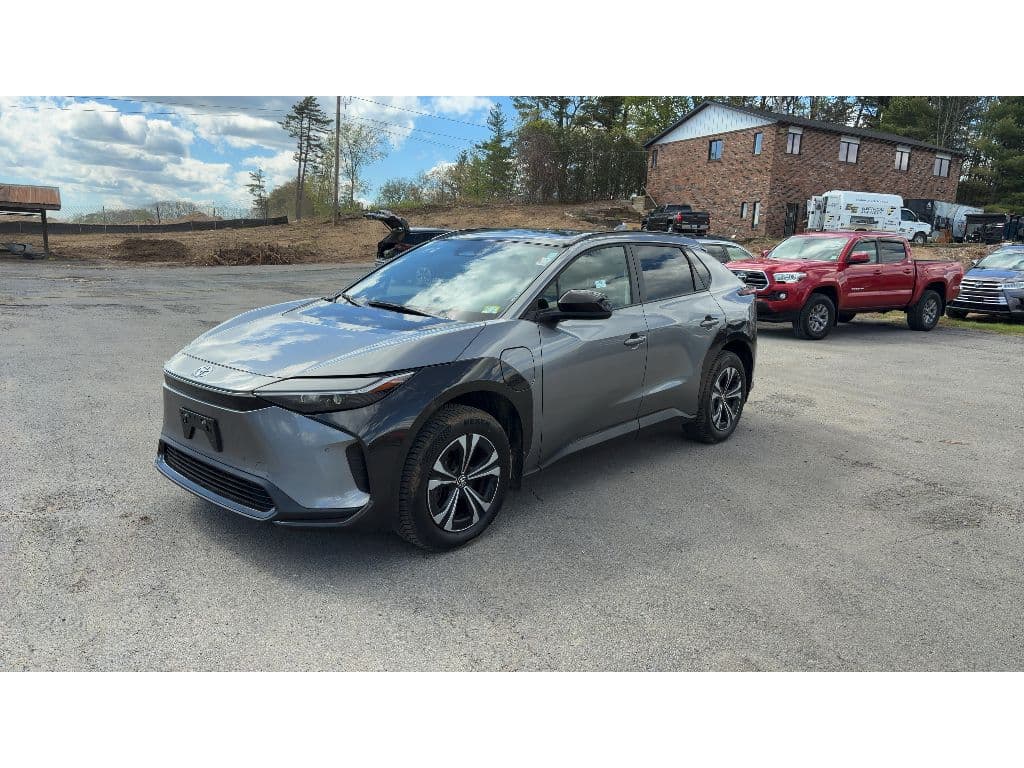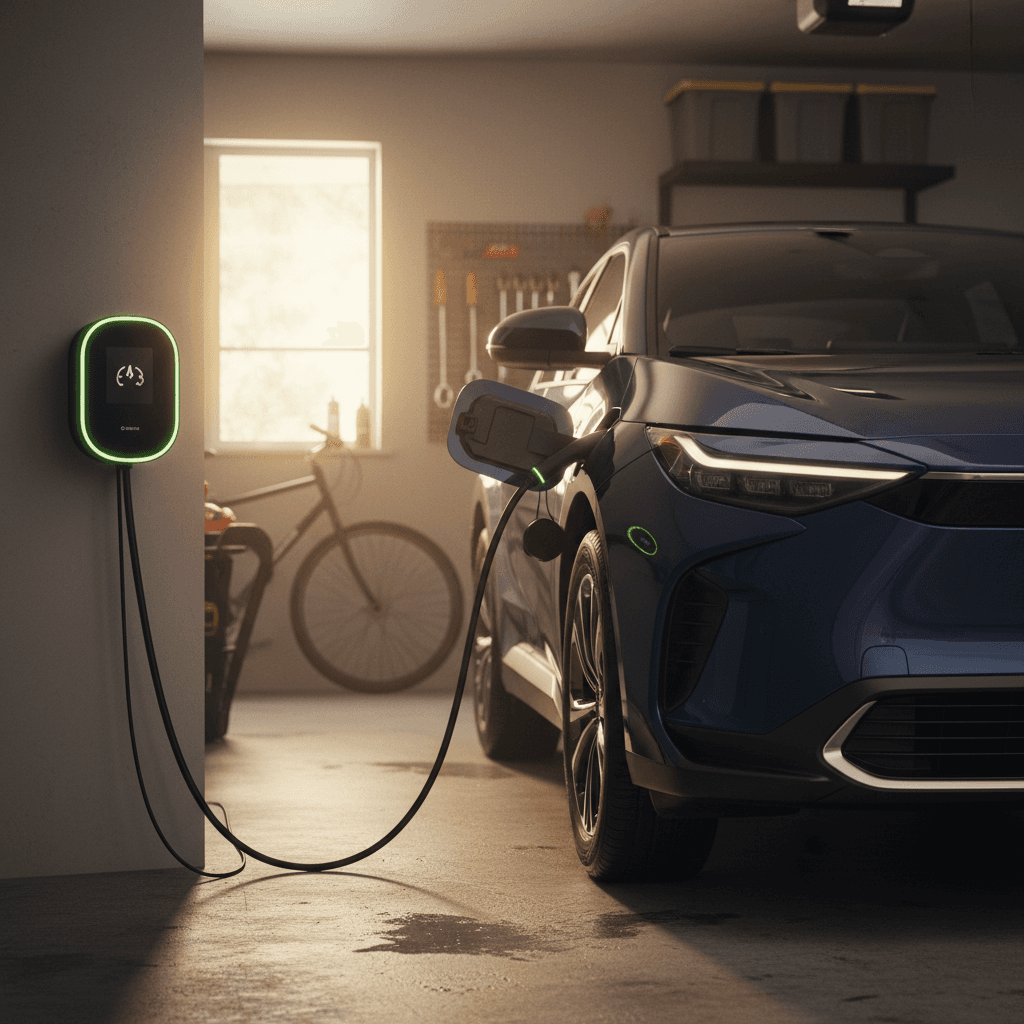
If you own (or are shopping for) a Toyota bZ4X or the refreshed Toyota bZ, the single best upgrade you can make is a proper Level 2 home charger. The right unit turns your driveway or garage into your primary “fuel station,” cuts your dependence on public chargers, and makes the car feel like a seamless part of your daily life. This guide breaks down the Toyota bZ4X best home charger options, ideal specs, installation choices, and a few expert‑vetted models that pair especially well with Toyota’s first mass‑market EV.
Quick answer
Why your bZ4X needs the right home charger
Toyota includes a dual‑voltage portable cable that can do Level 1 (120 V) and Level 2 (240 V) charging, but in practice it’s a compromise. On a standard household outlet, you’re looking at well over a day for a full charge. Even when you give that portable cable 240 V, it’s limited in current and not as convenient or durable as a dedicated wallbox. Choosing the right home charger means you plug in at night and wake up with the range you need, without thinking about it.
- Predictable overnight charging instead of hunting for DC fast chargers
- Lower cost per mile compared with public fast charging
- Less battery stress than frequent DC fast charging sessions
- Convenience for preconditioning the cabin while plugged in
- Better long‑term resale story: buyers increasingly expect home‑charging readiness
Don’t overpay for speed you can’t use
Toyota bZ4X and bZ charging basics
Before you pick hardware, it helps to understand what your Toyota can actually do on AC power at home. The bZ4X and renamed bZ have gone through a quiet evolution on the charging side, so the “best” home charger looks slightly different depending on which one you own.
Toyota bZ4X / bZ AC charging specs at a glance
Key AC charging differences that matter for choosing a home charger.
| Model / years | Onboard AC charger | Max AC amps (approx.) | Typical connector | Takeaway for home charger |
|---|---|---|---|---|
| 2023–2025 Toyota bZ4X | ~7–7.6 kW Level 2 | 32 A at 240 V | J1772 for AC, CCS1 for DC | A 32‑amp Level 2 charger fully saturates the car; more amps don’t speed up charging. |
| 2026+ Toyota bZ (refresh) | Up to ~11 kW Level 2 | 48 A at 240 V | NACS for AC and DC | A 40–48 amp Level 2 charger lets you take advantage of the higher AC ceiling. |
U.S./Canada models. Always confirm your exact model year and market in the owner’s manual.
AC vs. DC in one sentence
How much power does your bZ4X actually need?
On paper, more kilowatts always look better. In reality, overnight home charging is a utilization game: you’ve got 8–10 hours when the car is parked, and you just need enough power to refill the miles you drove that day. For a typical bZ4X with a roughly 72 kWh pack, a ~7 kW Level 2 charger can comfortably bring the car from low state of charge to full in about 9–11 hours under normal conditions. That’s enough for anyone who primarily charges at home.
What Level 2 power means in real life
Think in miles per hour, not kilowatts
Best home charger specs for a Toyota bZ4X
The sweet spot charger for a bZ4X or bZ balances charging speed, installation cost, and future‑proofing. Here’s what to look for in the spec sheet when you’re shopping.
Key specs to prioritize
Match the charger to both your Toyota and your home’s electrical panel.
Amperage (A)
• 2023–2025 bZ4X: Aim for a 32‑amp charger on a 40‑amp circuit. Higher‑amp units won’t charge faster but can help if you later buy a different EV.
• 2026+ bZ: 40–48 amps on a 50–60‑amp circuit to tap into the ~11 kW onboard charger.
Voltage (V) & circuit
• 240‑volt supply is mandatory for meaningful Level 2 performance.
• Many home installs use a dedicated 40–60‑amp breaker for the EVSE.
• Avoid sharing this circuit with other large loads.
Safety & certification
• Look for UL or ETL listing.
• Outdoor rating (NEMA 3R or better) if mounting outside.
• Built‑in GFCI protection, temperature monitoring, and robust cable strain relief.
Smart connectivity
• Wi‑Fi or Ethernet for scheduling and usage tracking.
• App support for multiple EVs and user profiles.
• Integration with utility demand‑response programs where available.
Cable length & form factor
• 20–25 foot cable makes driveway parking easier.
• Wall holster that keeps the connector off the ground.
• Compact housing if your garage is tight.
Energy & load management
• Adjustable amperage lets you dial the charger down to fit your panel limits.
• Some units offer solar integration or whole‑home load management.
Avoid cheap, uncertified hardware
Top home charger picks for Toyota bZ4X
There’s no single “official” Toyota bZ4X home charger, and that’s a good thing, it keeps competition healthy and prices reasonable. Below are categories and examples of chargers that pair especially well with the bZ4X and bZ. Use them as patterns to shop, not as the only acceptable options.
Charger types that work especially well with bZ4X
Pick the profile that fits how you live and what your panel can support.
Value smart charger (great for most bZ4X owners)
Ideal for: 2023–2025 bZ4X owners who want full 32‑amp performance, scheduling, and energy data without overpaying.
What to look for:
- 32–40 amp adjustable current
- UL/ETL listing, NEMA 14‑50 plug or hardwire
- Wi‑Fi app with basic scheduling and consumption tracking
Why it fits the bZ4X: You max out the car’s ~7 kW AC limit without oversizing the circuit, and you’re not paying for 80‑amp hardware you’ll never use with this Toyota.
Higher‑amp, future‑proof unit
Ideal for: Households that may upgrade to a faster‑charging EV later or own multiple EVs.
What to look for:
- 40–48 amps continuous (on a 50–60‑amp circuit)
- Load‑sharing support for two chargers
- NACS cable option if you’re planning for future non‑Toyota EVs
Why it fits the bZ: The refreshed Toyota bZ can use the extra AC headroom today, and your next EV probably will too.
Rugged, simple workhorse
Ideal for: Drivers who don’t care about apps and just want a tough, reliable box, especially for outdoor mounting.
What to look for:
- 32–40 amp rating
- No‑frills, but with clear LEDs and a sturdy holster
- Proven reliability in hot and cold climates
Why it fits the bZ4X: The Toyota’s AC limit is modest; long‑term durability matters more than yet another smartphone app.
For a car like the bZ4X, the right home charger is less about chasing headline kW numbers and more about how it fits into your electrical panel, your driveway, and your daily routine.
Outlet and installation choices (NEMA 14‑50 vs hardwired)
Once you’ve picked a charger profile, the next decision is how it connects to your home’s electrical system. You’ll typically choose between a plug‑in unit on a 240‑volt receptacle (like a NEMA 14‑50) and a hardwired installation directly into a breaker.
Plug‑in on NEMA 14‑50 (or similar)
- Pros: Easy to replace or upgrade the charger later; common for 32–40 amp units; can be DIY‑swapped once the outlet is installed.
- Cons: Slightly more exposed connection; many 48‑amp and above chargers require hardwiring instead.
- Best for: 2023–2025 bZ4X owners targeting 32 amps and wanting flexibility to change hardware later.
Hardwired wallbox
- Pros: Clean install, fewer exposed connections, often required for higher‑amp (40–48 A) operation.
- Cons: Less portable; changing units usually requires an electrician visit.
- Best for: Newer Toyota bZ owners aiming for 40–48 amps, or anyone doing a fresh panel upgrade anyway.
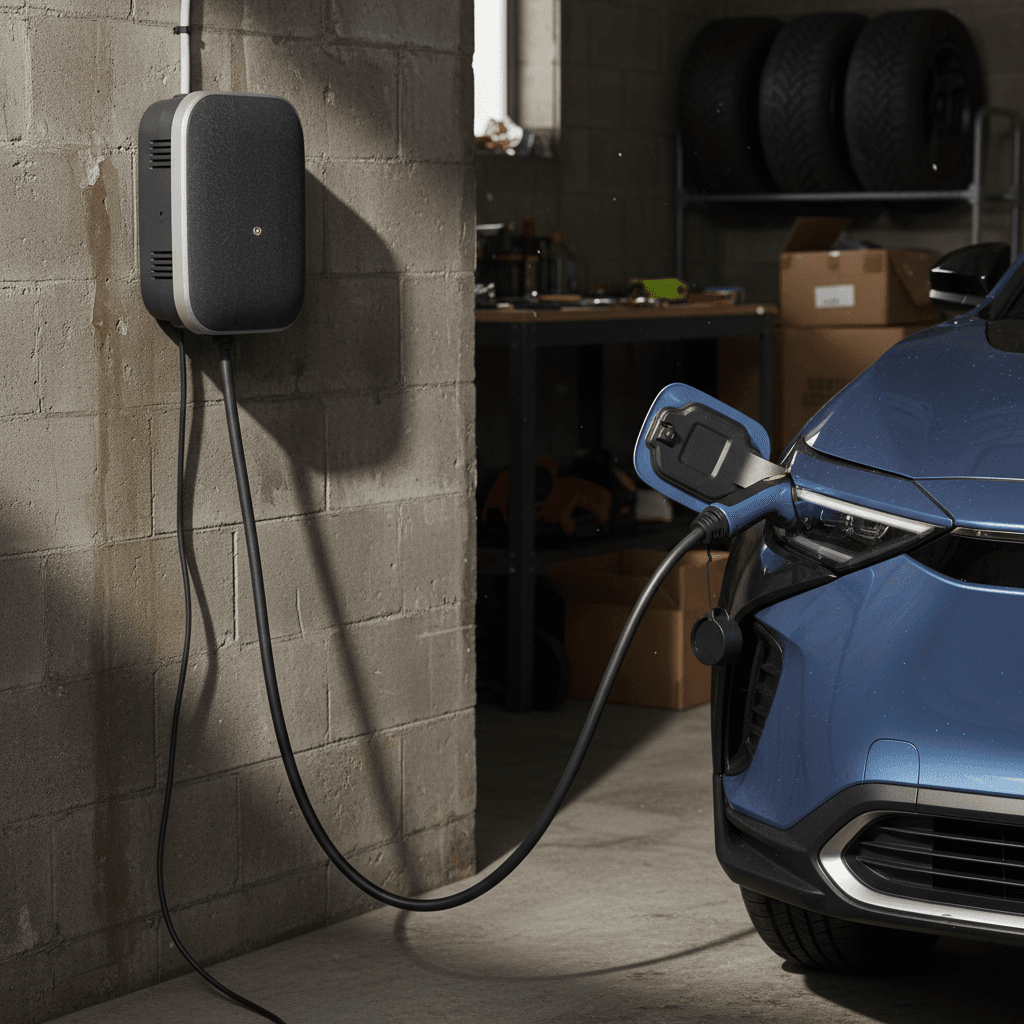
Always involve a licensed electrician
Smart features that are worth paying for
Modern home chargers increasingly look like connected appliances rather than dumb cords. For a Toyota bZ4X, you don’t need every bell and whistle, but a few smart features are genuinely useful, especially as utilities roll out more aggressive time‑of‑use pricing.
High‑value smart features for bZ4X owners
Off‑peak scheduling and TOU support
Schedule charging to start after your utility’s off‑peak window begins, or let the charger automatically follow rate schedules. This is one of the easiest ways to cut fueling costs without changing your driving.
Adjustable amperage from the app
Being able to dial a 40‑amp charger down to 24 or 32 amps from your phone is invaluable if your panel is tight or you’re also running other big loads on hot evenings.
Usage and cost tracking
Per‑session kWh and estimated cost data helps you compare home charging to DC fast charging and makes EV ownership more tangible, especially if you’re splitting costs with a housemate.
Multiple‑user profiles
If more than one person drives or more than one EV is in the household, user profiles make it easier to understand who’s using how much energy and when.
Load sharing for two chargers
If you’re charging a bZ4X alongside a second EV, look for chargers that can share a single larger circuit and divide current automatically.
Nice‑to‑have for solar homes
Real‑world bZ4X charging times and costs at home
Toyota’s official numbers and real‑world owner reports converge on a simple reality: the bZ4X is not the fastest‑charging EV in its class, but it’s perfectly fine for overnight home use. What matters is how that translates into your schedule and electric bill.
Typical home charging scenarios for a Toyota bZ4X
Illustrative examples for a roughly 72 kWh bZ4X pack; your numbers will vary with climate, driving style, and local rates.
| Scenario | Charger setup | Energy added | Estimated time | Approx. cost |
|---|---|---|---|---|
| Nightly top‑off (30% → 80%) | 32 A Level 2 (~7 kW) | ~36 kWh | ~5–6 hours | About $6–$8 |
| Deep charge (10% → 100%) | 32 A Level 2 (~7 kW) | ~60+ kWh usable | ~9–11 hours overnight | Roughly $9–$12 |
| Light commuter (from 60% back to 80%) | 32 A Level 2 (~7 kW) | ~14–16 kWh | ~2–2.5 hours | Around $2–$3 |
Assumes U.S. electricity rates of roughly $0.15–$0.20 per kWh and typical charging losses.
Home vs public DC fast charging
bZ4X home charging setup checklist
If you want a bZ4X home‑charging setup that just works, and doesn’t require becoming a part‑time electrician, walk through this checklist step by step.
From panel to plug: getting your bZ4X ready for home charging
1. Confirm your model’s AC capability
Check your owner’s manual or door‑jamb build date. Most 2023–2025 bZ4X models in North America are limited to around 32 amps on Level 2; the refreshed bZ can handle more. This sets the ceiling for how much a home charger can help.
2. Audit your electrical panel
Have an electrician review your main service size (often 100, 150, or 200 amps) and existing large loads. Ask what breaker size and charger amperage your home can realistically support without an expensive service upgrade.
3. Choose the right amperage and form factor
For early bZ4X models, a 32‑amp wallbox (plug‑in or hardwired) on a 40‑amp circuit is usually ideal. For the newer bZ, consider 40–48 amps on a 50–60‑amp circuit if your panel can spare it.
4. Decide on location and cable management
Plan where the car will usually park, how the cable will reach the charge port, and where the holster will sit. A thoughtful layout avoids cord tripping hazards and makes daily use smoother.
5. Schedule a professional install
Have your electrician install the circuit, receptacle (if needed), and charger in one visit. Ask them to label the breaker clearly and walk you through basic operation and shut‑off.
6. Configure smart features on day one
Connect the charger to Wi‑Fi, set an off‑peak schedule that aligns with your utility rates, and verify that the current limit matches the breaker and wiring.
How Recharged helps bZ4X and bZ owners
If you’re still cross‑shopping EVs, or you’re considering a used Toyota bZ4X, home charging is only one piece of the ownership puzzle. Battery health, real‑world range, and running costs matter just as much as the charger you bolt to your wall.
What Recharged brings to the table for Toyota EV shoppers
Make sure the EV you buy matches the charging setup you’re building.
Recharged Score battery health reports
Every EV we list, including models like the bZ4X, comes with a Recharged Score Report that quantifies battery health and charging behavior. That helps you understand how a previous owner used (or abused) DC fast charging and what to expect from your home Level 2 setup.
Transparent pricing & financing
We benchmark every vehicle against the broader EV market, and our team can help you secure financing that assumes home charging from day one. That way, your total cost of ownership reflects reality, not gas‑era assumptions.
Trade‑ins, consignment & delivery
Recharged offers trade‑ins, instant offers, consignment, and nationwide delivery, plus an Experience Center in Richmond, VA. Our EV‑specialist staff can walk you through what Level 2 setup makes sense for your driveway before you ever sign.
Ready to find your next EV?
Browse VehiclesWhether you’re selling an existing EV, stepping into your first Toyota bZ, or comparing the bZ4X against other used EVs, our goal is to make the transition to electric, including home charging, far less opaque than the traditional dealership experience.
Toyota bZ4X home charging FAQ
Frequently asked questions about bZ4X home chargers
Bottom line: choosing the best home charger for your bZ4X
For the Toyota bZ4X, the “best” home charger isn’t the biggest number on a spec sheet, it’s the one that fits your car’s AC limit, your panel’s capacity, and your daily routine. For most 2023–2025 bZ4X owners in the U.S., that means a reputable, UL‑listed 32‑amp Level 2 charger on a dedicated 40‑amp, 240‑volt circuit, ideally with basic smart features for off‑peak scheduling. If you’re driving the newer Toyota bZ or planning for multiple EVs, stepping up to a 40–48 amp unit can make sense as long as your panel can support it.
Get those fundamentals right and your home charger fades into the background, your bZ4X simply leaves the driveway every morning with the range you need. And if you’re still deciding which EV to pair with that wallbox, Recharged’s used‑EV marketplace, Recharged Score battery reports, and EV‑specialist support can help you choose a car and a charging setup that actually work together in the real world.