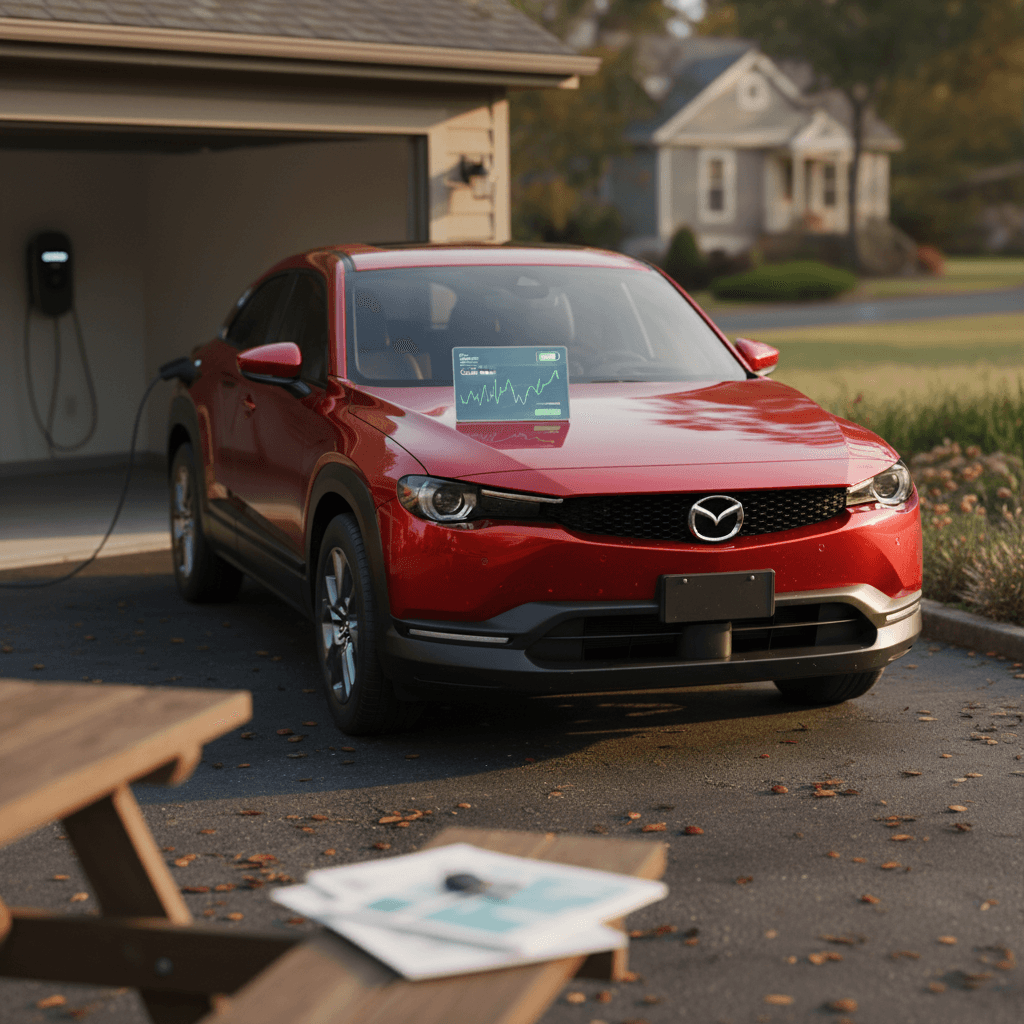
If you’re considering a Mazda MX-30, you’re probably not just wondering whether it fits your lifestyle, you’re trying to understand the long-term ownership cost. This compact EV is quirky, rare, and limited in range, which makes its cost profile very different from a Tesla Model 3 or a Chevrolet Bolt. Let’s walk through what you can realistically expect to spend over several years, especially if you’re looking at a used MX-30.
Quick take
Why Mazda MX-30 ownership costs are unique
Most EV cost-of-ownership stories start to sound the same: low maintenance, cheap charging, higher upfront price. The Mazda MX-30 adds a few twists. Its relatively small battery, limited U.S. sales, and sub‑150‑mile EPA range mean it behaves more like a niche city car than a mainstream compact EV. That affects everything from resale value to insurance and how much you’ll actually drive it.
Key factors that shape MX-30 long-term costs
Where this EV behaves differently from the pack
Small battery, short range
The MX-30’s battery pack is on the smaller side for modern EVs. That lowers charging cost per session but can limit how many miles you rack up each year.
High early depreciation
Limited demand and range anxiety concerns have pushed resale values down faster than many rivals. That’s painful for first owners, but an opportunity for used buyers.
Urban-focused usage
Most MX-30s live in cities or suburbs, see lower annual mileage, and charge at home. That usually means less wear and tear and more predictable running costs.
Upfront price vs used Mazda MX-30 value
New MX-30s were priced in line with other compact EVs when they launched, but the used market tells a different story. Today, in many regions, you’ll find used MX-30s priced well below comparable-range EVs, largely because shoppers focus heavily on range and nationwide support.
New vs used price positioning for the Mazda MX-30
Approximate positioning of MX-30 pricing versus similar urban-oriented EVs. Actual pricing will vary by mileage, condition, and market.
| Model | Typical new MSRP range* | Typical used asking price (3–4 yrs old) | Positioning |
|---|---|---|---|
| Mazda MX-30 | Similar to other compact EVs when new | Noticeably lower than many rivals | High initial drop creates used bargains |
| Chevrolet Bolt EV | Competitive compact EV pricing | Holds value reasonably well | More range, stronger demand |
| Hyundai Kona Electric | Higher but competitive MSRP | Moderate depreciation | Better range, broader appeal |
The MX-30 often looks expensive new but becomes a value play on the used market.
Pricing note
Depreciation: how fast does the MX-30 lose value?
Depreciation is where the Mazda MX-30 stands out most. Early buyers absorbed steep drops as more capable EVs hit the market with longer range and broader charging support. That means two things for you:
- If you bought new, your 5‑year cost of ownership will be driven heavily by depreciation.
- If you buy used today, a large chunk of that depreciation has already happened, your downside risk is smaller.
How depreciation shapes MX-30 costs
Smart shopper move
Battery health and replacement risk
Battery health is the single biggest wild card in any EV’s long-term ownership cost. The MX-30’s smaller pack means replacement would be costly relative to the car’s resale value, so you want to be confident about its condition, especially on a used purchase.
What typically happens over time
- Gradual capacity loss: Like all lithium-ion packs, MX-30 batteries slowly lose usable capacity. That shows up as fewer miles per charge.
- Usage patterns matter: Frequent DC fast charging, high temperatures, and constant 100% charging can accelerate degradation.
- Low annual mileage: Many MX-30s are city commuters, which can actually help limit total battery wear.
Why a health report matters
- Battery = value: On a compact EV, the battery is a large share of the car’s remaining value.
- Predictable range: Knowing real-world capacity tells you whether the car still fits your commute five years from now.
- Negotiation power: Verified health data can justify the price, or give you leverage to walk away.
How Recharged approaches battery risk
Charging costs: home vs public
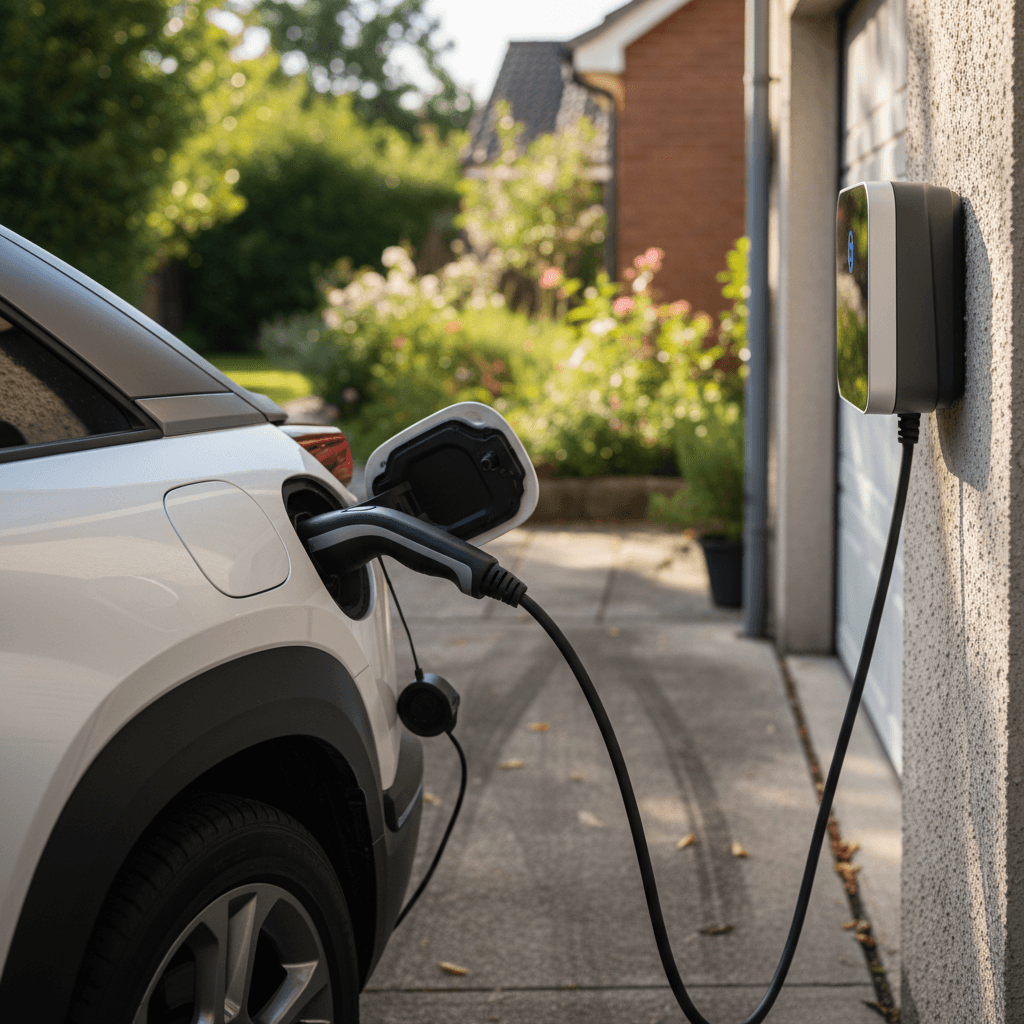
Charging is usually where EVs shine on cost, and the Mazda MX-30 is no exception. Its smaller battery means lower absolute energy use, but you’ll charge more frequently. Your actual spending depends on how you split charging between home and public networks.
Typical MX-30 charging cost patterns
Illustrative scenarios assuming U.S. electricity prices and urban driving. Your numbers will depend on local rates and mileage.
| Scenario | Home charging share | Typical driver profile | Cost impact |
|---|---|---|---|
| Home-dominant | 80–100% | Garage or driveway parking, Level 2 charger installed | Lowest cost per mile; monthly charging bill often beats gas by a wide margin. |
| Mixed | 40–60% | Apartment or street parking with some workplace/public charging | Moderate costs; public DC fast charging used for top-ups. |
| Public-heavy | 0–30% | Urban drivers relying mostly on public networks | Highest cost per mile; still competitive with gas but can erode EV savings. |
Home charging tends to deliver the lowest cost per mile for the MX-30.
Control your charging bill
Maintenance and repairs for the MX-30
Like other EVs, the MX-30 skips oil changes, spark plugs, and transmission service. That doesn’t mean it’s maintenance‑free, but the routine service list is shorter and usually cheaper than a comparable gas Mazda crossover.
Typical long-term maintenance items
Tires and alignment
EVs are heavier than similar gas cars, and instant torque can wear tires faster. Budget for tire replacement every few years, plus periodic alignments.
Brake system service
Regenerative braking means pads last longer, but calipers and fluid still need attention. Occasional inspections prevent rust and sticking components.
Cabin air filter & fluids
You’ll still change the cabin filter and maintain coolant for the battery and electronics. These are relatively low-cost but should be done on schedule.
Software updates & recalls
Software plays a big role in EV performance. Keep up with updates and recall campaigns to preserve efficiency, range, and safety features.
Out-of-warranty repairs
Insurance, registration, and taxes
Insurance and taxation don’t usually make or break MX-30 ownership, but they do influence your total monthly outlay.
Insurance considerations
- Vehicle value: Because the MX-30’s resale value can be lower than peers, comprehensive and collision premiums may not be as high as you’d expect for an EV.
- Repair expertise: Check that your insurer is comfortable with EV repairs and battery-related claims in your region.
- Usage pattern: If you’re putting on modest city miles, you may qualify for low‑mileage discounts.
Registration & taxes
- State EV fees: Some states add EV‑specific registration fees. Factor that into your annual cost.
- Local incentives: Certain areas still offer EV tax breaks, utility rebates, or discounted parking that can offset ownership costs.
- Used vs new: Incentives change often; used EVs sometimes qualify for separate credits, which can improve your long‑term math.
5-year cost of ownership scenarios
Because market prices and electricity rates move, it’s more useful to think in scenarios than in single hard numbers. Here’s how the Mazda MX-30’s long-term ownership cost usually looks compared with a similar gas crossover if you buy used today.
Illustrative 5-year cost-of-ownership patterns
Conceptual comparison of cost buckets for a used Mazda MX-30 vs a similar gasoline compact crossover over 5 years.
| Cost bucket (5 years) | Used Mazda MX-30 | Similar used gas crossover | What this means |
|---|---|---|---|
| Depreciation | Generally lower from today’s price point | Moderate but steady | Buying after the big drop can make the MX-30 attractive. |
| Energy (fuel vs electricity) | Usually lower, especially with home charging | Higher, subject to gas price swings | EV advantage grows with more annual miles, up to the MX-30’s range limit. |
| Maintenance & repairs | Lower routine maintenance; riskier high-ticket electronics/battery repairs | More frequent maintenance but predictable repair ecosystem | Well-kept EVs often win here; poor service history can erase that advantage. |
| Insurance & fees | Comparable or slightly higher depending on state and carrier | Generally predictable | Local rules and EV fees will tilt the balance either way. |
Depreciation hits early owners hardest; used buyers mainly juggle charging, maintenance, and insurance.
Think in total monthly cost
What to look for when buying a used MX-30
If you’re targeting a used Mazda MX-30 to capture those depreciation savings, your long-term cost will hinge on how carefully you choose the car in front of you. A bargain with hidden issues can cost more over five years than a slightly pricier but well‑documented example.
Used Mazda MX-30 cost-protection checklist
1. Verify battery health
Ask for objective battery diagnostics, not just a dashboard range guess. Capacity readings and pack temperature behavior tell you how much life is realistically left.
2. Review charging history
Look for clues on how the car was charged: mostly home Level 2, or constant DC fast charging? Steady, moderate charging is easier on the pack.
3. Confirm software and recalls
Make sure all software updates, recalls, and technical service bulletins are completed. These can impact efficiency, range, and reliability.
4. Inspect tires, brakes, and suspension
Uneven tire wear, spongy brakes, or clunks over bumps suggest extra future spending. These aren’t EV‑specific, but they absolutely affect your cost of ownership.
5. Check warranty status
See what factory coverage remains on the battery, power electronics, and general components. Warranty can shift repair risk away from your wallet.
6. Understand previous usage
A lightly used city commuter with clean service records is often a better bet than a heavily fast‑charged car that’s racked up highway miles.
How Recharged helps Mazda MX-30 buyers
Because the MX-30 is a niche EV, many shoppers aren’t sure how to judge whether a particular car is a smart long-term bet. That’s where a transparent, data‑driven buying experience matters.
Reducing long-term cost surprises with Recharged
How a used-EV focused marketplace changes the math
Recharged Score battery diagnostics
Every MX-30 on Recharged includes a Recharged Score Report with verified battery health. You see how the pack is performing today, before you commit.
Fair market pricing
Recharged benchmarks pricing against live market data so you don’t overpay. That protects you from starting your ownership journey already underwater.
Financing, trade-ins & delivery
From EV‑friendly financing and trade‑in options to nationwide delivery and consignment, Recharged helps you get into the right MX-30 with fewer surprises.
Ready to find your next EV?
Browse VehiclesMazda MX-30 ownership cost FAQ
Frequently asked questions about Mazda MX-30 long-term costs
Is the Mazda MX-30 worth it long term?
The Mazda MX-30 will never be the right EV for everyone. Its limited range and niche positioning mean it’s best suited to urban and suburban drivers with predictable, shorter routes. But for those drivers, especially shoppers buying used, the MX-30 can deliver low daily operating costs and a refined, well‑equipped cabin for surprisingly little money, as long as you choose carefully and understand the tradeoffs.
If you’re weighing a Mazda MX-30 against other used EVs, start by clarifying your real‑world range needs, then compare total monthly cost, payment, charging, insurance, and maintenance, rather than sticker price alone. A data‑driven report like the Recharged Score, plus expert EV guidance, can turn what feels like a risky bet into a confident, long-term choice that fits both your lifestyle and your budget.