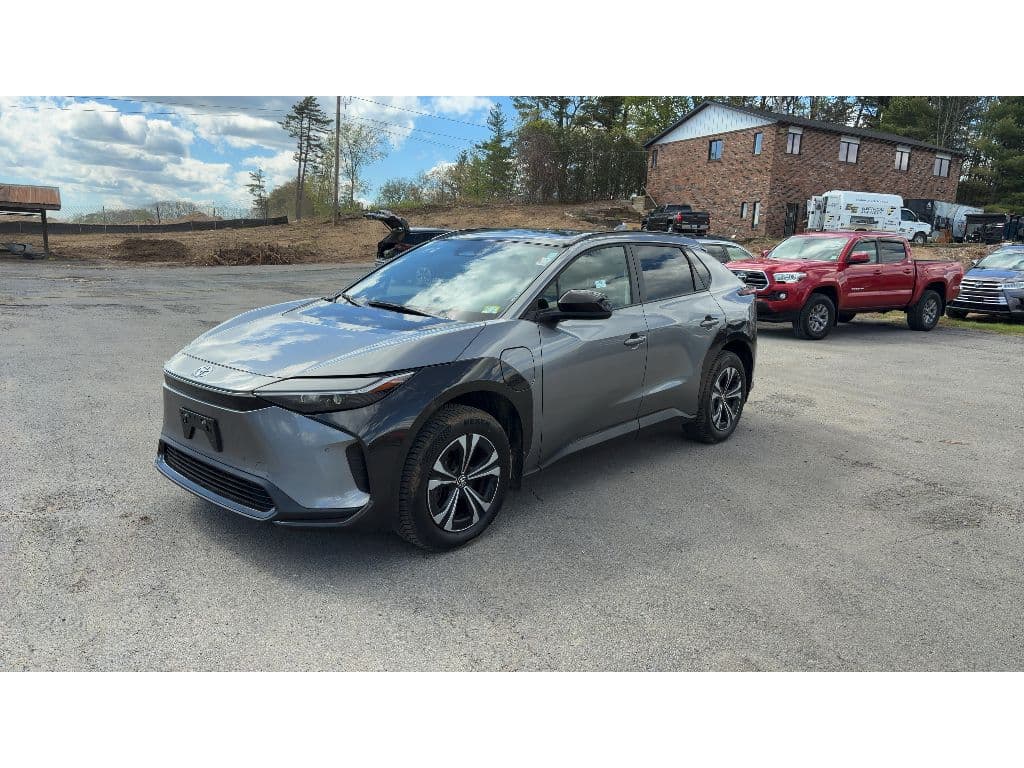
If you’re looking at a Toyota bZ4X, new or used, the question isn’t just “What’s the range?” It’s “What happens when that range starts to fade?” Understanding the Toyota bZ4X battery warranty and what it actually covers is the difference between a confident long-term keeper and a very expensive science project in your driveway.
Quick takeaway
Toyota bZ4X Battery Warranty at a Glance
Core Toyota bZ4X Warranty Numbers
On paper, the bZ4X battery warranty broadly matches what you see from other legacy brands in the U.S.: an 8‑year/100,000‑mile promise on the high‑voltage pack. Where it gets interesting, and murky, is what counts as a “defect,” how Toyota treats capacity loss, and what they can chalk up to “normal wear.”
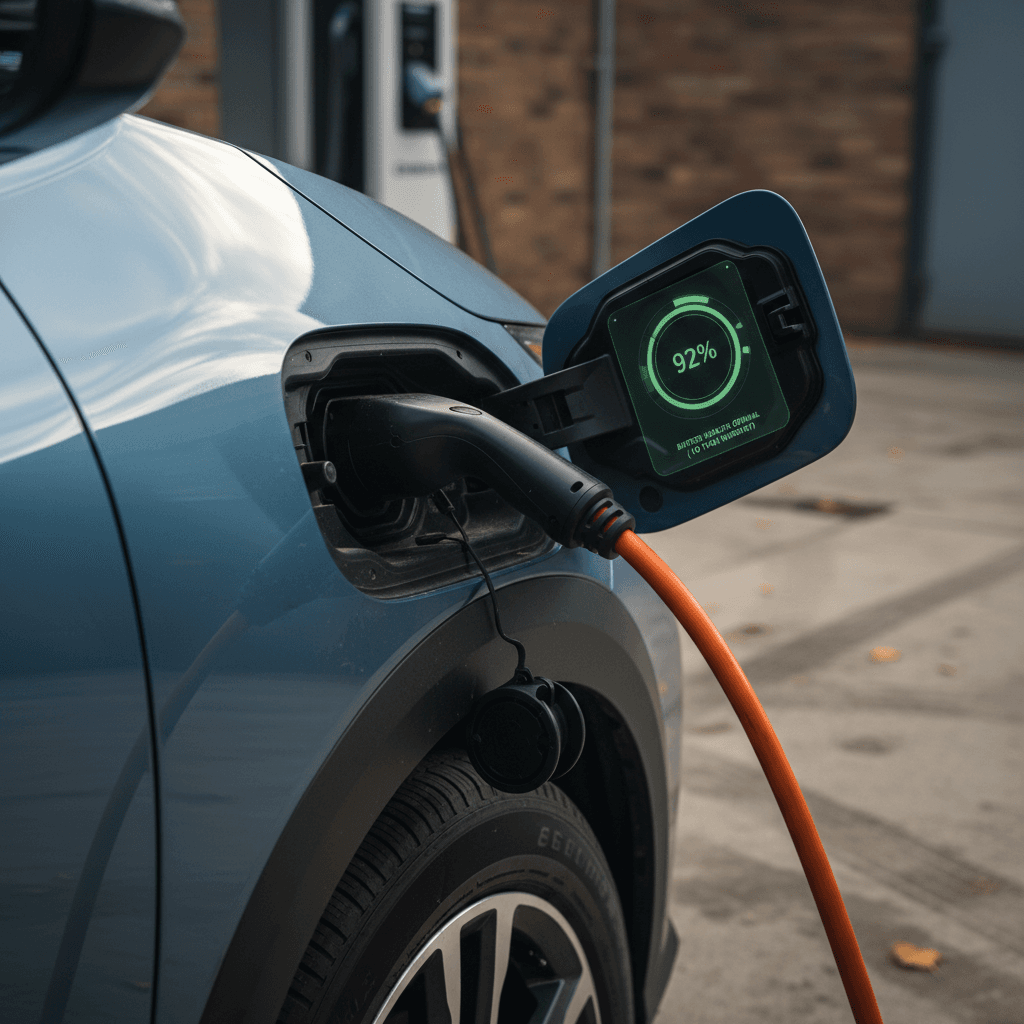
How Long the Toyota bZ4X Battery Warranty Lasts
Toyota bZ4X Warranty Coverage by System
Approximate U.S. warranty terms for the Toyota bZ4X. Always confirm exact coverage for your model year and region in the official warranty booklet.
| System | Years | Miles | What It Generally Covers |
|---|---|---|---|
| High‑Voltage (HV) Battery | 8 | 100,000 | Battery pack, modules, and related high‑voltage components if defective |
| EV Drive Components | 5 | 60,000 | Electric motor, transaxle, inverter, some high‑voltage hardware |
| Basic (Bumper‑to‑Bumper) | 3 | 36,000 | Most non‑wear components, electronics, interior hardware |
| Corrosion Perforation | 5 | Unlimited | Rust‑through of body panels from the inside out |
Time and mileage limits are measured from the original in‑service date, not the model year on the badge.
The clock doesn’t start when the car was built; it starts when the vehicle was first put into service (sold or leased, or placed in demo service). If you’re buying used, that date might be two or three calendar years behind the model year. A 2023 bZ4X first sold on March 1, 2023 will see its HV battery warranty expire on March 1, 2031 or at 100,000 miles, whichever hits first.
Watch the in‑service date
What the bZ4X Battery Warranty Actually Covers
Toyota’s language is buttoned‑down, as you’d expect, but in plain English the bZ4X battery warranty is designed to cover defects in materials or workmanship in the high‑voltage battery and associated hardware, not every loss of range you might notice over time. Still, there are a few key protections worth calling out.
- Defective HV battery pack or modules: If a cell group, module, or the full pack fails prematurely due to a manufacturing defect, Toyota will repair or replace it under the 8‑year/100,000‑mile HV battery warranty.
- Battery management and high‑voltage electronics: Components like the battery control module, current sensors, relays, and some high‑voltage wiring are typically included when their failure affects the high‑voltage system.
- Capacity below Toyota’s promised threshold: Toyota has stated an intent for the bZ4X pack to retain at least around 70% of its original capacity over 8 years/100,000 miles under normal use. If your pack falls significantly below that, while you’ve followed the rules, that can trigger warranty coverage.
- Software updates required to correct a defect: If Toyota issues an update to fix a confirmed defect in the way the car manages or monitors the battery, that work is generally covered as part of the HV system warranty.
Know how “capacity” is measured
What Is NOT Covered by the bZ4X Battery Warranty
Here’s where many EV shoppers get tripped up. The bZ4X warranty is generous compared with gasoline powertrains, but it is not a blank check for every range complaint. Toyota carves out a long list of scenarios that fall outside coverage.
Common bZ4X Battery Warranty Exclusions
Issues Toyota can reasonably call “normal wear,” misuse, or outside influence.
Normal degradation
Heat & environment
Improper charging
Unauthorized repairs
Accidents & damage
Neglect
Don’t count on “range feels worse” alone
Battery Capacity Loss and Real-World Range
Toyota’s public target for the bZ4X is that the pack should retain at least about 70% of its original usable capacity after 8 years or 100,000 miles under typical use. In the real world, what you feel is not capacity; it’s range, and that’s shaped by your habits more than by fine warranty print.
Battery capacity: the warranty’s concern
- Measured in kWh (kilowatt‑hours), not miles.
- Slowly declines over time in all lithium‑ion packs.
- If it drops far beyond Toyota’s expected curve, that’s where warranty coverage can come into play.
- Assessed with dealer diagnostics and internal state‑of‑health metrics, not seat‑of‑the‑pants impressions.
Range: your daily reality
- Swings with speed, temperature, terrain, and HVAC use.
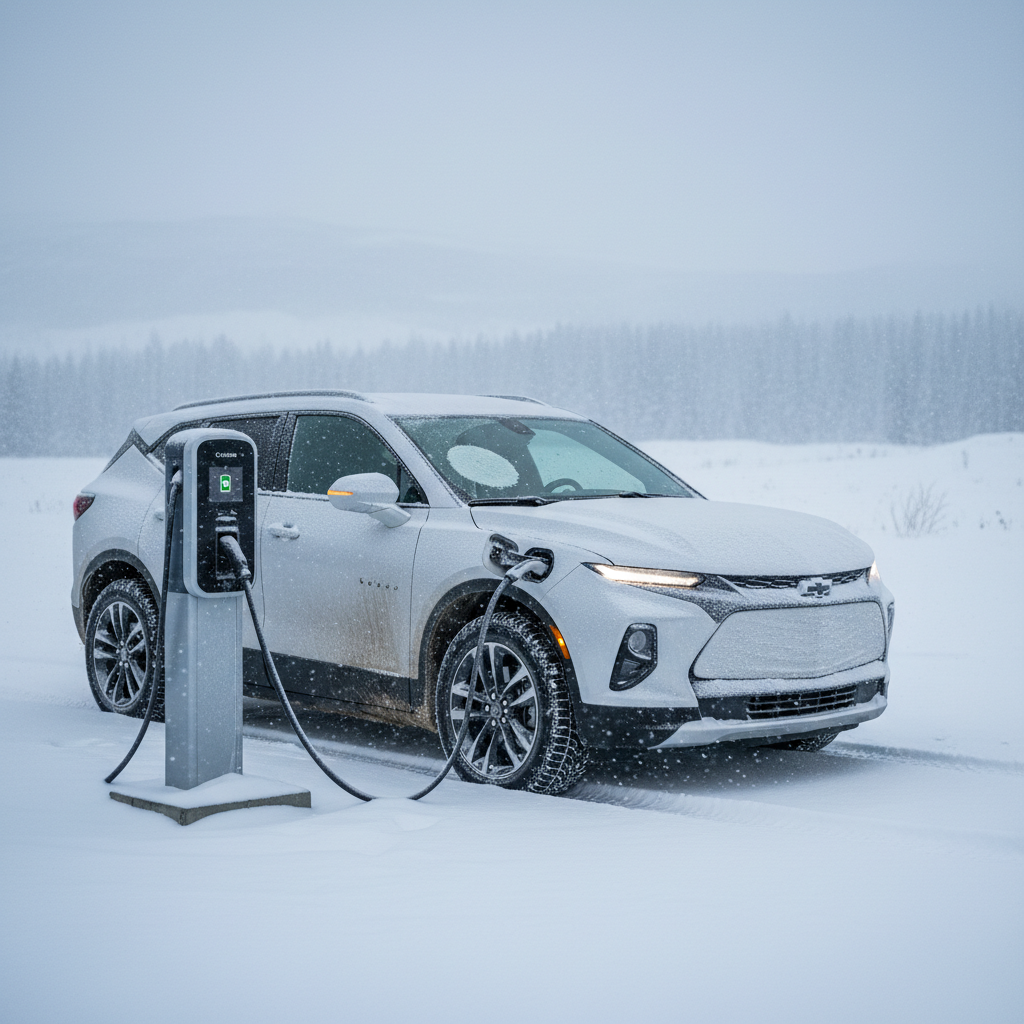
- Winter, high speeds, and roof racks can all knock 10–30% off range without any battery defect at all.
- A pack at 80–85% capacity in year six might still deliver perfectly usable real‑world range if you drive efficiently.
- Conversely, you can make a brand‑new bZ4X look “weak” by driving it like a stolen golf cart in sub‑freezing weather.
What 70% capacity feels like
How the bZ4X Battery Warranty Compares to Rivals
On the spec sheet, Toyota’s bZ4X battery warranty is conservative but competitive. Everyone’s reading from roughly the same hymnal: a long battery warranty looks good in marketing, but the automaker still needs daylight between genuine defects and normal chemistry doing its thing.
bZ4X Battery Warranty vs. Key Competitors (U.S.)
High‑level comparison of manufacturer‑stated battery warranties for popular compact EVs available in the U.S.
| Model | Battery Warranty (Years/Miles) | Stated Capacity Guarantee* | Notes |
|---|---|---|---|
| Toyota bZ4X | 8 / 100,000 | ~70% over warranty term | Toyota emphasizes conservative pack management to slow degradation. |
| Hyundai IONIQ 5 | 10 / 100,000 | Around 70% | Longer time coverage; Hyundai is aggressive on EV warranty marketing. |
| Kia EV6 | 10 / 100,000 | Around 70% | Similar to Hyundai; strong warranty reputation. |
| Volkswagen ID.4 | 8 / 100,000 | 70% | EPA‑class standard for mainstream EVs. |
| Tesla Model Y | 8 / 120,000 (LR) | No explicit % in U.S. docs | Strong real‑world degradation record; less explicit about thresholds. |
All manufacturers have detailed fine print and regional variations, always confirm for your specific VIN and market.
Where Toyota sits in the pack
Warranty Fine Print and Real-World Risks
Battery warranties are written by lawyers employed by risk‑averse accountants. The language is dense for a reason: it gives the brand room to say “no” when abuse, edge‑case use, or just plain bad luck muddies the waters. With the bZ4X, there are a few clauses you should mentally highlight.
- Owner obligations: Toyota expects you to follow the charging, storage, and maintenance guidance in the owner’s manual. Deviating wildly, storing at 100% for months, ignoring warning lights, gives them ample cover to deny a claim.
- Data logging: Modern EVs quietly log state‑of‑charge, fast‑charge frequency, temperatures, and more. In a disputed claim, this data can be used to argue the battery was abused, not defective.
- “Normal” degradation is vague: Toyota doesn’t promise a precise, linear degradation curve. If your pack loses 18% in three years and then stabilizes, that may be frustrating but still inside their expected band.
- Regional and model‑year differences: Warranty terms can vary slightly by year and by state (especially in CARB states). Always read the warranty booklet for your specific VIN, not just a brochure.
Always read the actual warranty booklet
Used bZ4X: What the Battery Warranty Means for You
On the used market, the bZ4X’s battery warranty is a kind of financial exoskeleton: invisible when everything’s fine, very obvious when something goes wrong. But by the time a bZ4X hits the sweet‑spot used price bracket, a big chunk of that 8‑year window may already be gone.
Key Battery Questions to Ask Before Buying a Used bZ4X
The smart shopper’s checklist, whether you’re buying from a dealer, private seller, or marketplace like Recharged.
1. What’s the in‑service date?
2. What’s the current mileage?
3. How was it charged?
4. Where has it lived?
How Recharged helps here
How to Protect Your bZ4X Battery, and Its Warranty
If the HV battery is the heart of the bZ4X, your job as an owner is shockingly simple: don’t make its life harder than it has to be. The good news is that Toyota’s software does a lot of the babysitting for you. Still, a few habits go a long way toward keeping both range and warranty intact.
bZ4X Battery Friendly Habits
Avoid living at 100% state‑of‑charge
Charge to full when you need the range (road trips, long days), but avoid leaving the car sitting at 100% for days at a time. For daily commuting, 60–80% is kinder to the pack.
Don’t make 0% a lifestyle
Running the bZ4X down to 0% occasionally won’t kill it, but regularly arriving home on fumes stresses cells at the bottom of the pack. Try to plug in around 10–20% instead.
Use DC fast charging strategically
Fast‑charging is a fantastic convenience tool, not a daily multivitamin. Use it on trips or when you’re genuinely in a rush, not as your primary charging solution if you can avoid it.
Mind heat and parking
Whenever possible, park in shade or a garage during extreme heat. The bZ4X has thermal management, but every degree helps slow long‑term degradation.
Keep software up to date
If Toyota issues software updates for the battery or charging system, get them done promptly. They can improve longevity, reliability, and sometimes even range estimates.
Document issues early
If you notice abrupt range drops, error messages, or charging problems, get them documented with a Toyota dealer while the car is still in warranty. A paper trail helps if you need a bigger claim later.
Extended warranties and third‑party plans
FAQ: Toyota bZ4X Battery Warranty
Frequently Asked Questions About the bZ4X Battery Warranty
Bottom Line: Should You Trust the bZ4X Battery Warranty?
Taken in isolation, the Toyota bZ4X battery warranty is neither wildly generous nor stingy. It’s a solid, industry‑standard 8‑year/100,000‑mile promise, backed by a brand that has built an empire on slow, conservative, low‑drama engineering. That doesn’t mean every range complaint becomes a free battery, but it does mean that clear defects and out‑of‑bounds capacity loss have a robust safety net.
If you’re buying new, the warranty should give you confidence to keep the bZ4X well into its second owner. If you’re buying used, the play is simple: verify how much warranty is left, get objective battery health data, and price the car accordingly. Platforms like Recharged build that into the experience, with Recharged Score battery diagnostics, transparent pricing, and EV‑specialist support so you’re not decoding warranty‑speak alone.
In other words: the bZ4X’s warranty is good. Your real leverage, though, is understanding what it doesn’t cover, driving and charging like you want the car to last, and, if you’re shopping used, only buying the bZ4X whose battery story you can actually see.