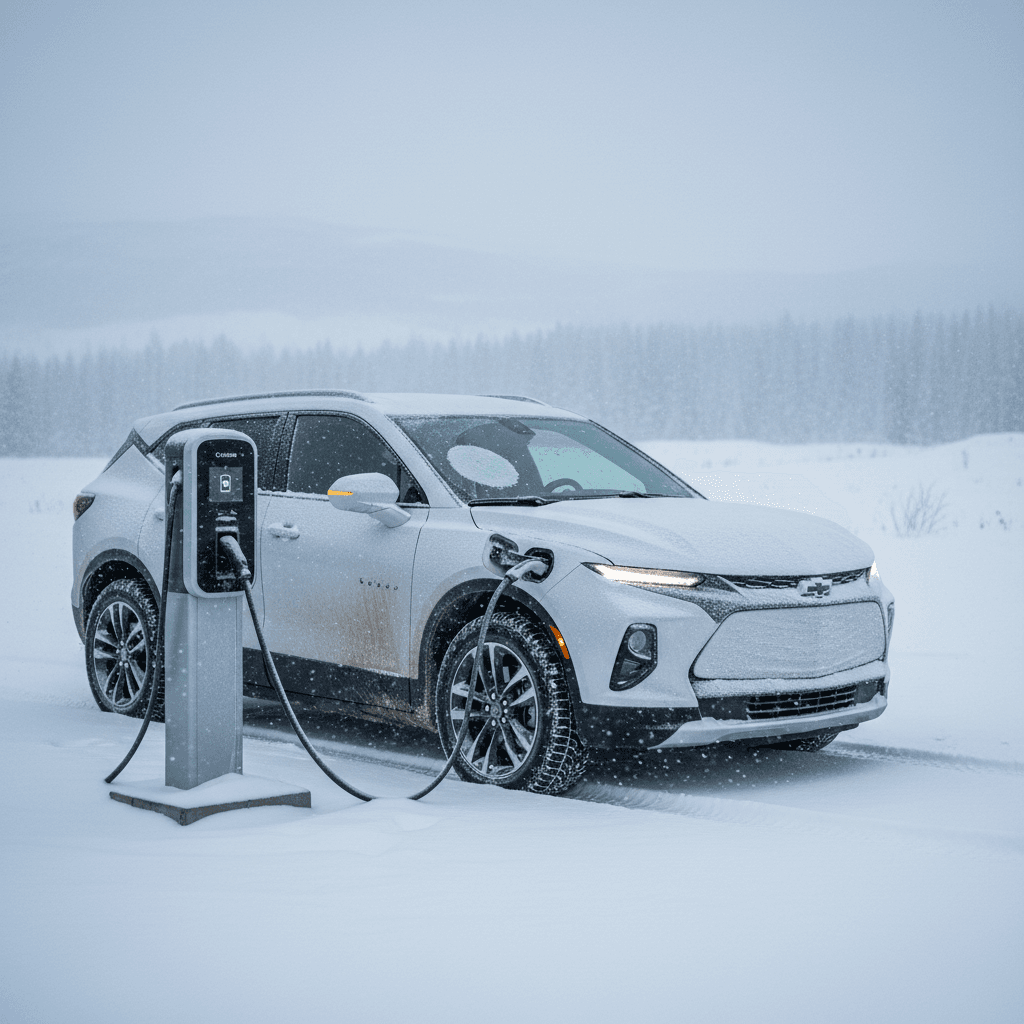
If you own a Fisker Ocean and watched your estimated range fall once temperatures dropped, you’re not alone. EVs always lose some range in the cold, but the mix of winter weather, aggressive EPA ratings and Fisker’s troubled software history has made “Fisker Ocean winter range loss” a hot topic, and a real concern for owners and used‑EV shoppers.
Key takeaway
Why Fisker Ocean winter range loss gets so much attention
Cold‑weather range complaints are nothing new in the EV world. What makes the Fisker Ocean stand out is the combination of three things:
- Very ambitious EPA range ratings (up to about 360 miles for some trims), which set high expectations.
- Fisker’s 2024 bankruptcy, which left owners understandably anxious about long‑term software support and parts.
- A stream of owner reports describing large swings in the dashboard’s range estimate, especially after software updates and when winter arrived.
When you add sub‑freezing temperatures and highway speeds to that cocktail, it’s easy to feel like your Ocean suddenly "lost" a huge chunk of its range. The good news: in most cases, the battery hasn’t suddenly gone bad. You’re seeing a mix of normal winter physics and some model‑specific quirks.
How much winter range loss is normal for any EV?
Before we single out the Fisker Ocean, it helps to know the baseline. Across brands, independent testing and fleet‑wide studies show that modern EVs typically retain around 75–85% of their rated range in freezing conditions, depending on temperature, speed and how you use the heater. That’s roughly a 15–25% winter hit, and in very harsh cold with short trips it can creep toward 40%.
Typical EV winter range impact
Why does this happen? In simple terms:
- Lithium‑ion batteries are less efficient when they’re cold, so you get fewer usable kilowatt‑hours.
- Your Ocean must spend energy heating the battery and cabin instead of just driving the wheels.
- Cold air is denser, tires are stiffer, and lubricants are thicker, all of which make the car harder to push through the air and down the road.
Think in percentages, not miles
What makes the Fisker Ocean unique today
The Fisker Ocean has a few quirks that color how winter range loss feels:
Fisker Ocean factors that shape winter range
Why your experience may feel different from other EVs
Ambitious range ratings
Software & estimate swings
Orphaned automaker
Big crossover footprint
Fisker Ocean winter range loss: what owners are seeing
Because Fisker shut down in 2024, we don’t have fresh factory data on the Ocean’s winter performance. What we do have are owner reports and general EV science. In online owner groups, some Oceans that showed 340–360 miles of estimated range in mild weather are dropping to the 220–260‑mile range estimate in cold conditions, and some drivers report real‑world highway legs closer to 240 miles between charges on winter road trips.
Those numbers can be alarming at first glance, but they line up with what you’d expect if:
- You start with a 350–360‑mile rating that was always optimistic for fast highway driving.
- Temperatures fall below freezing and you’re using plenty of cabin heat and defrost.
- Your software begins using recent driving and climate data to produce a more realistic estimate instead of the rosy EPA figure.
Don’t confuse the estimate with the battery
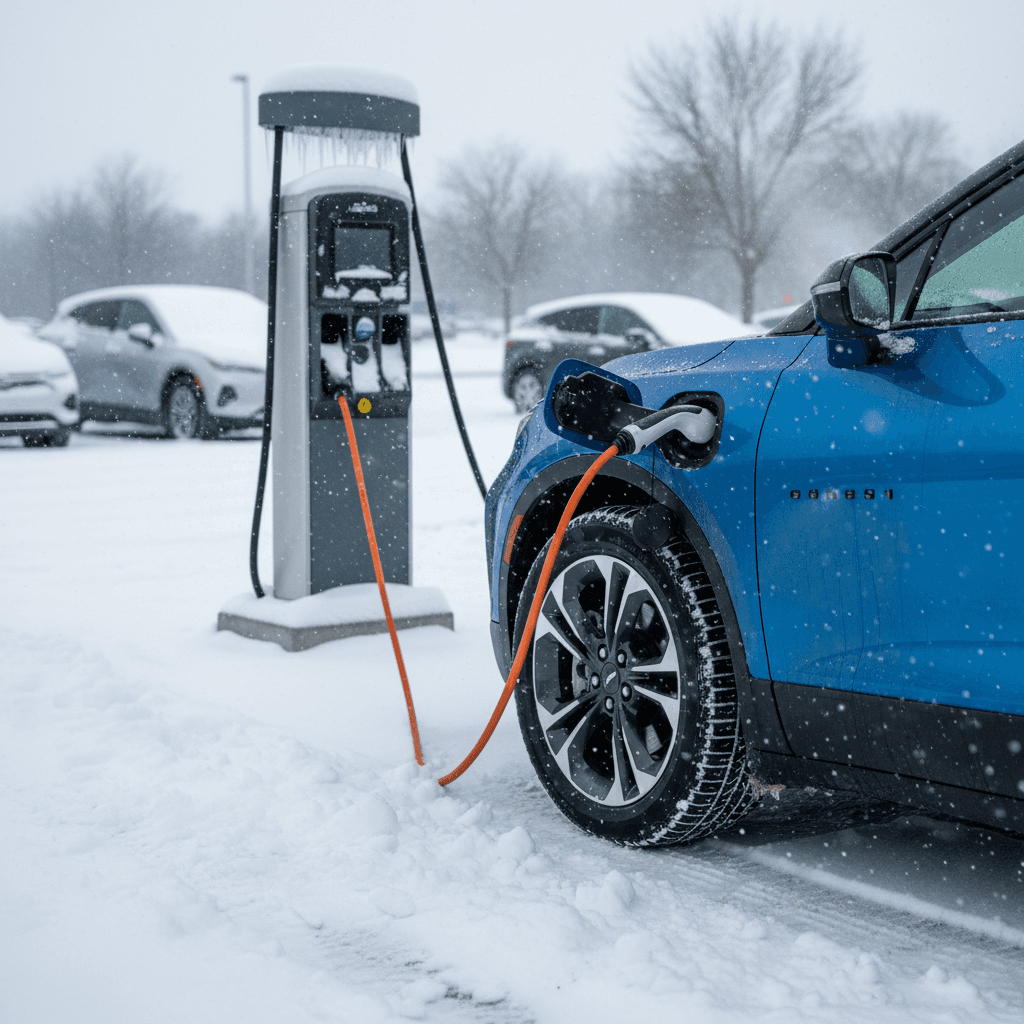
Normal vs. excessive range loss in winter
To get a handle on whether your Ocean’s behavior is normal, think in terms of percentages and repeatable tests, not just one scary drive home from the ski hill.
Is your Fisker Ocean’s winter range loss normal?
Approximate guidelines based on a 350–360‑mile EPA‑rated Ocean in sub‑freezing weather, starting from a full charge and driven continuously.
| Observed winter highway range | Approximate loss vs. rating | What it usually means | What to do |
|---|---|---|---|
| 260–300 miles | 15–25% | Within typical EV winter loss range when using heat and driving at highway speeds. | Monitor but don’t panic; optimize driving and charging habits. |
| 220–260 miles | 25–35% | On the high side, but still plausible in very cold temps, higher speeds or strong headwinds. | Try efficiency tips; verify over multiple trips before assuming a problem. |
| Under 220 miles | 35–40%+ | Excessive for moderate cold; might indicate software issues, poor tire choice, extreme cold or potential battery/thermal problem. | Log data, test at different temps, and seek expert diagnostics. |
| Range estimate drops dramatically after update, but real miles per % stay similar | Varies | Likely a gauge recalibration, not real capacity loss. | Track actual miles driven between charges to understand the truth. |
These are ballpark figures, not lab results, but they’ll help you calibrate your expectations.
When to treat it as a real problem
Practical steps to reduce Fisker Ocean winter range loss
You can’t change physics, but you can stack the deck in your favor. These techniques apply to any EV, but they’re especially helpful for an Ocean with a high rated range and a sometimes‑jumpy estimate.
Cold‑weather habits that protect your range
1. Precondition while plugged in
If your Ocean still supports preconditioning, warm the cabin and, if possible, the battery while the car is plugged in. That draws energy from the grid instead of your pack so you leave with a warm battery and full charge.
2. Use seat and wheel heaters first
Heated seats and steering wheels use far less energy than blasting the cabin heater. Set the cabin a bit cooler and let the contact heat keep you comfortable.
3. Avoid many short, cold starts
The worst range loss happens when the battery and cabin are reheated over and over. Combine errands into one longer trip so the battery and cabin stay warm.
4. Slow down on the highway
Above about 60–65 mph, aerodynamic drag climbs sharply, especially in dense cold air. Dropping 5–10 mph on winter road trips can easily save 10–15% of your energy use.
5. Check tires and wheels
Big wheels, aggressive all‑terrain tires and under‑inflation all hurt range. Make sure your pressures match the door‑jamb sticker, and recognize that winter or off‑road tires will cost you some miles.
6. Clear snow and ice
Snow on the roof, hood or wheel wells adds drag and weight. Clear as much as you can before driving to keep energy use down and safety up.
Aim for consistency, not perfection
Charging strategies for cold‑weather Ocean driving
The way you charge in winter can have as much impact on real‑world range as your right foot. That’s especially true for a larger‑battery SUV like the Ocean.
Keep the battery in its comfort zone
- Don’t live at 100%. For daily use, charging into the 70–90% band is usually sufficient and easier on long‑term battery health.
- Time your charge to finish before departure. If your onboard systems still support scheduling, aim to complete charging shortly before you leave. The pack will be warmer and more efficient.
- Avoid repeated DC fast charges on a cold pack. If possible, drive a bit before fast charging so the battery can warm up. Cold packs charge more slowly and put more stress on the cells.
Plan winter road trips differently
- Shorter, more frequent stops. In winter, it can be more efficient to charge from ~20% to 70% several times than to hammer the car from 5% to 100% once.
- Build in a bigger buffer. If you’d normally arrive with 10–15% in summer, aim for 20–25% in freezing weather, especially in remote areas.
- Know your networks. With an orphaned brand like Fisker, prioritize reliable public networks and check recent user reviews for stations along your route.
Watch out for cold‑soaked batteries
Does winter range loss mean your battery is damaged?
In most cases, no. Winter range loss is overwhelmingly about temperature and energy use, not permanent damage. When spring temperatures return, most owners see their usable range climb back toward familiar numbers.
Winter loss vs. true degradation
How to tell what’s really going on
Seasonal pattern
Degradation pattern
Diagnostic pattern
How Recharged approaches battery health
Thinking about buying a used Fisker Ocean?
The Fisker Ocean is an eye‑catching, rare EV with strong paper specs and a complicated backstory. As a used buy, especially in colder regions, it demands a bit more homework than a mainstream model, and winter range behavior should be near the top of your checklist.
Cold‑climate checklist for a used Fisker Ocean
1. Test drive in realistic conditions
If possible, drive the car in similar temperatures and at similar speeds to your real commute. Note miles driven versus percentage of battery used instead of fixating on the initial estimate.
2. Ask for a third‑party battery health report
Because Fisker is no longer supporting the fleet, a <strong>trustworthy, independent battery assessment</strong> is essential. Whether you buy through Recharged or elsewhere, don’t rely solely on the dash gauge.
3. Understand software status
Confirm what software version the Ocean is running, what the community or service provider recommends today, and whether range estimation improved or worsened after recent updates.
4. Inspect tires and wheels
Oversize wheels and aggressive tires may look great, but they hit range, especially in winter. Make sure the setup matches your climate and range needs.
5. Verify charging options where you live
Check access to reliable Level 2 charging at home or work and public DC fast charging on your common routes. Winter range loss matters less if charging is easy and predictable.
6. Compare with alternative used EVs
If you’re cross‑shopping a used Ocean with other electric SUVs, compare not just rated range but <strong>real‑world winter performance</strong>, support network, and long‑term parts availability.
Leaning on a specialist marketplace helps
FAQ: Fisker Ocean winter range loss
Common questions about Fisker Ocean winter range
Bottom line on Fisker Ocean winter range loss
Some winter range loss in a Fisker Ocean is completely normal, just as it is in a Tesla, Hyundai, or any other EV. What makes the Ocean feel different is its optimistic range rating, complex software history and the reality that its original maker is gone. Put those pieces together, and a January road trip can feel more dramatic than it really is.
If you focus on percentages instead of panic, use smart winter driving and charging habits, and back up your impressions with objective battery‑health data, the Ocean can still be a capable long‑range EV in cold climates. And if you’re shopping used, leaning on Recharged’s Recharged Score Report, fair pricing insights and EV‑specialist guidance can help you decide whether a particular Ocean, or another used EV, will deliver the winter confidence you need.