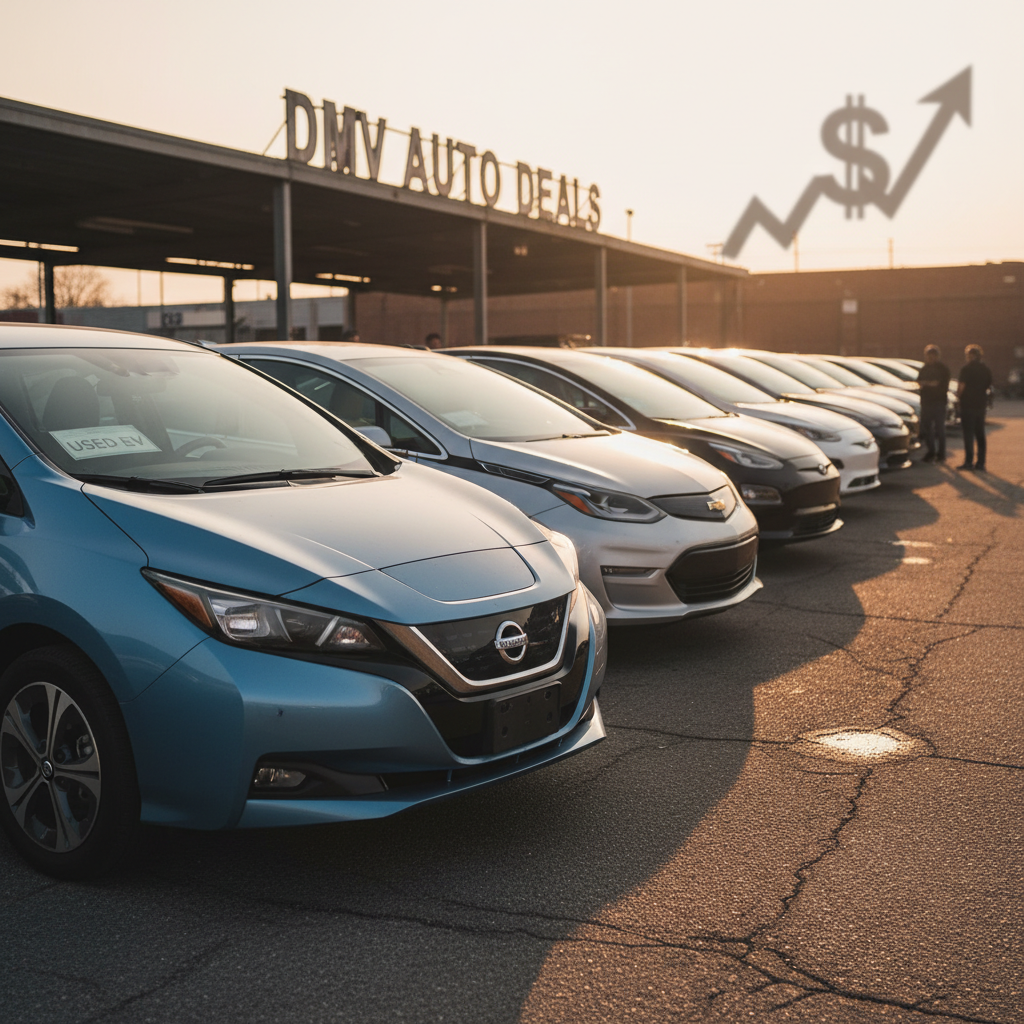
Tires for electric cars look like any other black, round, vulcanized afterthought. They’re not. On a modern EV, the tires are the last, fragile link between hundreds of pounds of battery, instant torque, and the indifferent physics of pavement. Get them right and you gain range, safety, and peace and quiet. Get them wrong and your electric car starts to feel like a very heavy car with a very bad shoe habit.
EV tires are becoming big business
Why tires for electric cars actually matter more
Electric vehicles are harder on tires than comparable gas cars. They’re heavier because of the battery pack, they deliver full torque from a standstill, and they’re eerily quiet, so any hum from the tires is suddenly starring in the soundtrack. The upshot: tires for electric cars do more work, more of the time.
Electric vehicle tires by the numbers
So if you’ve come from the world of crossovers and minivans where tires are a commodity you buy on sale at a warehouse club, it’s worth recalibrating. On an EV, tire choice directly affects range, braking distance, cabin refinement, and total cost of ownership.
Quick rule of thumb
How EV tires differ from regular tires
1. Load capacity and construction
Most electric cars carry hundreds of extra pounds thanks to their battery packs. EV‑specific tires typically use reinforced sidewalls, stronger belts, and higher load ratings to cope. That stiffness also helps keep handling consistent when you’re hauling a full cabin and cargo.
Mount under‑spec tires on a heavy EV and you invite heat build‑up, squirmy steering, and premature wear.
2. Rolling resistance and range
Rolling resistance is the parasitic drag your tires create as they deform and recover with every rotation. EV tires use special tread patterns and silica‑rich compounds to reduce that drag while still gripping in real weather.
Shave even a few percent off rolling resistance and you effectively add free miles of range to every charge.
3. Noise reduction
Because an EV powertrain is nearly silent, tire roar moves from background noise to lead vocalist. That’s why many tires for electric cars incorporate noise‑canceling tricks: foam liners glued to the inner carcass, staggered tread blocks, and pitch‑sequenced grooves that break up resonant frequencies.
Result: less drone at highway speeds and a cabin that feels more expensive than it is.
4. Instant torque and wear
EVs don’t ease into power; they drop the hammer immediately. That instant torque can chew through soft compounds and flimsy tread blocks. EV tires bias toward more robust shoulders and belt packages so the contact patch doesn’t smear itself off the tread in 20,000 miles.
That said, if you treat every stoplight like a drag strip, no tire engineer can save you.
Can you put regular tires on an EV?
How long EV tires last and when to replace them
There’s no single mileage number etched in stone, but in the real world many owners see 25,000–40,000 miles from factory EV tires, sometimes less on powerful or heavy models driven enthusiastically. That’s shorter than the 40,000–60,000 miles people are used to seeing advertised for touring tires on gas cars.
- Heavy curb weights and instant torque accelerate wear, especially on the rear axle of rear‑drive or all‑wheel‑drive EVs.
- Regenerative braking shifts some work away from the friction brakes but doesn’t spare the front tires from load during deceleration.
- Highway commuters who drive smoothly can still see excellent life; city drivers who hammer the throttle and steer aggressively will not.
Signs your EV tires are due for replacement
Tread depth at or below 4/32"
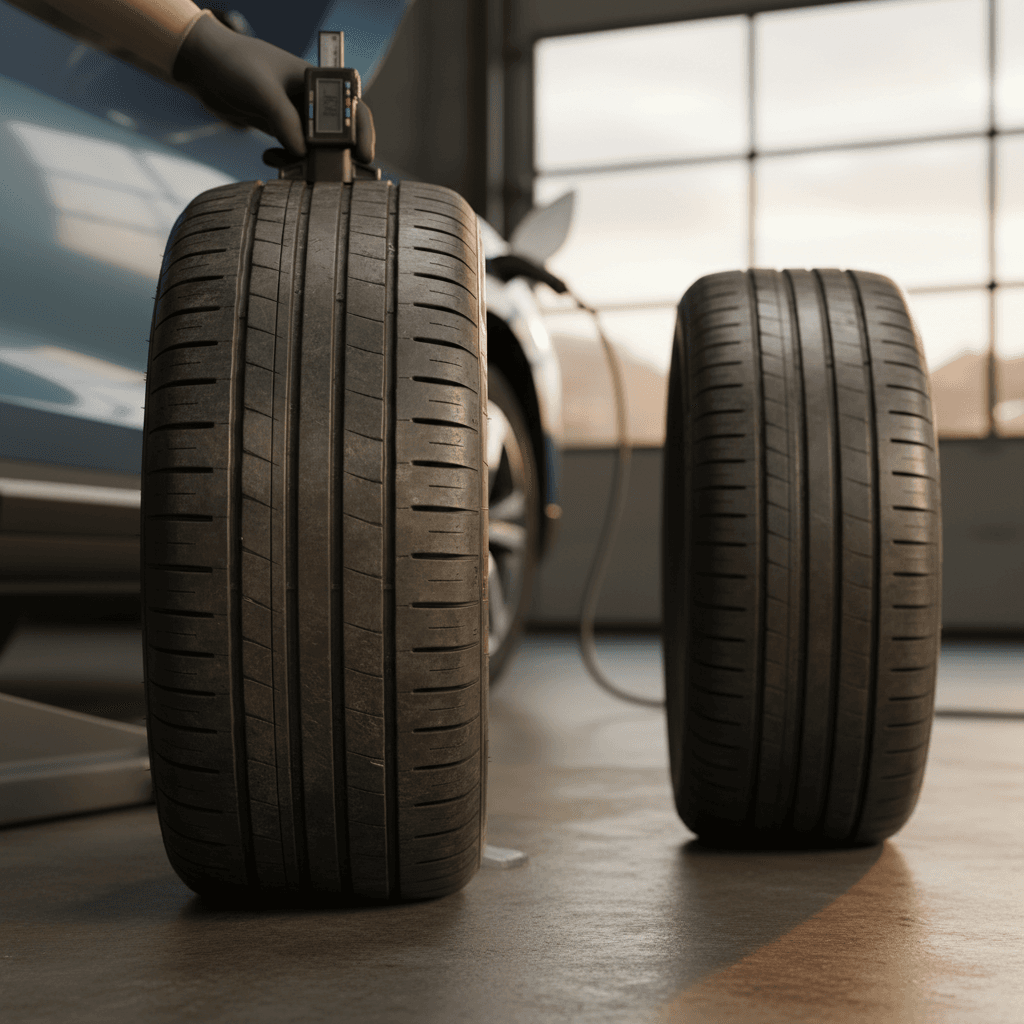
Most new tires start around 10/32". By 4/32", wet grip is deteriorating. At 2/32", they’re legally worn out in most U.S. states. Use a tread‑depth gauge or the old quarter/ penny test.
Uneven wear patterns
Feathered edges, cupping, or shoulders worn smooth while the center still has tread often point to alignment or pressure issues. EVs are sensitive to alignment; don’t ignore this.
Rising road noise or vibration
A sudden uptick in hum, thump, or steering wheel shake can signal cupping, broken belts, or flat spots. On a quiet EV, you’ll notice these earlier, take advantage of that and inspect.
Age: 6+ years
Even if you drive very little, rubber hardens and cracks. If your tires are more than six years past their manufacture date (check the DOT code), it’s time for a serious conversation with your tire shop.
Don’t run EV tires bald
What tires for electric cars cost in 2025
Here’s the unpleasant bit. Because they’re often larger, higher‑load, and still a relatively young niche, EV‑oriented tires typically run from about $150 to well over $300 per tire in the U.S. market, depending on size and performance level. High‑performance crossovers and premium sedans can wander north of that.
Typical price ranges for EV tires (U.S. market)
Ballpark pricing for a single tire before installation and taxes. Actual prices vary by brand, size, and availability.
| Vehicle type / tire size | Common tire examples | Approx. price per tire | What you’re paying for |
|---|---|---|---|
| Compact EV (16–17") | Eco‑focused all‑season or summer tires, often OEM patterns | $150–$220 | Low rolling resistance, decent tread life, good wet grip |
| Midsize sedan or crossover (18–19") | EV‑labeled touring all‑seasons, some with foam liners | $190–$260 | Higher load ratings, noise‑reduction features, stronger carcass |
| Performance EV / big SUV (20–22") | Ultra‑high‑performance summer or all‑season EV tires | $250–$350+ | Very high load and speed ratings, sophisticated compounds, reinforced construction |
Use these ranges as a sanity check when you’re comparison‑shopping online or at a local tire shop.
Total cost of ownership perspective
How to choose the right tires for your electric car
Four questions to answer before you buy EV tires
Get these right and the rest falls into place.
What do you drive?
Your exact EV model, trim, and wheel size matter. A Chevy Bolt on 16" wheels wants a very different tire than a 5,500‑lb dual‑motor SUV on 21s. Start by checking the placard on your driver’s door jamb and your owner’s manual.
How and where you drive
Mostly highway in warm states? Range‑optimized summer or all‑season rubber makes sense. Short urban hops with real winter? Prioritize wet and snow performance over that last margin of efficiency.
How you use the power
If you regularly exploit your EV’s 0–60 brag number, don’t cheap out on low‑grip econo tires. A performance‑oriented EV tire may wear faster but will actually keep up with the car.
What’s your budget
There’s genuine tech in modern EV tires, but spending more is only smart up to the point where it matches your needs. A volume touring EV tire from a major brand is the sweet spot for most drivers.
Practical checklist for buying EV tires
Match or exceed the OEM load index and speed rating
Never down‑spec these numbers. They’re on your current tire sidewall and the vehicle placard (e.g., 98V). EVs need that headroom for weight and high‑speed stability.
Look for EV‑specific cues
Phrases like "EV", "Electric", "Elect", or icons of plugs and batteries are your clue that a design was tuned for low rolling resistance and high load. Also look for noise‑reduction features if cabin quiet matters to you.
Consider range vs. grip trade‑offs
Ultra‑sticky tires grip and stop brilliantly but cost you miles per kWh. Eco‑leaning tires do the opposite. Decide where you sit on that spectrum rather than letting the tire shop decide for you.
Check independent tests and owner reviews
EV drivers are vocal online. Look for feedback on real‑world range hit, noise, and wear on cars similar to yours, not just conventional sedans.
Plan alignment and rotation with the purchase
Budget for a four‑wheel alignment and ask the shop to set up a rotation schedule. A quick spec check now can add thousands of miles to a set of tires.
All-season, summer, and winter tires for electric cars
Tires for electric cars follow the same seasonal categories you already know, but the compromises land a little differently because of weight and torque. The wrong choice can make a very competent EV feel nervous in bad weather, or waste range in good weather.
All-season EV tires
These are the default on most electric cars sold in the U.S. They’re designed to cope with light snow and a wide temperature range while prioritizing comfort and efficiency.
- Best for: Mild climates, mixed city/highway driving.
- Upside: One set year‑round, usually best range per dollar.
- Downside: Mediocre in serious snow and ice.
Summer and performance EV tires
Think of these as the athletic sneakers of the tire world: softer compounds and more aggressive patterns tuned for warm‑weather grip.
- Best for: Sporty EVs, spirited drivers, track days.
- Upside: Sharper steering, shorter dry and wet stopping distances.
- Downside: Poor cold‑weather performance and faster wear.
Winter tires for EVs
Modern winter tires designed with EVs in mind use flexible cold‑weather compounds and siped tread blocks that still keep rolling resistance in check.
- Best for: Regular snow, ice, and sub‑freezing temps.
- Upside: Massive safety upgrade when it’s genuinely wintry.
- Downside: Range hit in dry, above‑freezing conditions; you’ll need a second set of wheels or pay for seasonal swaps.
Winter tires on an EV: worth it?
Simple maintenance to make EV tires last longer
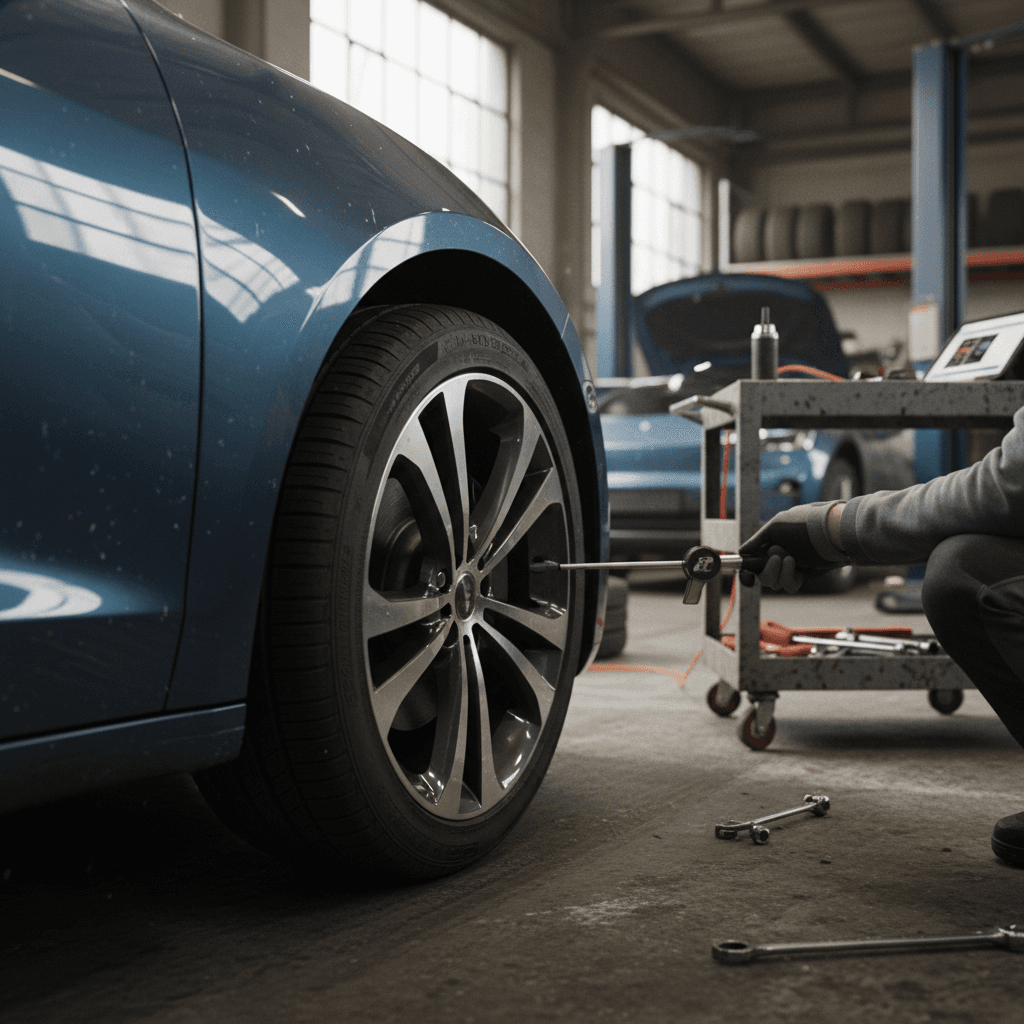
EVs don’t need oil changes, but they absolutely need tire attention. The good news is that the basics are straightforward and cheap compared with most other car maintenance.
- Check pressures monthly and before road trips. Under‑inflated tires hurt range and run hot; over‑inflated tires reduce grip and comfort. Use the pressures listed on your door placard, not the max on the sidewall.
- Rotate every 5,000–7,500 miles, or at least at every other service visit. Many EVs run staggered loads front to rear; rotation evens out wear and buys you more miles from a set.
- Get an alignment check after big pothole impacts, curb strikes, or when you see uneven wear. A slightly out‑of‑spec toe setting can melt tread off an EV in shocking fashion.
- Use Eco or Chill drive modes if your car has them. Softer launch maps and gentler regen can materially extend tire life in city driving.
- Watch your weight. Roof boxes, big wheels, and constant full‑cargo road trips all load the tires. If you’re pushing the GVWR, be meticulous about pressures and load indices.
An easy win for range and safety
Checking tires when you’re buying a used EV
When you’re shopping for a used electric car, the tires are a surprisingly honest witness. They tell you how the previous owner drove, whether the alignment’s been cared for, and what you’re about to spend in the first year of ownership.
Used EV tire inspection checklist
1. Measure remaining tread
If the car is sitting on tires with less than 4/32" of tread, budget for replacement soon. On a heavy EV, that could be $800–$1,200 for a mainstream set, more for performance sizes.
2. Check for brand and model
Identify whether the tires are OEM‑equivalent EV tires or generic replacements. A bargain‑brand tire may explain odd noise or vague steering, and an upcoming expense to fix it.
3. Look for uneven or "sawtooth" wear
Run your hand along the tread; it should feel even. Choppy or saw‑tooth patterns hint at poor alignment or suspension issues that could follow you home.
4. Inspect sidewalls closely
Bulges, cuts, or deep curb rash are non‑negotiable red flags. On a test drive, any thumps or shudders at speed are a cue to have the tires and wheels inspected on a lift.
5. Check tire age vs. vehicle age
Use the DOT date code to see how old the tires are. If the vehicle is three years old but the tires are six, someone kicked the can down the road, and you’re next in line.
How Recharged helps here
On a gasoline car, bad tires are annoying. On a heavy electric car, they’re a full‑time tax on range and a part‑time threat to your dignity in the rain.
Tires for electric cars: FAQ
Frequently asked questions about tires for electric cars
Electric powertrains turned the industry’s attention to batteries, motors, and charging networks, but the humble tire quietly became more important than ever. The right rubber makes your EV calmer, safer, and more efficient; the wrong set taxes every drive. Take a few minutes to understand what tires for electric cars are trying to do, buy accordingly, and keep an eye on wear. If you’re shopping used, lean on transparent inspection reports, like the Recharged Score, to make sure the car’s tires, and not just its battery, are ready for the miles you have in mind.