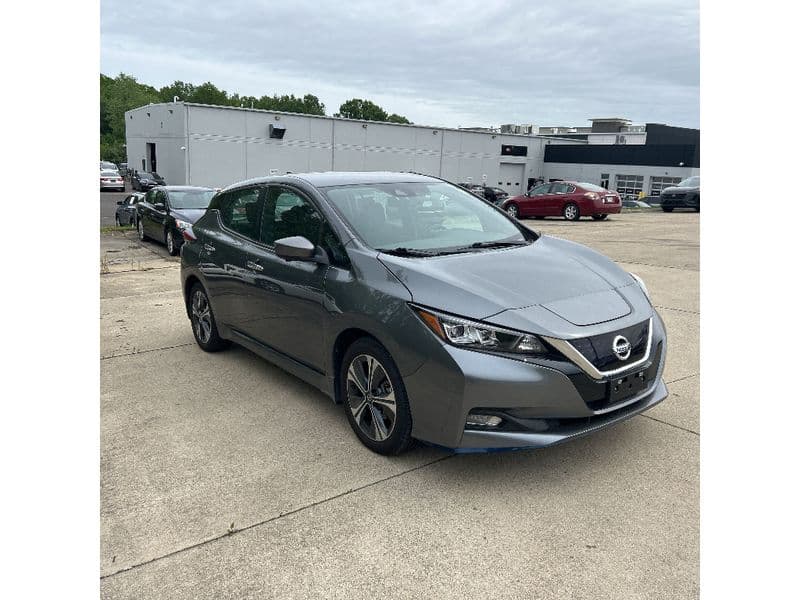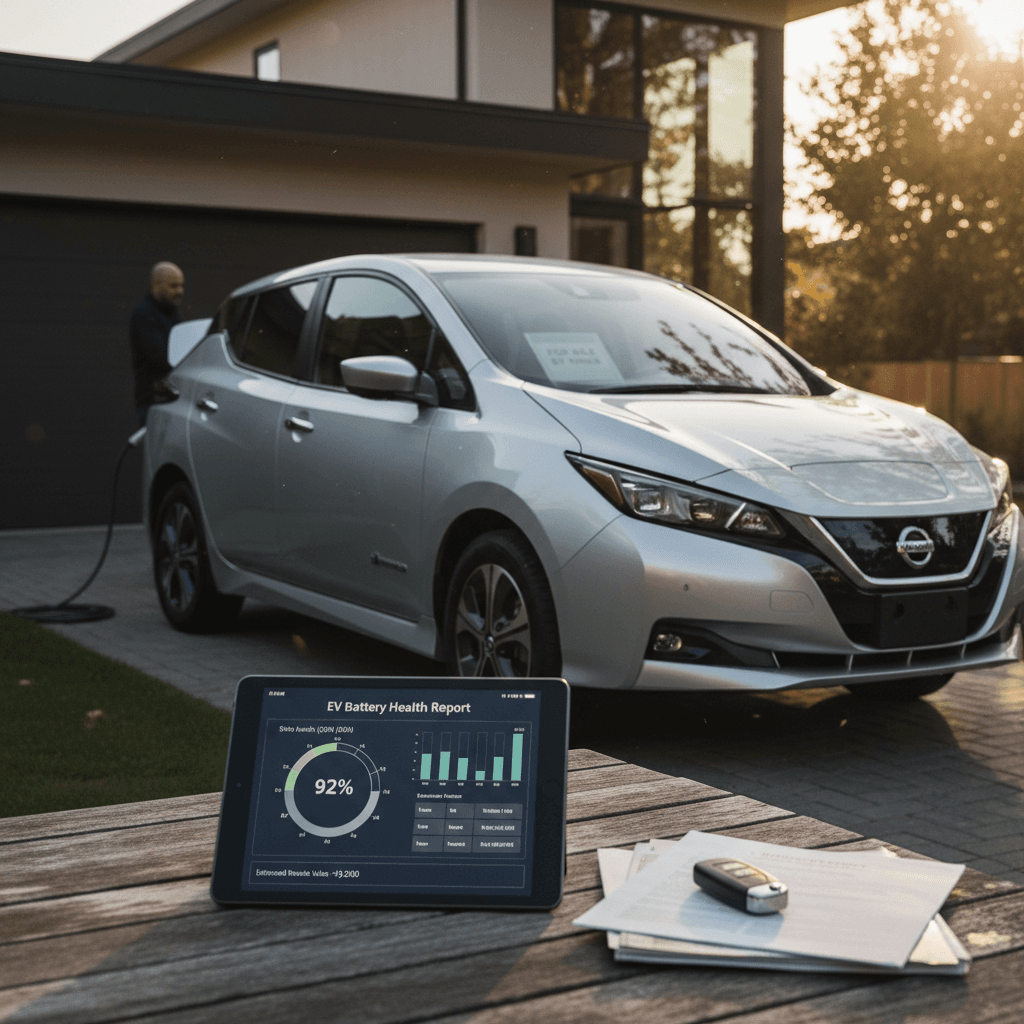
If you’re looking for tips for selling a Nissan Leaf, you already know this isn’t a typical used-car sale. The Leaf can be a fantastic commuter EV, but its battery health and range drive value far more than its paint color or wheel size. Handle that right, and you can sell quickly and confidently. Ignore it, and you’ll attract lowball offers all day.
Leaf resale in one sentence
Why Selling a Nissan Leaf Is Different
Compared with many other EVs, the Nissan Leaf depreciates aggressively after the first few years, especially early models with smaller, air‑cooled packs. By year eight, market value hinges much more on how far the car can realistically go on a charge than on trim level or options. That makes transparent battery information, clear pricing, and the right selling channel absolutely critical.
Nissan Leaf Resale Snapshot (Typical U.S. Market)
Reality check on pricing
Tip 1: Know What Your Leaf Is Worth Today
Before you snap photos or write a listing, get a realistic value range. Because the Leaf’s incentives and depreciation patterns are unique, you want data from more than one source.
- Check general guides like KBB and Edmunds for trade‑in and private‑party ranges for your model year, trim, mileage, and ZIP code.
- Search active listings on sites like Craigslist, Facebook Marketplace, Cars.com, and EV‑specific marketplaces to see what similar Leafs are actually advertised for.
- Pay attention to asking prices versus cars that have clearly lingered, if something’s been listed for weeks, that price is probably too high.
- Use EV‑focused guides such as Recharged’s Nissan Leaf depreciation articles to understand how age and battery health interact.
Pro tip: think in ranges, not absolutes
Tip 2: Get Real About Battery Health
On a Leaf, battery health is your second price tag. Two cars with the same model year and mileage can differ by dozens of miles of usable range. That’s why savvy buyers ask for hard data before they ever show up.
3 Ways to Show Battery Health on a Nissan Leaf
The more proof you provide, the more confident serious buyers feel.
1. Capacity Bars on the Dash
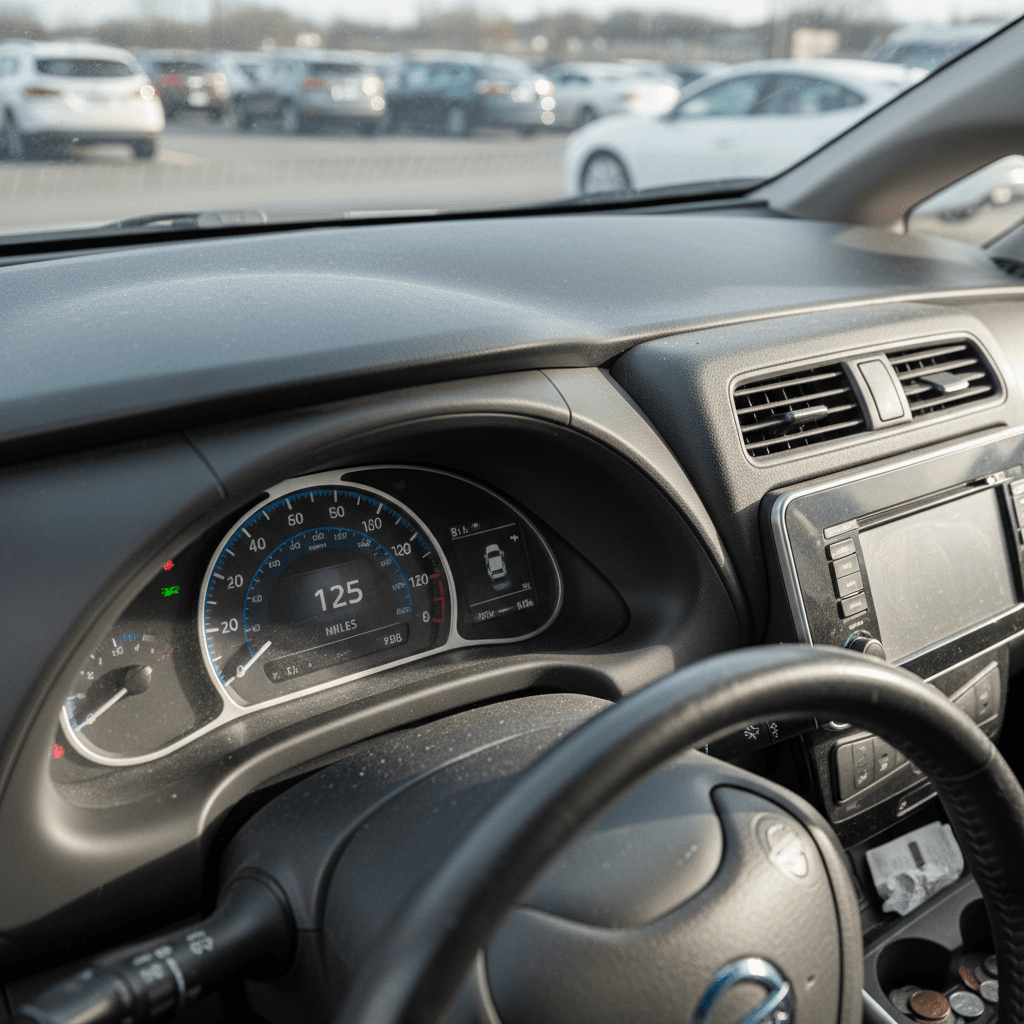
Every Leaf shows 0–12 capacity bars on the right‑hand side of the dash.
- 12 bars: essentially full capacity when new.
- 9–11 bars: normal, usable for many commutes.
- 8 bars and below: noticeable range loss; price accordingly.
2. LeafSpy Readings
Many owners use the LeafSpy app plus an OBD‑II dongle to read:
- State of Health (SOH %)
- Amp‑hour capacity
- Fast‑charge and L1/L2 cycle counts
Screenshot these results and include them in your listing.
3. Real‑World Range Test
Do a simple, honest range test on your normal route:
- Note start state of charge (SOC).
- Drive a mix of city and highway.
- Record miles driven versus % battery used.
Share that data so buyers can picture their own commute.
What buyers really want to see
Tip 3: Highlight Battery Warranty and Recent Repairs
Most newer Nissan Leafs sold in the U.S. carry an 8‑year/100,000‑mile battery warranty that covers defects and excessive capacity loss (typically defined as dropping below 9 of 12 capacity bars within the warranty period). For many buyers, that’s the safety net that makes a used Leaf feel like a smart bet instead of a gamble.
Battery & Warranty Details to Put in Your Ad
Confirm in‑service date
Warranty follows the date the Leaf was first sold or leased, not the model year. Check your original paperwork or call a Nissan dealer with your VIN.
State current mileage clearly
Mention both odometer mileage and whether you’re under the 100,000‑mile battery coverage limit for your model year.
Disclose past battery work
If you’ve had the traction battery replaced or had warranty capacity work done, spell that out. That can make your Leaf more valuable than typical for its age.
List other major repairs
New tires, brake work, recent 12‑volt battery, or high‑voltage system service all reassure buyers that you’ve stayed on top of maintenance.
Warranty can be a selling hook
Tip 4: Choose the Right Selling Channel for Your Leaf
Private‑Party Sale
- Best for: Newer Leafs with healthy batteries, clean histories, and desirable trims.
- Pros: Highest potential sale price; you control the story and documentation; ideal if you’ve done LeafSpy and have proof of care.
- Cons: Takes time; requires dealing with strangers, test drives, and payment logistics.
Trade‑In or Instant Offer
- Best for: Older Leafs, marginal batteries, or when you value speed and simplicity over squeezing every last dollar.
- Pros: Fast; sales tax savings when trading toward another car in many states; dealer handles paperwork.
- Cons: Typically lower price; most dealers won’t pay you extra just because you have LeafSpy screenshots.
Where Recharged fits in
Tip 5: Prep Your Leaf Like a Pro
Detailing matters, but with a Leaf your goal is to make the car look honest, cared‑for, and easy to live with. You’re not selling a sports car, you’re selling a stress‑free commuter.
- Get a thorough wash and interior vacuum. Wipe down the dash, touchscreen, and steering wheel; clean any sticky buttons.
- Remove personal items and clutter from the hatch, door pockets, and console so buyers can imagine their own daily use.
- Fix cheap, obvious issues: burned‑out bulbs, wiper blades, low tire pressure, and warning lights that stem from minor maintenance.
- If affordable, consider professional detailing for heavily used interiors; it can pay back in faster sale and stronger offers.
- Charge the car to a practical level (60–80%) before photos and showings so range estimates look realistic, not artificially inflated or near empty.
Don’t over‑stage it
Tip 6: Write a Leaf-Specific Listing Buyers Trust
Generic used‑car ads don’t work well for EVs, and especially not for Leafs. The strongest listings answer the questions serious shoppers ask over and over.
Key Details to Include in Your Nissan Leaf Listing
The more specifics you share, the fewer tire‑kickers you’ll deal with.
Battery & Range
- Number of capacity bars.
- LeafSpy SOH % (if available).
- Typical real‑world range at 65 mph and in city driving.
History & Usage
- Ownership history (1‑owner, 2‑owner, etc.).
- Commute type (urban, highway, mixed).
- Where the car has lived, hot climates can accelerate degradation.
Charging & Accessories
- Included charging cable(s) and adapters.
- Whether it has CHAdeMO fast‑charge port (on many trims).
- Any home Level 2 charger available for separate sale.
Avoid EV buzzwords that say nothing
Tip 7: Set a Smart Price and Negotiation Plan
With Leafs, pricing is more sensitive than with many gas cars because shoppers are weighing you against a lot of similar cars and trims, and they understand depreciation. You want to signal value without looking desperate.
Example Pricing Strategy for a Used Nissan Leaf
Adjust your own numbers based on year, trim, mileage, battery health, and local demand.
| Scenario | Battery Health | Market Value Range | Suggested Ask |
|---|---|---|---|
| Strong battery, low miles | 11–12 bars, healthy SOH | $13,000–$15,000 | Price near top of range (e.g., $14,900) |
| Average battery, typical miles | 9–10 bars | $9,000–$11,000 | Price mid‑range (e.g., $10,500) |
| Weak battery or high miles | 8 bars or less | $5,000–$7,000 | Price near lower end (e.g., $6,200) |
Think in terms of a realistic value band and where your Leaf fits based on battery strength and urgency to sell.
Decide your walk‑away number now
Tip 8: Screen Buyers and Manage Test Drives Safely
A well‑priced Leaf with a clear description can attract a lot of responses, especially in urban areas. Your job is to separate serious, informed buyers from time‑wasters and scammers.
Safe Test‑Drive & Buyer Screening Checklist
Start with messaging
Ask basic questions via the platform’s chat: How far is their commute? Have they owned an EV before? Are they ready to buy now or just browsing?
Meet in a public place
Use a busy parking lot or your bank branch during business hours. Bring a friend if possible, and don’t hand over the keys until you see a valid driver’s license and insurance.
Plan a realistic route
Pick a 15–20 minute loop that includes city and highway speeds so the buyer can feel acceleration, braking, and real‑world range drop.
Ride along
Stay in the car, point out features like Eco/B‑mode, and explain charging. This is your chance to educate and build confidence.
Guard your data
Log out of any connected apps, clear home/navigation addresses, and remove garage door openers before showings.
Tip 9: Handle Charging Cables and Accessories
Charging gear can be a quiet bargaining chip. Many first‑time EV buyers don’t yet own a Level 2 charger or adapters, so what you include, or sell separately, can sweeten the deal.
- Make sure your OEM Level 1 (120V) cord is present, clean, and working. Most buyers will expect this to be included.
- If you have a portable Level 2 charger or a wallbox you’re willing to leave behind, decide whether it’s included or available for a bit extra, and say so in the ad.
- Gather any CHAdeMO fast‑charge membership cards, RFID badges, or network accounts that are transferable, or at least create a simple cheatsheet of recommended networks and apps.
- Label and neatly coil cords for listing photos; a tidy trunk sends a subtle message that you’re organized and careful.
Clarify what’s included, in writing
Tip 10: Close the Deal Safely, Title, Payment, Paperwork
Once you have a serious offer on your Nissan Leaf, slow down and get the boring, but critical, details right. EVs are still just cars in the eyes of the DMV and your bank.
Safe Closing Steps for Your Leaf Sale
1. Verify payoff and title
If you still owe money, get an exact payoff quote from your lender and understand their title release process. If you own it outright, confirm where the physical title is.
2. Use secure payment
Cashier’s check from a major bank, in person at that bank, is still the gold standard. For high‑value sales, consider completing the transaction at your buyer’s branch so the teller can verify funds.
3. Complete a bill of sale
Include VIN, sale price, date, odometer, and a short list of included accessories. Many states provide templates; you can also find generic forms online.
4. Sign over the title correctly
Follow your state’s instructions exactly, mistakes here can delay registration for your buyer or create headaches if the car is resold quickly.
5. Cancel insurance at the right time
Once the buyer drives away and paperwork is signed, call your insurer to remove the vehicle. Don’t cancel coverage before the deal is truly done.
Red flags to walk away from
Tip 11: When to Consider Trade-In or Consignment
Not every Leaf is a great candidate for a private‑party sale. If your car has significant battery degradation, accident history, or you simply don’t have time to field calls and manage test drives, a trade‑in or professional consignment can be the smarter play.
Good candidates for trade‑in
- Older Leafs with 8 or fewer capacity bars.
- High‑mileage cars that have aged out of battery warranty.
- Cars with cosmetic issues you don’t want to fix.
- Situations where maximizing sales tax savings on your next car matters more than top‑dollar price.
Good candidates for consignment with Recharged
- Leafs with solid battery health where you want more than trade‑in, but don’t want to DIY the sale.
- Cars that would benefit from a professional battery health report like the Recharged Score.
- Sellers who prefer EV‑specialist handling, nationwide marketing, and guided paperwork.
How Recharged can help
Ready to find your next EV?
Browse VehiclesTip 12: Use Data, and Recharged, to Your Advantage
The strongest Nissan Leaf sales aren’t about slick salesmanship; they’re about clear data and honest expectations. That’s exactly how Recharged approaches every used EV we buy or list. Every vehicle includes a Recharged Score Report with verified battery health, fair‑market pricing, and transparent history so buyers can compare apples to apples.
Why Data‑Backed Selling Works So Well for Leafs
Turn EV‑specific questions into selling points instead of objections.
Objective battery report
Fair‑market pricing
EV‑savvy audience
Frequently Asked Questions About Selling a Nissan Leaf
Your Nissan Leaf Selling Questions, Answered
Bottom Line: Treat Battery Health Like Your Second Price Tag
If you remember nothing else from these tips for selling a Nissan Leaf, remember this: you’re really selling the battery. Price and market your Leaf around honest, specific information about its capacity bars, LeafSpy SOH, remaining warranty, and real‑world range. Combine that with clean presentation, a clear listing, and safe closing practices, and you’ll stand out from the sea of vague ads.
If you’d rather not go it alone, Recharged is built around making used EV ownership, and selling, simple. From instant offers and trade‑ins to consignment sales with a full Recharged Score battery report, you can lean on EV‑specialist support, transparent pricing, and even nationwide delivery to your buyer. One way or another, the right data and a thoughtful plan will help your Leaf find its next home at a fair price.