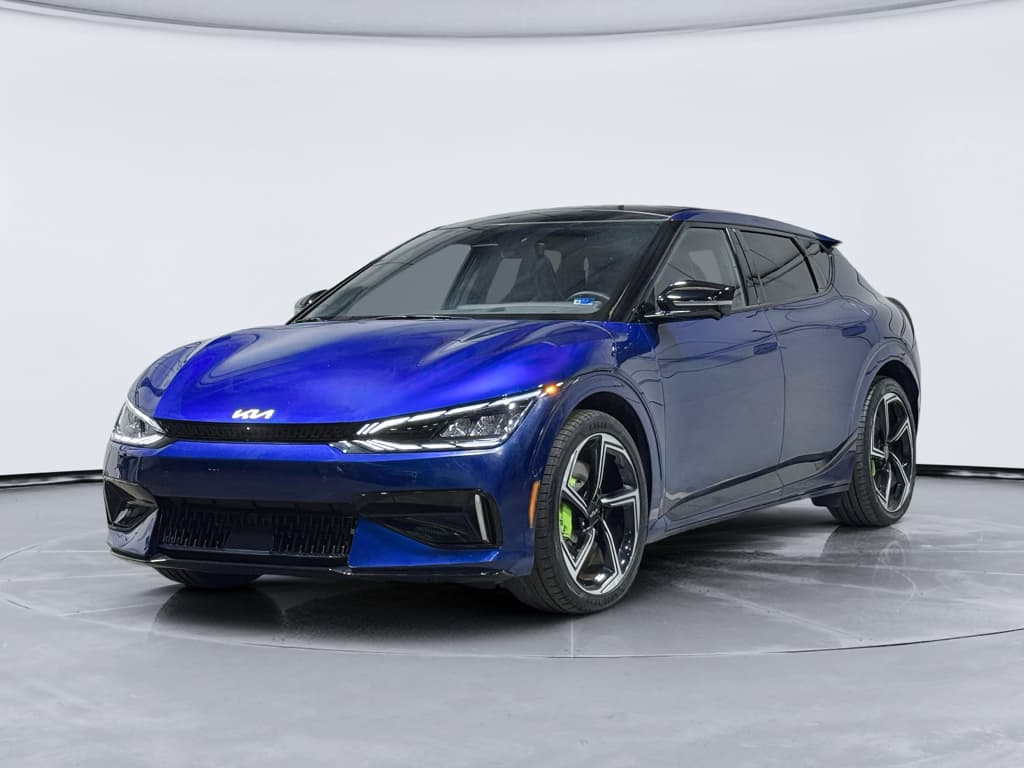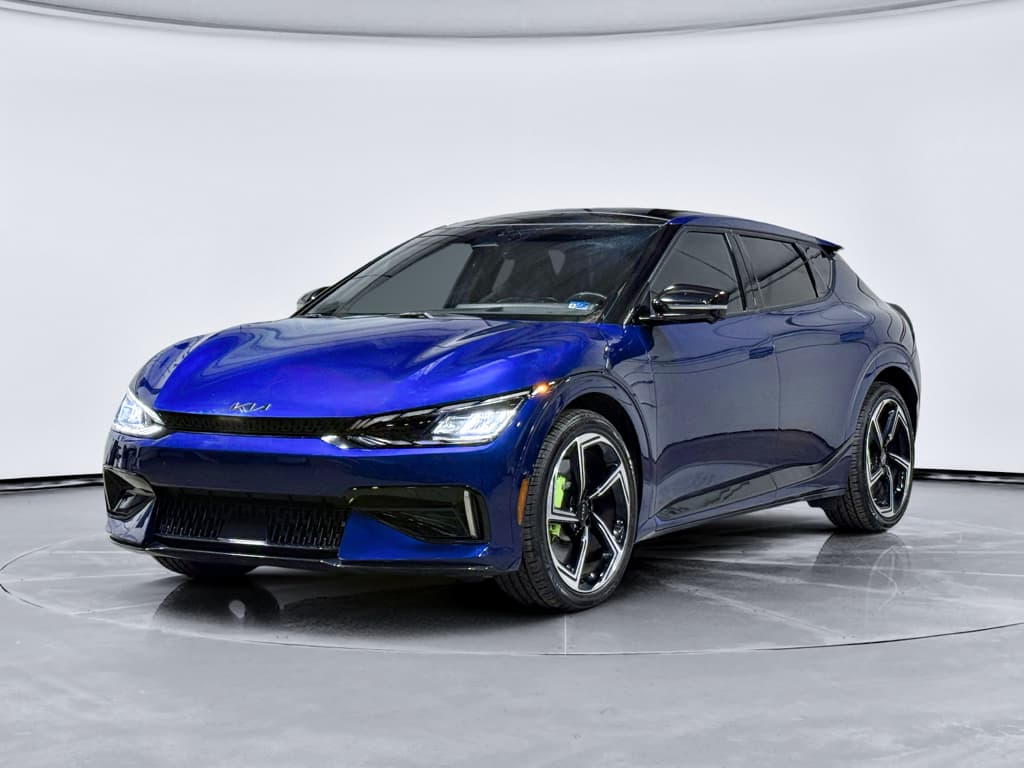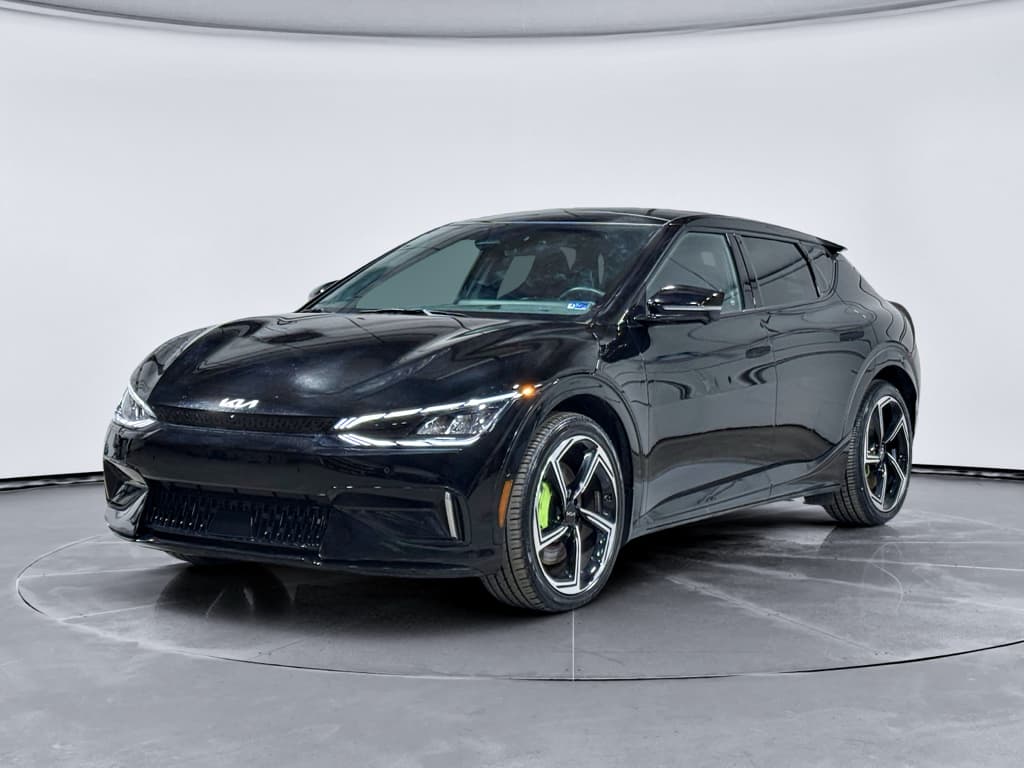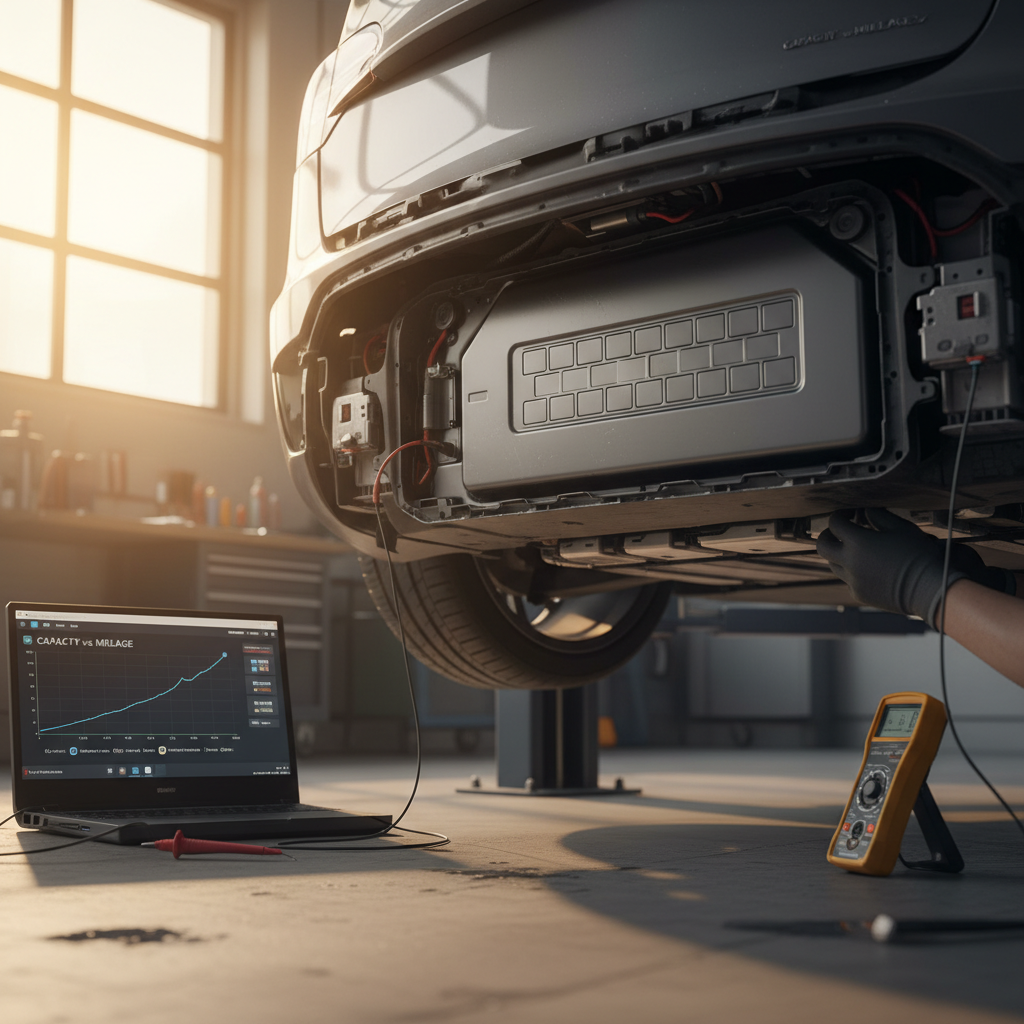
If you’re researching tips for selling a Kia EV6, you’re already ahead of most sellers. The EV6 is one of the most interesting used EVs on the market right now: early buyers absorbed heavy depreciation, and the car is far better than its resale values suggest. That’s good news for shoppers, but if you’re the one selling, you need an EV‑specific strategy so you don’t give it away for thousands less than it’s worth.
EV6 resale in one sentence
Why Selling a Kia EV6 Is Different from a Gas Car
Buyers are scared of batteries
With a used EV6, most shoppers aren’t worried about oil leaks or timing belts, they’re worried about range loss and battery replacement costs. Your job as a seller is to reduce that anxiety with documentation and clear communication.
Software and charging matter as much as paint
EV6 buyers care about things like charging speed, battery warranty status, OTA software updates, and included charging gear. Highlighting these can move your car to the top of a very crowded search results page.
- Battery health and warranty transferability can swing value by thousands of dollars.
- Buyers compare not just mileage and trim, but DC fast‑charging capability and real‑world range.
- Tax credits and incentives on new EV6s push used prices down, so you need to show why yours is still a smart buy.
Think like an EV shopper
Know What Your Kia EV6 Is Really Worth
You can’t negotiate confidently if you don’t know the car’s true market range. The EV6 has seen steep early depreciation, roughly 50–60% value loss in the first five years in many guides, so sticker shock is normal if you bought new in 2022–2023. The goal isn’t to chase the original MSRP; it’s to understand where your specific car should land today.
Kia EV6 Value Snapshot
Step-by-Step: How to Price Your Kia EV6
1. Decode your exact trim and options
The difference between a Light RWD and a GT AWD with the larger battery can be huge. Pull your original window sticker if you have it, or decode the VIN using a free online tool so you know your exact trim, battery size, and major packages.
2. Check multiple valuation sources
Use at least two sources, KBB, Edmunds, and EV‑specific guides like Recharged’s EV6 depreciation and KBB value articles. Look at both private‑party and trade‑in values to understand your negotiation range.
3. Adjust for mileage and condition
EV buyers are still mileage‑sensitive, even if battery wear doesn’t perfectly track odometer readings. Note if you’re far under or over the typical 12,000–15,000 miles per year and adjust your expectations accordingly.
4. Benchmark against live listings
Search for similar EV6s within a 250‑mile radius, same model year, trim, and rough mileage. Asking prices aren’t final sale prices, but they show where the market is crowded or thin.
5. Decide your walk‑away number
Before you list, pick a minimum number that you simply won’t go below. It should reflect the low end of private‑party values for your spec. This makes it much easier to ignore bottom‑of‑the‑barrel offers.
Don’t anchor on your payoff amount
Time Your Sale Around Depreciation and Demand
The EV6 has already done much of its worst depreciating, but timing still matters. Two forces are at work: the EV market’s overall softness in some regions, and the EV6’s relatively strong long‑term proposition thanks to its 800‑volt architecture and long battery warranty. You can’t control macro trends, but you can avoid obviously bad timing.
Key Timing Levers When Selling an EV6
You can’t game the market perfectly, but you can avoid obvious headwinds.
Seasonality
Spring and early summer tend to be stronger for EV sales than deep winter, especially in colder states where range anxiety spikes.
Warranty milestones
Your EV6’s 5‑year/60,000‑mile basic warranty and 10‑year/100,000‑mile EV system warranty are major selling points. Listing the car before you cross 60k or 100k miles makes it much easier to command a premium.
Model years and refreshes
When a major refresh or new EV6 variant hits showrooms, previous model years can take a pricing hit. If you know a big update is coming, consider selling a bit earlier.
Micro‑timing still helps
Leverage Battery Health and Warranty as Selling Points
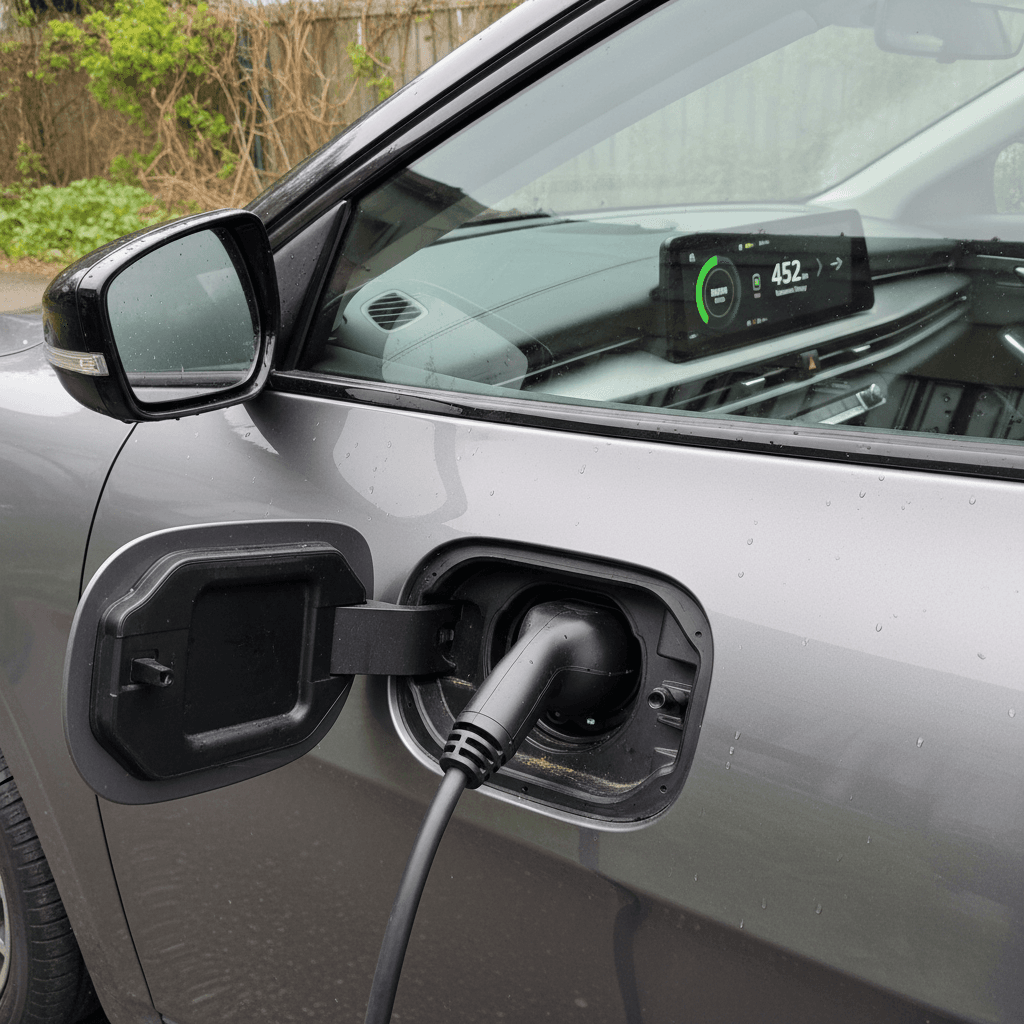
For a used EV6, battery health and warranty coverage are the entire ballgame. Kia backs the high‑voltage battery and EV components for roughly 10 years or 100,000 miles in the U.S., with a capacity guarantee around 70%. Crucially, that EV system warranty is designed to follow the car to the next owner, which is pure gold in a listing, if you explain it clearly.
How to Prove Your EV6’s Battery Is a Safe Bet
Pull a battery health or range report
If you can, get a <strong>third‑party battery health report</strong> or at least document typical highway and city range at common state‑of‑charge levels. Platforms like Recharged include a Recharged Score battery report as part of the process, which can meaningfully increase buyer confidence.
Show recent DC fast‑charge behavior
Buyers worry about fast‑charging damage. Show a recent DC fast‑charge session (time, kW peak, and miles added) if you have it; it’s a simple, real‑world demonstration of the pack’s capability.
Clearly state remaining warranty
Spell it out in your listing: for example, “EV system warranty to April 2032 or 100,000 miles; current mileage 47,000.” Most buyers have no idea what’s still covered; do the math for them.
Explain your charging habits
A simple line like “Mostly home‑charged on Level 2, rarely charged over 90% or below 10%” reassures buyers you didn’t abuse the pack, even if the science is more nuanced.
Where Recharged fits in
Ready to find your next EV?
Browse VehiclesPrep Your Kia EV6 the Way EV Buyers Actually Think
Detailing still matters, clean cars sell faster and for more, but EV shoppers notice a different set of details than someone buying a ten‑year‑old Camry. Think about what will matter in their first week of ownership: charging, software, and daily usability.
Prep Priorities: Kia EV6 vs. Typical Gas SUV
Focus your time on the items with the biggest perceived value for EV‑curious shoppers.
| Area | Kia EV6 Priority | What to Do Before Listing |
|---|---|---|
| Interior & screens | Very high | Clean fingerprints from dual screens, reset cluttered profiles, and make sure navigation, CarPlay/Android Auto, and driver‑assist menus are easy to demo. |
| Charging gear | Very high | Gather all included cables and adapters (portable charger, V2L adapter if you have it) and photograph them neatly, these are real value items. |
| Software updates | High | Apply any outstanding software updates so buyers don’t inherit warning lights or outdated UI the week after they buy. |
| Exterior & wheels | High | Standard wash, clay, and wax if you’re up for it. Touch up curb rash or be upfront and photograph it clearly. |
| Tires & brakes | Medium | Document remaining tread depth and recent tire/brake service. EVs are heavier; shoppers care about tire condition. |
| Maintenance docs | Medium | Pull service records (especially any warranty work on the battery, ICCU, or charging system) and have them ready as a PDF or printed packet. |
Use this as a weekend punch list before you schedule photos and showings.
Don’t forget high‑voltage safety
Create a Listing That Speaks to EV Shoppers
Most used‑car listings read like they were written by a DMS export script. To stand out, your EV6 listing should do three things: explain why you’re selling without raising red flags, present the car’s EV‑specific strengths clearly, and answer the most common questions before the buyer messages you.
Anatomy of a High‑Converting Kia EV6 Listing
You don’t need to be a copywriter, just answer the questions serious EV shoppers already have.
Strong photo set
- At least 20–30 photos, shot in good daylight.
- Full exterior walk‑around plus close‑ups of wheels and any flaws.
- Interior with screens powered on; show range at a typical state of charge.
- Include photos of charging port, cables, and V2L adapter if included.
EV‑centric description
- Battery size and EPA range for your trim.
- Charging details: 800V DC fast‑charge capability, included Level 1/2 charger.
- Remaining EV system warranty and major features (heat pump, driver‑assist suite).
- Charging habits and typical road‑trip experience in a sentence or two.
Pre‑empt FAQs
- "Can I use Electrify America / Tesla adapters?"
- "What range do you actually see at 70 mph?"
- "Any issues with the ICCU or charging system?"
- Answer these proactively in the description to filter out tire‑kickers.
Steal good wording (ethically)
Decide How to Sell: Trade-In, Private Party, or EV Marketplace
You’ve got three main options for selling a Kia EV6 in 2026: a straightforward trade‑in to a dealer, a private‑party sale you manage yourself, or an EV‑focused marketplace that sits somewhere between the two. Each has different implications for price, hassle, and how much work you personally want to do.
1. Traditional trade‑in
Pros: Fast, simple, good if you’re already buying another car. You offload market risk and paperwork to the dealer.
Cons: On a model with volatile pricing like the EV6, trade‑ins often come in at the bottom of the value range. Dealers price in their own uncertainty about EV demand and battery risk.
2. Private‑party sale
Pros: Typically nets you the highest price if you do the work well, especially if you can clearly explain battery health and warranty.
Cons: You handle everything: messaging, test‑drives, payment safety, and paperwork. You’ll need basic screening and security habits.
3. EV‑focused marketplace (like Recharged)
Pros: Designed around used EVs, including battery diagnostics, EV‑specific pricing tools, and nationwide demand. Recharged can help you trade in, get an instant offer, or consign the car with expert help.
Cons: There may be selling or consignment fees, but those are often more than offset by a stronger sale price and less hassle.
How Recharged helps sellers
Avoid Common Mistakes When Selling a Kia EV6
Most bad EV6 sales aren’t about the car; they’re about how it’s presented. The same vehicle can sell for thousands less simply because the seller failed to mention battery warranty, took blurry photos, or panicked at the first lowball offer. These are the pitfalls to avoid.
- Ignoring the battery story. Listing mileage and trim without any mention of battery health, range, or warranty coverage is the fastest way to get ghosted by serious buyers.
- Under‑ or over‑disclosing issues. Hiding an intermittent charging error will burn you later, but so will turning a minor app glitch into a five‑paragraph saga. Be honest and proportional.
- Low‑effort photos. Dark, vertical, or rainy‑day photos with a dirty car signal “problem child,” even if the car is mechanically perfect.
- Confusing pricing signals. Constantly dropping your asking price or accepting the first offer can make buyers wonder what’s wrong with the car.
- Skipping safe payment methods. For private sales, insist on a verified cashier’s check at a bank branch or a reputable escrow service. With a high‑value EV, you can’t afford to get cute with payment.
Never fake documents or range tests
FAQ: Selling a Kia EV6
Frequently Asked Questions About Selling a Kia EV6
Bottom Line: How to Leave Less Money on the Table
Selling a Kia EV6 in 2026 isn’t about finding the one magical website or waiting for the market to bounce back to 2022 prices. It’s about doing a handful of EV‑specific things well: knowing your realistic value range, documenting battery health and warranty, prepping the car the way EV shoppers actually think, and choosing the right sales channel for your risk tolerance and time.
If you want maximum control (and maximum price), a well‑executed private sale or consignment on an EV‑focused marketplace like Recharged will usually beat a quick dealership trade‑in. But even if you trade your EV6, walking in with a solid grasp of its true market value and battery story puts you in a much stronger negotiating position. Done right, you can exit your EV6 without feeling like you subsidized the next owner’s great deal.