If you’re considering a Tesla Model 3, especially a used one, the big question is obvious: how long does the Tesla Model 3 battery actually last? You’ve seen the 8‑year warranty, the 300‑mile range claims, and probably a few scary social posts about battery replacements. This guide cuts through the noise with real‑world data, warranty details, and practical advice so you know what to expect in both years and miles.
Key takeaway
Tesla Model 3 battery lifespan at a glance
Model 3 battery lifespan snapshot
When people ask about Tesla Model 3 battery lifespan, they’re usually trying to answer two questions: “How long am I covered if something goes wrong?” and “When will degradation actually become a problem in daily driving?” Those are related, but not the same thing. The warranty tells you what Tesla is willing to back; long‑term studies and owner data show how the packs behave in the wild.
Warranty: how long a Tesla Model 3 battery is covered
Every new Model 3 sold in North America comes with a Battery and Drive Unit Limited Warranty. The details vary slightly by trim, but the structure is the same: a time limit, a mileage limit, and a minimum capacity guarantee.
Tesla Model 3 battery warranty by trim (U.S.)
Approximate coverage for current and recent‑generation Model 3 trims in the United States.
| Model 3 trim | Battery type | Years of coverage | Mileage cap | Capacity guarantee |
|---|---|---|---|---|
| Standard Range / RWD | Smaller pack | 8 years | 100,000 miles | ≥ 70% capacity |
| Long Range AWD | Larger pack | 8 years | 120,000 miles | ≥ 70% capacity |
| Performance | Larger pack | 8 years | 120,000 miles | ≥ 70% capacity |
All Model 3 trims include at least 8 years of battery coverage with a 70% capacity retention guarantee for the covered period.
Warranty vs. lifespan
There’s one more wrinkle: in late 2025, Tesla introduced an optional Battery Extended Service Agreement on some Model 3s. That contract can add extra battery and drive unit coverage beyond the standard 8 years, for owners who plan to keep the car long term. If you’re shopping used, it’s worth checking whether a specific car already has this coverage or is still eligible to add it.
Real-world degradation: what Model 3 owners actually see
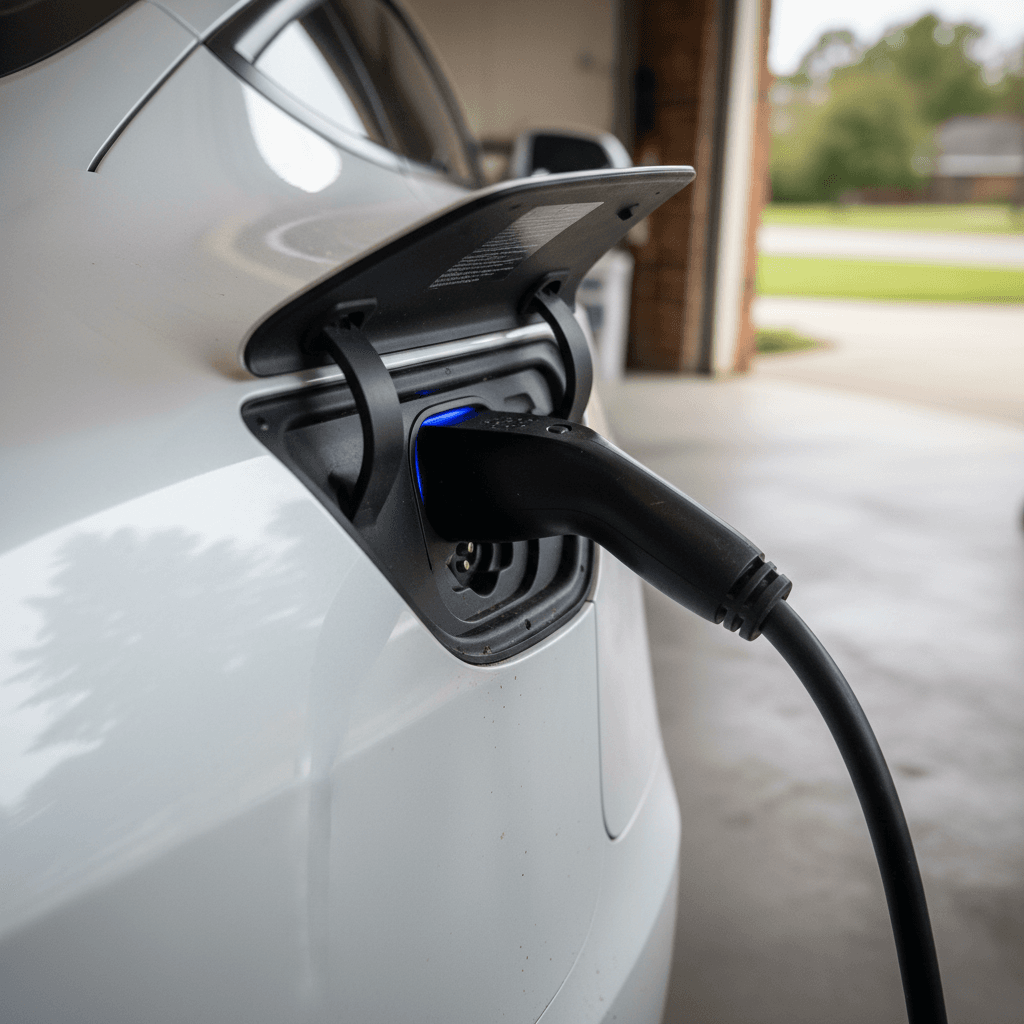
Battery “lifespan” is less about a sudden failure and more about gradual capacity loss. Over time, you get fewer miles from a full charge. For the Model 3, large real‑world datasets and owner reports show that degradation is usually front‑loaded, meaning the first few percent drop happens early, then the curve flattens.
Typical Tesla Model 3 degradation curve
What many owners report under normal use
Early drop (first 1–2 years)
It’s common to see an initial 3–7% capacity drop in the first 20,000–40,000 miles as the battery settles.
Slowdown phase
After that, degradation often slows to roughly 1–2% per year, depending on climate, charging habits, and mileage.
Long-term picture
Many EVs studied at 8–9 years old still retain about 80–85% of original capacity, which usually keeps them practical for daily use.
Why your estimate bounces around
The upshot: a well‑cared‑for Model 3 battery doesn’t usually fall off a cliff. You’ll feel the difference between 310 miles and 260 miles of rated range, but that’s typically a gradual slide over many years, not a sudden drop that makes the car unusable.
Years vs. miles: how long a Model 3 battery really lasts
Thinking in miles
For most drivers in the U.S., 12,000–15,000 miles per year is typical. At that rate:
- 100,000 miles (Standard Range warranty cap) is roughly 7–8 years of driving.
- 120,000 miles (Long Range/Performance cap) is roughly 8–10 years.
- 150,000–200,000 miles, where many EV packs are still going strong, can mean 10–15+ years, depending on your annual mileage.
Thinking in years
If you’re a lower‑mileage driver, say 8,000 miles per year, you might hit the 8‑year time limit long before you reach the mileage cap. That doesn’t abruptly end the battery’s usefulness; it just marks the point where factory coverage stops.
Studies published in 2024–2025 suggest many modern EV batteries could reasonably last 12–15 years or more before degradation makes them feel old‑fashioned in terms of range.
Realistic expectation
What affects Tesla Model 3 battery lifespan?
Two Model 3s built in the same month can age very differently. Battery chemistry is only part of the story, how and where the car is used matters just as much. Here are the big levers that push degradation up or down.
Major factors that influence Model 3 battery life
The knobs you can (and can’t) control
Temperature & climate
Extreme heat accelerates chemical aging inside the pack. Tesla’s thermal management helps, but parking in direct sun for years in hot climates can still take a toll. Cold weather mostly affects temporary range, not long‑term degradation.
Fast charging frequency
Occasional DC fast charging is fine, Tesla designed the pack for road trips. But relying on fast chargers as your primary source can add extra stress compared with slower home or workplace charging.
State of charge habits
Living at 100% or 0% isn’t healthy. Frequently charging to 100% and letting the car sit full for hours, or running it very low day after day, can accelerate wear. Keeping daily charging in the 20–80% window is easier on the pack.
Parking & storage
Letting a Model 3 sit for weeks at very low charge, especially in heat, isn’t ideal. Storing the car at 40–60% charge in a garage or shaded area is better for long‑term health.
Driving style & mileage
High mileage alone doesn’t doom a battery, steady highway commuting can be relatively gentle. It’s the combination of very high mileage, heavy fast‑charging use, and harsh climate that really adds up.
Software & maintenance
Keeping software up to date, using scheduled charging, and addressing any cooling‑system faults quickly all help the battery stay in its comfort zone.
How to maximize your Model 3 battery life
You can’t change chemistry, but you can make choices that stack the odds in your favor. These habits are low‑effort and proven to be battery‑friendly over the long haul.
Simple habits to extend Tesla Model 3 battery life
1. Use home Level 2 charging when possible
Whenever you can, rely on slower AC charging at home or work instead of DC fast charging. It’s easier on the pack and more convenient for daily use.
2. Set a sensible daily charge limit
In the charging settings, set your daily limit around <strong>70–80%</strong> for routine driving. Only charge to 90–100% when you need the range for a road trip.
3. Avoid sitting at 0% or 100% for long
It’s OK to occasionally run very low or charge to full. Just don’t let the car sit for hours or days at those extremes, top back up or drive shortly after reaching 100%.
4. Keep the car cool when you can
Park in a garage or shade, especially in hot climates. The car’s thermal system will do its job, but you can help by avoiding unnecessary heat soak.
5. Enable scheduled charging
If your utility has off‑peak rates, schedule charging to finish close to your departure time. That keeps the battery at moderate charge for more of the night and can lower your bill.
6. Take software alerts seriously
If your Tesla flags a battery, cooling, or charging‑system issue, don’t ignore it. Addressing small problems early can prevent bigger ones later.
Road‑trip best practice
Warning signs your Model 3 battery needs attention
True battery failures in the Model 3 are rare, but they do happen, and degradation that’s far outside the norm is exactly what Tesla’s warranty is designed to catch. Here are the red flags that deserve a closer look.
- Sudden, large drops in estimated range that don’t stabilize over time.
- The car constantly limiting power, charging speed, or top speed due to battery errors.
- Frequent warning messages related to the high‑voltage battery or cooling system.
- A car that won’t fast‑charge near the speeds seen by similar owners on the same hardware.
- Rapid capacity loss in the first few years that clearly overshoots typical degradation curves.
Don’t ignore battery alerts
Used Model 3 buyers: battery checklist
Shopping used is where questions like “Tesla Model 3 battery lifespan how long” really start to matter. A 3‑year‑old car with 40,000 miles tells a very different story than a 7‑year‑old car with 140,000 miles. Here’s how to size up battery health before you buy.
Battery questions to ask before you buy a used Model 3
1. How old is the car and how many miles?
Cross‑check build date and odometer. A 5‑year‑old Model 3 with 60,000 miles is usually well within what modern packs are designed to handle.
2. Is the battery still under warranty?
Compare the in‑service date and mileage against Tesla’s 8‑year/100k–120k coverage. If the car is close to aging out, factor that into your price expectations.
3. What’s the displayed full‑charge range?
Ask the seller for a photo of the dash or app at 90–100% charge. Compare that to the original EPA range for the trim to estimate degradation.
4. How was the car typically charged?
Frequent Supercharger use plus high mileage and hot climate is more stressful than mostly home charging in a moderate climate. A seller who can describe sensible charging habits is a positive sign.
5. Has Tesla service documented any battery issues?
Service history notes about pack repairs, cooling‑system work, or high‑voltage faults should be reviewed carefully. Some fixes are routine; recurring issues are a red flag.
6. Has the battery been independently tested?
Third‑party diagnostics that read pack capacity and cell balance can give a far clearer picture than range alone, especially for higher‑mileage cars.
Price should reflect battery story
How Recharged evaluates Tesla Model 3 battery health
For most shoppers, poking through forums and eyeballing a range number isn’t enough. That’s why every Tesla Model 3 sold through Recharged includes a Recharged Score Report, our battery‑health‑focused inspection that goes significantly deeper than a quick test drive.
What goes into a Recharged battery evaluation
Beyond just reading the dash
Battery health diagnostics
We pull detailed data on usable capacity, cell balance, charging history signals, and thermal performance, far beyond what you see on the main screen.
Service & warranty review
Our team checks Tesla service records, open recalls, and current battery warranty status, including whether the car may qualify for Tesla’s Extended Service Agreement.
Fair‑market pricing
Battery health feeds directly into pricing. A Model 3 with stronger‑than‑average capacity for its age is valued differently than one showing accelerated wear.
Ready to find your next EV?
Browse VehiclesIf you already own a Model 3 and are thinking about selling or trading in, Recharged can also provide an instant offer or consignment option, with your battery health factored transparently into the valuation. And if you’re buying, our EV‑specialist support can walk you through what a specific battery report means in plain language, no engineering degree required.
FAQ: Tesla Model 3 battery lifespan
Frequently asked questions about Model 3 battery lifespan
Bottom line: how long Tesla Model 3 batteries last
If you’re trying to pin down exactly how long a Tesla Model 3 battery will last, the most honest answer is: long enough that most owners will never see a catastrophic failure. Between the 8‑year warranty, real‑world degradation data, and conservative design, a properly used Model 3 pack is built to deliver well over 100,000 miles of practical range, and often 150,000–200,000+ miles, before age truly becomes an issue.
For new buyers, that means you can focus more on how the car fits your life and less on the battery dying young. For used shoppers, it means the real work is picking the right Model 3: one with documented care, transparent battery health, and pricing that reflects its story. That’s exactly where a Recharged Score Report, expert guidance, and nationwide used‑EV marketplace can give you an edge, so you spend your money on a Model 3 that still has years of electric miles left in it.