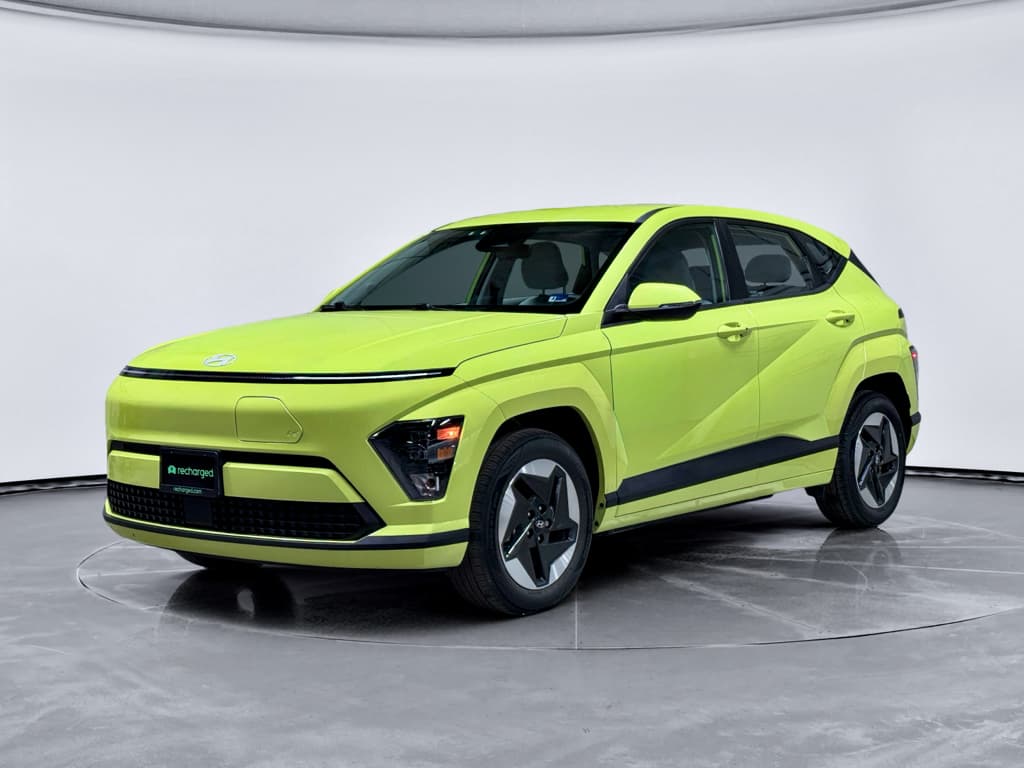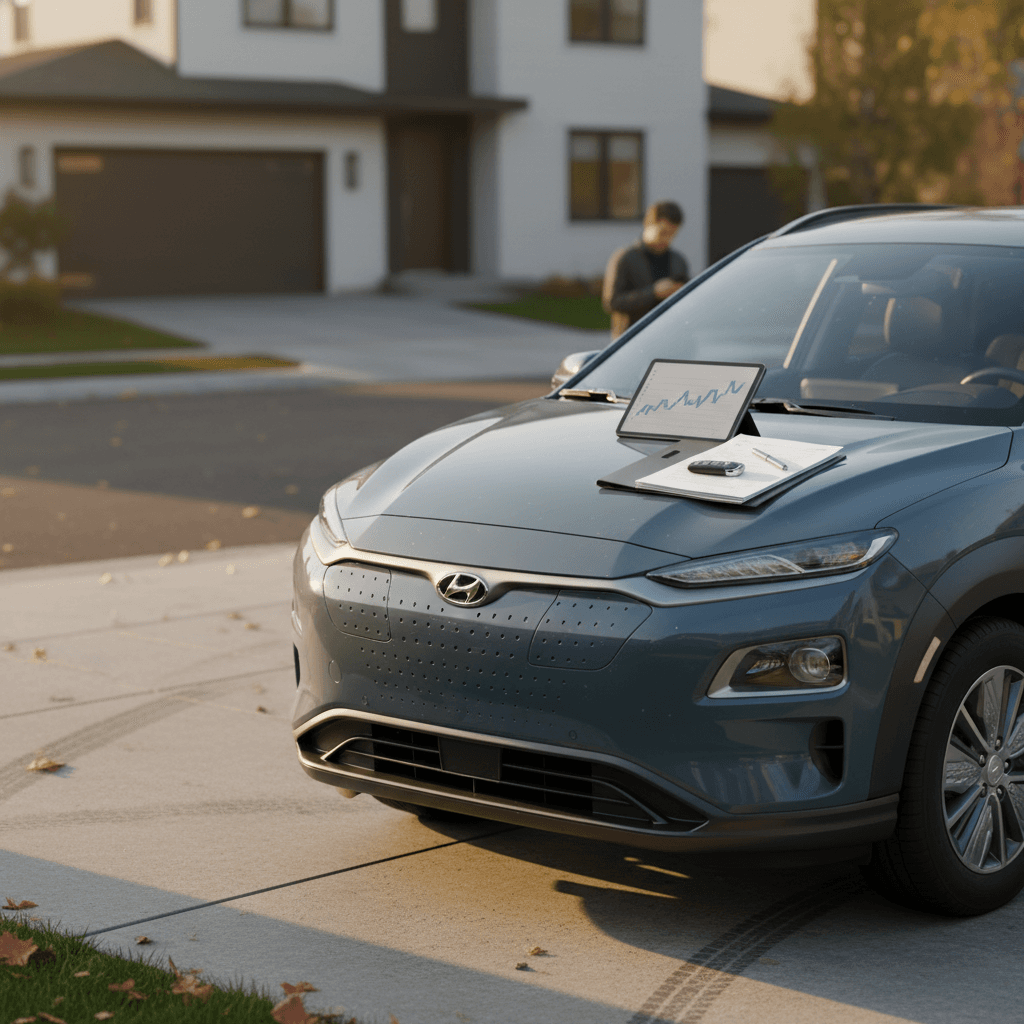
If you own a Hyundai Kona Electric, you’re sitting on one of the more desirable used EVs on the market. It’s efficient, still relatively rare, and backed by a long battery warranty, great news when it’s time to sell. But EV shoppers ask different questions than gas‑car buyers, and following a few focused tips for selling a Hyundai Kona Electric can mean thousands of dollars either gained or left on the table.
Kona Electric resale snapshot
Why selling a Kona Electric is different
EV buyers care most about the battery
The Kona Electric’s 8–10 year high‑voltage battery warranty and strong real‑world degradation results are major selling points. Shoppers want proof: state of health (SoH) numbers, range screenshots, and recall history matter as much as leather seats or wheels.
Market prices move faster
Used EV prices have fallen sharply since 2024, and models like the Kona Electric often swing a few thousand dollars in a matter of months. That volatility means you can’t just copy an asking price from six months ago, you need a fresh, data‑driven view of today’s market before you list.
1. Know what your Kona Electric is really worth
Start by building a realistic value range, not a single magic number. The goal is to understand where your Hyundai Kona Electric sits in today’s used‑EV market, then price within that band based on condition, battery health, and how fast you need to sell.
Hyundai Kona Electric value at a glance
- Check multiple guides: Use pricing tools like KBB, Edmunds, and CarGurus to see retail, private‑party, and trade‑in values for your exact year, trim, mileage, and ZIP code.
- Scan real listings: Search for similar Kona Electrics on major marketplaces and filter for "sold" or "recent" to see what’s actually moving, not just listed.
- Adjust for battery and options: A car with a clean battery health report, winter package, or active safety features can justify pricing at the higher end of the range. Rough cosmetics, limited service history, or missing DC fast‑charging may push you lower.
Use Recharged’s data instead of guessing
2. Time your sale around seasons, incentives, and warranty
EV demand isn’t flat year‑round, and the Kona Electric is no exception. Timing your sale can mean an extra buyer or two raising their hand, or a soft inbox and lowball offers.
How timing affects your Hyundai Kona Electric sale
Use seasonality, incentives, and warranty life to your advantage
Season & weather
Interest in EVs, and range questions, spike and fade with the weather.
- Spring and early summer often see more test‑drive activity and road‑trip planning.
- In cold‑weather states, selling after winter avoids fears about reduced winter range.
Tax credits & incentives
For qualifying used EVs, a buyer may be able to claim a federal used EV tax credit (up to $4,000) or a state rebate. That effectively stretches their budget and can support a slightly higher selling price.
In your listing, hint at it carefully: “May qualify for federal or state incentives, buyer to verify.”
Warranty runway
Your Kona Electric’s factory battery warranty typically runs 8–10 years from the original in‑service date.
- Highlight how many years and miles remain.
- If you’re within 1–2 years of the warranty’s midpoint or end, selling sooner can be easier than waiting until the coverage gets thin.
3. Get serious about battery health documentation
For a used EV, the battery pack is the story. Kona Electric batteries have generally held up well, and Hyundai backs them with long warranties, but buyers want evidence. If you do nothing else from this article, do this step well.
Battery health proof buyers want to see
1. Recent battery health report
Ask a Hyundai dealer or EV‑specialist shop for a high‑voltage battery check. Get the <strong>state of health (SoH)</strong> reading and keep the printout or PDF, this is gold for a serious EV shopper.
2. Real‑world range screenshots
Before you sell, fully charge the car a few times and screenshot the range estimate under normal driving settings. Mention temperature and driving mix (city/highway) so buyers can interpret the numbers.
3. Charging history context
If you mostly AC‑charged at home, say so. Buyers like hearing that DC fast charging was used occasionally, not daily. You don’t need to share every detail, just a clear, honest charging pattern.
4. Warranty confirmation
Note the in‑service date and include a sentence like: “Battery warranty to X years / Y miles; buyer should confirm exact coverage with Hyundai by VIN.” That shows you’ve done your homework without over‑promising.
Don’t oversell your battery
4. Close the loop on recalls and service history
Early Kona Electrics had high‑profile battery recalls, and all EVs have occasional software and hardware campaigns. Savvy buyers will ask. You’re better off answering before they do.
- Run your VIN through Hyundai’s recall lookup or call a dealer to confirm that all recalls and service campaigns are completed. Get receipts if you can.
- Gather service records: tire rotations, brake fluid changes, cabin filters, and any EV‑specific work such as battery or motor replacements.
- If your Kona Electric already received a new pack under warranty, that’s a selling point, note the date, mileage, and paperwork in your listing.
- Be honest about any lingering issues (for example, intermittent infotainment glitches) and whether they’ve been addressed under warranty.
Turn a recall into a selling point
5. Prep and detail the car with EV buyers in mind
Usual used‑car rules apply, clean, fix the obvious stuff, and make the first impression count. But with the Kona Electric, there are a few EV‑specific touches that reassure buyers that you’ve taken care of the car.
Detailing checklist for a Hyundai Kona Electric
Small steps that signal big care to EV shoppers
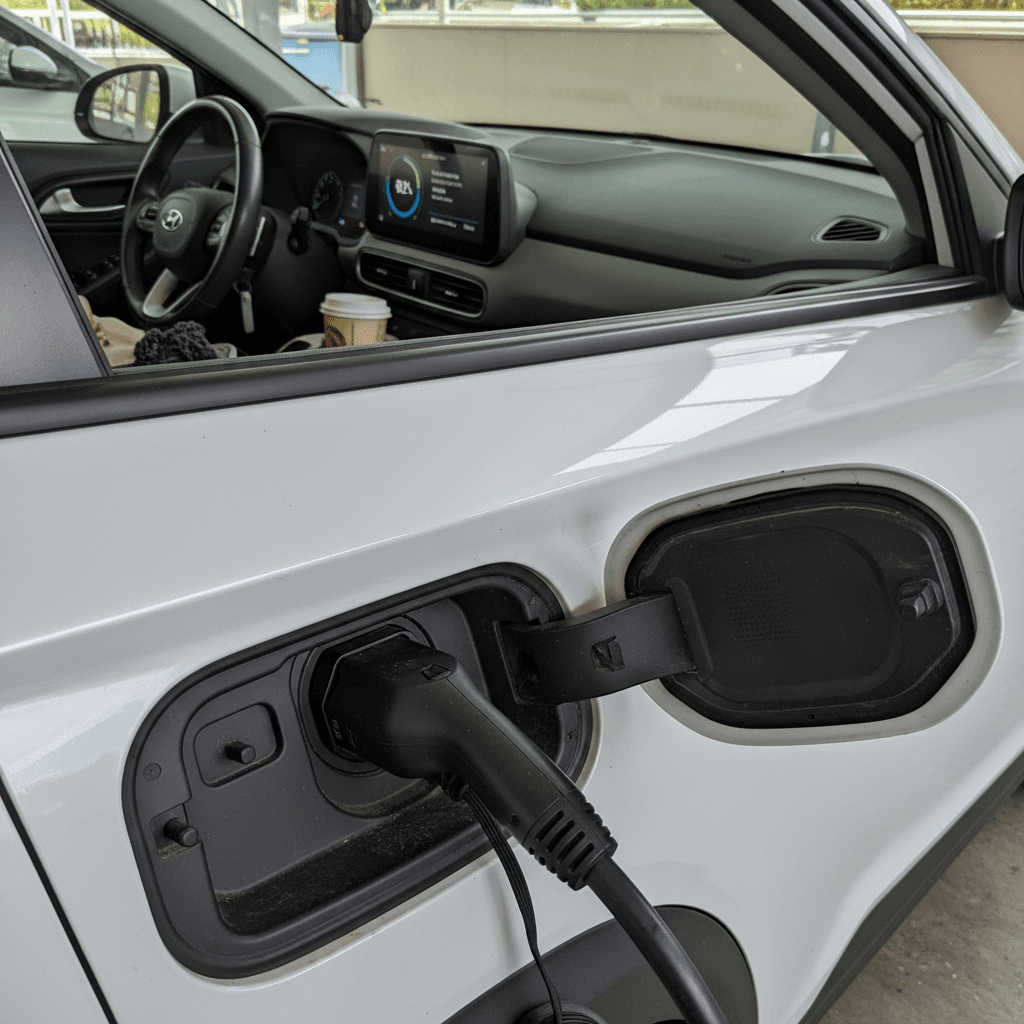
Clean the charging touchpoints
- Wipe the charge port door and seal so they open and close smoothly.
- Clean the portable charge cable (if included) and coil it neatly in the trunk.
- Check for debris, corrosion, or damage around the port and mention if a technician has inspected it.
Interior and tech refresh
- Clear personal data from the infotainment system and log out of any apps.
- Set the EV info pages (energy use, range) to display cleanly for test drives.
- Make sure drive modes, regen paddles, and climate controls all work smoothly.
Fix inexpensive red flags
- Replace burned‑out bulbs and noisy wipers.
- Address obvious curb rash on wheels if it’s cheap to repair.
- Have a shop note remaining tire tread and brake life, EV buyers love hearing that brakes wear slowly on cars like the Kona.
6. Write a listing that answers EV‑buyer questions
A generic used‑car ad (“great condition, runs perfect”) won’t cut it for EV shoppers who are comparing the Kona Electric with Bolt EVs, Leafs, and used Teslas. They want specifics, especially about range, charging, and software.
Key details to include in your Kona Electric listing
Cover these bases and you’ll answer 80% of shopper questions up front.
| Category | What to Include | Why It Matters |
|---|---|---|
| Battery & range | Recent range screenshot, battery check date, summary of typical range by season | Shows real‑world usability instead of brochure numbers. |
| Charging | Whether DC fast charging is equipped, your usual charging habits, included chargers/adapters | Lets buyers know if the car fits their home and road‑trip plans. |
| Warranty | In‑service date, years/miles of battery coverage remaining, note to verify with Hyundai | Reassures buyers who are new to EV ownership. |
| History | Accident history, recalls completed, major repairs (especially battery or drive unit) | Reduces surprises and backs up your asking price. |
| Usage | Daily commute distance, typical driving mix, climate | Gives context for battery wear and range numbers. |
| Ownership costs | Your typical electricity use (if you have it), tire life, maintenance receipts | Helps undecided shoppers see the running‑cost advantage. |
Being transparent and specific can mean fewer tire‑kickers and more serious buyers.
Write a buyer‑friendly headline
7. Set a pricing strategy that works in a soft EV market
Used‑EV prices have been under pressure, with some models seeing double‑digit percentage drops in a single year. That doesn’t mean you should race to the bottom, but it does mean you need a clear plan before the first buyer asks, “What’s your best price?”
Anchor to a realistic range
Take the value range you built earlier and decide where your car fits honestly. If your Kona Electric is clean, has thorough records, and a strong battery report, list it toward the high end of the band. If it’s average or you need a quick sale, start near the middle.
Many private sellers still leave 3–5% room to negotiate. Price accordingly so a small discount still lands you in a number you’re happy with.
Adjust quickly if the market speaks
If you’ve had plenty of views but no serious inquiries after two weeks, the market is telling you something. A modest, timely price adjustment can be more effective than throwing in extras later.
Re‑check Kona Electric listings in your area monthly. Fresh lease returns or incentive changes can shift the competitive landscape under your feet.
Beware unrealistic Tesla comparisons
8. Choose the right place to sell your Kona Electric
You have more options than ever for selling a Hyundai Kona Electric: local dealers, national EV platforms, and old‑fashioned private sales. Each path trades off price, convenience, and risk.
Where to sell your Hyundai Kona Electric
Pick the channel that matches your time, risk tolerance, and price goals
Hyundai or local dealer trade‑in
Best for: Speed and simplicity when you’re already buying another car.
- Pros: One‑stop transaction, tax credit savings in many states, no strangers at your home.
- Cons: Often the lowest dollar amount, and many dealers still struggle to value EV batteries accurately.
Online EV‑focused marketplaces
Best for: Balancing convenience with market‑level pricing.
- Pros: EV‑savvy buyers, digital paperwork, shipping options.
- Cons: Service levels and transparency vary; some sites still treat EVs like gas cars.
Recharged: EV‑specialist instant offer or consignment
Best for: Maximizing value with expert help and full transparency.
- Pros: Recharged combines a Kona‑specific market view with a Recharged Score battery health report, then backs you with EV‑specialist support. You can get an instant offer, trade‑in, or use consignment if you want top‑of‑market pricing without doing the legwork yourself.
- Cons: As with any curated marketplace, not every vehicle will qualify for every program.
9. Manage test drives, home charging demos, and safety
EV‑curious buyers may be new to electric driving altogether. A thoughtful test‑drive experience can turn a mildly interested shopper into a serious buyer, but you still need to protect yourself and your car.
Safe and smart Kona Electric test‑drive steps
1. Screen buyers before meeting
Confirm basic details over messaging or a call: budget, timeline, and whether they’ve driven an EV before. Ask to see a valid driver’s license and proof of insurance before they get behind the wheel.
2. Choose a safe, public meeting spot
Meet in a well‑lit public place, ideally with cameras, many sellers prefer large retail centers or bank parking lots. For extra safety, bring a friend.
3. Control the route
Plan a short loop that shows off EV strengths: quiet acceleration, one‑pedal driving, and smooth regenerative braking. Avoid letting strangers take the car alone for long, unfamiliar routes.
4. Offer a quick charging demo
If you’re comfortable, show how you plug in at home or stop briefly at a nearby public charger to demonstrate DC fast charging (if equipped). This is especially helpful for first‑time EV buyers.
5. Don’t share your home keys or Wi‑Fi
If a buyer visits your home to see the charger setup, keep boundaries clear: no access to your house, and avoid pairing phones or sharing Wi‑Fi credentials during the demo.
10. Nail the paperwork, tax credit, and warranty transfer
The Kona Electric doesn’t add much complexity to the standard used‑car paperwork, but there are a few EV‑specific angles you should get straight before you sign anything.
- Use your state’s recommended bill of sale and complete the title transfer exactly as required, especially the odometer disclosure, even on an EV.
- Remind the buyer that any federal or state EV incentives they might qualify for are their responsibility to verify and claim. Don’t promise eligibility; simply note that the car “may qualify” if price caps and other criteria are met.
- Include a brief as‑is statement for private sales unless you’re explicitly offering some form of warranty.
- Note the Hyundai battery warranty terms and in‑service date, then direct the buyer to confirm coverage by VIN with a Hyundai dealer. That keeps you from acting as the warranty administrator.
Avoid making tax or warranty promises
11. Trade‑in vs consignment vs private sale
There’s no one “right” way to sell a Hyundai Kona Electric. The best route depends on your appetite for effort, how quickly you need money or a replacement car, and your risk tolerance dealing directly with the public.
12. Quick checklist before you list your Kona Electric
Before your Hyundai Kona Electric goes live on any marketplace, run through this short, practical checklist. It can easily add four figures of perceived value without four figures of cost.
Pre‑listing checklist for Hyundai Kona Electric owners
Confirm recalls and service history
Run the VIN for open recalls, gather service records, and note any major warranty work (especially battery or drive‑unit replacements).
Get a fresh battery health check
Schedule a high‑voltage battery inspection with Hyundai or an EV specialist, and keep the SoH report handy for interested buyers.
Detail the car and charging gear
Clean the exterior, interior, charge port, and any included charging cables. Replace cheap wear items like wipers or floor mats if they’re eyesores.
Photograph like a pro
Shoot clear, well‑lit photos of the exterior, interior, wheels, tires, infotainment screen, odometer, charging screen, and included accessories.
Write an EV‑aware listing
Highlight range, charging options, battery warranty remaining, typical use, and any upgrades. Answer the questions you’d have if you were buying your first EV.
Gather paperwork in one folder
Title, registration, loan payoff info (if applicable), service records, battery report, and bill of sale template should all be ready before the first test drive.
Selling a Hyundai Kona Electric in 2025–2026 isn’t just about cleaning the car and snapping a few photos. The owners who do best treat it like selling a piece of high‑value tech: they document the battery, explain how they’ve used and charged the car, and choose the right channel for their risk and time tolerance. Whether you decide to trade in, sell privately, or tap into Recharged’s instant offer or consignment options, a clear, data‑driven story about your Kona Electric will help you move on confidently, and help the next owner start their EV journey on the right foot.