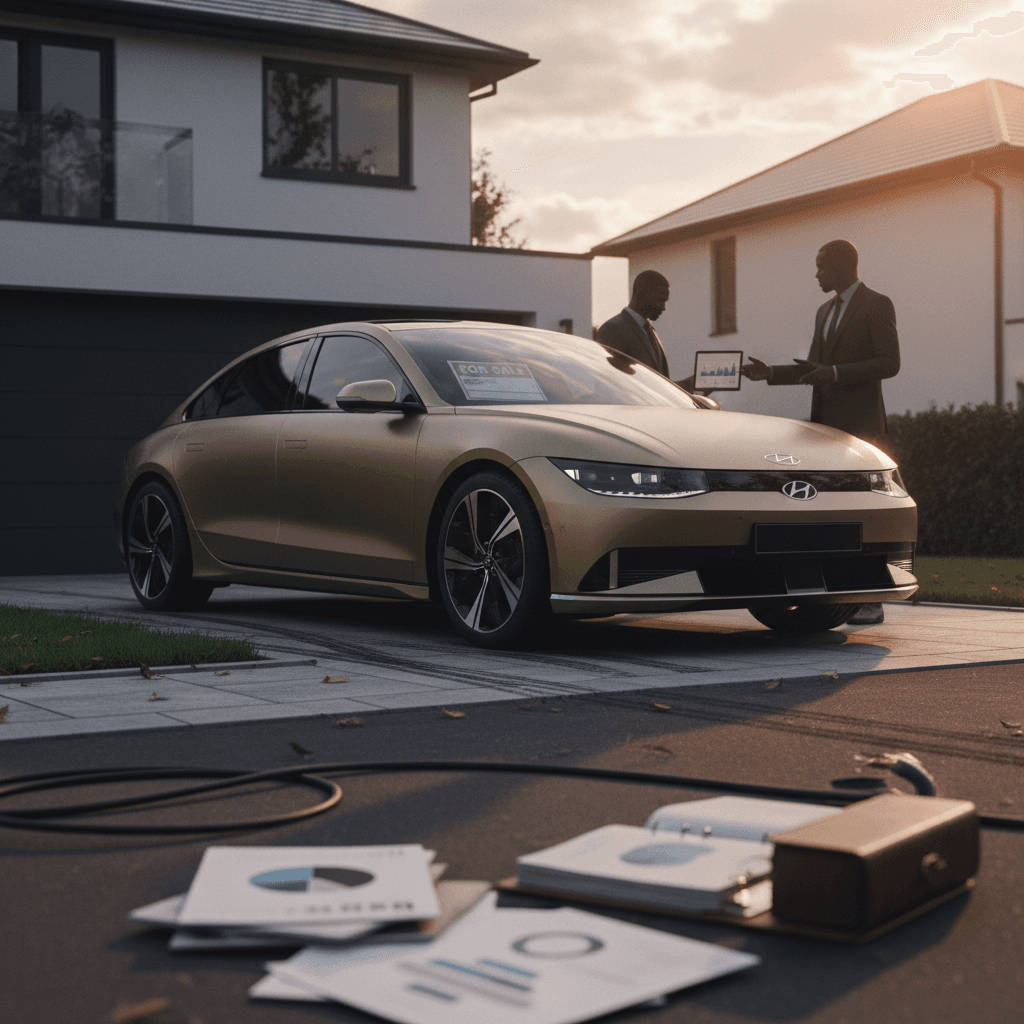
If you’re looking for tips for selling your Hyundai Ioniq 6, you’re already ahead of the game. The Ioniq 6 is a standout electric sedan, but it lives in a fast‑moving EV market with big incentives, rapid depreciation, and shoppers who ask different questions than gas‑car buyers. The good news: with a bit of strategy, you can sell confidently and keep thousands of dollars from slipping through the cracks.
Key takeaway
Why selling a Hyundai Ioniq 6 is different from a gas car
EV‑specific questions
- “What’s the real‑world range left?”
- “How much warranty remains on the high‑voltage battery?”
- “Has it mostly been DC fast‑charged or charged at home?”
Market quirks
- New‑car incentives and price cuts push used prices down faster.
- Buyers compare you directly to discounted new Ioniq 6 deals.
- Battery health matters as much as mileage and cosmetic condition.
Why this matters
Tip 1: Pick the right time to sell your Ioniq 6
Timing can easily move your sale price by several thousand dollars. The sweet spot for many Ioniq 6 owners is often between years 2 and 3 of ownership, while the car still feels current and before mileage climbs too high. At that point, you’re offering buyers a nearly new EV with a long runway of battery warranty remaining.
- Aim to sell before a big model‑year refresh or major price cut on new Ioniq 6 models.
- List your car at the start of spring or early fall, when used‑car shopping typically picks up and weather is friendly for test drives.
- If your lease is ending, start exploring offers 60–90 days before turn‑in so you can compare buy‑out + resale math with simply returning it.
Seasonal tip
Tip 2: Decide how you want to sell (trade‑in, instant offer, or private sale)
Compare your main selling options
Each path trades money for convenience in a different way.
Dealer trade‑in
Pros: Fast, simple, tax credit benefit in many states when trading for another car.
Cons: Typically the lowest dollar amount; many dealers still under‑value EVs.
Instant offer / online buyer
Pros: Quick quotes, minimal hassle, often better than a walk‑in trade.
Cons: Less than a top‑dollar private sale; offers may change after inspection.
Private sale
Pros: Highest potential price if you market the car well.
Cons: Requires more time, screening buyers, handling test drives and paperwork.
If you value simplicity over every last dollar, a trade‑in or instant offer might be worth it. If your priority is maximum sale price, be prepared to invest more effort in a private sale or to work with a specialist EV marketplace that handles the heavy lifting for you.
Tip 3: Know your Ioniq 6’s real market value
What drives Ioniq 6 resale value right now
Start with online valuation tools, but don’t stop there. Those tools often struggle with how quickly EV pricing moves and may not fully account for your options, condition, or local demand. Look at real listings for similar Ioniq 6 trims, model years, and mileage within a few hundred miles of you and pay attention to cars that have actually sold, not just the optimistic asking prices that sit for months.
Pro move
Tip 4: Use battery health and warranty as key selling points
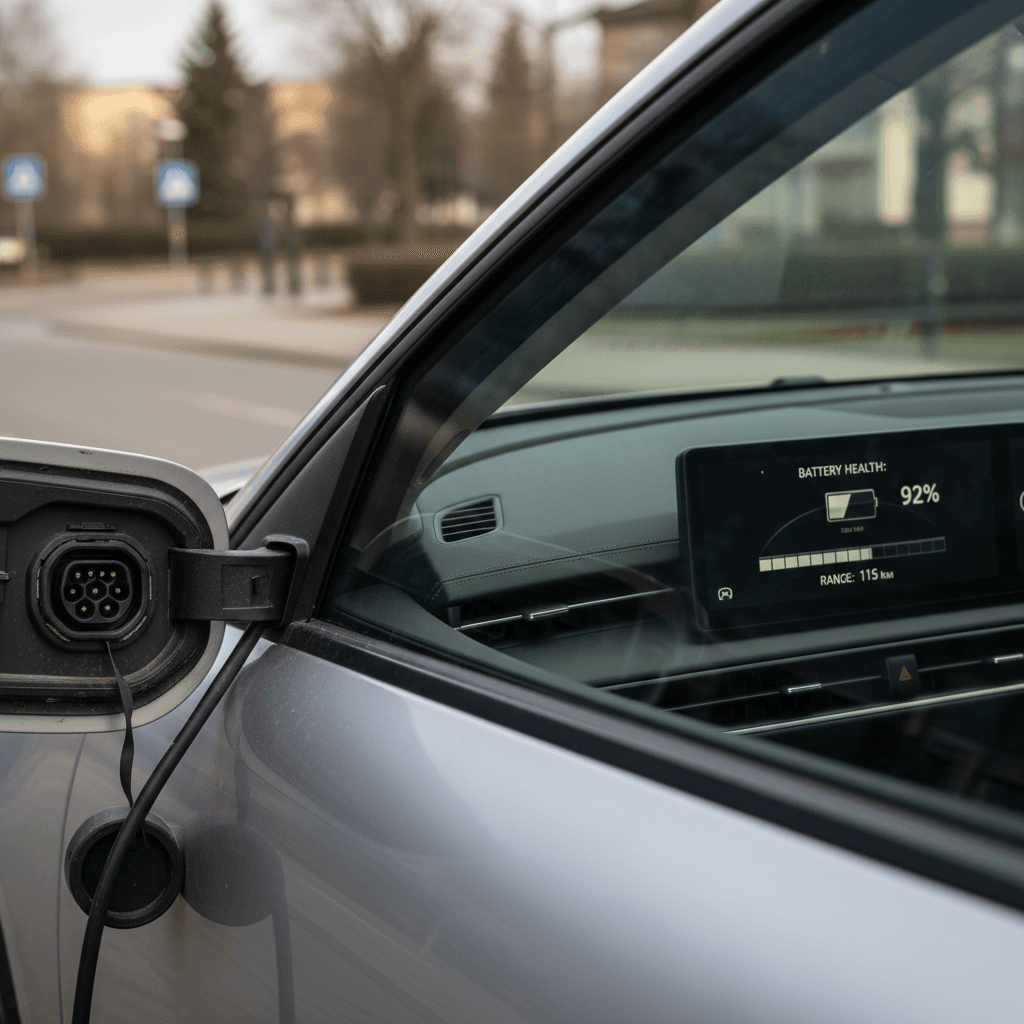
For a used EV, the high‑voltage battery is the heart of the deal. Many shoppers will gladly pay more for a car with clearly documented battery health and warranty coverage. Recent U.S.‑market Hyundai Ioniq 6 models typically include a 10‑year/100,000‑mile high‑voltage battery warranty from the original in‑service date, plus EV‑system coverage and the standard bumper‑to‑bumper warranty.
Battery & warranty proof buyers want to see
Confirm remaining battery warranty
Call a Hyundai dealer with your VIN to confirm how much of the 10‑year/100,000‑mile battery warranty is left and whether it transfers to the next owner. Policies can be confusing; getting a written confirmation is ideal.
Gather charging history, if possible
If you use a home charger or apps like Electrify America, screenshots of typical charging patterns and range at a full charge can reassure buyers.
Include recent service records
Routine maintenance, software updates, tire rotations, and any warranty work show you’ve stayed on top of ownership.
Consider an independent battery health report
A third‑party diagnostic or a platform like Recharged that provides a <strong>verified battery health report</strong> can be a powerful trust signal, especially for out‑of‑area buyers.
Avoid this red flag
Tip 5: Prep the car the way your buyer will inspect it
Your Ioniq 6 might be a rolling tech device, but basic used‑car rules still apply. A clean, well‑detailed car signals that you’ve treated it carefully, especially important when buyers worry about how previous owners treated the battery.
- Have the car professionally detailed or, at minimum, deep‑clean the interior, glass, and wheels.
- Remove personal items and floor mats for photos so the sleek cabin design stands out.
- Fix small, inexpensive items, burned‑out bulbs, wiper blades, missing wheel caps, that can otherwise give buyers negotiation leverage.
- Top off washer fluid and inflate tires to the correct pressures; this can also improve the displayed range figure before a test drive.
Small investment, big return
Tip 6: Capture listing photos that actually sell an EV
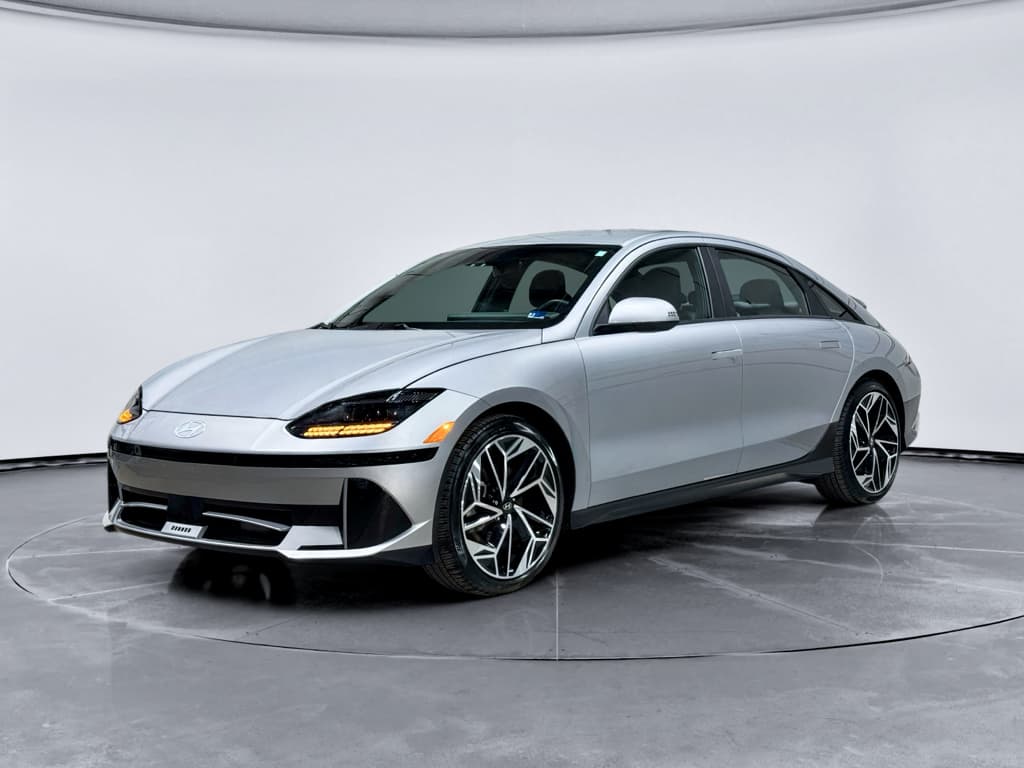
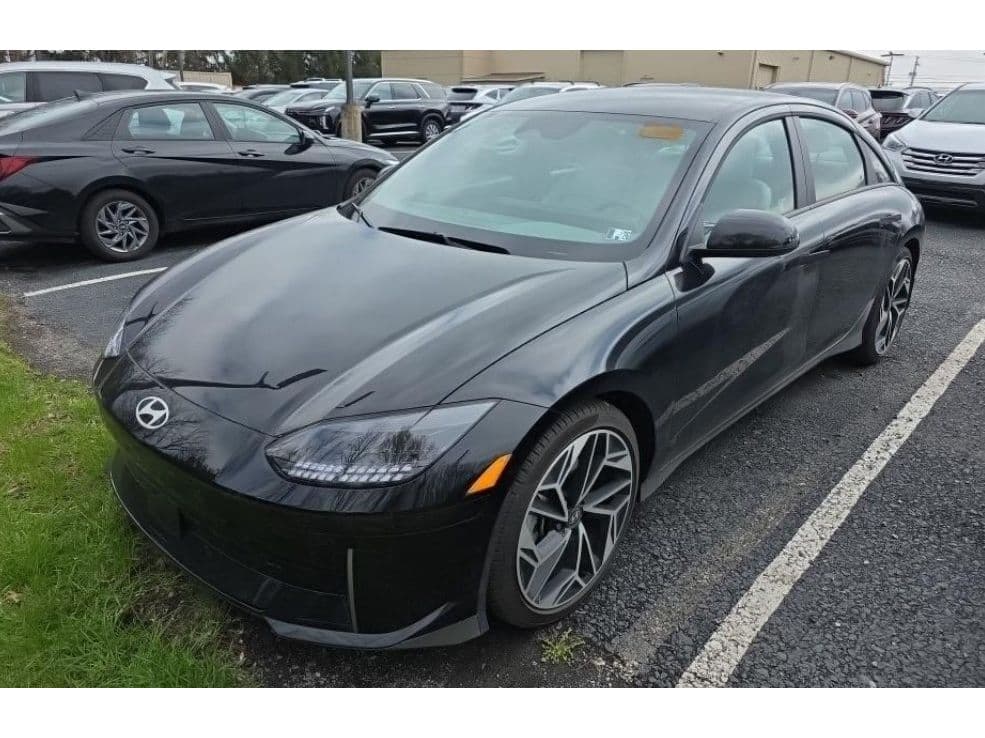
The Ioniq 6’s design is one of its biggest selling points. Your photos should highlight its sleek profile, aero‑focused details, and modern interior tech. Shaky nighttime photos in a crowded parking lot are a fast way to get scrolled past.
Essential photo checklist for your Ioniq 6 listing
Exterior walk‑around
Front 3/4, rear 3/4, both sides, close‑ups of wheels, lights, and any cosmetic flaws you’re disclosing.
Interior & tech
Dashboard with screens on, steering wheel, front and rear seats, trunk, and any unique options (Bose audio, ambient lighting, etc.).
EV‑specific shots
Close‑up of the charge port, cable and included adapters, the main display showing state of charge and estimated range, and, if available, a battery health screen.
Paperwork & accessories
Books, key fobs, charging cable, floor mats, window sticker if you still have it, all laid out neatly to show what’s included.
Lighting hack
Tip 7: Write a listing that answers EV‑buyer questions up front
A strong listing does more than restate the VIN decoder. It tells a clear story, answers obvious EV questions, and removes reasons for a serious shopper to hesitate. Assume your buyer is comparing several Ioniq 6s in different tabs and write so yours feels like the safest, smartest choice.
Details to highlight
- Exact trim, battery size, drivetrain (RWD vs AWD).
- EPA‑rated range and what you typically see in daily use.
- Remaining factory warranty (battery and bumper‑to‑bumper).
- Charging habits (mostly home Level 2 vs heavy DC fast charging).
- Any accidents or repairs, with documentation if available.
Example opening sentence
“Selling my 2024 Hyundai Ioniq 6 SEL AWD in [color], 24,500 miles, clean title, mostly home‑charged on Level 2, still under Hyundai’s battery warranty through 2033 (subject to mileage). Car averages about 290 miles of real‑world range in mixed driving.”
Tip 8: Price strategically for your local market
Once you know what similar Ioniq 6s are listed for, decide where you want to sit on the spectrum from “sell quickly” to “hold out for every last dollar.” Remember that many used‑EV buyers are shopping nationally and will factor in shipping costs when they compare your car to one in another state.
Pricing strategy examples
How you might position your Ioniq 6 depending on your goals.
| Strategy | List Price vs. Market | Best For | Trade‑off |
|---|---|---|---|
| Aggressive | $500–$1,000 below similar local listings | Quick sale, relocating, or ending a lease soon | Less room to negotiate; car moves faster. |
| Market‑match | Roughly in line with average comparable listings | Most private sellers | Balanced time‑to‑sale and net proceeds. |
| Aspirational | $1,000–$2,000 above the strongest comps | Rare spec, ultra‑low miles, or no rush | Longer time on market; expect negotiations and possible price drops. |
These are illustrative spreads only, base your numbers on current local comps and condition.
Watch the new‑car incentives
Tip 9: Screen buyers and evaluate offers like a pro
When the inquiries start coming in, your job shifts from marketing to risk management. You want serious, qualified buyers, not tire‑kickers, lowball artists, or scammers.
How to separate serious buyers from time‑wasters
Ask how they plan to pay
Before scheduling a test drive, confirm whether they’ll use cash, bank financing, or a cashier’s check. Be wary of third‑party payment apps for large sums.
Listen for EV‑savvy questions
Questions about range, charging, or software updates often signal a serious shopper. You don’t need an engineer; you want someone who’s done homework.
Set expectations on price
If someone immediately offers thousands below market “cash today,” politely decline and stick to your research. You can always negotiate later with better‑qualified buyers.
Trust your instincts
If communication feels off or rushed, you can say no. There will be other buyers.
Tip 10: Handle test drives and charging logistics
Test drives in an EV are slightly different. Many shoppers are curious about one‑pedal driving, acceleration, and real‑world range. Plan the route and logistics so their first experience is smooth and confidence‑building.
- Meet in a safe, public place, ideally near a DC fast charger or at least a Level 2 station in case the buyer wants to see charging in action.
- Start the test drive with at least 60–70% charge so the estimated range looks healthy and there’s plenty of buffer.
- Briefly show key features before driving: drive modes, regenerative braking settings, main infotainment screens, and how to start/stop the car.
- Ride along on the first drive for your own safety and to answer questions; if you allow a solo drive, make sure you’ve seen ID and have a clear time limit.
Safety first
Tip 11: Close the deal safely (paperwork & money)
The last step is where many private sellers get nervous, and for good reason. A little structure goes a long way. Use your state’s bill of sale template, confirm payoff amounts if there’s a lien, and choose a payment method that minimizes risk.
Simple framework for a safe closing
Adjust for your state’s specific rules and forms.
1. Agree in writing
2. Meet at a bank or DMV
3. Finalize documents
Don’t forget the digital side
Tip 12: Consider a specialist EV marketplace like Recharged
If you like the idea of a strong private‑sale price but don’t want to manage every detail yourself, a specialist marketplace can bridge the gap between “dealer trade‑in” and “do‑it‑yourself.” That’s where Recharged is built to help.
How Recharged can help you sell an Ioniq 6
- Recharged Score battery health diagnostics so buyers can see verified data, not guesswork.
- Fair market pricing guidance using up‑to‑date EV‑specific data, not just generic book values.
- Instant offer or consignment options depending on how quickly you want to sell and how involved you want to be.
- EV‑specialist support that can explain range, charging, and warranties to hesitant buyers.
Why this matters for you
The Ioniq 6 is an advanced EV that deserves more than a one‑size‑fits‑all valuation. Working with a platform built around used electric vehicles can mean:
- More informed buyers.
- Less haggling over myths and misunderstandings.
- A smoother, more transparent sale from quote to payment and delivery.
FAQs about selling a Hyundai Ioniq 6
Frequently asked questions
Selling a Hyundai Ioniq 6 in 2026 means navigating a market that’s still figuring out how to value modern EVs. If you choose the right time, document battery health and warranty, present the car honestly, and price it with current local data in mind, you’ll already be ahead of most sellers. Whether you close the deal yourself or lean on a specialist like Recharged, the combination of clear information and smart preparation is what turns your Ioniq 6 from just another listing into the one serious buyers race to see first.