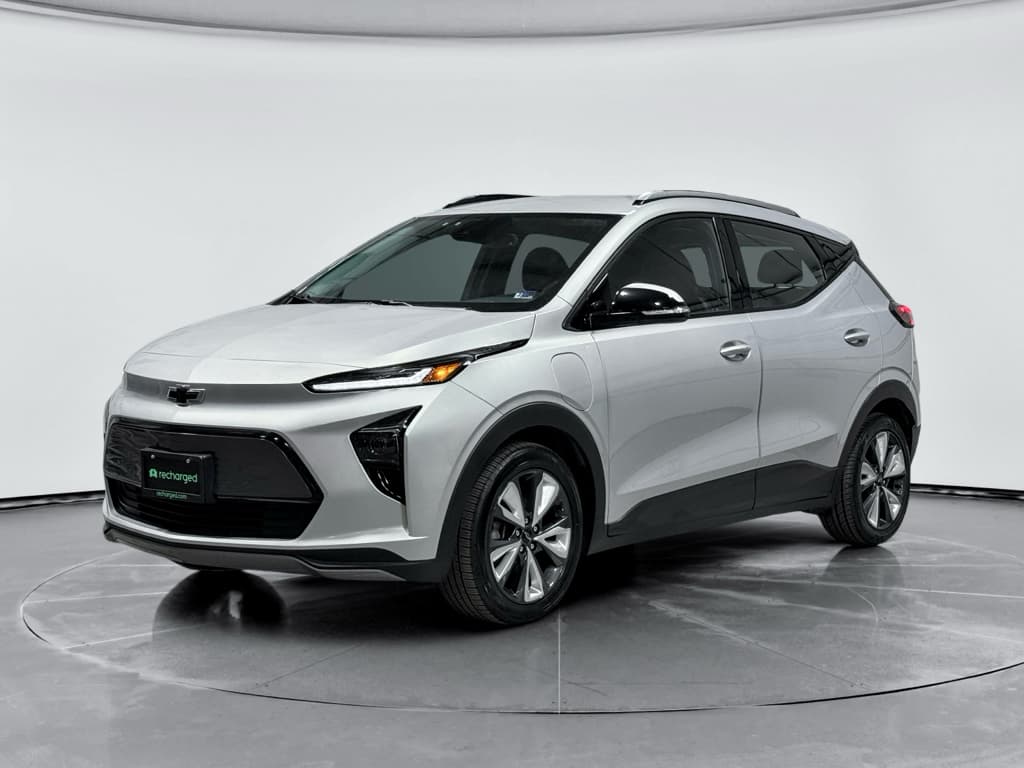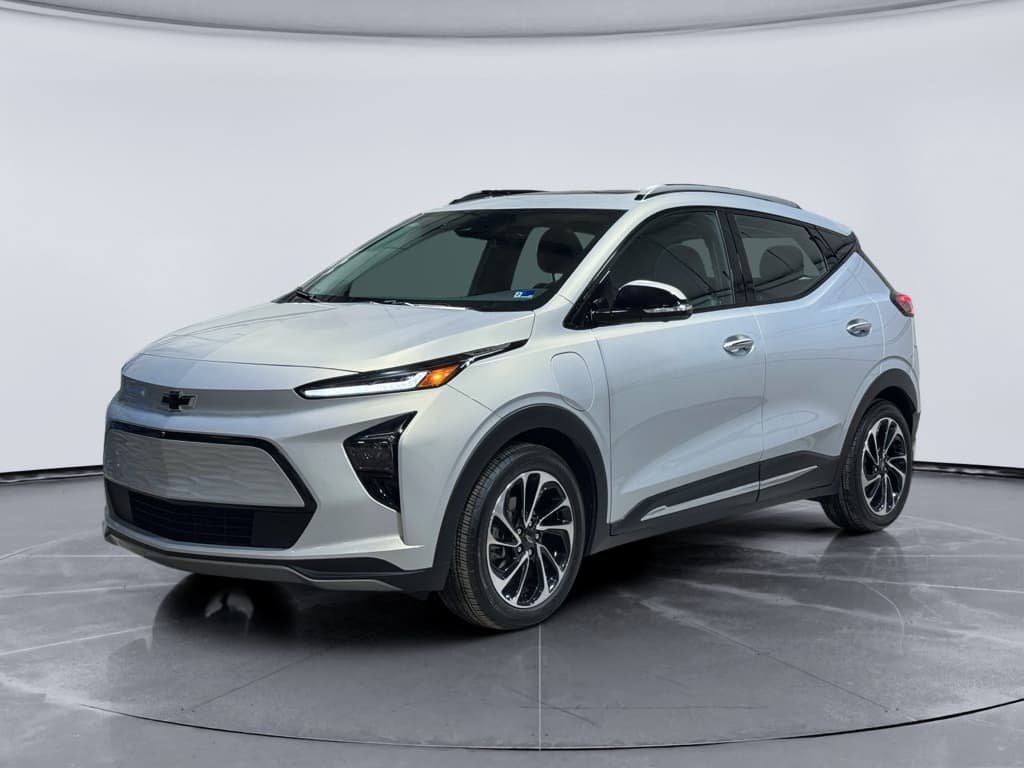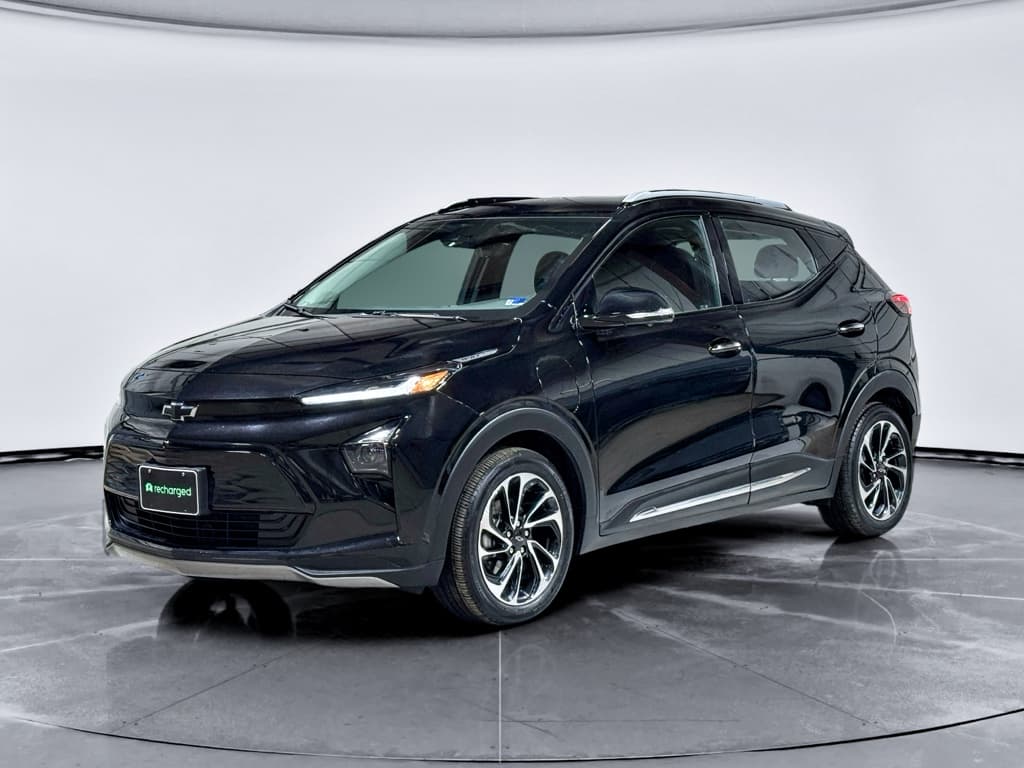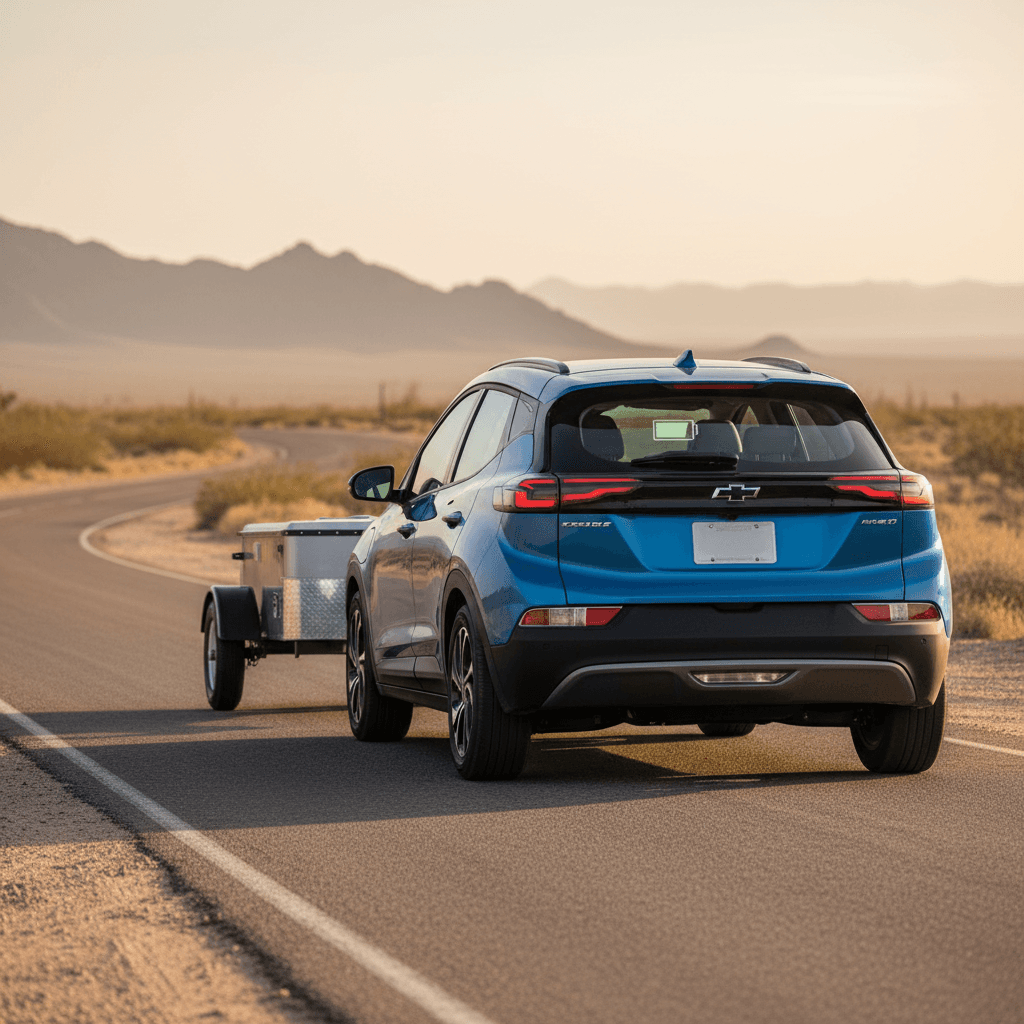
If you own or are eyeing a Chevrolet Bolt EUV, you’ve probably wondered about towing capacity and range loss. GM never promoted the Bolt EUV as a tow vehicle, but owners routinely pull small trailers, cargo boxes, and camping gear. The catch: your effective range can drop fast if you don’t respect the limits.
Quick answer
Can a Chevrolet Bolt EUV actually tow?
From the factory, U.S.‑market Chevrolet Bolt EUV models are sold with no official tow rating and no OEM hitch option. In the owner’s manual, GM’s stance in the U.S. is effectively, “do not tow with this vehicle.” That’s the legal and warranty position.
- Light utility or cargo trailers
- Small teardrop or off‑grid campers
- Bike racks and cargo carriers (no trailer)
Important disclaimer
Official vs. real-world Bolt EUV towing capacity
1. Official stance (U.S.)
- No factory tow rating listed for the Bolt EUV.
- No OEM hitch or wiring harness offered by Chevrolet in the U.S.
- Owner’s manual language discourages towing.
This protects GM from liability and warranty disputes if something goes wrong while towing.
2. What owners actually do
- Install aftermarket hitches rated around 2,000 lbs gross trailer weight and 200 lbs tongue weight.
- Pull well under the hitch rating, typically 600–1,500 lbs loaded.
- Upgrade to braked trailers for anything near 1,500 lbs.
Think of the Bolt EUV as a capable light‑duty tow rig, not a truck replacement.
Chevrolet Bolt EUV towing at a glance (informal, real-world use)
Practically, many Bolt EUV drivers treat ~1,000–1,500 lbs loaded trailer weight as an upper ceiling for occasional use, backing off if they’ll be in the mountains, heat, or high winds. If you routinely need more than that, a larger EV or plug‑in hybrid with a factory tow package will be a better fit.
How towing affects Bolt EUV range
The Bolt EUV’s 65 kWh battery can deliver an EPA‑rated ~247 miles of range in stock form. When you tow, you’re fighting physics on two fronts: weight and aerodynamics. Both show up immediately in your energy use per mile.
- Extra weight makes acceleration and climbing hills more energy‑intensive.
- Poor aerodynamics from a boxy trailer can matter more than the weight itself at highway speeds.
- Higher rolling resistance from additional tires and bearings adds another constant drag.
- Regenerative braking is still helpful, but it can’t fully recapture what you spend climbing grades or pushing air.
Why a small trailer can feel “expensive”
Chevrolet Bolt EUV towing range loss estimates
Every route, driver, and trailer is different, but owner data across small EVs paints a consistent picture. Below are ballpark numbers to help you plan. Assume a healthy battery and moderate weather, starting from ~247 miles EPA range.
Approximate Chevrolet Bolt EUV range while towing
Estimates assume a healthy battery, relatively flat terrain, and 60–65 mph cruising. Always plan extra buffer.
| Trailer setup | Approx. loaded trailer weight | Highway speed | Estimated range | Range loss vs. normal |
|---|---|---|---|---|
| No trailer (baseline) | 0 lbs | 65 mph | ~210–220 mi | , |
| Low, narrow cargo trailer | 600–800 lbs | 60–65 mph | ~140–160 mi | ~25–35% loss |
| Small teardrop camper | 1,000–1,200 lbs | 60 mph | ~120–140 mi | ~35–45% loss |
| Boxy 4x8 utility trailer | 1,000–1,500 lbs | 60–65 mph | ~100–130 mi | ~40–50% loss |
| Tall, wide camper (near limit) | 1,400–1,600 lbs | 65 mph+ | <100 mi | 50%+ loss possible |
Use these as planning tools, not promises, conditions can easily push you outside these ranges.
Build in a safety buffer
Factors that make towing range loss better or worse
Eight key variables that change your towing range
You control more of this than you might think.
1. Speed
Above ~55 mph, aero drag skyrockets. Dropping from 70 to 60 mph can add tens of miles of usable range when you’re towing.
2. Terrain
Long climbs sap energy quickly. On mountain routes, assume the conservative end of any range estimate and charge more often.
3. Wind direction
A headwind works like a permanent uphill grade. A strong crosswind can also hurt efficiency, especially with tall trailers.
4. Temperature & climate control
Cold weather and heavy HVAC use cut range even without a trailer. Combine them with towing and you’ll feel the hit.
5. Trailer weight
Every extra pound costs energy, particularly in stop‑and‑go or hilly driving. Keep gear and water loads tight.
6. Trailer shape
Smooth, low teardrops tow dramatically more efficiently than boxy, flat‑fronted cargo trailers or tall campers.
7. Driving style
Gentle acceleration, plenty of coasting, and anticipatory braking can easily swing your energy use by 10–20%.
8. Charging behavior
More frequent, shorter fast‑charge stops (e.g., 10–60%) are often quicker than deep 10–90% sessions when towing.
Safe trailer setups for the Bolt EUV
If you decide to tow with a Bolt EUV despite the lack of an official rating, treat it like a careful engineering project, not an impulse buy. Your priorities are stopping distance, stability, and staying within hardware limits.
Checklist: Building a conservative, Bolt‑friendly towing setup
1. Choose a quality, vehicle‑specific hitch
Use a <strong>bolt‑on hitch</strong> made specifically for the Bolt or Bolt EUV, with clear installation instructions and a published weight and tongue rating. Avoid universal clamp‑on products.
2. Respect the lowest rated component
Your maximum limit is the <strong>lowest rating</strong> among hitch, ball mount, ball, trailer coupler, and tires. Do not assume “the hitch can do 2,000 lbs, so I can too.”
3. Keep trailer weight modest
For most owners, a practical ceiling is <strong>1,000–1,500 lbs fully loaded</strong>, and lower is better. Account for water, batteries, propane, and gear, not just the trailer’s dry weight.
4. Mind tongue weight and rear axle load
Tongue weight should be about <strong>10–15% of trailer weight</strong>, but also below the hitch and receiver rating. Too much weight on the rear can hurt handling and braking.
5. Use trailer brakes when possible
On anything near 1,000 lbs, especially in hilly areas, <strong>electric trailer brakes</strong> with a properly wired controller are a big safety upgrade.
6. Verify lights and wiring
Have trailer lighting wired by someone familiar with EVs or use a harness kit designed for the Bolt/Bolt EUV. <strong>Do not tap randomly</strong> into high‑voltage or unknown circuits.
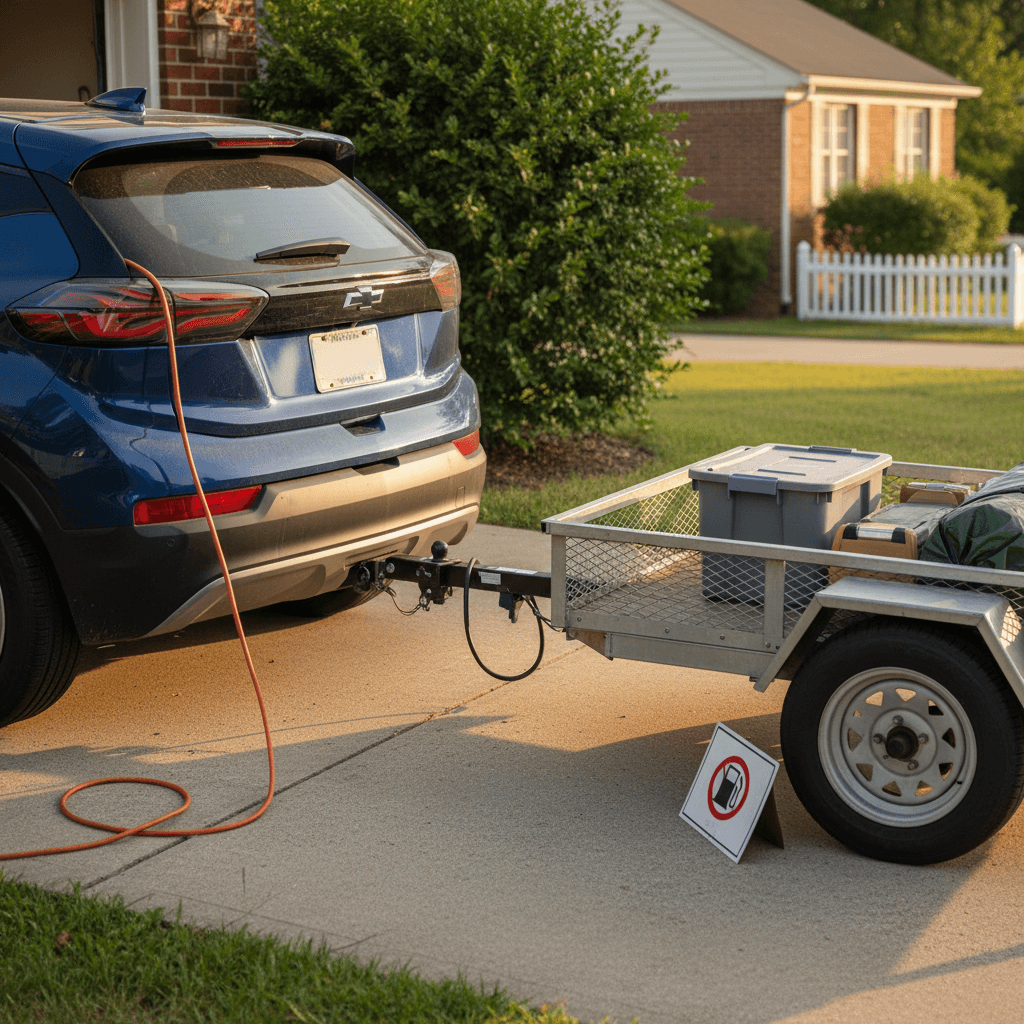
When NOT to tow with a Bolt EUV
Planning trips and charging when towing
The difference between a fun EV towing adventure and a white‑knuckle slog is usually planning. With a Bolt EUV, you’re working with slower DC fast‑charging than some newer EVs, so smart routing matters even more.
- Use an EV‑aware trip planner (like A Better Routeplanner or PlugShare with planner features) and tell it you’re consuming 40–60% more energy than normal.
- Plan to stop at shorter intervals, every 60–90 miles instead of 150–180 miles. This fits well with restroom and snack breaks.
- Prefer reliable DC fast‑charging networks along your route, and read recent station check‑ins from other drivers.
- Aim to arrive at fast chargers with 10–20% state of charge and depart around 60–70% when towing. That’s often the fastest way to move down the road.
- Build in contingency options, identify backup chargers or Level 2 options in case a station is busy or down.
- On longer trips, consider overnight Level 2 charging at campgrounds or hotels so you can start the day at a high state of charge without extra stress.
Pro planning move
Protecting Bolt EUV battery health when you tow
Towing doesn’t just affect range, it also changes how hard you work the battery and power electronics. The Bolt EUV’s pack is robust, but it’s smart to minimize unnecessary stress, especially if you plan to keep the car for several years or are considering it as a used EV purchase.
Battery‑friendly habits when towing with an EV
Preserve long‑term capacity while still enjoying your trips.
Avoid extreme heat
High ambient temps plus sustained heavy loads are tough on batteries. If possible, avoid long, steep climbs in triple‑digit heat, and don’t sit at 100% charge in hot sun.
Stay in the mid‑range
For multi‑day trips, try to operate between 10–80% state of charge. Reserve 90–100% only for legs where you truly need the extra buffer.
Favor moderate charging rates
The Bolt EUV already charges more modestly than some EVs. When you can, mix in Level 2 overnight charging to reduce time spent at high DC fast‑charge currents.
Drive smoothly
Hard acceleration with a trailer spikes power draw and heat. Smooth throttle inputs are better for range, comfort, and long‑term battery health.
Watch for thermal limits
If you see power‑limit warnings or reduced acceleration on long climbs, back off the speed to let the system cool. Don’t fight the car.
Inspect regularly
Towing adds stress to tires, suspension bushings, and brakes. Regular inspections catch issues early and keep the car safe and quiet.
Used Bolt EUV shopping tips if you plan to tow
If you’re shopping the used Chevrolet Bolt EUV market specifically with light towing or heavy cargo in mind, you’ll want more than an odometer reading and a quick test‑drive. Battery health, prior usage, and any existing hitch installation all matter.
Checklist: Evaluating a used Bolt EUV for towing duty
1. Check for existing hitch hardware
Look underneath the rear bumper for a hitch receiver or signs one was removed. A properly installed, rust‑free hitch is a plus; mangled mounting points are a red flag.
2. Review service and accident history
Ask for service records and any collision repair history. <strong>Rear‑end repairs</strong> can affect how well aftermarket hitches fit, or whether they should be used at all.
3. Get objective battery health data
Battery capacity matters more when towing. With Recharged, every used EV comes with a <strong>Recharged Score Report</strong> that includes verified battery health so you aren’t guessing about range.
4. Test on the highway
Even without a trailer, a short <strong>highway test</strong> will reveal noises, tracking issues, or alignment problems that could be magnified once you put tongue weight on the rear.
5. Verify charging performance
Make sure the car can <strong>DC fast‑charge at expected speeds</strong>. On road trips with a trailer, you’ll lean heavily on whichever fast‑charging capability the Bolt EUV has.
6. Plan your total package
Budget not just for the car, but also for <strong>hitch, wiring, trailer, and possibly new tires</strong>. A retailer like Recharged can help you model the full cost of ownership, including accessories.
How Recharged can help
Ready to find your next EV?
Browse VehiclesChevrolet Bolt EUV towing FAQ
Frequently asked questions about Bolt EUV towing and range loss
Bottom line: Can the Bolt EUV handle your towing needs?
Towing with a Chevrolet Bolt EUV lives in a gray zone. Officially, there’s no U.S. tow rating. In practice, owners successfully pull light, well‑sorted trailers every day, as long as they stay conservative on weight, respect hitch and hardware limits, and accept a substantial hit to range. For occasional camping trips, bikes, or a small cargo trailer, the Bolt EUV can be a surprisingly capable partner with the right setup and expectations.
The key is honest self‑assessment: how heavy is your trailer, how often will you tow, and how comfortable are you planning around 25–50% range loss? If that still fits your life, a carefully equipped Bolt EUV can deliver electric‑only road trips with some towing versatility. And if you’re shopping used, a retailer like Recharged can help you zero in on Bolt EUVs with strong battery health and transparent history so you start those adventures from a position of confidence.