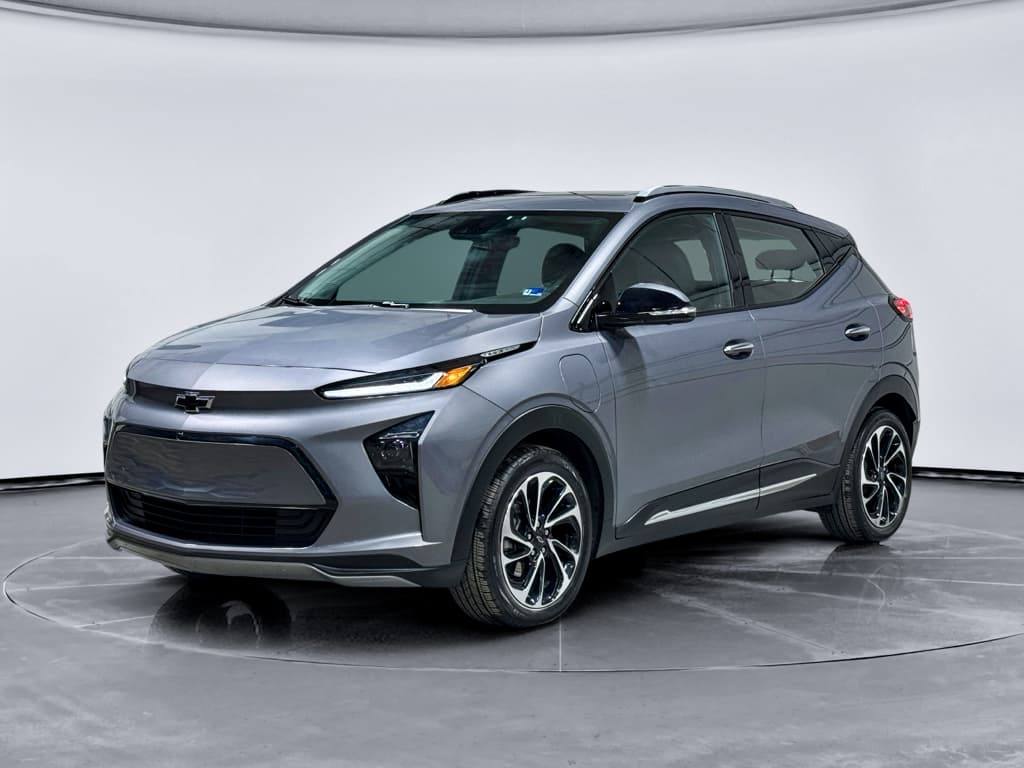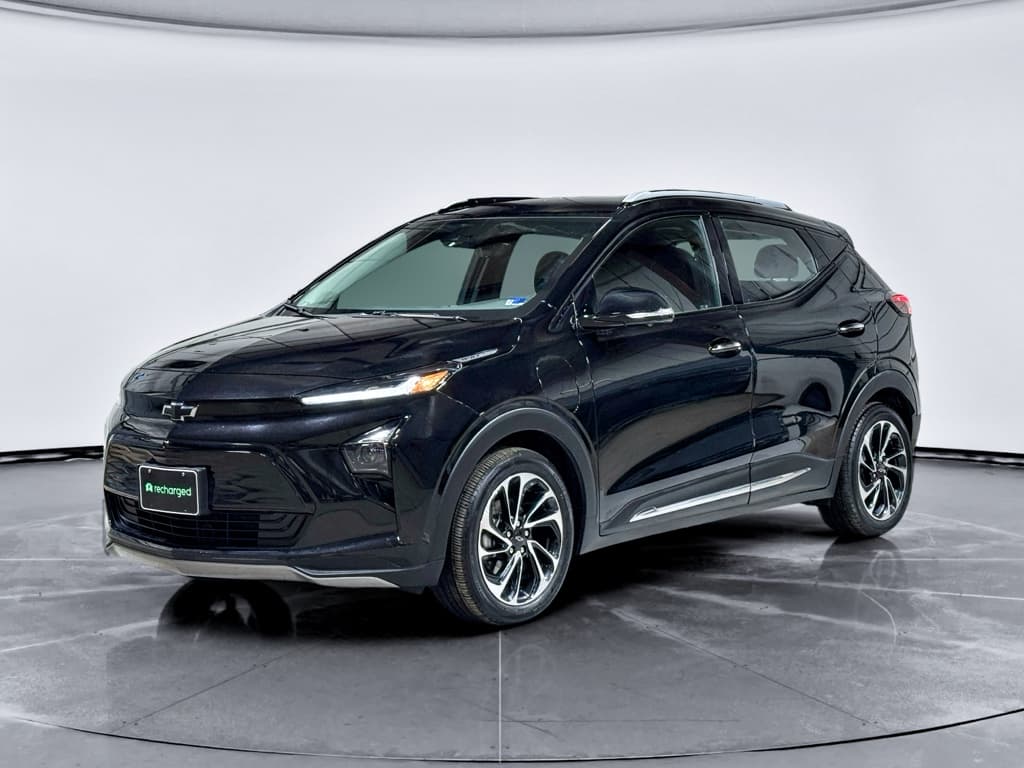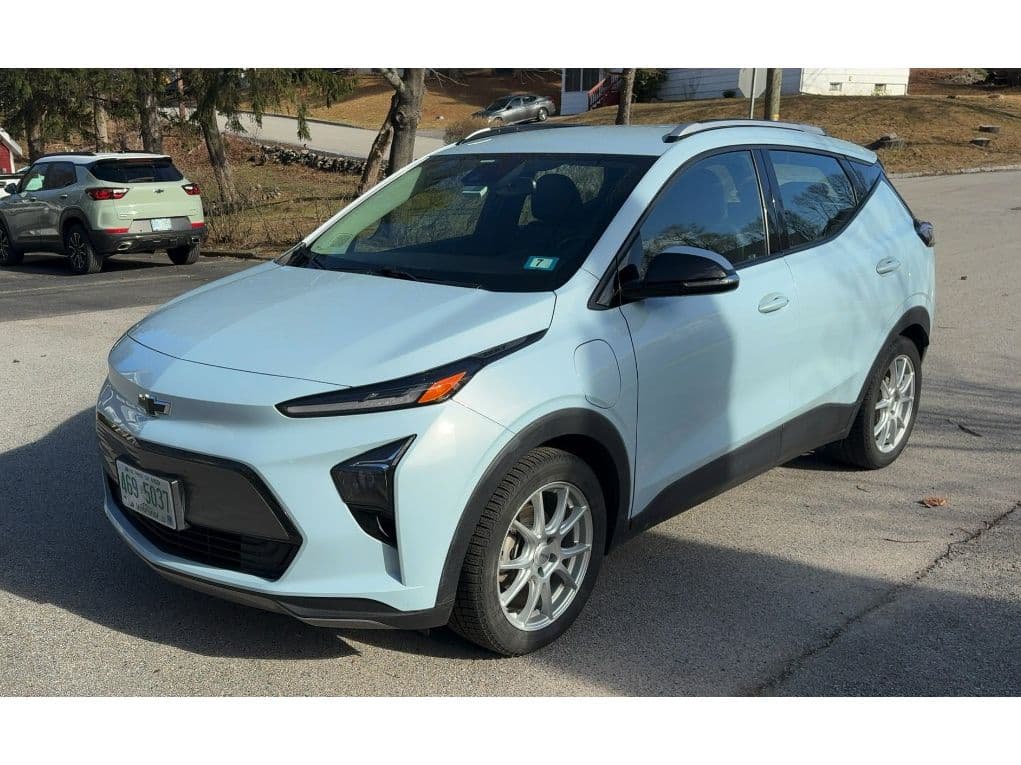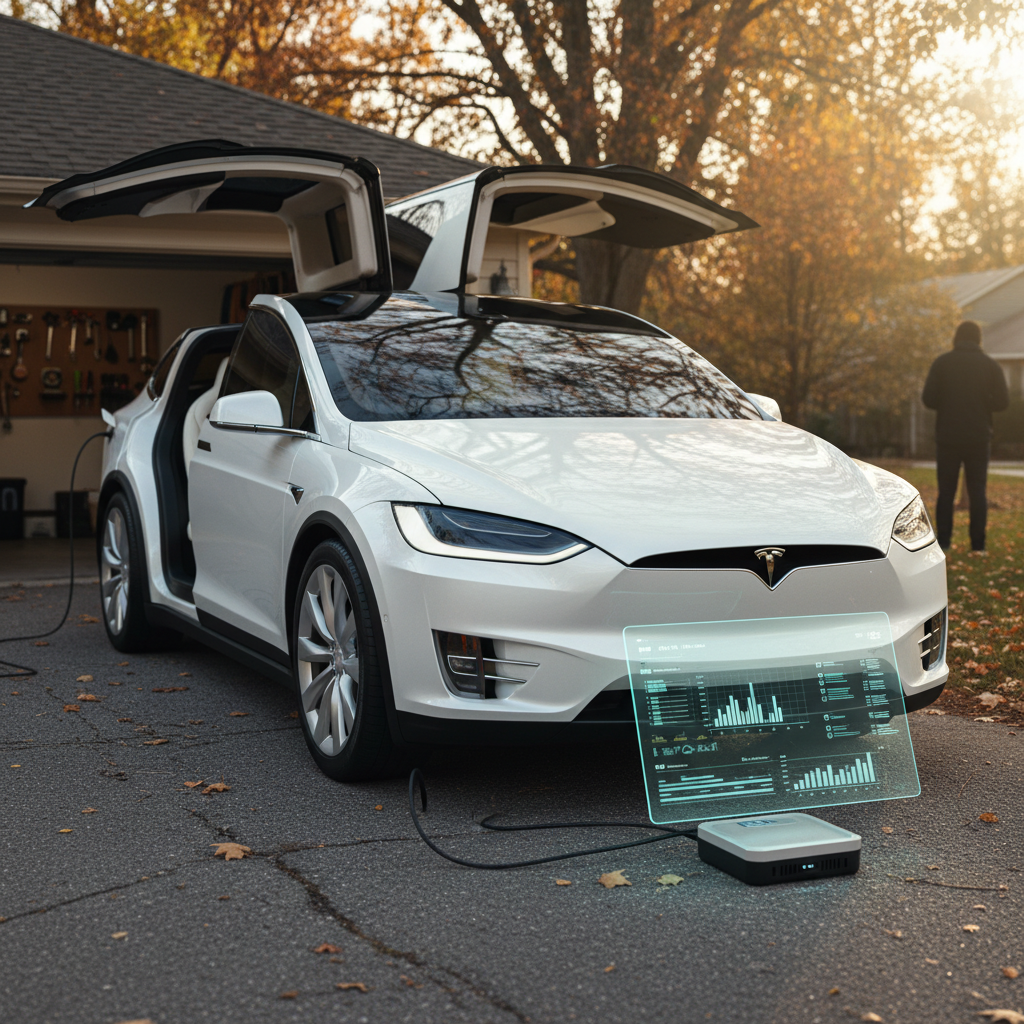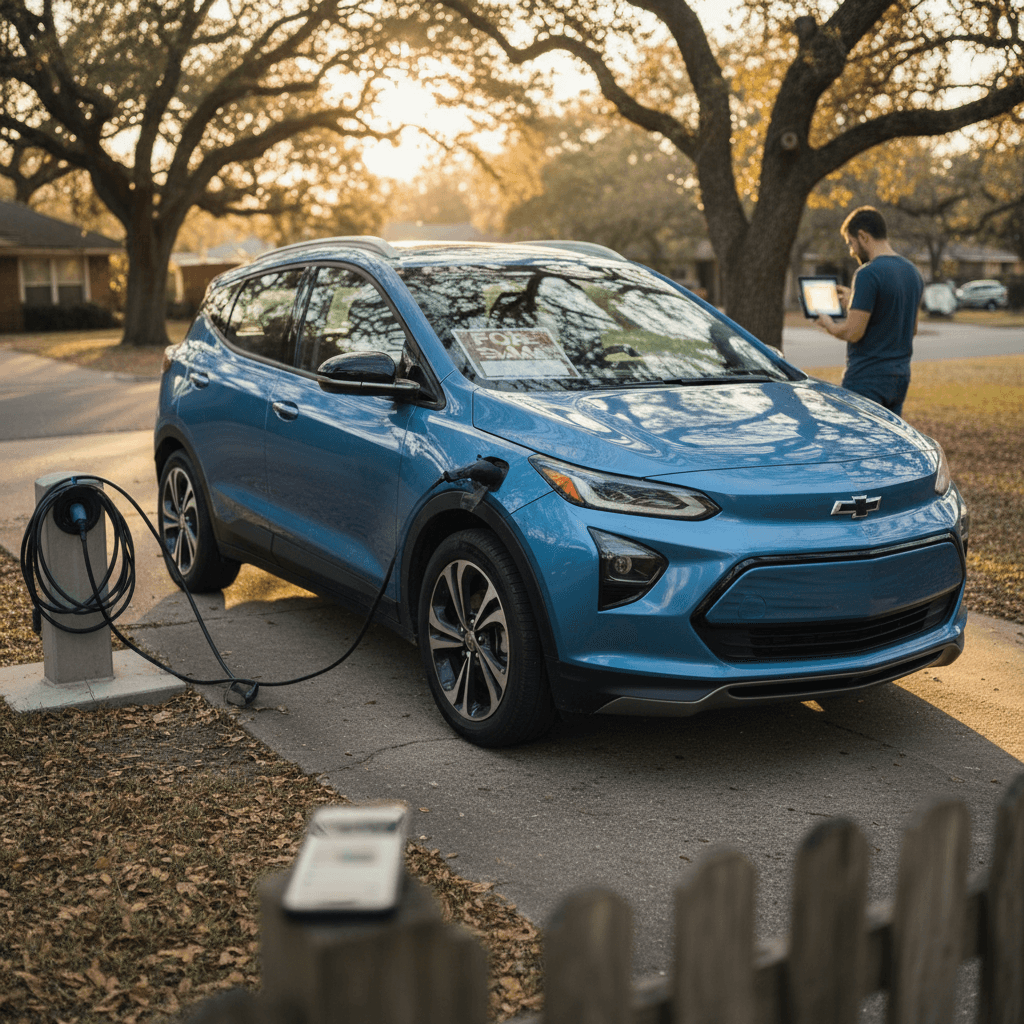
If you own a Chevrolet Bolt EUV, you’re sitting on one of the most practical, misunderstood used EVs in America. That’s good news when you’re buying, but trickier when you’re selling. To get top dollar, you can’t just toss it on a classifieds site and hope. You need EV‑specific strategy: battery health, warranty nuance, pricing, and where you list all matter more than they do for a gas crossover.
Good News for Bolt EUV Sellers
Why Selling a Bolt EUV Is Different From Any Other Used Car
EV‑specific buyer questions
Shoppers aren’t just asking, “Has it been in an accident?” They want to know:
- How healthy is the high‑voltage battery?
- How many years and miles of battery warranty are left?
- What real‑world range you’re getting today versus the original EPA rating.
Model‑specific backstory
The Bolt EV/EUV line lived through a high‑profile battery recall and is being replaced by a new Ultium‑based Bolt. Savvy buyers know this and will ask:
- Whether your EUV ever had its pack replaced.
- How the recall was handled.
- How your pricing compares to upcoming Ultium‑era Bolts and other compact EVs.
Don’t Ignore the EV‑Only Details
Nail the Basics: Condition, Records, and Prep
Before you obsess over price algorithms and tax credits, win the easy battles: appearance, cleanliness, and paperwork. This is the boring work that quietly adds thousands of dollars of perceived value to your Chevrolet Bolt EUV.
Four Simple Ways to Make Your Bolt EUV Look Worth the Price
These are the low‑effort, high‑return moves most private sellers skip.
Deep clean inside
Vacuum everything, scrub hard plastics, clean smudged piano‑black trim, and remove old charging receipts and clutter. EV buyers skew detail‑oriented; dirt reads as neglect.
Address easy cosmetics
Touch up curbed wheels, polish cloudy headlamps, and replace missing caps or trim clips. Fixing $50 of flaws can make the car feel $1,000 newer.
Organize records
Gather service invoices, recall paperwork, tire receipts, and home‑charging install documents. Stack them in a folder or scan to PDF, you’ll reference them in your listing.
Shoot honest photos
Take well‑lit, high‑resolution photos from all angles plus close‑ups of tires, seats, charge port, and infotainment. Show both key fobs and the OEM charging cable if included.
Think Like a CPO Detailer
Battery Health and Warranty: The Make-or-Break Details
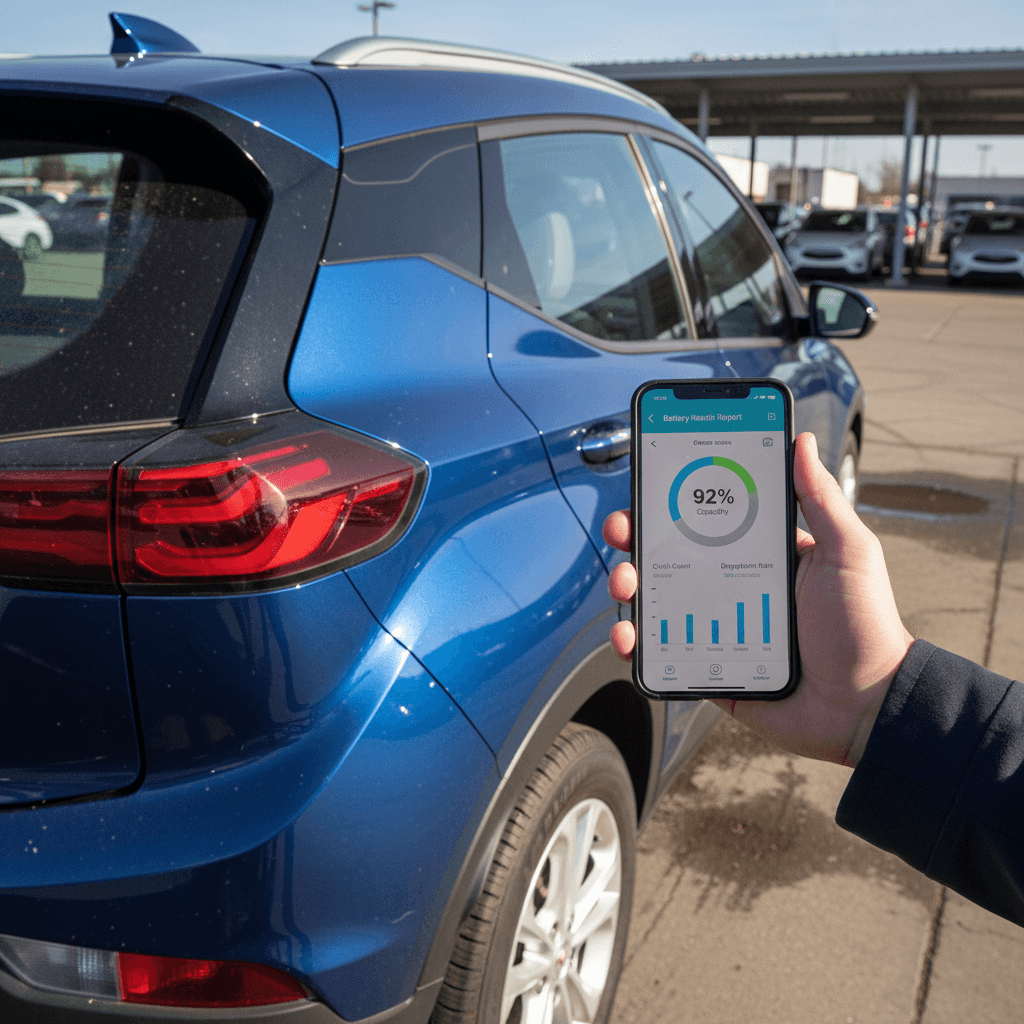
Your Bolt EUV’s battery is the story. It’s the difference between a nervous lowball buyer and someone who happily pays your asking price. Most shoppers have heard about earlier Bolt battery recalls; what they want to see from you is evidence, not reassurances.
Why Battery Facts Sell Bolt EUVs
- Log into your Chevrolet owner account or call a Chevy service department to confirm the in‑service date and battery‑warranty end date for your VIN.
- Collect any recall or battery‑replacement paperwork. If your pack was replaced, that’s a selling point, say so, and show the documents.
- Take photos of the energy screen at 100% charge on a typical day. Buyers want to see real‑world range, not just the original window‑sticker number.
- If you can, get a third‑party battery health diagnostic. With Recharged, every vehicle comes with a Recharged Score Report that verifies battery health for buyers, which takes a huge question mark off the table.
Turn the Recall Story Into a Selling Point
Pricing Your Chevrolet Bolt EUV: Realistic but Not a Giveaway
Bolt EUVs depreciated fast in the early EV fire sale, then stabilized. The trick in 2026 is to price yours where serious buyers feel they’re getting a deal, but you’re not donating thousands to the next owner out of impatience.
Simple Pricing Framework for Used Chevy Bolt EUVs
Use these bands as directional guidance, then refine with real‑time listings in your area.
| Age & Mileage | Market Position | Pricing Target vs. Price Guides | Notes |
|---|---|---|---|
| 1–2 years / under 20k miles | Near‑new, tax‑credit alternative | Aim for upper half of private‑party range | Emphasize remaining factory warranty and near‑new condition. |
| 3–4 years / 30k–60k miles | Sweet‑spot used EV | Price mid‑range or 5–7% above if battery docs are strong | Most buyers expect some cosmetic wear but want clean history and solid range. |
| 5–6 years / 60k–90k miles | Value‑focused shopper territory | Stay near middle or lower half of guide values | Document maintenance and range; be flexible with serious buyers. |
| 100k+ miles | High‑mileage outlier | Expect a noticeable discount vs. guides | Your best shot is transparent pricing and a buyer who understands EVs. |
Assumes clean history and good condition; adjust for major damage, missing options, or unusually high mileage.
Anchor to Real Comps, Not Just Algorithms
Timing Your Sale Around Mileage and the New Bolt
Timing matters twice for a Chevrolet Bolt EUV: once for your odometer, and again for the next‑gen Ultium‑based Bolt that’s coming to showrooms. The market will eventually recalibrate around the newer car’s price, range, and charging speed.
Watch the warranty clock
- Values are strongest while you still have several years and tens of thousands of miles of battery warranty left.
- If you’re approaching 60,000 miles with 3–4 years of coverage remaining, that’s often a sweet spot for selling.
- Once you’re nudging the 8‑year / 100,000‑mile mark, many retail buyers mentally shift your car into "budget experiment" territory.
Keep an eye on the new Bolt rollout
- As the next‑gen Bolt with Ultium tech and wider fast‑charging access arrives, used first‑gen EUVs will be judged against it.
- Selling before your local dealers are swimming in new Bolts can help you avoid the "old body style" discount.
- If you’re already committed to keep yours long‑term, ignore the noise and focus on maintenance instead.
You Don’t Have to Time It Perfectly
Where to Sell: Trade-In, Private Sale, or EV Marketplace?
You have more options than “dealer trade‑in or classifieds.” Each path trades money for convenience in a slightly different way, and with a Bolt EUV those trade‑offs are sharper because not every dealer understands or wants used EV inventory.
Your Main Options for Selling a Chevy Bolt EUV
Think in terms of money vs. hassle, and how much EV expertise you want on your side.
1. Dealership trade‑in
Best for: Speed, if you’re already buying another car from the same store.
- One transaction, fewer headaches.
- Trade‑in value may be conservative, especially if the dealer is nervous about EVs.
- Good option if your Bolt EUV has cosmetic issues you don’t want to fix.
2. Private sale
Best for: Maximizing price if you’re willing to manage listings, messages, and paperwork.
- Often nets the highest sale price.
- Requires time, test drives, and screening strangers.
- You must be ready to explain charging and battery basics to every curious buyer.
3. EV‑focused marketplace (like Recharged)
Best for: Getting EV‑fair value without living on marketplace apps.
- Instant offers or consignment options built specifically for used EVs.
- Battery health is documented for buyers via tools like the Recharged Score.
- Expert EV support, nationwide buyers, and help with financing and paperwork.
How Recharged Fits In
Ready to find your next EV?
Browse VehiclesBuild a Listing That Actually Sells Your Bolt EUV
Most Bolt EUV listings bury the lede. They open with heated seats and Apple CarPlay instead of the only things EV shoppers really care about: battery, charging, and money. Flip that script and you’ll stand out immediately.
The Anatomy of a High-Performing Bolt EUV Listing
Lead with year, trim, and mileage
Example: “2023 Chevrolet Bolt EUV Premier – 28,400 miles, one owner, clean history.” This instantly frames value before you get into adjectives.
State battery and warranty info upfront
Mention remaining battery warranty (years/miles), whether the pack was replaced, and any third‑party health report or Recharged Score you have.
Show real-world range, not just EPA
Note what you typically see on a full charge in your climate: “Averaging 230–240 miles per charge in mixed driving.” It feels more honest and practical.
Highlight charging flexibility
Call out included hardware: OEM Level 1 cable, any Level 2 home charger you’re including, and whether you’ve used DC fast charging without issue.
Explain why you’re selling
A simple, believable reason, new baby, longer commute, upgrading to a larger EV, reassures buyers you’re not bailing because of hidden problems.
Be transparent about flaws
List notable dings, curb rash, or interior wear and show them in photos. Sellers who acknowledge flaws are far more credible when they say "no accidents" or "mechanically excellent."
Borrow Language From Good Dealer Ads
Test Drives, Safety, and Screening Buyers
EV shoppers are often curious and detail‑hungry. That’s great, but it also means long conversations, lots of questions, and the occasional time‑waster. Have a plan for who you’ll meet, how you’ll meet them, and how you’ll handle test drives.
- Meet in a public, well‑lit place, ideally near a DC fast charger or Level 2 station so buyers can see charging in action if they ask.
- Ask for a photo of their driver’s license and confirm insurance before anyone drives your Bolt EUV.
- Ride along on the test drive and gently explain EV basics: one‑pedal driving, regen, how the Bolt shows remaining range, and how you typically charge.
- Politely set boundaries with shoppers who want a 90‑minute technical seminar. Offer to answer follow‑up questions by text or email instead.
- Have a clear plan for payment and paperwork before you meet: bank‑issued cashier’s check, wire transfer at the branch, or completing the transaction through a reputable marketplace or dealer partner.
Protect Access to Your Apps
Pre-Sale Checklist for Your Chevy Bolt EUV
One-Page Pre-Sale Checklist
Confirm battery warranty dates
Call a Chevy dealer or check your owner account to verify the original in‑service date and remaining years/miles of high‑voltage battery coverage.
Pull together service and recall docs
Print or save PDFs of routine maintenance, recall completion, and, if applicable, battery replacement paperwork.
Document real-world range
Charge to 100%, photograph the range estimate on the dash, and jot down a quick note about your typical driving mix and climate.
Detail, photograph, and list flaws
Have the car cleaned, shoot 20–30 clear photos, and write down every notable cosmetic issue so you can mention it up front.
Check market pricing and pick a channel
Look up values on major guides, browse comparable Bolt EUVs for sale, then decide whether you’ll trade in, sell privately, or use an EV marketplace like Recharged.
Decide your walk-away number
Know the minimum you’ll accept before negotiations begin. It keeps you from talking yourself into a bad deal in the moment.
FAQs About Selling a Chevrolet Bolt EUV
Frequently Asked Questions
Bottom Line: How to Sell Your Bolt EUV Without Regrets
Selling a Chevrolet Bolt EUV isn’t about finding the one magical number where someone shows up with cash. It’s about doing the quiet work most sellers skip: documenting battery health, understanding your warranty, cleaning the car like it’s going on a date, and choosing the right selling channel for your tolerance for hassle.
If you pull those levers, especially battery transparency and thoughtful pricing, you’ll separate yourself from the pack of vague, badly lit listings and attract buyers who appreciate what the Bolt EUV actually is: a compact electric workhorse. And if you’d rather not moonlight as an EV sales consultant, Recharged can step in with instant offers, trade‑in options, or a consignment‑style sale that showcases your Bolt EUV with verified battery health and EV‑specialist support from start to finish.