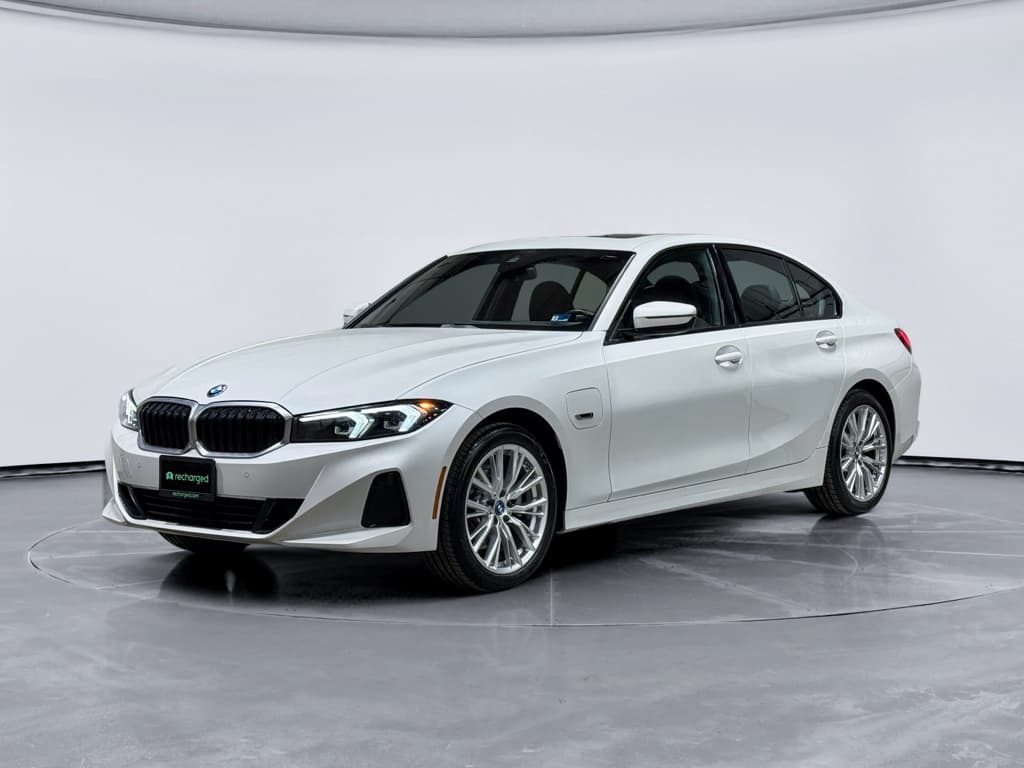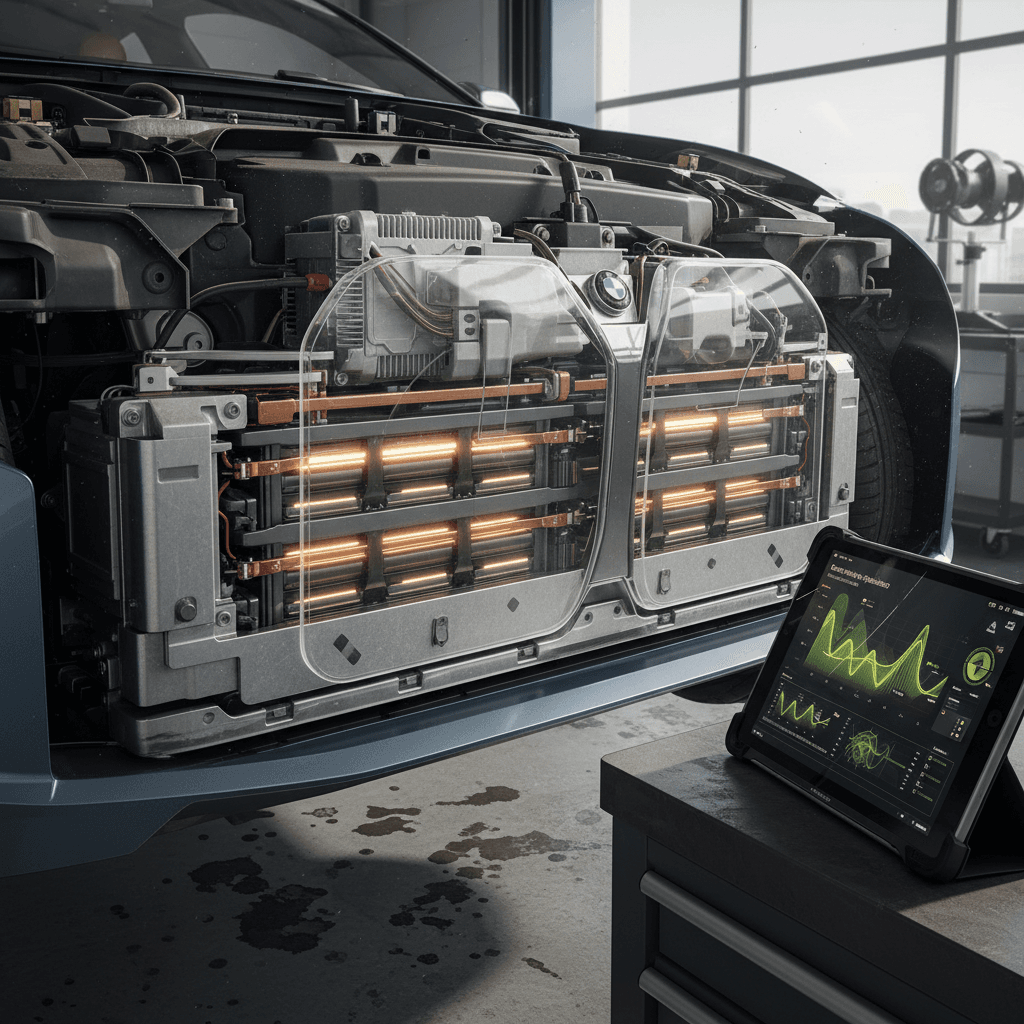
The BMW i4’s battery is the beating heart of the car: it dictates your range today and your resale value tomorrow. If you’re wondering how to maximize BMW i4 battery life, you’re really asking how to keep that 70‑plus‑kWh slab of lithium‑ion calm, cool, and boring for the next decade.
Big picture
Why BMW i4 battery care actually matters
Lithium‑ion batteries don’t “wear out” overnight; they age slowly based on time, temperature, and how you charge. In the i4, good habits can mean the difference between still seeing mid‑200‑mile real‑world range after 8 years… or wondering where 40–50 miles went.
- Preserving range: Less degradation means your i4 feels “new” for longer, especially in winter when range already takes a hit.
- Protecting resale: Used‑EV buyers are getting savvier; they ask about battery health, degradation, and fast‑charge history.
- Staying inside the warranty comfort zone: BMW’s 70% capacity floor is generous, but consistent abuse can push you closer to that line than you’d like.
- Avoiding charging drama: Thoughtful charging habits mean fewer surprises at public chargers and on road trips.
A realistic target
BMW i4 battery basics and what “normal” looks like
BMW i4 high‑voltage battery at a glance
In other words, if your new i4 shows slightly less than brochure range after a year or two, that’s not a disaster. Batteries tend to lose a small chunk of capacity early, then age more gracefully. Your job is to keep that graceful decline from becoming a cliff.
Check your own paperwork
Daily charging strategy: settings that maximize BMW i4 battery life
If you only change one thing about how you live with your BMW i4, make it your everyday charging target. The car’s software gives you more control than most owners bother to use, and that’s where the longevity magic happens.
Core rules for everyday BMW i4 charging
Set these once and let the car do the boring work.
1. Live between ~30–80%
For day‑to‑day commuting, the i4 is happiest in the middle of the pack’s state‑of‑charge (SoC) window.
- Set your charge limit to around 80% for routine use.
- Don’t panic if you occasionally dip into the teens or top to 90–100% before a trip.
2. Prefer AC over DC
Whenever possible, charge at home or work on Level 2 AC (240 V) rather than relying on DC fast charging.
- AC charging is gentler on cell chemistry.
- Use DC only when you need speed or you’re on the road.
3. Time it to finish before you drive
Use departure‑time scheduling so the car reaches your target SoC shortly before you leave.
- Avoid letting the i4 sit at very high SoC (90–100%) for days.
- Finishing just before departure reduces time spent at the most stressful charge levels.
Simple rule of thumb
Practically, for many i4 owners that means plugging in most nights, letting the car top back up to 70–80%, and not worrying if you occasionally need more than that. Think of it like your phone’s “optimized charging” feature, just with a $10,000 battery instead of a $40 one.
What to avoid day‑to‑day
How to use DC fast charging without beating up the pack
The i4 charges very quickly when conditions are right, especially on the larger pack. That speed is fantastic on a road trip and less fantastic for long‑term battery wear if you lean on it constantly. The goal is to make DC fast charging an occasional tool, not your lifestyle.
- Save fast charging for trips and special cases. If you have reliable Level 2 at home or work, use DC fast chargers mainly on road trips, emergencies, or when you truly need a quick top‑up.
- Arrive low, leave at ~60–80%. The sweet spot is typically pulling into the charger around 10–20% SoC and unplugging somewhere around 60–80%. That’s where your i4 charges fastest and where the cells are under less stress.
- Don’t bother fast‑charging to 100% unless you must. The last 20% is noticeably slower, and it’s harder on the battery. If you need a full charge, AC charging to 100% right before you depart is the friendlier path.
- Use BMW navigation for preconditioning. When you set a DC fast charger as the destination in the native navigation, the i4 will pre‑warm or cool the pack so it can accept higher power more efficiently.
- Watch temperature in extreme weather. Fast‑charging a frozen or blazing‑hot pack isn’t ideal. Let the car manage pack temperature via preconditioning and cabin climate, and don’t worry if it slightly throttles power in harsh conditions. That’s protection, not punishment.
Road‑trip optimization vs battery health
Temperature, storage and what to do when your i4 sits
Temperature is the quiet villain of battery degradation. BMW’s thermal management works hard, but you still want to avoid leaving the pack at its most vulnerable combination: very high SoC and very high heat for long periods.
Short breaks (up to ~1 week)
- Park with the battery around 40–60% if you can.
- It’s fine to leave the car plugged in with an 80% limit set; BMW’s software will top it as needed.
- In very hot climates, try to park in shade or a garage. The pack will thank you later.
Longer storage (weeks to a few months)
- Aim for about 50% SoC before you leave the car.
- Disable unnecessary high‑drain features and check that scheduled pre‑conditioning isn’t set to run every morning.
- Generally, it’s okay to leave the car unplugged if the SoC is healthy and the environment is moderate, just avoid dropping into single digits.
Cold weather reality check
Driving habits that quietly help (or hurt) battery life
BMW likes to talk about “sheer driving pleasure.” Your battery prefers “sheer moderation.” How you drive matters less than how you charge, but it’s not irrelevant.
Driving habits that influence i4 battery life
You don’t have to baby it, just avoid living at the extremes.
Avoid constant full‑throttle
Occasional launches won’t nuke your pack; that’s what the M in M50 is for. But:
- Repeated hard acceleration, heat, and high speeds can add up over years.
- Think of it like redlining a gas engine all the time, you’re burning through longevity for short‑term thrills.
Use regen smartly
Strong regenerative braking (using B mode or high regen) is generally fine, but:
- Relentless stop‑and‑go with constant heavy regen is more cycling on the pack.
- Smoother driving with predictive regen is easier on everything, passengers included.
High‑speed reality
Sustained 85–90 mph runs hammer range and increase pack temperature.
- Great occasionally, bad as a lifestyle.
- Even backing off 5–10 mph on the freeway noticeably reduces thermal stress and energy use.
“Individual driving style is the number one factor governing efficient electric driving and therefore e‑car battery life.”
You don’t buy an i4 to drive like a penalty box, and you don’t need to. The battery is designed with plenty of headroom. Just remember that every system in the car, cooling, software, pack design, is trying to gently nudge you toward the middle, not the extremes.
BMW i4 software tools that quietly protect the battery
One of the unspoken advantages of the BMW i4 is how much battery babysitting the car does automatically. Your job is mostly to set a few preferences and then avoid fighting it.
- Charge limit settings: In iDrive, you can set a max charge level, use 70–80% for daily life, bump it up the night before a road trip.
- Charging schedules and departure times: Let the car finish charging just before you leave instead of reaching 80–100% at midnight and sitting there for eight hours.
- Battery preconditioning for DC fast charging: Use BMW’s built‑in navigation and select a DC fast charger as your destination; the car will prepare the pack temperature automatically.
- Thermal protection and charge throttling: If the i4 slows DC charging or limits power in extreme conditions, that’s the car protecting the pack. Working as designed, not broken.
- Over‑the‑air updates: BMW continues refining charge curves, thermal management, and nav logic. Keeping software up to date is a quiet way to improve both convenience and battery life.
Let the car be the grown‑up
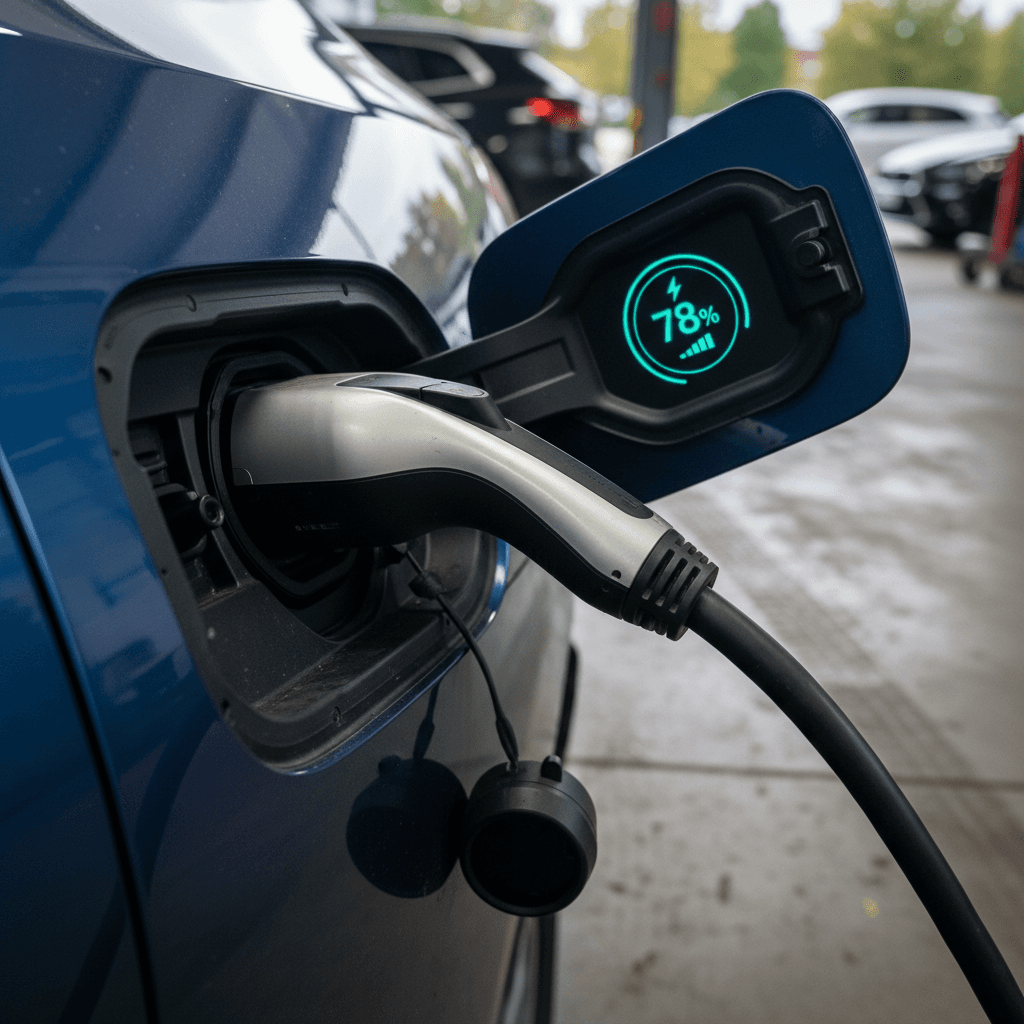
Signs your BMW i4 battery is aging, and what to do
Even with perfect habits, your i4’s battery will age. The key is to know what’s normal, what’s concerning, and when to bring in a specialist.
Common aging signs vs. real problems
Not every dip in range is a dying battery. Context matters.
| What you notice | Likely cause | Should you worry? |
|---|---|---|
| Slightly less range after 1–2 years | Normal early‑life degradation plus seasonal effects | No; this is expected behavior for lithium‑ion packs. |
| Big winter range loss vs. summer | Cold‑soaked pack, winter tires, heater use | Not usually; compare summer to summer, winter to winter. |
| Slower DC fast‑charge speeds on a very hot or cold day | Thermal protection and pack conditioning | No; that’s the car preserving the battery. |
| Noticeably less max range vs. new and frequent DC charging history | Cumulative degradation from usage patterns | Worth monitoring; adopt gentler habits and log data. |
| Range much lower than similar i4s and SoH readings well below 90% at low miles | Possible pack defect or abnormal wear | Talk to a BMW dealer or a specialist. You may be in warranty territory. |
Use this as a sanity check before you panic, or before you buy a used i4 from a stranger online.
How to get a real read on battery health
This is exactly why every EV sold through Recharged includes a Recharged Score Report with verified battery diagnostics. For an i4, that means you’re not buying range on faith; you’re seeing how the pack actually performs under load and how it compares to similar cars.
One-page checklist: maximizing BMW i4 battery life
BMW i4 battery‑life checklist
Set a sane daily charge limit
In iDrive, cap everyday charging around <strong>70–80%</strong>. Only raise it to 90–100% when you truly need the extra range, and plan to drive soon after.
Use Level 2 AC as your default
Install or use a 240 V Level 2 charger at home or work if you can. Treat <strong>DC fast charging</strong> as an occasional tool, not your weekly routine.
Time your charge to your departure
Use BMW’s charge and departure scheduling so the car reaches its target SoC shortly before you drive, not hours earlier while it bakes at high charge.
Plan your DC fast‑charge stops
On road trips, arrive around 10–20% and leave between 60–80% when possible. Use BMW navigation so the battery is preconditioned for faster, healthier charging.
Store the car around half full
If your i4 will sit for days, aim for <strong>40–60% SoC</strong>, park out of direct heat when possible, and avoid leaving it at 0% or 100% for long stretches.
Drive briskly, not brutally
Enjoy the torque, but don’t live at full throttle or triple‑digit speeds. Smoother driving and reasonable cruising speeds keep pack temps and wear in check.
Keep software and settings current
Install BMW software updates, double‑check your charge limits after dealer visits, and make sure features like preconditioning are set up for how you actually drive.
FAQ: BMW i4 battery life and charging habits
Frequently asked questions about BMW i4 battery life
Thinking about a used BMW i4? How Recharged can help
If you already own a BMW i4, the most powerful things you can do for battery life are invisible to everyone else: sane charge limits, thoughtful use of DC fast charging, decent storage habits. You don’t need to wrap the car in bubble wrap; you just need to avoid the extremes.
If you’re shopping for a used BMW i4, battery health is the difference between a bargain and a headache. That’s why every EV on Recharged comes with a Recharged Score Report that includes verified battery diagnostics, fair‑market pricing, and EV‑specialist guidance from start to finish. Combine that with the tips in this guide, and you’re not just buying an i4, you’re buying the long, quiet life of the pack underneath it.