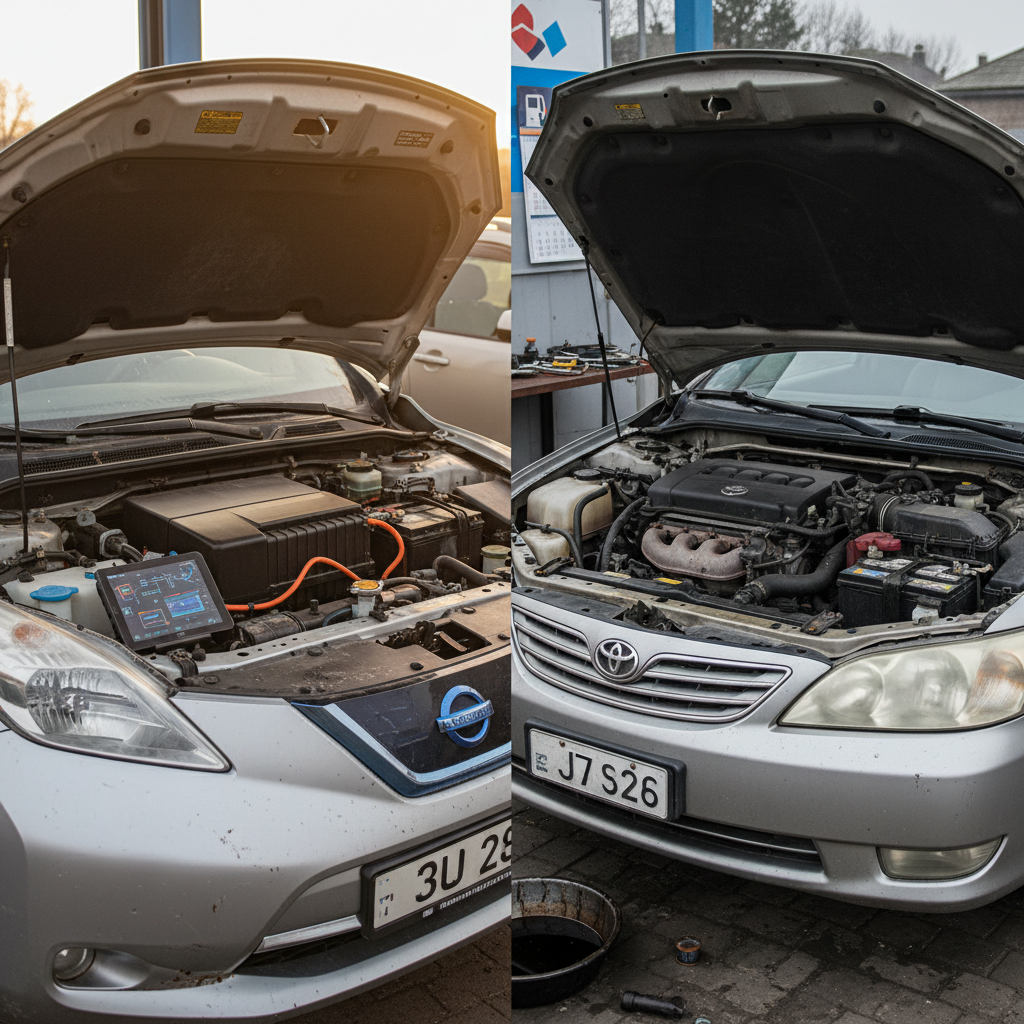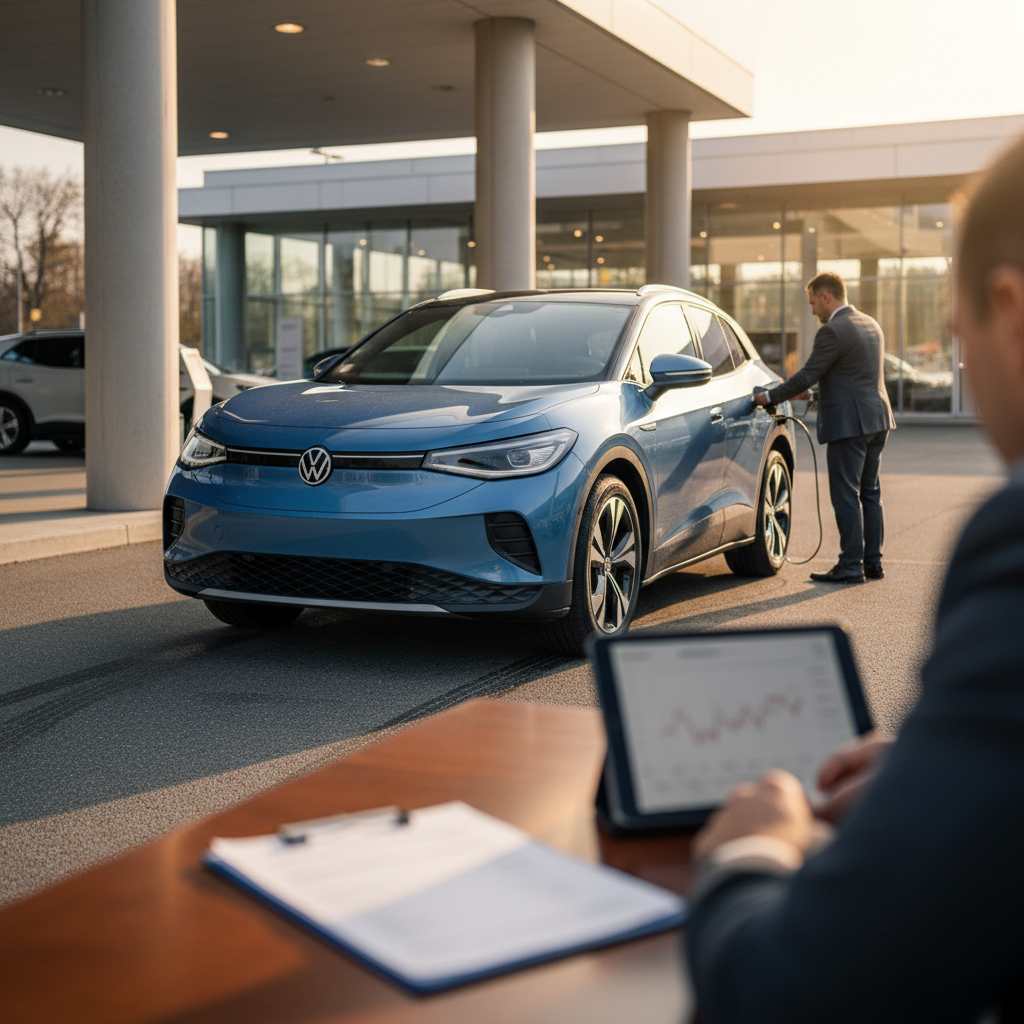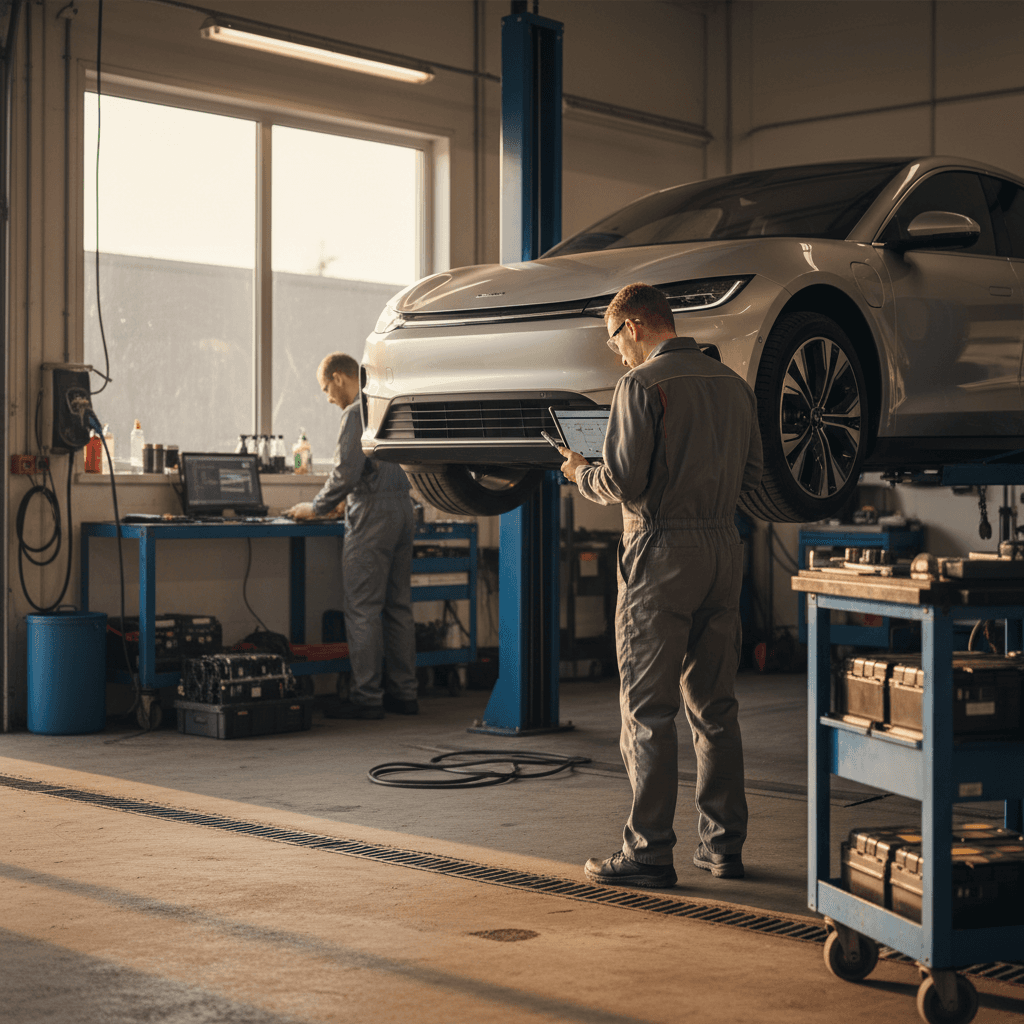
If you own an electric vehicle, especially a used EV, you’ve probably wondered whether you really have to go back to the dealer or brand service center for everything. The good news is that a growing ecosystem of third‑party EV service centers is finally catching up to the EV boom, giving you more choice, often at lower cost, without sacrificing safety or quality if you know what to look for.
Quick definition
Why third‑party EV service centers matter now
EVs need less routine service than gasoline cars, but when something does go wrong, or when a battery or high‑voltage component ages, the stakes are higher. Repairs are more specialized, and the bill can be eye‑watering if you only have a dealer or factory‑run service center to choose from. Third‑party EV service centers step into that gap: they give you competition on price and convenience, and they’re a crucial safety valve as more EVs age out of their factory warranties.
The emerging independent EV service market
Why this is different from ICE repair
What is a third‑party EV service center?
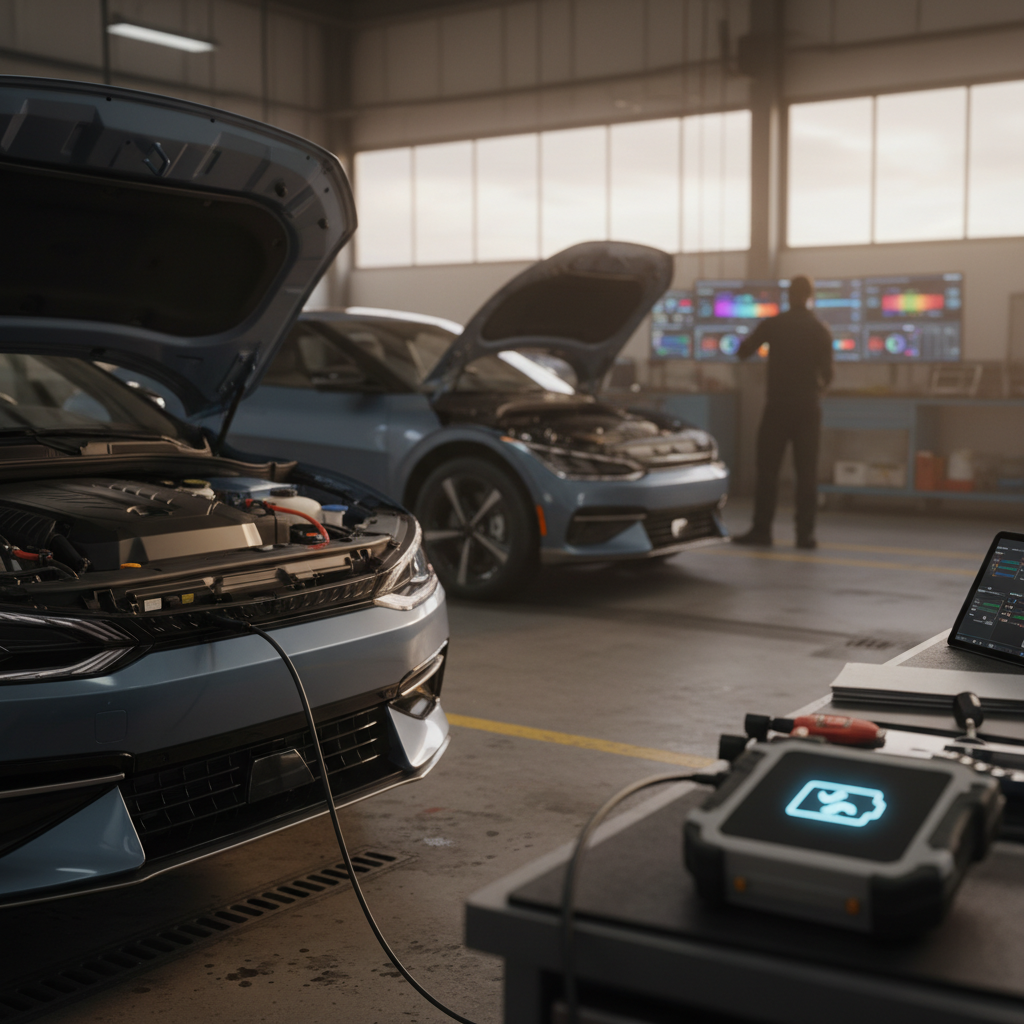
A third‑party EV service center is an independent repair facility that focuses on electric vehicles. Some grew out of performance tuning or collision repair; others are brand‑new businesses built around EVs from day one. What they have in common is that they’re not factory stores or franchised dealers, and they rely on openly available information, training, and tools rather than proprietary dealer systems whenever possible.
Common types of third‑party EV service centers
Most fall into one of these buckets, and some combine more than one.
General independent EV shop
Shops that handle everyday EV maintenance and light repairs across multiple brands.
- Tires, brakes, suspension, cooling
- HVAC, 12V systems, accessories
- Ideal for out‑of‑warranty routine work
Collision & body repair with EV expertise
Body shops that have invested in EV‑safe frame benches, isolation procedures, and high‑voltage training.
- Structural aluminum and mixed‑material repairs
- Battery pack safety checks post‑crash
- Often insurer‑preferred
Battery & high‑voltage specialists
Highly specialized outfits that diagnose, refurbish, or replace battery packs and power electronics.
- Module‑level diagnostics & balancing
- Cooling system leaks & seal issues
- Pack swaps and refurb options
Brand‑specific independents exist too
Dealer vs third‑party EV service: pros and cons
Whether you should choose a dealer (or OEM‑run service center) or a third‑party shop depends on what’s broken, how old your EV is, and your tolerance for risk and cost. Neither path is automatically "better"; they just optimize for different things.
Dealer / OEM service vs third‑party EV centers
Use this as a starting point, always check the fine print on your specific warranty and insurance policies.
| Factor | Dealer / OEM Service | Third‑Party EV Service Center |
|---|---|---|
| Warranty repairs | Required for most factory warranty and recall work; usually $0 to you for covered items. | Generally cannot perform factory warranty or recall work, but can handle non‑covered items. |
| Brand‑specific tools & software | Deep integration, full access to proprietary diagnostics and firmware updates. | Relies on aftermarket tools, official subscriptions where available, and workarounds where not. |
| Pricing transparency | Menu pricing for basic jobs; complex work can feel opaque and expensive. | Rates vary by shop, but estimates are often more negotiable and itemized. |
| Scheduling & wait times | Can be backed up for weeks, especially for popular EV brands. | More variation, some are booked solid, others have much shorter lead times. |
| Scope of work | Reluctant to do non‑OEM customizations or creative repairs. | More open to refurb, used parts, and creative solutions on older EVs. |
| Location & convenience | Limited to where your brand has a presence; some cities have none. | Growing footprint in many metros; can be closer if you’re far from a dealer. |
Dealers excel at warranty and complex brand‑specific work; independents shine on flexibility, pricing, and convenience.
A hybrid strategy works best
What third‑party EV shops can actually do
The menu of services at a third‑party EV center depends on the shop, but the best ones now cover most of what an EV owner realistically needs after the factory warranty expires. The key is knowing which jobs are low‑risk to outsource and which demand deep, model‑specific expertise.
- Routine maintenance: tire rotations, brake service, wiper blades, cabin air filters, suspension inspections.
- Wear items: control arms, bushings, wheel bearings, shocks/struts, especially on heavy EVs.
- HVAC and thermal systems: heat pump diagnostics, refrigerant leaks, coolant flushes for battery and drive units.
- Charging issues: onboard charger faults, charge‑port repairs, wiring checks, EVSE diagnostics.
- 12‑volt and low‑voltage: auxiliary battery replacement, DC‑DC converter checks, infotainment and lighting issues.
- Collision & cosmetic: bodywork, paint, glass, wheel repairs, trim, and interior fixes.
Battery and high‑voltage work: when to be extra picky
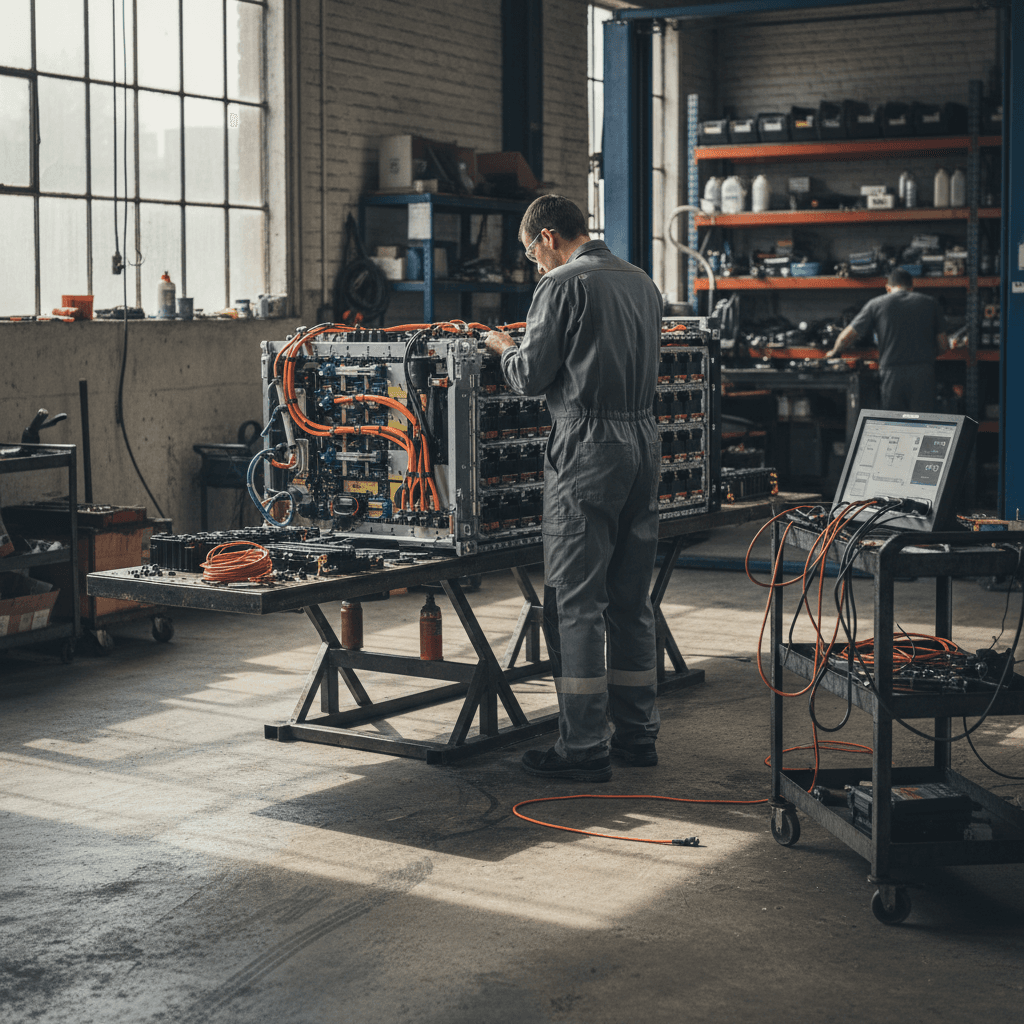
Battery packs, inverters, and high‑voltage cabling are where EV repair gets serious. Mistakes can damage a pack that costs more than the car is worth, or create real safety risks. Some third‑party centers are genuinely equipped for this work; others are not.
Questions to ask before letting anyone touch your battery pack
1. Do you have formal high‑voltage safety training?
Look for technicians who have completed OEM training, recognized EV certifications, or documented high‑voltage courses, not just general automotive programs.
2. What specific battery jobs do you perform in‑house?
Module swaps, contactor replacement, coolant manifold repairs, and leak diagnostics require different tools than simple pack swaps. Ask for concrete examples.
3. How do you isolate and test the high‑voltage system?
A credible shop should walk you through lockout/tagout procedures, insulation resistance testing, and post‑repair validation steps.
4. Where do your parts come from?
New OEM components, certified refurb modules, and salvage parts all exist, each with different risk, cost, and warranty implications.
5. What warranty do you offer on high‑voltage work?
Even a modest 12‑month or 12,000‑mile guarantee tells you they’re willing to stand behind their process and parts.
If they seem nervous, walk away
How to find third‑party EV service centers near you
Because this market is still maturing, great third‑party EV service centers don’t always rise to the top of generic “mechanic near me” searches. You’ll need to use a combination of EV‑specific tools and old‑fashioned research.
Smart ways to find capable third‑party EV shops
Stack these methods for better results than a single map search.
1. EV‑specific directories
Use sites built around EV repair. They typically vet shops for at least basic competence.
- Filters for "battery" or "Tesla" work
- Notes on certifications and brands
- Often highlight shop specialties
2. Map & review apps with better filters
Google Maps, Apple Maps, and Yelp can still help if you search smarter.
- Include terms like “EV”, “electric”, or your model
- Sort by recent reviews (last 6–12 months)
- Look for photos of EVs on lifts or chargers
3. Owner communities & insurers
EV forums, local Facebook groups, and your insurer’s preferred shop list are underrated resources.
- Ask other owners of your model who they trust
- Check if your insurer already has EV‑ready partners
- Cross‑reference any recommendations with your own research
Search like an EV owner, not a mechanic
How to vet a third‑party EV service shop
Finding a shop is step one. Step two is figuring out whether they’re truly capable of working on your car safely, efficiently, and at a fair price. A quick phone call and a visit to their website can tell you a lot if you know what to ask.
Signs a shop is EV‑ready
- Dedicated EV page on their website with the brands and systems they work on.
- Photos of EVs on lifts, high‑voltage tooling, and insulated PPE in use.
- Technician bios mentioning EV‑specific training or OEM courses.
- Clear labor rate and diagnostic fee structure shared up front.
- Written estimates with parts sources and warranties spelled out.
Red flags to watch for
- They say “an EV is just a car without an engine”, a sign they may not respect high‑voltage risk.
- No mention of lockout/tagout or insulation testing when you ask about safety.
- They refuse to explain parts sourcing or won’t specify new vs. salvage components.
- Only one or two EVs mentioned in reviews, and those reviews are several years old.
- They pressure you to authorize major work without a detailed written estimate.
5 questions to ask on your first call
1. What EV brands and models do you work on most?
You want to hear your brand, and ideally your exact model, mentioned without hesitation.
2. Have you seen this specific issue before?
Describe the symptoms. A good shop can usually give examples of similar cases they’ve handled.
3. How do you handle diagnostics and estimates?
Clarify diagnostic fees, how much teardown is required, and what happens if you decline repairs.
4. What kind of parts do you use?
Ask about OEM vs aftermarket vs salvage, and what warranty each carries.
5. Can I see recent EV customer reviews?
Look for EV‑specific feedback rather than generic praise about “great service.”
Document everything
Costs, warranties, and insurance considerations
Third‑party EV service centers can absolutely save you money, but only if you understand how warranties and insurance intersect with independent repair. A cheaper repair that voids coverage or makes the car harder to insure isn’t really cheaper.
- Factory warranties: Powertrain and battery warranties often require that covered repairs be performed by the manufacturer or authorized facilities. Non‑covered work can usually go anywhere, but read your booklet carefully.
- Extended warranties & service contracts: Some third‑party plans have their own networks of approved EV shops. If you use a non‑approved shop, you may get reduced or no reimbursement.
- Insurance claims: For collision and comprehensive claims, your insurer can recommend shops, but in most states you ultimately choose. However, if you pick a non‑preferred shop, expect more pushback on estimates and parts choices.
- Out‑of‑pocket repairs: This is where third‑party centers shine, especially for cosmetic work, minor driveline issues, and aging‑battery diagnostics that dealers may only address with full pack replacements.
Don’t assume a repair is covered
Used EVs: where third‑party service really shines
If you’re shopping for a used EV, a trusted third‑party service center can be the difference between a great deal and an expensive mistake. You need someone who will look beyond the paint and odometer and tell you what’s really going on with the battery, power electronics, and repair history.
How third‑party EV service helps used EV buyers and owners
Independent perspective is especially valuable once the original owner is out of the picture.
Pre‑purchase inspections (PPIs)
A good EV‑savvy shop can:
- Scan for high‑voltage fault codes and module temperature imbalances
- Check for collision, corrosion, or flood damage
- Estimate remaining brake, tire, and suspension life on a heavier EV
Repair vs replace decisions
Dealers often default to replacing entire assemblies, especially battery packs.
- Independent shops may offer module‑level repairs or refurb options
- They can help you model total cost of ownership before you buy
- Great input when deciding between two similar used EVs
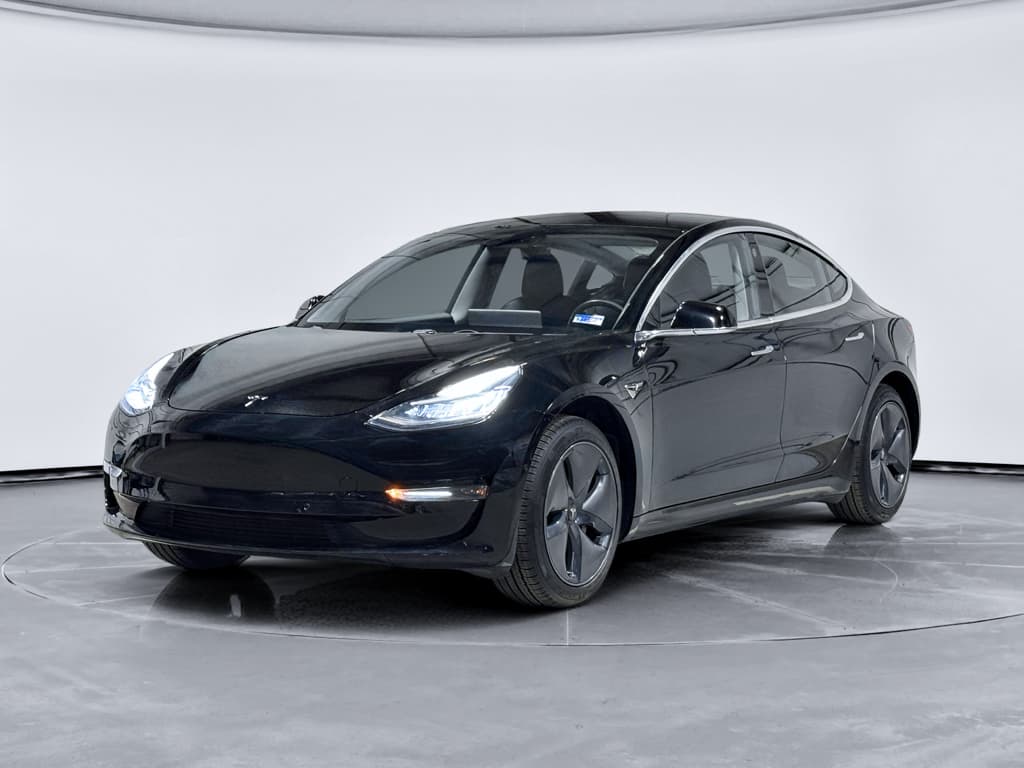
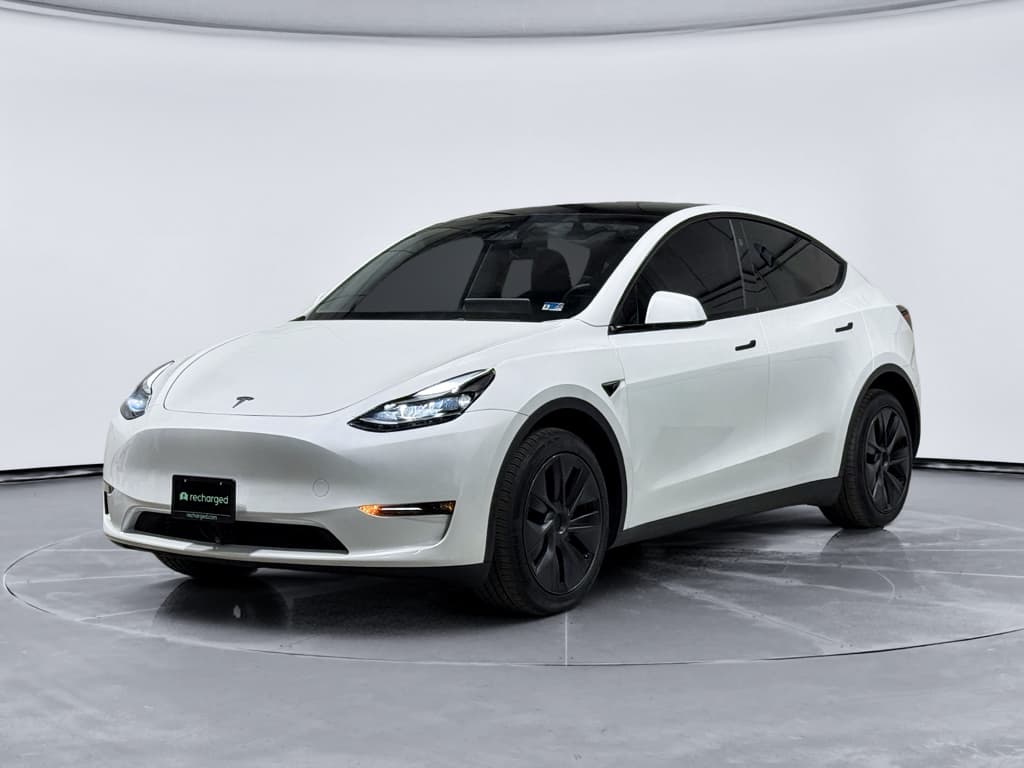
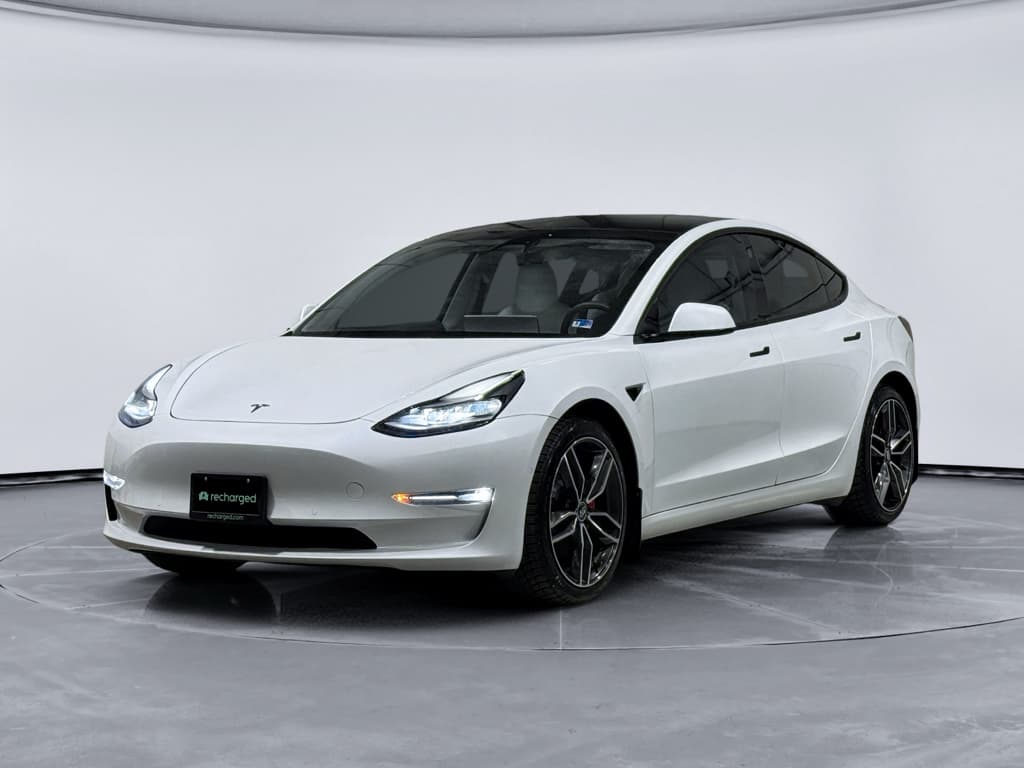
Every vehicle Recharged sells comes with a Recharged Score Report that includes a battery health assessment and pricing benchmark. Pairing that with a third‑party pre‑purchase inspection, especially for out‑of‑region buyers or higher‑mileage EVs, gives you a much clearer picture of what ownership will really cost.
Leverage local EV specialists after delivery
The future of third‑party EV service and right‑to‑repair
Policy fights around right‑to‑repair, telematics access, and software‑locked components will shape how vibrant the third‑party EV service ecosystem becomes. The direction of travel is clear: regulators and consumer advocates increasingly expect that independent shops should have reasonable access to the data and tools needed to keep EVs on the road.
Trends that help independent EV shops
- More aging EVs: As first‑ and second‑generation EVs pass 8–10 years, demand for creative, cost‑effective repairs will only grow.
- Better training programs: Trade schools and OEMs are rolling out EV‑specific curricula, many of which independents can access.
- Improved aftermarket tooling: Scan tools and lab equipment are catching up with OEM diagnostics, especially for common brands.
Challenges to watch
- Software locks and parts pairing that make “plug and play” repairs harder.
- Telematics and over‑the‑air features that dealers use to keep customers in their orbit.
- The capital cost of lifts, PPE, and specialized tooling that some shops can’t justify until EV volumes grow further.
Why consumer choice matters
Frequently asked questions about third‑party EV service centers
Third‑party EV service centers: FAQ
Bottom line: building your EV service strategy
Third‑party EV service centers are no longer a science experiment, they’re becoming a practical, often cost‑effective part of owning an electric car, especially as vehicles age and change hands. Dealers and OEM service centers still play a critical role for warranty work, software, and the most complex failures, but they don’t need to be your only option for the life of the vehicle.
If you already own an EV, start building relationships now: identify a trusted third‑party EV service center near you, understand what they’re great at, and keep their contact info handy alongside your dealer or OEM app. And if you’re shopping for a used EV, pair independent inspections with transparent tools like the Recharged Score Report so you’re not guessing about battery health or future repair costs. The more informed and flexible you are about where you service your EV, the more confident you’ll feel owning it for the long haul.