If you’ve just spotted a crack crawling across your Tesla’s glass, you’re probably wondering what a Tesla windshield replacement costs and whether it’s going to wreck your budget. Modern EV windshields carry cameras, sensors, and expensive coatings, so the bill looks very different from the $300 glass job you remember from older gas cars.
Quick answer
Why Tesla windshields cost more than "normal" glass
Tesla calls it a windshield. Your insurance company calls it glass. But what you’re really replacing is a structural, sensor-packed panel that talks to your car 60 times a second. That’s why the cost stings.
- Integrated cameras and sensors: Autopilot and Full Self-Driving (FSD) cameras live behind the glass. Any replacement requires calibration so the car knows where the world is again.
- Acoustic and UV coatings: Most Teslas use laminated acoustic glass with heat and UV rejection. That keeps the cabin quiet and cool, but pushes up the parts price.
- Wide, complex glass shapes: The huge windshield and glass roof of Model 3 and Model Y are more complex (and heavier) than the upright glass on an old sedan.
- Limited aftermarket options: Tesla-specific glass is a smaller market than mass‑market ICE cars, so there’s less volume to drive prices down, though this is slowly improving.
Don’t ignore small chips
Typical Tesla windshield replacement cost by model
Every shop, region, and insurer is different, but by early 2025, these are realistic ballpark prices many owners report in the U.S. for an out-of-pocket Tesla windshield replacement cost, before insurance kicks in. These figures assume OEM or OEM‑equivalent glass and proper calibration.
Estimated Tesla windshield replacement cost (before insurance)
Approximate 2025 U.S. pricing for front windshield replacement, parts plus labor and calibration, using OEM or OEM-equivalent glass.
| Tesla model | Typical low end | Typical high end | Common sweet spot |
|---|---|---|---|
| Model 3 | $850 | $1,400 | $1,000–$1,200 |
| Model Y | $900 | $1,500 | $1,050–$1,300 |
| Model S (newer) | $1,000 | $1,800 | $1,300–$1,600 |
| Model X (large windshield) | $1,300 | $2,300+ | $1,600–$2,000 |
| Rear glass / roof panel* | $700 | $1,800+ | Highly option- and damage-dependent |
Actual pricing varies by region, shop, options, and insurance. Use this as a comparison tool, not a formal quote.
Front vs. panoramic glass
Tesla windshield costs at a glance
Extra costs: ADAS recalibration, mobile service, and OEM vs aftermarket
The raw glass price is only part of the story. With any modern Tesla, you’re also paying for the brain surgery that comes after the transplant: recalibrating its cameras and safety systems so they see straight again.
Common add-on costs you’ll see on the estimate
Look beyond the line for "glass" to understand the full bill.
ADAS / camera recalibration
Modern Teslas rely on camera-based driver assistance. After a windshield swap, those cameras must be recalibrated so features like Autopilot, lane keeping, and automatic emergency braking work properly.
Typical add: $150–$350, sometimes billed separately from glass.
Mobile vs. in‑shop service
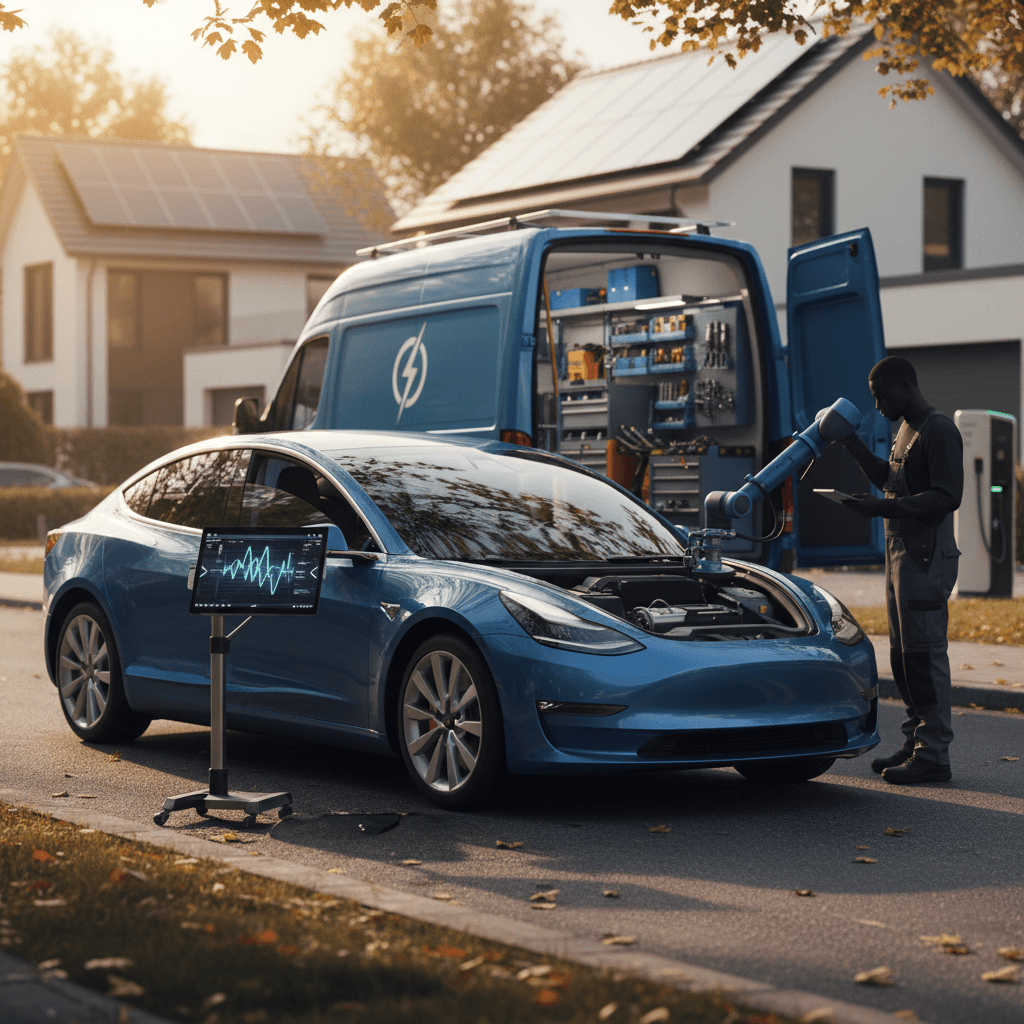
Some providers will come to your driveway with a mobile van. Convenient, but they may charge a mobile service fee or require a shop visit for final calibration on specialty equipment.
Typical add: $0–$150 depending on provider.
OEM vs aftermarket glass
OEM Tesla glass usually costs more than aftermarket. Reputable aftermarket options can be fine, but fit, optical clarity, and sensor performance matter more on a Tesla than on an old commuter.
Typical savings: $100–$400 if you go aftermarket.
Cut-rate glass can get expensive fast
Insurance coverage: how much you actually pay out of pocket
The big swing factor in your Tesla windshield replacement cost isn’t the glass, it’s your insurance. Two Model Y owners can have identical damage and wildly different bills depending on their coverage and state.
Comprehensive coverage & glass riders
Windshield damage typically falls under comprehensive coverage, not collision. If you added a separate full glass rider, your insurer may waive your deductible entirely for a windshield replacement.
- Standard comp: you pay your deductible, insurance pays the rest.
- Glass rider: many policies cover glass with no deductible.
- Some states require zero-deductible glass on certain policies.
Realistic out-of-pocket scenarios
- $0: You carry full glass coverage or live in a state with mandated no‑deductible glass replacement.
- $250–$500: You have comprehensive with a moderate deductible; the rest is covered.
- $900–$1,800: No comprehensive coverage or a very high deductible, you’re paying retail.
Before you schedule anything, call your insurer and ask exactly how they handle Tesla glass, calibration fees, and mobile service charges.
Call insurance before you call the glass shop
Repair vs replace: when a chip becomes a $1,500 problem
A full replacement is the expensive outcome. Often, a simple chip repair is all you need, if you move fast and the damage is in the right place.
Should you repair or replace your Tesla windshield?
1. Size of the damage
Very small chips and short cracks (often under a few inches) away from the driver’s line of sight can usually be repaired. A long crack or multiple impact points often mean replacement.
2. Location on the glass
Damage directly in front of the driver, or near the camera housing at the top center of the windshield, is more likely to require replacement for safety and sensor clarity.
3. Depth and spreading
If you can feel the crack with your fingernail and it’s spreading, repairing is a race against time. Temperature swings and potholes can turn a tiny star break into a full-length crack overnight.
4. Insurance incentives
Many insurers will happily pay for chip repairs with no deductible because it’s cheaper than footing the bill for a full Tesla windshield. Ask if they’ll cover a quick repair visit.
5. Timing
The sooner you act, the more likely a repair will work. If you wait until after a cold snap, that small chip can become a replacement that costs more than a set of premium tires.
Best-case scenario
How long does Tesla windshield replacement take?
The clock starts the moment you notice the crack, but what matters is how long you’re actually without the car, and whether sensors behave afterward.
- Scheduling: In busy markets, getting on the schedule can take anywhere from a day to over a week, especially if OEM glass has to be ordered.
- On-site work: The physical removal, installation, curing of adhesive, and calibration typically take 2–4 hours for most Teslas, longer for Model X with its massive glass.
- Cure time: Adhesives need time to reach safe drive-away strength. Many shops recommend waiting a few hours before highway speeds; they’ll spell this out on your paperwork.
- Shakedown period: Over the first few days, watch for camera warnings, wind noise, or water leaks after rain. Report any issues immediately, reputable shops will fix them.
Watch your driver-assistance features
Ways to save on Tesla windshield replacement without cutting corners
You don’t have to throw safety and sensor performance out the window to keep your costs in check. Here are smart places to economize, and places you shouldn’t.
Smart savings vs. false economy
Where you can trim the bill, and where you shouldn’t.
Where you can save
- Shop multiple Tesla‑experienced glass shops, not just the first one your insurer mentions.
- Ask about OEM‑equivalent glass from reputable brands instead of only Tesla-branded parts.
- Schedule chip repairs immediately to avoid full replacements.
- Use in‑network providers if your insurance offers better coverage there.
Where not to cheap out
- Skipping ADAS calibration to save $200–$300.
- Choosing a shop that rarely (or never) works on Teslas.
- Ignoring wind noise or water leaks after the repair.
- Accepting glass with obvious distortions in your line of sight.
Ask one key question
Planning for glass costs when buying a used Tesla
Windshields and panoramic glass are part of your Tesla’s long‑term cost of ownership, right alongside tires and brake fluid. If you’re shopping used, it pays to look up from the Autopilot screen and really study the glass.
What to check on a test drive
- Look for chips, cracks, and “sandblasting” (fine pitting) in the glass, especially on high‑mileage highway cars.
- Check for distortion or optical waves when you pan your eyes across the windshield.
- Listen for wind noise around the A‑pillars at highway speed, which can indicate past glass work or seal issues.
- Inspect the sealant line for uneven beads or gaps that suggest a sloppy past replacement.
How Recharged helps you plan
Every used EV sold through Recharged comes with a Recharged Score Report that highlights key condition items, including glass, along with verified battery health.
If you’re comparing two similar Teslas and one already has a clean, properly installed windshield, that’s future money you don’t have to spend. Our EV specialists can walk you through expected maintenance and glass costs so you’re not surprised later.
Budgeting tip for owners and shoppers
FAQ: Tesla windshield replacement costs
Frequently asked questions about Tesla windshield costs
Bottom line: what to expect and how to be ready
A Tesla windshield isn’t just a sheet of glass; it’s a structural, sensor‑laden component that keeps your cabin quiet and your driver‑assistance systems seeing straight. In 2025, most owners face a Tesla windshield replacement cost somewhere between $900 and $1,800 before insurance, with calibration, labor, and glass quality all shaping the final bill.
You can’t control every rock on the highway, but you can control your preparation. Know how your insurance handles glass, repair chips early, and choose a shop that understands Teslas instead of simply quoting the lowest price. If you’re shopping for a used Tesla, fold glass condition into your decision the same way you would tires or brakes, and use tools like the Recharged Score Report to understand the car’s overall health and long‑term ownership costs.
Do that, and a cracked windshield becomes a line item you planned for, not a nasty surprise that spoils the EV experience you bought the car for in the first place.