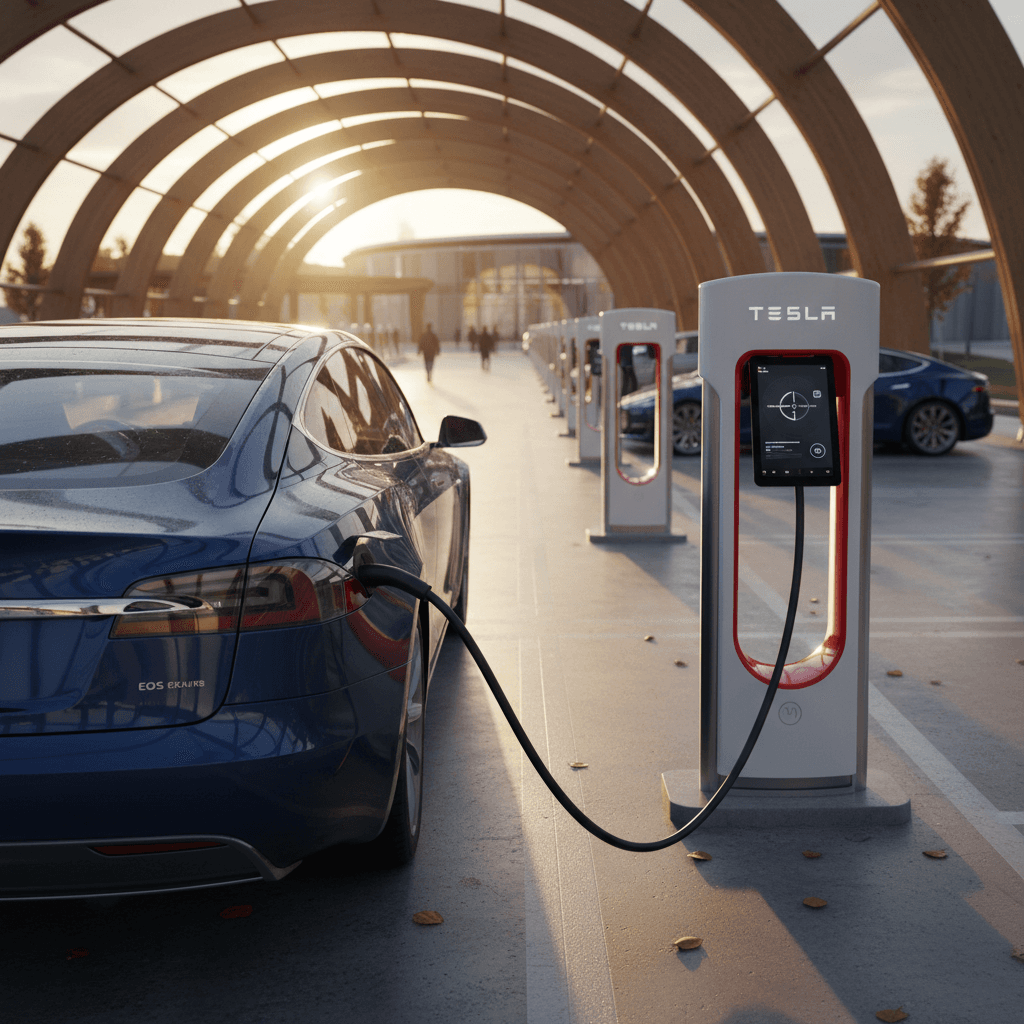
The subscription is primarily a cost-saving decision for drivers of compatible non-Tesla EVs. You pay a recurring fee in exchange for a lower charging rate at participating Superchargers, so the value depends on how much eligible charging you actually buy. Before joining, use the Tesla app to confirm that your EV and planned stations are supported and to see the current fee and rate difference. If most of your charging happens at home, paying as you go may remain cheaper.
Who should subscribe?
Frequent non-Tesla Supercharger users are the drivers most likely to benefit. Tesla drivers generally receive the applicable Tesla charging rate without buying the separate non-Tesla membership, while occasional visitors may not purchase enough fast charging to recover the fee. The plan becomes more compelling if eligible Superchargers anchor your commute, apartment-charging routine, or regular road-trip route.
Which charging approach fits you?
Start with your vehicle and expected Supercharger use rather than the advertised discount alone.
| Driver profile | Best approach | Plan fit | Main check |
|---|---|---|---|
| Tesla driver | Standard access | Usually unnecessary | In-app rate |
| Non-Tesla, occasional use | Pay as you go | Usually weak | Monthly volume |
| Non-Tesla, frequent use | Compare membership | Potentially strong | Break-even use |
| Seasonal road-tripper | Compare by month | Route dependent | Eligible stations |
Check current vehicle eligibility, station access, fees, and charging rates in the Tesla app.
Use the app’s current numbers
Calculate your break-even point
The plan pays for itself only when your monthly charging-rate savings exceed its monthly fee. Find the difference between the member and non-member rate shown in the app, then divide the subscription fee by that difference. The result is the amount of eligible Supercharger energy you must buy before the membership starts saving money. Because a kilowatt-hour, or kWh, measures energy purchased rather than charging speed, use the billing unit displayed for your stations.
- Open the Tesla app and select your compatible non-Tesla EV.
- Record the current subscription fee and the member and non-member charging rates for stations you expect to use.
- Subtract the member rate from the non-member rate to find your savings per billing unit.
- Divide the monthly fee by the per-unit savings to find your break-even charging volume.
- Compare that result with your real monthly Supercharger use, not your total driving or home-charging consumption.
For example, if your expected eligible charging volume falls below the calculated break-even point, skip the plan and pay as you go. If it lands comfortably above that point, the subscription may reduce your total charging cost. Recalculate before a travel-heavy month because both your route and the app’s current rates can affect the answer.
Access and compatibility come first
A subscription does not make every Supercharger compatible with every EV. Your vehicle may connect through a built-in NACS port, the North American Charging Standard connector, an automaker-approved adapter, or a connector provided at a supported station. Eligibility also depends on the vehicle and location, so confirm each important stop in the app before building a trip around it. For additional background, see how NACS and CCS charging differ and review the differences between Level 2 and DC fast charging.
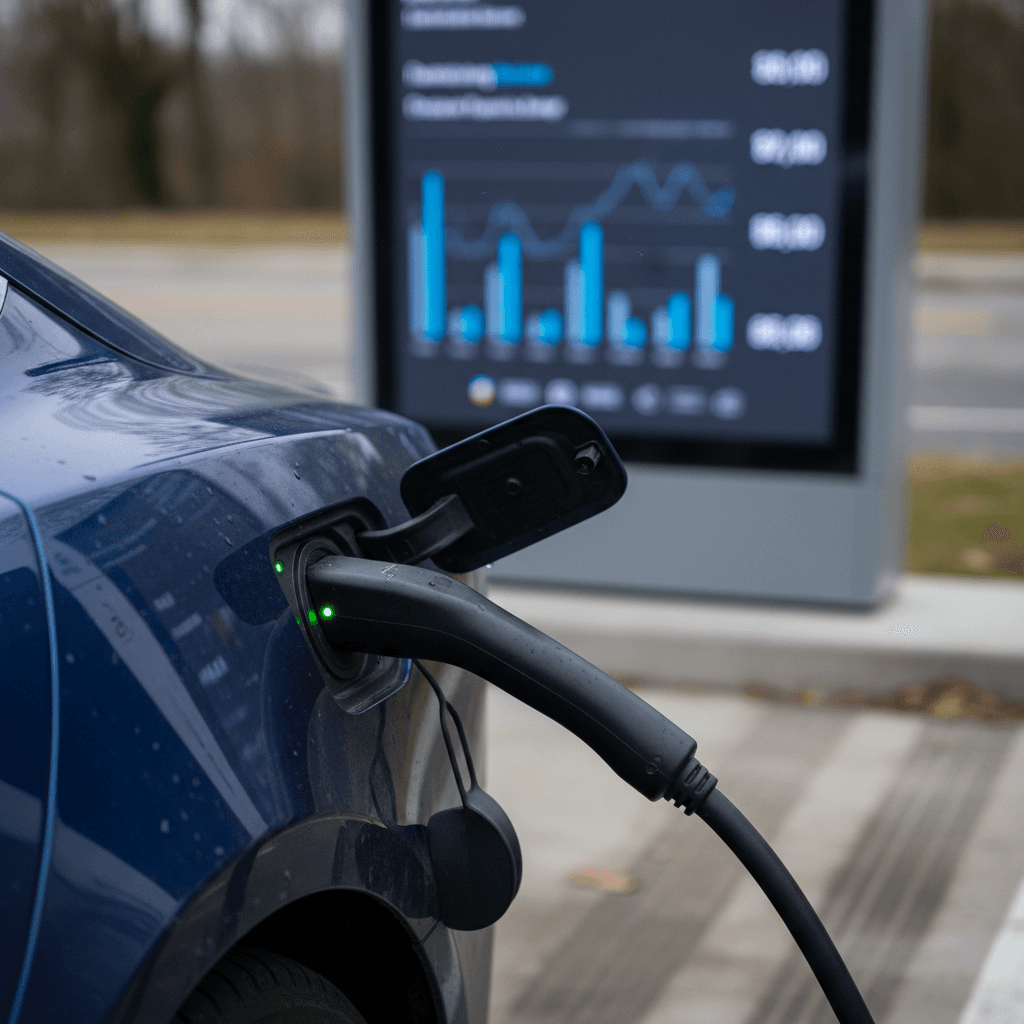
Route quality matters as much as price. A discounted station won’t help if it requires a long detour, lacks the connector setup your EV needs, or is unavailable when you arrive. Tesla’s route information can help, but keep an alternate charging location in mind on unfamiliar trips.
On a road trip, battery preconditioning and a sensible charge target matter more than chasing the biggest peak number. The best charging stop is the one that provides enough range to continue with minimal delay.
What Recharged battery data shows
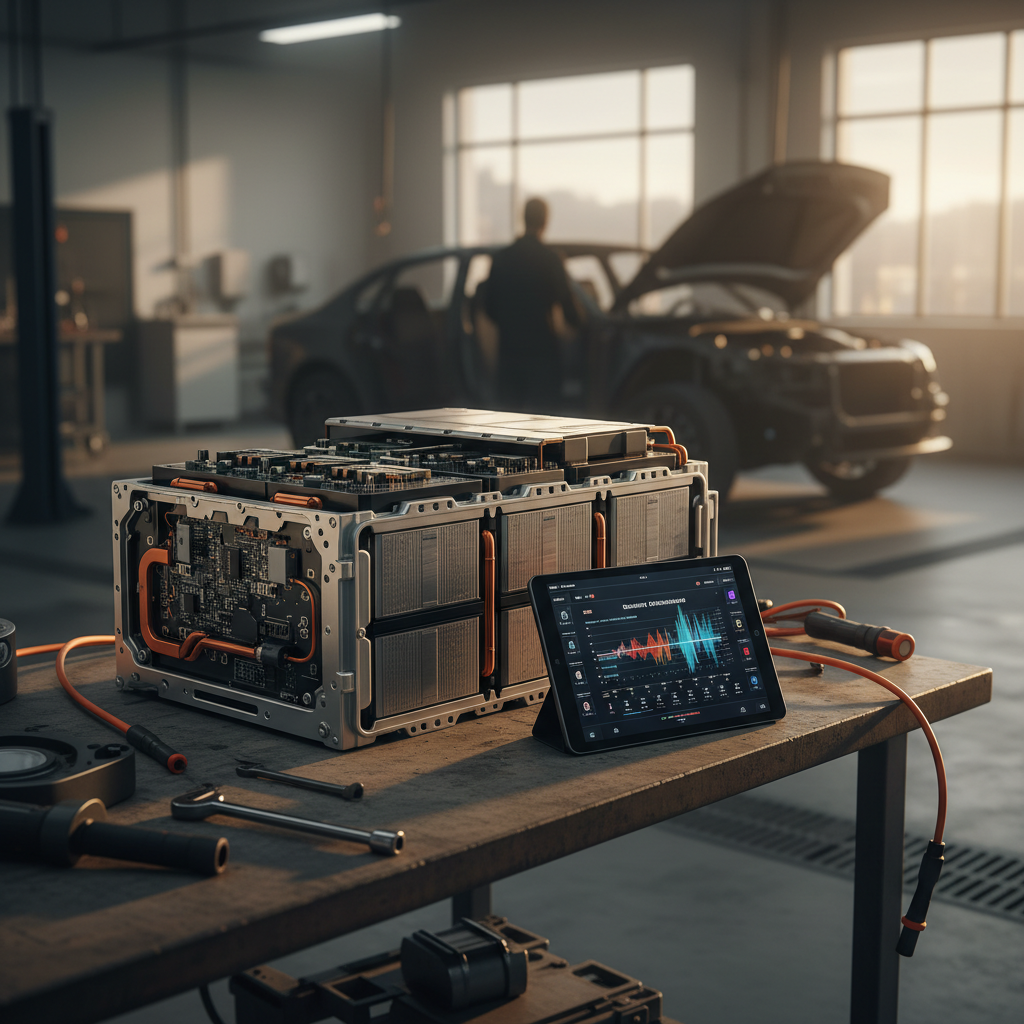
Recharged battery diagnostics show strong remaining capacity across a broad set of inspected used EVs, although the results do not isolate Supercharger subscription users or prove that every charging routine has the same effect. In 2,242 Recharged Score inspections, tested remaining battery capacity averaged 93.9% of original capacity, with a 94.9% median. Tested real-world range averaged 266 miles, with a 268-mile median, across vehicles with widely different specifications and histories. The practical takeaway is to choose a subscription based on cost and convenience, then evaluate battery condition separately with verified diagnostics.
Charging access isn’t battery health
Fast charging is a tool, not a complete ownership strategy. Home or workplace Level 2 charging will often handle routine driving more conveniently, while Superchargers can cover road trips and charging gaps. If battery longevity concerns you, read more about fast charging and EV battery health.
Every EV is battery-tested with a Recharged Score. Nationwide delivery.
Tesla Supercharger subscription FAQ
Recharged data
Used EV battery health
94%
avg remaining capacity
From Recharged battery inspections, not manufacturer estimates.
- Lowest
- 63%
- Median
- 95%
- Highest
- 100%
- Est. range
- 266 mi avg
- Cell balance pass
- 100%
- Quick charges
- 18 avg
- Slow charges
- 65 avg
Average cell imbalance: 7.3 mV
Based on vehicles Recharged tested
Recharged data
Used EV prices at Recharged
$30,997
median list price
Current list prices for matching inventory at Recharged.
- Lowest
- $12,996
- Average
- $34,803
- Highest
- $146,998
Average Recharged Score on these listings
4.8 / 5
Range
3.7 – 5.0
Based on available listings
The bottom line
Subscribe only when a compatible non-Tesla EV, eligible stations, and your expected charging volume all support the decision. Run the break-even calculation with the current fee and rates in the app, then include route convenience and backup options in your assessment. If the savings are marginal or most of your energy comes from home charging, paying as you go keeps things simpler.
Instant offer, trade-in, or consignment. Pickup available.