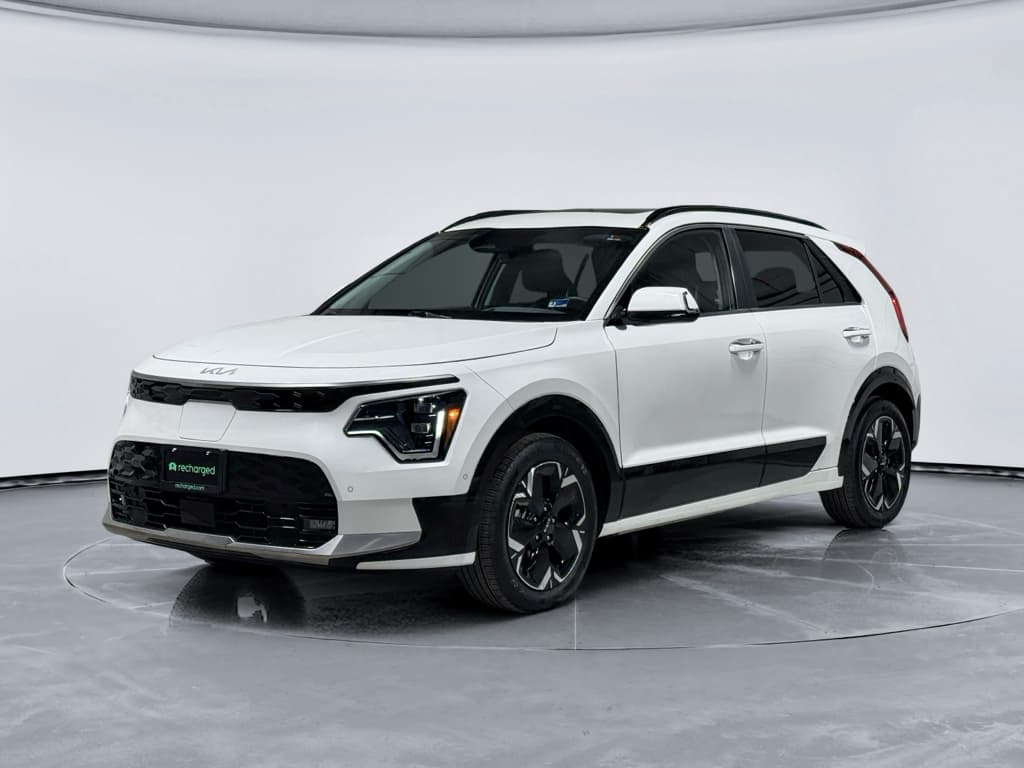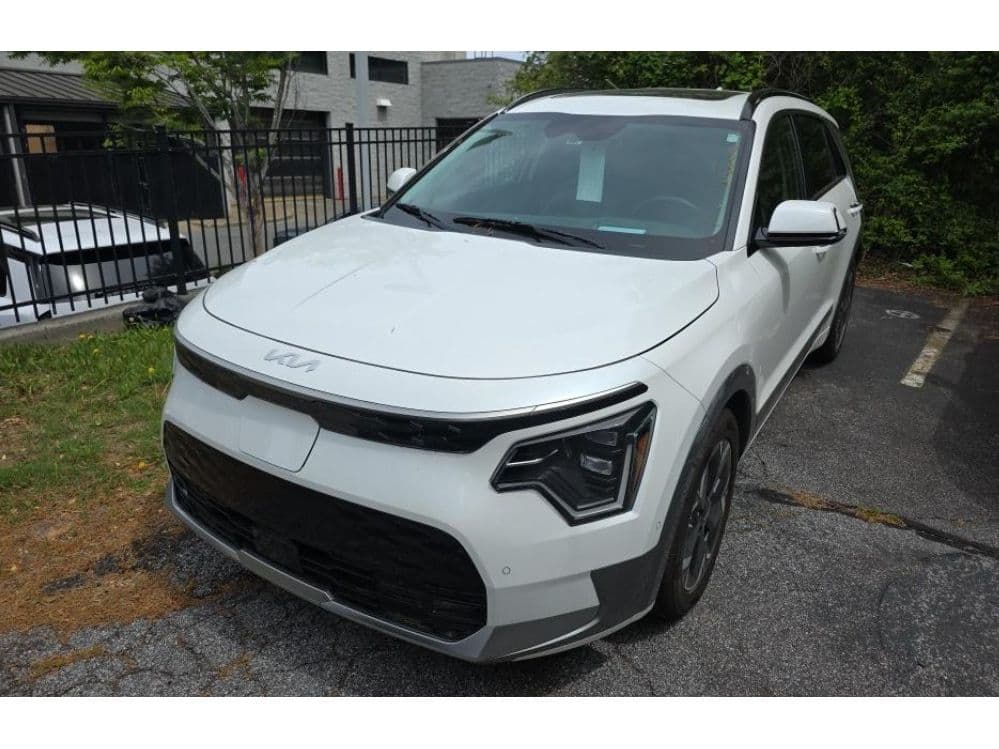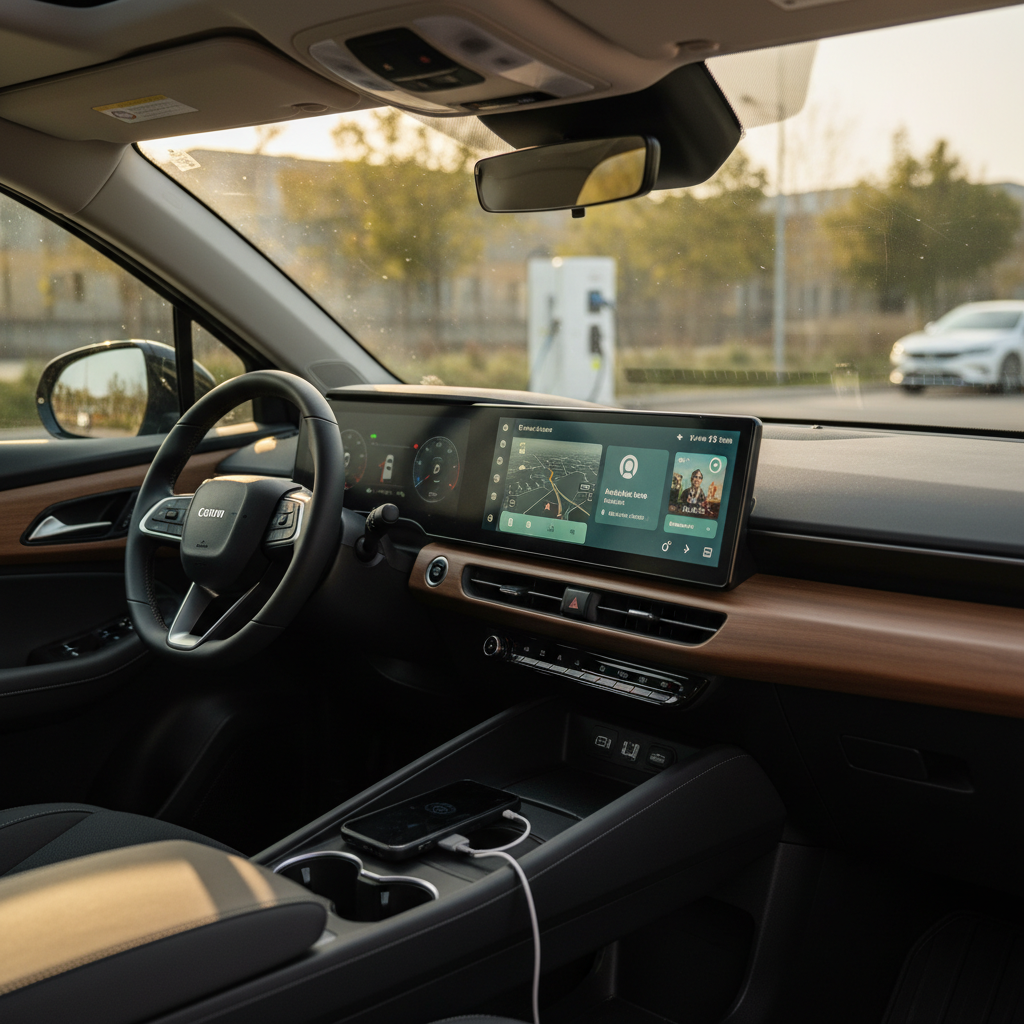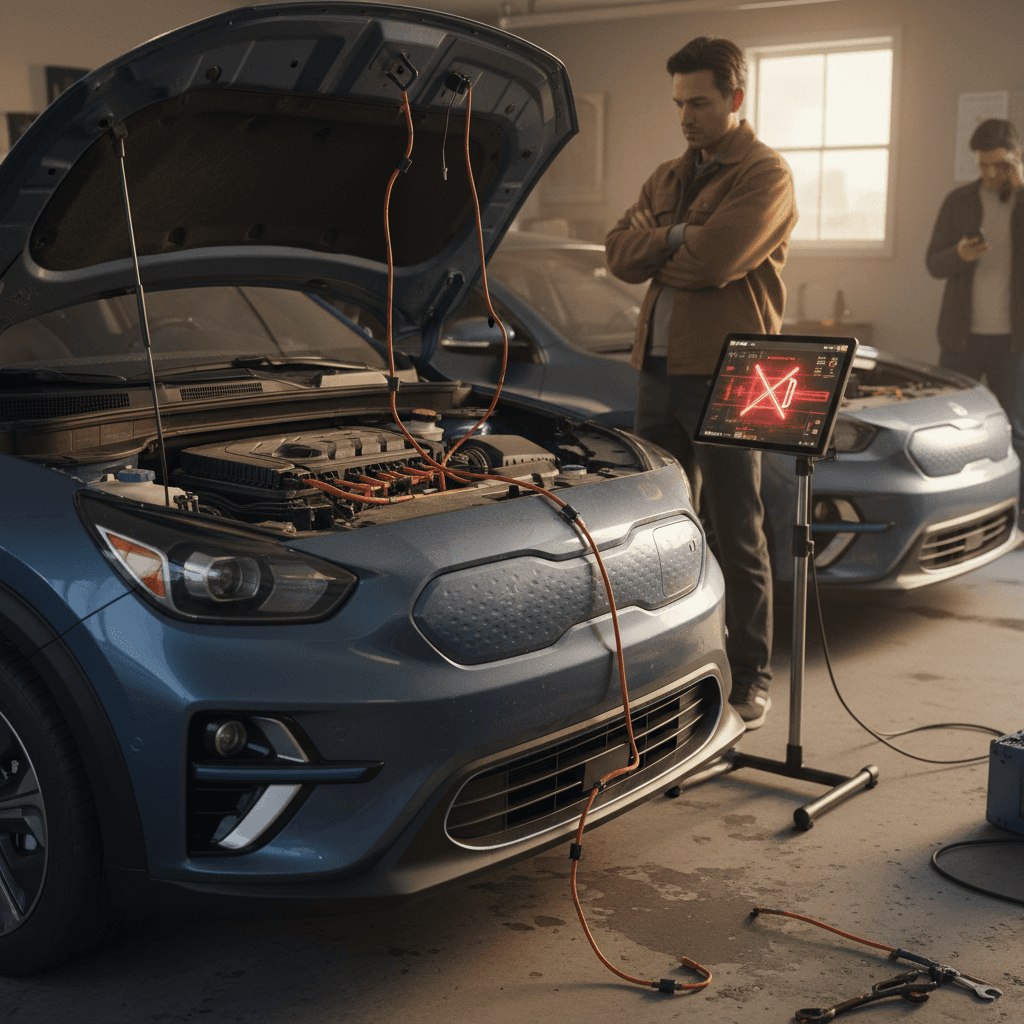
If you’re eyeing a used 2020 Kia Niro EV, you’re not alone. It’s one of the most efficient, practical compact EVs on the market, with a real-world range that still stacks up well in 2026. But like any first‑generation electric crossover, the 2020 Niro EV has a few recurring issues you should understand before you sign paperwork or click “buy now.”
Quick take
Overview: Is the 2020 Kia Niro EV Reliable?
From owner forums, long‑term reports, and reliability surveys, the 2020 Niro EV generally lands in the “better‑than‑average” camp. Many drivers with 70,000–150,000 miles report minimal issues beyond tires, brake pads, and the 12‑volt battery. Others, however, have dealt with pricey repairs to the front motor/reduction gear assembly or climate‑control components, usually covered under warranty but potentially painful for second or third owners.
2020 Niro EV at a Glance
When shoppers search for “2020 Kia Niro EV problems”, they’re usually trying to answer two questions: what’s most likely to go wrong, and how do I avoid buying a problem child? Let’s walk through the issues that come up most often and how to spot them on a test drive or inspection.
Most Common 2020 Kia Niro EV Problems
Common 2020 Niro EV Problem Areas
What owners and technicians see most often
Drivetrain noise & failures
AC & climate failures
Charging faults
Warranty timing matters
Drivetrain Noise & Reduction Gear Failures
The single biggest mechanical concern on 2019–2022 Niro EVs, including the 2020 model, is front drivetrain noise. Kia uses a reduction gear between the electric motor and the drive wheels. On some vehicles, that unit (and occasionally the motor itself) develops a distinctive noise that gets worse over time.
- High‑pitched “wheel‑of‑fortune” whine between roughly 25–60 mph
- Grinding, ticking, or slapping sound that tracks with vehicle speed, not motor RPM
- Noise often grows slowly, so owners (and sometimes dealers) ignore early symptoms
- In confirmed cases, dealers replace the reduction gear assembly and/or motor under warranty
How to test for reduction gear noise
How serious is it?
Many Niro EV owners will never have drivetrain issues; others have had both the reduction gear and motor replaced before 50,000 miles. When it happens, the repair is expensive out of warranty, often in the multi‑thousand‑dollar range due to parts cost and labor time.
What protects you?
- Original Kia powertrain/electric‑drive warranty (time and mileage vary by region)
- Certified pre‑owned coverage that extends drivetrain protection
- A third‑party warranty that explicitly covers EV drive units
- Buying from a retailer like Recharged that runs high‑voltage diagnostics and checks for abnormal drivetrain noise before listing the vehicle
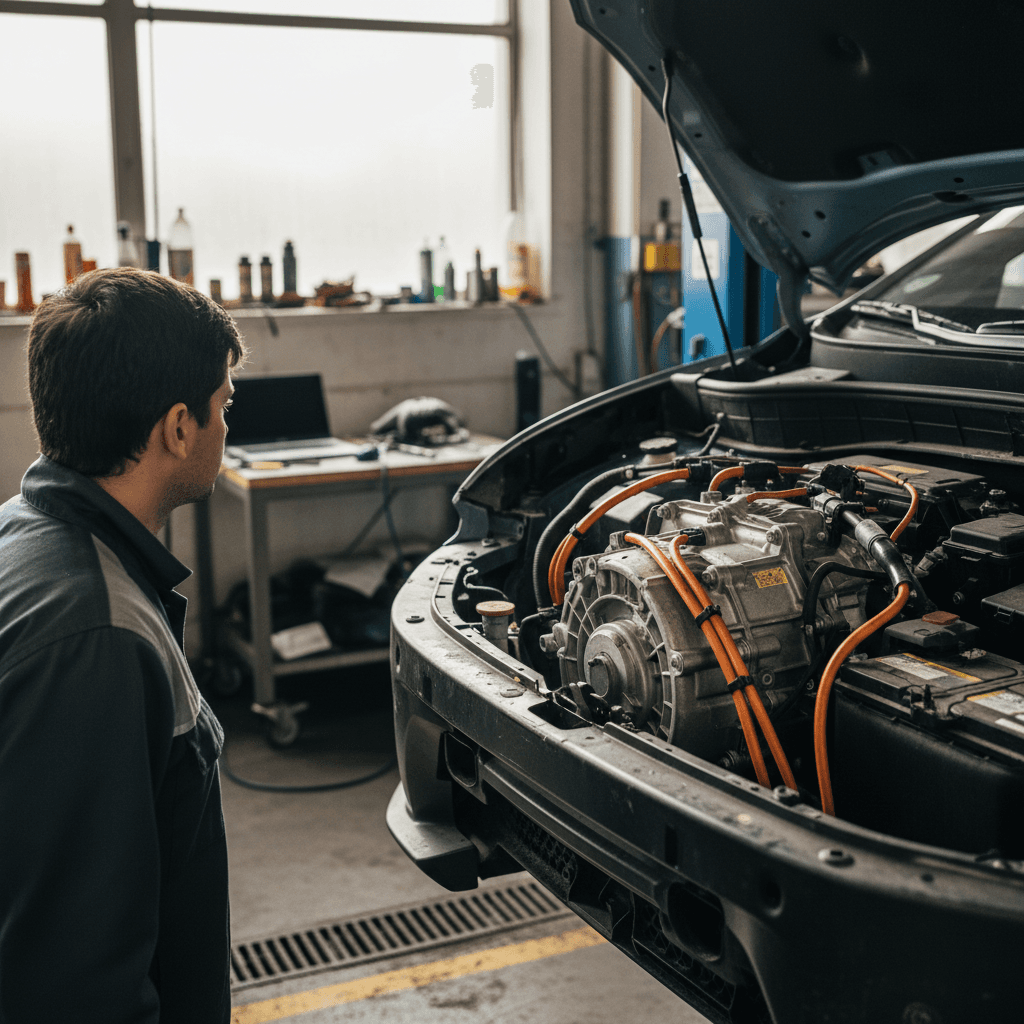
AC & Climate Issues After DC Fast Charging
A second pattern you’ll see in 2020 Niro EV owner stories involves air‑conditioning failures that show up right after a DC fast‑charging session. Several owners describe plugging into 100 kW‑class chargers, hearing loud cooling noises from the car, then discovering that the cabin AC no longer works afterward.
- Loud humming, grinding, or clicking from the front of the car while fast charging
- AC suddenly blows warm air after a charging session
- Dealer diagnoses failed AC compressor or condenser and replaces under warranty
- Some owners report repeat failures a couple of years later
Why this matters
How to Check a Used Niro EV’s AC Health
1. Test AC before and after driving
Start with the car at normal temperature. Turn AC to max cool and fan high. You should get <strong>cold air within 30–60 seconds</strong>. After a highway drive, test again to confirm consistent performance.
2. Listen for odd compressor noises
With the car in Park and AC on, listen at the front grille. A mild hum is normal, but <strong>loud clicking, grinding, or cycling every few seconds</strong> can indicate a compressor or condenser problem.
3. Inspect for leak traces
Have a mechanic check for oily residue on AC lines and around the condenser in front of the radiator. That can signal refrigerant leaks that will only get worse.
4. Review repair history
Look for prior <strong>compressor, condenser, or evaporator replacements</strong>. One repair within warranty isn’t necessarily a deal‑breaker, but repeat failures should lower the price or push you to another car.
Charging Problems: Onboard Charger, BMS & DC Fast
Most 2020 Niro EVs charge reliably on both Level 2 and DC fast chargers, but a minority of owners have reported frustrating charging problems. Symptoms can appear suddenly, even if the car previously fast‑charged without incident.
- Car refuses to start DC fast charging at multiple stations, even though the connector locks
- No clear error message in the cluster, just a failed session
- AC Level 2 charging stops unexpectedly or won’t start, despite a healthy wall unit
- Dealer ultimately replaces the onboard charger assembly, battery management unit (BMU), or related electronics
Rule out simple causes first
If a 2020 Niro EV has a history of failed DC fast‑charging attempts across multiple networks after those basic checks, assume you may be looking at an intermittent high‑voltage or control‑module issue. Those repairs are very difficult to diagnose outside a dealer or EV‑specialist shop, and they’re not cheap.
Charging Issue Cheat Sheet for 2020 Niro EV
Use this table to distinguish common, low‑stakes issues from potential high‑voltage hardware faults.
| Symptom | Most Likely Cause | Risk Level | Next Step |
|---|---|---|---|
| Won’t start at one DC fast charger | Network or station fault | Low | Try another station/network and re‑seat connector |
| Works at Level 2 but not DC fast anywhere | BCM/BMS or charging‑control fault | Medium | Scan for codes; dealer or EV specialist diagnosis |
| Random Level 2 sessions stop early | EVSE fault, loose cable, or onboard‑charger issue | Medium | Test on a different Level 2 unit and check logs |
| Both AC and DC charging fail | Onboard charger or high‑voltage fault | High | Avoid buying until fully diagnosed and repaired in writing |
When in doubt, have a shop with EV experience scan the car for high‑voltage and BMS fault codes before you buy.
Battery Degradation & 12V Battery Questions
The good news for shoppers: the 64 kWh high‑voltage pack in the 2020 Niro EV has held up very well in most real‑world use. It’s common to see cars with 80,000–150,000 miles still showing near‑original usable capacity when properly measured. Some owners even report “100%” state‑of‑health on diagnostic tools at high mileage, though those numbers depend on how the software calculates capacity.
Battery health is a strong point
The weak link is more often the 12‑volt auxiliary battery. Multiple owners mention replacing the 12V battery more frequently than expected, sometimes every 2–3 years. A weak 12V battery can cause a range of strange symptoms, warning lights, no‑start conditions, or intermittent electronic glitches, without any actual problem in the high‑voltage system.
- Original 12V battery often fails between 3–5 years of age
- Some owners proactively install an AGM 12V replacement for better durability
- Weak 12V can masquerade as charging or infotainment issues
How to Check a 2020 Niro EV’s Battery Health
1. Look at usable range
On a full charge in mild weather, a healthy 2020 Niro EV should show a realistic estimate close to its original 239‑mile rating, adjusted for your driving history. A dramatically lower estimate can be a red flag.
2. Request a battery health report
Ask the seller for a <strong>recent battery health printout</strong> from a Kia dealer or EV‑specialist shop. At Recharged, every Niro EV includes a <strong>Recharged Score Report</strong> with verified battery diagnostics, including cell balance and usable capacity.
3. Scan cell voltages
If you have access to an OBD‑II dongle and a compatible app, check that individual cell voltages stay <strong>closely matched at rest and under load</strong>. Large imbalances can indicate a weak module that might trigger future warranty claims, or out‑of‑pocket repairs.
4. Inspect and test the 12V battery
Check the date code on the 12V battery and have it load‑tested. If it’s more than 3–4 years old, budget for a preventive replacement, ideally with a higher‑quality AGM unit.
Other Issues 2020 Niro EV Owners Report
Beyond drivetrain, climate, and charging, the 2020 Niro EV shares a few smaller quirks with other Niro variants and with compact EVs in general. None are automatic deal‑breakers, but you’ll want to be aware of them while shopping.
Smaller but Notable Issues
Problems you might see, but can often live with or fix cheaply
Parking brake problems
Active air‑flap warnings
Random electrical gremlins
Hybrid vs. full EV problems
What to Check Before Buying a Used 2020 Niro EV
A smart inspection is the difference between buying a gently used, low‑cost commuter and inheriting someone else’s headache. Here’s a focused checklist tailored to 2020 Kia Niro EV problems we’ve just covered.
Pre‑Purchase Checklist for 2020 Niro EV
1. Full quiet test drive
Drive at city and highway speeds with audio off. Listen closely for <strong>gear whine, grinding, or ticking</strong> from the front. Any unusual drivetrain noise is a reason to pause the deal.
2. DC fast‑charge test (if possible)
If the car’s near a public DC fast charger, run a brief session. Confirm it <strong>starts charging cleanly</strong>, doesn’t throw errors, and that AC still works afterward.
3. Climate‑system stress test
Use max AC and heat in several modes. Fogged windows that won’t clear, weak cooling, or strange noises suggest AC issues that are <strong>expensive on an EV</strong>.
4. High‑voltage health scan
Ask for a scan report showing <strong>no active HV or BMS fault codes</strong>. Dealers and EV‑specialist shops can pull this, at Recharged, we do it on every Niro EV before listing.
5. Warranty and recall review
Confirm what’s left of Kia’s battery and drivetrain warranty, and make sure <strong>all open recalls or service campaigns</strong> have been performed.
6. Charging habits & history
If possible, learn how the previous owner charged the car. A mix of Level 2 home charging with occasional DC fast use is ideal. Heavy fast‑charging in hot climates warrants a closer look at battery and AC health.
Buying from a private seller
If you’re shopping peer‑to‑peer, build in time and budget for a pre‑purchase inspection at an EV‑savvy independent shop or Kia dealer. Ask for written findings on drivetrain noise, AC performance, and any high‑voltage fault codes.
Buying from a retailer or marketplace
With a dedicated EV retailer like Recharged, many of these steps are baked into the process. Every vehicle includes a Recharged Score Report that documents battery health, charging performance, and fair‑market pricing, plus access to EV specialists who can walk you through any model‑specific concerns.
How Recharged Evaluates Used Niro EVs
Because the 2020 Niro EV has a few known weak spots, our team at Recharged takes a systematic approach to inspecting each one before it ever appears on the site or at our Richmond, VA Experience Center.
Recharged’s Niro EV Inspection Focus
Targeted checks for the issues that matter most
Drivetrain & noise evaluation
Battery & AC thermal checks
Recharged Score Report
Ready to find your next EV?
Browse VehiclesNationwide, digital‑first experience
2020 Kia Niro EV Problems: FAQ
Frequently Asked Questions About 2020 Niro EV Problems
Bottom Line: Should You Buy a 2020 Niro EV?
If your search for 2020 Kia Niro EV problems has you wondering whether to walk away entirely, the takeaway is more nuanced. This is not a “bad” EV, it’s a well‑sorted, efficient crossover with a strong real‑world range record and generally durable battery packs. The trade‑off is that a subset of cars has seen expensive drivetrain, AC, or charging‑hardware repairs, especially as they age out of factory coverage.
If you approach the 2020 Niro EV the way a good used‑car buyer should, by listening for drivetrain noise, stress‑testing the climate system, verifying charging behavior, and reviewing battery health, you can dramatically tilt the odds in your favor. And if you’d rather not manage that process alone, Recharged was built for exactly this moment: helping you compare used EVs, understand their quirks, and drive home in a car whose condition and value you actually understand.