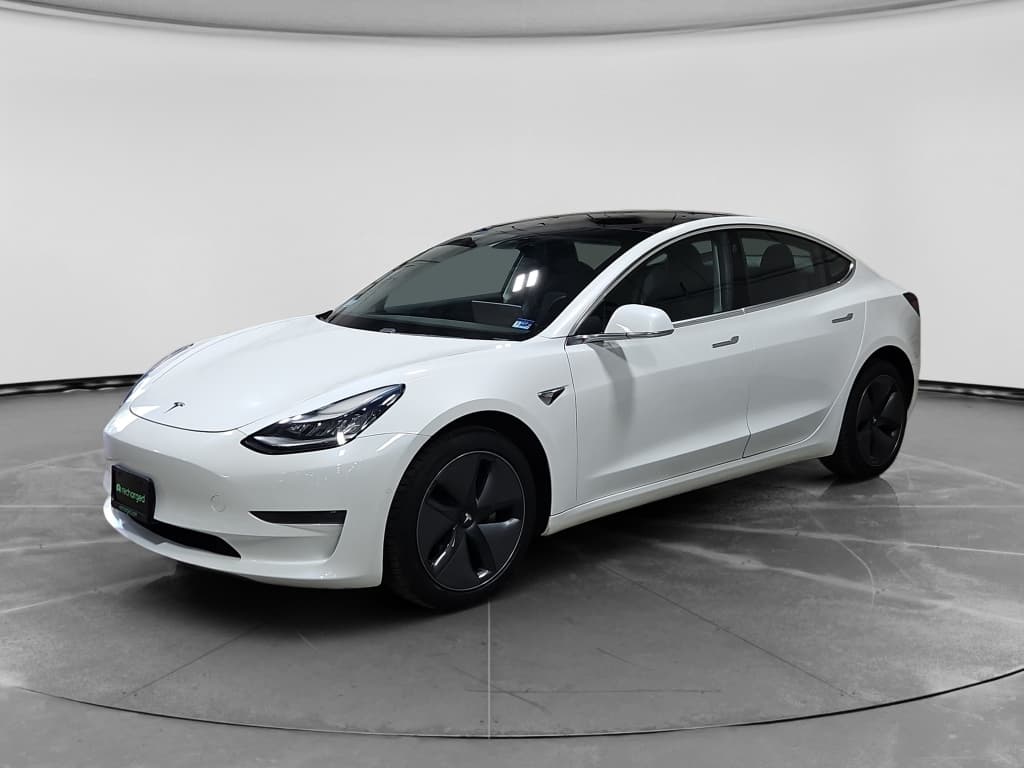
Tesla panel gaps have become something of an internet sport: zoomed‑in photos, Reddit threads arguing about what’s “in spec,” and the evergreen joke that a pinky finger is now a precision measuring tool. But behind the memes there’s a real question for buyers: what do Tesla panel gaps actually tell you about a car, and should they change how you shop, especially for a used Tesla?
Quick takeaway
Why everyone talks about Tesla panel gaps
Every car has gaps between body panels. The difference with Tesla is that the company’s software and powertrain are so far ahead that any old‑school flaw, like a crooked trunk or an uneven fender, stands out in sharp relief. Early Model 3 and Model Y builds in particular were criticized for inconsistent gaps, with independent teardown shops measuring differences of several millimeters side to side.
Over the years, Tesla has quietly tightened up its manufacturing. Later Model 3 and Model Y vehicles, especially from Fremont and Austin after roughly 2021, tend to have smaller and more consistent gaps than the infamous early cars. But variability is still higher than what you’ll typically see from established luxury brands, which is why you keep hearing about it.
The important nuance
What a panel gap actually is
A panel gap is simply the space between two body panels, hood and fender, door and quarter panel, trunk and bumper, and so on. Automakers design two things here:
- Gap width: how wide the opening is, usually measured in millimeters.
- Flushness: whether the panels sit on the same plane, or one sits proud (sticking out) or sunken (sitting in).
On a high‑quality build, gaps are consistent from left to right and front to back. The exact number, say 3.5 mm vs 4 mm, matters less than the consistency. Your eye is very good at spotting a mismatched side, even if you’ve never held a feeler gauge in your life.
Rule of thumb for the driveway
How Tesla panel gaps compare to other brands
Tesla fit & finish in context
Independent engineers who’ve torn down Tesla vehicles have found that average panel gaps on later Model 3/Y cars are roughly comparable to mainstream brands, but with a wider spread: some cars are excellent, some are mediocre. That’s different from, say, a Lexus, where nearly every car is laser‑aligned.
The takeaway for you as a buyer is simple: you can absolutely find Teslas with excellent fit and finish. You just can’t assume every car rolling off the line hit the same high mark, especially in the early years.
Tesla panel gaps explained: what’s normal vs a problem
Normal Tesla quirks vs real red flags
Use this to separate cosmetic nitpicks from serious concerns.
Usually normal or minor
- Slightly wider gap on one side of the trunk or hatch, but still even and sealed.
- Small variation around headlamps or taillights that you only see up close.
- Rubber bump stops or latch height just needing a little adjustment.
- Door that needs a firm close but latches securely and sits flush when shut.
Worth real concern
- One side of a gap is visibly double the size of the other from several feet away.
- Panels touching or nearly touching on one side, with paint scuffing or chipping.
- Gaps big enough to see raw metal, inner structure, or weatherstripping pulled tight.
- Misalignment combined with wind noise, water leaks, or trunk/door that won’t stay shut.
- Uneven gaps that line up with a Carfax accident, or visible signs of repainting.
When panel gaps hint at something bigger
Where to look: common trouble spots by model
Model 3
- Trunk lid to rear quarter panels – Look for one side tight, the other side wide.
- Hood to fenders – Check for corners that sit high or low.
- Door to rocker panel – The lower edge of the doors should follow the sill line.
- Glass roof trim – Interior trim pieces should sit evenly without long gaps.
Model Y
- Liftgate to rear bumper – Uneven gaps or corners sticking out are common complaints.
- Taillights to body – Look for one lamp pushed in or pulled out vs the other.
- Rear door to quarter panel – The character line should flow cleanly; no “steps.”
- Wheel‑arch cladding – Plastic trim should hug the sheet metal consistently.
Model S / X / Cybertruck
- Liftback/hatch edges – Large panels can exaggerate small misalignments.
- Falcon doors (Model X) – Should close flush with the roof and quarter panels.
- Body seams (Cybertruck) – Stainless panels must line up sharply; any step or gap is obvious.
- Front fascia seams – Look for even transitions around headlights and bumper corners.

Panel gaps on a used Tesla: are they a dealbreaker?
Short answer: usually no, but they’re a negotiation tool and a diagnostic clue.
- If gaps are a bit inconsistent but the car tracks straight, makes no weird noises, and shows no accident history, you’re probably looking at minor factory variability.
- If gaps line up with a reported crash or obvious repainting, you should assume there’s more going on than meets the eye.
- If panels are actually rubbing, not sealing, or causing wind/water intrusion, repair is non‑optional and should be priced into the deal.
How panel gaps can save you money
At Recharged, panel gaps are part of the evaluation that feeds into every car’s Recharged Score Report. When you see a car listed with us, you’ll know whether we’re talking about a 2‑millimeter trim quirk or a car that had major body work and was rejected from our retail inventory.
How to inspect a Tesla for panel gaps, step by step
DIY Tesla panel gap inspection
1. Start with a slow walk‑around
Stand 6–8 feet away and walk slowly around the car. Don’t zoom in yet. You’re looking for any panel line that suddenly kinks, widens, or narrows compared with the opposite side.
2. Compare left vs right
Pick key seams, hood to fender, doors to quarters, trunk or hatch to bumper. Compare the gap on the left side to the right. If one side is obviously wider or tighter, mentally flag it.
3. Check flushness with your fingertips
Run your fingertips across the seam. Do you feel a sharp step where one panel sticks out or sinks in? A slight step is normal; a ridge you can’t ignore is not.
4. Inspect doors, hood, and trunk operation
Open and close each door, the hood, and the trunk or liftgate. They should latch confidently without slamming and sit flush without needing you to “lift and push” into place.
5. Look for paint rub, chips, or bare metal
Tight spots sometimes cause paint to rub off at the edges. Look under weatherstripping and along tight corners for chips, bare metal, or primer showing through.
6. Check for leaks and wind noise clues
After a rainstorm or car wash, check the trunk well, door sills, and headliner for moisture. On a test drive, listen for loud wind noise around misaligned doors or mirrors.
Use your phone as a straightedge
Can Tesla or a body shop fix panel gaps?
Most of the time, yes. Body panels are bolted, latched, and shimmed into place; they’re designed to be adjusted within a certain range. On Teslas, that means:
- Adjusting bump stops and latches on hoods and trunks to even out the closing height.
- Re‑aligning doors by loosening hinge bolts and shifting the panel before retightening.
- Re‑positioning plastic trim around wheel arches and along rockers so it follows the metal more closely.
- Refitting lamps and bumpers so the curves match the surrounding sheet metal.
When Tesla service is your first call
- The car is new or under the basic warranty.
- The misalignment is clearly as‑delivered, not crash‑related.
- Other owners report similar issues being handled under warranty.
- You’re within the documentation window after delivery (often days, not months).
When a body shop makes more sense
- There’s known collision damage or a salvage/rebuilt title.
- Panels need repair or repainting, not just adjustment.
- You want higher cosmetic standards than Tesla considers "in spec."
- You’re negotiating on a used car and plan to handle fixes yourself.
Think twice before DIY re‑alignment
Costs, resale and insurance: what panel gaps really mean
How panel gaps affect ownership
From cosmetic annoyance to price‑changing problem, here’s how gaps usually play out.
| Panel gap situation | Typical cost to fix | Impact on value | What most smart buyers do |
|---|---|---|---|
| Small, even gaps, no rubbing | $0–$150 (if you even bother) | Negligible | Ignore or mention lightly in negotiation |
| Noticeable uneven gaps, no crash history | $150–$600 (adjustments & minor trim work) | Small but real | Use as negotiation leverage or ask seller to fix |
| Visible misalignment + repainting evidence | $500–$2,000+ (body shop work) | Moderate | Demand documentation, negotiate hard, or walk |
| Gaps plus structural issues or water leaks | $1,500–$5,000+ (major repair) | High | Usually walk unless deeply discounted and fully documented repairs are planned |
Use this as a guide when deciding whether to walk away, negotiate, or just drive and forget about it.
Insurance companies mostly care about structural damage and repair quality. If panel gaps are evidence of a poorly repaired crash, that’s already baked into the diminished value of the car. As a buyer, your job is to read those visual clues before you sign, not discover them after your first stormy commute.
How Recharged handles panel gaps and body alignment
Because panel gaps are part of the Tesla folklore now, we bake them into our process instead of pretending they don’t exist. Every Tesla that comes through Recharged goes through a combination of digital diagnostics and human eyeballs:
Panel gaps inside the Recharged Score
Not just "does it drive," but "how was it put together."
Exterior alignment check
Structural & battery health
Transparent pricing & fixes
Ready to find your next EV?
Browse VehiclesWant a second set of eyes?
Tesla panel gap FAQ
Frequently asked questions about Tesla panel gaps
Bottom line on Tesla panel gaps
Tesla panel gaps are a little like film grain on an otherwise brilliant movie: you notice them, the internet magnifies them, but they rarely ruin the experience. For you as a buyer, the smart move is to treat gaps as data. They can hint at how carefully a car was assembled, whether it’s had body work, and how much room you have to negotiate.
If you’re shopping used, focus on the whole picture, battery health, charging history, accident reports, and how the car drives, and let panel gaps be one tile in that mosaic, not the entire mural. And if you’d rather not crawl around a parking lot with a flashlight and a ruler, Recharged exists precisely so you don’t have to: we’ve already done the hard part, one seam at a time.