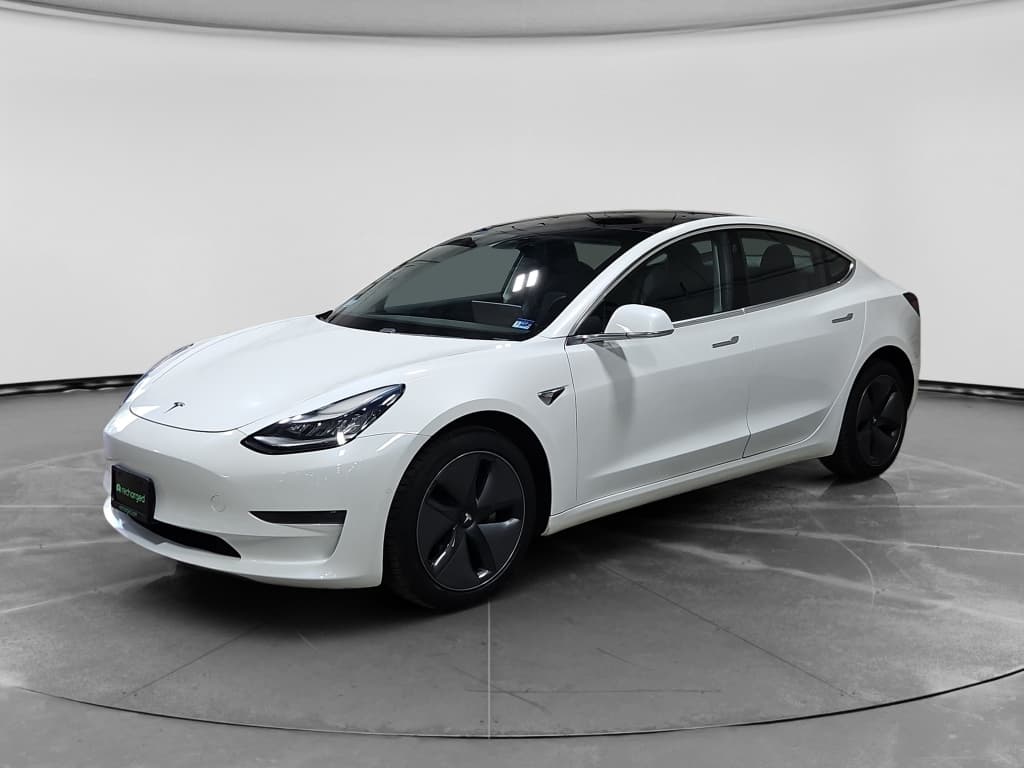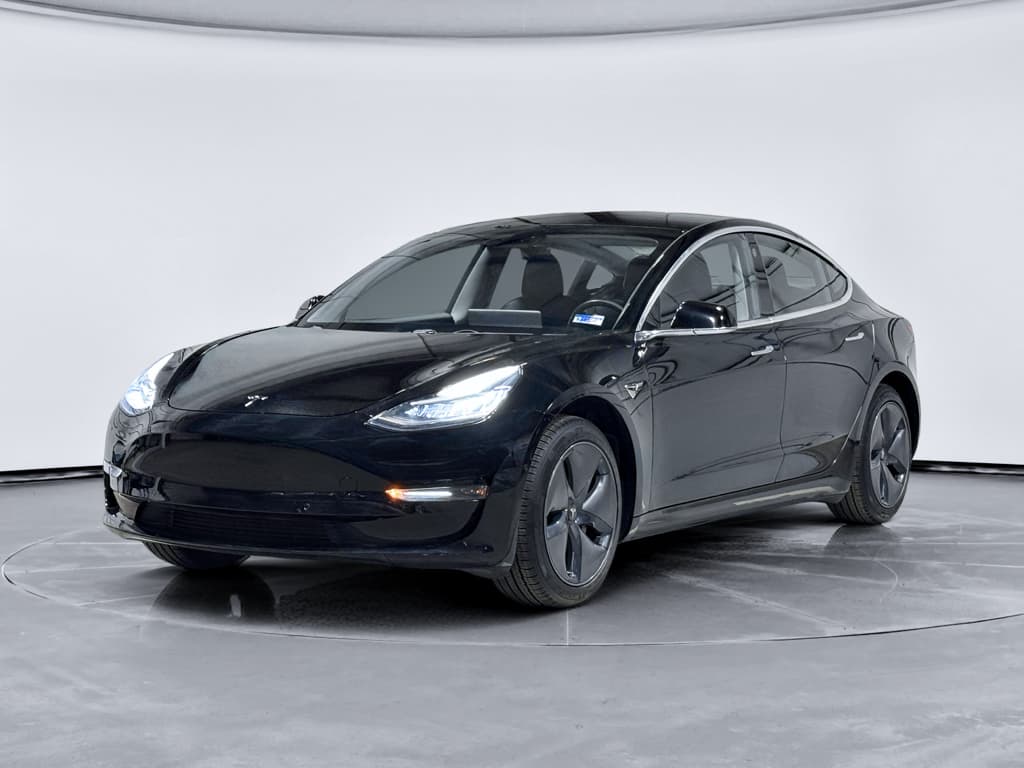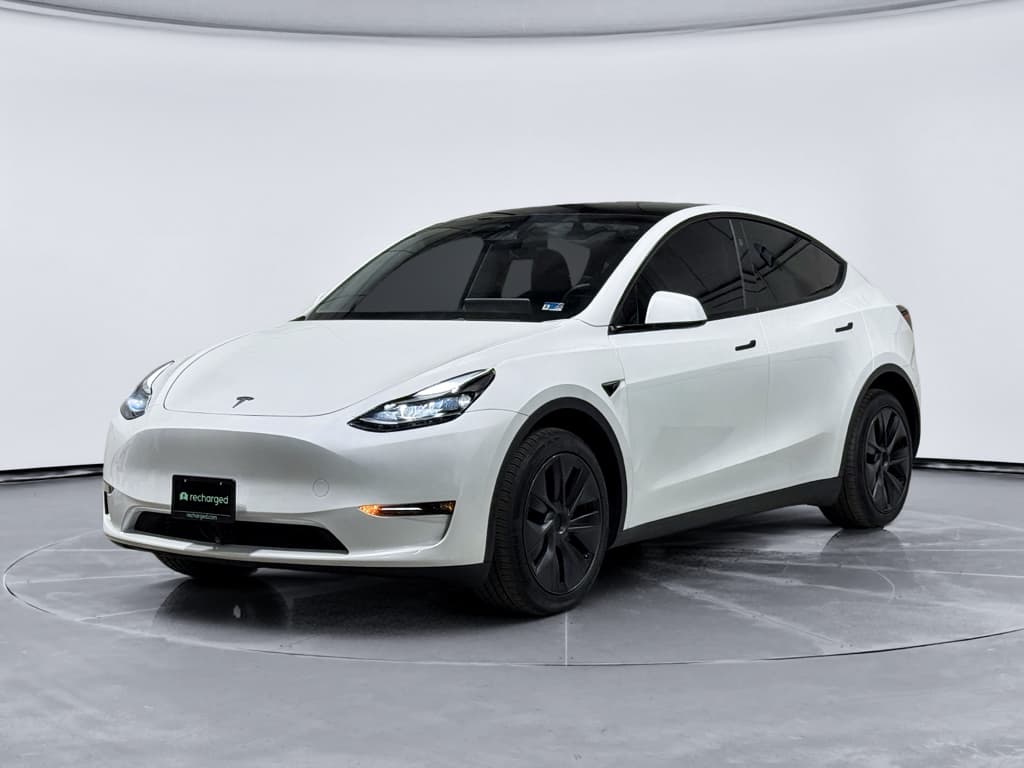
Tesla Motors in China is the story of a Silicon Valley disruptor walking into the world’s most competitive car market and asking for a dance. China isn’t just another region on a sales chart; it’s where global EV trends are set, where price wars start, and where Tesla’s next moves will ripple straight into the used EVs you’ll see on U.S. roads, and on Recharged.
China is the EV main stage
Why Tesla Motors China matters to you
On the surface, “Tesla Motors China” sounds like a stock analyst’s obsession. But if you’re shopping for an EV, especially a used Tesla, what happens in Shanghai boardrooms and Chinese showrooms affects your life in very practical ways: pricing, tech features, battery chemistry and even how many clean, low‑mile Teslas filter into the used market in the U.S.
Three reasons China should be on your radar
From factory floors in Shanghai to the used Tesla you might put in your driveway.
China builds your Tesla
China sets the price tone
China shapes battery tech
Gigafactory Shanghai: how Tesla Motors planted its flag in China
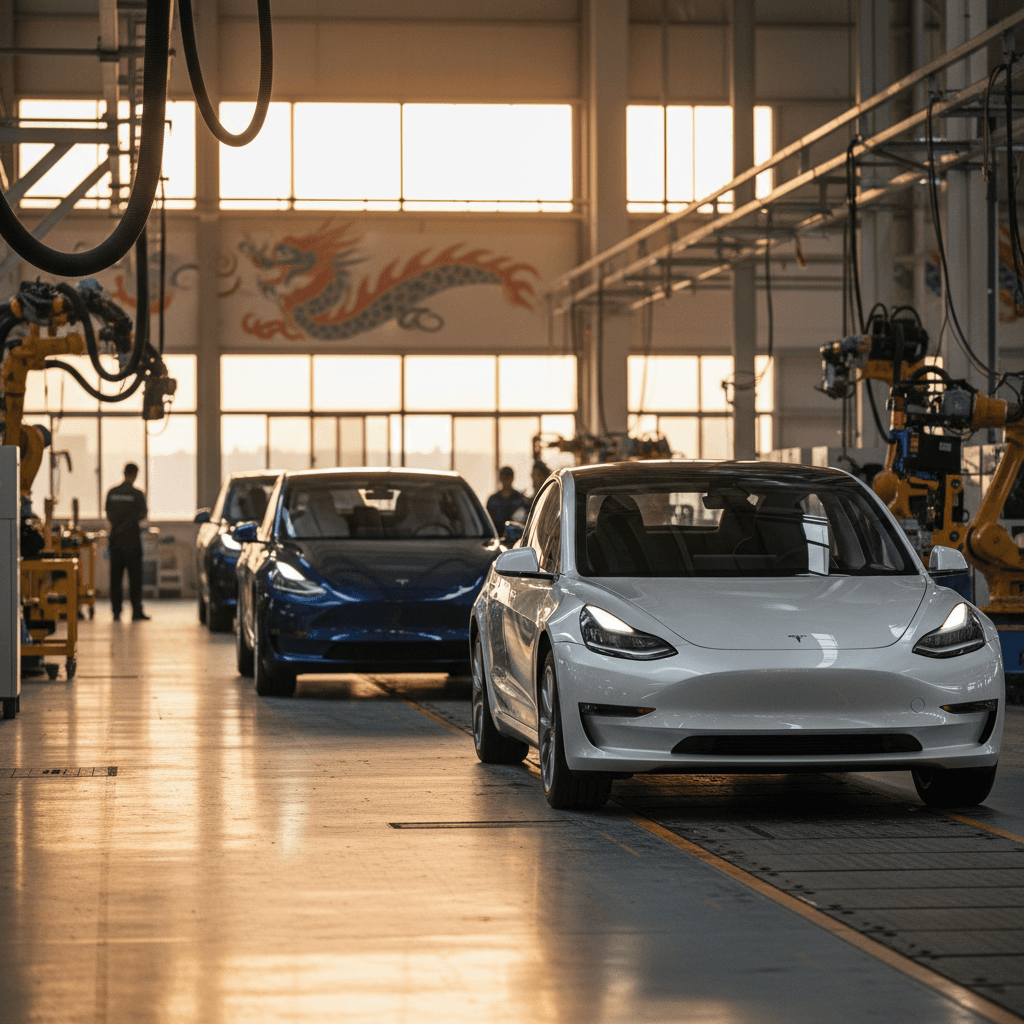
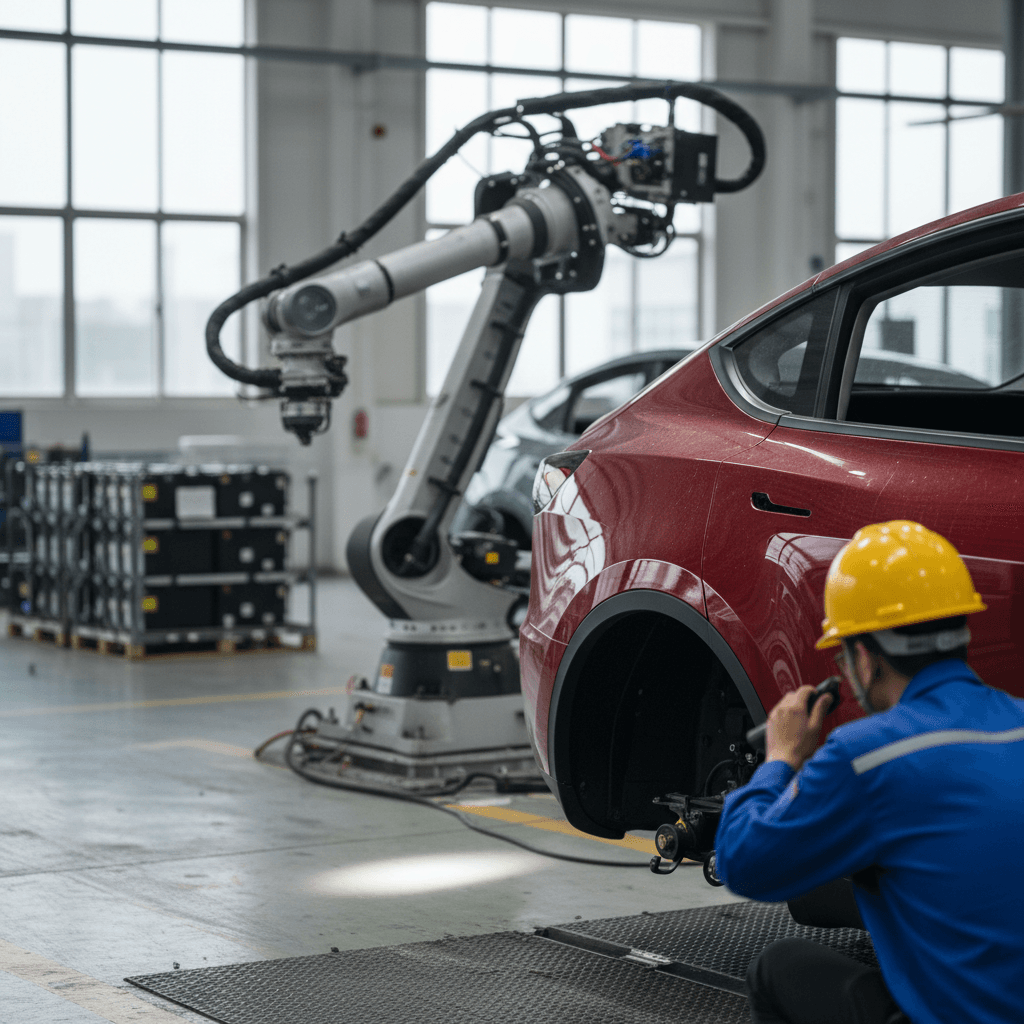
Tesla didn’t just dip a toe into China; it cannonballed. In 2018, Tesla Shanghai Co., Ltd. was set up, and a deal with the Shanghai government gave Tesla something no other foreign automaker had: a wholly owned factory on Chinese soil instead of a mandatory joint venture. Construction was a blur, the plant went from mudflat to building cars in about a year.
Gigafactory Shanghai by the numbers
Why care how fast a factory went up? Because Gigafactory Shanghai is Tesla’s cost weapon. Localized supply chains, incentives on land and tax, and sheer scale mean Tesla can build cars here more cheaply than in the U.S. That cost advantage is what allows the company to play China’s favorite sport: a relentless price war.
Sales and market share: Tesla’s China high-wire act
Despite the onslaught from homegrown Chinese brands, Tesla Motors China isn’t fading; it’s walking a very thin tightrope between volume and margin. In 2024, Tesla sold roughly 657,000 cars in China, a record and about nine percent growth year‑over‑year, even as its global deliveries dipped slightly for the first time in more than a decade.
Tesla Motors China in the EV big leagues
High share, higher risk
The catch? That growth is happening in a market where competitors like BYD and Geely are expanding faster, armed with plug‑in hybrids, low‑cost city cars and relentless model turnover. Tesla Motors China is thriving in absolute terms while slowly losing relative share in a market that’s exploding around it.
Price wars, product tactics and why China Teslas feel different
China has turned EV pricing into a street fight. Tesla Motors China has responded with repeated price cuts, financing incentives and subtle spec reshuffles, moves that echo quickly across the globe. That’s why you see headlines about Tesla slashing prices in China and, weeks later, see used Model 3 and Model Y values adjusting at U.S. dealers.
China as Tesla’s discount laboratory
Tesla often tests the bottom of its pricing power in China first, trimming sticker prices or layering on cheap financing to keep volumes up in the face of BYD and other rivals. Those experiments reveal how low Tesla can profitably go, and they set expectations for global buyers.
- Price cuts in China ripple into residual values world‑wide.
- Incentives like low‑ or zero‑interest loans help keep factory utilization high.
- Inventory moves in Shanghai can show up as export surges to other markets.
Spec differences you never see on the window sticker
China‑built Teslas lean heavily on LFP (lithium iron phosphate) battery packs for standard‑range variants. They’re cheaper to produce, tolerate frequent fast charging and are more forgiving at high state‑of‑charge. Range is modestly lower, but longevity can be excellent, a quiet win for used buyers.
- LFP packs like regular 80–100% charging.
- They’re less energy‑dense but robust over many cycles.
- China’s scale with LFP has helped push that chemistry into global Teslas.
LFP vs. long‑range: what to look for used
Competition: BYD, Geely and China’s home‑field advantage
In China, Tesla isn’t the rebel outsider anymore; it’s the benchmark the locals enjoy beating. BYD, Geely, Li Auto, Xiaomi, the nameplate list is starting to look like a smartphone aisle. They move fast, undercut on price, and pile on features that feel like they were designed by people who actually live in mega‑cities and sit in traffic.
How Tesla Motors stacks up in China’s EV brawl
Spoiler: the locals play a brutal home game.
Tesla
BYD
Everyone else
The risk of being the ‘iPhone of EVs’
What Tesla Motors China means for used Teslas in the U.S.
So you’re not moving to Shanghai. Why should the soap opera of Tesla Motors China affect the used Model Y you’re eyeing in Ohio? Because automakers don’t live in separate universes; they live in a single balance sheet. China’s volumes and price wars shape what Tesla can charge in the U.S., how quickly new features roll out, and how much headroom there is for discounts, all of which filter into used values.
How Tesla Motors China shows up in your used‑car search
From Shanghai strategy deck to the price on a 3‑year‑old Model 3.
| China dynamic | What Tesla does | What you see as a used buyer |
|---|---|---|
| Price war heats up | Cuts new‑car prices, extends loan incentives | Depreciation speeds up; 2–4‑year‑old Teslas get more affordable |
| Competition launches new tech | Adds features or software improvements to stay competitive | Later model years get more range or features for similar money |
| Factory exports ebb and flow | Shifts Shanghai output between local and export markets | Availability of certain trims changes; some regions see more inventory |
| Battery chemistry learning | Optimizes LFP and long‑range pack management | Better battery management in newer cars; clearer histories on pack health |
Think of China as the backstage where Tesla rehearses price and product moves before they hit the main stage in the U.S.
Where Recharged fits in
Ready to find your next EV?
Browse VehiclesHow to evaluate a used Tesla in a China-driven market
Shopping a used Tesla has always meant dealing with rapid software updates and shifting options. Layer Tesla Motors China on top, and the game becomes: how do I make sure the specific car I’m buying is on the right side of those changes, not the wrong one?
A practical checklist for buying a used Tesla today
1. Decode where the car was built
Check the VIN and build information to see whether your Tesla is U.S.‑ or China‑built. Both can be excellent, but knowing the origin helps you understand likely battery chemistry, parts sourcing and software configuration.
2. Ask about battery chemistry and health
Is it an LFP pack or a long‑range nickel‑based pack? How many fast‑charge cycles has it seen? A Recharged Score battery health report turns this from guesswork into real data, so you can compare two cars on more than their odometers.
3. Look at model‑year timing vs. China updates
When did major China‑driven changes, price cuts, new trims, refreshed interiors, land relative to this car’s build date? Cars built just before a refresh often depreciate faster, which can make them great value if the battery is strong.
4. Study total cost of ownership, not just price
China’s price wars can make Teslas cheaper to buy but also compress resale values. Focus on the monthly cost picture: energy, insurance, and expected depreciation over your ownership window.
5. Check software and connectivity status
Competitive pressure in China has pushed fast software iteration. Make sure features like Autopilot configurations, connectivity packages and app support are active and transferable on the car you’re considering.
6. Use experts, not guesswork
An EV is a rolling software and battery platform. Lean on EV‑specialist support, the kind Recharged provides, instead of treating a used Tesla like a used Corolla.
Future outlook: can Tesla Motors keep up in China?
Looking forward, Tesla Motors China is in a paradoxical spot: record sales in a market where it is simultaneously being out‑scaled and out‑flanked. BYD has already surpassed Tesla on total revenue and total vehicle volume, even if Tesla still narrowly leads in pure EV sales. The Chinese government continues to treat electrification as an industrial policy, not a consumer trend. That means support, yes, but also relentless pressure for more volume, lower prices and local innovation.
Two paths Tesla Motors China could take over the next few years
Path 1: Volume fighter
Double down on lower‑cost Model Y and future entry‑level models built in Shanghai.
Accept thinner margins in China to protect market share and factory utilization.
Push even more aggressive pricing that drags global used values down but grows the Tesla fleet.
Path 2: Tech‑first premium player
Concede some volume to BYD and others, but lean hard into software, autonomy and robotics leadership.
Use China primarily as an efficient factory and export base, less as a margin driver.
Let new‑car pricing stabilize, supporting stronger residuals for used Teslas in markets like the U.S.
What should you root for as a buyer?
FAQ: Tesla Motors China and used EV shopping
Frequently asked questions about Tesla Motors China
Tesla Motors in China is not a side story; it’s the main plot. Shanghai’s output, China’s subsidies, BYD’s ambition, they all feed into how Teslas are built, priced and valued everywhere else. If you understand that, you’re no longer just reacting to headlines about price cuts and record sales; you’re using them. And when you’re ready to turn that perspective into a smart purchase, Recharged is built to translate the noise of the global EV market into one clean, verified used Tesla that fits your life.