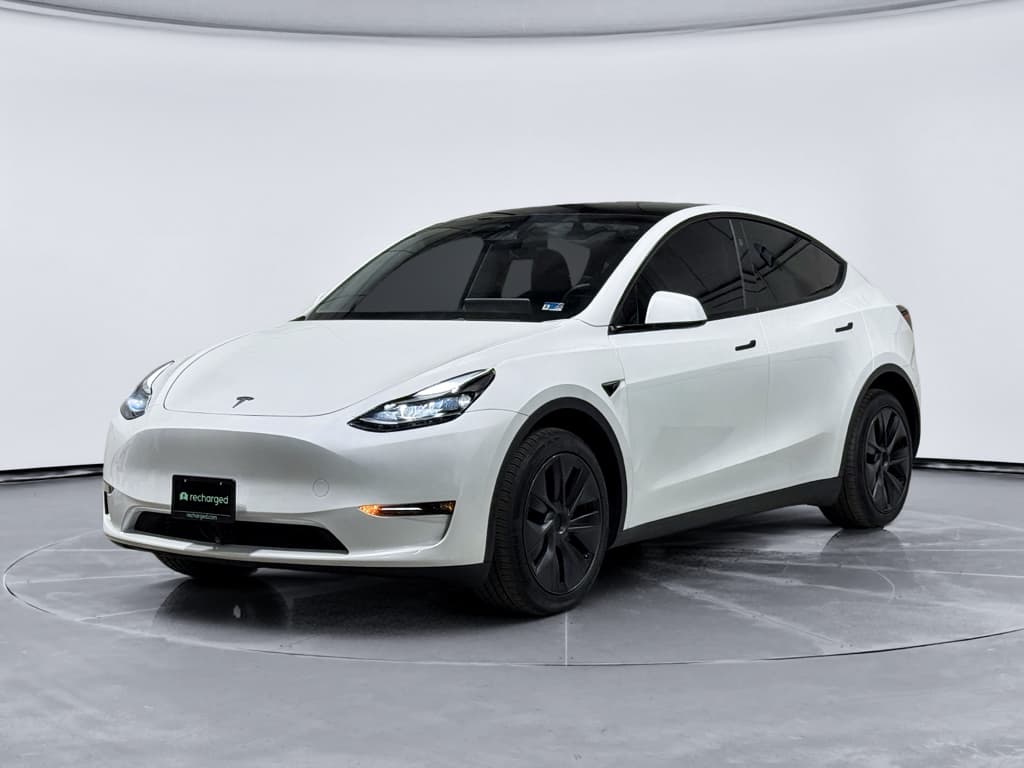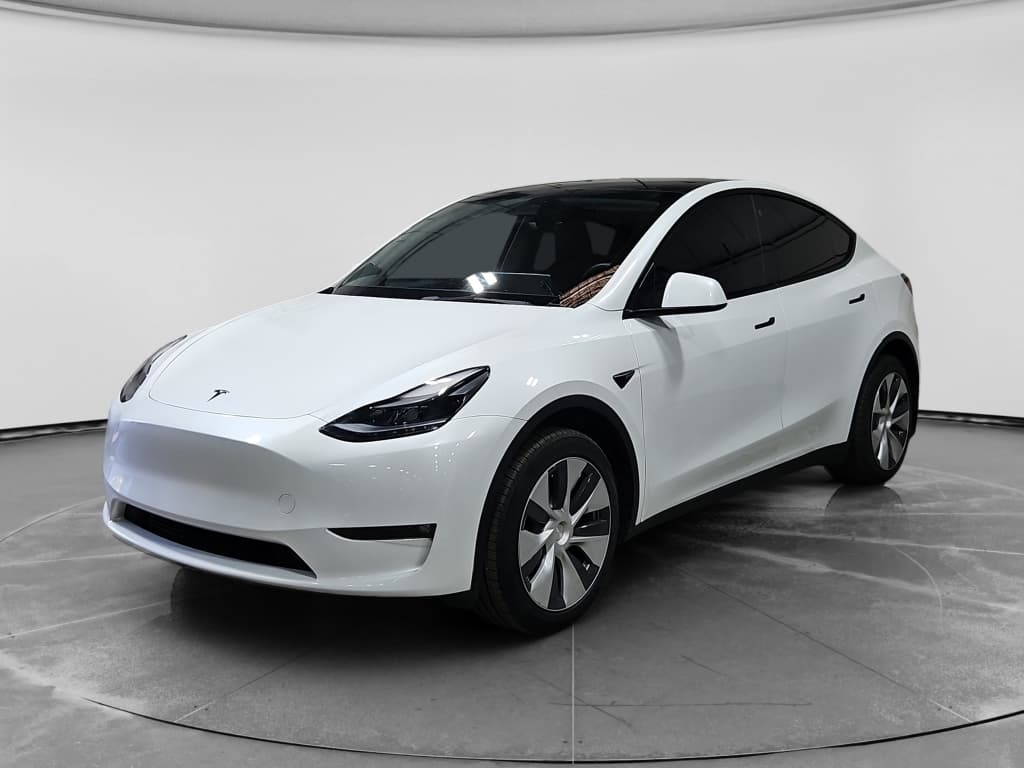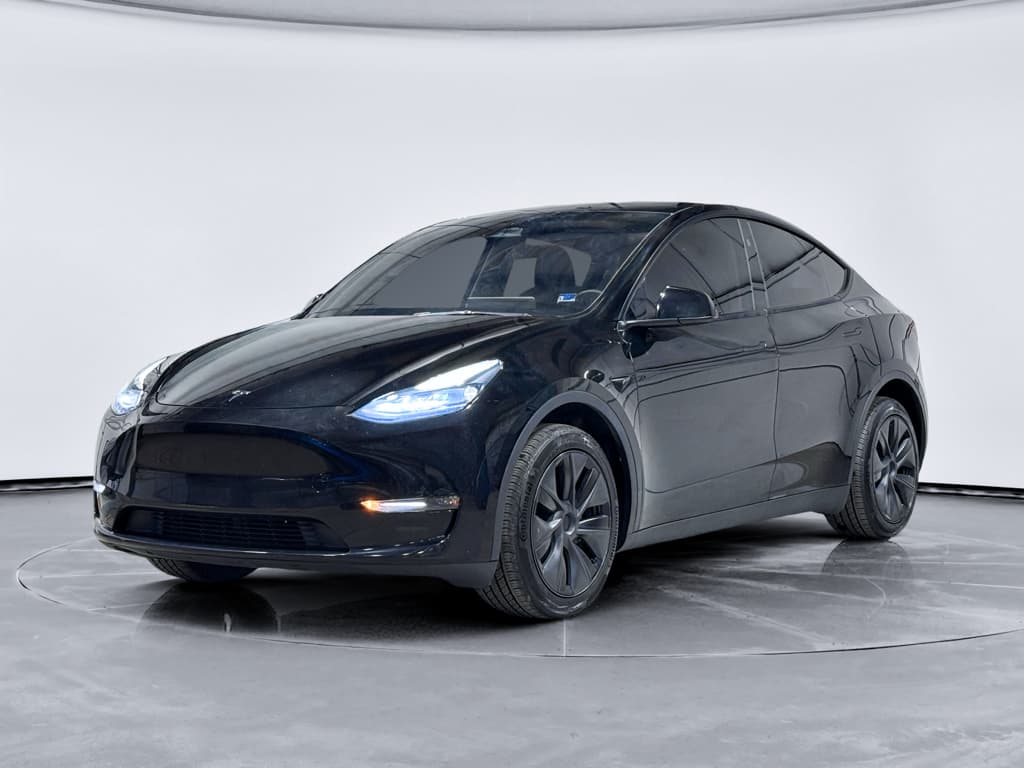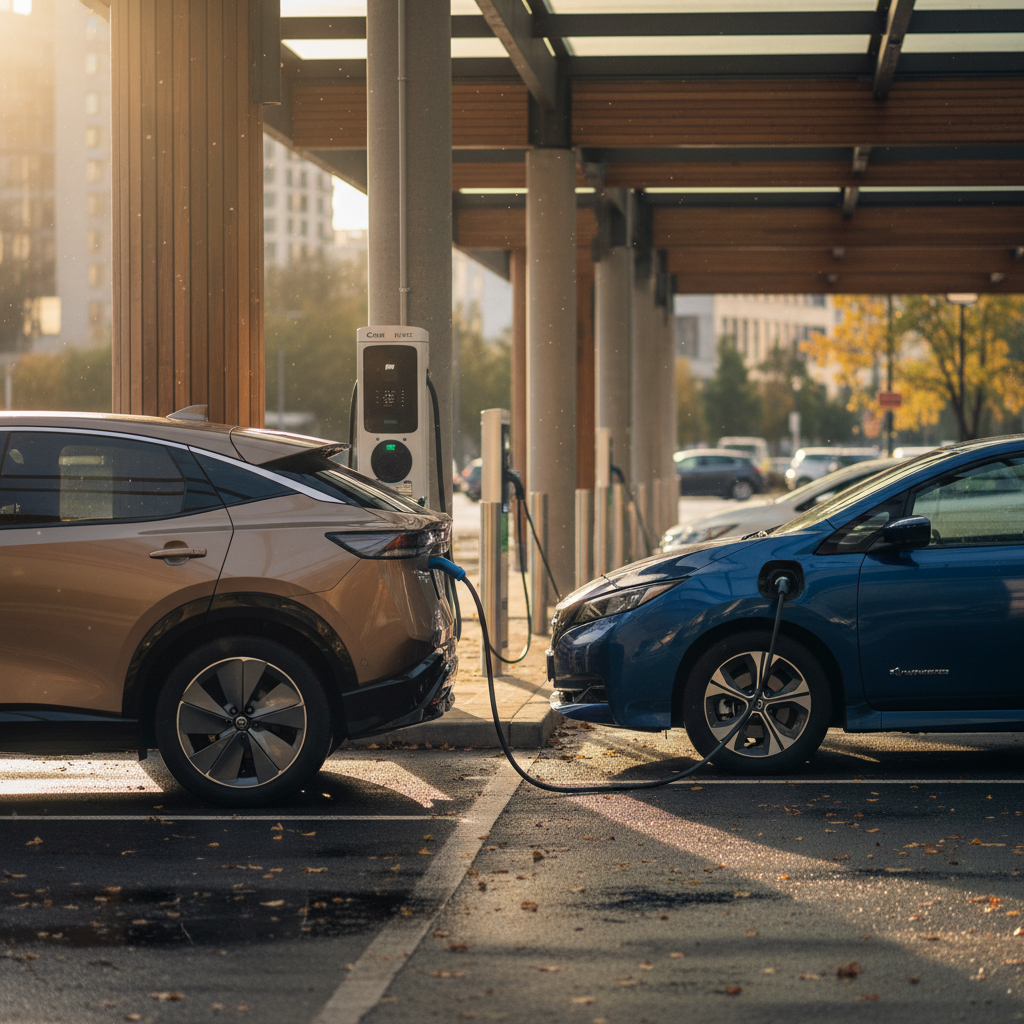
If you live where roads turn white for months at a time, you’re right to wonder how the Tesla Model Y really handles winter. This winter driving review pulls together data, owner experiences, and technical details to give you a grounded view of Tesla Model Y winter performance, from cold‑weather range and snow traction to charging, comfort, and what to look for if you’re shopping used.
Context: Why EV winter reviews matter
Who this Tesla Model Y winter review is for
- Current Model Y owners heading into their first real winter.
- Shoppers considering a used Model Y and wondering if it’s a smart choice for snowy climates.
- ICE-to-EV switchers trying to compare Model Y winter behavior to a Subaru, RAV4, or similar crossover.
Tesla Model Y winter performance at a glance
Quick take: How good is the Model Y in winter?
Where the Model Y shines
- Traction and stability: Dual‑motor AWD, traction control, and stability systems give you confident starts and stops on snow when you have appropriate tires.
- Instant torque control: Electric motors can meter torque much more precisely than an ICE drivetrain, which helps in low‑grip situations.
- Preconditioning: You can remote‑warm the cabin and battery while plugged in, so you start with a warm car and full range.
- Cabin comfort: Quiet, quick heat from the heat pump and seat heaters makes winter commuting genuinely pleasant.
Where winter exposes tradeoffs
- Range hit: In real data and owner reports, expect 20–40% less effective range in sustained freezing weather, and up to 40–50% in deep cold on highway trips.
- Charging time: DC fast charging slows noticeably if you arrive with a cold battery and no preconditioning.
- Heat pump quirks: While generally efficient, extreme cold and heavy slush can occasionally expose heat‑pump reliability issues on some build years.
- Ground clearance: It’s a crossover, not an SUV; deep, unplowed snow will challenge it more than a body‑on‑frame 4×4.
Winter shopping shortcut
Cold weather range: what to actually expect
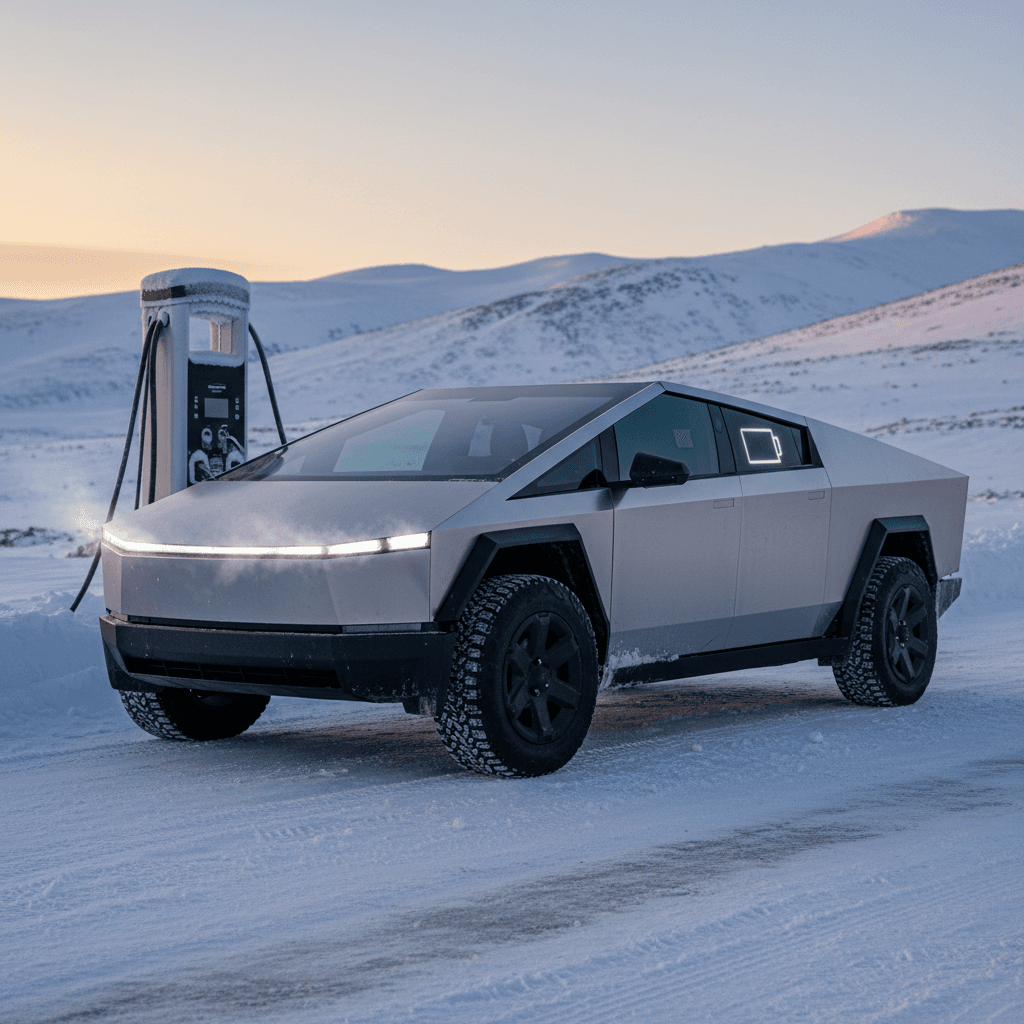
Let’s start with the piece everyone worries about: winter range. Across independent testing and large‑sample owner data, Tesla crossovers tend to lose around a quarter of their rated range in freezing weather, which puts the Model Y near the top of the EV pack for cold‑weather efficiency, but still far from its EPA number once temperatures drop.
Model Y winter range: real‑world expectations
Approximate real‑world highway range for a healthy dual‑motor Model Y at different temperatures, assuming 70–75 mph, modest cargo, and HVAC set around 68–72°F.
| Conditions | Rated EPA range (typical LR AWD) | Expected real range | Approx. loss |
|---|---|---|---|
| Mild cold (40–50°F / 4–10°C) | ~330 miles | 280–295 miles | 10–15% |
| Freezing (20–32°F / -7–0°C) | ~330 miles | 230–260 miles | 20–30% |
| Very cold (0–20°F / -18–-7°C) | ~330 miles | 190–230 miles | 30–40% |
| Deep cold (<0°F / <-18°C) | ~330 miles | 165–200 miles | 40–50% |
These are directional, not guarantees. Headwinds, elevation, speed, wheel size, and snow/wet roads all move the needle.
Those losses line up with large‑scale analyses that show Teslas typically losing around 24–30% of range in winter testing, noticeably better than some competitors that give up 40%+ in the same conditions. But that still means your 300‑plus‑mile crossover behaves more like a 190–230‑mile vehicle on a frigid road trip.
Don’t judge winter range by one bad day
- Expect the biggest range hit on short, cold starts, where you’re repeatedly heating the cabin and pack.
- Highway trips in steady cold are more predictable, plan for roughly a 25–35% haircut versus EPA if you precondition.
- Deep winter road trips at interstate speeds with headwinds or elevation gain can push real‑world losses closer to 40–45%.
- Range mostly bounces back in spring; cold‑weather range loss is temporary, not permanent degradation.
Snow and ice handling: traction, stability, and drive modes
When it comes to winter traction, the hardware setup on an AWD Model Y is fundamentally strong: dual motors, quick torque modulation, a low center of gravity, and well‑tuned traction and stability control. The big variable is the same as in any car, your tires.
How the Model Y behaves on winter roads
From plowed city streets to snow‑covered backroads
Starts & stops on packed snow
Cornering on slick surfaces
Unplowed or deep snow
Newer software builds add a Dynamics menu with modes like Slippery Surface and Off‑Road Assist. Slippery Surface aims to spread traction more evenly across the tires in low‑grip conditions, while Off‑Road Assist relaxes traction limits and softens throttle response so the car can claw forward even when multiple wheels are slipping.
Use Off‑Road Assist with judgment
How to get the best snow performance from a Model Y
1. Prioritize proper winter tires
The single biggest factor in snow performance is still rubber. Dedicated winter tires on smaller‑diameter wheels (18" or 19") dramatically improve traction, braking, and steering feel.
2. Learn your dynamics settings
Familiarize yourself with Slippery Surface and Off‑Road Assist before the first storm. Know how to turn them on and off without hunting through menus in a whiteout.
3. Use Chill mode when it’s slick
Chill acceleration mode softens throttle response, making it easier to drive smoothly on ice without unintended wheelspin.
4. Don’t overestimate AWD
Dual‑motor AWD helps you get moving, but it doesn’t magically shorten stopping distances. Drive like you still need space to brake on ice, because you do.
5. Keep regen expectations realistic
In cold weather, regen braking is limited until the battery warms up. You’ll rely more on the friction brakes at first, so give yourself extra room.
Heat pump and cabin comfort in the cold
The Model Y was Tesla’s first vehicle designed from day one with a heat pump instead of a simple resistive heater. In typical winter temperatures, that’s a win: the system can be several times more efficient than resistive heat, meaning you stay warm while using less energy.
- In light to moderate cold (20–40°F), the cabin typically reaches comfort temperature within 5–10 minutes, even starting from a cold soak.
- Seat and steering‑wheel heaters use relatively little energy; relying on them lets you lower cabin setpoint a couple of degrees and save range.
- In deep cold (near or below 0°F), owners report more noticeable range impact from heating, and the heat pump’s advantage over resistive heat shrinks, but you still get a warm cabin.
- Some early heat‑pump cars had reliability issues in extreme Nordic‑style winters (frozen louvers, component faults). Tesla has iterated hardware and software, but if you live in truly harsh conditions, it’s worth asking a used‑car seller whether any HVAC service bulletins have already been addressed.
Use preconditioning to your advantage
Winter tires, wheels, and ground clearance
From a winter‑duty perspective, the Model Y is a bit like any other sporty crossover: the version you buy, and the wheels you run, matter as much as the badge on the nose.
Picking the right Model Y setup for winter
Why wheel size and rubber matter more than you think
Wheel size & tire choice
- Long Range AWD on 19" or 20" wheels is the sweet spot for winter. You can downsize to an 18" or 19" winter setup with taller sidewalls for better snow compliance.
- Performance models on 21" summer tires are objectively bad in snow. If you own one in a winter climate, budget for a dedicated winter wheel/tire package and swap every season.
Ground clearance & body design
- Ground clearance is comfortably in crossover territory, enough for plowed roads and a few inches of snow but not for pushing through frozen ruts or a foot of powder.
- The smooth underbody helps it slide over light accumulations but also means deep ruts can high‑center you faster than in a traditional SUV.
A smart spec for snow states
Charging a Tesla Model Y in winter conditions
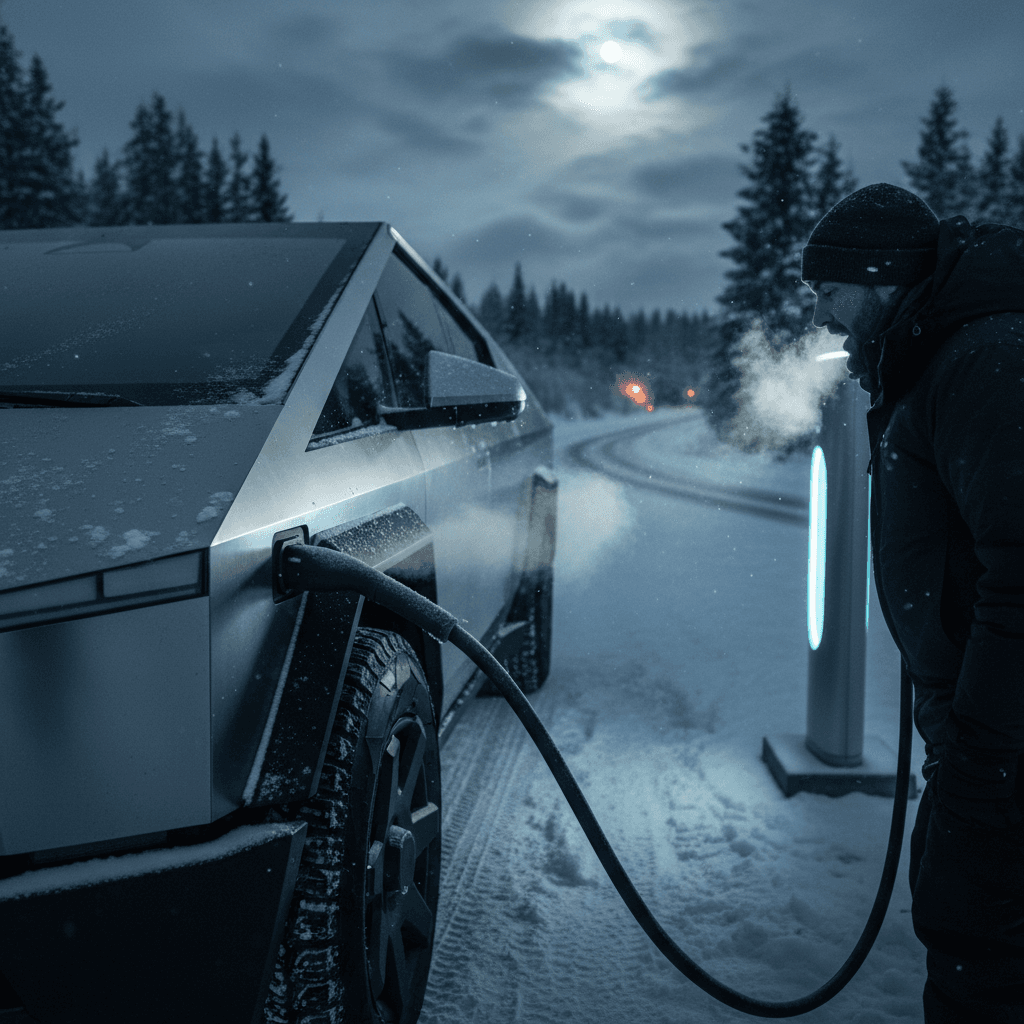
Cold weather doesn’t just shrink your range, it also changes how and when you should charge your Model Y. Lithium‑ion batteries don’t like to fast‑charge when cold, so Tesla’s software protects the pack by limiting charging power until it warms up.
- If you navigate to a Supercharger, the car will precondition the battery on the way, burning a bit of energy to arrive warm but saving much more time at the charger.
- Arriving at a DC fast charger with a cold, low‑state‑of‑charge battery and no preconditioning can roughly double your time to add the same miles versus a warm‑weather session.
- For home or workplace Level 2 charging, the main winter impact is that charging sessions run longer because of both higher consumption and some energy lost to warming the pack.
- It’s unwise to leave the car parked unplugged at a very low state of charge in deep cold. Reserve a bit more buffer than you would in summer.
Apartment and street parking considerations
Ownership tips to make winter easier
Practical Model Y winter ownership checklist
1. Preheat while plugged in
Schedule departure in the app or start preconditioning 15–30 minutes before you leave. This warms the cabin and pack using grid power instead of your battery.
2. Use seat and wheel heaters first
They keep you comfortable with far less energy than blasting hot air. You can usually drop cabin setpoint a couple of degrees and still feel warm.
3. Keep software‑limited regen in mind
When you first set off in cold temps, the car will reduce regen (indicated by dashed lines on the power gauge). Expect more coasting and use the brake pedal, don’t rely on the usual strong one‑pedal feel until the battery warms.
4. Plan winter road trips more conservatively
Set your trip energy buffer higher than in summer, aim to arrive with 15–20% at each stop rather than cutting it close with single‑digit SOC.
5. Protect door seals and windows
In icy climates, a light application of rubber conditioner on door seals and making sure windows are free of ice before opening helps prevent sticking or damage.
6. Store range expectations for later resale
If you plan to sell or trade in later, keeping screenshots or logs of your typical winter Wh/mi and range can reassure the next buyer that the pack is healthy.
Should you buy a used Model Y for winter driving?
From a pure winter‑duty perspective, a used Model Y can be an excellent choice, if you pick the right configuration and go in with clear expectations about range and charging. Compared with many non‑Tesla EVs, it preserves more of its range in the cold and has a much denser fast‑charging network for road trips. But like any used EV, the details matter.
Questions to ask about a used Model Y
- Battery health: How does current full‑charge range compare to the original EPA rating? Has the car been fast‑charged heavily or mostly AC‑charged?
- Climate history: Has the car spent its life in a cold region, a hot region, or a mix? Neither is inherently bad, but it informs what you look for in wear and tear.
- Winter equipment: Does the sale include a separate set of winter wheels/tires? That can save you hundreds of dollars versus buying your own.
- Service history: Any HVAC or heat‑pump‑related service bulletins addressed? Any warnings in the history around traction, ABS, or stability systems?
How Recharged helps with winter‑focused shoppers
If you’re shopping used, this is where a data‑driven retail model helps. Every vehicle sold through Recharged includes a Recharged Score Report with verified battery health and fair‑market pricing, so you’re not guessing whether winter range loss is normal seasonal behavior or underlying degradation.
EV‑specialist advisors can also help you compare trims (Long Range vs Performance), talk through real‑world winter range needs, and even line up a second set of winter wheels and tires before the car arrives, backed by nationwide delivery and digital paperwork so you don’t have to negotiate in a dealership parking lot in February.
Tesla Model Y winter driving FAQ
Frequently asked questions about Model Y winter driving
Bottom line: Tesla Model Y winter driving verdict
Taken on its own terms, the Tesla Model Y is one of the stronger winter performers in today’s EV market. You’ll still see significant range loss, and you still need to respect physics on ice, but its dual‑motor drivetrain, traction and stability control, efficient heat pump, and robust fast‑charging network make it a genuinely capable all‑weather daily driver.
If you’re coming from a modern AWD crossover, the Model Y will feel familiar in snow but more efficient and more controlled. If you’re moving from a body‑on‑frame SUV, you’ll give up some deep‑snow ability in exchange for quiet, instant heat, and fewer fuel stops. For many buyers in snow states, that’s an easy trade.
And if you’re evaluating a used Model Y as your next winter workhorse, don’t just test‑drive it on a sunny afternoon. Look at battery health, range history, and winter equipment. A data‑rich inspection, like the Recharged Score Report combined with EV‑savvy guidance, can turn what feels like a leap of faith into a rational, confident decision about how this EV will handle your next several winters.