If you’re looking at a Mini Cooper Electric, whether the original Cooper SE hatchback or the new Cooper E/SE, you’re probably asking a hard question: will this charming little EV still be worth anything in a few years? With used EV prices softening across the board and tech moving fast, the Mini Cooper Electric resale value forecast matters just as much as its go‑kart handling.
Quick take
Why Mini Cooper Electric resale value matters now
Two big storylines are colliding in 2026. First, used EV prices overall have come down, with average used EV values in the U.S. dropping roughly high single digits year‑over‑year while the broader used market nudged higher. That’s fantastic if you’re buying a used Mini Electric, less fun if you’re holding a note on a new one. Second, Mini has just launched a completely reworked electric Cooper with more range, power and tech. That means we now have a clear split between the first‑generation, short‑range Mini Cooper SE and the new‑gen Cooper E/SE, and they’ll behave differently in the used market.
Mini Cooper Electric generations and what you’re actually talking about
Gen 1: 2020–2024 Mini Cooper SE (U.S.)
- 3‑door hatch, front‑wheel drive, 181 hp
- Usable battery roughly 28.9 kWh
- EPA range around 110–120 miles, depending on year and wheel size
- Positioned as a fun city car, not a road‑trip machine
Gen 2: 2025–on Mini Cooper E & SE
- New platform and interior, still a 3‑door hatch
- Cooper E: ~40 kWh gross, ~36.6 kWh usable, WLTP ~300 km
- Cooper SE: ~54 kWh gross, ~49.2 kWh usable, WLTP up to ~400 km
- Real‑world U.S. range likely closer to ~190–250 miles depending on version
Exact EPA figures will differ from WLTP numbers, but the new cars roughly double the usable range of the early SE in everyday use.
Watch the fine print
Where Mini Cooper Electric resale values stand today
Snapshot: Mini Cooper Electric values in early 2026 (U.S.)
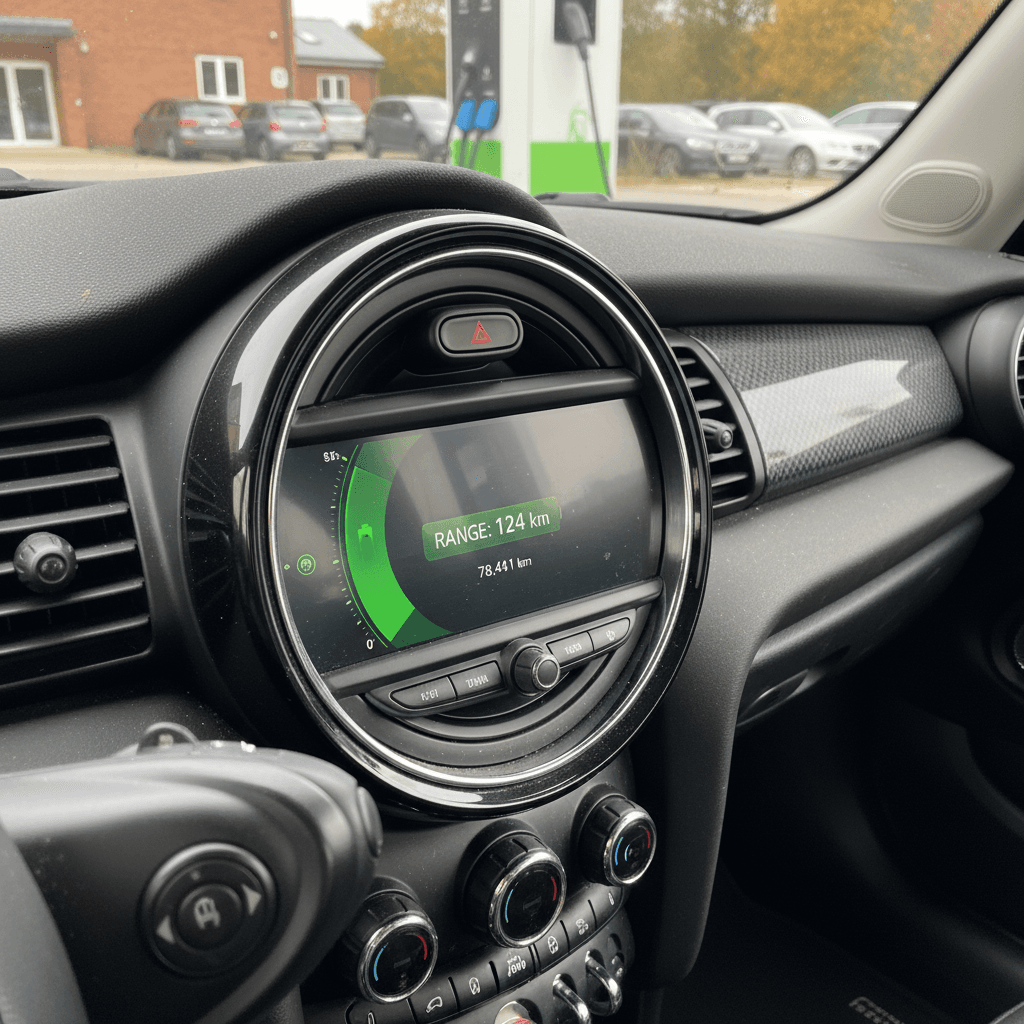
In the real world, you’re seeing early Mini Cooper SE models regularly advertised under $25,000, many under $20,000, often with surprisingly low miles. That tells you two things: the first owners already absorbed a big depreciation hit, and there’s now a value ceiling imposed by more modern, longer‑range EVs crowding the segment.
Why early Mini Cooper SE models depreciated fast
The four big strikes against early Mini Cooper SE resale
None of these ruin the car, but they absolutely shaped used values.
1. Short real‑world range
2. One‑car households balked
3. Fast‑moving EV tech
4. New‑EV incentives compress prices
Don’t confuse depreciation with disaster
How the new 2025 Mini Cooper E and SE change the resale story
The new‑generation Mini Cooper E and SE finally back up the brand’s character with usable range. Battery capacity jumps to roughly 36.6 kWh usable in the E and 49.2 kWh usable in the SE, with WLTP ranges around 300 km and 400 km respectively. Translated into U.S. conditions, you’re realistically looking at something like 190–250 miles depending on version, climate and driving style, still not Tesla‑long, but no longer anxiety inducing.
Why that matters for resale
Old SE (2020–2024)
- Great city car, compromised everywhere else
- Values already compressed; future drops will be gentler
- Best treated like a premium used commuter rather than an asset you expect to hold.
New Cooper E/SE (2025–on)
- More range, more performance, more tech
- Likely to align with mainstream EV depreciation patterns
- Better prospects for 5–8‑year ownership without feeling left behind.
Mini Cooper Electric resale value forecast: 2026–2030
Indicative Mini Cooper Electric resale value forecast (U.S.)
These are directional estimates based on current pricing, new‑EV incentives, and broader used‑EV trends, not guarantees. Think in ranges, not absolutes.
| Model & generation | Years from new | Likely value vs original MSRP | What that looks like in dollars* |
|---|---|---|---|
| 2020–2022 Mini Cooper SE (Gen 1) | 5 years (2025–2027) | ~45%–55% | On a $37k build, roughly $17k–$20k |
| 2020–2022 Mini Cooper SE (Gen 1) | 8 years (2028–2030) | ~30%–40% | Roughly $11k–$15k |
| 2025+ Mini Cooper E (Gen 2) | 3 years (2028) | ~55%–65% | On a $36k build, roughly $20k–$23k |
| 2025+ Mini Cooper SE (Gen 2) | 3 years (2028) | ~58%–68% | On a $40k build, roughly $23k–$27k |
| 2025+ Mini Cooper SE (Gen 2) | 5 years (2030) | ~45%–55% | Roughly $18k–$22k |
Assumes typical private‑party or retail transaction prices for clean, average‑mileage vehicles.
How to read this forecast
Seven factors that will move Mini EV values up or down
- Battery health and degradation – A Mini that’s lost only a small fraction of its original usable capacity will always out‑earn a tired pack with high DC‑fast‑charging exposure.
- Real‑world range perception – Shoppers don’t buy WLTP or EPA numbers; they buy what owners say in reviews and forums. If drivers report comfortable 200+ mile days in the new cars, used values benefit.
- Charging ecosystem – As more non‑Tesla EVs gain easy access to high‑speed NACS charging, even a smaller‑battery car becomes more livable on long trips, nudging demand upward.
- Competing small EVs – The Hyundai Kona Electric, Kia Niro EV, Fiat 500e, and whatever comes next will serve as the price yardsticks Mini can’t ignore.
- Gas prices and policy – Expensive gasoline or generous local incentives for used EVs make a short‑range Mini pencil out surprisingly well; cheap gas and vanishing rebates do the opposite.
- Design aging – Mini has an advantage here. While some EVs already look last‑year, the brand’s retro‑modern aesthetic ages more gracefully, supporting long‑term desirability.
- Brand cachet – A Mini buyer isn’t just buying range per dollar; they’re buying personality. That intangible helps resale, especially for well‑optioned cars in bold colors.
How to shop a used Mini Cooper Electric with resale in mind
Used Mini Cooper Electric shopping checklist
1. Decide which generation actually fits your life
If your daily driving is under 40 miles and you have home charging, a discounted 2020–2022 SE can be a screaming deal. If you need more flexibility or road‑trip potential, look at 2025‑on Cooper E/SE models instead.
2. Verify battery health, not just mileage
Two Minis with identical odometer readings can have very different batteries. Look for a car with documented charging habits and, ideally, a third‑party battery health report, this is where something like Recharged’s <strong>Score</strong> and verified diagnostics really earn their keep.
3. Study real‑world range reports
Cross‑check the EPA/WLTP numbers with owner reviews in your climate. A winter‑driven Mini in Minnesota will tell a very different story than a coastal California car.
4. Avoid heavily DC‑fast‑charged examples
Frequent DC fast charging can accelerate degradation. Cars that lived mostly on Level 2 home charging typically age better, both in battery health and future resale appeal.
5. Favor timeless specs
For resale, you’re better off with popular colors, mid‑to‑high trims, and must‑have options (heated seats, driver‑assist packs) than with obscure special editions that narrow the future buyer pool.
6. Compare against newer long‑range rivals
Before you pull the trigger, price‑shop similar‑age Konas, Niros or Bolts. If a Mini is priced like a long‑range EV, resale will be softer; if it’s meaningfully cheaper, you’ve built in some downside protection.
Where Recharged fits in
Protecting your Mini’s value as an owner
Four smart habits that quietly boost resale value
They don’t cost much, but they show up in the price you get back.
Gentle charging habits
Document everything
Stay ahead on maintenance
Time your exit
Mini Cooper Electric vs other used EVs on resale
Where Mini Electric struggles
- Range per dollar: Even the new Cooper SE likely won’t match the raw range of Korean compact EVs at similar prices.
- Cargo and practicality: Three‑door hatch, modest cargo area, rear seat best for short hops, families gravitate elsewhere.
- Perceived tech gap: No giant tablet screen or headline‑grabbing autonomy suite to wow cross‑shoppers.
Where Mini Electric holds its own
- Brand and design: Minis age like vintage denim; buyers still want a clean 10‑year‑old car if it looks right.
- Driving character: The go‑kart thing is real, and enthusiasts pay a little extra for it.
- City‑use sweet spot: In urban markets where parking is tight and trips are short, the original SE’s range is “enough,” making low prices very attractive.
If you think of the first Mini Cooper SE as an electric hot hatch and price it like one, not like a Model 3, its resale curve suddenly makes sense.
FAQ: Mini Cooper Electric resale value
Common questions about Mini Cooper Electric resale value
Bottom line: Is Mini Cooper Electric resale value a dealbreaker?
If you expect a Mini Cooper Electric to behave like a Toyota on a spreadsheet, you’re going to be disappointed. The original SE’s resale story is already written: a big early drop, then a long, gentle glide as it settles into its destiny as a beloved used city car. The new Cooper E and SE tell a different tale, one where usable range and modern tech give them a fighting chance in the bruising used‑EV market of the late 2020s.
The smarter way to look at Mini Cooper Electric resale value is this: buy the car for what it uniquely does well, charm, handling, compact urban footprint, and price in realistic depreciation from day one. If you choose the right generation, verify the battery, and avoid overpaying up front, you can enjoy one of the most characterful EVs on sale today without dreading the day you list it. And if you want help finding a Mini whose numbers make as much sense as its design, a used‑EV specialist like Recharged can walk you through every step, from battery health to financing and, eventually, resale.