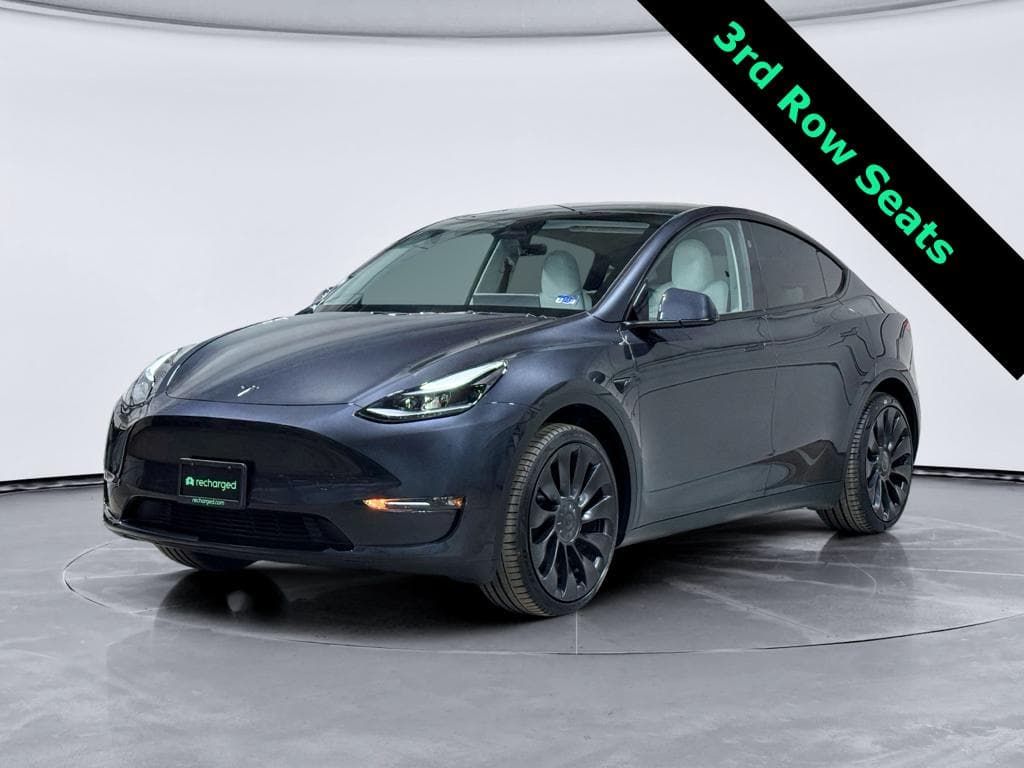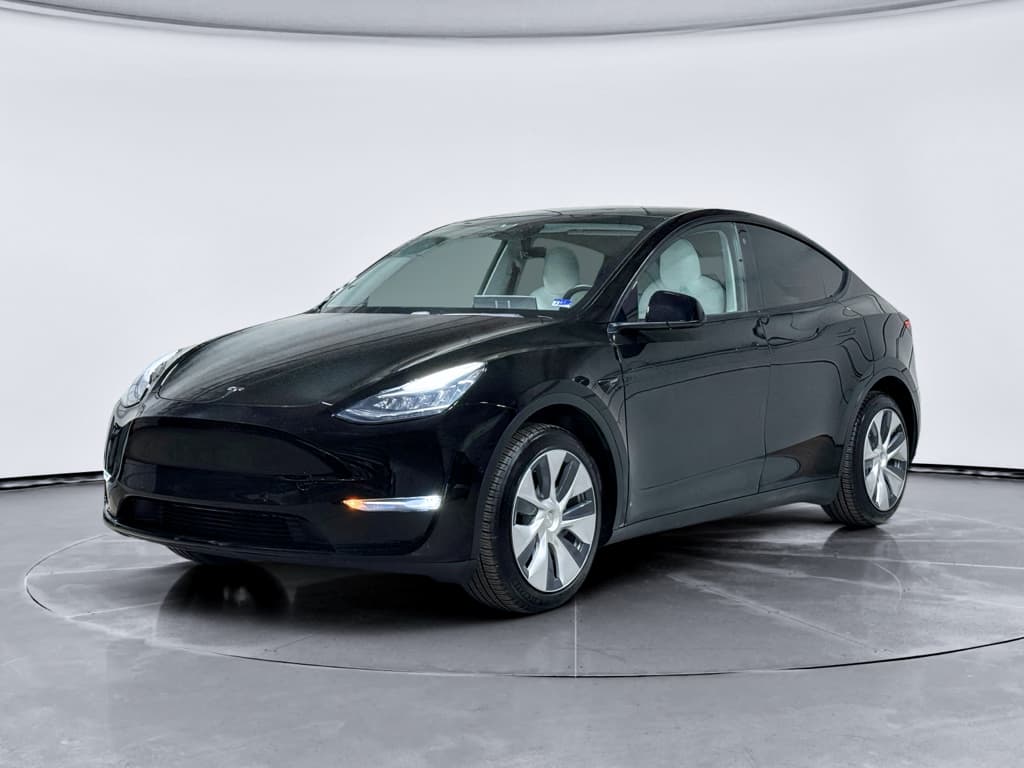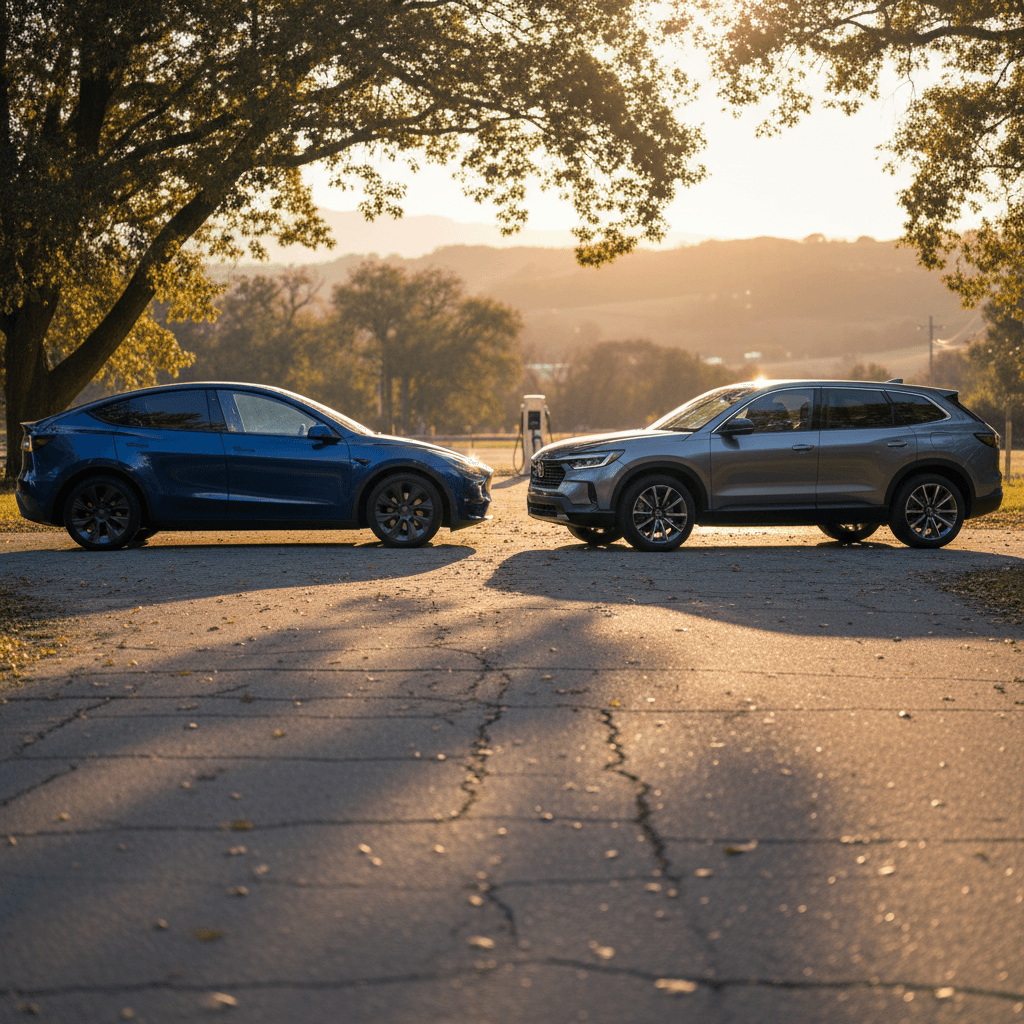
If you’re cross‑shopping electric SUVs, it’s natural to ask: Tesla Model Y vs Honda Prologue, which is better? Both target the same family EV buyer, but they come from very different philosophies: Tesla leans on range, software, and its Supercharger network, while Honda chases comfort, familiarity, and a more traditional dealership experience. The right answer depends less on specs and more on how you plan to live with the vehicle.
Quick take
Overview: Tesla Model Y vs Honda Prologue
By early 2026, the Tesla Model Y is the best‑selling EV in the U.S., with multiple trims, over‑the‑air software updates, and broad acceptance at public charging networks. The Honda Prologue, launched for the 2024 and updated for the 2025 model year, rides on GM’s Ultium platform with an 85 kWh battery, competitive range (around 280–310 miles depending on trim), and DC fast charging up to roughly 150–155 kW. It’s a newer entrant, but it’s already become one of the top‑selling non‑Tesla EV SUVs in the U.S.
- Model Y strengths: class‑leading efficiency, deep Supercharger access, mature software, robust used market, strong performance.
- Prologue strengths: comfortable cabin, straightforward controls, widely trusted Honda brand, competitive range, conventional dealer support.
Start with your priorities
Key specs: Tesla Model Y vs Honda Prologue
Core specs at a glance
Approximate U.S. specs for popular 2025–2026 configurations. Always check current OEM sites for exact, up‑to‑date details.
| Spec | Tesla Model Y (Long Range AWD) | Honda Prologue (Touring/Elite AWD) |
|---|---|---|
| EPA range (mi) | around 310–330 | around 283–300 |
| Battery capacity (kWh, usable) | ~75 | 85 |
| 0–60 mph (sec) | ~4.5–4.8 | ~5.8–6.0 (est., trim‑dependent) |
| DC fast‑charge peak | up to ~250 kW on V3/V4 Superchargers | about 150–155 kW |
| Onboard AC charger | 11.5 kW | 11.5 kW |
| Starting MSRP (approx, new) | high $30Ks–mid $40Ks after recent price moves & incentives, trim‑dependent | around $48,000–$59,000 before incentives |
| Drive options | RWD or dual‑motor AWD | Single‑motor FWD or dual‑motor AWD |
| Seating | 5 (optional 7 on earlier U.S. builds, largely phased out) | 5 |
Specs are representative; trims and pricing can change with software and model‑year updates.
About the numbers
Range and efficiency: which goes farther on a charge?
Range & efficiency snapshot
The Model Y is still the efficiency benchmark in this class. It tends to deliver similar or better real‑world range with a slightly smaller battery than its rivals, which means lower charging costs per mile over time. In moderate climates at highway speeds, it’s not unusual for owners to see close to EPA numbers when driving reasonably.
The Prologue counters with an 85 kWh battery and updated powertrain tuning for 2025, giving most trims around 280–300 miles of rated range. That’s genuinely competitive, especially considering its more traditional SUV shape and generous interior space. However, because it carries a bit more mass and slightly less aerodynamic efficiency than the Model Y, you’ll typically use more kWh per mile in similar conditions.
Cold weather and range
Charging and road trips: Superchargers vs CCS
Long‑distance usability is where the philosophical split between these SUVs becomes obvious. The Model Y is natively tied into Tesla’s Supercharger network, which remains the most extensive and reliable high‑power charging network in North America. The Prologue uses the CCS standard and relies on third‑party networks like EVgo, Electrify America, and regional operators, plus carefully selected Superchargers via a CCS‑to‑NACS adapter and the Tesla app where supported.
Charging experience: Tesla Model Y vs Honda Prologue
Think beyond peak kW, location density and reliability matter more in the real world.
Tesla Model Y charging
- Network: Full, seamless access to Tesla Superchargers (NACS), plus CCS/CHAdeMO via third‑party adapters where available.
- Power: Up to ~250 kW on V3/V4 Superchargers; excellent taper behavior and preconditioning.
- Experience: Plug‑and‑charge at Superchargers, automatic billing, integrated trip planning in the car and app.
Honda Prologue charging
- Network: CCS fast‑charging on public networks, plus growing access to Tesla Superchargers via approved NACS adapters and the Tesla app.
- Power: DC fast charge up to roughly 150–155 kW; Honda quotes about 65 miles in ~10 minutes under ideal conditions.
- Experience: You manage multiple apps and memberships, but the ecosystem has improved dramatically versus just a few years ago.
Road‑trip verdict
Performance and driving feel
Both SUVs are quick by mainstream standards, but they feel different on the road. The dual‑motor Model Y delivers strong, instant torque and can sprint to 60 mph in the mid‑4‑second range in Long Range form, with the now‑rarer Performance variants dropping that significantly. Steering is direct, and the low‑slung battery keeps the center of gravity in check, but ride quality can feel busy or harsh on rough pavement, especially on bigger wheels.
The Prologue is tuned more like a comfortable family crossover. Dual‑motor AWD trims are still brisk, roughly in the 5.8–6.0 second 0–60 mph neighborhood, but Honda focuses more on smoothness and isolation than outright speed. Steering is lighter, body motions are more relaxed, and the cabin is better insulated from wind and road noise than many owners expect in the EV space.
Model Y driving character
- Pros: Very quick, responsive steering, agile feel, satisfying one‑pedal driving.
- Cons: Ride can be firm, road noise more pronounced, some owners report rattles and trim issues over time.
Prologue driving character
- Pros: Calm, composed ride, hushed highway manners, easy to drive long distances without fatigue.
- Cons: Not as thrilling as the Tesla, more body roll when pushed, pedal feel more conventional.
Comfort, space, and everyday usability
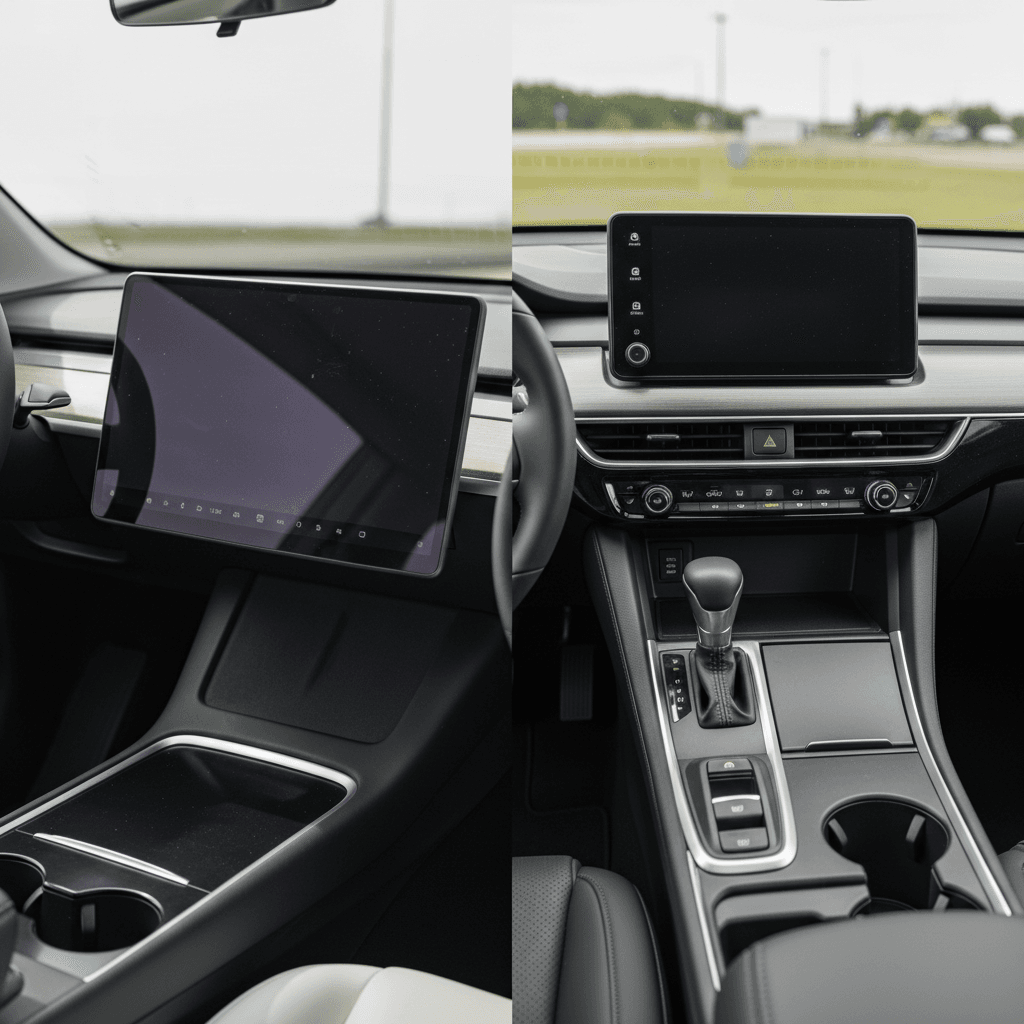
On paper, interior volumes are close, but the way they feel couldn’t be more different. The Model Y interior is minimalist: a single center screen, almost no physical buttons, and a bright, open feel with the big glass roof. Cargo space is excellent and helped by the front trunk, but rear‑seat headroom can feel tight for taller passengers under that sloping roofline.
The Prologue goes in the opposite direction: a classic SUV driving position, a separate digital instrument cluster, sensible buttons for climate and key functions, and a roomy second row with generous head and legroom. Cargo space is competitive, though it lacks a front trunk and some of Tesla’s clever under‑floor packaging.
Everyday usability comparison
Think about the cabin you want to live with for 5–10 years, not just test drive once.
Tesla Model Y practicality
- Minimalist dash with a learning curve if you’re used to knobs and switches.
- Excellent cargo volume and a useful frunk.
- Rear visibility and headroom are only average for the class.
Honda Prologue practicality
- Traditional controls and layout, easy transition from any recent Honda.
- Spacious rear seats and comfortable ride for passengers.
- No frunk, but plenty of conventional cargo room and under‑floor storage.
Family‑friendly details
Tech, software, and driver assistance
Software is where Tesla still plays in a different league. The Model Y runs the same core software stack as other Teslas, with frequent over‑the‑air updates that tweak everything from range estimates to the user interface and entertainment apps. Navigation is deeply integrated with charging, and the car can precondition the battery on the way to a fast charger to shorten charge times. Optional advanced driver‑assistance packages build on Tesla’s strong lane‑keeping and adaptive cruise systems, though branding and marketing claims have been controversial for years.
The Prologue uses a more conventional infotainment approach built on GM’s latest architecture and Google built‑in (depending on trim and market). It supports Apple CarPlay and Android Auto, which Tesla still does not. Honda’s driver‑assist suite (Honda Sensing and optional hands‑free features depending on configuration) emphasizes predictable, conservative behavior. Over‑the‑air updates exist, but they’re not as frequent or far‑reaching as Tesla’s.
Where Tesla leads
- Seamless integration of navigation and charging.
- Frequent software updates that add features years after purchase.
- Mature EV‑specific UX and energy‑use visualization.
Where Honda leads
- Native CarPlay and Android Auto support.
- More familiar infotainment layout if you’re used to modern ICE vehicles.
- Conservative ADAS tuning that many drivers find less stressful.
Hands‑free and “self‑driving” expectations
Reliability, safety, and overall ownership experience
From a safety standpoint, both vehicles target top crash‑test ratings and pack a full suite of airbags and active‑safety tech. The Prologue has already earned strong scores in early testing, and the Model Y has long performed well in both U.S. and European crash programs. The main differences show up in build quality, service models, and long‑term durability.
- Build and fit‑and‑finish: The Prologue generally feels more traditionally "solid" inside, panel alignment, materials, and cabin noise suppression track closely with other modern Hondas. The Model Y has improved over its earliest years, but owners still report occasional issues with panel gaps, interior rattles, and trim wear compared with legacy brands.
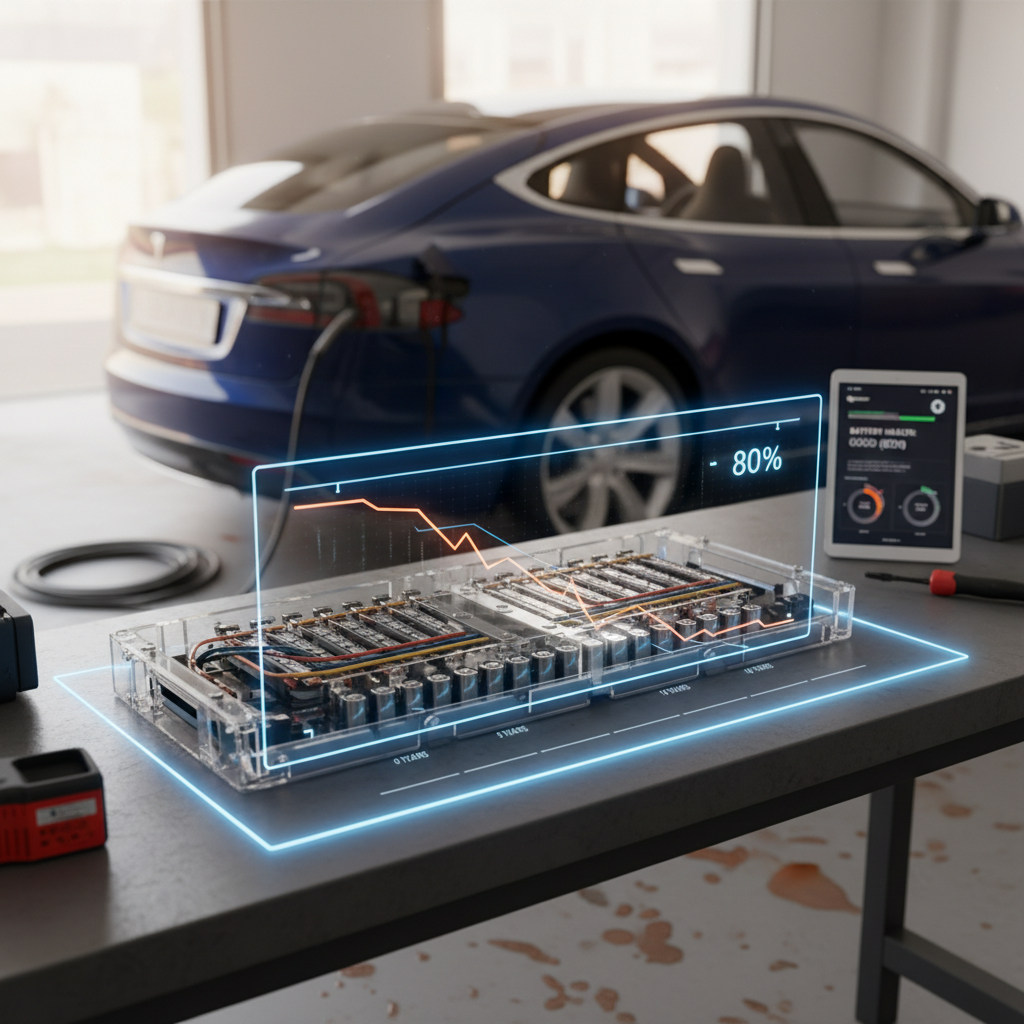
- Battery and drivetrain longevity: Both use liquid‑cooled lithium‑ion packs with robust thermal management. Tesla has a longer real‑world track record, with many Model Ys and Model 3s showing modest degradation after 100,000+ miles. Prologue is newer but built on GM’s Ultium platform, so early data suggests competitive durability.
- Service and repairs: Tesla relies on its own service centers and mobile teams; availability can vary by region. Honda’s dealer network is much denser, which some buyers prefer for routine service, warranty work, and collision repair.
Independent shops and insurance
Cost of ownership and resale value
Upfront, the Prologue’s sticker prices tend to be higher than equivalent Model Y trims, but incentives and local deals can swing things either way. Total cost of ownership is a mix of purchase price, financing, electricity vs fuel, maintenance, insurance, and resale value, and the Model Y’s track record in the used market is a major factor.
Ownership cost factors
Don’t just compare MSRPs, think 5–10 years out.
Purchase & incentives
Depending on configuration and evolving tax‑credit rules, both vehicles can qualify for incentives when new or used. The Model Y’s frequent price changes and Tesla’s direct‑to‑consumer model can create sudden deals; Prologue buyers may find discounts or favorable financing at dealers.
Energy & maintenance
Both beat gas SUVs on fuel and maintenance. The Model Y’s higher efficiency can shave a noticeable amount off your electricity bill over high annual mileage. Maintenance on either is largely tires, brakes, and occasional fluid or filter changes.
Resale and depreciation
The Model Y has one of the strongest resale profiles in the EV world, thanks to brand recognition and demand. The Prologue is too new for long‑term data, but early EV SUVs from legacy brands have typically depreciated faster than equivalent Teslas.
Financing and used‑EV advantages
Who should choose which SUV?
Match the EV to your life, not the other way around
Choose the Tesla Model Y if…
You take frequent road trips and want the least‑fuss fast‑charging experience via Tesla Superchargers.
You value efficiency, range, and software polish more than a traditional cabin layout.
You want strong resale value and a deep used market with multiple trim and year options.
You’re comfortable with a minimalist interior, touchscreen‑first controls, and occasional software changes over time.
Choose the Honda Prologue if…
You want a familiar SUV vibe with physical buttons, a conventional gauge cluster, and a quieter, cushier ride.
You already like Honda’s reliability reputation and prefer a traditional dealer sales and service experience.
You mostly drive predictable daily routes with occasional trips, so CCS + some Supercharger access is sufficient.
You prioritize rear‑seat comfort, noise isolation, and an easier transition from a gas crossover.
Big‑picture answer
Buying used: Model Y vs Prologue on the secondhand market
Because the Model Y has been on sale in volume since 2020, the used market is deep: multiple years, battery variants, and trim levels at a wide range of prices. The Prologue, by contrast, is just beginning to show up used, so inventory is thinner and long‑term depreciation patterns are still forming.
Key questions for used Model Y and Prologue shoppers
1. What’s the true battery health?
Range on the dash doesn’t always tell the whole story. A <strong>professional battery health report</strong>, like the Recharged Score, can give you a quantified look at pack condition, estimated degradation, and how the car was used.
2. How was the vehicle charged?
Frequent DC fast‑charging and consistent 100% charges can accelerate degradation. Ask for charging history when possible, and favor vehicles that mostly lived on Level 2 home charging.
3. Has the car had software or hardware recalls addressed?
Both Tesla and Honda issue software updates and service campaigns. Confirm that open campaigns have been completed and that you understand how to get future updates and service.
4. Does the trim fit your driving pattern?
On a used Model Y, understand the difference between Standard/Rear‑Wheel Drive, Long Range, and Performance. On a Prologue, confirm whether you’re getting front‑drive or AWD and which range rating applies.
5. How does insurance and repair access look in your ZIP code?
Get real quotes before you buy, especially for Teslas in markets with limited service centers or body‑shop options. Local factors can swing insurance premiums and repair timelines more than brand reputations alone.
6. Are you financing or paying cash?
Used EVs can qualify for different incentives and financing programs than new ones. Platforms like Recharged can help you see your pre‑qualified terms and total cost for various used Model Y options compared with a new or nearly new Prologue.
How Recharged can help
FAQ: Tesla Model Y vs Honda Prologue
Frequently asked questions
Bottom line: Tesla Model Y vs Honda Prologue, which is better for you?
From an EV‑native perspective, efficiency, charging infrastructure, software, and market maturity, the Tesla Model Y is the stronger all‑around electric SUV. It’s better at turning electrons into miles, better integrated with fast‑charging, and better supported in the used market. If you’re already comfortable with touchscreens and the Tesla ecosystem, it’s the obvious choice.
The Honda Prologue is the better bridge for drivers coming from traditional crossovers who care more about quiet comfort, familiar controls, and dealer support than about squeezing every last mile of range or using the latest over‑the‑air software trick. It’s a genuinely competent EV, especially after its range and power updates, and it will feel instantly natural to long‑time Honda owners.
If you’re still torn, drive both on the same routes you face every week, school runs, commutes, and your longest regular trip, and pay close attention to how each one fits your habits. And if you decide a used Model Y makes more sense financially, Recharged can help you find one with verified battery health, fair pricing, and EV‑specialist support so you know exactly what you’re getting before you plug in.