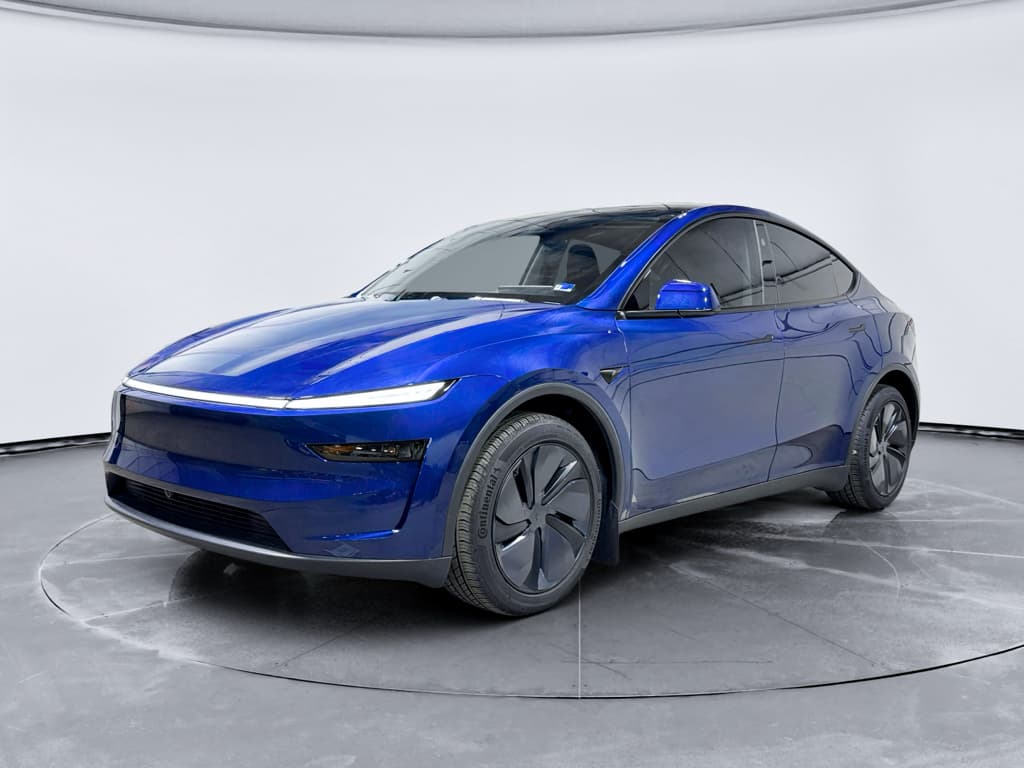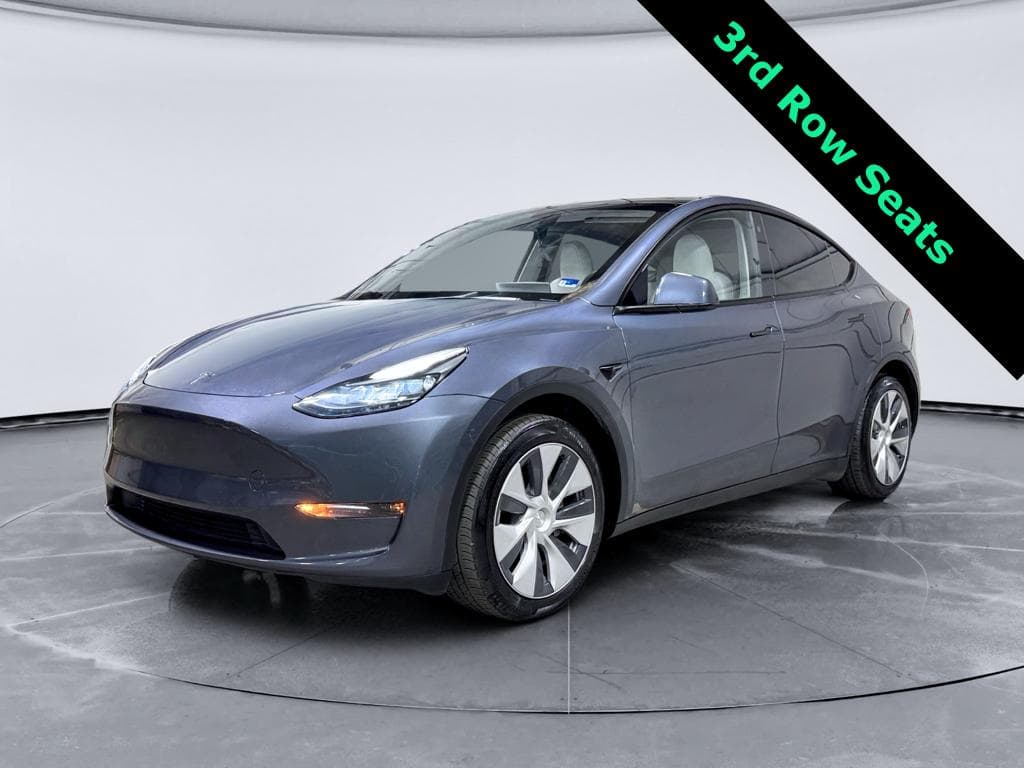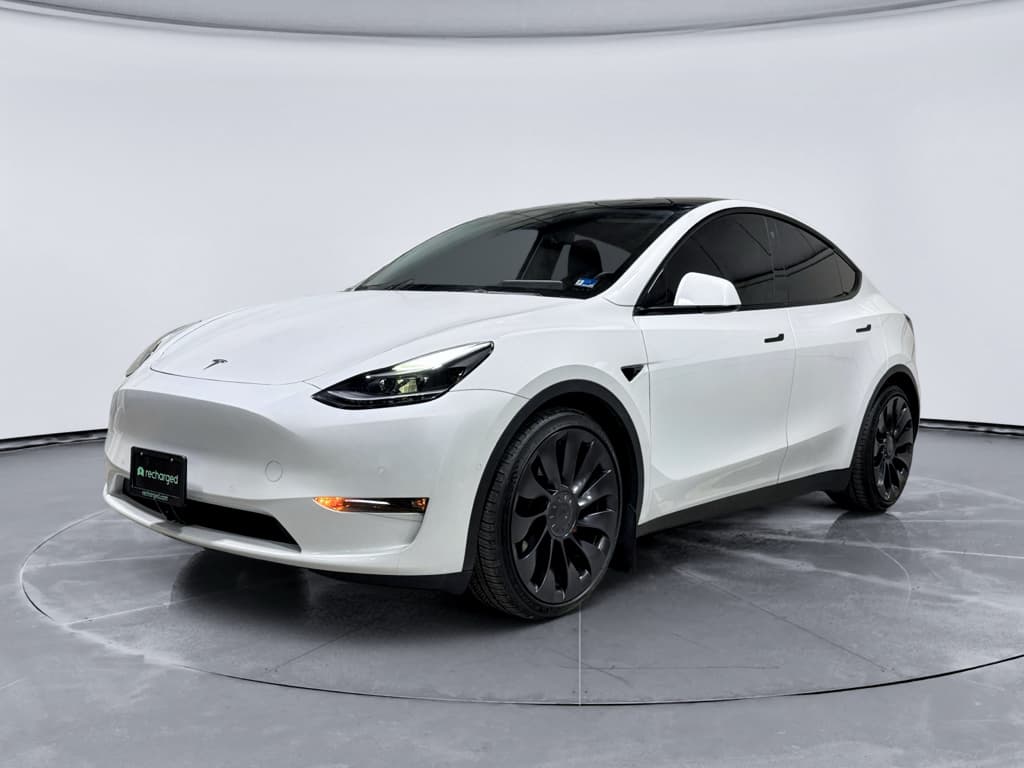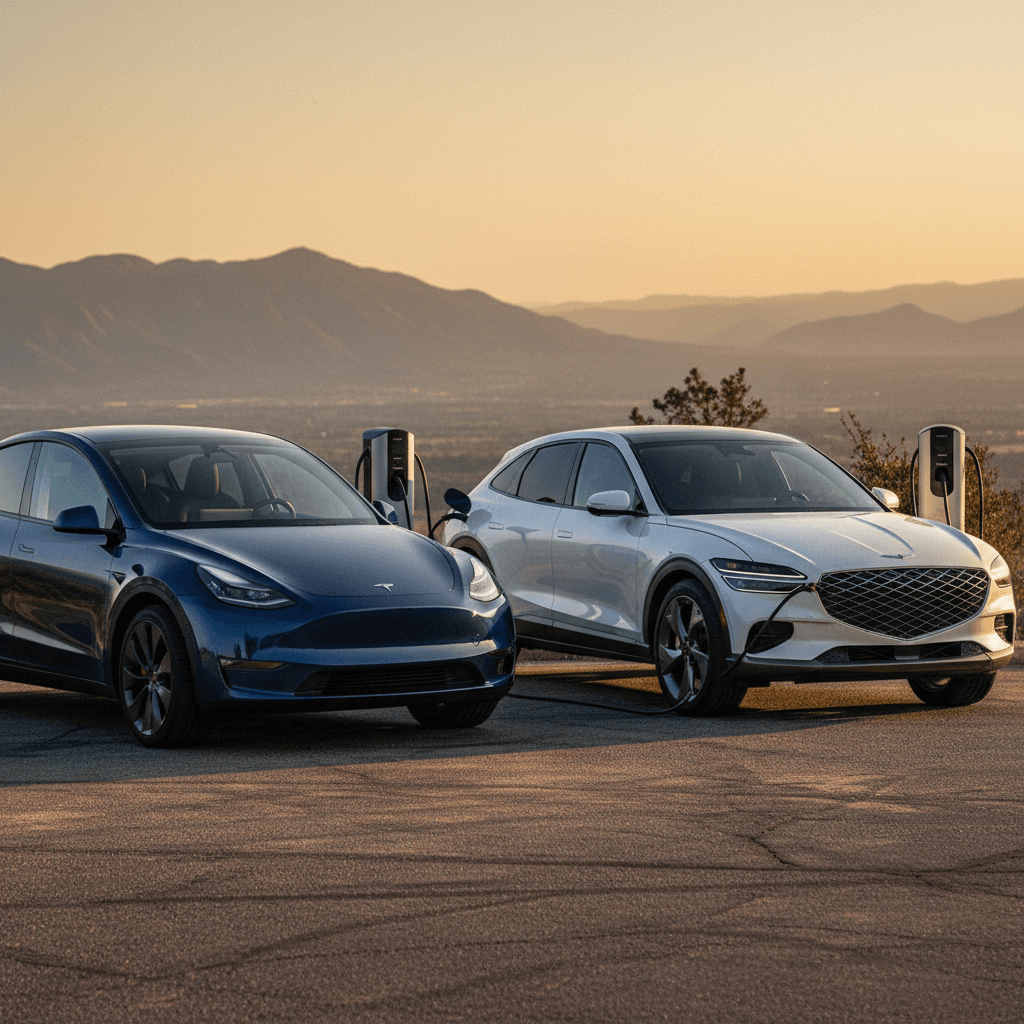
You’re cross-shopping a Tesla Model Y and a Genesis GV60, which means you’re already in rarefied air: two of the sharpest all-electric crossovers on sale. On one side, the Model Y is the default choice, buoyed by range, efficiency, and the Supercharger network. On the other, the GV60 is the connoisseur’s pick, a smaller-batch Korean luxury EV with a gorgeous cabin and bi-directional charging tricks.
Two Very Different Takes on the EV SUV
Tesla Model Y vs Genesis GV60: Quick Overview
Model Y vs GV60: Core Specs at a Glance (2024–2025 U.S. models)
Approximate manufacturer and EPA figures; always check the specific model year and trim of the used vehicle you’re considering.
| Model | Drivetrain | EPA Range (mi) | 0–60 mph (sec) | DC Fast Charge Peak | Seats |
|---|---|---|---|---|---|
| Tesla Model Y RWD | RWD | ~260–320* | ~5.8 | 250 kW | 5 |
| Tesla Model Y Long Range | AWD | ~310–330* | 4.6 | 250 kW | 5–7 |
| Tesla Model Y Performance | AWD | ~290–310* | 3.5-ish | 250 kW | 5 |
| Genesis GV60 Standard | RWD | up to ~294 | ~7 | 350 kW | 5 |
| Genesis GV60 Advanced | AWD | ~248–264 | ~5.7 | 350 kW | 5 |
| Genesis GV60 Performance | AWD | ~235–248 | ~4.0 | 350 kW | 5 |
Key specs for popular Model Y and GV60 trims.
About the Numbers
High-Level Verdict: Where Each SUV Shines
Range and Charging: Model Y vs GV60
Range and charging are usually the first filter for EV shoppers, and this is where the Tesla Model Y leans on its years of optimization.
Range Comparison by Typical Trims
Approximate EPA estimates for recent U.S. model years
Tesla Model Y
- RWD: roughly 260–320 miles depending on year and wheels
- Long Range AWD: commonly quoted around 310–330 miles
- Performance: around 285–310 miles
- Very efficient at highway speeds, especially on smaller wheels.
Genesis GV60
- Standard (RWD): up to about 290–295 miles when new
- Advanced AWD: typically mid‑240s to mid‑260s miles
- Performance AWD: roughly 235–250 miles
- Less efficient than Tesla, but still solid for most daily use.
Practical Rule of Thumb
Charging Speed
- Tesla Model Y: peaks around 250 kW on DC fast chargers, adding roughly 170–180 miles in about 15 minutes under ideal conditions.
- On Level 2 home charging (240V), you’re typically seeing 30–40 miles of range per hour.
Genesis GV60
- Built on Hyundai/Genesis’s 800‑volt E-GMP platform with up to 350 kW DC fast charging.
- In good conditions, 10–80% can happen in roughly 18 minutes, about as quick as anything on the road today.
- Home charging is similar to Tesla: overnight from a 40‑ or 48‑amp Level 2 is easy.
Surprise: The Genesis is the Faster Charger
Performance and Driving Feel
Both of these crossovers are quick by any normal-SUV standard. The question isn’t “are they fast?” It’s “what kind of fast do you want?”
How They Drive
Tesla Model Y
- Performance trim: 0–60 mph in the mid‑3‑second range – brutal acceleration for a family SUV.
- Long Range AWD: mid‑4‑second 0–60, which still feels startling.
- Steering is quick, body motions are controlled, but ride can be busy and firm, especially on larger wheels.
Genesis GV60
- Performance: around 4.0 seconds to 60 mph with its dual‑motor setup and Boost button.
- Advanced and Standard: still plenty quick for daily driving; acceleration is smoother and less abrupt.
- More supple ride, better noise isolation, more traditional luxury tuning.
Character
- Model Y feels like a very fast appliance – devastatingly effective, but a bit clinical.
- GV60 feels playful; the chassis is more relaxed, the cabin quieter, and the car as a whole feels more “designed” than “engineered.”
If You Enjoy Driving…
Interior Space, Comfort, and Practicality
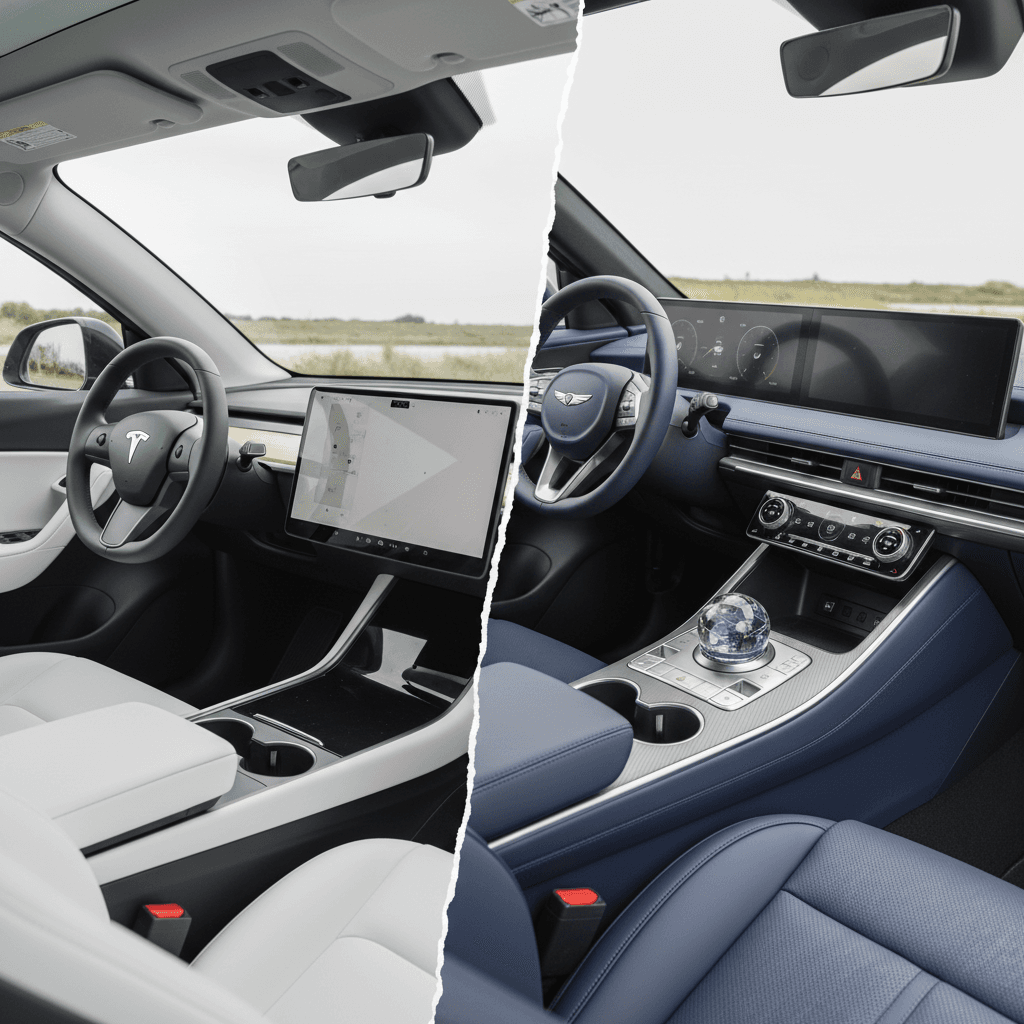
Inside, Tesla and Genesis could not be more different philosophically. One is a Scandi tech startup living room; the other is a Korean boutique hotel lobby.
Tesla Model Y: Space and Utility First
- Seating: 5 seats standard; optional 7‑seat configuration with a small third row for kids.
- Cargo: around 76 cu ft of max cargo space, plus a useful front trunk.
- Design: ultra‑minimalist – one large center screen, almost no buttons, clean lines.
- Materials: Functional and durable, but not especially plush. Think tech product, not luxury suite.
Genesis GV60: Boutique Luxury
- Seating: 5 seats only; no third row. Rear space is good but not as expansive as Model Y.
- Cargo: smaller cargo area than the Tesla, comparable to a compact SUV rather than a mid‑sizer.
- Design: playful shapes, color options, ambient lighting, and the signature crystal‑ball shifter that rotates when you start the car.
- Materials: Softer surfaces, richer textures, and a generally more upscale ambiance.
Family-Hauler Verdict
Tech, Infotainment, and Driver Assistance
Both vehicles are rolling software platforms, but they approach tech from different angles.
Interface and Features
Tesla Model Y
- Single 15–16" center touchscreen controls nearly everything: driving modes, climate, wipers, glovebox, you name it.
- Infotainment is slick and fast, with excellent mapping and route‑planning for charging.
- Frequent over‑the‑air updates can add features, tweak suspension, or improve efficiency.
- Autopilot and optional Full Self‑Driving (Supervised) offer advanced driver‑assist, though you must stay fully attentive.
Genesis GV60
- Dual wide screens (and, on newer models, an even larger combined OLED) plus a separate climate panel and real buttons for key functions.
- Supports Apple CarPlay and Android Auto, something Tesla still does not offer.
- Biometric tech on many trims: Face Connect and fingerprint start.
- Highway Driving Assist II bundles lane centering, smart cruise, and automatic lane changes on some models.
Updates and Longevity
Safety Ratings, Recalls, and Reliability
Safety for both vehicles is strong on paper: modern crash structures, full suites of airbags, and the usual alphabet soup of driver-assistance systems. The nuance comes from real‑world crash‑test data and recall history.
- Both Model Y and GV60 have been selected for extensive NHTSA and IIHS testing and generally perform very well in crashworthiness.
- Advanced driver‑assist systems (Tesla Autopilot / FSD and Genesis Highway Driving Assist) can reduce driver workload but are not autonomous driving, hands on the wheel, eyes on the road.
- Both brands have had software‑related recalls; Tesla leans heavily on over‑the‑air fixes, while Genesis often routes updates through dealerships or OTA depending on the system.
Check Recall Status on Any Used EV
Pricing and Value: New vs Used
New, the Tesla and Genesis often sticker within shouting distance of each other when comparably equipped. On the used market, though, they behave very differently, and this is where a marketplace like Recharged can be your friend.
How They Depreciate
Tesla Model Y
- Tesla’s constant price adjustments and huge production volume mean there are lots of Model Ys in the used pool.
- Resale values have softened compared with the early years, but demand is still broad, which supports pricing.
- Plenty of trim, color, and wheel choices on the used market, plus a growing number of high‑mileage examples where battery health really matters.
Genesis GV60
- Sold in more limited numbers and fewer states, so used supply is thinner.
- Luxury brands usually depreciate faster than mainstream brands, which can make a used GV60 a strong value vs new.
- Because they’re newer to market, many used GV60s still carry a significant portion of factory warranty.
Why Battery Health is the Big Swing Factor
Ownership Experience: Charging Access and Support
Owning an EV is as much about the ecosystem as the car. Here, Tesla still enjoys a structural advantage in the U.S., but Genesis owners aren’t exactly stranded.
Tesla Model Y Ecosystem
- Supercharger access: Seamless integration with navigation, simple plug‑and‑charge at most sites, transparent pricing in the app.
- Tesla’s app is best‑in‑class for remote preconditioning, charge scheduling, service booking, and OTA updates.
- Service experience can be hit‑or‑miss by region, but mobile service vans solve many issues in your driveway.
Genesis GV60 Ecosystem
- Built to use CCS fast‑charging networks such as Electrify America, EVgo, and others; some GV60s came with introductory free charging packages at partner networks.
- Genesis offers concierge‑style customer service and a more traditional luxury‑dealer experience.
- As the industry migrates to the NACS connector and opens more Supercharger access to non‑Tesla brands, the gap is likely to shrink over the next few years.
Home Charging Levels the Playing Field
Which EV SUV Should You Buy? Key Scenarios
Best Fit by Buyer Type
1. Highway commuter or frequent road tripper
You spend a lot of time at 70+ mph and want fewer charging stops. The Tesla Model Y Long Range is the smarter bet thanks to its combination of range, efficiency, and Supercharger access.
2. Style-conscious buyer who values a plush cabin
You want your EV to feel special every time you get in. The Genesis GV60 wins with its quieter ride, richer materials, and more characterful design.
3. Growing family that needs maximum space
Strollers, sports gear, occasional third‑row use, this is Model Y territory. The available 7‑seat layout and sizeable cargo bay make life easier.
4. Urban or suburban couple without kids
If you don’t need a third row, the GV60’s smaller footprint makes it easier to park and more nimble in tight city streets, without sacrificing comfort.
5. Tech tinkerer who loves software updates
You like seeing your car change and improve over time. Tesla’s update cadence and integrated software experience make the Model Y the more interesting long‑term gadget.
6. Luxury shopper chasing a deal on the used market
Because luxury EVs often depreciate faster, a well‑specced used GV60 can feel like a bargain versus its original MSRP. With a verified battery report, it’s a compelling alternative to a similarly priced, simpler Model Y.
How Recharged Can Help
Ready to find your next EV?
Browse VehiclesTesla Model Y vs Genesis GV60: FAQ
Frequently Asked Questions
Tesla Model Y vs Genesis GV60 isn’t a simple “better/worse” story, it’s two different answers to the same question. If you want maximum range, space, and the least complicated charging life, the Model Y is still the safe, rational choice. If you want something rarer, richer inside, and more emotionally satisfying to sit in every day, the GV60 is the one that gets under your skin. The good news is that in the used market, you don’t have to guess: with verified battery health, transparent pricing, financing, and nationwide delivery from Recharged, you can pick the one that speaks to you and know exactly what you’re getting.