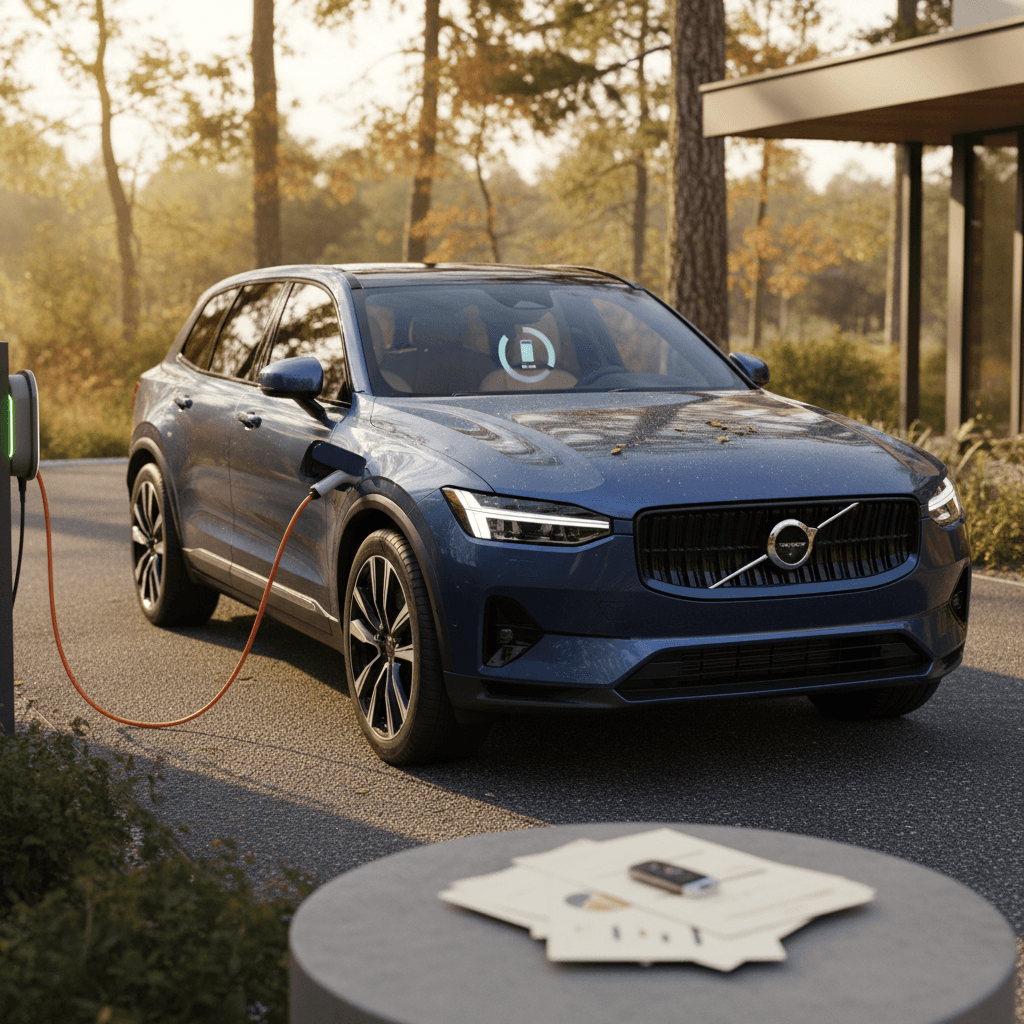
If you’re considering a Volvo EX90 in 2026, you’re not just buying a new EV, you’re betting on Volvo’s first clean-sheet, software‑defined electric flagship. This long-term 2026 Volvo EX90 review focuses less on launch hype and more on what the EX90 is like to live with after months of commuting, road trips, software updates, and charging in the real world.
Context: 2024–2026 Have Been Bumpy Years
Who the 2026 Volvo EX90 Is (Really) For
Ideal EX90 Buyers in 2026
Where this 3-row EV SUV makes the most sense
Safety‑First Families
You want a three‑row family hauler with top‑tier crash protection, lidar‑based driver assistance, and a calmer vibe than a Tesla or Rivian.
Home‑Charging Commuters
You have reliable Level 2 home charging, drive 40–80 miles a day, and take a few road trips a year where 800‑V fast charging is a bonus, not a lifeline.
Luxury SUV Downsizers
You’re coming from an XC90, X5, or Q7 and want EV refinement without losing comfort, quietness, and a traditional, understated design language.
If you need hardcore off‑road capability, a minimal third row, or you live in an area with weak DC fast‑charging coverage, the EX90 may not line up as neatly. But for suburban families with a driveway and frequent highway trips, it sits right in the EV sweet spot.
Key Specs and What Changed for 2026
2026 Volvo EX90: Headline Numbers
All EX90s use a big lithium‑ion battery (about 111 kWh gross, ~107 kWh usable) feeding dual motors and all‑wheel drive. Earlier U.S. models used a 400‑V system; for 2026, Volvo moves the EX90 to an 800‑volt architecture, cutting DC charging times and making long‑distance driving less of a compromise. Trims still revolve around Twin Motor and Twin Motor Performance power levels, plus equipment packages like Plus and Ultra.
Tip: Don’t Over‑Prioritize 0–60
Real-World Range and Efficiency
On paper, a 2026 Volvo EX90 with all‑wheel drive and 21‑inch wheels can deliver up to around 305 miles of EPA‑estimated range, with 20‑ and 22‑inch wheels clustered in the high‑200s. In practice, owners and testers tend to see something like 240–270 miles on a full charge in mixed driving, depending on speed, temperature, and wheel/tire choice.
- At 70–75 mph highway speeds, plan on closer to 220–240 miles before you start seriously looking for a charger.
- In city and suburban driving under 55 mph, mid‑ to high‑200‑mile ranges are realistic with gentle driving.
- Cold weather, big wheels, and roof boxes can easily shave 15–25% off the displayed range.
Plan Around the Battery, Not the Sticker
800-Volt Charging and Long-Trip Usability
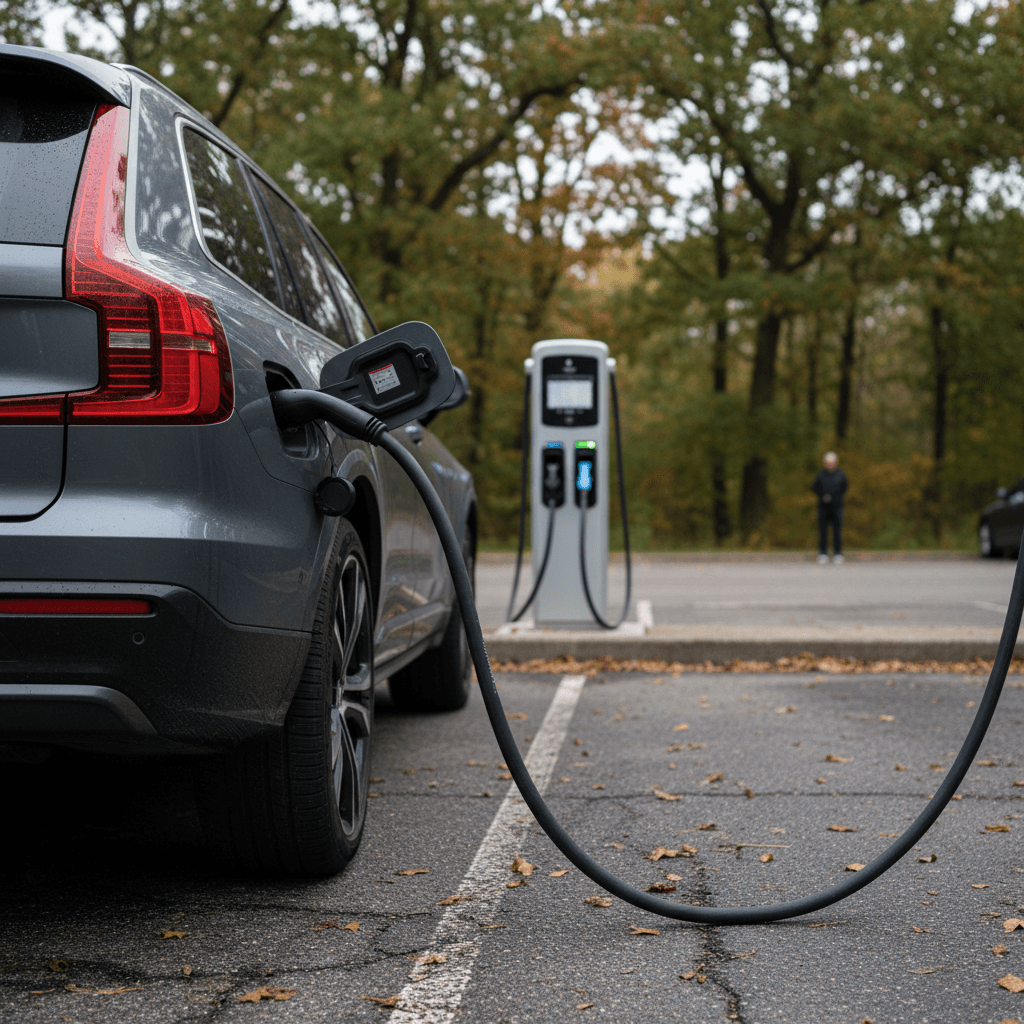
The biggest long‑term ownership difference between a 2025 EX90 and the 2026 model is fast‑charging. Volvo’s shift to an 800‑volt system means the EX90 can pull much higher peak power on compatible DC fast‑chargers, and more importantly, hold strong rates deeper into the pack.
Charging: 2025 vs 2026 Volvo EX90 (Typical Experience)
Approximate real‑world behavior on high‑power public DC fast‑chargers.
| Model Year | Architecture | Typical 10–80% Time* | Best Use Case |
|---|---|---|---|
| 2025 EX90 | ~400‑V | ~35–45 minutes | Fine for occasional trips, but charging is a noticeable stop. |
| 2026 EX90 | 800‑V | ~20–30 minutes (on 800‑V hardware) | More realistic to grab 150+ miles during a coffee or bathroom break. |
Charging times assume a healthy battery on a strong charger with no power sharing.
What 800‑V Actually Feels Like
On older 400‑V DC fast‑chargers, the EX90 will still charge faster than most 400‑V EVs, but the 800‑V hardware has to work through a DC‑DC boost stage. Expect more modest peak rates there, good, but not spectacular. If your regular routes are heavy with new high‑power stations, the 2026 EX90 is a meaningful upgrade over earlier model years.
Daily Driving, Comfort, and Practicality
Ride, Noise, and Seats
Long‑term, the EX90’s biggest strength is how calm it feels. The air suspension does a good job hiding its weight over broken pavement, and wind noise is low enough that kids can nap in row three during highway runs.
Front and second‑row seats are classic Volvo: upright, supportive, and designed for hours, not minutes. The third row is adult‑capable in a pinch but better for kids and shorter trips.
Cargo and Family Duty
With all three rows up, cargo space is tight, think strollers and grocery runs, not full‑on camping gear. Fold the third row and you unlock a genuinely useful load area, with a flat floor and a low liftover height.
Storage for small items is plentiful, and the cabin layout favors clean lines over clutter. If you like physical buttons, you’ll miss them; if you hate visual noise, you’ll love it.
Family‑Friendly Details That Hold Up
Software, Reliability, and Driver Assistance
No honest long‑term review of the EX90 can ignore software. Early builds (2024–2025) suffered from delayed deliveries, buggy infotainment, and issues with the lidar and central compute hardware. By 2026, Volvo has pushed major over‑the‑air updates and is in the process of upgrading the EX90’s core computer hardware on many early vehicles.
Living With EX90 Software Over Time
Expect Infotainment Quirks, Not Meltdowns
Owners still report occasional slow boot‑ups or glitches in Google‑based navigation and media, but full system crashes and reboots have become less common as firmware has matured.
Driver‑Assist Features Are Conservative
Pilot Assist and related systems are tuned more conservatively than Tesla Autopilot or Rivian’s systems. They’re less flashy, but also less likely to surprise you with odd behavior.
Watch for Lidar/Hardware History
Some early EX90s had lidar or compute‑module replacements. If you’re shopping used, ask for service records and confirm the latest hardware and software updates are installed.
OTA Updates Are a Fact of Life
Expect several major software updates a year. They can improve charging logic or add features, but you’ll want to schedule them so they don’t surprise you before a big trip.
Red Flag Pattern on a Used EX90
Ownership Costs, Depreciation, and Insurance
A new EX90 is not cheap, well into luxury territory once you option the Twin Motor Performance Ultra. But long‑term costs don’t end at the sticker. With a big battery and complex tech, the way this SUV depreciates and what it costs to insure and maintain are crucial to understand.
Long-Term Cost Picture for the EX90
Where you’ll spend, and where you’ll save, over 5–8 years
Depreciation
Large luxury EV SUVs typically see steep first‑3‑year depreciation. That’s bad news if you’re buying new and trading quickly, but potentially good if you’re a 2026 used‑EX90 shopper.
Maintenance
No oil changes, but you’ll still pay premium‑SUV prices for tires, alignments, suspension work, and any out‑of‑warranty electronics. Plan for a set of tires every 25–35k miles, especially on 21–22" wheels.
Insurance
High replacement cost, lidar hardware, and lots of sensors mean above‑average insurance premiums. Shop quotes before you buy, and consider higher deductibles if cash‑flow matters.
How Recharged Can Help on Costs
Battery Health and Long-Term Durability
We don’t yet have 10‑year data on EX90 batteries, but we do know a lot about large‑pack, liquid‑cooled EVs from other brands. With sane charging habits, most modern packs lose roughly 5–10% capacity in the first few years, then degrade more slowly. The EX90’s big battery means that even with some degradation, usable range remains practical for daily life.
- Use DC fast‑charging when you need to, not every day. The 800‑V system is efficient, but frequent high‑power sessions still add wear over time.
- For daily use, keep the charge target around 70–80%; save 100% charges for big trips.
- Store the car in a garage or shaded area when possible, extreme heat is kryptonite for battery longevity.
- Avoid letting the pack sit at very low state of charge (below ~10%) for extended periods.
Why Battery Health Matters Even More on a 3‑Row EV
2026 Volvo EX90 vs. Rivian R1S, Tesla Model X, and Others
How the 2026 EX90 Stacks Up
High‑level comparison against key three‑row EV competitors.
| Model | Character | Strengths | Tradeoffs |
|---|---|---|---|
| Volvo EX90 (2026) | Calm, safe, understated | Safety tech, quiet ride, 800‑V charging, family‑friendly cabin | Heavy, pricey, software history, less playful than Rivian. |
| Rivian R1S | Adventure‑first, off‑road capable | Off‑road hardware, acceleration, brand cachet | Less traditional luxury feel, firmer ride, similar or worse efficiency. |
| Tesla Model X | Tech‑forward, aging but quick | Access to Tesla Supercharger network, strong efficiency, performance | Older interior design, falcon‑wing quirks, less buttoned‑down ride. |
| Mercedes EQS SUV / BMW iX | Ultra‑luxury cruisers | High‑end interiors, refined ride, strong highway comfort | Pricing, complex options, not as family‑practical in the third row. |
Details vary by exact trim; focus on overall positioning rather than one‑spec bragging rights.
Where the EX90 Finds Its Niche
Buying a Used Volvo EX90 in 2026: What to Watch For
By late 2026, the earliest 2024–2025 EX90s will be coming off leases and early adopter hands, often at a steep discount to new. That creates an opportunity, but only if you’re careful about which car you choose.
Used 2024–2026 Volvo EX90 Checklist
1. Confirm Software and Hardware Updates
Ask the seller for a printout or screenshot showing the current software version and any completed recalls or campaigns, especially around the core computer and lidar hardware.
2. Scan Service History for Repeat Issues
A few visits for early‑life bugs are normal on a first‑generation EV. Multiple visits for the same problem, especially no‑start, charging failures, or driver‑assist faults, are a warning sign.
3. Check Real Battery Health, Not Just Range Guess
Use a third‑party battery health report or a <strong>Recharged Score</strong> to see actual pack condition instead of relying on a range estimate that can be reset or masked by software.
4. Inspect Tires and Suspension
Heavy EVs eat through tires and can stress suspension components. Uneven wear or clunks over bumps suggest you’ll be paying for corrective work soon.
5. Test Multiple DC Fast‑Charge Sessions
If possible, do two short DC fast‑charge sessions from different states of charge. Watch for charging errors, strange tapering, or stalls that might indicate deeper issues.
Leaning on Recharged When You Shop Used
FAQ: Volvo EX90 Long-Term Ownership
Common 2026 Volvo EX90 Long-Term Questions
Bottom Line: Is the 2026 Volvo EX90 Worth It?
Viewed over years instead of months, the 2026 Volvo EX90 emerges as what Volvo has always promised: a safe, calm, thoroughly modern family SUV that happens to be electric. The transition to 800‑V charging fixes one of the biggest pain points of early cars, and ongoing software updates have chipped away at the worst bugs. It’s still a complex, expensive first‑generation EV, but by 2026 it no longer feels like a public beta.
If you’re buying new, you’re paying for cutting‑edge safety tech, a huge battery, and a refined cabin more than raw performance metrics. If you’re shopping used, the EX90’s early‑life depreciation and growing reliability maturity can make it an appealing value, provided you verify software history and battery health. In both cases, leaning on transparent data, like a Recharged Score Report and EV‑specialist guidance, turns the EX90 from a risky early adopter play into a thoughtful long‑term choice for electric family hauling.