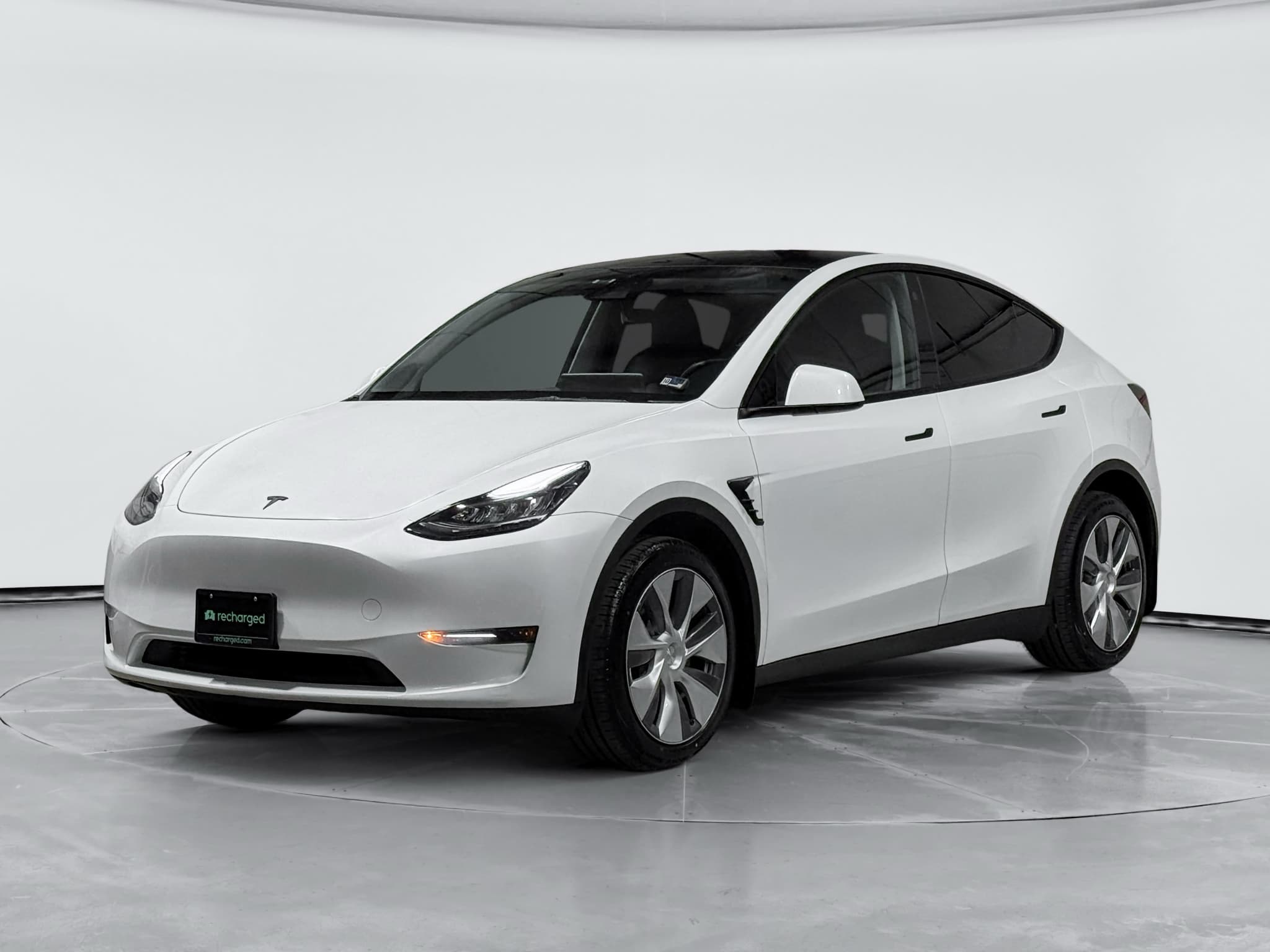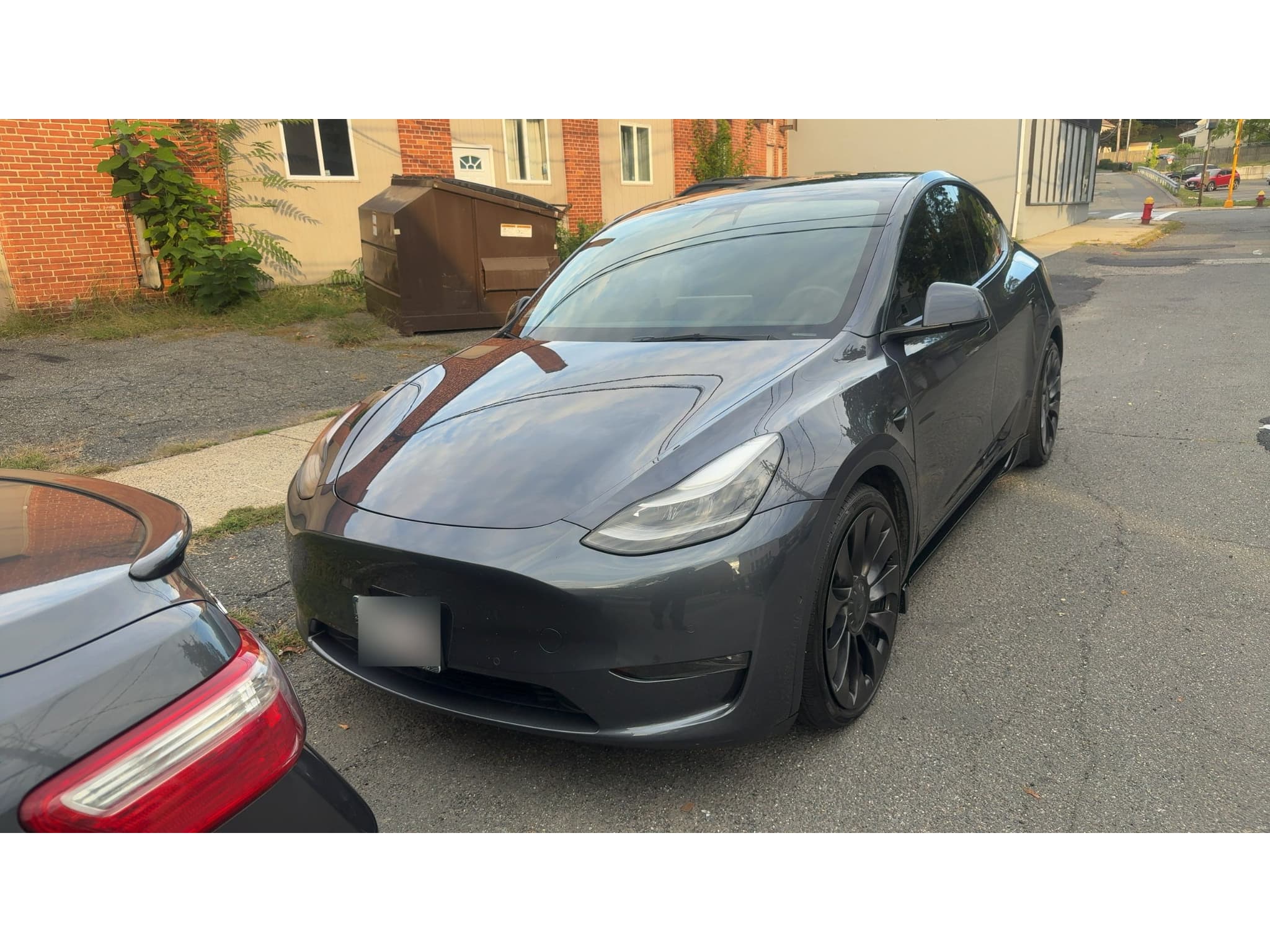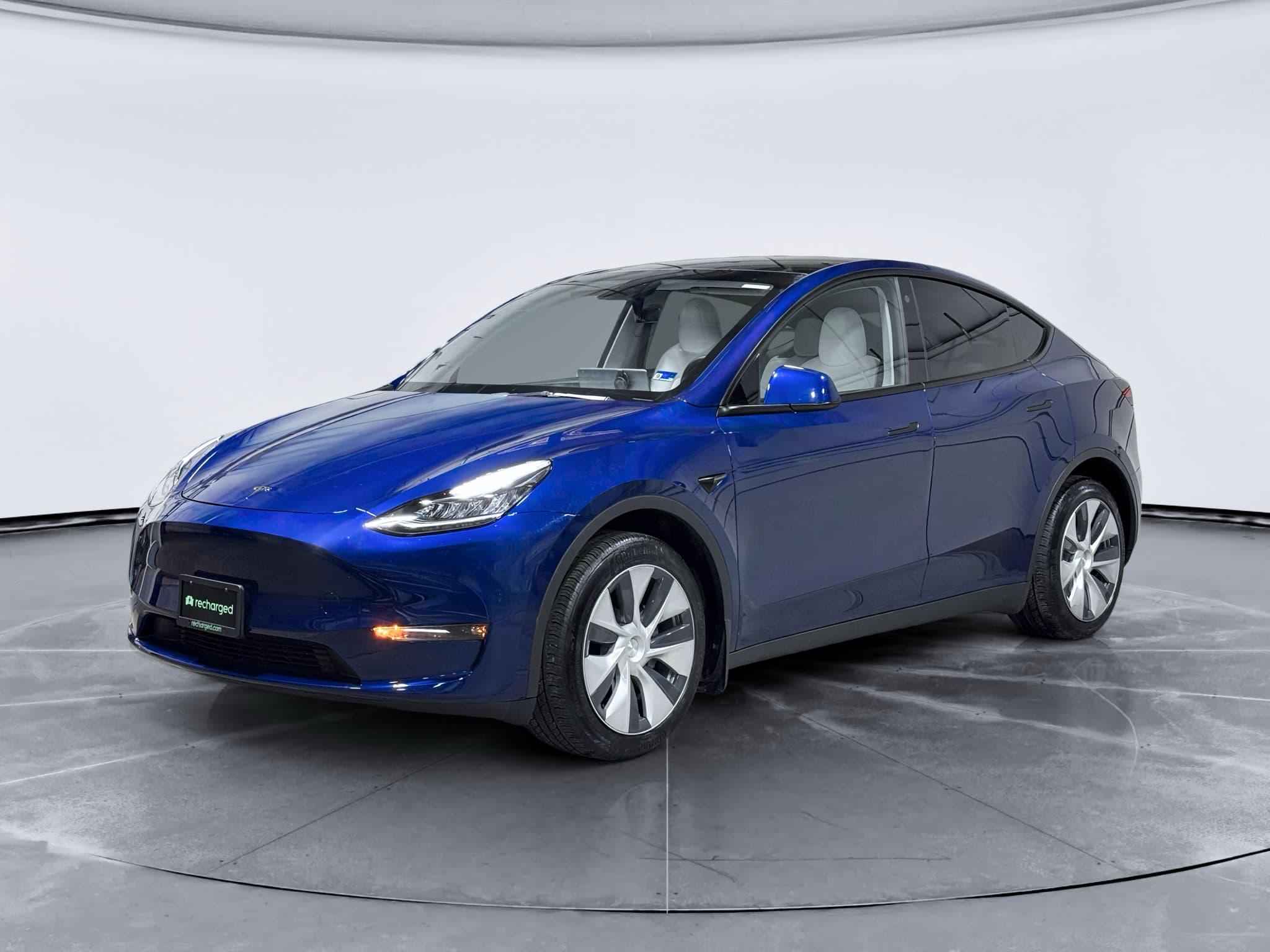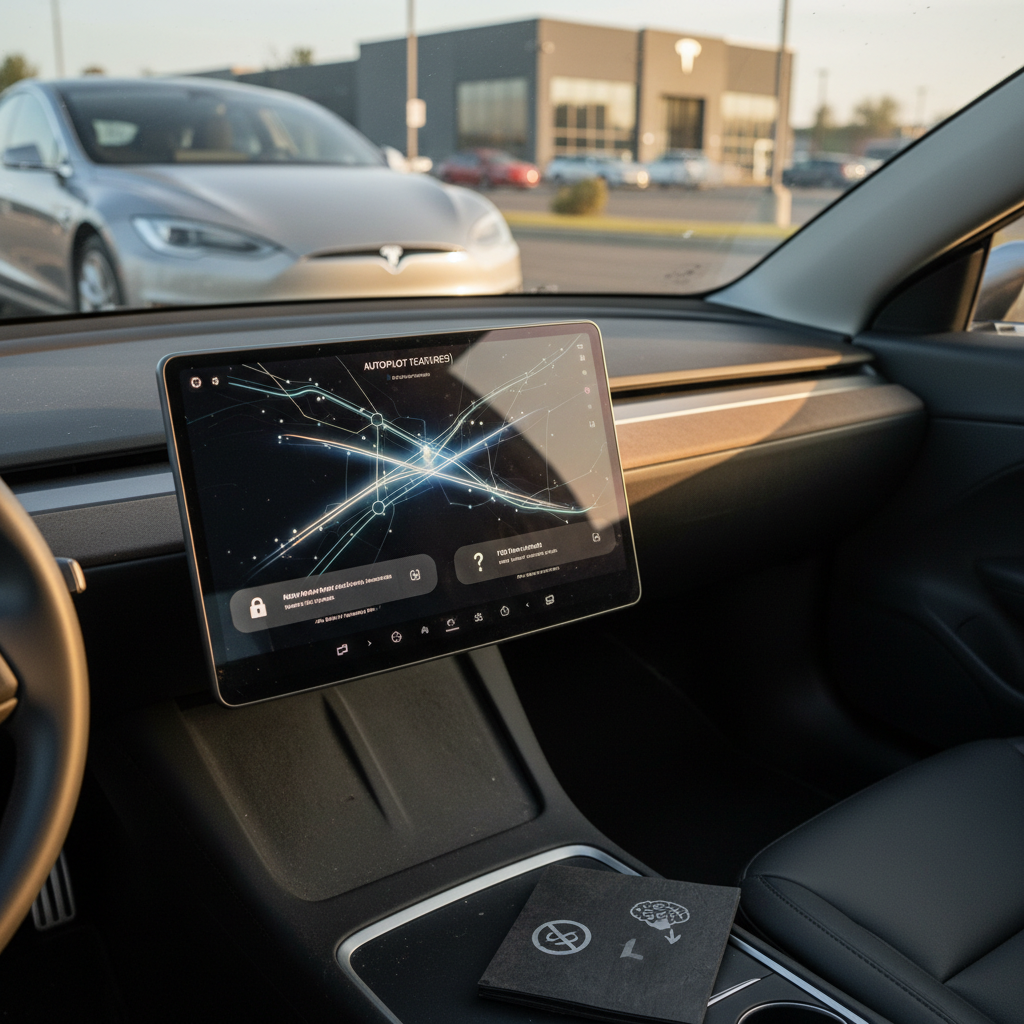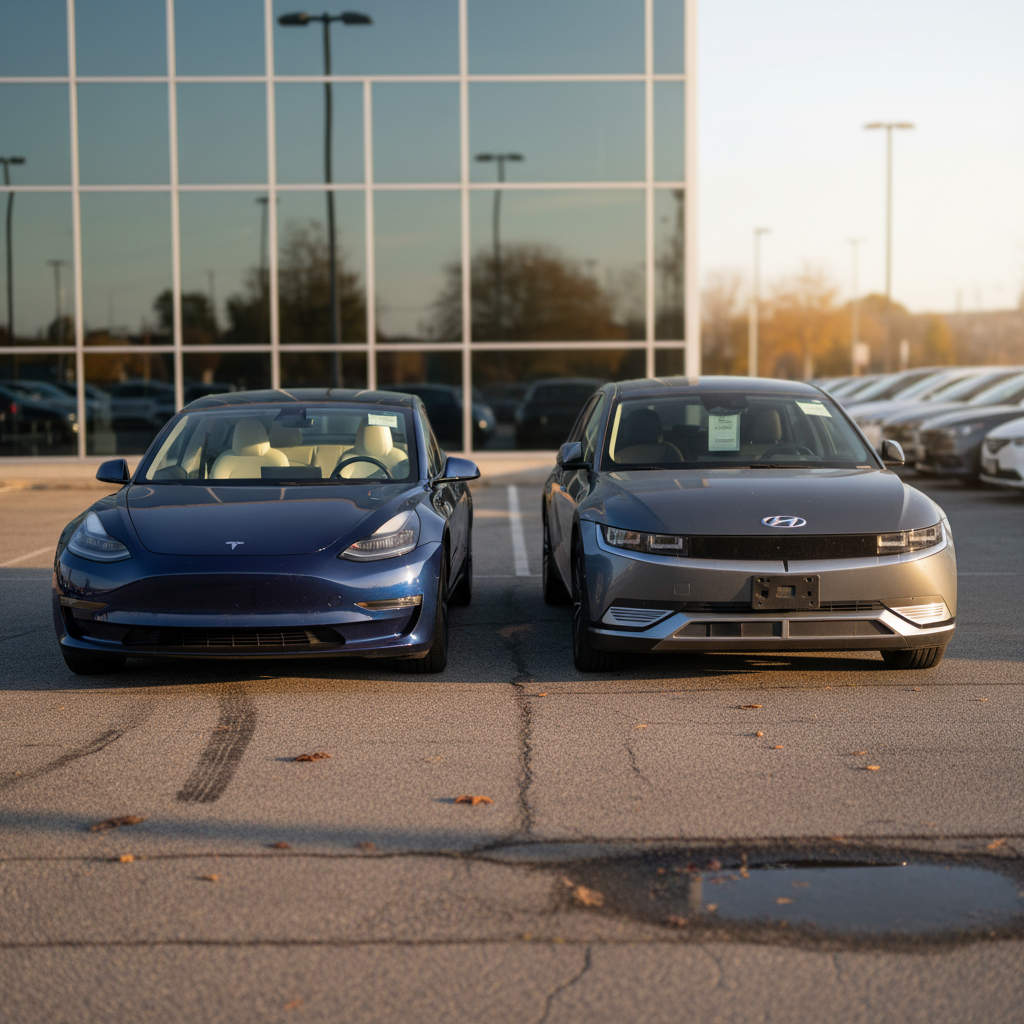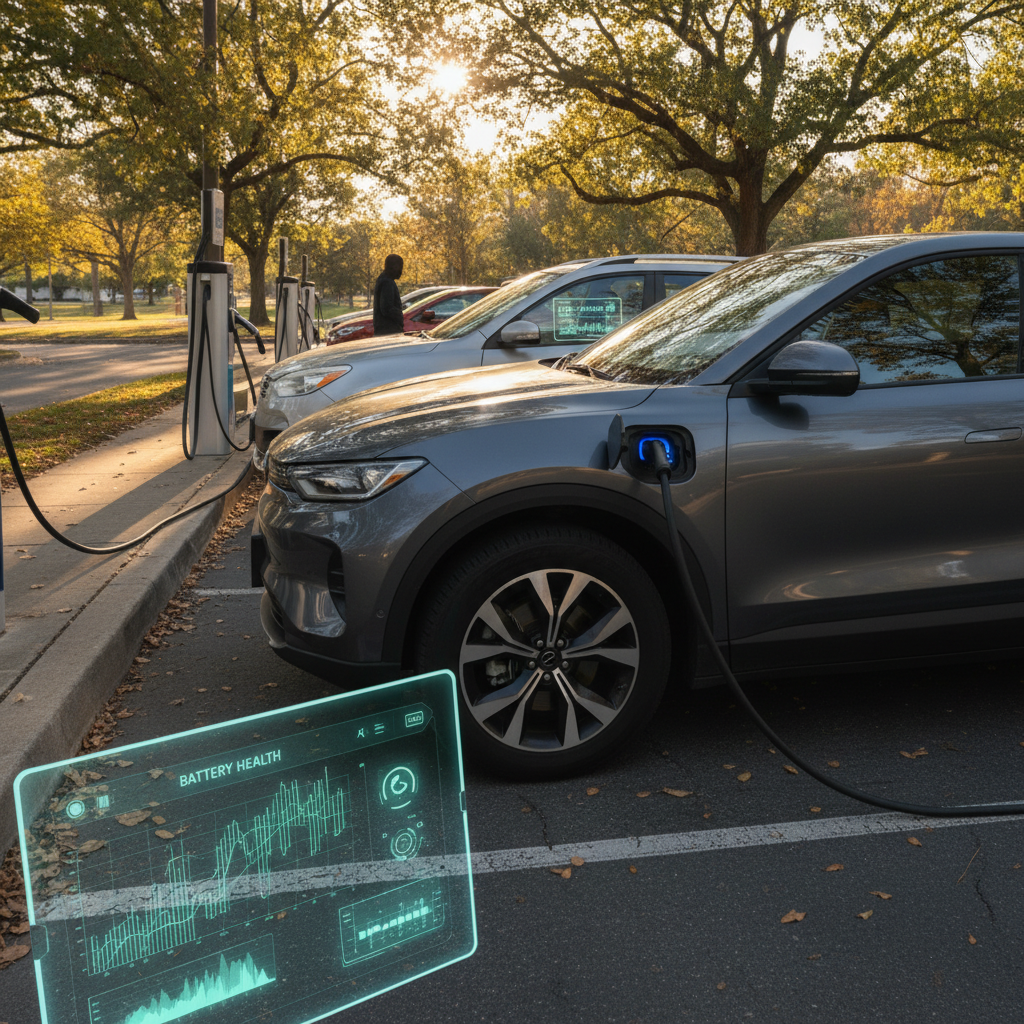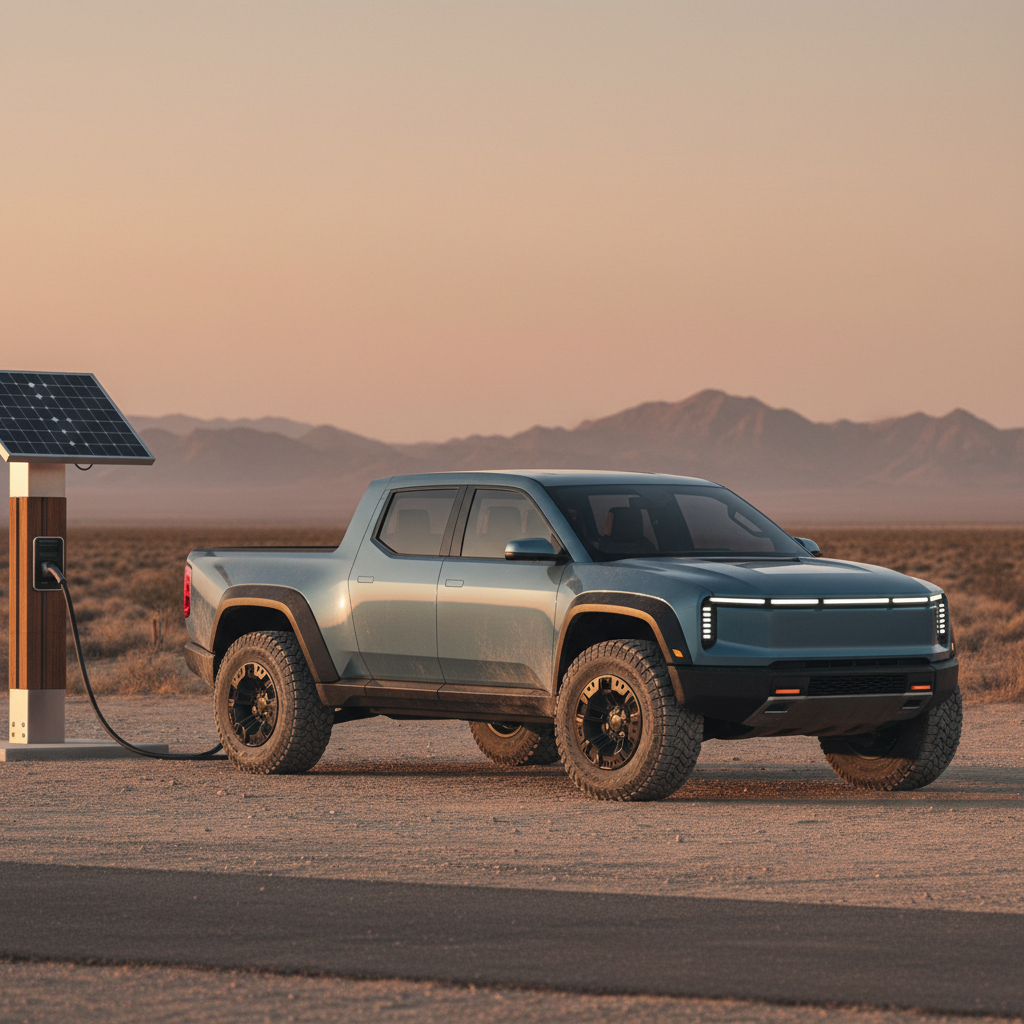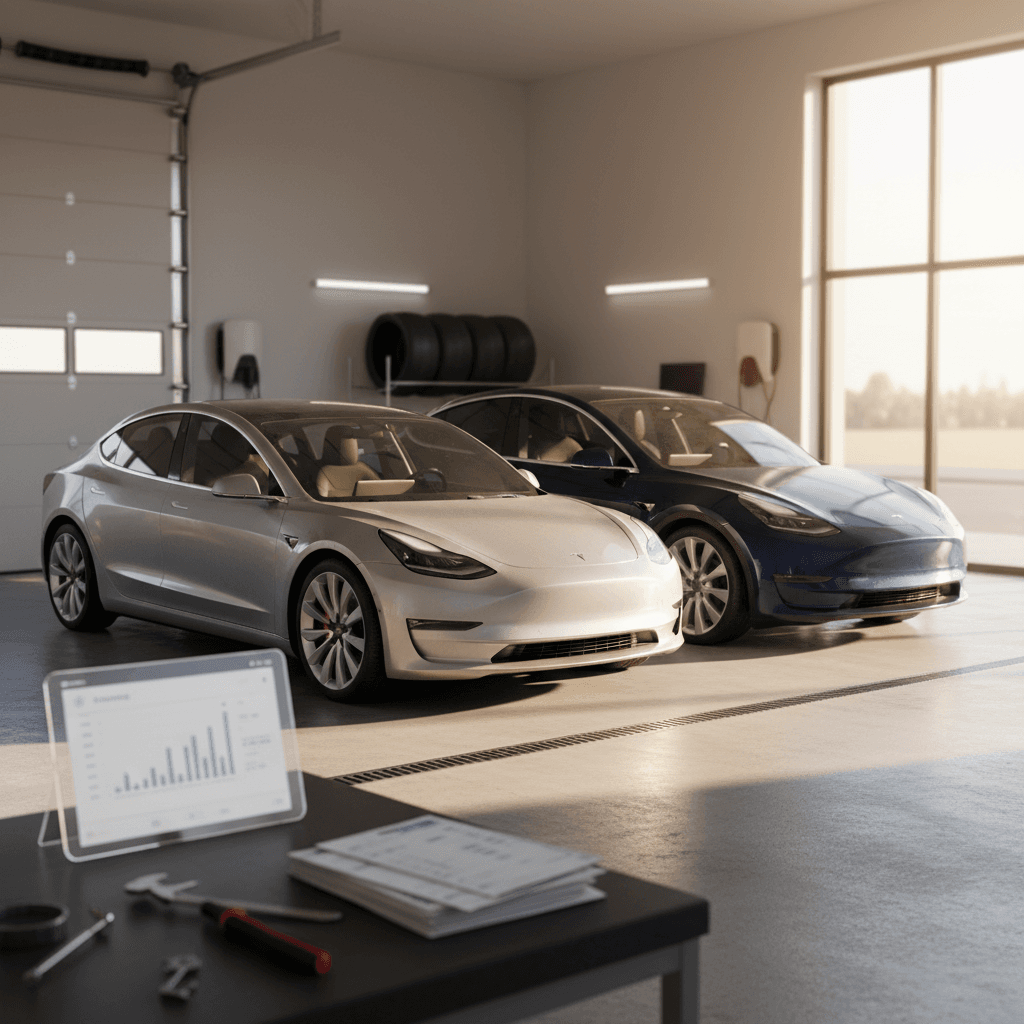
These electric SUVs serve similar needs but take noticeably different approaches. The Model Y emphasizes a minimalist, software-centered experience, while the Mustang Mach-E feels closer to a familiar crossover from the driver's seat. Your best choice depends less on the badge and more on how you use the vehicle, where you charge, and the condition of the specific used example.
The Model Y is the better all-rounder
The Model Y is the better all-round choice because it combines a simple digital experience with a mature charging ecosystem and broad used-market availability. The Mustang Mach-E makes the stronger case if you value familiar controls, distinctive styling, and a more conventional cockpit. Neither is automatically the better used vehicle, however: battery condition, accident history, tires, equipment, and price can outweigh the differences between the nameplates.
Here are the practical distinctions that are most likely to decide the comparison. Treat them as a starting point, then evaluate the actual vehicles using a battery report and a complete condition inspection.
Model Y and Mustang Mach-E at a glance
The most important qualitative differences for used-EV shoppers.
| Decision factor | Tesla Model Y | Mustang Mach-E |
|---|---|---|
| Driver interface | Minimalist, screen-first | More conventional controls |
| Road-trip experience | Network-led simplicity | Verify access and adapter |
| Cabin character | Open and minimalist | Driver-focused and familiar |
| Used selection | Broad marketplace presence | Compare examples carefully |
| Best for | Tech-first convenience | Traditional crossover feel |
Features and charging compatibility can vary by model year and vehicle configuration.
The table points to a simple divide: choose the Model Y if you want the vehicle's software and charging environment to do more of the work, or choose the Mach-E if you want an EV that feels more like a conventional crossover. Before deciding, read a broader used-EV buying guide so you can separate model-level differences from vehicle-specific condition.
What Recharged data says about the Model Y
Recharged inspection data shows that used Model Y battery condition can remain strong, but the spread between individual vehicles makes testing essential. Across 316 Model Ys inspected through the Recharged Score process, average tested remaining battery capacity was 88.9%, with a median of 88.8%. Average tested real-world range was 280 miles, also with a 280-mile median; individual results ranged from 195 to 327 miles.
Recharged's current listing snapshot also shows how widely Model Y asking prices can vary. Among 53 Model Ys listed on Recharged on September 22, 2026, the average asking price was $35,631 and the median was $33,599; listings ranged from $23,599 to $54,998. The average Recharged Score among the scored listings was 4.73, demonstrating why price should be considered alongside battery health, condition, equipment, and history, not treated as the sole measure of value.
What the numbers mean
The takeaway is that an average can't tell you whether a particular Model Y is a good buy. Request the actual vehicle's battery result, compare it with its asking price and mileage, and review how used-EV battery health works before signing.
Recharged data
Used Tesla Model-Y battery health
89%
avg remaining capacity
From Recharged battery inspections, not manufacturer estimates.
- Lowest
- 77%
- Median
- 89%
- Highest
- 100%
- Est. range
- 280 mi avg
- Cell balance pass
- 100%
- Quick charges
- 22 avg
- Slow charges
- 77 avg
Average cell imbalance: 6.3 mV
Based on vehicles Recharged tested
Recharged data
Used Tesla Model-Y prices at Recharged
$33,599
median list price
Current list prices for matching inventory at Recharged.
- Lowest
- $23,599
- Average
- $35,631
- Highest
- $54,998
Average Recharged Score on these listings
4.7 / 5
Range
4.0 – 5.0
Based on available listings
Every EV is battery-tested with a Recharged Score. Nationwide delivery.
Which one is easier to live with?
The Model Y is easier to live with if you enjoy a centralized touchscreen experience, while the Mach-E is easier if you prefer a more familiar division between digital features and driver controls. Spend time operating navigation, climate settings, driver-assistance controls, and basic audio functions before you buy. A short test drive isn't enough if the interface itself could become a daily frustration.
Charging convenience depends on more than the model name. Confirm the connector fitted to the exact vehicle, any adapter requirements, access to the networks along your normal routes, and what charging equipment comes with the car. If you can charge at home, a Level 2 station, typically a 240-volt home charger, can make either SUV far more convenient; use the home EV charging guide to plan the installation.
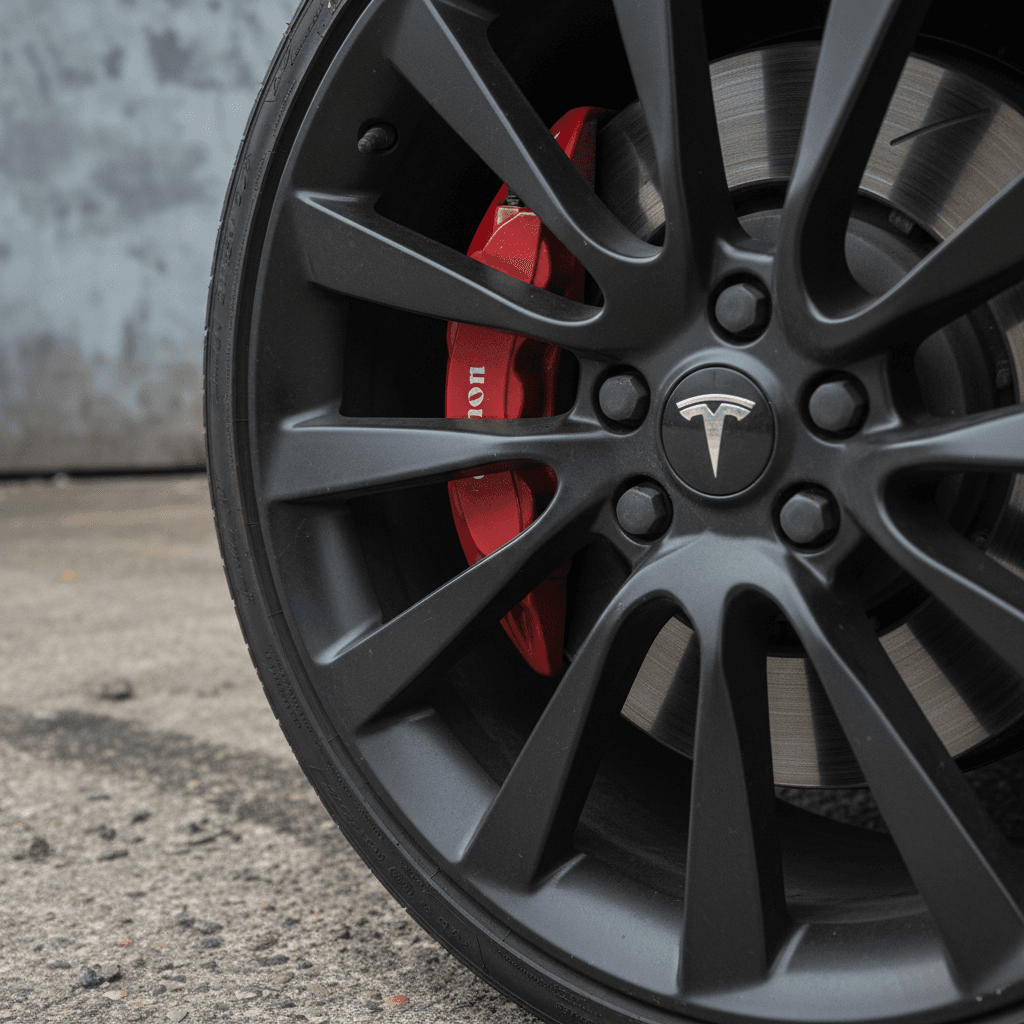
Wheel and tire choices also deserve attention because replacement cost, ride quality, efficiency, and cosmetic damage can vary. Recharged's team has encountered Model Ys with upgraded wheels, wraps, spoilers, interior accessories, and other personalizations. Modifications aren't automatically bad, but they should be inspected carefully and valued according to their condition rather than the original owner's cost.
When we evaluate a used Model Y, the badge is only the start. Equipment, accident repairs, wheel choices, interior condition, and modifications can all affect desirability, so compare the specific vehicle, not just the model name.
Don't count on a federal EV tax credit
What should you check before buying either one?
You should check the battery, charging equipment, accident repairs, tires, electronics, and ownership-transfer process before buying either vehicle. A clean-looking exterior doesn't establish battery condition, and an attractive battery result doesn't erase poor collision work or worn tires. Recharged combines battery diagnostics with fair-market pricing and vehicle-condition information in its Recharged Score Report.
Used electric SUV inspection checklist
Battery report
Review tested remaining capacity and range for the individual vehicle.
Charging test
Confirm the charge port, included equipment, adapter needs, and successful charging.
Tires and wheels
Inspect tread, sidewalls, alignment wear, rim damage, and nonfactory wheel fitment.
Accident repairs
Examine panel alignment, paint quality, sensors, cameras, and repair documentation.
Software and accounts
Verify that ownership can transfer cleanly and that advertised features remain with the car.
Price and financing
Compare the out-the-door amount, rate, term, fees, and condition, not only the payment.
For the Model Y, pay particular attention to whether advertised software or optional equipment transfers with the vehicle. For the Mach-E, verify charging compatibility and equipment for the networks you intend to use. With either SUV, complete the account setup and confirm that charging, navigation, phone pairing, cameras, and driver-assistance systems work before delivery.
Instant offer, trade-in, or consignment. Pickup available.
Frequently asked questions
The final verdict
The Model Y wins this comparison for most shoppers because its technology-centered experience, charging environment, and used-market presence make it a practical all-rounder. The Mustang Mach-E remains a compelling alternative for drivers who prefer familiar controls and a more conventional cabin personality. Whichever one you choose, let the individual vehicle's battery health, condition, equipment, and total price make the final decision.