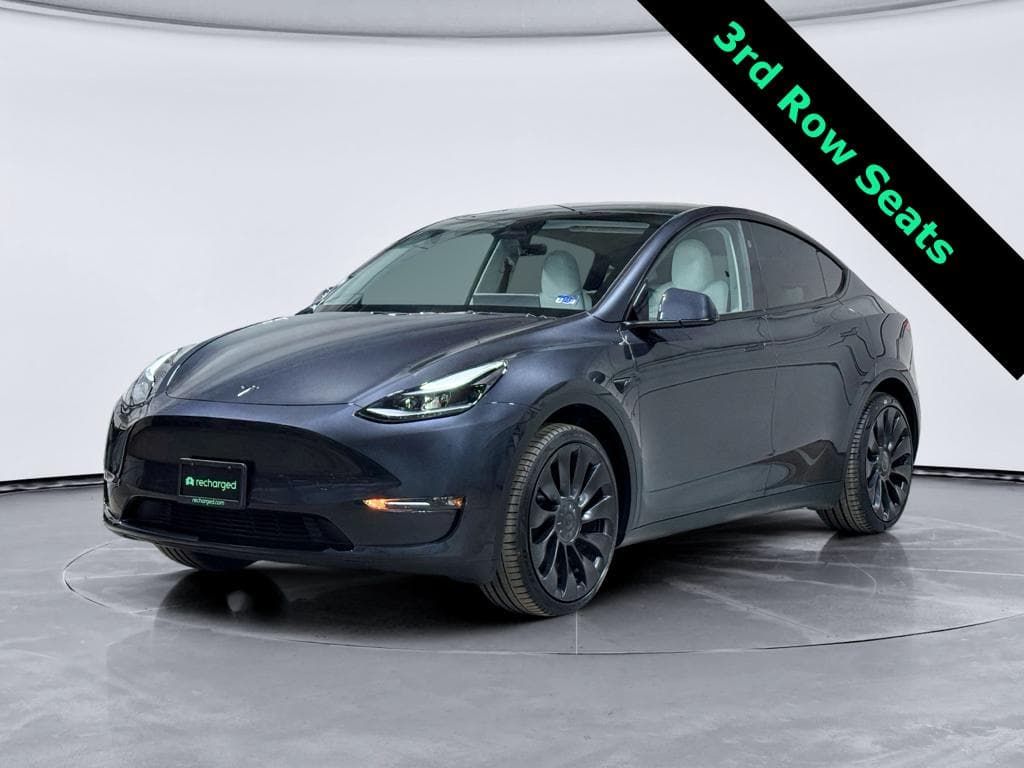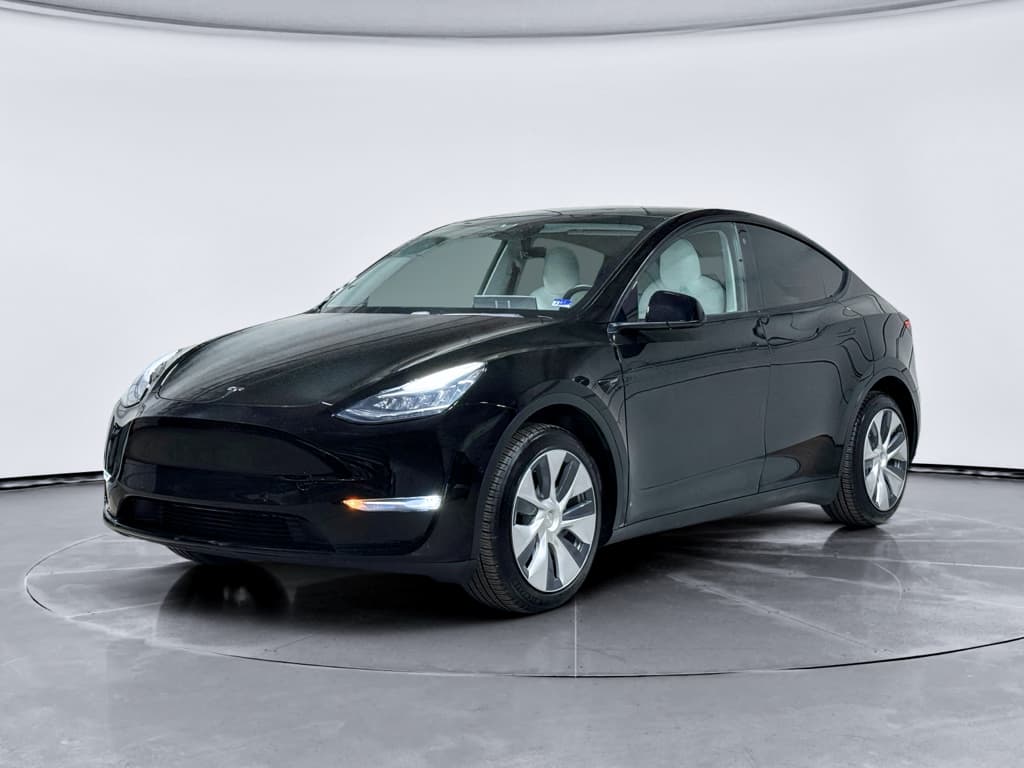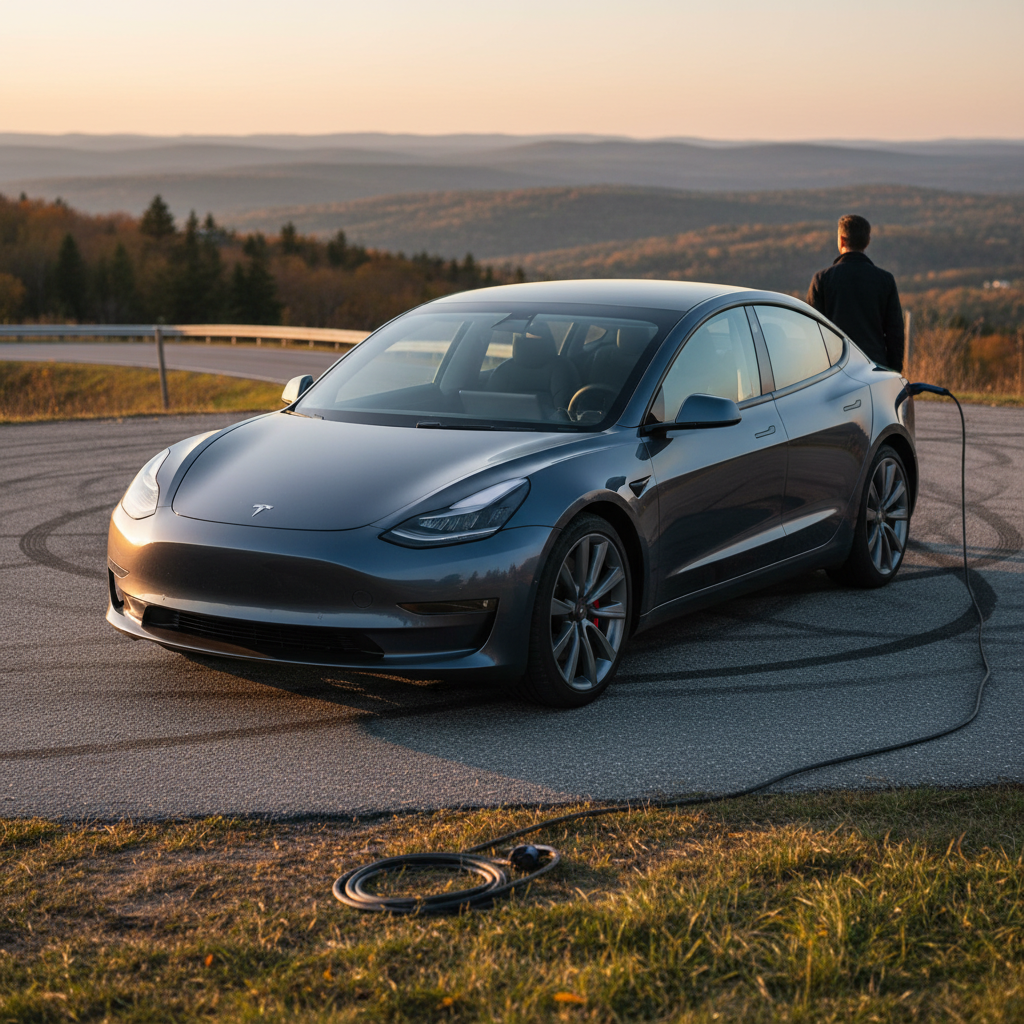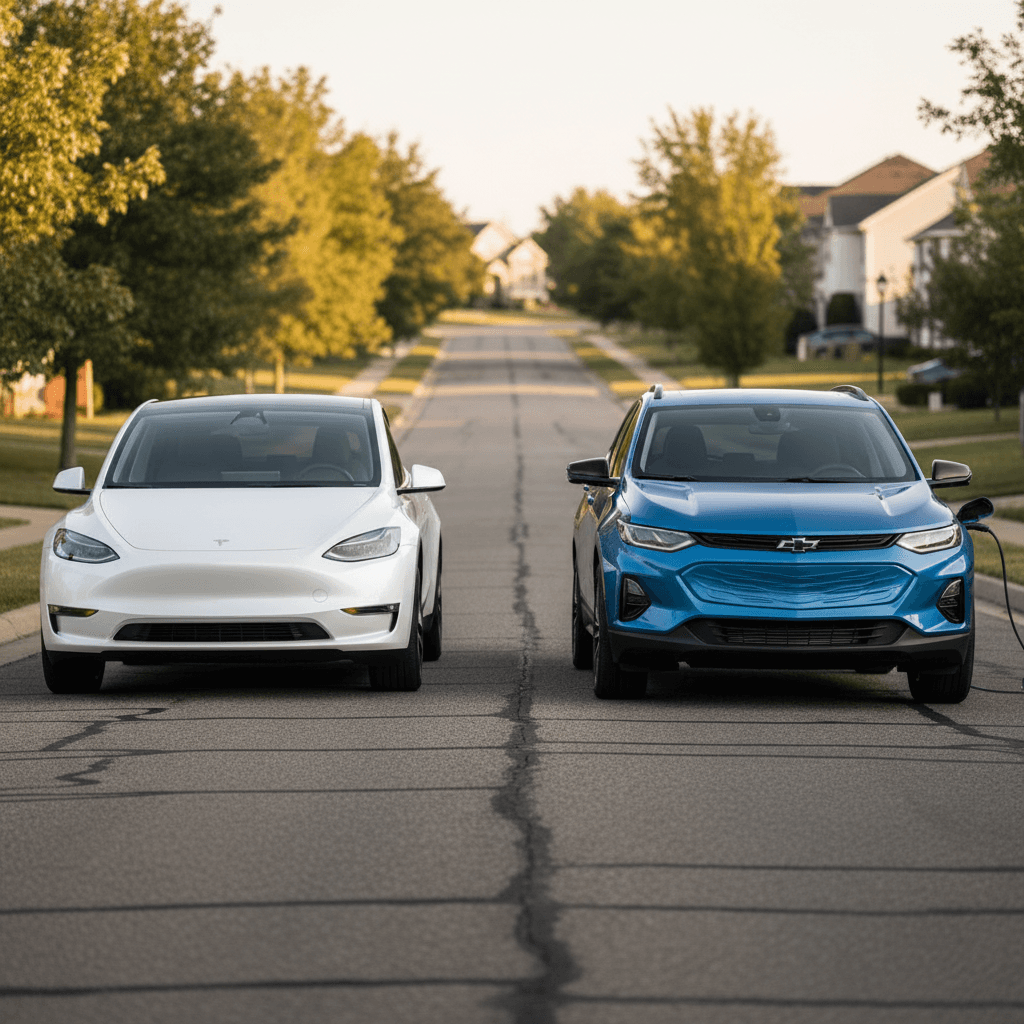
If you’re shopping for a family-size electric SUV, the **Tesla Model Y vs. Chevy Equinox EV** matchup is probably on your short list. One is the longtime EV best-seller with incredible charging access; the other is a sharp new entry that undercuts Tesla on price while offering genuinely competitive range.
Two different roads to the same goal
Overview: Tesla Model Y vs. Chevy Equinox EV
Think of the **Tesla Model Y** as the known quantity: a slightly tall hatchback with strong acceleration, a huge charging network, and years of real-world data behind it. The **Chevy Equinox EV** is the newcomer, positioned as "the affordable long-range EV" with a starting price in the mid-$30,000s and up to about 319 miles of EPA-estimated range for front-wheel-drive models.
- Model Y strengths: range, performance, access to Tesla’s Supercharger network, over-the-air software features, strong resale value.
- Equinox EV strengths: lower starting price, competitive range, more traditional SUV feel, big 17.7-inch touchscreen, eligibility for federal tax credits (for many buyers).
- Biggest difference: Tesla leans into speed and software; Chevy leans into value and familiarity.
How to read this comparison
Quick Specs: Tesla Model Y vs. Equinox EV
Core Specs at a Glance
Key numbers for typical trims that most shoppers cross-shop, not every possible configuration.
| Spec | Tesla Model Y (recent Long Range / Premium) | Chevy Equinox EV (FWD LT / 2LT) |
|---|---|---|
| EPA-estimated range | Roughly 320–350 miles depending on wheels and year | Up to about 319 miles (FWD), around 300 miles (AWD) |
| Drivetrain | RWD or dual‑motor AWD | Single‑motor FWD or dual‑motor eAWD |
| 0–60 mph (typical trims) | ~4.5–6.0 seconds; Performance near 3.5 | ~7.5 seconds FWD; just under 6.0 seconds AWD |
| DC fast‑charge peak | ~225 kW on recent models | Up to about 150 kW |
| Onboard AC charging | Up to 11.5 kW | Up to 11.5 kW |
| Infotainment screen | 15.4" center touchscreen | 17.7" center touchscreen |
| Cargo volume (rear seats folded) | Around 75 cu ft plus front trunk | About 57 cu ft (no frunk) |
| Typical new starting price (before incentives) | Around low‑to‑mid $40,000s for base, more for Long Range/Performance | Around mid‑$30,000s for base LT1 FWD |
Always check the exact trim year and options, especially if you’re looking at a used Tesla Model Y.
Value & Range Highlights
Specs can vary widely by year and trim
Price, Incentives & Value
On paper, **Chevy wins the affordability game**. Recent pricing for the **Equinox EV** puts the LT1 front‑wheel‑drive model in the mid‑$30,000s before destination, with higher LT and RS trims pushing toward the mid‑$40,000s when you pile on options. By contrast, various **Tesla Model Y** trims typically start in the low‑to‑mid‑$40,000s and climb from there, especially if you add dual‑motor all‑wheel drive or a Performance package.
How Pricing Really Shakes Out
New vs. used, incentives, and total value over time.
New Chevy Equinox EV
Pros: Lower MSRP, especially on LT1 FWD; many buyers qualify for the full federal EV tax credit (subject to current rules), which can effectively knock thousands off the price. Traditional dealer discounts may still be on the table.
Cons: Well‑equipped AWD trims can creep into the $40,000s and even the $50,000s. Dealer markups or add‑ons can narrow the gap to Tesla faster than you’d expect.
New or Used Tesla Model Y
Pros: Strong resale value, especially on dual‑motor models; proven track record; huge charging network baked into the ownership value. On the used market, you can often find a well‑optioned Model Y for **similar money to a new Equinox EV**.
Cons: New pricing is typically higher, and depending on current incentive rules you may not get the same tax credit benefit as you would with an eligible new Equinox EV.
Stretching your budget with a used Model Y
Real-World Range & Charging Experience
Range used to be Tesla’s runaway advantage. Today, the **Equinox EV has narrowed the gap**, especially in its front‑wheel‑drive versions. Where the Model Y Long Range or Premium trim typically lives in the low‑to‑mid‑300‑mile range depending on wheels, the Equinox EV FWD posts a very similar EPA estimate of around 319 miles. The real divergence shows up at fast chargers and on road trips.
Charging the Tesla Model Y
- DC fast charging: Recent Model Y trims can accept around 225 kW at a Tesla Supercharger in ideal conditions.
- Network access: You get seamless access to Tesla’s Supercharger network, still the most stress‑free long‑distance option in North America.
- Home charging: Like most EVs, the Model Y supports up to 11.5 kW Level 2 charging, roughly 30–40 miles of range per hour on a 240V circuit.
Charging the Chevy Equinox EV
- DC fast charging: Peaks around 150 kW, adding roughly 70–80 miles in about 10 minutes under ideal conditions.
- Network options: Uses the industry‑standard connectors and offers a NACS adapter for many Tesla Superchargers, plus access to other large networks through apps and GM’s ecosystem.
- Home charging: Similar 11.5 kW onboard charger, so overnight fills from a 240V Level 2 charger are no problem.
Road‑trip confidence
Performance, Ride & Everyday Driving
Tesla has always treated the Model Y like a performance hatchback disguised as an SUV. Even its "normal" trims feel quick. The Equinox EV, especially in front‑wheel‑drive form, plays the calm, sensible family crossover instead of the quarter‑mile hero.
How They Drive: Personality Check
Same category, very different character.
Tesla Model Y
Acceleration: Brisk to downright shocking. Dual‑motor versions can do 0–60 mph in the 4‑second range, with Performance trims getting near supercar territory.
Ride & handling: Firm and sporty, especially on larger wheels. Great for drivers who like precision; less great if you live on broken pavement.
Equinox EV FWD
Acceleration: Adequate but not thrilling. The single‑motor FWD setup is tuned for efficiency and comfort, not drag‑strip glory.
Ride & handling: Softer and more compliant, closer to a traditional compact SUV. Easy to live with in the city and suburbs.
Equinox EV eAWD
Acceleration: With dual motors, the Equinox EV sharpens up, dipping under roughly 6 seconds to 60 mph in many tests.
Ride & handling: Still more comfort‑oriented than the Tesla, with better traction in poor weather but not the same razor‑sharp feel.
Which one feels more "normal"?
Interior Space, Cargo & Family Practicality
Both of these EVs are sized right in the heart of the compact SUV segment, but they carve up their space differently. The Model Y leans into minimalist design and hidden storage; the Equinox EV presents a more traditional dashboard with physical controls plus a giant touchscreen.
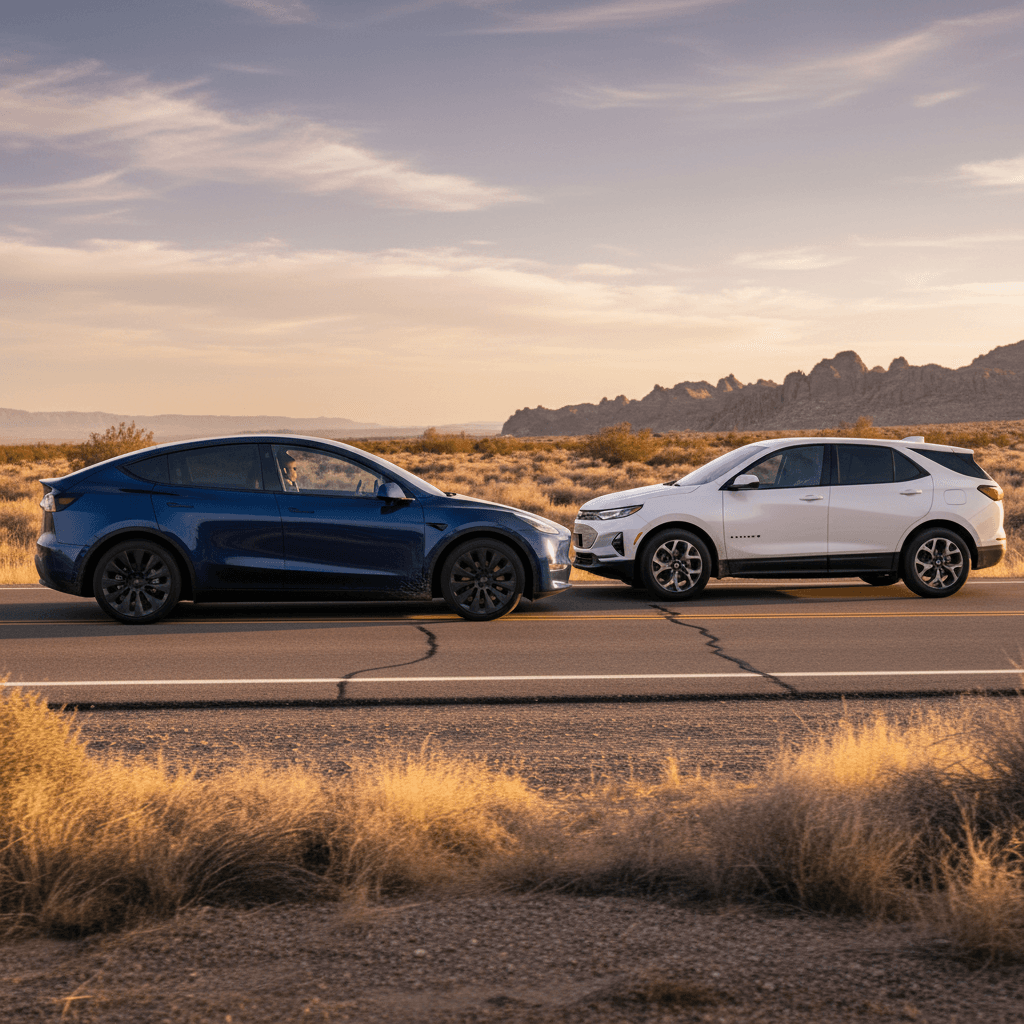
Tesla Model Y Practicality
- Cargo: Around 75 cubic feet with seats folded, plus a useful front trunk and deep under‑floor rear storage.
- Seating: Comfortable for four adults; the optional third row on some years is kid‑only and best for short trips.
- Cabin feel: Big glass area and minimal clutter make it airy, but nearly everything is controlled through the central touchscreen.
Chevy Equinox EV Practicality
- Cargo: Around 57 cubic feet with seats folded, solid for the class but notably less than the Tesla when you include the frunk.
- Seating: Two‑row, five‑seat layout with a straightforward back seat and easy car‑seat access.
- Cabin feel: More conventional SUV: a big 17.7‑inch screen, but still familiar stalks, buttons, and knobs where you expect them.
Family‑friendly details to check in person
Tech, Safety & Driver Assistance
Modern EVs are rolling computers, and these two are no exception. Tesla’s approach is software‑first with constant over‑the‑air updates and very few physical buttons. Chevy’s approach is to blend a huge touchscreen with a more traditional control layout and familiar safety suite.
Tech & Safety Highlights
Autopilot vs. Super Cruise, apps vs. familiarity.
Tesla Model Y Tech
- Interface: 15.4‑inch central screen controls almost everything, from climate to wipers to navigation.
- Driver assistance: Autopilot is standard; Enhanced Autopilot and Full Self‑Driving (Supervised) are optional software upgrades on many years.
- Updates: Frequent over‑the‑air updates add features, tweak range predictions, and even change driving behavior over time.
Equinox EV Tech
- Interface: 17.7‑inch touchscreen with Google Built‑In, plus conventional controls for core tasks.
- Driver assistance: Chevy Safety Assist active‑safety features standard; Super Cruise hands‑free driving available on higher trims or option packages.
- Updates: Over‑the‑air capability exists, but the ecosystem isn’t as mature as Tesla’s, yet.
Hands‑free vs. "self‑driving", read the fine print
Ownership Costs & Used Market Reality
Beyond sticker price, you’ll live with insurance, maintenance, electricity, and, eventually, resale value. The Model Y has a multi‑year head start here, which matters if you’re looking at a used example or planning to keep the vehicle for a long time.
Key Ownership Questions to Ask Yourself
1. How long do you plan to keep it?
If you’re a three‑year turn‑it‑in type, lease deals and tax incentives on a new Equinox EV may swing the math. If you plan to keep an EV for seven to ten years, Tesla’s longer track record and strong resale are worth factoring in.
2. Do you road‑trip regularly?
If you drive more than a couple of long trips per year, the Model Y’s combination of range and Supercharger access is a real quality‑of‑life advantage. If you stay local, the Equinox EV’s slightly slower fast‑charging won’t matter much.
3. Are you comfortable buying used?
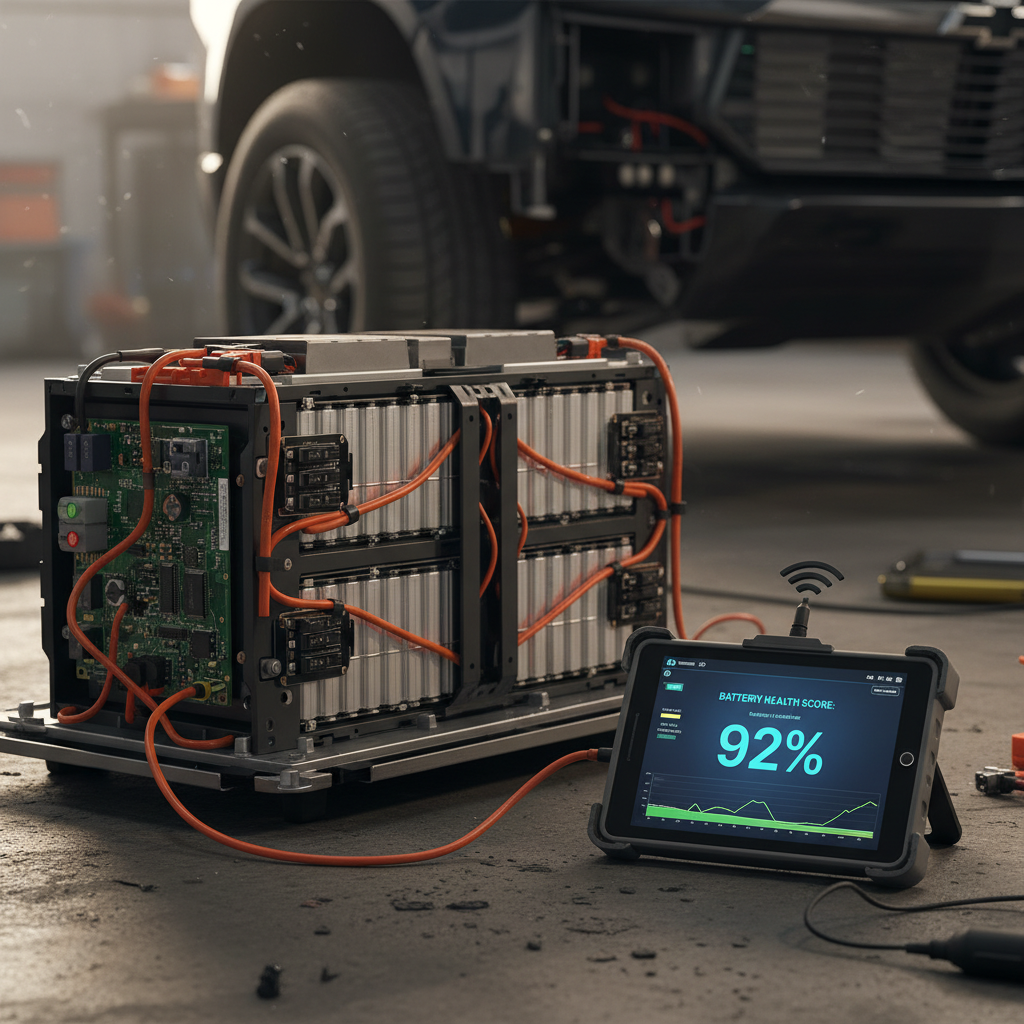
A used Model Y can deliver Tesla range and charging performance at Equinox‑like prices. Look for marketplaces that provide **independent battery health data**, like Recharged’s Score Report, so you’re not guessing about prior fast‑charging habits or degradation.
4. Home charging vs. public
If you can install a Level 2 charger at home, both vehicles become far cheaper to run than gas. If you’ll rely mostly on public chargers, pay extra attention to network coverage where you live and work.
The battery is the ballgame
Which EV SUV Should You Choose?
Put simply, **the Chevy Equinox EV wins on up‑front affordability and familiarity**, while **the Tesla Model Y wins on performance, charging ecosystem, and long‑proven EV experience**. Neither is the wrong answer, but one is likely a better fit for how you live.
Best Fit: Tesla Model Y vs. Chevy Equinox EV
Choose the Tesla Model Y if…
You road‑trip several times a year and want the simplest, fastest charging experience via Tesla Superchargers.
You value quick acceleration and a sportier driving feel more than a pillowy ride.
You’re comfortable with a mostly screen‑based interface and over‑the‑air changes to your car’s behavior.
You’re open to a **used Model Y** from a trusted marketplace like Recharged to bring the price closer to a new Equinox EV while keeping the Tesla advantages.
Choose the Chevy Equinox EV if…
You want the lowest possible monthly payment on a new EV SUV and plan to leverage available tax credits or dealer incentives.
You prefer a more traditional SUV cabin, with familiar controls plus a big screen, not a totally screen‑only experience.
You’re mainly driving around town and commuting, with only occasional long‑distance trips.
You like the idea of an American‑brand SUV that happens to be electric, not an EV that feels like a spaceship.
If you’re still torn, drive both. Bring the kids, your daily cargo, and your must‑have tech checklist. Then look at the numbers for your reality, new vs. used, tax credits, charging where you live. Recharged can help you compare **used Tesla Model Y listings with verified battery health and transparent pricing**, so you can see exactly how a lightly used Tesla stacks up against a factory‑fresh Equinox EV. The best electric SUV for you isn’t the one that wins a spec sheet; it’s the one that makes every mile, school runs, Costco hauls, road trips, simpler and more satisfying.