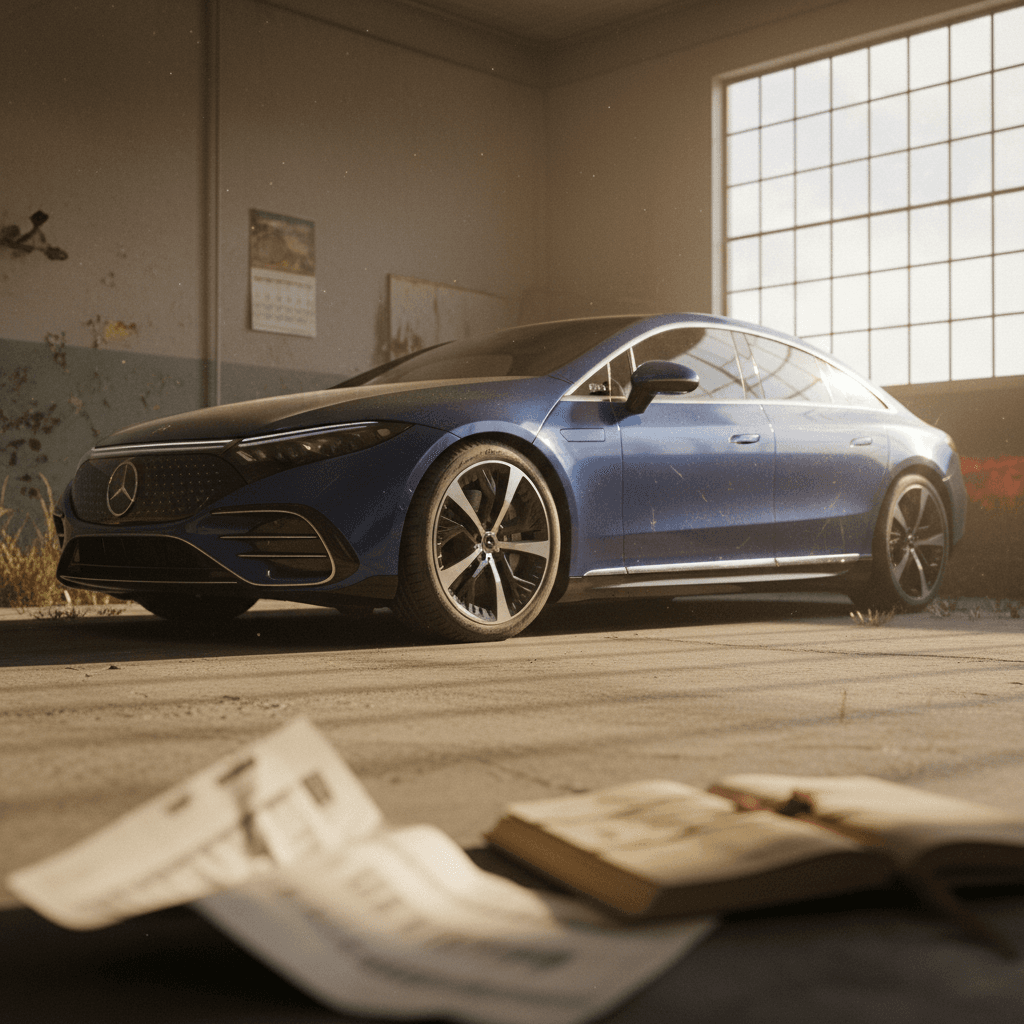
If you’ve looked at used listings lately, you’ve probably noticed something striking: the Mercedes EQS depreciation rate is steep, much steeper than most buyers expected when this flagship EV launched. That’s painful if you bought new, but it can be a huge opportunity if you’re shopping used in 2026.
Key takeaway up front
Overview: How Fast Does the Mercedes EQS Depreciate?
To put the Mercedes EQS depreciation rate in context, it helps to remember two things: first, all luxury cars depreciate faster than mainstream models, and second, EVs currently depreciate faster than gas cars. Combine those two traits, luxury and electric, and you have a model that can lose value quickly.
Mercedes EQS & Luxury EV Depreciation at a Glance
Those are averages, not guarantees, but they paint a consistent picture: the EQS sheds value quickly early on, then levels off. For shoppers, that means buying nearly new can be risky, while buying 2–4 years old can be extremely attractive.
The Numbers: Mercedes EQS Depreciation by Year
Let’s translate the Mercedes EQS depreciation rate into something you can actually use. Using cost‑to‑own data and recent market examples, here’s a simplified view of how a typical EQS sedan might depreciate in the U.S. market.
Illustrative Mercedes EQS Depreciation Curve
Approximate value trajectory for a well‑equipped EQS sedan with an original MSRP around $105,000, assuming typical mileage and condition.
| Age of Vehicle | Approx. Value | Total Depreciation From New | Share of Original Value |
|---|---|---|---|
| Brand new (MSRP) | $105,000 | , | 100% |
| 1 year old | $55,000–$60,000 | $45,000–$50,000 | ~55–60% |
| 3 years old | $42,000–$46,000 | $59,000–$63,000 | ~40–44% |
| 5 years old | $40,000–$45,000 | $60,000–$65,000 | ~35–43% |
Real‑world values will vary by trim, options, mileage, and market conditions, but the pattern, steep early drop, then slower losses, is consistent.
Depreciation isn’t a straight line
Independent market trackers have highlighted the EQS specifically as a heavy depreciator, with one 2024 study showing an average 48.7% drop in just one year, more than most rivals. Separate cost‑to‑own analysis of the 2025 EQS projects a roughly $59,864 loss over five years, which lines up with what we’re seeing in real‑world asking prices today.
Why Luxury EVs Like the EQS Depreciate So Fast
6 Big Forces Behind the Mercedes EQS Depreciation Rate
Some you can’t control, some you can work around as a buyer.
Rapid Tech Obsolescence
High Original MSRP
Soft Luxury EV Demand
Incentives & Pricing Shifts
Range & Efficiency Competition
Niche Appeal & Reputation
Luxury + EV = double whammy
Mercedes EQS vs Tesla Model S & Other Luxury EV Depreciation
You might be wondering how the Mercedes EQS depreciation rate stacks up against other high‑end EVs like the Tesla Model S, Porsche Taycan, and Audi’s big electric SUVs. The short answer: they’re all depreciating hard, but the EQS is near the sharp end of the curve.
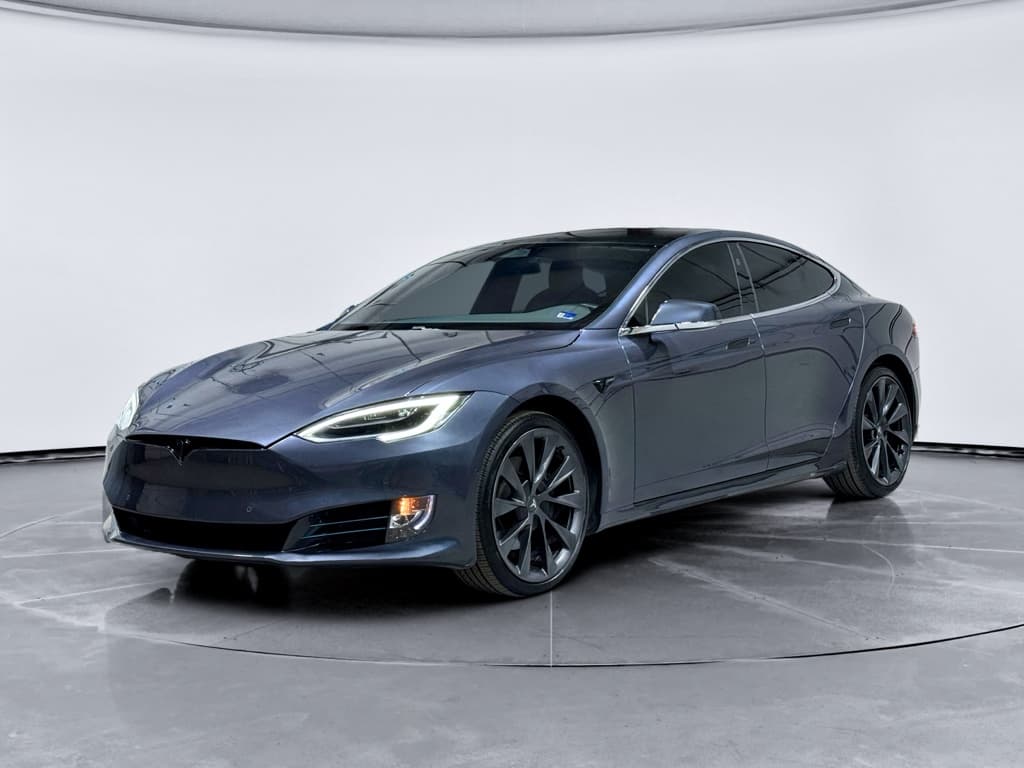
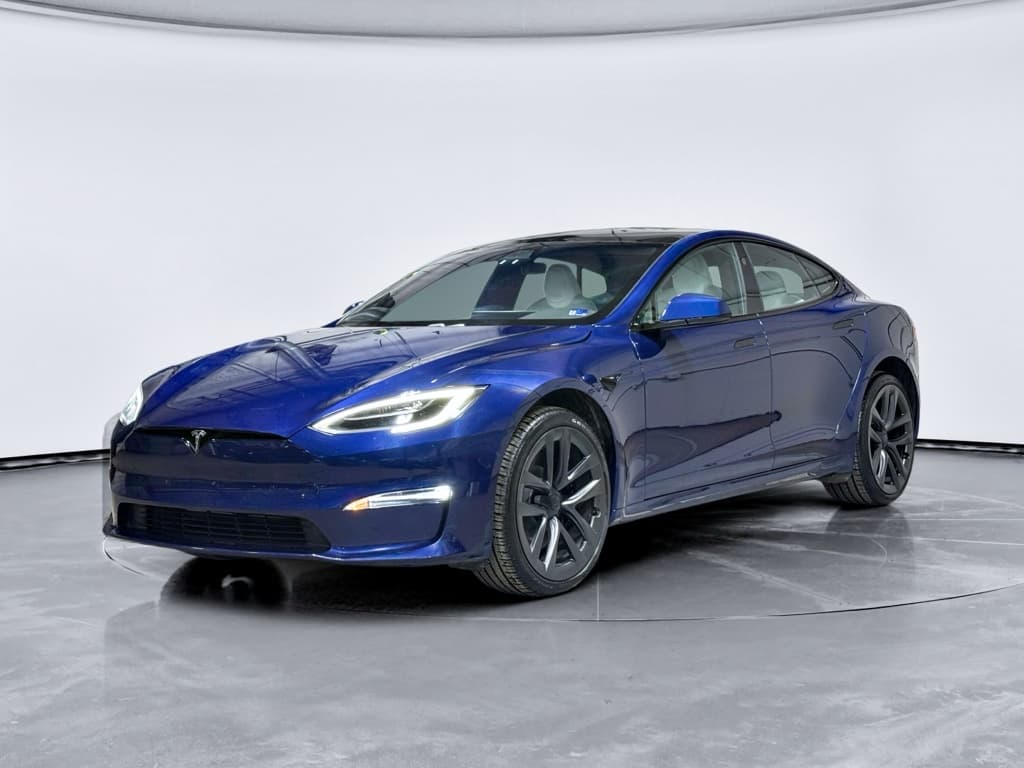
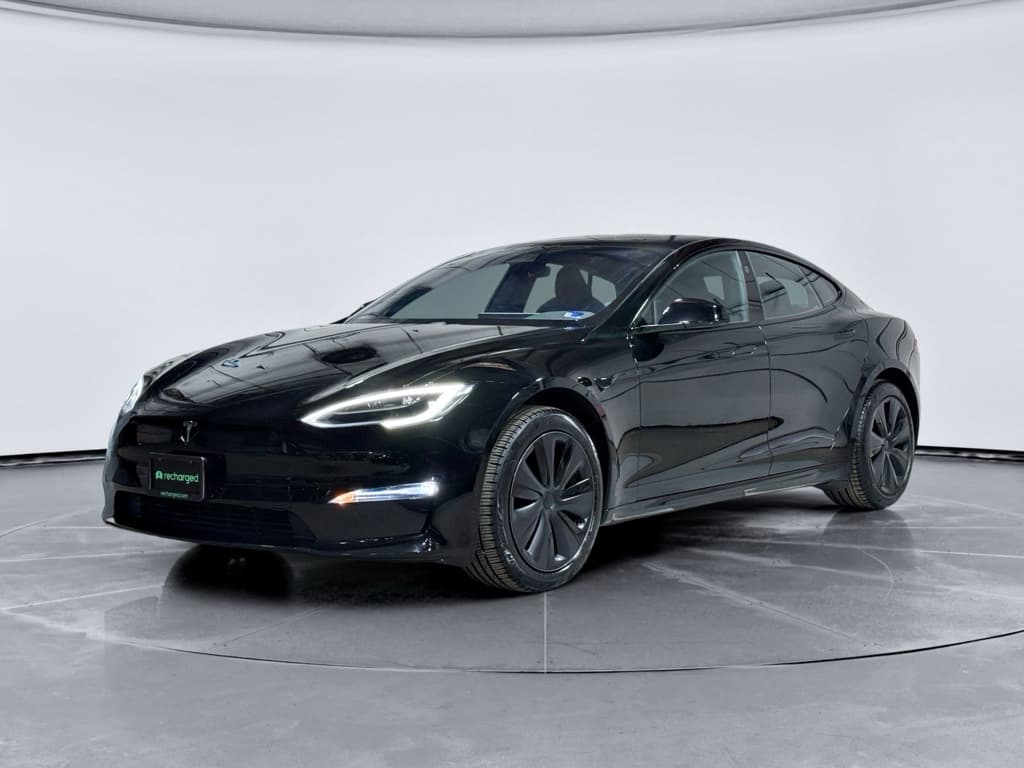
Tesla Model S
- Recent analyses show a five‑year drop in the low‑60% range for some Model S examples, not far off the EQS.
- Used Model S prices have fallen enough that, for the first time, average used Teslas sit below the overall used‑car market average.
- Tesla’s stronger brand recognition and Supercharger access can help demand, but frequent new‑car price cuts have also dragged used values down.
Other Luxury EVs
- Analysts regularly flag vehicles like the Jaguar I‑Pace, Audi Q8 e‑tron, and Porsche Taycan as some of the worst five‑year performers in the market.
- In one ranking of used EV deals, the EQS showed an estimated ~60.6% value drop over five years, putting it right alongside the Taycan and ahead of some Teslas.
- Takeaway: fast depreciation isn’t unique to Mercedes; it’s a luxury EV story more broadly.
Good news for used buyers
What This Means If You Buy a Used Mercedes EQS
For used shoppers, the Mercedes EQS depreciation rate flips from liability to opportunity. Instead of absorbing a $60,000 loss yourself, you can let the first owner do that, and step into a car that still feels fresh, with many of the original luxury features intact.
Smart Playbook for Buying a Used EQS
1. Target the sweet spot: 2–4 years old
By the time an EQS is 2–4 years old, the worst depreciation is usually behind it. You’re often paying roughly 40–55% of original MSRP while still getting current‑looking tech, long range, and a modern interior.
2. Prioritize battery health documentation
Battery condition is the single biggest unknown on a used EV. Look for a <strong>verified battery‑health report</strong>, like the Recharged Score, to understand remaining capacity and fast‑charging performance before you buy.
3. Compare EQS to rivals on total cost
Don’t just compare sticker prices. Factor in <strong>warranty status, expected maintenance, insurance, and charging costs</strong>. A cheaper Model S or Taycan with out‑of‑warranty repairs looming can cost more overall than a slightly higher‑priced EQS still under coverage.
4. Be cautious with ultra‑cheap examples
A deeply discounted EQS can be a steal, or a headache. High mileage, accident history, rapid‑charging abuse, or pending battery issues can all explain a bargain‑basement price. Always insist on <strong>independent inspection and a detailed vehicle history</strong>.
5. Decide how long you’ll keep it
If you plan to drive the car for 6–8 years, today’s steep depreciation matters less. But if you tend to swap cars every 2–3 years, understand that your <strong>exit value will also be on the low side</strong> with any luxury EV, EQS included.
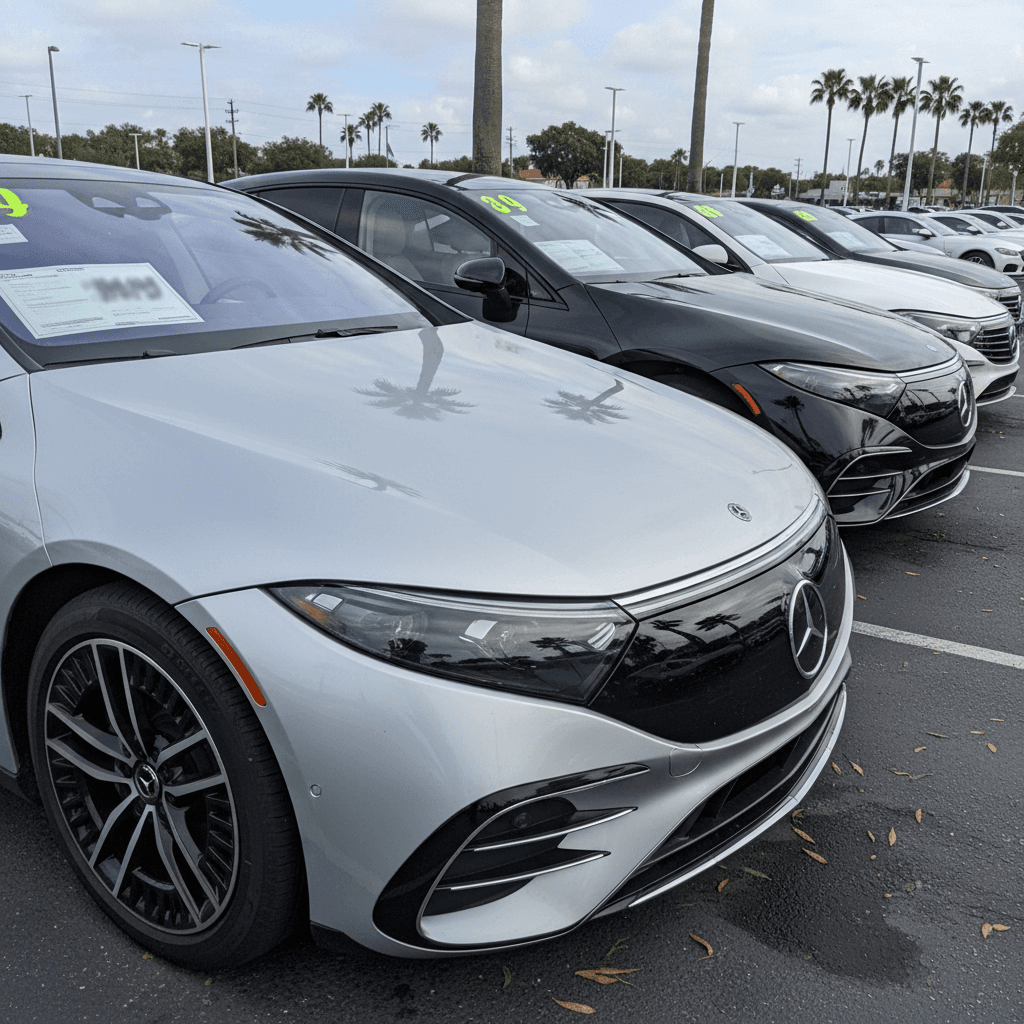
Protecting Resale Value If You Already Own an EQS
If you bought your EQS new, or nearly new, you can’t rewind the depreciation clock. But you can still influence what it’s worth when you’re ready to move on.
Ways to Cushion EQS Depreciation
You can’t beat the market, but you can stand out within it.
Stay on top of maintenance
Mind your mileage
Preserve cosmetics
Protect the battery
Time your exit
Choose the right selling channel
Thinking about getting out of your EQS?
Battery Health: The Hidden Driver of EQS Value
On paper, two used EQS sedans from the same model year can look identical. In reality, battery health can make one worth thousands more than the other. That’s especially true as these cars move out of their original warranties and buyers become more sensitive to long‑term pack performance.
- A healthier pack typically means more usable range today and slower degradation in the future.
- Fast‑charging behavior is affected by battery condition; some high‑mileage packs taper earlier and charge more slowly.
- Warranty coverage for the traction battery is tied to time and mileage; buyers will pay more for EQS examples solidly within coverage and showing strong diagnostics.
- Unknown battery condition increases perceived risk, which pushes prices down or lengthens time‑to‑sell.
Why buying blind is risky
This is exactly why Recharged builds a Recharged Score Report into every vehicle we sell. It includes verified battery diagnostics, pricing that reflects true condition, and EV‑specialist guidance, so you’re not guessing about the single most expensive component in the car.
How Recharged Helps You Shop Smart for a Used EQS
Given how fast the Mercedes EQS depreciates, buying used is often the smartest way to enjoy this flagship EV. The challenge is separating the true values from the too‑good‑to‑be‑true listings. That’s where a purpose‑built EV marketplace can make a real difference.
Shopping for a Used EQS with Recharged
Turn steep depreciation into an advantage, not a risk.
Transparent Recharged Score
Fair, data‑driven pricing
EV‑specialist guidance
Nationwide delivery
Financing & trade‑in support
Experience Center in Richmond, VA
Ready to find your next EV?
Browse VehiclesFAQ: Mercedes EQS Depreciation Rate
Frequently Asked Questions About Mercedes EQS Depreciation
Bottom Line: Is a Used Mercedes EQS Worth It?
If you only look from the perspective of the first owner, the Mercedes EQS depreciation rate is brutal. But if you’re entering the market today as a used buyer, that same curve becomes your ally. You can step into a quietly opulent, long‑range flagship EV for the price of a new midsize crossover, provided you choose carefully.
Focus on 2‑ to 4‑year‑old examples, insist on clear battery‑health documentation, and compare total cost of ownership, not just the asking price, against alternatives like the Model S, Taycan, and high‑end gas sedans. And if you’d rather not decode all of that alone, a marketplace built for used EVs, like Recharged, can stack the deck in your favor with verified battery diagnostics, fair market pricing, financing, trade‑in support, and EV‑specialist guidance from start to finish.