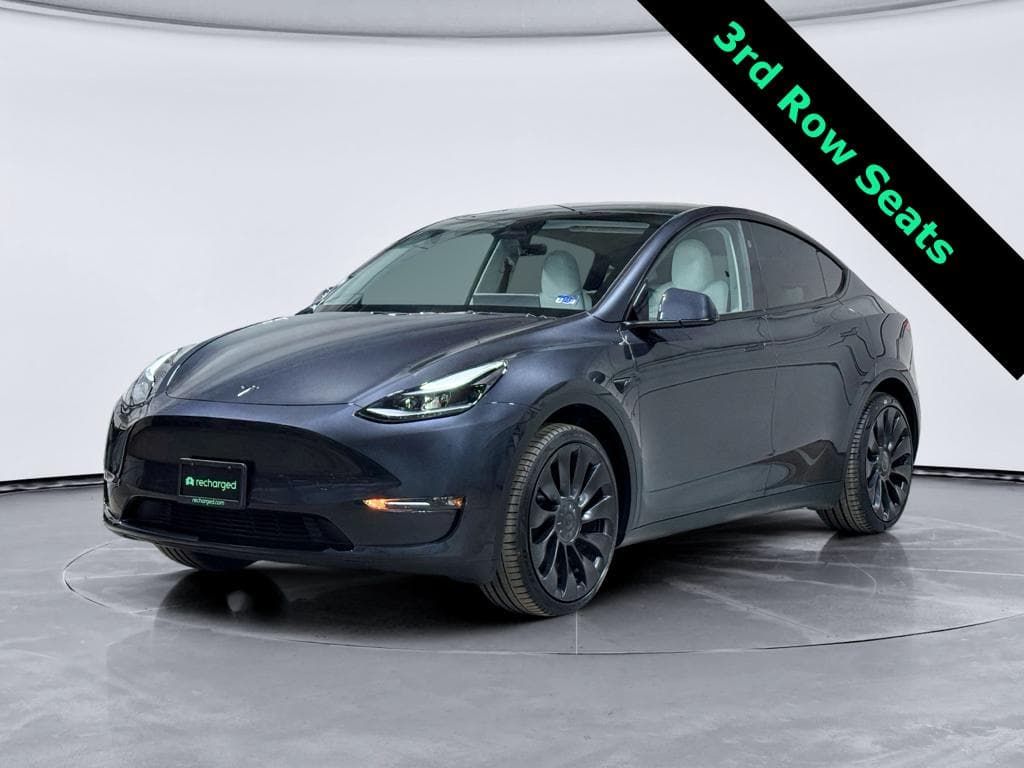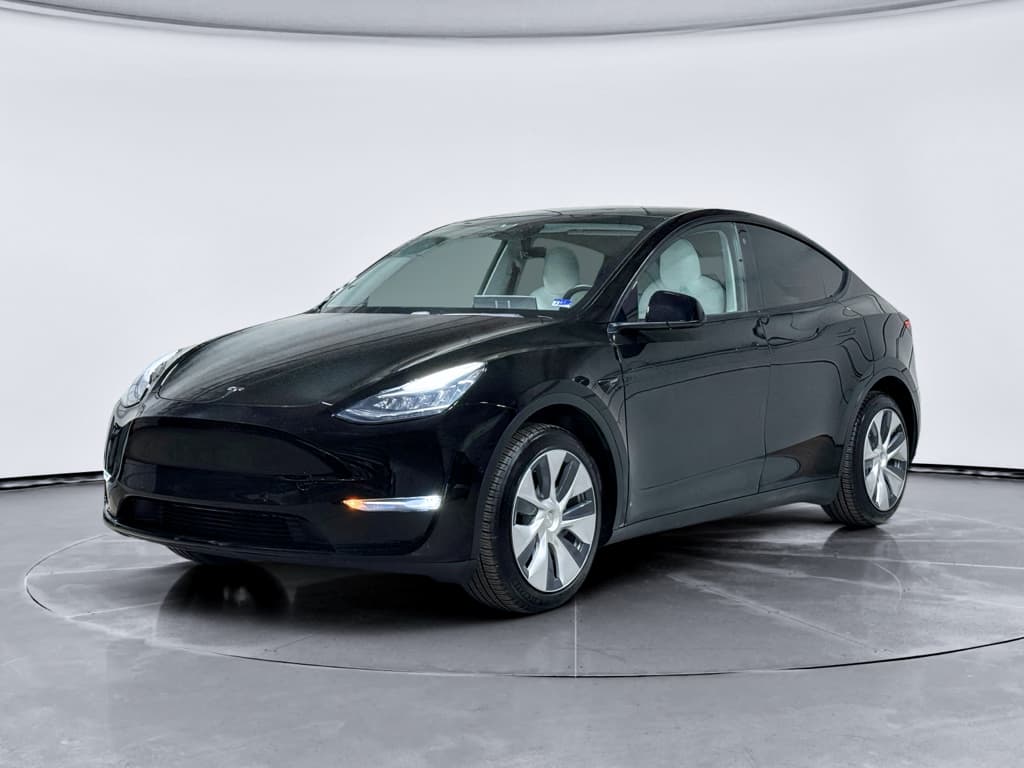
Shopping between the Tesla Model Y and the Chevy Blazer EV puts you right in the heart of today’s electric SUV market. Both are stylish, quick, and packed with tech, but they take very different approaches to range, charging, and everyday usability. If you’re trying to decide which one actually fits your life (and your budget), this comparison will walk you through it in plain English.
Quick Take
Tesla Model Y vs. Chevy Blazer EV: Who Each SUV Is For
Tesla Model Y: The Rational All‑Rounder
- Best for: Drivers who prioritize range, charging convenience, and proven ownership experience.
- Why people choose it: Efficient, roomy, widely available used, and supported by Tesla’s massive Supercharger network.
- Typical buyer: Commuters, road‑trippers, families who want low hassle and high practicality.
Chevy Blazer EV: The Bold Tech SUV
- Best for: Drivers who want standout styling, a big techy dash, and serious performance potential.
- Why people choose it: Muscular design, large 17.7‑inch touchscreen, available Super Cruise, and very strong power in upper trims.
- Typical buyer: Style‑forward shoppers who want something different from the Teslas in every parking lot.
Used vs. New Matters Here
Key Specs at a Glance: Tesla Model Y vs. Chevy Blazer EV
Core Specs: 2024–2025 Tesla Model Y vs. 2025 Chevy Blazer EV
Representative trims for U.S. buyers. Exact figures vary by wheel size, options, and model year.
| Spec | Tesla Model Y Long Range AWD | Chevy Blazer EV RS / SS |
|---|---|---|
| EPA Range (mi) | ~310–327 | ~303 (SS), up to low‑320s depending on trim |
| Battery Capacity | ~75–80 kWh (est.) | 85–102 kWh (trim‑dependent) |
| DC Fast‑Charge Peak | Up to 250 kW | Up to ~190 kW |
| Miles Added (Ideal Fast Charge) | Up to ~165–170 mi in 15 min | About 70–80 mi in 10 min |
| Drivetrain | Dual‑motor AWD (plus some RWD variants) | AWD; early RWD trims, now simplified |
| Horsepower Range | ~280–450+ hp depending on trim | ~288 hp (AWD) up to ~600+ hp (SS) |
| Seats | 5 or optional 7 | 5 |
| Cargo Volume (max) | Around 76 cu ft | Mid‑size SUV cargo; less than Model Y |
| Connector | NACS (Tesla standard) | NACS on latest models; earlier CCS1 with adapters |
| Fast‑Charge Network Access | Full native Tesla Supercharger access + adapters | Growing NACS access to Superchargers via connector/adapter |
Use this table to quickly compare the numbers before we unpack how they feel in real life.
How to Read These Specs
Range and Charging: Supercharger vs. Ultium Fast Charging
Range and charging are where the “Tesla Model Y vs Chevy Blazer EV” story really separates. Both can comfortably handle daily driving and weekend getaways, but they approach road‑trip convenience very differently.
Real‑World Range and Charging Experience
Both SUVs can go the distance, but one makes public charging dramatically easier.
Tesla Model Y Range & Charging
- Range: Recent Model Y Long Range trims are rated roughly around 310+ miles, with some configurations reaching into the 320s.
- Efficiency: Tesla is still one of the most efficient EV makers; you often see lower kWh/100 mi than rivals.
- Fast charging: Up to 250 kW on Tesla Superchargers, adding around 165+ miles in about 15 minutes in ideal conditions.
- Network: You get plug‑and‑charge simplicity at thousands of Supercharger stations in the U.S. alone.
Chevy Blazer EV Range & Charging
- Range: 2025 Blazer EV trims land in roughly the high‑200s to low‑300s miles of EPA range; the performance SS manages ~303 miles.
- Battery: Ultium pack (around 85–102 kWh depending on trim) gives plenty of usable capacity.
- Fast charging: Up to about 190 kW; Chevy quotes roughly 70–80 miles in 10 minutes in ideal conditions.
- Network: Uses public DC fast‑charging networks and, on newer NACS‑equipped models, growing access to Tesla Superchargers.
Think About Where You Charge Most
Questions to Answer Before Picking Based on Range
1. How many long trips do you take each year?
If you drive cross‑country or take frequent 300+ mile trips, the Model Y’s combination of range and Supercharger coverage is hard to beat.
2. Will you install Level 2 home charging?
Both SUVs benefit from a 240‑volt home charger. If you’re planning on mostly overnight home charging, either model will feel painless day‑to‑day.
3. Is there reliable public fast charging near you?
In areas without much infrastructure, Tesla’s network can be the difference between easy trips and constant planning.
4. Do you tow or carry heavy loads?
Any EV sees range drop with a rooftop box or trailer. If you expect to tow, lean toward the configuration with more buffer in its rated range.
Performance and Driving Feel
Both the Tesla Model Y and Chevy Blazer EV are properly quick, quicker than most gas SUVs you’ll see in traffic. But they hit that performance in very different ways and with different personalities.
Headline Performance Numbers
How the Tesla Model Y Drives
- Acceleration: Even the “regular” Long Range feels instantly quick; Performance models are legitimately fast.
- Ride & handling: Firm, agile, and a bit busy over broken pavement. It feels more like a tall sport wagon than a cushy SUV.
- Noise: Tesla has steadily improved cabin noise; newer cars feel more refined than early Model Ys.
- Best for: Drivers who enjoy a sporty feel and sharp responses.
How the Chevy Blazer EV Drives
- Acceleration: AWD trims are strong; the SS is downright fierce with well over 500 hp and WOW mode for max thrust.
- Ride & handling: More traditional SUV feel, with a wider stance and solid, confident highway demeanor.
- Braking: Performance‑oriented hardware on higher trims (like big Brembos) gives it a confidence‑inspiring pedal.
- Best for: Drivers who want a muscle‑SUV attitude wrapped in an EV package.
Performance Verdict
Interior Space, Seating, and Everyday Practicality
On school‑run Monday and Costco‑run Saturday, interior design matters a lot more than 0–60 times. Here’s how Tesla Model Y vs. Chevy Blazer EV stack up when you’re actually living with them.
Space and Practicality Comparison
Minimalist utility vs. bold SUV cockpit.
Tesla Model Y Interior & Space
- Seating: Standard 5 seats; some years offered a small third row for 7 passengers (best for kids).
- Cargo: Around 76 cu ft with seats folded, plus a usable front trunk.
- Layout: Ultra‑minimalist, dominated by a single 15‑inch center touchscreen. Very few physical buttons.
- Storage: Deep center console bins, under‑floor storage in the rear, and clever use of space.
Chevy Blazer EV Interior & Space
- Seating: Two rows and five seats; no third‑row option, but good room for adults front and rear.
- Cargo: Competitive mid‑size SUV space, though not as cavernous as the Model Y with seats folded.
- Layout: Traditional SUV cockpit with a huge 17.7‑inch touchscreen and driver‑focused design.
- Controls: Mix of physical controls and on‑screen functions, more familiar to drivers coming from gas SUVs.
Family‑Friendly Details
Tech, Infotainment, and Driver-Assistance
On the technology front, both SUVs lean into software in a big way, but in very different styles. Tesla keeps things simple and tightly integrated. Chevy layers Ultium hardware with Google‑built‑in infotainment and available Super Cruise.
Tesla Model Y Tech
- Displays: 15‑inch center touchscreen that controls almost everything; newer cars add a small rear screen for passengers.
- Interface: Clean, responsive UI with frequent over‑the‑air updates that add features or tweak behavior.
- Driver‑assist: Standard Autopilot (adaptive cruise + lane centering), with optional Enhanced Autopilot and Full Self‑Driving capability on many used cars.
- Apps & extras: Built‑in navigation with Supercharger routing, streaming apps, games, and detailed energy use graphs.
Chevy Blazer EV Tech
- Displays: Large 17.7‑inch central touchscreen plus a separate digital gauge cluster for the driver.
- Interface: Google built‑in with Google Maps, Google Assistant, and access to apps via the Play Store.
- Driver‑assist: Chevy Safety Assist standard (automatic emergency braking, lane‑keeping, etc.), with available Super Cruise for hands‑free driving on mapped highways.
- Apps & extras: Ultium Charge 360 tools to help you find public chargers, plus typical modern GM connected‑services features.
Subscription & Data Fine Print
Reliability, Recalls, and Software Experience
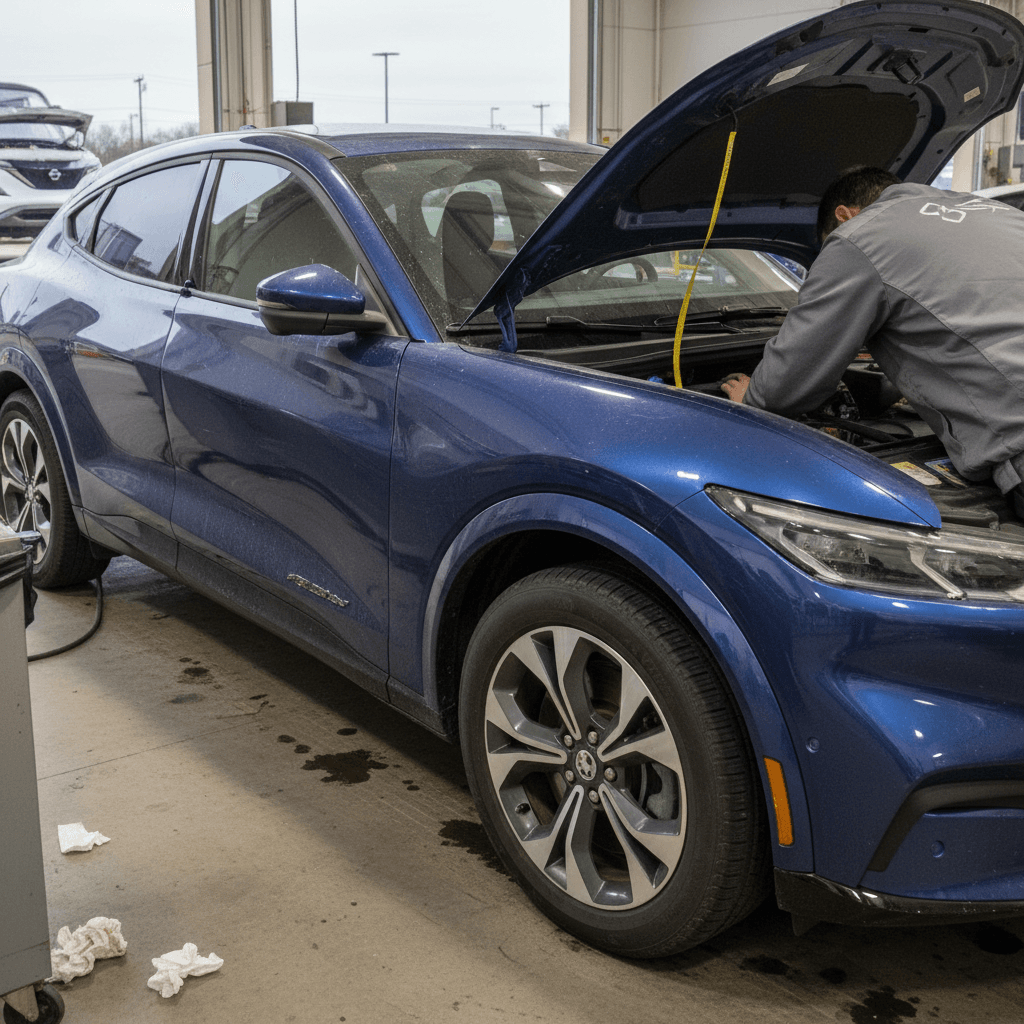
No modern EV is completely drama‑free, and both Tesla and GM lean heavily on software. That’s powerful, but it also means bugs, recalls, and updates are part of the story.
Ownership Experience: The Good, the Bad, and the OTA
Why software and launch history matter when you’re buying used.
Tesla Model Y Reliability Picture
- Track record: Years of volume production and millions of miles on the road. Early build‑quality complaints have improved over time.
- Software: Frequent over‑the‑air updates can fix bugs, tweak range estimates, add features, or change UI.
- Service: Mobile service for many issues; Tesla‑specific service centers can still be sparse in some regions.
- Used market: Plenty of data on battery longevity and common wear items; resale values have historically been strong but are normalizing as more EVs hit the market.
Chevy Blazer EV Reliability Picture
- Newer model: Launched recently on GM’s Ultium platform, with fewer years of real‑world data.
- Recalls & software: Early Blazer EVs have already seen software‑related hiccups and updates, fairly common for first‑wave EVs, but something to watch.
- Dealer network: Large Chevy dealer network is a plus, but EV‑specific expertise can vary store to store.
- Used market: Far fewer pre‑owned examples so far; pricing and long‑term reliability picture are still forming.
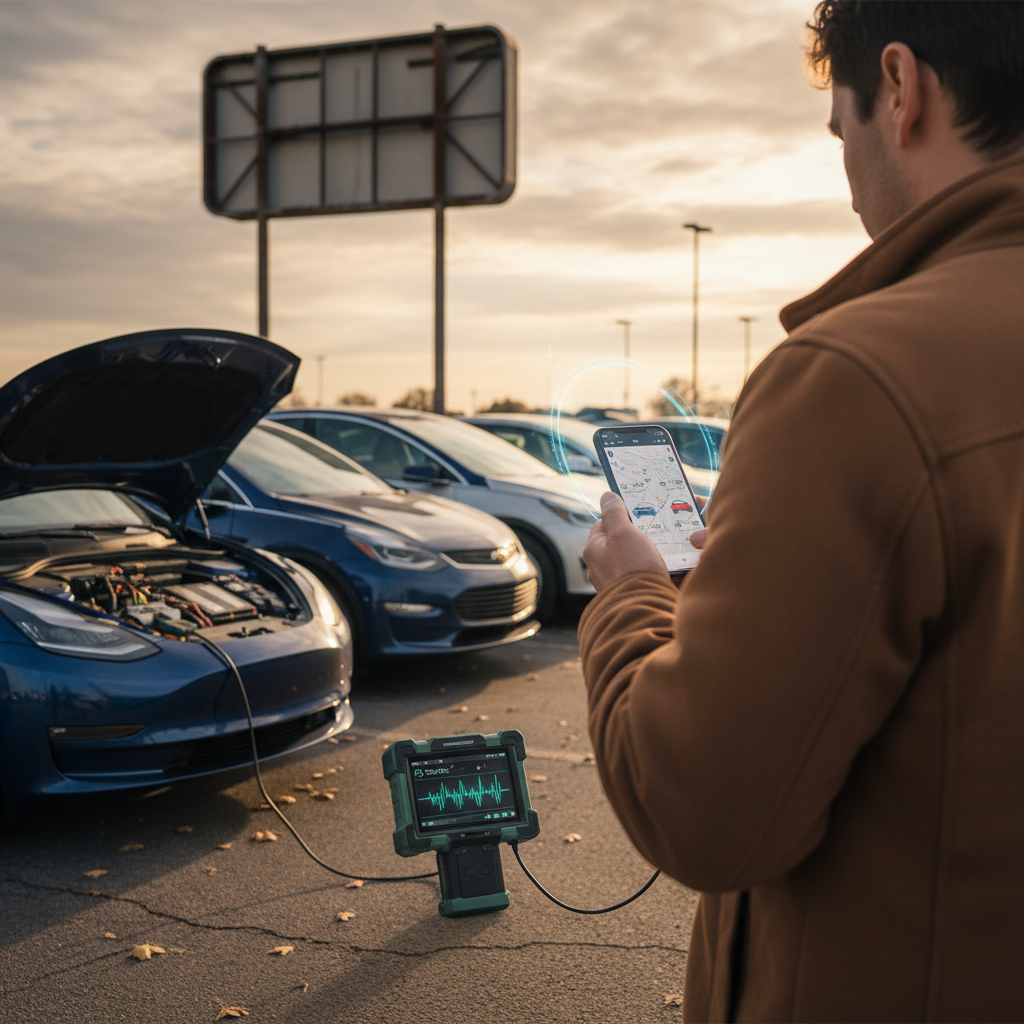
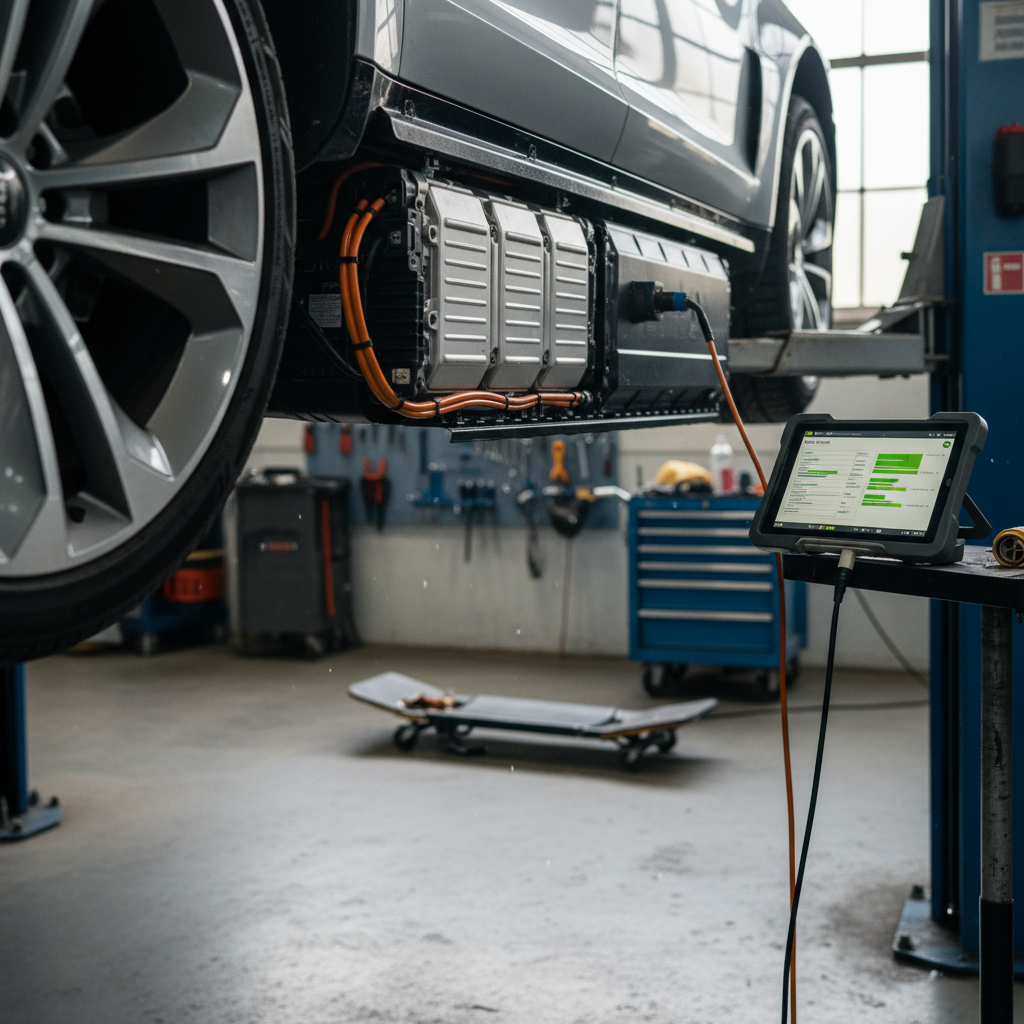
Why an Independent Battery & Software Check Matters
Pricing, Value, and Incentives, New vs. Used
Prices move fast in the EV world, but the overall pattern is clear: the Tesla Model Y has shifted from premium niche to mass‑market staple, while the Blazer EV slots in as a newer, stylish alternative with strong performance and a higher starting price.
Typical Price Landscape (U.S.)
Exact pricing varies by region, incentives, and equipment. This table gives a directional sense of where each model lives in the market.
| Scenario | Tesla Model Y | Chevy Blazer EV |
|---|---|---|
| New MSRP Band | Generally mid‑$40Ks to upper‑$50Ks depending on trim and options | Often upper‑$50Ks into $70Ks+ for higher trims like SS |
| Used Availability | Very wide: multiple model years, mileages, and trims at many price points | Limited: early‑run, low‑mileage examples; pricing still settling |
| Federal/State Incentives | Varies by year and build; some trims may qualify for tax credits or point‑of‑sale incentives | Also subject to changing incentives; check current Ultium‑related eligibility |
| Depreciation Trend | High initial demand kept values strong, but broader EV price cuts have softened used prices, good news for buyers | Too early for a full picture; expect steeper early depreciation as market finds the right price |
| Total Cost of Ownership | Efficient, with excellent charging efficiency and strong parts availability through Tesla | Energy costs are still low vs. gas, but efficiency and unknown long‑term resale add some uncertainty |
Always check current local pricing and incentives before you buy, especially for EVs, which see frequent price moves.
Budget Advice
Which EV Fits You Best? Scenarios and Recommendations
Instead of chasing the “winner” in a vacuum, match the Tesla Model Y vs. Chevy Blazer EV to how you actually drive. Here are some common scenarios and how they shake out.
Real‑World Buyer Scenarios
Where each SUV shines, without the marketing gloss.
Frequent Road‑Tripper
Pick: Tesla Model Y
- Supercharger network + strong range makes interstate travel easy.
- Navigation plans charging stops for you.
- Simple, efficient cabin works well for long days behind the wheel.
Urban & Suburban Commuter
Pick: Tie, leaning Model Y for efficiency
- If you have home charging, either works great.
- Model Y is extremely efficient; Blazer EV gives you more presence and personality.
- In dense cities, service access (Tesla vs Chevy dealer) may sway you.
Performance‑Oriented Driver
Pick: Chevy Blazer EV SS or Model Y Performance
- Blazer EV SS brings big‑power, muscle‑SUV fun.
- Model Y Performance delivers brutal acceleration with Tesla efficiency.
- Your choice comes down to design and whether you want “tech rocket” or “EV muscle.”
Growing Family, One‑Car Household
Pick: Tesla Model Y
- Huge cargo area and optional third row on some years.
- Flat load floor and frunk are everyday heroes.
- Range and charging simplicity ease road‑trip stress with kids.
Early EV Adopter Who Wants Different
Pick: Chevy Blazer EV
- Distinctive styling stands out from the sea of Teslas.
- Bold interior with big screens and traditional controls.
- Great if you like being on the cutting edge and don’t mind some first‑generation quirks.
Budget‑Conscious Used EV Shopper
Pick: Used Tesla Model Y
- More choices, more price points, and more data on real‑world reliability.
- Easier to compare battery health, mileage, and features across many vehicles.
- Better understood resale value than a brand‑new nameplate.
Bottom‑Line Verdict
How Recharged Helps You Compare and Buy Used EVs
Comparing spec sheets is one thing. Putting a specific used Tesla Model Y or Chevy Blazer EV in your driveway, with confidence about its battery and history, is another.
- Every EV listed with Recharged includes a Recharged Score Report with verified battery health, charging performance, and fair‑market pricing, especially important if you’re cross‑shopping Model Y and Blazer EV.
- You can complete the entire purchase online, get help from EV specialists, and arrange nationwide delivery to your driveway.
- Already own an EV or gas vehicle? You can get an instant offer or trade‑in, or use consignment if you want to maximize your sale price.
- If you’d rather experience an EV in person first, you can visit the Recharged Experience Center in Richmond, VA for test drives and hands‑on guidance.
Next Step
FAQ: Tesla Model Y vs. Chevy Blazer EV
Frequently Asked Questions
Tesla Model Y vs. Chevy Blazer EV isn’t a simple numbers game. The Model Y is the experienced all‑rounder with unmatched charging convenience and a sea of used choices; the Blazer EV is the bold new face with serious power and a rich tech cabin. If you line them up against how you actually live, where you charge, how far you drive, how many people and bags you haul, your best choice usually becomes obvious. And if you’d like a data‑driven second opinion, a Recharged Score Report can turn that gut feeling into a confident, informed decision.