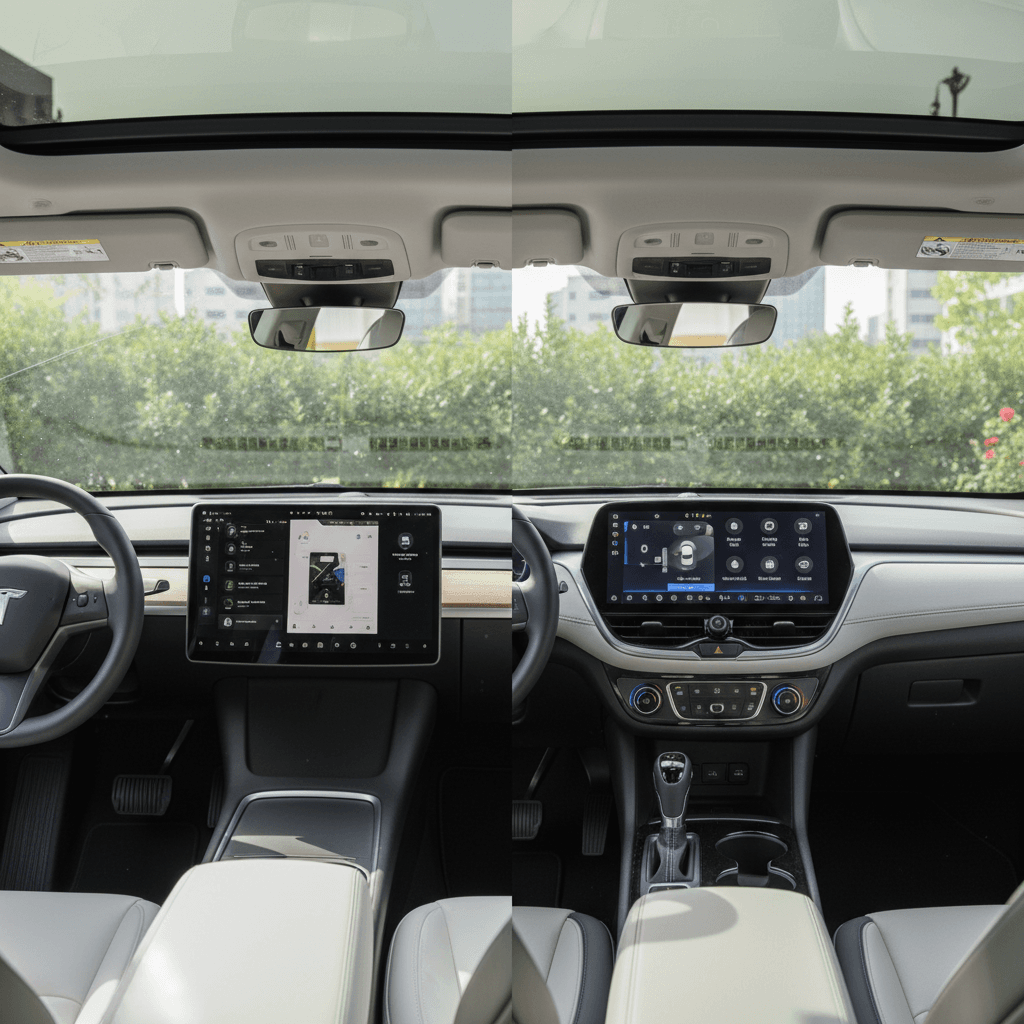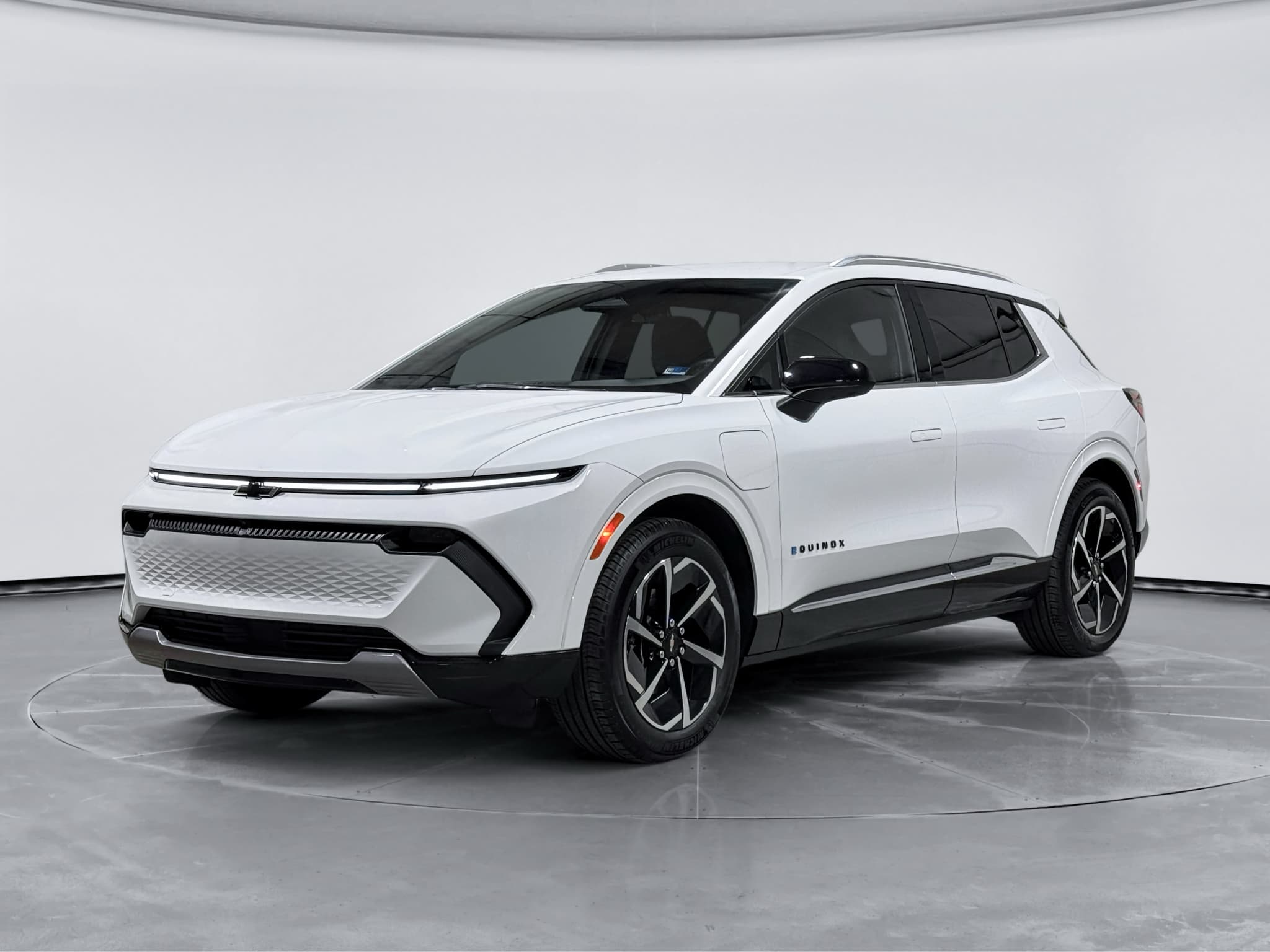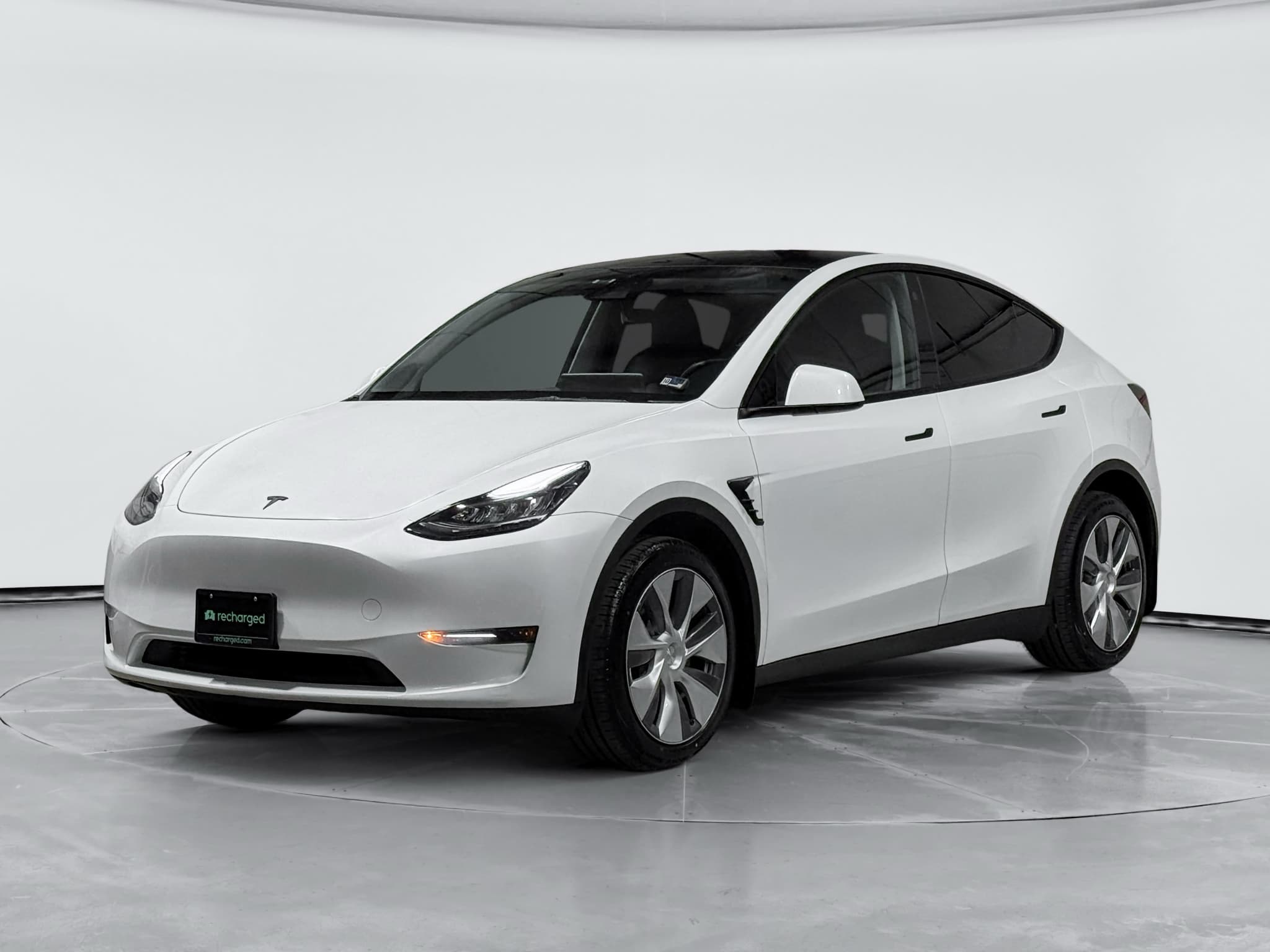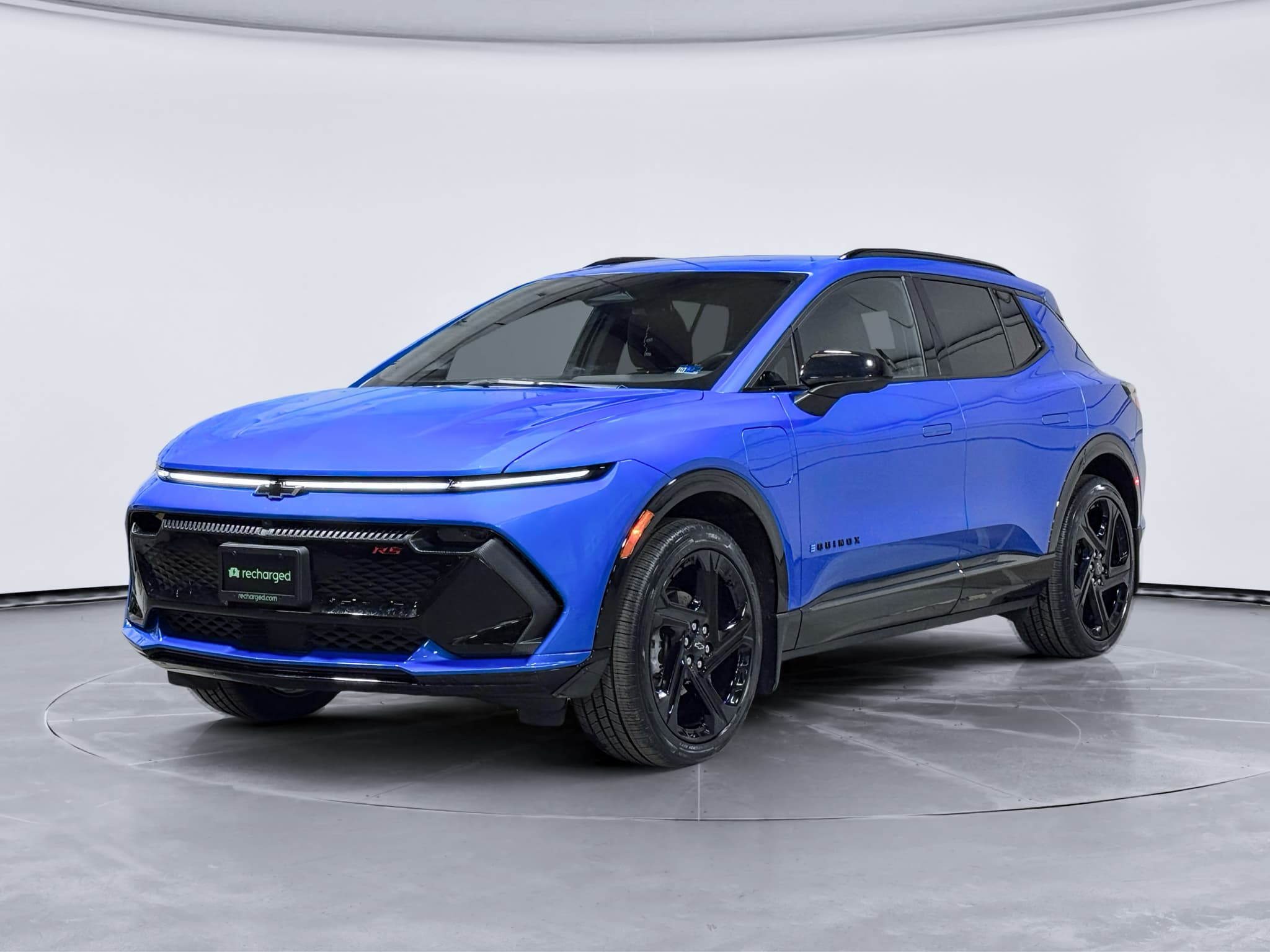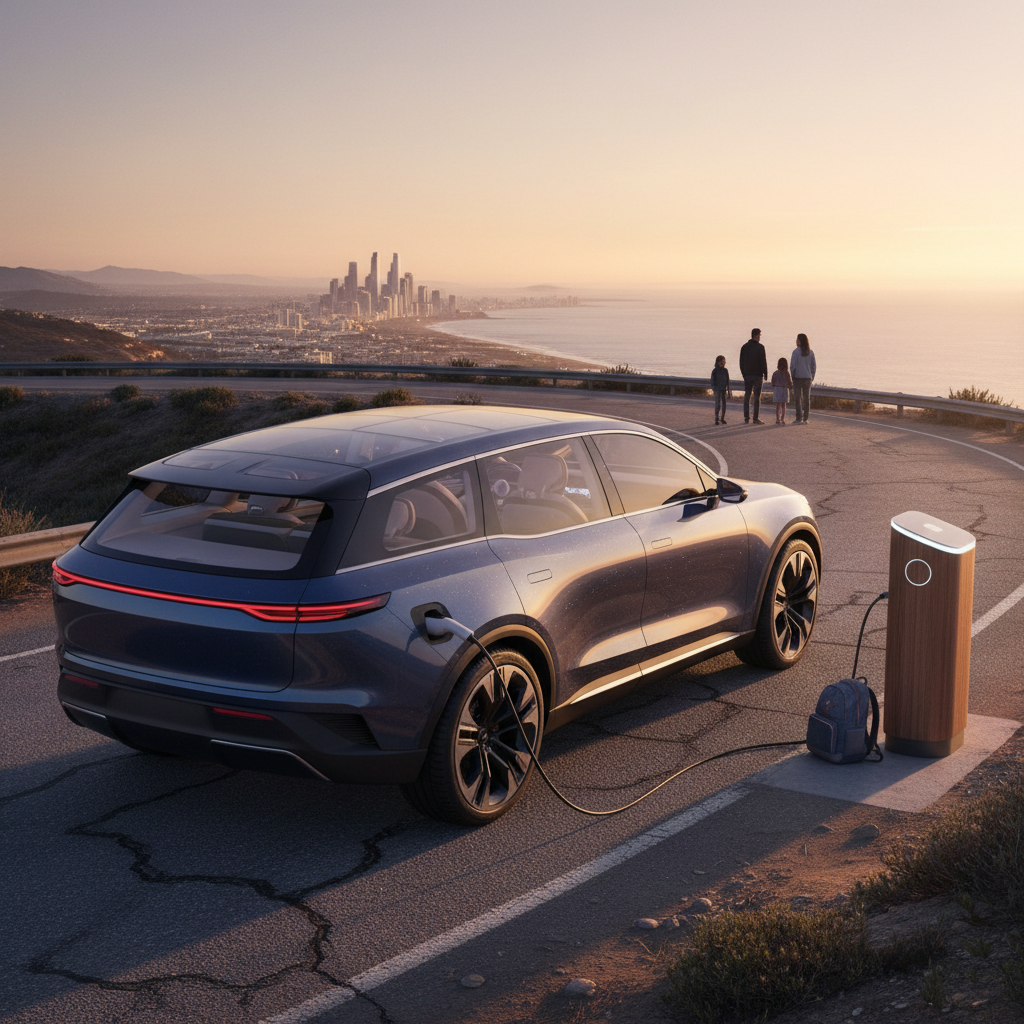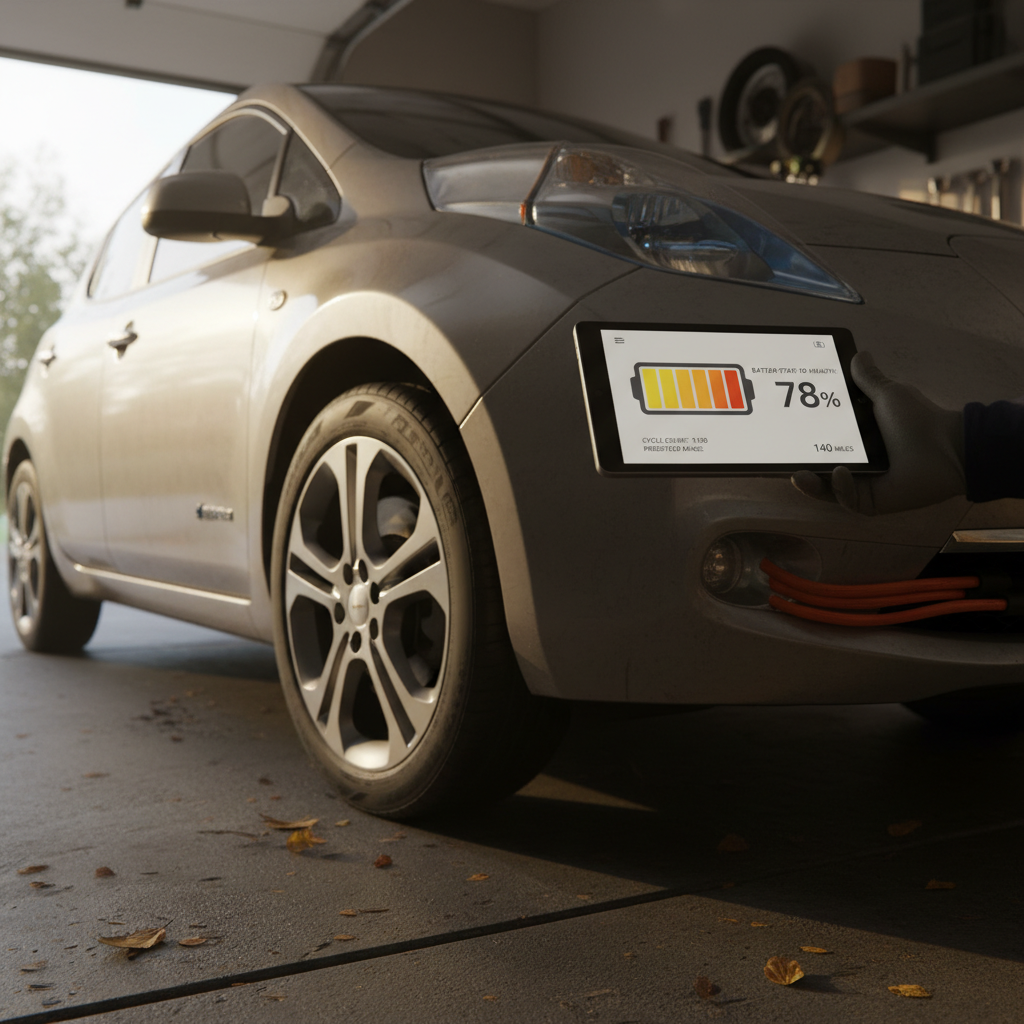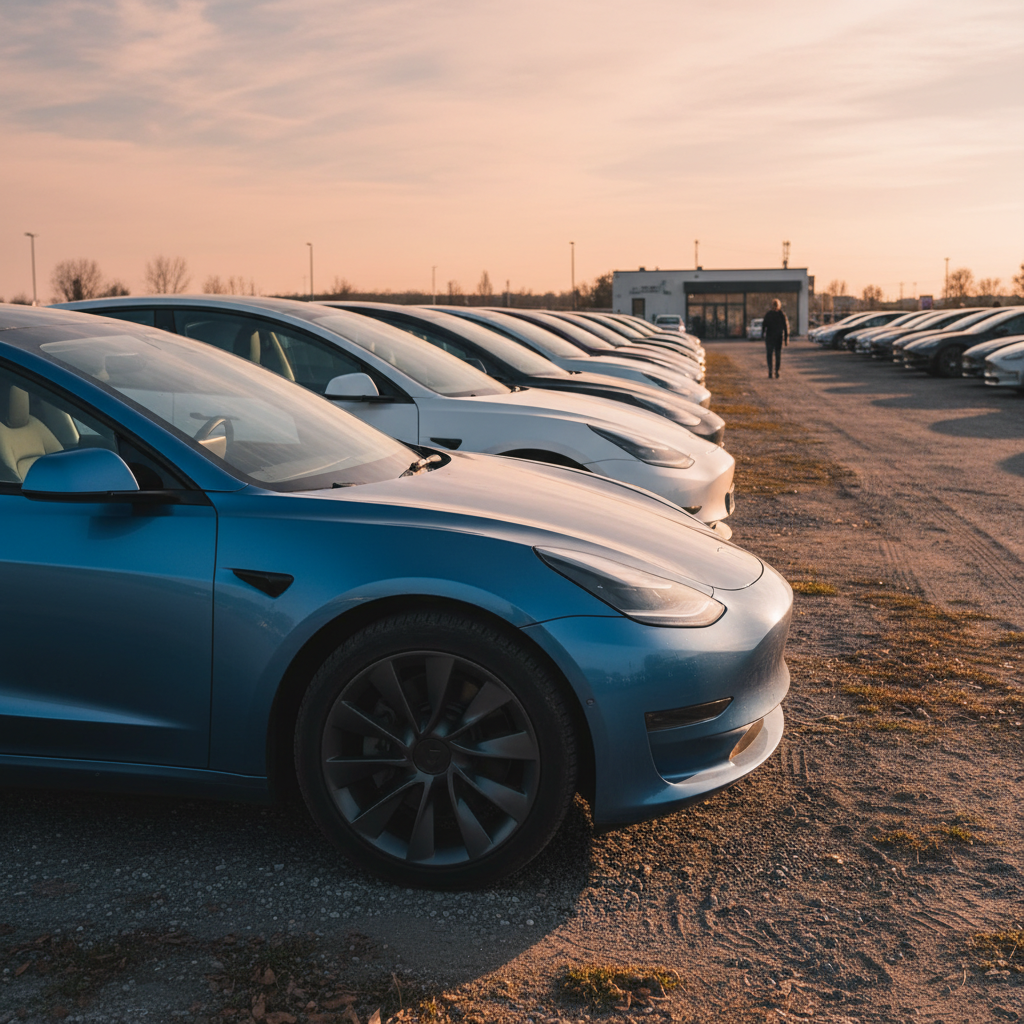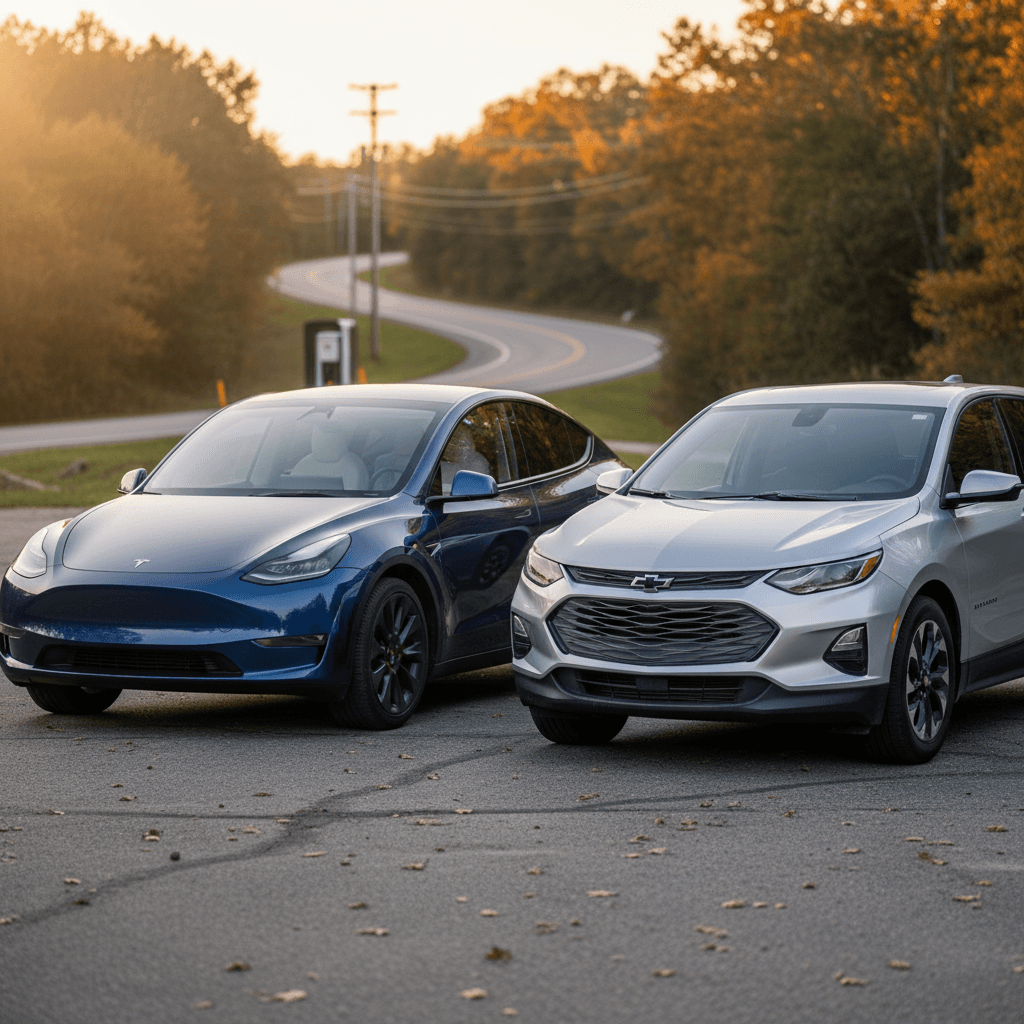
You’re staring at two browser tabs: Tesla Model Y and Chevrolet Equinox EV. Same general idea, compact electric SUVs with real range and five-seat practicality, but very different personalities. If you’re wondering “Tesla Model Y vs Chevrolet Equinox EV, which is better for me?” you’re really asking a deeper question about how you drive, how you charge, and how much tech you actually want to live with.
Context: 2026 Snapshot
Tesla Model Y vs Chevrolet Equinox EV: Quick Take
Where the Tesla Model Y is better
- Faster and generally more efficient, especially at highway speeds.
- Stronger charging experience thanks to baked-in access to the Supercharger network (and growing third-party support).
- Clean, minimalist cabin with a proven software ecosystem and frequent OTA updates.
- Deep used inventory, so you can often get a lightly used Model Y for the price of a new Equinox EV.
Where the Chevrolet Equinox EV is better
- Lower starting price for new buyers, often undercutting a new Model Y by several thousand dollars.
- Traditional SUV vibe: physical controls, GM-style seats, and an interior that feels familiar if you’re coming from a gas Equinox.
- Strong standard safety and driver-assist suite, big 17.7-inch display, and good range, without feeling like a sci‑fi experiment.
- Likely to qualify for more federal and state incentives in many cases than a used Tesla.
Bottom-Line Answer
Core Specs: Model Y vs Equinox EV at a Glance
Quick Specs: Tesla Model Y vs Chevrolet Equinox EV
Representative trims most shoppers cross-shop in 2025–2026, not every configuration ever sold.
| Spec | Tesla Model Y (recent Long Range / mainstream trims) | Chevrolet Equinox EV (LT/2LT FWD & eAWD) |
|---|---|---|
| EPA-estimated range | ~320–330 miles (Long Range, depending on wheels) | Up to ~319–326 miles FWD; around 280–300 miles eAWD |
| Drivetrain | Single-motor RWD or dual-motor AWD | Single-motor FWD or dual-motor eAWD |
| 0–60 mph | About 4.5–6.0 seconds (trim dependent) | Roughly 7.5 sec FWD; just under 6.0 sec eAWD |
| DC fast-charge peak | Around 225 kW on recent U.S. cars | Up to about 150 kW |
| Onboard AC charging | Up to 11.5 kW | Up to 11.5 kW (19.2 kW on some 3RS trims) |
| Cargo volume (rear seats folded) | Around 75 cu ft plus front trunk | About 57 cu ft (no frunk) |
| Typical new starting price | Roughly low–mid $40,000s before incentives | Around mid‑$30,000s for base LT1 FWD before incentives |
Always confirm exact specs for the model year, trim, wheels, and battery you’re considering, especially with used Teslas.
Spec Highlights That Move the Needle
Price, Incentives & Value
When you ask which is better, Tesla Model Y vs Chevrolet Equinox EV, what you often mean is: which one feels like a smarter deal when the dust settles, after taxes, incentives, and real payments, not just MSRP theater.
New vs Used, Tesla vs Chevy: How the Money Really Works
Sticker prices are just the first chapter; incentives and depreciation write the rest of the story.
1. New Tesla Model Y pricing
For 2025–2026 U.S. cars, most shoppers see:
- Long Range / mainstream trims landing roughly in the low‑to‑mid $40,000s before options.
- Performance and fancy paint/wheels pushing you into the $50,000+ realm.
Depending on current pricing moves and inventory discounts, you may catch meaningful markdowns, Tesla adjusts prices more often than most brands.
2. New Chevrolet Equinox EV pricing
GM aimed the Equinox EV squarely at value shoppers. In practice:
- Well-equipped LT1/LT FWD trims generally start in the mid‑$30,000s.
- eAWD and RS/3RS trims climb into the low‑$40,000s, still often under a similarly equipped Model Y.
Dealers can layer on traditional discounts, finance deals, and trade allowances Tesla simply doesn’t play with in the same way.
3. Incentives & tax credits
This is where the Equinox EV can shine. Because it’s a newer GM Ultium‑based model assembled in North America, it often has a cleaner path to federal clean vehicle credits for new purchases than a used Tesla.
A used Model Y can still qualify for used EV credits under price and income caps, but the structure is different. And some shoppers simply won’t see any federal help on a higher-priced Tesla at all.
4. Used Model Y vs new Equinox EV
In the real world, many shoppers cross‑shop a used Tesla Model Y against a brand‑new Equinox EV.
- Early‑run Model Ys have already taken their biggest depreciation hit.
- You might find a 2–3‑year‑old Long Range Model Y with strong battery health at or below the price of a new Equinox EV RS.
This is exactly the scenario where a used vs new comparison and a third‑party battery report matter.
Value Tip
Range, Efficiency & Charging Experience
On paper, the numbers look close: both Tesla Model Y and Chevy Equinox EV advertise roughly 300‑plus miles of range in their longer‑leg trims. Out on I‑95 in February, the story changes. The Tesla’s advantage isn’t just the battery, it's the car, the software, and the network it’s plugged into.

- Efficiency: The Model Y is one of the most efficient electric SUVs ever sold; you typically see more miles per kWh and less dramatic winter drop-off than many rivals.
- Equinox EV range: GM’s Ultium platform gives the Equinox EV competitive range, FWD trims in particular, but efficiency and cold-weather performance aren’t as obsessively optimized as Tesla’s.
- Highway reality: At 75 mph, a Model Y still tends to go farther per charge and recover faster at a fast charger than an Equinox EV, especially when loaded with family, gear, and winter tires.
Charging: Where the Experiences Diverge
Same idea, plug in, get electrons. Different levels of polish.
Tesla Model Y charging experience
- Higher DC fast‑charge peak (around 225 kW in ideal conditions) and a well‑tuned curve.
- Native access to Superchargers, which increasingly have Magic Dock or NACS support for others, but are still most seamless for Teslas.
- Trip planner that automatically routes you through fast chargers, preconditions the battery, and shows stall availability.
For frequent road‑trippers, it’s hard to overstate how much less mental overhead this creates.
Equinox EV charging experience
- Peak DC fast‑charge power around 150 kW; in practice, many owners report longer 20–80% stops than a comparable Model Y.
- Relies on third‑party networks (and NACS adapters as they roll out), which range from excellent to "still finding their footing" depending on region.
- GM’s route planning tools are improving, but the overall ecosystem isn’t yet as tightly integrated as Tesla’s "car + app + station" setup.
If most of your charging is at home on Level 2, this matters less. If you road‑trip weekly, it matters a lot.
Don’t Buy on Range Number Alone
Tech, Interface & Driver Assistance
Here the two SUVs feel like they’re from different planets. The Tesla Model Y is the Silicon Valley tablet-on-wheels archetype; the Equinox EV is Detroit’s answer for people who still like buttons.
Tesla Model Y: Software First
- 15.4‑inch central touchscreen runs everything from HVAC to wipers to glovebox.
- Simple, almost brutalist interior with very few physical controls, either blissfully clean or infuriating, depending on your temperament.
- Frequent over‑the‑air updates that can change UI, add features, and tweak efficiency without a dealer visit.
- Autopilot and optional advanced driver assistance that, when used as intended, deliver excellent lane‑keeping and adaptive cruise.
If you enjoy living in software and are comfortable learning a new interaction model, the Model Y will feel future‑forward rather than alien.
Chevrolet Equinox EV: Modern but Familiar
- Huge 17.7‑inch center display paired with a reconfigurable driver screen.
- Physical buttons and knobs for common stuff like volume and climate, your passengers will thank you.
- GM’s latest infotainment stack, with Google built‑in on many trims and the usual suspects (maps, voice, streaming) deeply integrated.
- Chevy Safety Assist and available Super Cruise (depending on trim and year) provide robust assistance on mapped highways.
If you’re coming out of a gas Equinox or another mainstream SUV, the learning curve is mild. It feels like a normal car that happens to be electric.
Which Tech Philosophy Is "Better"?
Space, Comfort & Everyday Practicality
These are compact SUVs with big ambitions: kid duty, Costco, weekend trips, mountain bikes. The good news is that neither the Tesla Model Y nor the Chevrolet Equinox EV is a packaging disaster. The nuance is in how they use their space, and in what kind of comfort you value.
Practicality Showdown: Model Y vs Equinox EV
Cargo, ride, and cabin feel all pull in slightly different directions.
Cargo & storage
Model Y: Bigger hatch opening, generous under‑floor storage, and that handy front trunk. With seats folded, you’re looking at around 75 cubic feet plus the frunk.
Equinox EV: Respectable rear cargo area, about 57 cubic feet with seats down, but no frunk. For serious gear haulers, the Tesla has the edge.
Seating & comfort
Tesla: Supportive front seats, but some owners find the padding firm on long hauls. Rear headroom is decent, though the sloping roofline can bother taller passengers.
Chevy: Feels more like a traditional crossover, cushier seating, more upright posture, and an overall vibe that will be familiar if you’ve ever rented an Equinox at an airport.
Ride & noise
Model Y: Taut, sometimes busy ride on larger wheels; generally quiet but can transmit coarse pavement more than you’d expect from a family SUV.
Equinox EV: Softer, more compliant tuning. It’s the one you’d pick if you prioritize comfort over handling precision and spend a lot of time on patchy suburban roads.
Daily-Driver Tip
Ownership Costs, Reliability & Resale
Neither of these SUVs drinks gas, so you’re already ahead of the game at the pump. But on the chessboard of long‑term ownership, the Tesla Model Y and Chevrolet Equinox EV move differently.
Key Ownership Questions to Ask Yourself
1. How long do you plan to keep it?
The <strong>Model Y has a proven resale track record</strong>; used buyers know what it is, what it costs to run, and how the batteries age. The Equinox EV is newer, so its long-term depreciation curve is more of an educated guess.
2. Do you have a nearby dealer or service center?
Tesla service is improving but still sparse in some regions. Chevy dealerships are everywhere, and Equinox EV shares tech with other Ultium products, which helps with parts familiarity.
3. What scares you more: software or hardware?
Teslas occasionally break your muscle memory with over‑the‑air UI changes, but the <strong>underlying EV hardware is now well‑proven</strong>. GM’s hardware is solid, but its newer EV software stack and charging partnerships are still maturing.
4. How sensitive are you to downtime?
If you rely on a single car and can’t tolerate surprises, proximity to service, Tesla or Chevy, matters more than any online review score. For many Americans, the <strong>nearest Chevy dealer wins this round</strong>.
Battery Health Is the Whole Ballgame
Tesla Model Y vs Equinox EV: Who Should Choose Which?
By now you’ve noticed there’s no single winner. There’s the winner for you. So let’s stop talking in abstractions and talk about actual buyers we see every day.
Choose Your Path: Which EV Fits Your Life?
The Road-Trip Family
You routinely drive 300+ mile days, maybe to see grandparents or chase hockey tournaments.
You don’t want to think about which network to use or whether a station will be online.
You’re comfortable with apps, updates, and letting the car plan your stops.
<strong>Better fit:</strong> Tesla Model Y. The Supercharger network and higher DC fast‑charge speeds are worth the premium.
The Budget-Conscious Commuter
Most of your driving is under 60 miles a day with easy home or workplace charging.
You want a new‑car warranty and as low a monthly payment as possible.
You care more about comfort and value than 0–60 times.
<strong>Better fit:</strong> Chevrolet Equinox EV, especially in FWD trims that maximize incentives and price.
The Tech Enthusiast
You like experimenting with new software and accept the occasional quirk.
You care about app quality, UI polish, and frequent over‑the‑air feature drops.
You’d rather talk to your car than your dealer.
<strong>Better fit:</strong> Tesla Model Y. It’s still the benchmark for EV software integration.
The Dealer-Loyal Traditionalist
You’ve driven Chevys or similar brands for decades and have a local dealer you trust.
You prefer knobs for climate, a familiar shift selector, and normal car vibes.
You want EV benefits without explaining your dashboard to every passenger.
<strong>Better fit:</strong> Chevrolet Equinox EV. It’s an electric car that still feels like a car.
How Recharged Fits Into This Decision
If this all feels like a lot of variables, battery chemistry vs charging curves vs tax law, that’s because it is. One of the easiest ways to simplify the Tesla Model Y vs Chevrolet Equinox EV choice is to compare real vehicles with real data, not just spec sheets.
Why Shoppers Use Recharged for This Exact Cross-Shop
Take the guesswork out of "Which EV is better for me?"
Recharged Score battery diagnostics
Apples-to-apples pricing
EV specialists, not generic salespeople
Ready to find your next EV?
Browse VehiclesAt the end of the day, the better SUV is the one that best matches your driving pattern, your appetite for technology, and your budget over the next 5–10 years. Use the Model Y for its ruthless efficiency and network advantage. Use the Equinox EV for its value, comfort, and familiarity. And if you want to see how those two ideas look in actual metal, battery health, pricing, finance terms and all, start browsing used Tesla Model Ys and other EVs on Recharged, or visit our Experience Center in Richmond, VA.