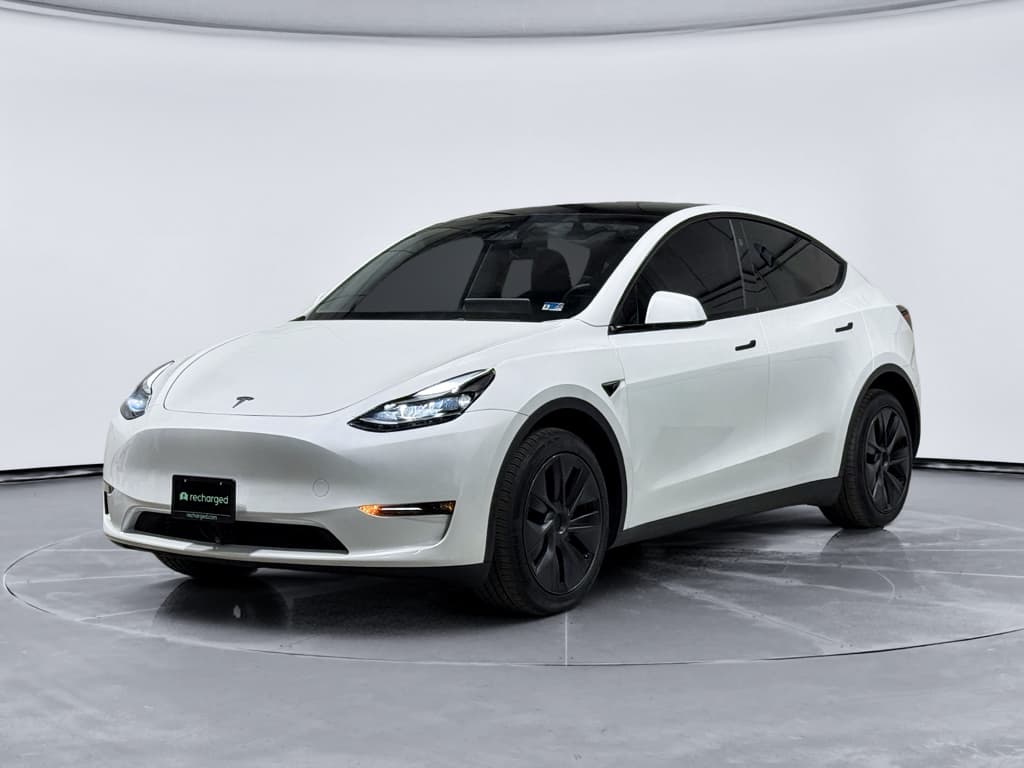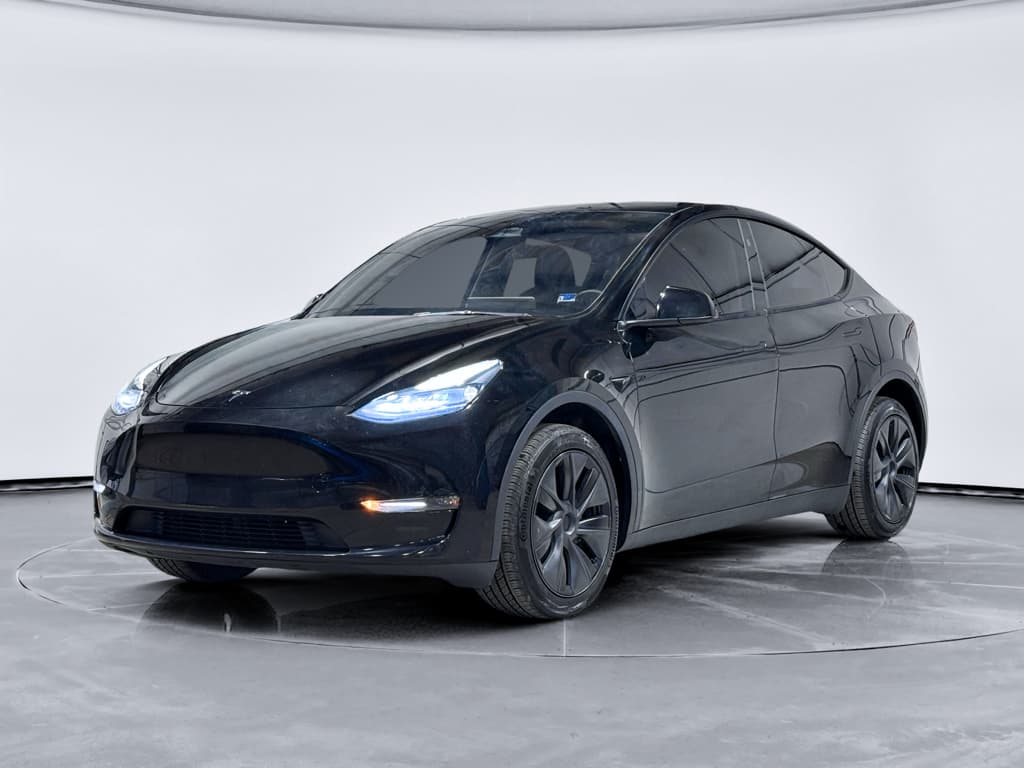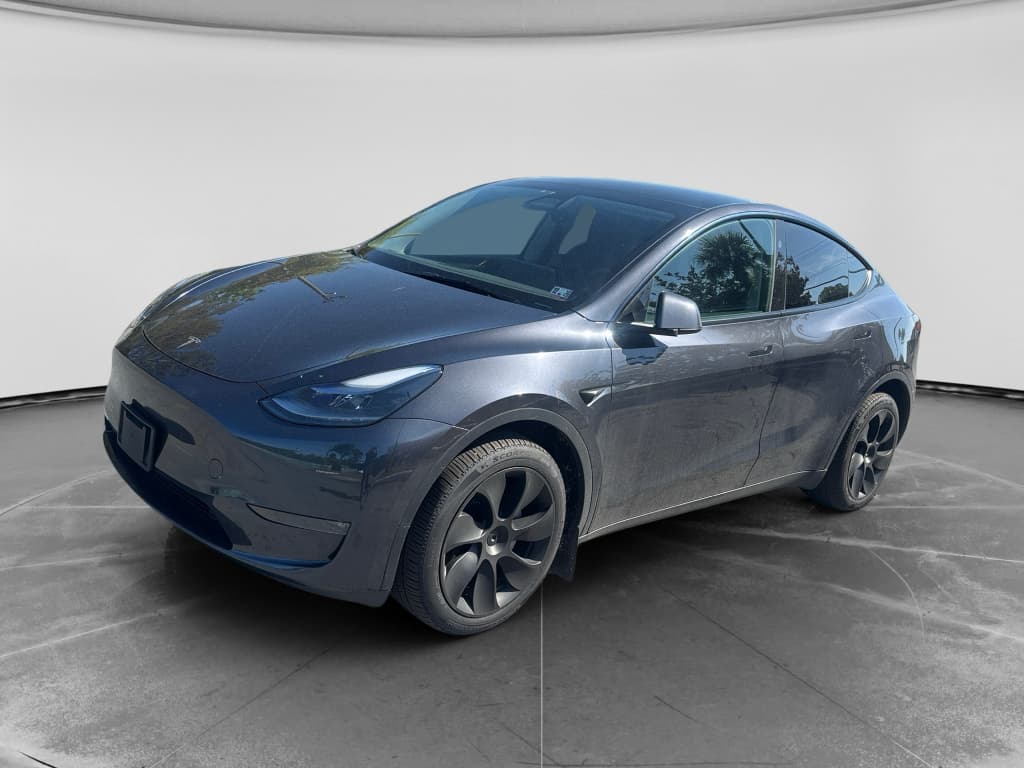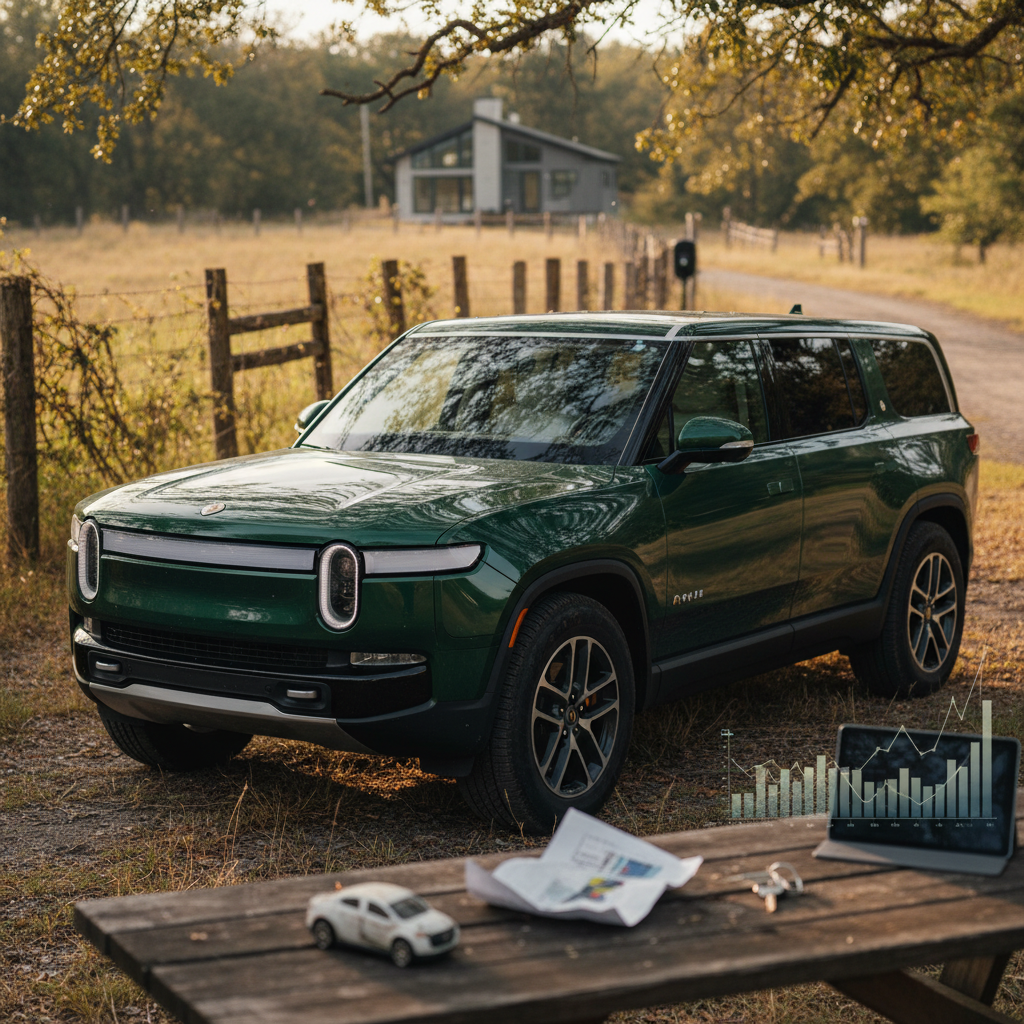
If you’re shopping a Tesla Model Y, you’ll quickly land on the big question: Tesla Model Y Standard Range vs Long Range, which is the smarter buy? The answer isn’t the same for everyone. It depends on how far you actually drive, where you live, and whether you’re buying new or used. This guide breaks it down in plain language so you can choose with confidence, not guesswork.
A quick note on naming
Overview: Model Y Standard Range vs Long Range in 2026
From a buyer’s standpoint, the core differences between Model Y Standard Range and Long Range haven’t changed much, even as Tesla tweaks batteries and names:
- Standard Range: Lower purchase price, less battery capacity, shorter EPA range, usually rear‑wheel drive (RWD), and slightly slower acceleration.
- Long Range: Higher price, bigger usable battery, significantly more range, often all‑wheel drive (AWD), stronger performance, and better long‑trip flexibility.
- Feature content: Newer “Standard” trims often drop some comforts (glass roof, premium audio, etc.) to hit a lower price, while Long Range trims tend to keep more upscale equipment.
Model Y Standard Range vs Long Range: Snapshot
Key Differences at a Glance
Tesla Model Y Standard Range vs Long Range: Core Specs
Approximate ranges and characteristics for common U.S. Model Y configurations. Exact figures vary by model year, wheels, and software updates.
| Factor | Model Y Standard Range | Model Y Long Range |
|---|---|---|
| EPA range (typical) | ~235–260 miles | ~300–330 miles |
| Drivetrain | Usually single‑motor RWD | RWD or dual‑motor AWD |
| 0–60 mph (typical) | ~5.8–6.6 seconds | ~4.6–5.0 seconds (AWD) |
| Battery size (usable, approx.) | Smaller pack, often LFP | Larger pack, typically ~75–80 kWh usable |
| Best for | Commuters, budget buyers, light road‑trip use | Frequent highway trips, harsh winters, long‑term resale |
| Typical used‑price premium | , | +$4,000 to $8,000 vs similar Standard Range |
Use this table as a directional guide; always verify the exact specs for the specific VIN you’re considering.
How to compare a specific car
Range and Battery: What You Really Get
Range is the reason most shoppers lean toward the Long Range Model Y, and in many cases, that instinct is right. But it’s worth getting specific about how you drive before you spend extra money just for peace of mind.
Real‑World Range: Standard vs Long Range
How far you can actually go in everyday use
Model Y Standard Range
Who it fits: Drivers with predictable daily mileage and good access to charging.
- EPA ratings around 235–260 miles in many U.S. RWD cars.
- LFP batteries in some later Standard trims tolerate frequent 100% charges well.
- Real‑world winter highway range can dip to ~150–180 miles before you’re looking for a charger.
For many commuters, that’s still more than enough, especially if you can charge at home or at work.
Model Y Long Range
Who it fits: Road‑trippers, ride‑share or sales professionals, and anyone who hates planning around range.
- EPA ratings commonly around 300–330 miles on 19" wheels.
- Larger pack gives more buffer for cold weather, headwinds, or high speeds.
- Winter highway range in the 210–250 mile ballpark is realistic for many drivers.
If you often drive 200+ miles in a day, Long Range is usually the better call.
Don’t chase range you’ll never use
Battery chemistry also matters. Many Standard Range Model Y trims use LFP (lithium‑iron‑phosphate) cells that are comfortable living at 80–100% state of charge, which can be handy if you want to keep a lot of range in reserve. Long Range packs typically use higher‑energy chemistries that deliver more range, but they’re happiest if you stick closer to 70–90% for daily use.
Performance and Handling: RWD vs AWD
Tesla doesn’t build slow cars. Even the least expensive Model Y will feel quick if you’re coming out of a gas crossover. The real question is how much performance you’ll actually use and whether AWD traction matters where you live.
Standard Range (usually RWD)
- Single rear motor, still plenty of punch from 0–40 mph.
- Typical 0–60 mph times in the mid‑5 to mid‑6‑second range, depending on year.
- Lighter feel at the front end; some drivers prefer the steering feel of RWD.
- Perfectly adequate for merging, passing, and on‑ramps in normal U.S. traffic.
Long Range (RWD or AWD)
- Many Long Range trims are dual‑motor AWD, with instant torque from both axles.
- 0–60 mph often in the 4.6–5.0‑second zone for AWD, properly quick.
- Extra traction when pulling away on wet or slick pavement.
- If you care about “Tesla feel” off the line, Long Range AWD delivers more of it.
Where performance really matters
Features and Comfort: What Tesla Strips Out
To hit an attractive price point, Tesla’s recent Model Y Standard trims sacrifice some equipment versus Long Range models. If you’re shopping new or nearly new inventory, it’s important to understand where those cuts show up.
Common Equipment Differences
Exact details vary by model year and region, always verify the specific vehicle.
Exterior & Glass
- Standard: May swap the full‑length glass roof for a metal roof on newer budget trims.
- Long Range: Typically keeps the panoramic glass roof and upgraded exterior lighting.
Interior & Audio
- Standard: Simpler interior trim, fewer ambient‑lighting touches, and a more basic audio setup.
- Long Range: Often includes premium audio and more upscale materials.
Convenience Features
- Standard: Some driver‑assist or comfort features may be software‑limited or optional.
- Long Range: More likely to include popular options and over‑the‑air upgrades already enabled.
What matters on a used Model Y
Charging and Road Trip Usage
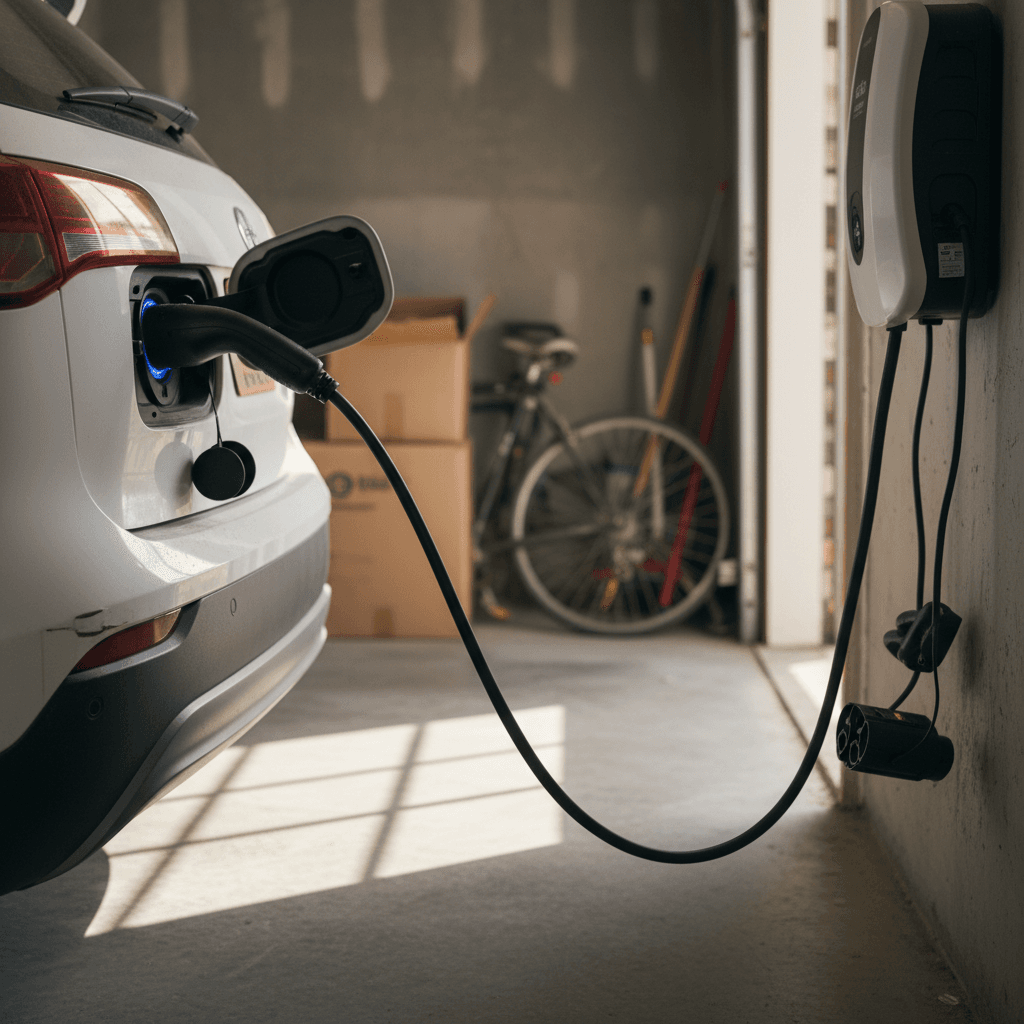
Both Standard Range and Long Range Model Y trims tap into Tesla’s excellent Supercharger network and support home Level 2 charging. The ownership experience changes more in how often you need to stop than in how you plug in.
Standard Range vs Long Range on a Typical Road Trip
1. Planning your stops
With a Standard Range Model Y, you’ll plan Supercharger stops a bit closer together, perhaps every 120–160 miles in winter instead of every 160–220 miles with a Long Range car.
2. Charging from low state of charge
Both trims charge fastest from a low state of charge (say 10–20%) up to about 60–70%. The larger Long Range battery means more miles added per stop at similar charge levels.
3. Home charging reality
If you charge at home on Level 2 every night, you may rarely visit a Supercharger. In that world, the Standard Range experience can feel nearly identical, just set your daily charge limit higher to access more of the pack.
4. Occasional vs frequent road trips
If you do a couple of long trips a year, you can absolutely make Standard Range work with a bit more planning. If you live on the freeway for work, the time savings and flexibility of Long Range add up quickly.
Think in hours, not just miles
Winter Driving and Bad Weather
If you’re in the Sun Belt, the Standard Range vs Long Range choice is mostly about convenience and budget. In snow‑belt states, it’s also about traction and cold‑weather range.
Standard Range in winter
- RWD with good winter tires can still be very capable, but you’ll need to be thoughtful on steep, icy hills.
- Cold temperatures and cabin heat eat into a smaller battery more noticeably, shrinking your buffer.
- For urban and suburban driving with frequent charging, this is manageable, but it takes discipline.
Long Range AWD in winter
- Dual motors help pull the car straight when accelerating on slick surfaces.
- The larger battery gives more cushion against cold‑weather range loss.
- For mountain states or rural areas with fewer chargers, Long Range AWD is often the wiser choice.
Don’t underspec for snow country
Cost of Ownership and Resale Value
On paper, the Standard Range Model Y wins the sticker‑price battle. But to make a smart decision, you need to think about the full ownership picture: depreciation, insurance, energy costs, and how easily you can resell the car later.
How the Money Shakes Out Over Time
Broad patterns we see again and again in the used‑EV market.
Purchase price
Standard Range:
Lower upfront cost, especially as a used vehicle. On a monthly payment, this can be the difference between an easy “yes” and stretching your budget.
Depreciation
Long Range:
Historically enjoys a modest resale premium, particularly in cold‑weather states and among buyers who road‑trip. That can narrow the real gap over 5–8 years.
Energy & charging costs
Both trims:
Energy cost per mile is broadly similar. The Long Range battery doesn’t cost meaningfully more to feed in daily driving; it just lets you go farther between plugs.
How financing changes the equation
New vs Used: Which Model Y Trim Makes Sense?
Because Tesla keeps changing trims, names, and prices, the used Model Y market can be full of opportunity, if you know what you’re looking at. Here’s how the Standard vs Long Range choice plays out in practice.
Questions to Ask When You Shop New or Used
1. What’s my real daily mileage?
Track a week of driving. If you’re averaging under 70–80 miles a day and rarely exceed 150, a well‑priced Standard Range may easily cover your needs.
2. How often will I road‑trip this car?
If your idea of a road trip is two big drives a year, Standard Range is workable. If you plan monthly 300‑ to 500‑mile weekends, Long Range starts to earn its keep.
3. Do I live in a cold or mountainous region?
In the Rockies, Upper Midwest, or Northeast, buyers often gravitate to Long Range AWD for both traction and winter range buffer.
4. What does the battery health report say?
With any used Model Y, <strong>verified battery health</strong> matters more than the original window sticker. A Recharged Score Report shows you real‑world capacity so you’re not guessing how much range is left.
5. Am I paying for range or for features?
Sometimes a used Long Range car also brings a glass roof, premium audio, and added software features. Other times you’re paying mostly for the badge. Make sure the extras line up with your priorities.
How Recharged simplifies used Model Y shopping
How to Choose: Model Y Standard Range vs Long Range
At this point, you know the specs. The key is translating them into a decision that fits your life. Use this simple framework to decide which trim belongs in your driveway.
Pick the Path Closest to Your Life
Daily Commuter / Suburban Family
Most days under 60–80 miles round‑trip.
Home Level 2 charging or reliable workplace charging.
Trips are mostly regional, with perhaps one long vacation drive per year.
Budget sensitivity matters more than maximum performance.
Frequent Road‑Tripper / Remote Area
Regular 200+ mile days for work or family visits.
Live in a rural area with fewer fast‑chargers nearby.
Want to minimize charging stops and keep a big buffer.
Comfortable paying more upfront for convenience and resale.
Snow‑Belt or Mountain Driver
Live in a region with regular snow and ice.
Drive steep hills, unplowed streets, or poorly maintained secondary roads.
Value traction and confidence more than straight‑line speed.
Likely happiest in a Long Range AWD, even if it means stretching the budget.
Value Hunter in the Used Market
Flexible about color and options, focused on total cost of ownership.
See a significant discount for Standard Range versus comparably aged Long Range.
Can validate battery health and charging history with a trusted report.
Happy to trade a few road‑trip stops a year for thousands saved upfront.
Simple rule of thumb
Frequently Asked Questions
Frequently Asked Questions: Model Y Standard Range vs Long Range
Bottom Line: Which Model Y Is Right for You?
Choosing between the Tesla Model Y Standard Range vs Long Range isn’t about bragging rights, it’s about matching the car to your real life. If you’re a commuter with home charging who values cost control, a healthy Standard Range Model Y can deliver all the refinement and tech you want for thousands less. If you road‑trip, live in snow country, or simply hate thinking about range, the Long Range Model Y’s extra buffer and traction are worth serious consideration.
Whichever camp you fall into, focus on the specific car in front of you: its battery health, equipment, history, and total cost of ownership. That’s exactly what Recharged is built for. Our Recharged Score battery report, fair‑market pricing, EV‑savvy financing, and nationwide delivery take the guesswork out of buying a used Model Y, Standard Range or Long Range, so you can plug in and enjoy the drive.