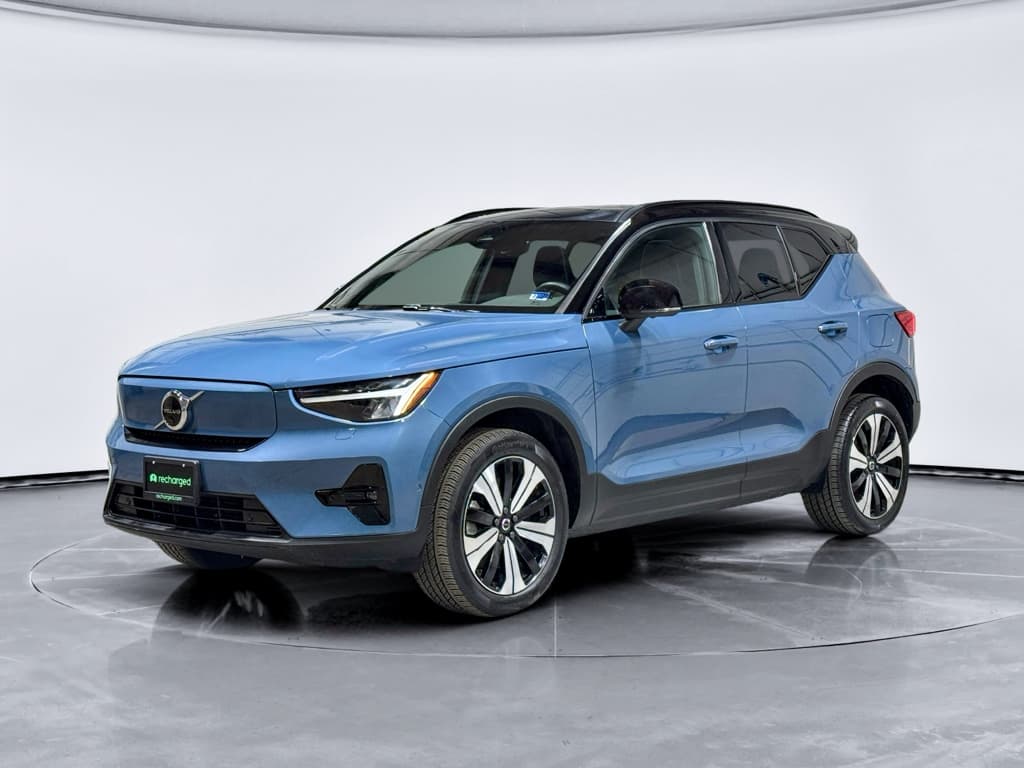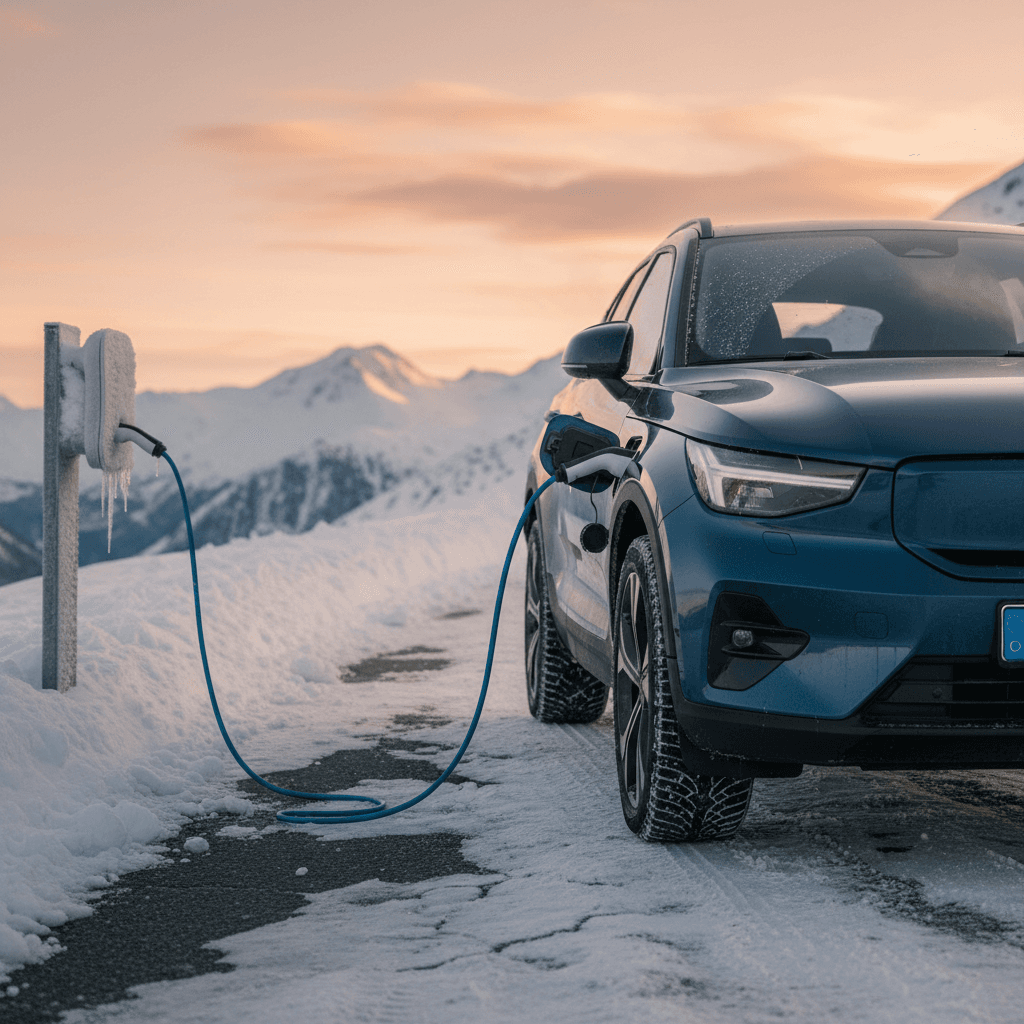
If you live where winter actually feels like winter, the Volvo C40 Recharge range in cold weather matters more than the glossy EPA number on a spec sheet. Snow, sub‑freezing temps, and a toasty cabin can easily knock a third, or more, off your displayed range if you’re not prepared.
Quick winter range snapshot
Volvo C40 Recharge winter range overview
The C40 Recharge (renamed EC40 starting with the 2025 model year) has seen meaningful efficiency and range improvements since launch. For U.S.‑market 2024 models, the EPA estimates are:
- Single Motor RWD (larger ~82 kWh pack): 297 miles EPA combined range
- Twin Motor AWD (smaller usable pack ~75 kWh): 257 miles EPA combined range
Those figures are achieved in controlled lab tests with a warm battery and mixed city/highway speeds. In the real world, especially in cold weather, you’ll rarely see the full EPA number. Independent 70–75 mph highway tests for the C40 and its XC40 sibling typically land closer to 170–210 miles in mild conditions at those higher speeds, before you layer in winter penalties.
EPA vs. winter reality
How much range do you lose in cold weather?
Let’s talk real numbers. Looking at Volvo’s own guidance plus owner reports from North America and Europe, here’s a reasonable expectation for C40 Recharge winter range loss when you start with a fully charged, healthy battery:
Typical Volvo C40 Recharge range loss by temperature band
Approximate winter range loss versus mild‑weather mixed driving for a healthy C40/EC40 battery. Your exact results will vary with speed, elevation, tire choice, and HVAC use.
| Outside temperature | Expected range loss | What it feels like day to day |
|---|---|---|
| 40–50°F (4–10°C) | ~10–20% | Noticeable drop, but still easy to match most commutes |
| 25–40°F (-4–4°C) | ~20–35% | You start seeing range estimates that feel 50–80 miles lower than EPA |
| 10–25°F (-12–-4°C) | ~30–40% | Shorter trips really suffer; cabin heat is a huge energy draw |
| Below 10°F (< -12°C) | ~40–50%+ | Plan carefully; highway range can be cut nearly in half, especially at 70–75 mph |
Use this as a planning tool, not a promise, always leave a buffer.
C40 vs. XC40 in winter
Real-world Volvo C40 Recharge winter range examples
To make this concrete, let’s ground those percentages in the 2024 C40 Recharge’s EPA ratings. We’ll look at both the Single Motor RWD and Twin Motor AWD setups and then apply realistic winter adjustments.
Winter range examples by C40 Recharge drivetrain
Assumes a healthy battery, stock wheels/tires, and mostly highway driving at 65–70 mph.
Single Motor RWD (297‑mile EPA)
- Mild weather highway reality: Many drivers see about 210–230 miles at 65–70 mph.
- 25–40°F typical winter: Plan around 150–190 miles between fast charges.
- Sub‑10°F and 70–75 mph: Trips can shrink to roughly 130–160 miles before you’re ready to recharge.
These numbers assume you’re using cabin heat and seat warmers like a normal person, not hypermiling with gloves on.
Twin Motor AWD (257‑mile EPA)
- Mild weather highway reality: Expect around 190–210 miles at 65–70 mph.
- 25–40°F typical winter: Practical legs often fall in the 130–170 mile window.
- Sub‑10°F with snow tires: It’s reasonable to plan around 110–150 miles before fast charging.
All‑wheel drive adds traction but also extra energy use, especially if you drive briskly on cold, wet pavement.
Owner anecdotes line up with these ranges: many C40/XC40 drivers report winter daily‑driving estimates dropping into the 150–200 mile band at 80–90% charge, even though the EPA rating suggests far more. On longer trips with steady highway speeds, it’s completely normal to see winter consumption jump into the high 30s or low 40s kWh/100 miles (roughly 2.5 mi/kWh or less).
Use percentage, not miles, as your guide
Why cold weather hits C40 Recharge range so hard
Cold weather hurts every EV, but the way you feel it in a C40 Recharge comes down to a few core physics and hardware realities. Understanding them makes the range drop less mysterious, and easier to manage.
- Cold batteries can’t release as much energy: Lithium‑ion cells are less efficient when they’re cold, so the car temporarily limits how much power you can pull and store. The C40 will recover range as the battery warms up while driving or preconditioning.
- Cabin heat is expensive: Unlike a gas car, there’s no free waste heat. The C40’s heat pump is efficient, but keeping a big glass cabin at 72°F when it’s 15°F outside still takes a lot of energy.
- Short trips are the worst case: If you do a lot of 5–10 minute errands, the car keeps reheating the battery and cabin from cold over and over. You use a lot of energy for very few miles.
- Higher air density and rolling resistance: Cold, dense air increases aerodynamic drag, and winter tires plus cold rubber increase rolling resistance. Both eat into highway range.
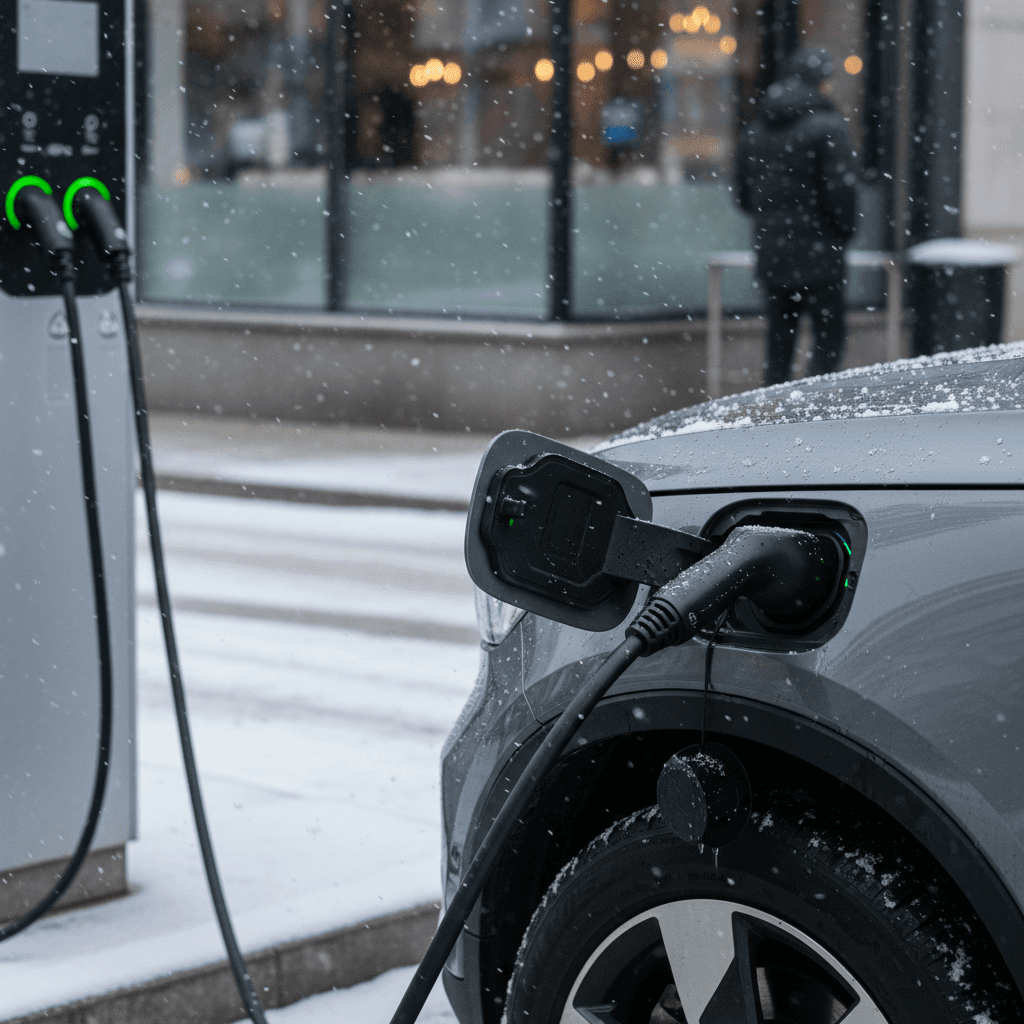
- DC fast charging slows down: Below freezing, the pack needs more time and energy to warm up before it can accept high charge rates. That makes winter road trips feel slower and less efficient.
Volvo’s own guidance on cold range
Features that help the C40 Recharge in winter
The good news: the C40 Recharge wasn’t designed in a vacuum. Volvo knows cold climates, and the car includes several features specifically meant to soften winter range loss and keep you comfortable.
C40 Recharge winter-friendly features
Use these tools to claw back range when temperatures drop.
Heat pump HVAC
App-based preconditioning
Departure timers
Heated seats & steering wheel
Adaptive power management
Drive modes & regen
How to plan trips with reduced winter range
Planning around a shrinking winter range is more art than science, but you can get very close if you start conservative and refine from experience. Here’s a framework that works well for most C40 Recharge owners.
Winter trip-planning checklist for your C40
1. Start with a conservative range assumption
Take your C40’s EPA number and cut it by <strong>30–40%</strong> for 25–35°F highway driving, more if you expect single‑digit temps or heavy snow.
2. Plan charging stops at 10–80% SOC
Fast chargers work best when you arrive near <strong>10–20%</strong> and leave around <strong>70–80%</strong>. In winter, this often means shorter, more frequent stops instead of running from 100% to 5%.
3. Layer in a safety buffer
Add at least a <strong>20–30 mile buffer</strong> on top of your estimate for wind, detours, or unexpectedly slow charging. In remote or very cold areas, give yourself even more margin.
4. Favor chargers near amenities
In winter, you’re more likely to stay with the car. Target stations near coffee, food, or clean restrooms so those extra minutes warming the battery don’t feel painful.
5. Watch consumption, not just miles
Keep an eye on your kWh/100 mi (or mi/kWh) and adjust speed and climate use on the fly. If your consumption spikes, shorten your next leg rather than gambling.
6. Use the car’s built-in route planning when available
Volvo’s built‑in navigation can suggest charging stops and estimate arrival SOC. Treat it as a solid baseline, and then add your own buffer for bad weather.
Don’t trust summer data on a polar vortex day
Driving and charging tips to improve winter range
You can’t change the laws of physics, but you can change how hard they hit you. These habits make a noticeable difference in Volvo C40 Recharge range in cold weather without turning every drive into a science project.
- Precondition while plugged in: If you have home or workplace charging, schedule departure so the cabin and battery are warm before you unplug.
- Use seat and wheel heaters first: Set the cabin a few degrees cooler and rely on heated touch points; comfort stays high while energy use drops.
- Dial back your speed: The difference between 65 mph and 75 mph can easily be 10–20% of your remaining range, especially in cold, dense air.
- Keep tires properly inflated: Tire pressure falls with temperature. Underinflated winter or all‑season tires increase rolling resistance and range loss.
- Limit roof boxes and racks: Extra frontal area and turbulence from cargo boxes or bike racks hurt aero, which hurts range even more in cold air.
- Group errands into one warm drive: One 45‑minute drive with a warm battery is more efficient than three 15‑minute cold starts spread across a day.
Fast-charging smarter in winter
Battery health myths vs. reality in cold weather
Many owners confuse normal seasonal range swings with permanent battery degradation. With the C40 Recharge, it’s important to separate what’s just winter behavior from what might indicate a real issue.
What’s normal
- Range estimates that drop 25–40% in winter, then climb back in spring.
- Slightly slower DC fast‑charging when the pack is cold.
- Different range estimates at the same SOC depending on your recent driving style.
- Short trips showing unusually high consumption (kWh/100 mi).
When to investigate
- Permanent range loss that doesn’t improve when temperatures warm up.
- Sudden, large drops in indicated range after software updates or service.
- Fast‑charging that remains unusually slow even with a fully warm battery.
- Diagnostic tools or dealer tests flagging abnormal cell voltages.
If you’re seeing concerning behavior, a dealer battery check, or a third‑party battery health report, can put hard numbers behind your impressions.
How Recharged helps with battery confidence
Ready to find your next EV?
Browse VehiclesShopping used Volvo C40 Recharge for cold climates
If you’re considering a used C40 Recharge or early EC40 and you live in a cold‑weather state, there are a few extra factors to weigh. Winter doesn’t necessarily hurt long‑term battery life if previous owners charged carefully, but drivetrain and options choices matter for your day‑to‑day experience.
What to look for in a used C40 Recharge for winter
Questions to ask before you buy, especially in northern climates.
Drivetrain & wheel choice
- AWD vs. RWD: AWD offers better traction in snow but slightly lower efficiency. Decide if you value grip over raw range.
- Wheel size: 20‑inch wheels with performance tires look great but can hurt winter range. Smaller wheels with higher‑profile tires are more efficient and winter‑friendly.
Real-world winter consumption
- Ask the seller about their typical kWh/100 mi (or mi/kWh) in January vs. June.
- Look for realistic winter numbers, not just quoting the EPA sticker.
Battery health documentation
- Review any battery health reports, dealer checks, or warranties.
- With a Recharged vehicle, the Recharged Score summarizes usable capacity and pack condition so you’re not guessing.
Home and workplace charging options
- In cold climates, having Level 2 home charging is a game changer. It lets you precondition and start every day with a warm, full battery.
- If you can’t charge at home, map reliable public chargers near your daily routes before you commit.
Try before you commit
Volvo C40 Recharge winter range FAQ
Frequently asked questions about C40 Recharge range in cold weather
Bottom line on Volvo C40 Recharge winter range
If you go in expecting summer EPA numbers, the Volvo C40 Recharge range in cold weather can feel disappointing. But once you understand that a 25–40% winter haircut is normal, and that the C40’s heat pump, preconditioning, and smart trip planning tools are there to help, it becomes a predictable, manageable part of ownership rather than a constant surprise.
The practical takeaway: plan winter highway legs in the 130–190 mile window depending on drivetrain and temperature, build in a buffer, and take advantage of charging while you sleep or work. And if you’re shopping used, look for clear battery‑health documentation, realistic winter range expectations, and a charging setup that fits your climate. That’s exactly what Recharged is built around, transparent data, expert guidance, and used EVs that are ready for real‑world winters, not just warm‑weather spec sheets.