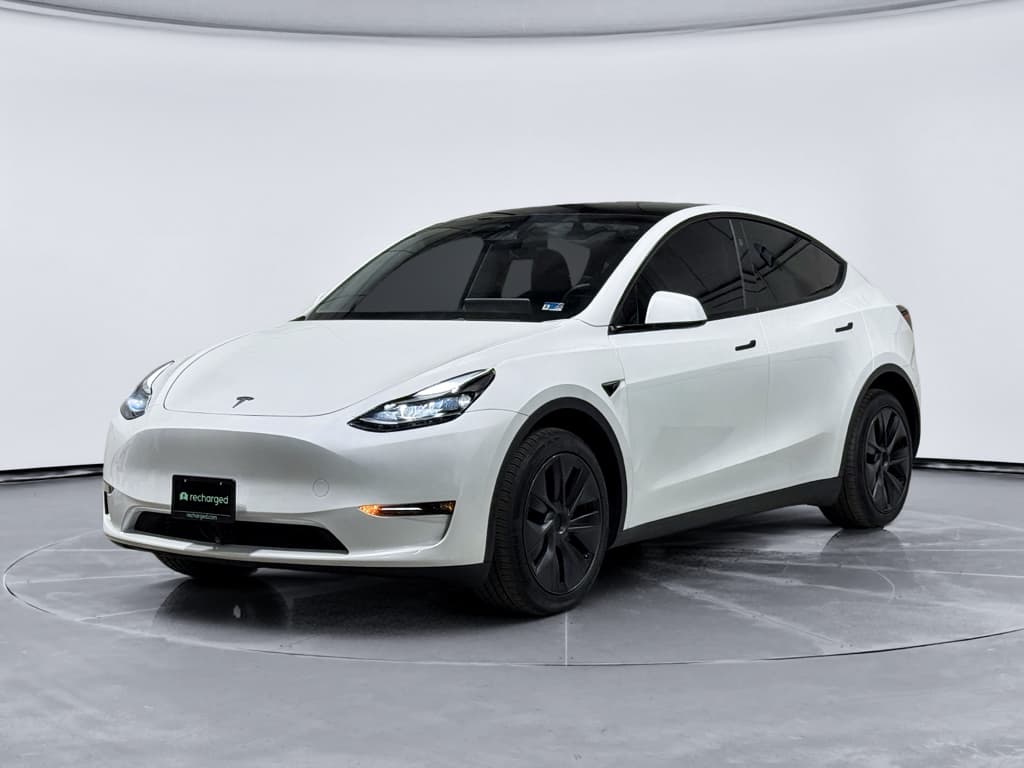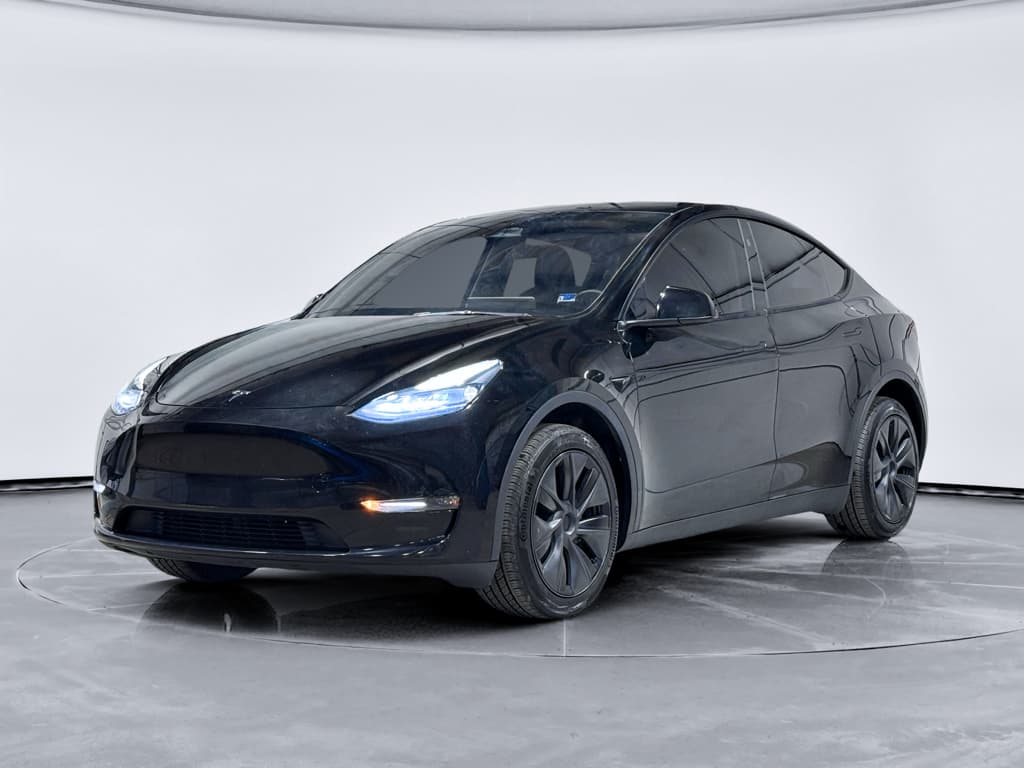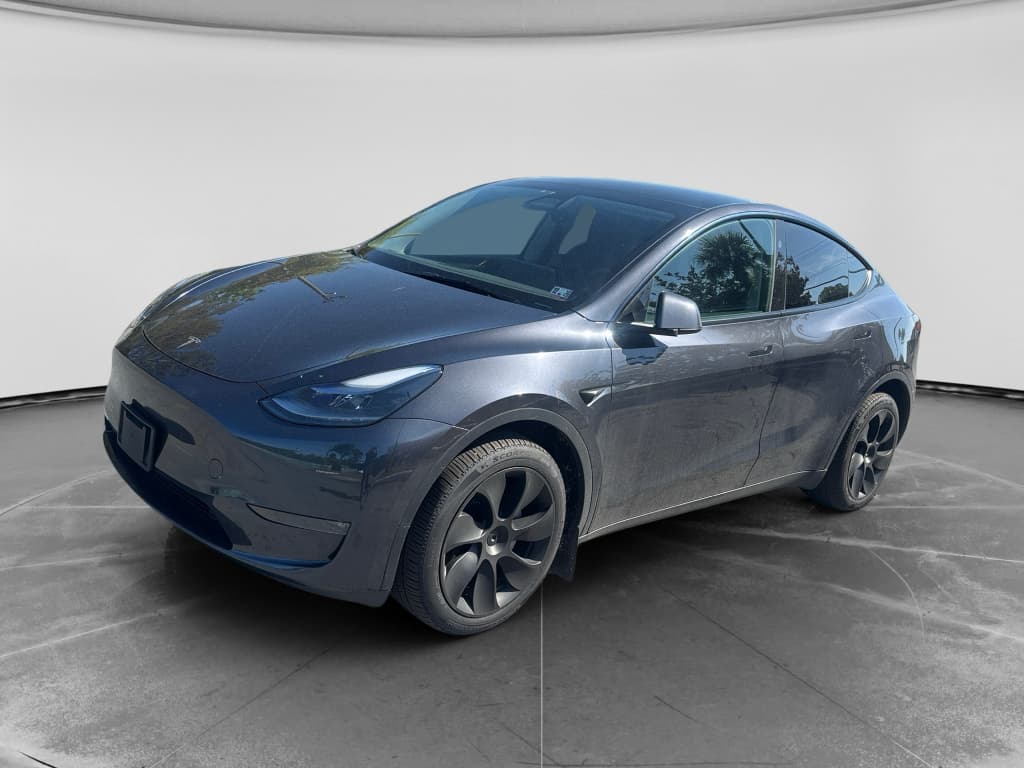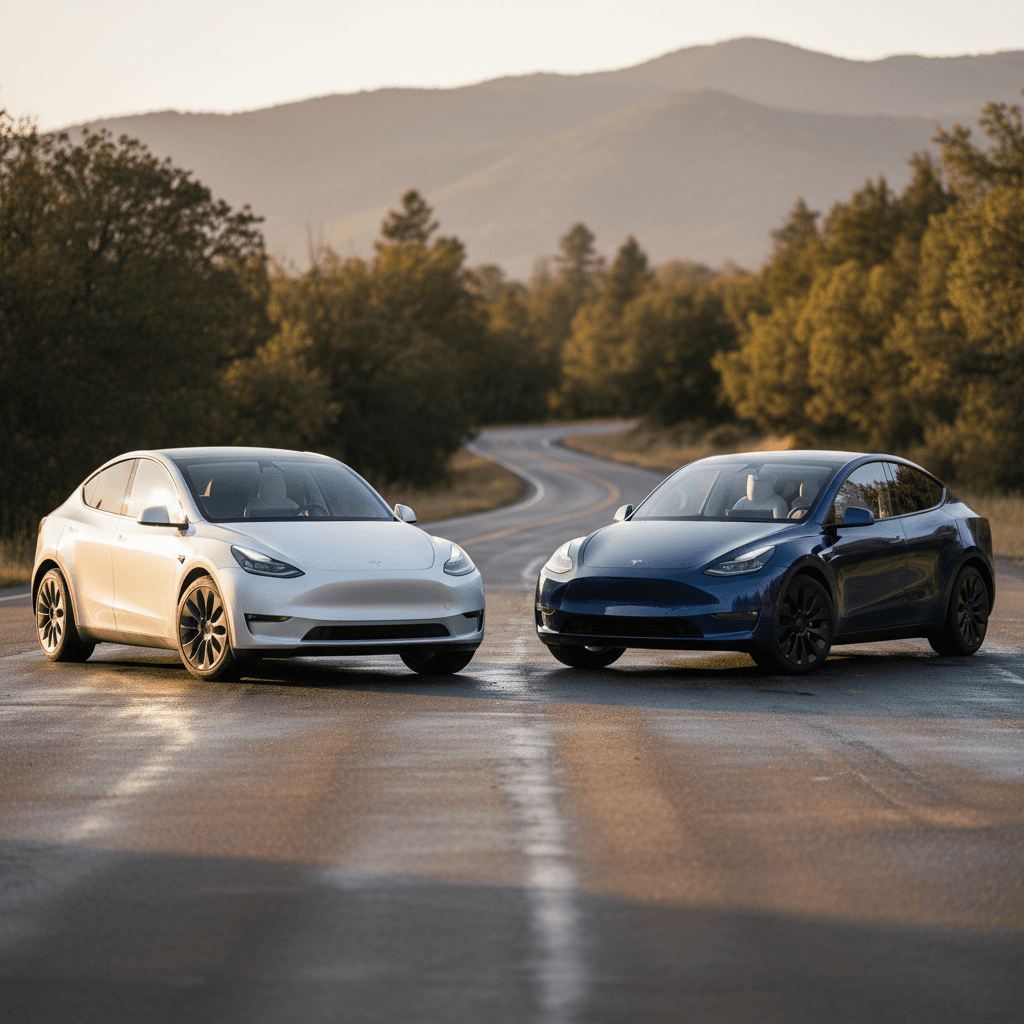
If you’re shopping for a Tesla Model Y, you’ll hit one of the most important choices early: rear‑wheel drive (RWD) or all‑wheel drive (AWD). The names are simple, but the trade‑offs aren’t. Price, range, traction in bad weather, and even resale value all change depending on which way you go.
2026 snapshot
Model Y RWD vs AWD at a glance
Typical 2025–2026 Model Y RWD vs AWD specs (U.S.)
Numbers vary slightly by model year, battery, and wheels, but the pattern is consistent: RWD is the efficiency and value play, while AWD is the performance and all‑weather play.
How Tesla labels RWD and AWD in 2026
Tesla has reshuffled Model Y trims several times. For 2025–2026 U.S. buyers, you’ll see combinations like Model Y RWD, Model Y AWD, Model Y Premium RWD/AWD, and Model Y Performance. Underneath the branding, what matters is the drivetrain and battery:
- RWD – Single motor at the rear axle, rear‑wheel drive. Generally the longest range and lowest price.
- AWD – Dual motors (front + rear), all‑wheel drive. More traction and noticeably quicker acceleration.
- Performance AWD – Dual‑motor AWD tuned for maximum acceleration, larger wheels, sportier suspension, and a bit less range.
Watch the fine print
Price and value: RWD vs AWD
For most buyers, the first question is, “How much more does AWD really cost?” In recent launches, Tesla has typically priced the Model Y Long Range RWD about $4,000 below the Long Range AWD. In early‑2026 reshuffles, a non‑Premium Model Y AWD has been positioned roughly $2,000 above the RWD, with Premium AWD sitting higher still.
Typical new Model Y pricing: RWD vs AWD (recent U.S. examples)
Approximate starting MSRPs before destination, options, or incentives. Exact pricing changes frequently, use this as directionally correct, not gospel.
| Trim example | Drivetrain | Est. range (mi) | Typical starting MSRP* | Key value play |
|---|---|---|---|---|
| Model Y Long Range RWD | RWD | ~330–357 | $44,990–$46,000 | Longest range, lowest entry price. |
| Model Y Long Range AWD | AWD | ~310–327 | $47,990–$50,630 | Stronger acceleration, all‑weather confidence. |
| Model Y AWD (non‑Premium) | AWD | ~294 | Low‑$40Ks | Bridges gap between RWD and Premium AWD. |
| Model Y Performance AWD | AWD | High‑270s–low‑280s | Low‑to‑mid‑$50Ks | Enthusiast‑grade acceleration and handling. |
RWD is consistently the lowest‑cost way into a new Model Y; AWD adds cost but also traction and performance.
Don’t forget incentives
If you’d rather let someone else eat the first‑year depreciation, a used Model Y can make the decision easier. Because AWD has been the volume seller, you’ll often find a wide selection of used AWD Model Y SUVs priced surprisingly close to new‑RWD money. That’s where a marketplace like Recharged shines: you can see real‑world pricing, battery health, and options side by side instead of guessing.
Range, efficiency, and battery differences
When Tesla adds a second motor for AWD, efficiency drops slightly. That’s why the company’s longest‑range Model Y in each generation tends to be the rear‑wheel‑drive Long Range model.
Typical range: Tesla Model Y RWD vs AWD
Your exact numbers will depend on wheels, tires, temperature, and speed, but the hierarchy stays consistent.
Model Y Long Range RWD
- EPA range: often quoted around 330–357 miles depending on year and battery.
- Single rear motor = lower energy use at highway speeds.
- Best pick if you road‑trip a lot in mild climates.
Model Y Long Range / Premium AWD
- EPA range: typically in the 310–327‑mile ballpark.
- Dual motors add weight and drag but improve traction.
- Sweet spot for mixed‑climate families and snow‑belt drivers.
Cold‑weather reality check
On paper, 20–40 extra miles of EPA range for RWD may not sound like much, but it can be the difference between skipping a Supercharger stop or not on a regular route. If you live in a warm‑weather state and frequently run 200‑plus‑mile days, RWD’s extra range is a real advantage.
Performance and driving feel
Acceleration
- Recent Long Range RWD Model Y trims typically run about 5.4–5.6 seconds 0–60 mph.
- Comparable Long Range AWD versions are closer to 4.6–4.8 seconds 0–60 mph.
- Performance AWD drops that into the low‑3‑second range, which is serious sports‑car territory.
Everyday feel
- Even RWD has instant EV torque; it already feels quicker than many gas crossovers.
- AWD gives more off‑the‑line punch and stronger mid‑range passing power.
- Larger Performance wheels and firmer suspension sharpen handling but can ride more stiffly and trim range.
Who will notice AWD performance?
Steering feel, brake feel, and overall refinement are broadly similar between RWD and AWD trims of the same generation. What you really feel is the extra traction and urgency off the line with dual motors.
Winter weather and traction: who really needs AWD?
The textbook answer is simple: if you routinely drive in snow, ice, or on steep unpaved roads, AWD is the safer bet. But there’s more nuance than that.
- For light snow and slush on mostly flat suburban streets, RWD with quality winter tires can be surprisingly competent.
- For mountain passes, ski trips, and rural roads that aren’t plowed promptly, AWD plus proper winter tires is worth the money.
- If you’re in Florida, Texas, or Southern California and almost never see snow, traction is rarely your limiting factor, range and price matter more.
Tires matter more than badges
Remember too that Regen (regenerative braking) and Tesla’s stability controls are well‑tuned. Even the RWD models do a good job keeping wheelspin in check. AWD simply gives the system more ways to shuffle torque when surfaces get mixed, half dry, half slick, patches of ice, so the car feels more planted.
Towing, seating, and practical utility
Tesla doesn’t make towing or cargo capacity radically different between RWD and AWD, but there are a few practical wrinkles worth noting, especially if you’re buying used.
Utility highlights: Model Y RWD vs AWD
Always confirm exact specs for the specific model year and trim you’re considering.
| Feature | Typical RWD | Typical AWD / Performance AWD | What it means for you |
|---|---|---|---|
| Max towing (with factory hitch) | Up to ~3,500 lbs | Up to ~3,500 lbs | On paper, similar. In practice, AWD feels more planted when towing near the limit. |
| Seating configurations | Mostly 5‑seat | 5‑seat common; some trims offer 7‑seat | If you need three rows, focus on specific AWD trims that offer the 7‑seat option. |
| Ground clearance | Similar between trims | Similar between trims | AWD doesn’t sit dramatically higher; it’s about traction, not ride height. |
| Cargo volume | Same basic layout | Same basic layout | RWD vs AWD won’t decide your cargo space, wheels and seats will. |
From a utility standpoint, the big differentiators are towing confidence and the availability of a 7‑seat layout on certain AWD trims.
Shopping used? Check the options list
Ownership costs, insurance, and resale value
RWD’s lower sticker price doesn’t just save you money on day one. It usually translates into slightly lower monthly payments, taxes, and sometimes insurance premiums. It can also be marginally cheaper to run, since you’re using a bit less electricity per mile.
Cost considerations beyond the window sticker
RWD is the budget and efficiency champ; AWD protects you on resale in snow and performance‑oriented markets.
Financing & payments
Because RWD is cheaper, it often means lower monthly payments or a shorter loan term. If you finance through a lender that works with EV specialists, like options you can explore via Recharged, the difference between RWD and AWD may only be a few dollars per month.
Energy & maintenance
RWD’s efficiency edge means slightly lower electricity costs over tens of thousands of miles. Day‑to‑day maintenance costs are similar between the two: both are EVs with minimal routine service needs.
Resale & demand
In snow‑belt regions and performance‑minded markets, AWD often commands stronger demand on the used market. In warm‑weather states, RWD’s price and range story can be just as appealing at resale.
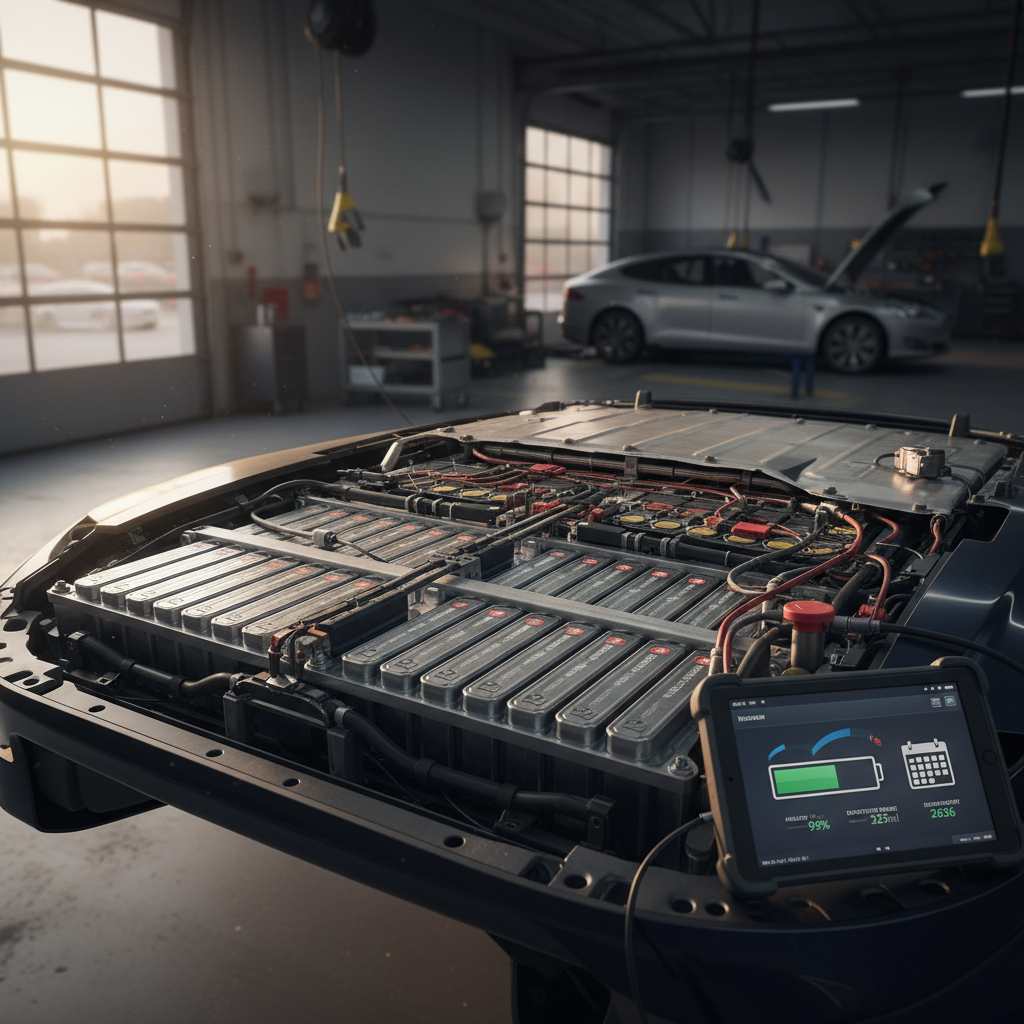
Battery health matters more than drivetrain
New vs used Model Y: when RWD or AWD used makes more sense
Because Tesla adjusts new‑car prices so frequently, the smart move is to compare them directly with real used Model Y listings. In many parts of the country, you’ll find that a lightly used AWD Model Y costs similar money to a brand‑new RWD, and sometimes less.
When a new RWD makes sense
- You qualify for substantial federal and state EV incentives that apply to new vehicles.
- You live in a warm climate and value maximum range over performance.
- You want the latest interior updates, cameras, and software from day one.
When a used AWD is the smarter buy
- You live in a snow belt or regularly drive into the mountains.
- You care about acceleration and confidence in all conditions, but still need to hit a specific payment target.
- You can find a Recharged‑inspected AWD Model Y with strong battery health at a meaningful discount to new.
How Recharged helps you compare
Ready to find your next EV?
Browse VehiclesChecklist: how to choose your Model Y drivetrain
Step‑by‑step: RWD vs AWD decision guide
1. Be honest about your climate
How many days per year do you drive on snow, ice, or muddy/gravel roads? If that’s a regular part of your life, AWD jumps up the priority list. If you can go multiple years without seeing snow, RWD deserves a hard look.
2. Map your longest regular trips
Think about the <strong>longest drives you make monthly</strong>, not your once‑in‑a‑decade road trip. If you’re often close to the limits of an AWD’s range, RWD’s extra miles can save you time and charging stops.
3. Decide how much acceleration you really want
If you’re coming from a compact crossover or minivan, even RWD will feel very quick. If you’re used to performance cars, or you just love that EV thrust, AWD or Performance AWD will feel more satisfying long‑term.
4. Check insurance and financing quotes
Get real quotes for both RWD and AWD with the same lender and term. Sometimes the <strong>monthly payment difference is smaller than you expect</strong>, especially if AWD holds slightly stronger resale in your region.
5. Think about resale and where you live
In Colorado, Utah, the Northeast, and upper Midwest, AWD can be an easier resale story. In California, Arizona, and the Southeast, RWD’s price and range advantage may be equally compelling to the next owner.
6. Compare new vs used with real cars
Don’t just compare Tesla’s configurator prices. Look at actual used listings on Recharged, review each car’s Recharged Score, and put <strong>real VINs side by side</strong>. Often a used AWD Model Y is the sweet spot between cost, capability, and confidence.
Tesla Model Y RWD vs AWD: FAQ
Common questions about Model Y RWD vs AWD
Bottom line: which Model Y should you buy?
If you live in a mild climate, mostly drive on paved roads, and care more about range and value than bragging‑rights acceleration, the Tesla Model Y RWD is the smarter play. It usually costs less up front, goes farther on a charge, and still feels legitimately quick.
If you routinely face snow, steep grades, gravel, or heavy rain, or if you simply want that extra punch every time you merge onto the freeway, the Model Y AWD (or Performance AWD) justifies its premium. The extra traction and acceleration are things you’ll appreciate every single day you drive the car.
The best move is to decide what you truly need, then look at real vehicles that fit: new RWD and AWD pricing on Tesla’s site, and used RWD and AWD Model Y listings with verified battery health on Recharged. When you put actual numbers and actual cars next to each other, the right choice for your budget, climate, and driving style usually becomes very clear.