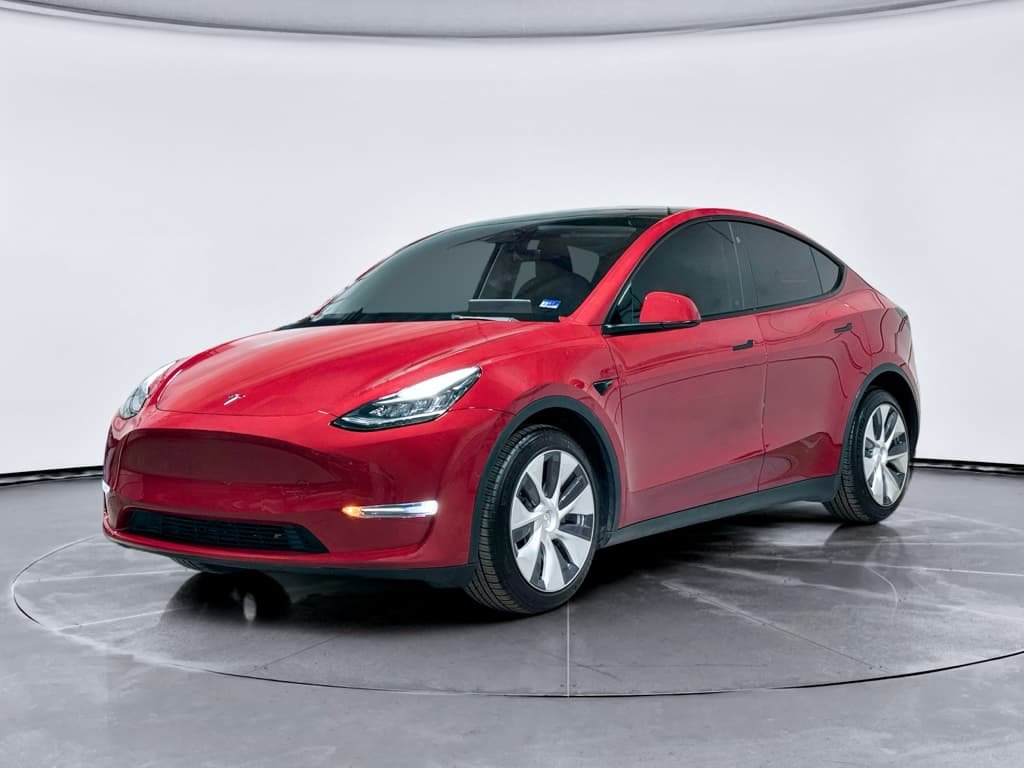
If you own a Tesla Model Y in 2026, you’ve probably seen a confusing mix of headlines: “EVs are crashing in value,” “Model Y is still a resale champ,” and everything in between. This guide breaks down the real Tesla Model Y resale value picture in 2026, what your crossover is likely worth, why prices moved so sharply in recent years, and what you can do to protect (or unlock) as much value as possible when you sell or trade.
Quick context
Why Model Y resale values look “weird” in 2026
On paper, the Model Y should be a resale value darling: it’s the best-selling EV in the U.S., offers competitive range, and enjoys strong demand in the used market. Yet between 2023 and 2025, used Teslas, Model Y included, lost value faster than almost any other major brand as Tesla slashed new-vehicle prices and rolled out cheaper variants. At the same time, EV prices generally fell back from pandemic-era highs.
2023–2024: price-cut shock
Tesla’s sizable factory price cuts on new Model Ys in 2023 and 2024 effectively reset the ceiling on what a used Y could sell for. Owners who paid $55,000–$65,000 for a new Model Y suddenly found fresh inventory advertised in the low $40,000s, sometimes with incentives layered on top.
That reshuffle dragged down asking prices on nearly every used Tesla, no matter how lightly used.
2025–early 2026: normalization
By late 2025 and into 2026, depreciation is still steeper for many EVs than for comparable gas SUVs, but the freefall phase has eased. Used EV prices are now within roughly a couple thousand dollars of used gas vehicles on average, and demand for practical, long-range crossovers like the Model Y has firmed up.
In dealer lanes and online marketplaces, well‑optioned, clean‑title Model Ys remain among the quicker‑moving used EVs.
Important mindset shift
2026 Tesla Model Y resale value at a glance
Tesla Model Y resale snapshot (typical 2026 ranges)
These aren’t guarantees; they’re directional ranges that reflect where the U.S. retail used market has landed by early 2026. Local supply, color, options, and condition can move your specific Model Y several thousand dollars in either direction.
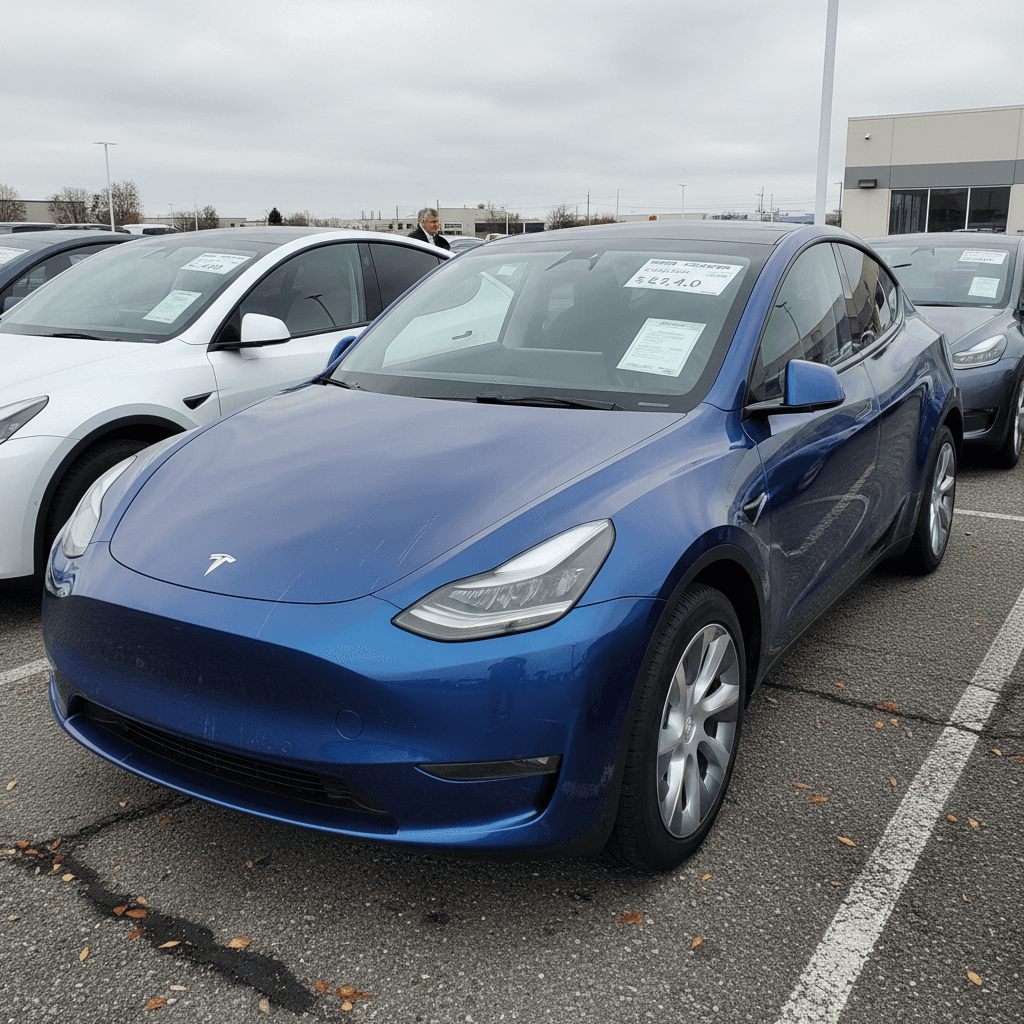
How much has the Model Y actually depreciated?
Talk to a dozen Model Y owners and you’ll hear a dozen different depreciation stories. The through‑line: values fell fast, but not always for the reasons people think. Looking at owner anecdotes, auction data, and valuation tools, you can sketch out typical curves for buyers who paid mainstream prices, not the rare fire‑sale or over‑MSRP deals we saw during the pandemic shortages.
Illustrative Tesla Model Y depreciation in 2026
These ranges assume average mileage (12,000–15,000 miles per year), clean history, and mainstream colors. They’re directional, not offers.
| Original MSRP (approx.) | Age in 2026 | Expected private‑party resale | Total depreciation | Approx. % lost |
|---|---|---|---|---|
| $55,000 (2021 Long Range) | 5 years | $22,000–$25,000 | $30,000–$33,000 | ~55–60% |
| $60,000 (2022 Performance) | 4 years | $25,000–$28,000 | $32,000–$35,000 | ~55–58% |
| $50,000 (2023 Long Range) | 3 years | $23,000–$27,000 | $23,000–$27,000 | ~46–54% |
| $43,000 (2024 Long Range after cuts) | 2 years | $26,000–$30,000 | $13,000–$17,000 | ~30–40% |
| $40,000 (2025 value trim) | 1 year | $30,000–$34,000 | $6,000–$10,000 | ~15–25% |
Depreciation is steeper for early high‑MSRP purchases and vehicles with heavier use.
How to read this table
Trim, year, mileage: what matters most for value
In 2026, used buyers are more price‑sensitive and better informed than they were three years ago. They’re shopping across brands, comparing total cost of ownership, and they’ve learned to ask tougher questions about range and battery history. For Model Y owners, three factors set the baseline for value: model year, trim, and mileage.
How key specs influence your Model Y’s resale price
Not all Model Ys are valued equally, even within the same model year.
Model year
Newer years still matter, but the story is nuanced.
- 2024–2026: Benefit most from lower original prices and updated hardware/software.
- 2021–2022: Often carry higher original MSRPs, which makes their percentage depreciation look worse, even if the real‑world driving experience is still competitive.
Trim and options
Long Range and Performance trims hold value better than short‑range or entry variants.
- Dual‑motor AWD and larger battery packs are more attractive in the used market.
- Wheel upgrades, premium interior and tow package can help, but rarely dollar‑for‑dollar.
Mileage and use
Mileage bands matter more than the exact odometer number.
- Under 30,000 miles: top of the market, assuming clean history.
- 30,000–60,000 miles: mainstream sweet spot.
- Over 90,000 miles: significant discounts unless battery health is exceptional.
Strong resale combos in 2026
Battery health, the hidden resale price driver
On dealer lots and in online classifieds, two Model Ys can look identical on paper, same year, trim and mileage, but sell for dramatically different money. The silent differentiator is battery health. In 2026, sophisticated buyers and EV‑focused retailers are no longer satisfied with “it charges fine.” They want to know what’s happening inside the pack.
- Early, high‑mileage Model Ys that have seen lots of DC fast charging can show noticeable range loss compared with factory specs.
- Cars that spent most of their lives on home Level 2 charging with moderate mileage tend to age better, with relatively modest degradation.
- Documented battery diagnostics and charge history give buyers confidence, and support higher asking prices.
Where Recharged fits in
Market forces shaping Model Y values in 2026
Behind every individual trade‑in offer or private‑party listing is a broader market story. In 2026, three forces are exerting the most pressure on Tesla Model Y resale values: the maturing EV market, shifting incentive policy, and competition from new EVs and efficient gas crossovers.
1. EV supply and demand
Used EV prices have come down as the market digests a wave of 2021–2023 lease returns and off‑fleet inventory. The gap between average used EV prices and used gas vehicles has narrowed to roughly a thousand dollars in many data sets, reducing the "sticker shock" for shoppers.
2. Incentives and policy changes
Federal EV tax credits that propped up new‑EV demand earlier in the decade have been dialed back or restructured, and several state programs have shifted toward income‑based or infrastructure incentives.
The net effect: fewer artificial price distortions, but also less of a demand boost for new EVs, which indirectly tempers used values.
3. Cross‑shopping across segments
Shoppers who once considered only a new Model Y are now comparing used Ys against late‑model RAV4s, CR‑Vs, Ioniq 5s, Mustang Mach‑Es and others. That broader menu keeps a lid on used Tesla pricing, even as total cost of ownership still often favors EVs for drivers who rack up miles.
Risk factor: tech obsolescence
How to estimate what your Model Y is worth
If you’re trying to decide whether to sell, trade, or hold your Model Y in 2026, step one is building a realistic value range, not the highest aspirational listing you can find online. Here’s a practical way to do that.
6‑step checklist to ballpark your Model Y’s resale value
1. Start with recent sold, not asking, prices
Look at sold listings on major marketplaces and auction platforms for Model Ys that match your year, trim and mileage. Asking prices can sit high; sold prices show what buyers are actually paying.
2. Adjust for mileage bands
Compare your odometer to similar listings. If your Y is 10,000–15,000 miles under the peer group, you can justify nudging your estimate higher; if it’s well over, be prepared to come down.
3. Factor in options and color
Desirable colors, dual‑motor AWD, tow package and premium interior can help, but rarely one‑for‑one with what you paid. Unusual colors or large aftermarket wheels can limit your buyer pool.
4. Check battery and charging behavior
Run a battery health diagnostic if you can, and note your typical charging habits. A clean report plus mostly home Level 2 charging supports stronger pricing than heavy Supercharger use and a noticeably reduced range.
5. Pull trade‑in and instant‑offer quotes
Get no‑obligation quotes from dealers and online buyers, including EV specialists. These offers will usually come in below what a patient private‑party sale can achieve, but they set a realistic floor.
6. Decide on your pricing strategy
For a quick sale, price near the bottom of your estimated range. For maximum value, list near the upper half and be ready to respond with documentation, service records, battery report, and a Recharged‑style inspection if you have one.
Leverage third‑party reports
Getting the best price: trade-in vs private sale
In today’s market, the biggest spread in value often isn’t between one valuation tool and another, it’s between what a dealer or instant‑offer service will pay and what you can realistically get on your own. Both paths have their place.
Trade-in vs private sale for a 2023–2024 Model Y
What most 2026 sellers are actually seeing on the ground.
Trading in or taking an instant offer
- Pros: Fast, low‑friction, sales tax savings if you’re buying another vehicle, no need to field messages or test drives.
- Cons: Usually the lowest dollar amount; offers are built to leave room for reconditioning and profit.
- Typical gap: For a clean 2–3‑year‑old Model Y, trade‑in offers often land $2,000–$4,000 below what a well‑priced private sale can achieve.
Selling private party or via consignment
- Pros: Highest potential sale price, especially for desirable trims and colors with great battery health.
- Cons: More time and effort, risk of no‑shows, paperwork hassle if you go it alone.
- Middle path: EV‑focused marketplaces like Recharged can list, market, and help sell your Model Y on consignment, handling screening and paperwork for you.
Where Recharged can help you exit smartly
Ready to find your next EV?
Browse VehiclesHow Recharged evaluates used Tesla Model Ys
Not all valuation processes treat EVs fairly. Some legacy systems still treat battery packs like an unknown risk and price accordingly. At Recharged, Model Ys are evaluated with EV‑specific tools and criteria, which can benefit well‑maintained vehicles and give buyers clearer visibility into what they’re getting.
Inside a Recharged Score report for a Tesla Model Y
The Recharged Score pulls together mechanical, cosmetic and battery data into a single, transparent assessment for buyers and sellers.
| Category | What’s assessed | Why it matters for resale |
|---|---|---|
| Battery health | Usable capacity vs original, degradation trends, DC fast‑charging frequency | Quantifies the most expensive component on the vehicle and separates healthy packs from abused ones. |
| Charging performance | Onboard charger behavior, charge rate, connector condition | Ensures buyers can charge at home and on road trips without surprises. |
| Mechanical & cosmetic | Suspension, brakes, tires, body panels, interior wear, glass | Impacts reconditioning costs and how “new” the car feels to the next owner. |
| Software & features | OTA update status, Autopilot/FSD package, driver‑assist features | Confirms what’s actually enabled and reduces disputes over advertised features. |
| Market comps & pricing | Similar vehicles sold recently in your region and nationwide | Anchors the recommended price or offer to real‑world transactions, not wishful thinking. |
A strong Recharged Score can support thousands of dollars in additional perceived value by reducing buyer uncertainty.
When you buy or sell a Model Y through Recharged, digitally or at the Richmond, VA Experience Center, you’re not just trading a VIN. You’re transacting on a transparent report card that makes it easier for both sides to agree on value.
Frequently asked questions: Tesla Model Y resale 2026
Model Y resale questions, answered
Bottom line for Model Y owners in 2026
The Tesla Model Y’s resale story in 2026 is complicated, but not bleak. Early buyers who paid peak prices absorbed unusually steep paper losses; later buyers who benefited from price cuts are seeing more normal curves. Across the board, though, the vehicles themselves remain compelling: practical range, strong performance, and a charging ecosystem that still sets the pace in many regions.
If you’re thinking about selling, your best move is to ground your expectations in today’s market, recent transactions, not old list prices, then highlight what makes your vehicle stand out: careful ownership, clean history, and verified battery health. And if you’d rather not navigate that alone, Recharged can help you price, market, and sell or trade your Model Y with the same kind of transparency you expect from your car’s own data. In a market that’s finally finding its footing, that clarity is your biggest resale advantage.